Srebarna Nature Reserve
Srebarna Nature Reserve, Bulgaria
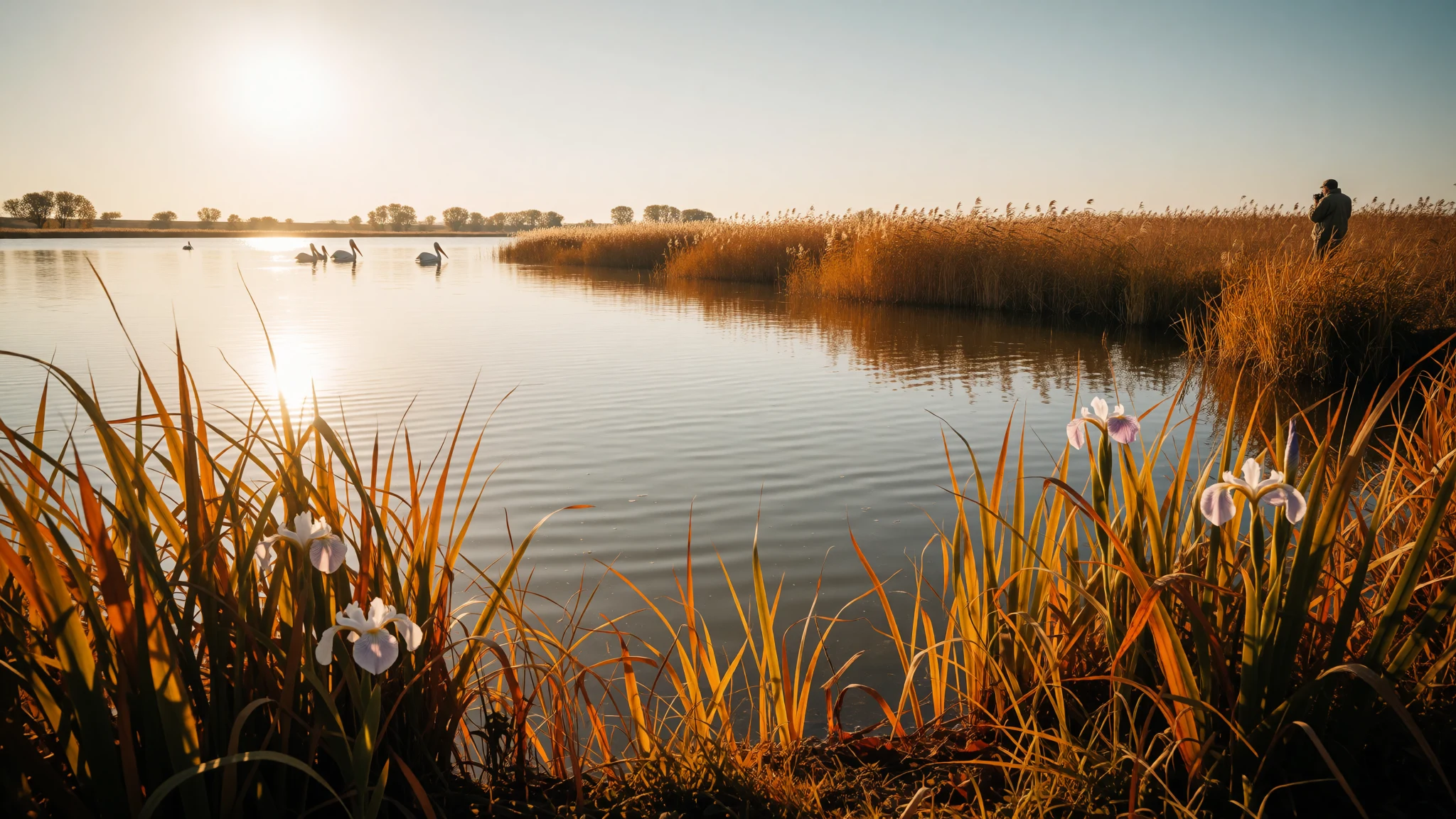
Srebarna Nature Reserve is a bird-focused wetland stop where the lake and reedbeds make migration feel close and lived-in.
The place
Srebarna Nature Reserve (Природен резерват Сребърна) sits in northeastern Bulgaria, in Southern Dobruja, close to the village of the same name. The reserve is centred on Lake Srebarna and the surrounding habitats that protect both nesting areas and migration stopovers. It sits near the Danube, and its location also links into Via Pontica, the migration route running between Europe and Africa.
The landscape here is mainly water and wetlands: open lake views alternate with reedbeds and shallower margins where birds feed and move. The protected area includes Lake Srebarna together with land around it, plus a wider buffer zone that helps reduce pressure from the edges. Water can be quite shallow near the shore, which is part of why the lake supports so much life.
A visit is built around changing viewpoints rather than long sightseeing circuits. From the edges you can see the lake’s surface, the surrounding reed patterns, and—depending on the season—birds either resting, feeding, or actively moving along the corridor that Via Pontica provides.
There’s also a small museum constructed on site, with a collection that explains the species typical of the reserve, including the kind of pelicans you may spot on the water. It’s an outdoorsy day in rural Bulgaria, practical for short walks and observation, with comfort coming from timing and patience rather than crowds or facilities.
Its story
Srebarna Nature Reserve has long drawn naturalists, first from abroad and later through Bulgarian science and conservation. Long before the reserve became a named protected area, researchers studied the lake and its bird life, noticing how important the wetland was for species that rely on this landscape.
One early Bulgarian interest came from Aleksi Petrov, who visited in the early 20th century to look at the birds nesting there. The political map around Southern Dobruja shifted during that period, and after the area returned to Bulgaria, the interest in the colonies continued with renewed visits.
Protection then turned from observation to formal conservation. Srebarna became a protected nature reserve in 1948 and has since earned international recognition under frameworks like Ramsar. Conservation milestones followed through the 1970s and into the 1980s, linking Srebarna to global efforts focused on wetlands and natural heritage.
Today, the story still shows up on the ground: the lake and reeds are treated as living habitat rather than just scenery. Even if wildlife spotting is the main reason people come, the reserve’s museum gives context, translating the reserve’s long history of study and protection into something you can understand while you stand by the water.
What to see
- Lake Srebarna viewpoints — Lake edge and reserve viewpoints
Lake Srebarna is the heart of the reserve, and the best moments come from watching the waterline shift with wind and light. Spend time at viewpoints that overlook reed edges and open water, then re-check as birds move.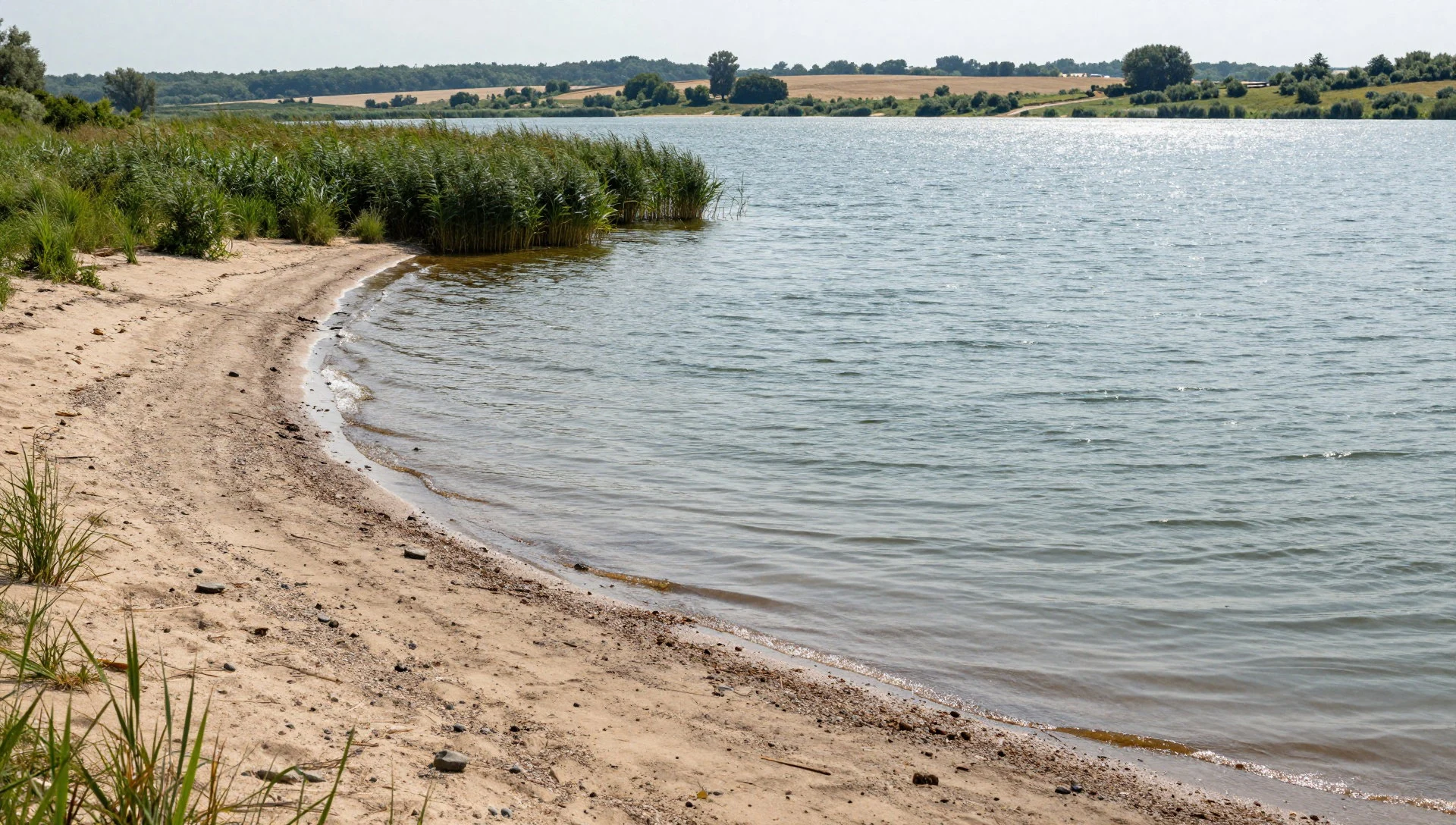
- Reed and wetland habitat watching — Reedbed margins around the lake
Reedbeds are where activity feels most constant—feeding, resting, and occasional bursts of movement. Scan slowly along the reed edge and the shallower margins; the habitat pattern often tells you where birds will reappear next.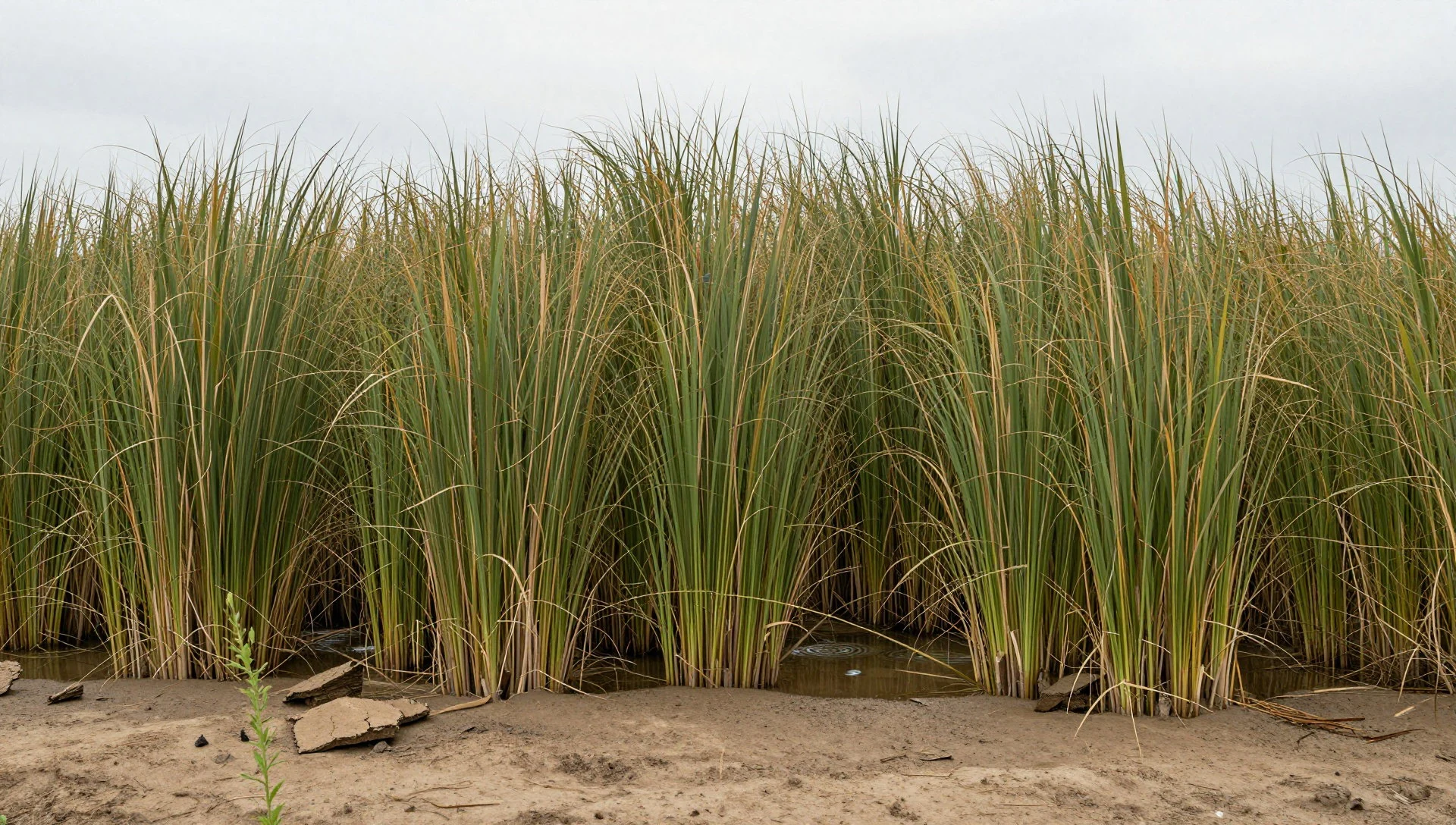
- Museum on site — Within the reserve grounds near the main facilities
The on-site museum helps turn a wildlife walk into a guided understanding. Expect a display based around species typical for the reserve, including stuffed specimens, which are especially useful when you can’t get a clear look in the field.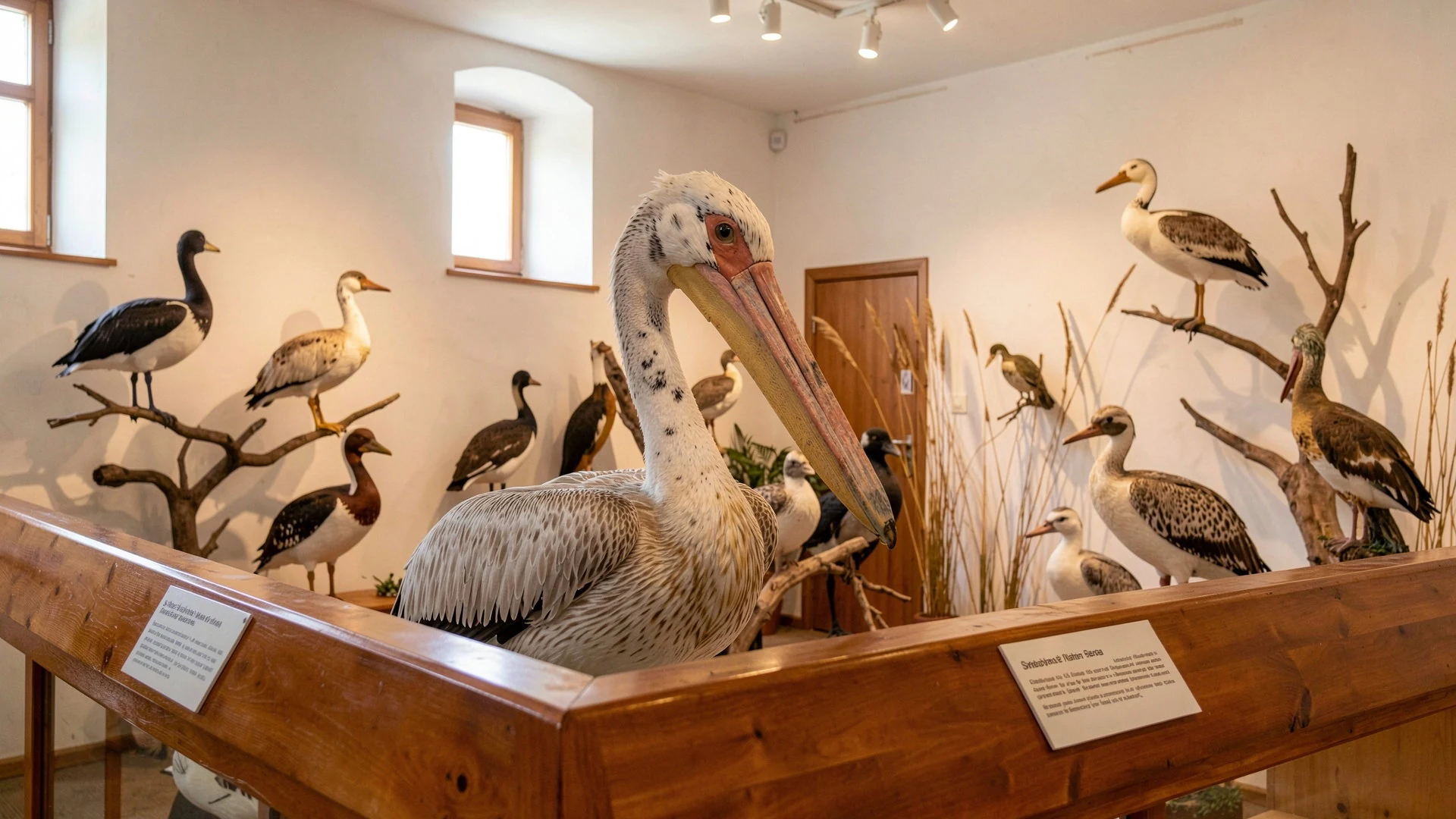
- Pelican spotting areas — Open water sections near the shore
When the water and reed cover line up, larger birds can stand out quickly. Keep an eye on open water near the shorelines, then watch from the same angle for a while—behaviour changes gradually rather than all at once.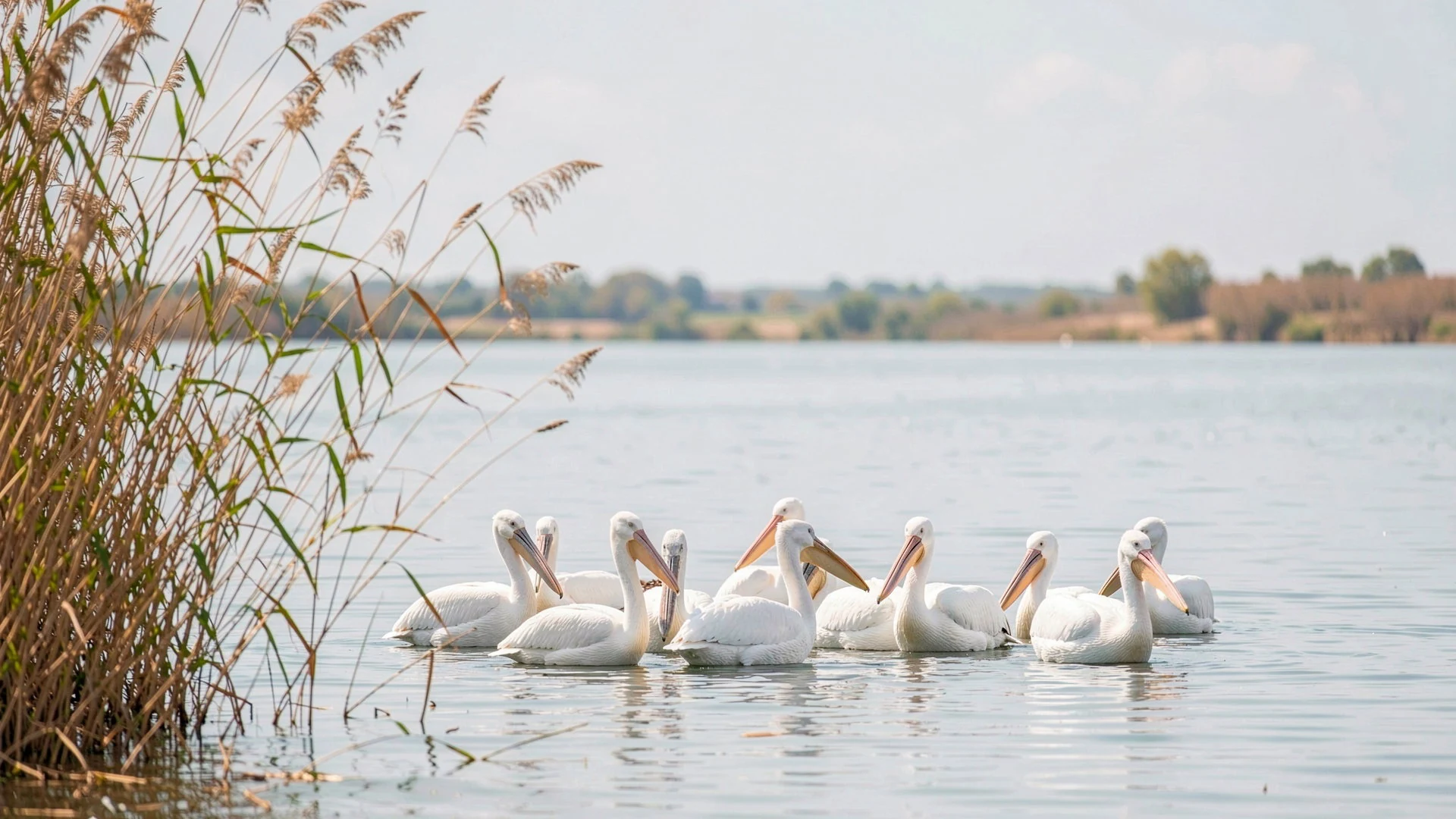
- Evening silhouettes over the lake — West-facing lake views from the reserve edge
Late-day light makes birds’ shapes read clearly against the brighter water and sky. The lake can feel calmer, and this is often when movements become more obvious at distance—bring patience rather than expecting constant action.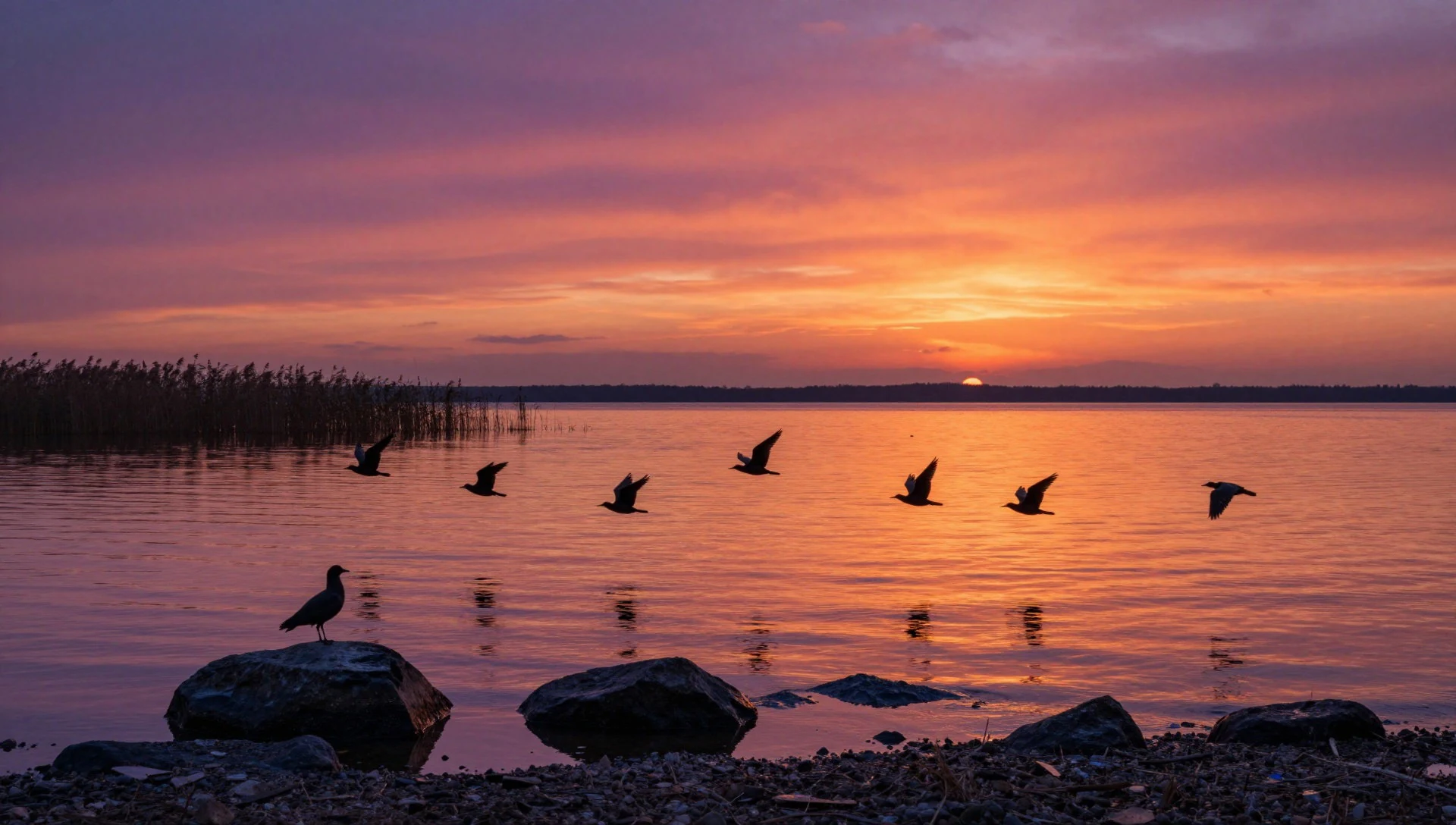
Culture
Srebarna Nature Reserve is a conservation-focused place, so local culture here is less about rituals and more about how people behave around wildlife and quiet countryside. Bulgarians are often friendly and open to conversation with visitors, but in many small areas the interaction can be straightforward rather than chatty—people may be polite, answer a quick question, and then carry on with their day.
At Srebarna, that practical attitude matters because the wetland is sensitive. Noise carries over water, and sudden movements can spook birds that are already working hard during migration. Dress for time outdoors and keep your focus on observation rather than chasing photo moments that require crowding or blocking paths.
If you’re talking to someone nearby—whether at a stall, by a gate, or around the museum—simple greetings go a long way. “Dobar den” is a good, safe start, and “Kak ste” can work with younger people when conversation naturally opens up.
Visitor etiquette: stay on marked paths, keep voices low around the water, and avoid crowding birds so others can observe without disturbance.
What to wear
For Srebarna Nature Reserve, clothes are mainly about wetland comfort and being able to stand still for wildlife spotting. Traditional Bulgarian dress exists in ceremonial and folk contexts, but day-to-day, visitors will mostly wear practical summer-to-shoulder-season outfits: breathable tops, long trousers for reed edges, and a light jacket for cooler late-day air.
In the reserve’s rural setting, footwear matters. Choose sturdy walking shoes or trainers with grip; some paths can be uneven and the ground can feel damp near the lake. A hat and sunglasses help in brighter months, and a small daypack is handy for water and a dry layer.
If visiting the museum and any information areas inside, keep clothes neat and comfortable—there’s no need to dress formally, but covering shoulders and keeping a respectful look helps in small exhibition spaces. In warmer periods, light layers are better than one bulky item, because you may alternate between shaded areas and open views over the lake.
What to eat
- Shop-bought banitsa (cheese pastry) — Nearby village shops and bakeries on the way to/from the reserve
Look for banitsa at local bakeries or small shop counters in nearby villages before heading back out for birdwatching. It’s a quick, filling snack that works well when the day’s mostly outdoors.
- Shopska salad — Casual restaurants and family-run eateries in Silistra or nearby towns
A classic Bulgarian salad—tomatoes, cucumber, and cheese—appears in many simple eateries. It’s refreshing in warmer months and easy to pair with a main dish after a long walk around the lake.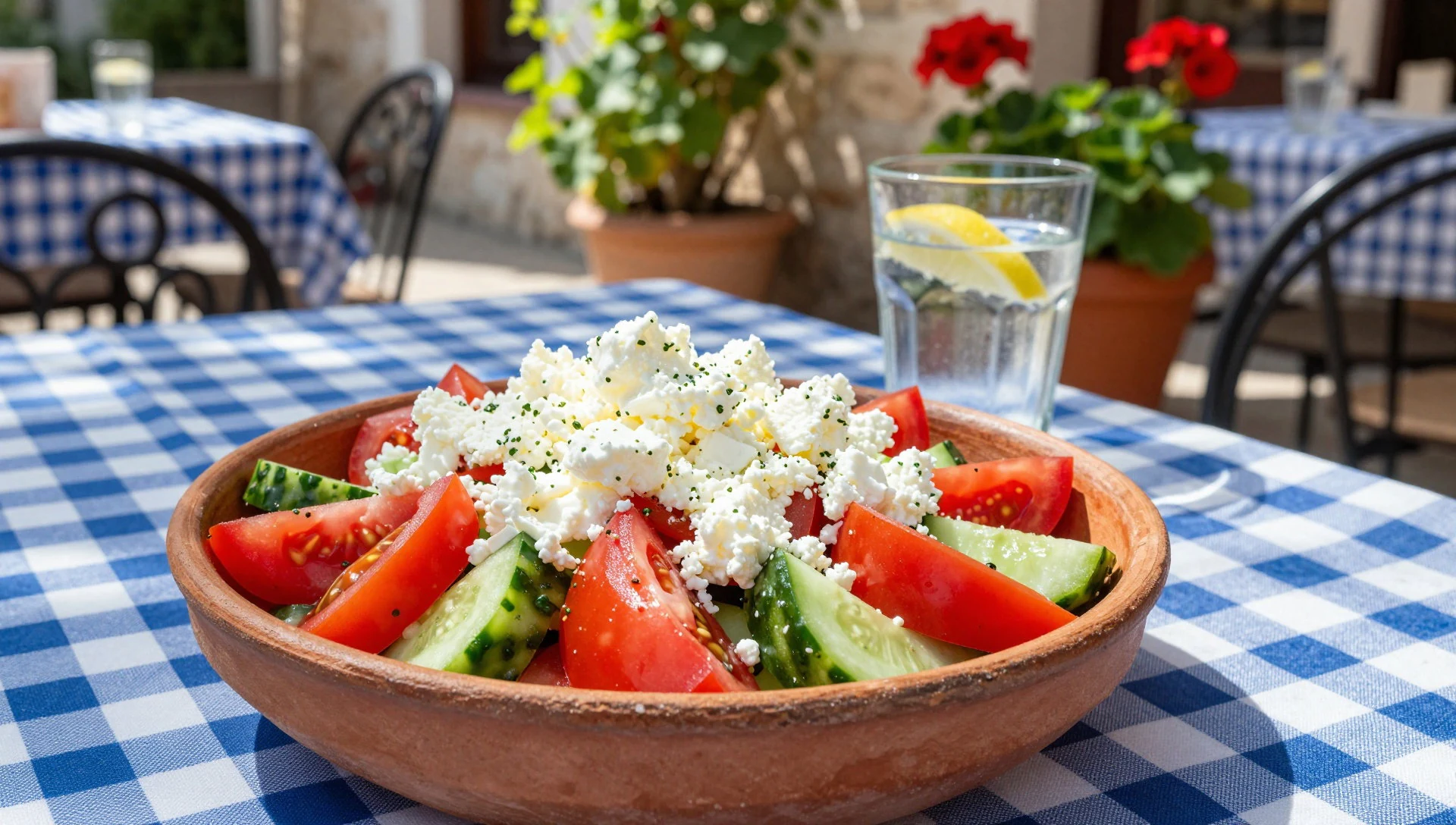
- Tarator (cold yoghurt-cucumber soup) — Traditional taverns and lunch spots in the local area
Tarator is a chilled soup based on yoghurt and cucumber, often flavoured with garlic and herbs. It suits hot or sunny afternoons after time outside, especially when you want something light. - Grilled meat plate — Local taverns in Silistra and surrounding towns
Bulgarian meals often lean into grilled options, particularly meat dishes. A simple grilled plate is an easy choice after a day of walking, and it’s commonly available in straightforward local restaurants. - Baklava (honey-nut pastry) — Patisseries and dessert counters in nearby towns
Baklava is a sweet, layered pastry that’s widely sold as a dessert in the Balkans. It’s a good treat to round off an evening after a full day by the lake.
Plan it
Best time. March–April for comfortable spring conditions and wildlife activity; October–November for cooler autumn weather and clearer light for spotting birds.
How long. 2–3
Getting there. Fly into a major Bulgarian or regional hub, then use road travel to reach the reserve near the village of Srebarna in northeastern Bulgaria; the last leg is by local roads to the reserve entrance.
Budget. mid
Tips
- Plan a long observation window rather than rushing—wildlife changes slowly at wetlands.
- Aim for earlier parts of the day when birds are more active and the light is gentler for spotting.
- Bring water and a light layer; conditions near the lake can feel cooler or breezier than nearby towns.
- Check the museum plan on the day you visit, since access is easier when your timing lines up with your walk.
Etiquette
- Keep to the paths and avoid stepping into reed edges.
- Keep noise down so birds can feed and rest without disturbance.
- If taking photos, don’t block viewpoints—move aside when someone else arrives.
Nearby
Sources
- Wikidata Q122082 (CC0)
- Wikipedia (rev 1379624671) (CC BY-SA 4.0)
- Wikivoyage (rev 5424560) (CC BY-SA 4.0)
- Photo photos/01-.jpg (CC BY-SA 4.0)
- Photo photos/02-dalmatian-pelican-and-great-cormorant-in-danube-delta.jpg (CC BY 3.0)
- Photo photos/03-srebarna-lake-svik.jpg (CC BY 3.0)
- Photo photos/04-stuffed-pelicans-srebarna.jpg (CC BY 3.0)
- Photo photos/05-srebarna-nature-reserve-01.jpg (CC BY-SA 4.0)
- Photo photos/06-srebarna-nature-reserve-02.jpg (CC BY-SA 4.0)
- Photo photos/07-srebarna-nature-reserve-03.jpg (CC BY-SA 4.0)
- Photo photos/08-srebarna-nature-reserve-04.jpg (CC BY-SA 4.0)


