Špilberk Castle
Špilberk Castle, Czech Republic
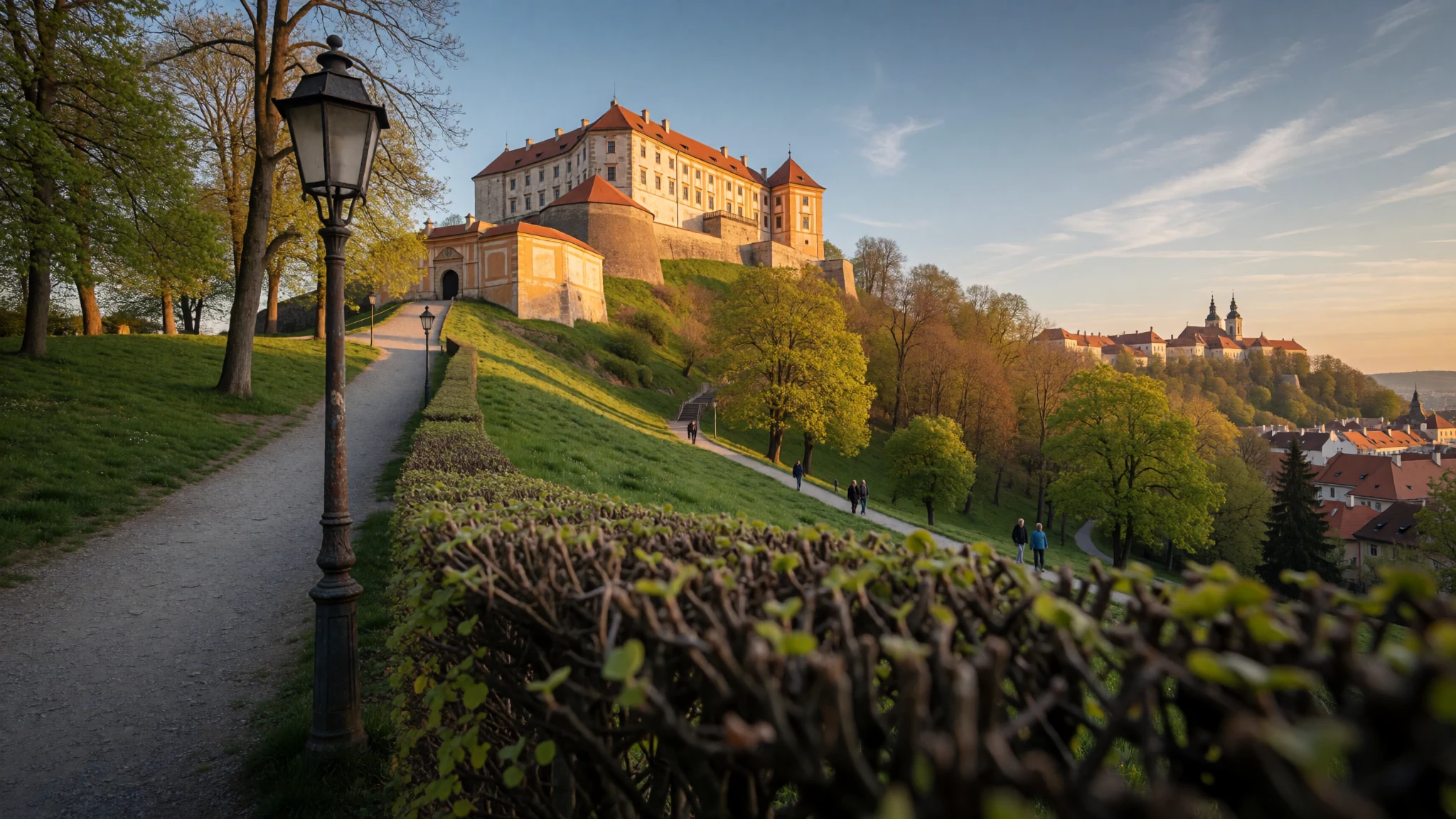
Špilberk Castle gives Brno a hilltop view and a sobering lesson: a royal fortress that became one of the Austrian Empire's feared prisons.
The place
Špilberk Castle (Czech: hrad Špilberk, known locally as Špilas) sits on a hill above the centre of Brno, the main city of Southern Moravia, at about 282 metres above sea level. Building began under the Přemyslid kings in the first half of the 13th century and was finished by Ottokar II, who died in 1278. Its look today owes less to the medieval royal seat than to later centuries, when engineers wrapped the hill in heavy baroque bastions and turned it into a citadel. A long spell as a prison followed, then as barracks, which explains the stern outline that Brno residents treat as both landmark and warning.
The hill itself is green and open. Park paths climb from the old town, so the approach is a steady uphill stroll rather than a hike, and the bastion walls make good places to sit and look across the red roofs, the spires of Petrov cathedral and the plain beyond. Inside, the castle is run as a museum, with exhibitions on the city's past, the prison casemates and several viewpoints. Opening times and ticket options change with the season, so the official site, https://www.spilberk.cz/, is the place to check before going.
Brno is a university city, quieter and more relaxed than Prague, with Gothic churches, baroque squares and modernist villas within easy reach of each other by foot or tram. Špilberk works well as a first stop: it explains how the city was ruled and defended, and the view shows where to head next.
Its story
Špilberk Castle began as a royal stronghold and ended up as an instrument of the state's fear. Moravian margraves ruled from the hill in the Middle Ages, and one of them, Jobst, later held a royal title, but the castle's darker reputation was built afterwards. In 1560 the town of Brno bought the hill and turned it into a municipal fortress. Its bastions proved their worth during the Thirty Years' War, when Swedish forces raided Moravia and failed to take the city, and that success encouraged still more fortification.
Prisoners arrived alongside the soldiers. After the anti-Habsburg rebels were beaten at White Mountain in 1620, leading Moravian insurgents were held here for several years. Protestants, petty thieves and hardened criminals later shared the same walls. The soldier Franz von der Trenck, a controversial figure of his age, died in a cell in 1749. Captured French revolutionaries followed, among them Jean-Baptiste Drouet, the postmaster who had recognised the fleeing Louis XVI, together with a group of Hungarian Jacobins led by the writer Ferenc Kazinczy.
From 1822, specially built cells in the northern wing took Italian Carbonari, patriots who had fought for a free and united Italy. Some died in the fortress, and a memorial in the park below now remembers them. Stendhal put the prison into The Charterhouse of Parma, which carried its name far beyond Moravia. The fortress later served as barracks, and only after that did it become the museum and city park it is today.
What to see
- The early Gothic royal house — Castle core
The oldest parts of Špilberk Castle are its royal house and gateway, where pointed arches and thick stone recall the castle's medieval life as a ruler's residence. Inside, vaulted halls link back to the era when Moravian margraves and King Jobst held court here, long before the fortress turned to prison use.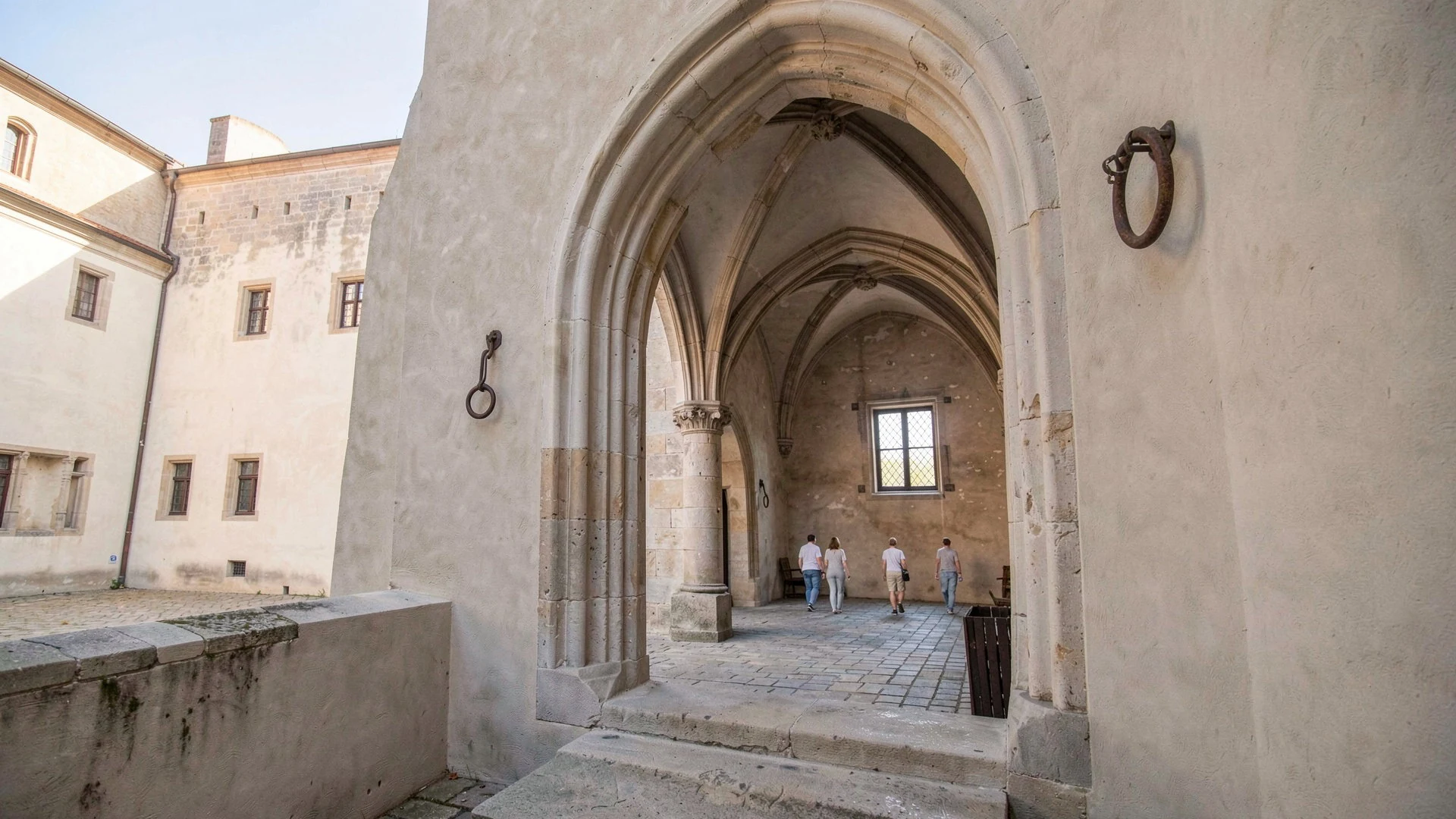
- The casemates and prison cells — Castle, lower levels
Beneath the bastions, the casemates hold the cells and passages that gave Špilberk its grim name. Exhibitions explain who was held here and how, from Protestants and rebels to French revolutionaries and Italian Carbonari. The rooms are cool, dim and sombre, and worth the time even on a hot day.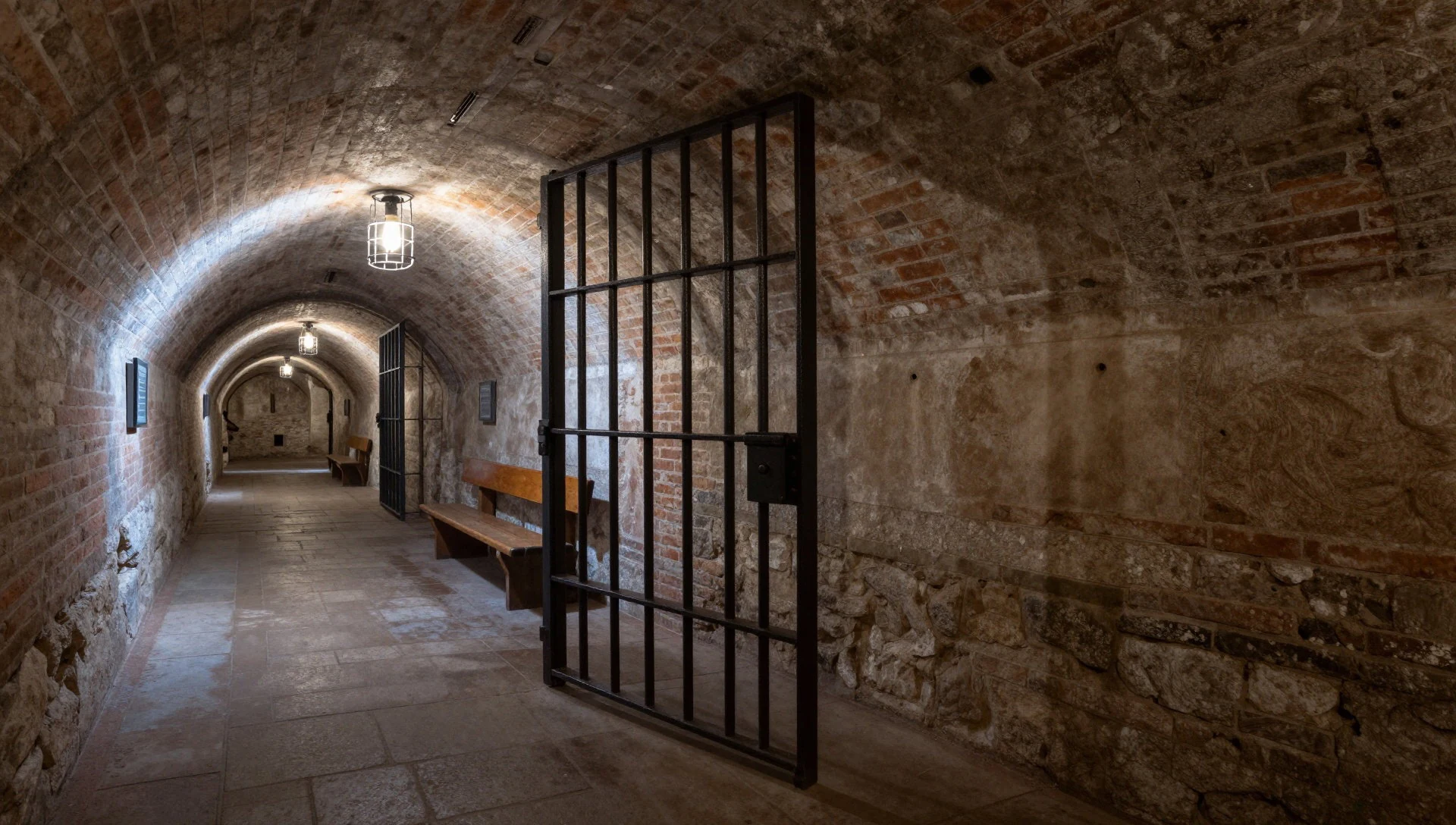
- The bastions and city view — Castle grounds and park
Walking the outer walls and bastions shows how the baroque citadel was designed to hold the hill. The reward is a wide view over Brno's rooftops towards Petrov cathedral and the plain beyond. Late afternoon light is kind, and a bench on the wall is a good place to orient yourself.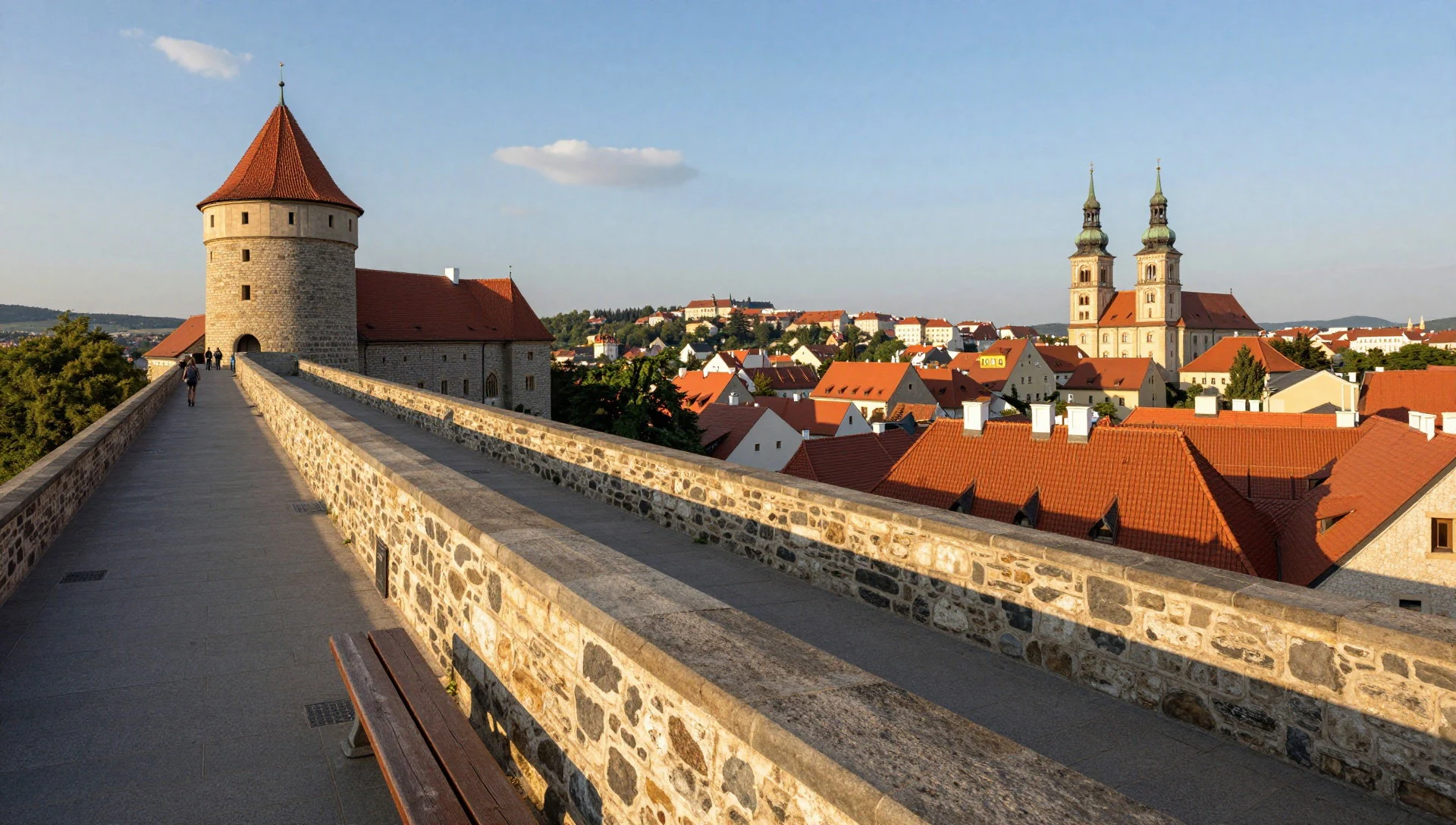
- Carbonari memorial — Špilberk park
In the park below the fortress stands a memorial to the Italian Carbonari who were imprisoned at Špilberk and died there. It is small and easy to miss, but it connects the castle to the wider story of Italian unification and to the many nations whose rebels passed through Brno.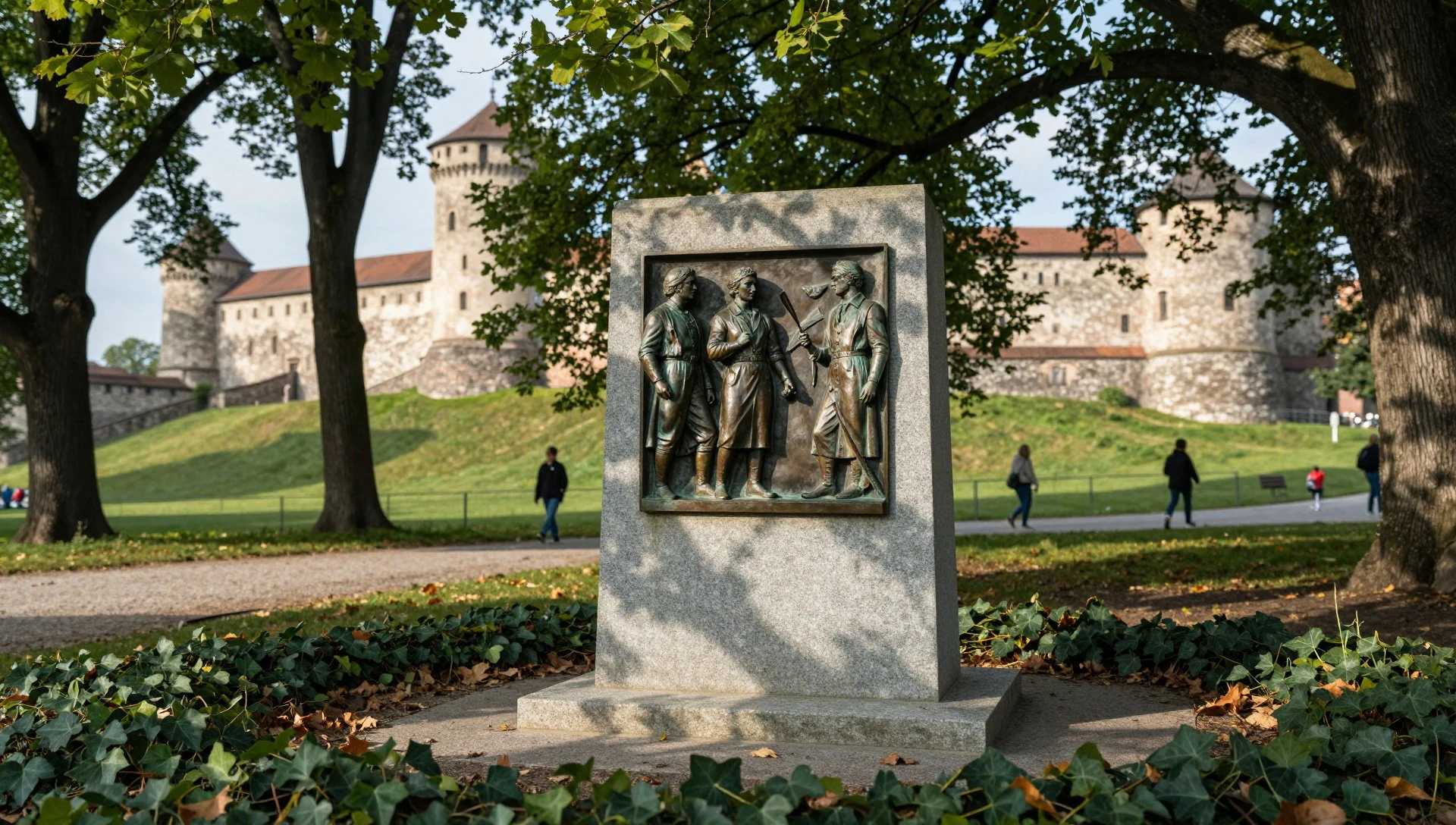
- Petrov Cathedral — Petrov hill
The cathedral of St Peter and Paul crowns the neighbouring hill and forms the other half of Brno's skyline, answering the castle across the old town. The name Petrov belongs to the hill, not the building. It is a short walk from Špilberk and easy to pair with a castle visit.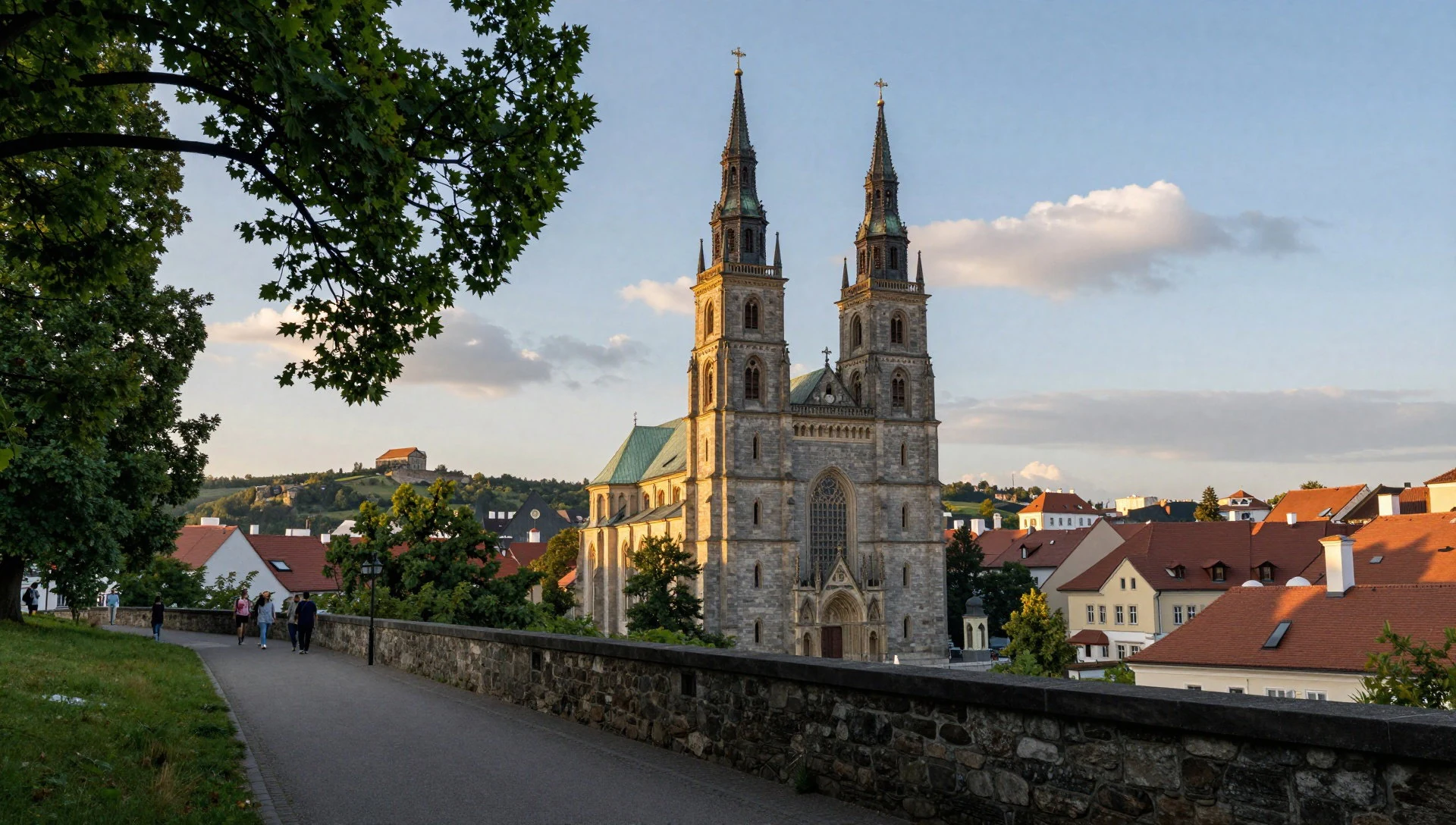
- Capuchin Monastery and crypt — City centre
The Capuchin Monastery lies right in the city centre and is known for baroque statues and an underground tomb where mummified monks are displayed. It is a stark, quiet counterpart to the castle, and a reminder of how the city handled death, faith and memory.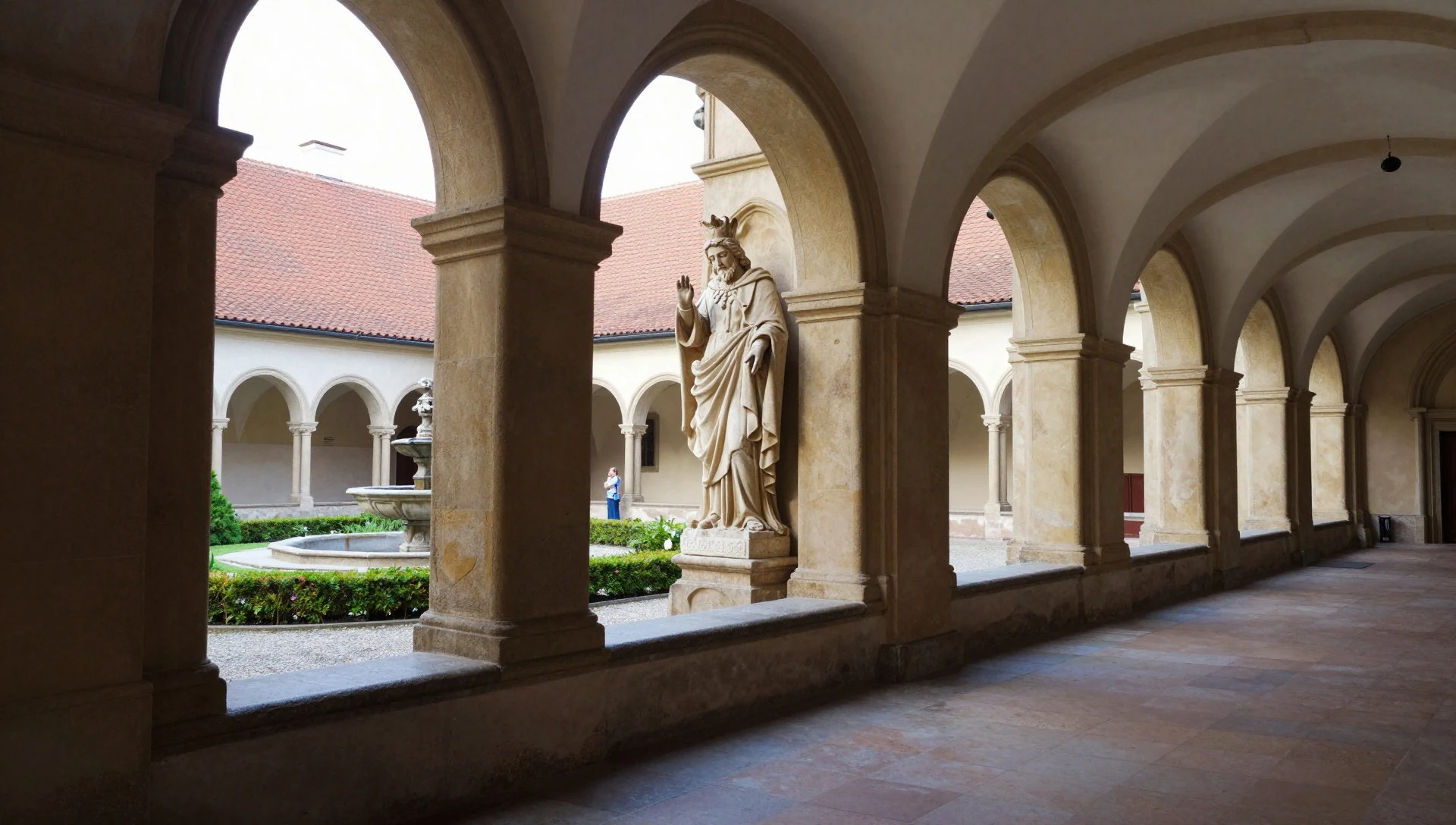
Culture
Špilberk Castle sits at the heart of how Brno sees itself: a Moravian city with its own history, proud of being separate from Prague, and aware that its landmark hill was long a place of confinement. That memory is treated seriously. The museum does not dress the prison up as spectacle, and the Carbonari memorial in the park shows that foreign patriots who died here are still remembered.
Beyond the castle, Brno's culture is student-driven and low-key. The city has universities, theatres, small galleries and a lively café and pub life, and the architecture ranges from Gothic churches to baroque squares to modernist villas, among them Tugendhat Villa, which is on the UNESCO World Heritage List. Moravia is also known for its wine, and local wine bars are a regular part of an evening out.
Czech social habits are polite but reserved. A greeting on entering a small shop or pub is expected, conversations stay quiet in public places, and lunch tends to be a proper midday meal, often starting with soup. Beer in Brno pubs is usually poured carefully and unhurried, and staying at a table for a long conversation is normal.
In the casemates and at the Carbonari memorial, keep voices low, do not touch or lean on the walls and exhibits, and treat the rooms as a place of remembrance rather than a photo backdrop.
What to wear
Špilberk Castle belongs to Moravia, a region with a strong folk-dress tradition known as kroj, which varies from one district to the next. Typical elements include white linen blouses with embroidered sleeves, wool or cotton skirts in bright colours, aprons, lace, ribbons and decorated bodices for women, and embroidered waistcoats and boots for men. These are not everyday clothes today. They appear at folk festivals, wine harvest celebrations, weddings and village parades, usually worn with real pride and often passed down within families.
Day to day, Brno dresses much like other central European cities: dark jeans, plain jackets, trainers or comfortable boots, with a casual, slightly understated look. The student population keeps things informal, and smart clothing is reserved for the opera, theatre or a formal dinner rather than ordinary evenings out.
For visitors, comfort matters more than style. Summers are very hot, winters are cold and damp, and spring and autumn can change quickly, so layers and a light waterproof are sensible. The route up to the castle is uphill over park paths and cobbles, so sturdy walking shoes are better than sandals or smooth soles. The casemates stay cool even in summer, so a thin extra layer helps. Churches such as Petrov cathedral and the Capuchin crypt are visited quietly, so avoid very revealing clothing there and remove hats indoors.
What to eat
- Smažený sýr (fried cheese) — Pubs, fast-food stands and casual restaurants across the centre
A slab of cheese coated in breadcrumbs and fried until crisp, usually served with tartare sauce and chips or potatoes. It is a staple of Czech pubs, restaurants and fast-food stands, and a cheap, filling meat-free option for a quick lunch.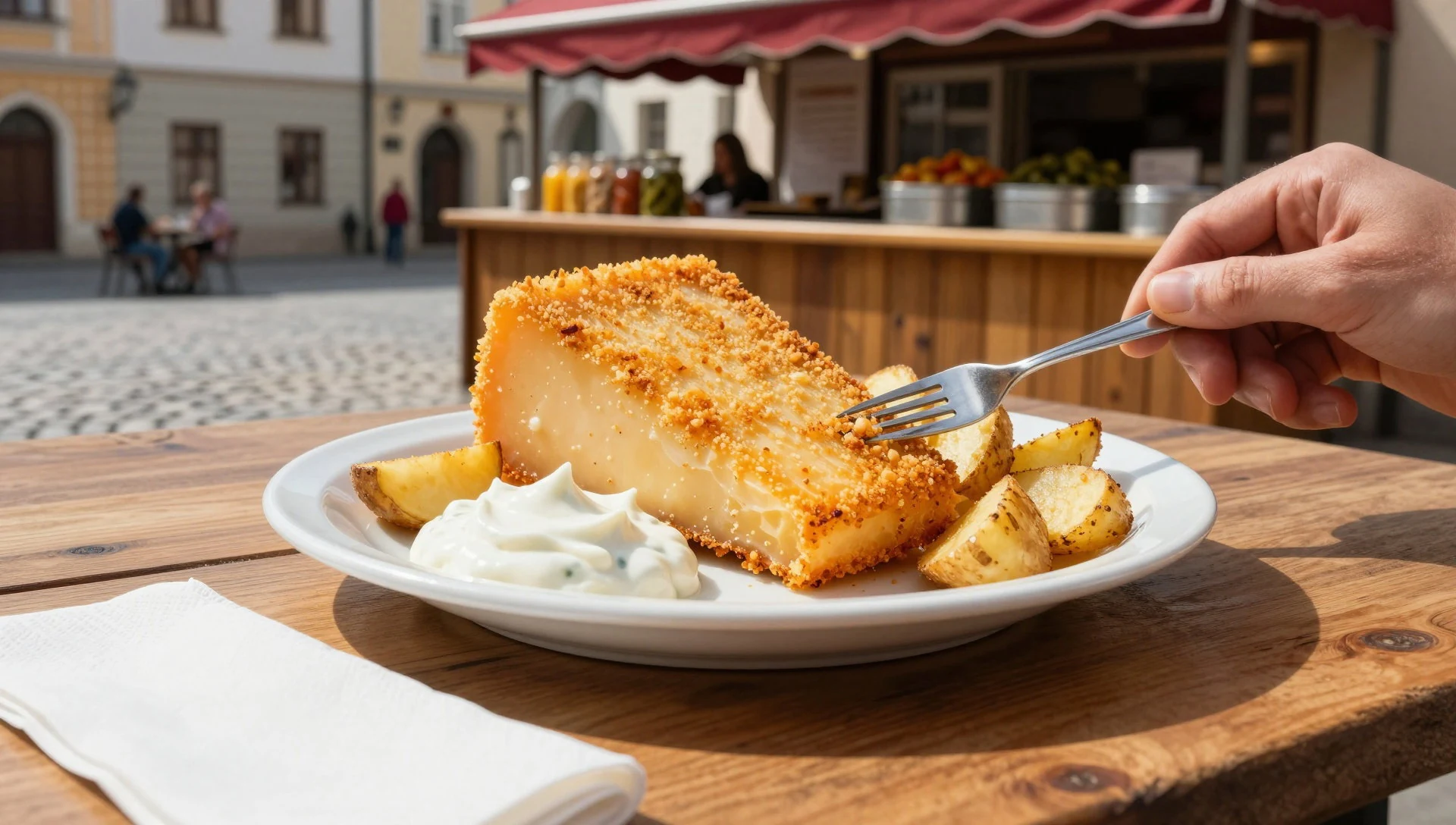
- Pork with dumplings and cabbage — Traditional pubs and restaurants that serve Czech food all day
The classic Czech plate: roast pork with bread dumplings and braised cabbage, rich in gravy and heavy enough to need a long walk afterwards. It is traditional food in the real sense, and the safest first order in a local pub.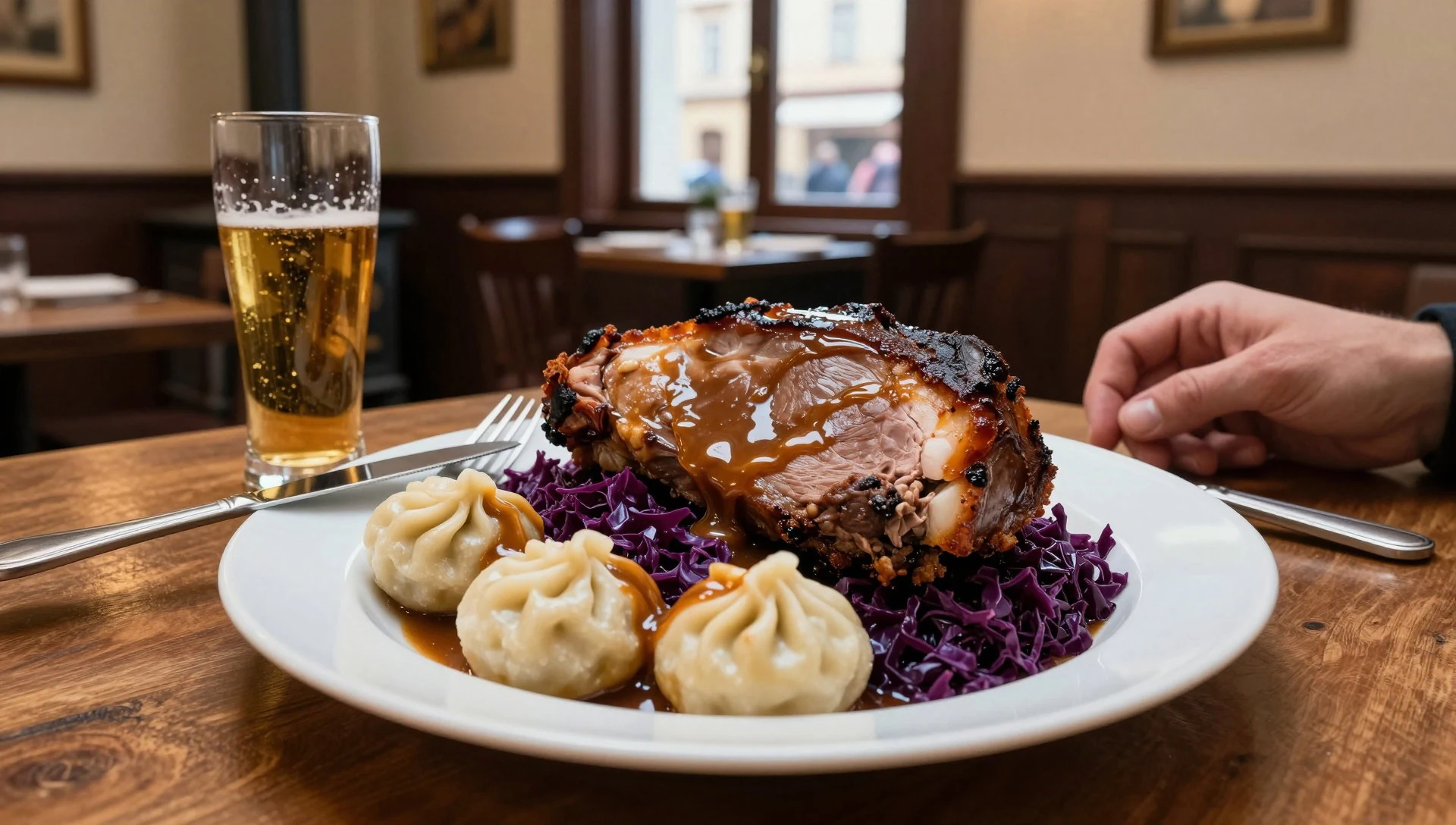
- Garlic soup and goulash soup — Lunchtime menus at pubs and restaurants
Soup is almost always part of a Czech lunch, and in Brno the choices include garlic soup, beef or chicken broth, cabbage soup and goulash soup. Garlic soup is often served with fried bread or cheese, and warms up a cold day well. - Daily lunch menu with Pilsner — Neighbourhood restaurants, such as around Na Švábce and the old town edges
Many Brno restaurants offer a set daily menu at midday, even on weekends in some places: a soup, a hot main dish and sometimes a small dessert. Paired with a glass of Pilsner, it is the easiest way to eat well on a modest budget. - Moravian wine — Wine bars in the old town and city centre
Moravia is the Czech wine region, and Brno wine bars pour local whites and reds by the glass, often with small plates of cheese, cured meats or pickles. It is a good way to see another side of the region beyond beer.
Plan it
Best time. April and October for the most comfortable temperatures on the hill walk; July and August are the hottest months and can be busy; winters are cold and damp, and the park paths can be slippery.
How long. 1–2
Getting there. Brno has a small airport of its own, but many visitors arrive by train from Prague, Vienna or Bratislava, since Brno sits on those routes. Trains from Prague run roughly hourly and take about two and a half hours. From the main station, walk or take a tram into the centre, then climb the park paths to the castle.
Budget. mid
Tips
- Check opening times, ticketing and any seasonal exhibitions on the official site, https://www.spilberk.cz/, before going
- Book rail tickets early online, since cheaper fares are limited and sell out on busy trains
- Wear sturdy shoes for the uphill park paths and cobbles, and carry a layer for the cool casemates
- Stay alert near the main train station once night falls, since pickpockets and ATM scams are common in the area
Etiquette
- Keep voices low in the casemates and at the Carbonari memorial
- Do not touch or lean on historic walls, cells or exhibits
- Dress modestly and remove hats when entering churches and the Capuchin crypt
Nearby
Sources
- Wikidata Q118256 (CC0)
- Wikipedia: Špilberk Castle (rev 1383791386) (CC BY-SA 4.0)
- Wikivoyage: Brno (rev 5395955) (CC BY-SA 4.0)
- Photo 01: Hrad Špilberk (Brno), Michal Kmínek (CC BY 3.0)
- Photo 02: Špilberk (02), Kirk (CC BY 3.0)
- Photo 03: Early gothic arch, Jobst's royal residence, Jan Sapák (CC BY 3.0)
- Photo 04: Špilberk castle, royal house, Jan Sapák (CC BY 3.0)
- Photo 05: Špilberk Castle from plane, Michal Maňas (CC BY 2.5)
- Photo 06: Hrad Špilberk & okolí, GALAXY 2018 A7 (CC0 1.0)
- Photo 07: Brno Spilberk Castle, Radler59 (CC BY-SA 4.0)
- Photo 08: Park Špilberk III, Millenium187 (CC BY 3.0)


