Southampton Island
Southampton Island, Canada
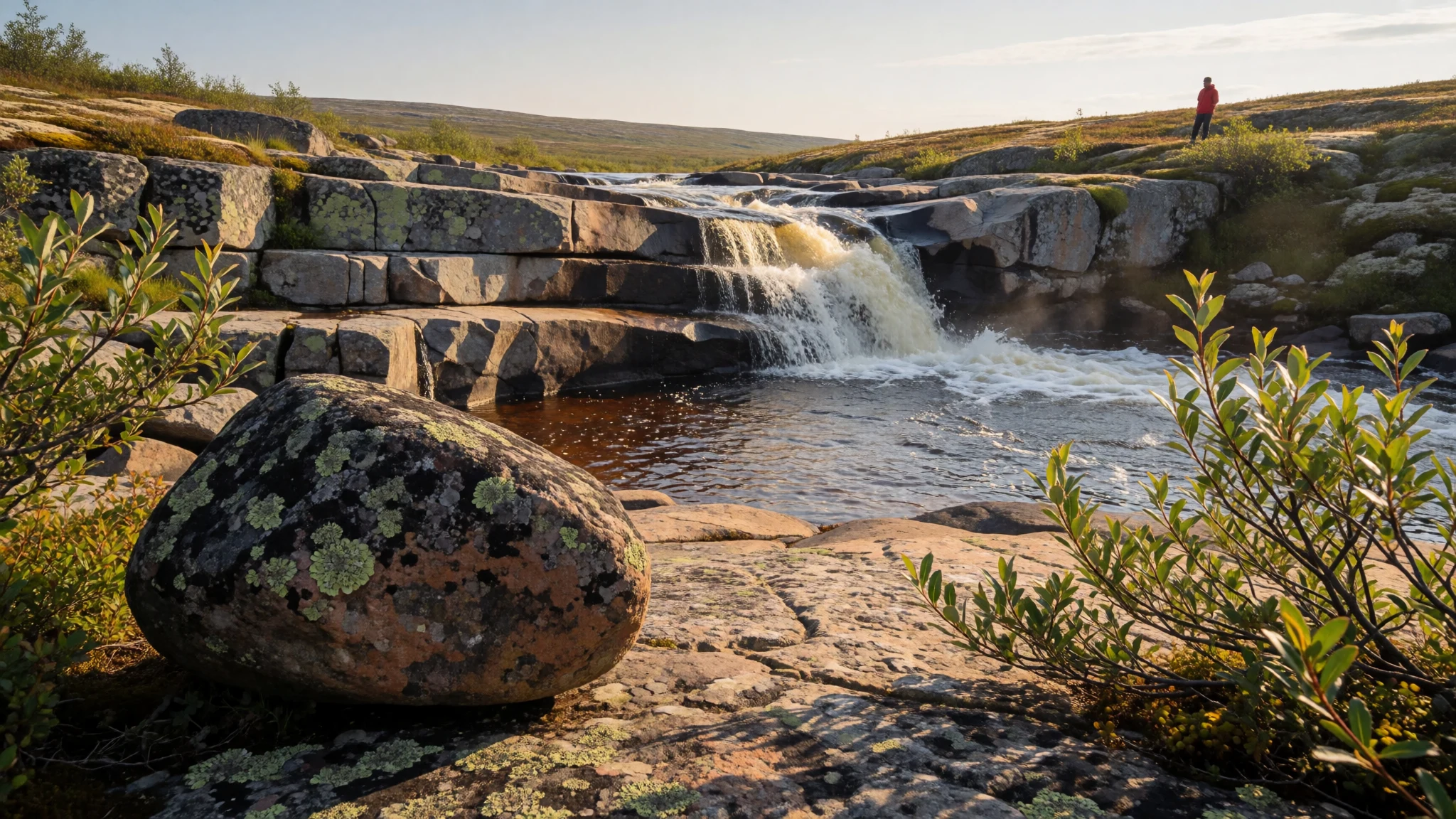
Southampton Island is an Arctic island in Nunavut with a single community, a deep Inuit story, wide tundra and sea-ice wildlife, reached only by air.
The place
Southampton Island sits where Hudson Bay narrows towards Foxe Basin, part of Nunavut's Kivalliq Region and one of the bigger islands of the Arctic Archipelago. Roughly 834 people live here, almost all in a single community, Coral Harbour, known in Inuktitut as Salliq. Beyond it there is open land and shoreline. No road or rail link reaches the mainland to the south or west, so planes are the only way in, and every settlement in Nunavut has at least a landing strip. That isolation shapes daily life: supplies arrive by air or on the summer ships, and prices reflect it. The island also has a quirk of timekeeping. Unlike the rest of Nunavut, it does not move its clocks for daylight saving, so the gap with neighbouring communities changes twice a year. Scientifically, the island is still thinly understood. The territorial government admits its knowledge is incomplete, and bedrock mapping at regional scale has not been redone for a long time, with only broad rock types recorded. Aerial photographs of raised beaches show why geologists care: after the ice melted the land rose, leaving old shorelines stacked inland as pale ridges. Lichen spreads in waves across the granite, and the horizon is wide and low. Expect a working Inuit community rather than a resort, with a few shops, a school, small accommodation and guides who know the ice and the weather. A short walk from the last houses reaches land that looks untouched. Light matters as much as terrain here: summer days are almost endless, winters long and dark, and the season decides what is possible.
Its story
Southampton Island is best known in history for the Sadlermiut, in modern Inuktitut Sallirmiut, the people of Salliq, a distinct group who lived on the island and its nearby coasts. Early in the twentieth century an infectious disease reached them and killed the entire community within a matter of weeks, ending a way of life with very deep roots. Archaeologists still work at Native Point, on the coast near Native Bay, where the Sadlermiut left their most visible traces. It is a place of memory rather than an attraction. Europeans first recorded a visit in the early seventeenth century, when the Welsh explorer Thomas Button came through while searching for a route west. Whalers followed in later years, and a naval print shows HMS Terror frozen in beside the island, ringed by snow walls under a low winter sun. The empty island was resettled after whaling captains, including George Comer, encouraged Inuit families to move there. The newcomers were Aivilingmiut from Naujaat and Chesterfield Inlet, and Baffin Islanders came a generation later. Their descendants are today's community. John Ell, who travelled as a small child with his mother Shoofly aboard Comer's schooners, became a well-known figure among the resettled families. Comer also drew a map of the island for his own geographical description of it, and that map survives.
What to see
- Coral Harbour (Salliq) — South coast of the island
Coral Harbour is the island's only settlement, called Salliq in Inuktitut, and the base for any visit. From the last houses it is a short walk to open tundra and shoreline. Shops, school and airstrip sit close together. Reaching anywhere further means arranging a local outfitter or guide, ideally before arrival. - Raised beaches — Coastal lowlands
Southampton Island has old shorelines lifted clear of the sea as the land rebounded after the ice. From the air they read as pale, scrambled ridges running far inland. On foot they are low gravel banks. Ask a guide where access is possible and safe.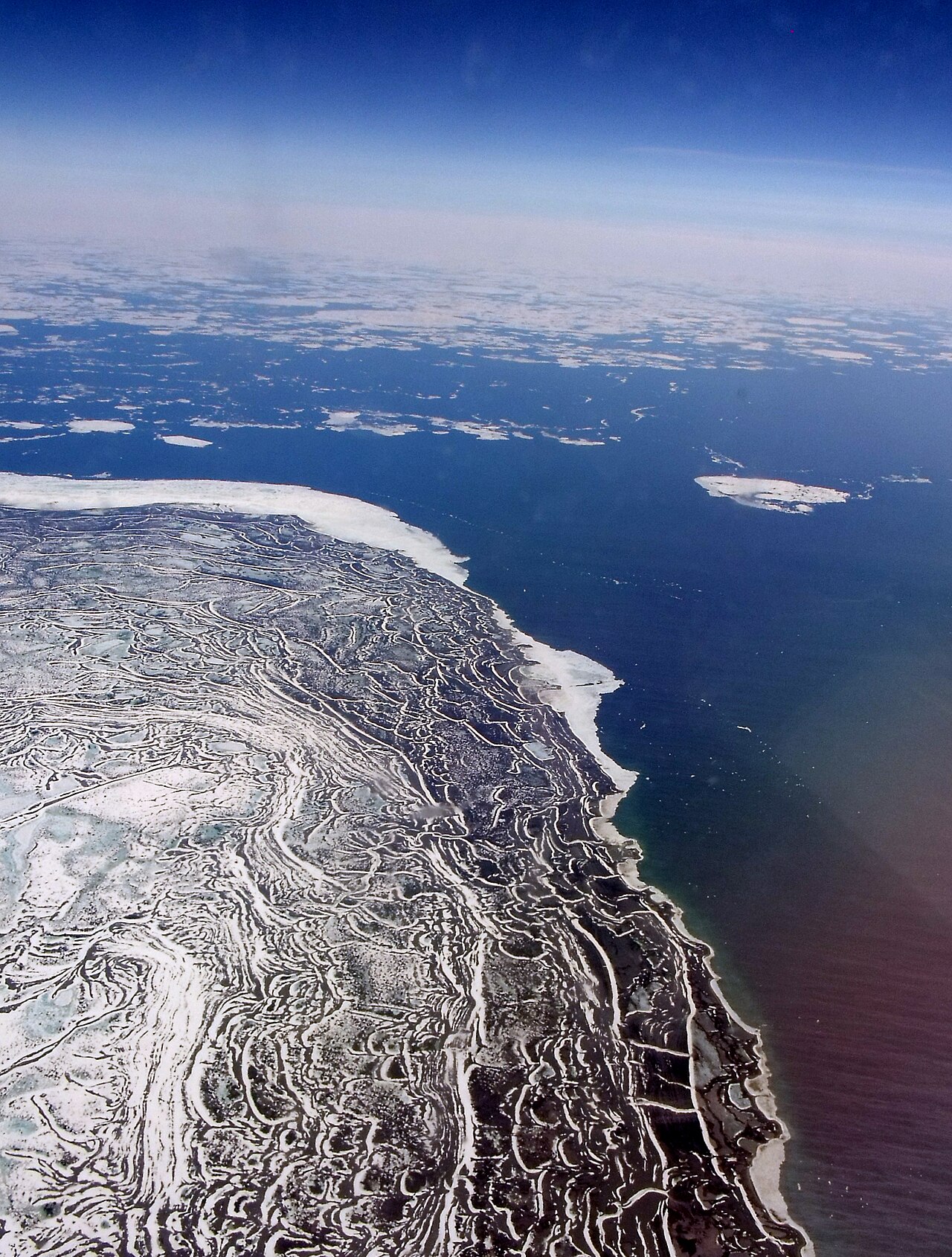
- Native Point — Near the mouth of Native Bay
Native Point is an archaeological site tied to the Sadlermiut, whose community was wiped out by disease early in the twentieth century. It is best treated as a memorial. Go only with local guidance and permission, touch and remove nothing, and keep any photographs respectful of what the place means.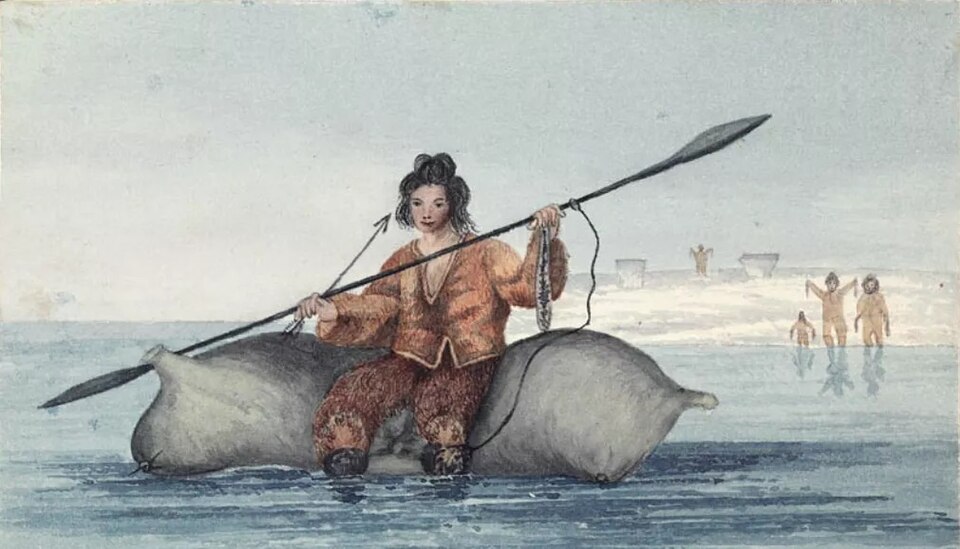
- Kirchoffer River Falls — Island interior
Kirchoffer River Falls is a photographed waterfall on one of the island's rivers, a reminder that the interior is not just flat tundra. There are no marked trails or visitor services. Ask in Coral Harbour about current access, weather and river conditions before planning any trip.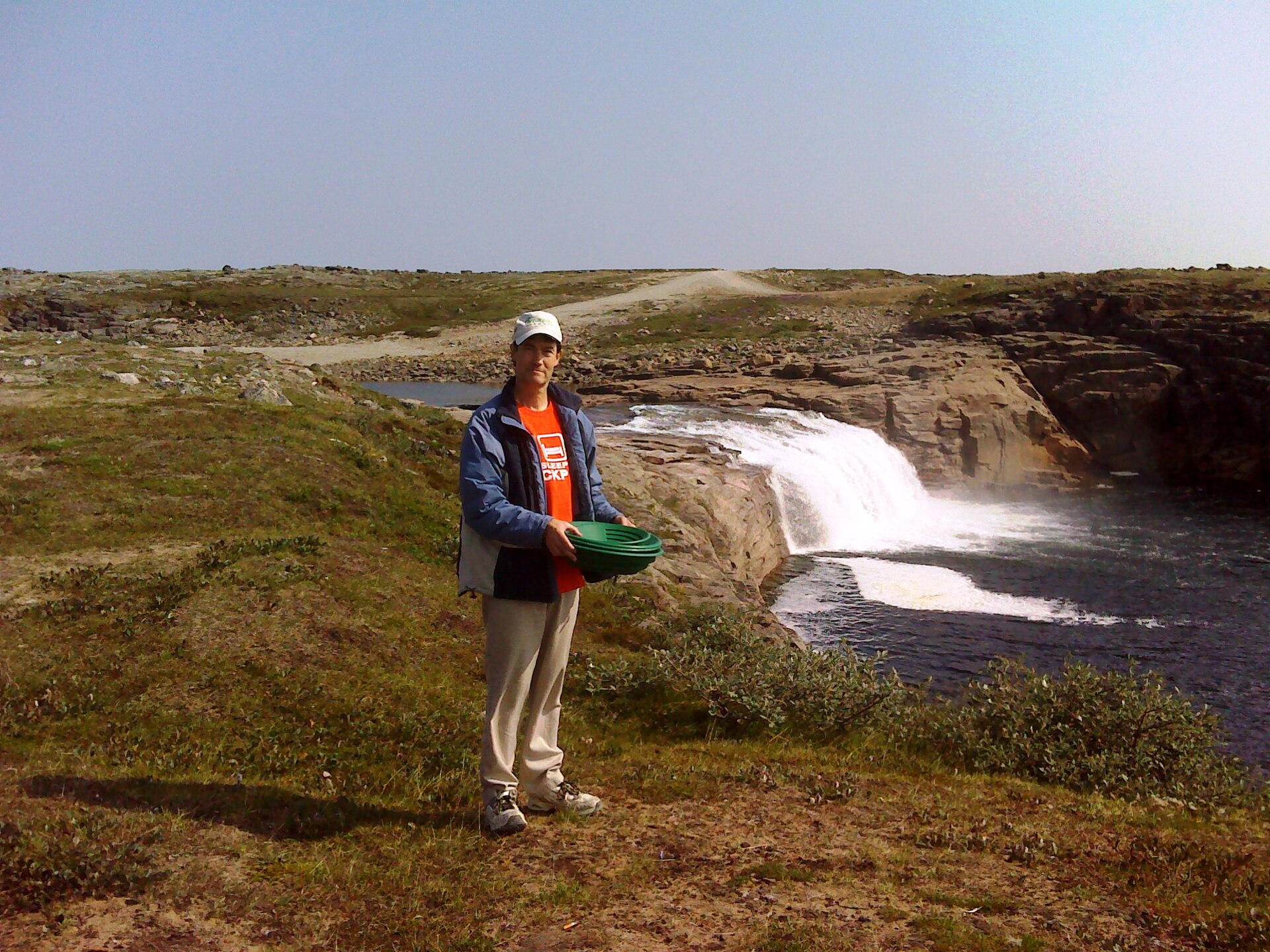
- Tundra and lichen — Anywhere beyond the settlement
Close to the ground the tundra is richer than it first looks. Lichen spreads across granite in colourful waves, and in the short summer small plants and berries appear. Walk slowly, watch your footing on wet ground, and keep an eye out for animals, which can be dangerous.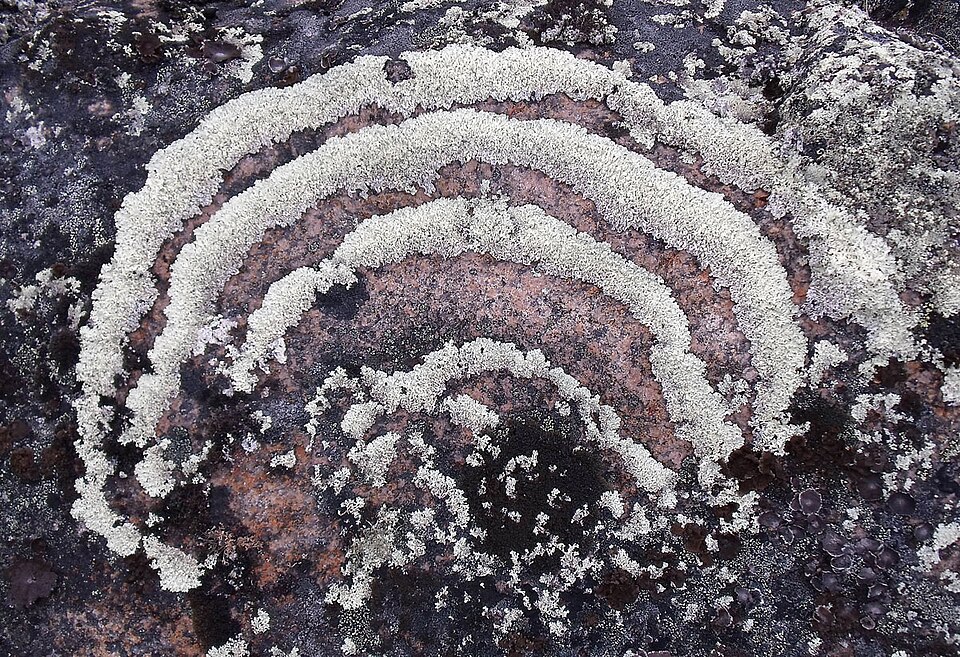
- Aurora and midnight sun — Open ground outside Coral Harbour
Across Nunavut the aurora is easy to see from autumn to March, and it improves once you walk beyond the streetlights. In summer the opposite holds: the sun barely sets. Both are free, both need patience, and winter viewing demands serious cold-weather clothing.
Culture
Southampton Island is Inuit land, and its culture reflects both a very old past and a recent resettlement. Families trace their roots to Aivilingmiut from Naujaat and Chesterfield Inlet and to Baffin Island, and Inuktitut is part of everyday life in Salliq (Coral Harbour). Hunting and fishing remain central, and for many households the land still supplies much of what is on the table. The Sadlermiut, who disappeared from the island in an epidemic, are remembered with respect, and their old sites are treated as heritage and burial ground rather than curiosities. Inuit communities across Nunavut face real gaps in income, health and life expectancy compared with the rest of Canada, so visitors do better to listen than to raise these issues as talking points. Across the territory, throat singing, drum dancing and traditional games are kept alive, and the Igloolik circus collective Artcirq has carried them onto the stage. Aurora legends exist in many communities and are best heard when someone chooses to tell them, not requested as a performance. Many northern communities restrict alcohol, and some ban it outright, because of the harm it has done. Check the local rules before travelling, never bring alcohol into a community that prohibits it, and always ask before photographing people, hunters or their catch.
What to wear
Traditional clothing on Southampton Island was built for survival. Inuit sewed parkas, trousers, mitts and boots (kamiks) from caribou and sealskin, stitched with sinew and designed in layers so that air trapped between them held warmth. The hooded women's parka, the amauti, has a pouch for carrying a child. Skin clothing is still made, and many people wear it for hunting trips, ceremonies and community events, though it is not everyday dress. Day to day, people in Coral Harbour wear what suits the weather: insulated jackets, snow trousers, wool hats, sturdy boots and hooded sweatshirts, often with a sealskin or fur trim as a local touch. Practical gear matters more than fashion. A visitor should dress in layers: a thermal base, a warm middle layer and a windproof outer shell, with insulated waterproof boots, warm gloves and a hat that covers the ears. Summer is cooler than most visitors expect, and wind off the water cuts through thin clothing, so bring a fleece and a waterproof jacket, plus sun protection and a head net for insects. There are no formal dress codes, but modest, practical clothing suits a small community. Mail-order or hired gear is far cheaper than buying locally.
What to eat
- Arctic char — Bought from local fishers or shared at community meals
Arctic char is a cold-water fish related to salmon and trout, eaten for thousands of years across the north. It is served fresh, dried or smoked, with a delicate, pink flesh. Ask local fishers or community sellers, since it is a country food, not a restaurant staple. - Caribou — Home kitchens and community feasts
Caribou meat is a staple of northern cooking, usually boiled, roasted or dried. It tastes lean and rich, a little like venison. Households cook it at home, and visitors are most likely to meet it when invited to a meal or a community feast. - Seal meat — Offered by hunters and families
Seal is eaten cooked or raw, and for many Inuit hunting remains the main way to get food. The flavour is strong and iron-rich. It is not tourist food: try it only if offered, and accept hospitality graciously. - Whale and country food platters — Community events and family tables
Country food covers anything the land and sea provide, including whale, musk ox, Arctic hare and ptarmigan. Sauces may be soy-based or made from caribou or seal. A shared platter at a community gathering is the usual setting. - Wild berries and tundra tea — Tundra slopes in late summer, with a local guide
In the short summer people gather cranberries, cloudberries, blueberries and crowberries, plus plants such as Labrador tea and mountain sorrel. Berries are eaten fresh or with other dishes. Foraging is local knowledge, so go with someone who knows what is safe. - Store-bought groceries — The Co-op and Northern stores
Most fresh food in Coral Harbour arrives by air, and milk, fruit and vegetables cost far more than in southern Canada. The Co-op and Northern stores are the main grocers. Small cafés or takeaways may exist, but hours are limited, so carry snacks.
Plan it
Best time. July–August for long daylight, milder weather and open water, when boat trips and wildlife viewing are most practical; March–April for snow travel with returning light, though it is cold and needs serious winter gear. Auroras are easiest to see from autumn to March.
How long. 3–5
Getting there. Southampton Island has no road or rail link, so all travel is by air. Fly to Rankin Inlet, which is reached from Winnipeg and Yellowknife, then check the airlines for the onward flight to Coral Harbour. Flights to some Nunavut destinations also run from Ottawa and Montreal via Iqaluit. Cruise ships also operate in the territory.
Budget. high
Tips
- Book flights and accommodation well ahead, since seats and beds are few and prices are high
- Arrange a local guide or outfitter before arriving; the land is wild and polar bears and other animals are a real risk
- Pack snacks and basics, because fresh food is expensive and the choice small
- Carry both cash and a card, and check local arrangements, as small communities vary
- There is no single emergency number in Nunavut, so save the local emergency numbers for Coral Harbour on arrival
Etiquette
- Ask before photographing people, homes, hunters or their catch
- Do not bring alcohol into a community that prohibits it
- Treat Sadlermiut sites as graves: do not touch or take anything
Nearby
Sources
- Wikidata Q207751 (CC0)
- Wikipedia: Southampton Island (CC BY-SA 4.0)
- Wikivoyage: Nunavut (CC BY-SA 4.0)
- Wfm southampton island.jpg (Public domain)
- Glacial rebound on Southhampton Island, Nunavut (Mike Beauregard) (CC BY 2.5)
- Chasseur sadlermiut (George Francis Lyon) (Public domain)
- Kirchoffer River Falls lower (Hugh MacIsaac) (CC BY 3.0)
- Lichen on Nunavut rocks (Mike Beauregard) (CC BY 2.5)
- Southampton Island map, 1910 (George Comer) (Public domain)
- William Smyth, HMS Terror (Public domain)


