Socotra
Socotra, Yemen
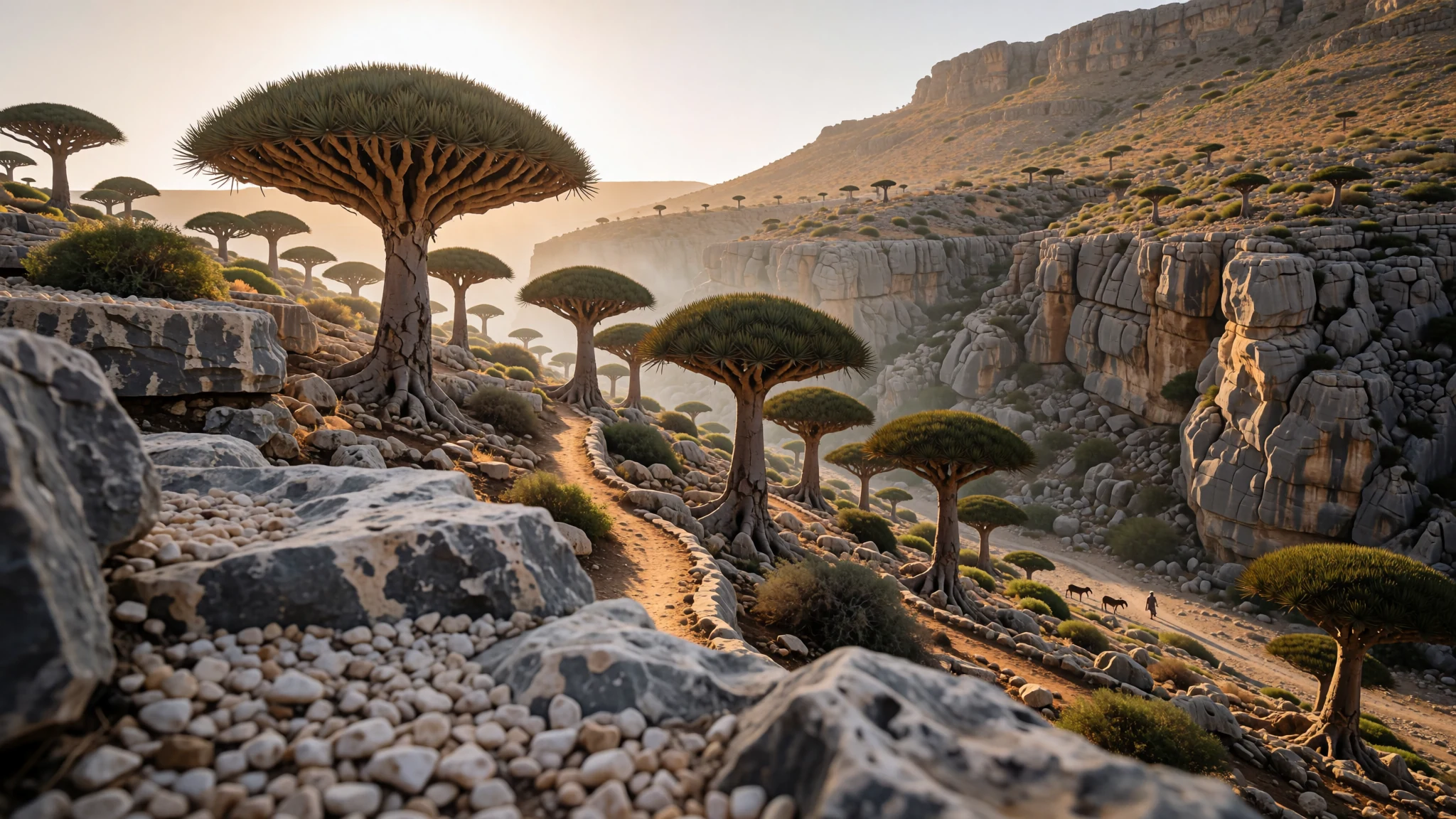
Socotra is a remote Yemeni island of unusual plants and striking coastline, worth the difficult journey for those who plan well.
The place
Socotra is a Yemeni island in the Indian Ocean, lying between the Gulf of Aden, the Guardafui Channel and the Arabian Sea. It sits about 380 km south of the Arabian Peninsula and 232 km east of the Horn of Africa, so it feels much closer to Africa than to Arabia. Politically it belongs to Yemen, but the rock beneath it is a continental fragment tied to the Somali plate, which explains why its landscape and wildlife look so unlike the mainland. The main island is the largest of six in the archipelago and holds nearly all of the land, stretching about 132 km end to end and 42 km at its widest. Around 43,000 people live here. Most speak Soqotri alongside Arabic, and they call the island Saqatri.
Inland, the Hagghier Mountains and a limestone plateau rise to about 1,500 metres, green in places and cut by dry watercourses. The outer coast is different, with long white sand beaches, dunes and palms. The island is rich in wildlife: about a third of its plants grow nowhere else on Earth, and it supports many birds, reef fish and butterflies. Rain is light through the year, but the mountains catch more during the northeast monsoon, so the highlands are wetter than the coast. Expect hot, dry conditions on the lowlands and cooler air up top.
Getting around is slow. Roads are rough, distances are long, and most travellers rely on local drivers or guides who know the tracks.
Its story
The island's human past starts with stone. Oldowan stone tools were found around Hadibo in 2008, pointing to early toolmaking here. In antiquity Socotra sat on trade routes across the Indian Ocean, and the Periplus of the Erythraean Sea, a first-century AD Greek navigation guide, calls it the island of Dioscurides. Sailors left a substantial body of inscriptions and drawings in Hoq Cave, written in South Arabian, Ethiopic, Indian Brahmi, Greek, Palmyrene and Bactrian, dating from the first century BC to the sixth century AD. Those marks are now a key source for historians of Indian Ocean commerce.
In 880 an Aksumite force from the Ethiopian highlands took the island and consecrated an Oriental Orthodox bishop there. A large fleet sent by an Omani imam later drove them out. The Persian geographer Ibn al-Mujawir, who said he arrived from India in 1222, described two peoples on the island: mountain dwellers and foreign coastal dwellers, with sizeable settlements of traders from Sindh and Balochistan. Ibn Hawqal, a 10th-century chronicler, also wrote about Socotra.
The geology is just as striking. The archipelago was once part of Gondwana, the ancient supercontinent. It broke away during the Miocene, in the same rifting that opened the Gulf of Aden, and its continental origin means few landforms of that kind have been cut off as thoroughly. That isolation explains much of the island's strange wildlife and its distinct culture.
What to see
- Dixam Canyon and the dragon's blood trees — the interior, Dixam canyon
Dixam Canyon shows the dragon's blood tree, Dracaena cinnabari, which grows only on Socotra. Its flat, umbrella-like crown sits on a thick trunk, and when the bark is cut it bleeds a deep red sap, which gave the tree its name. Look up at the slopes, where the trees cling to bare rock. Go early, when the light is soft and the heat has not yet built.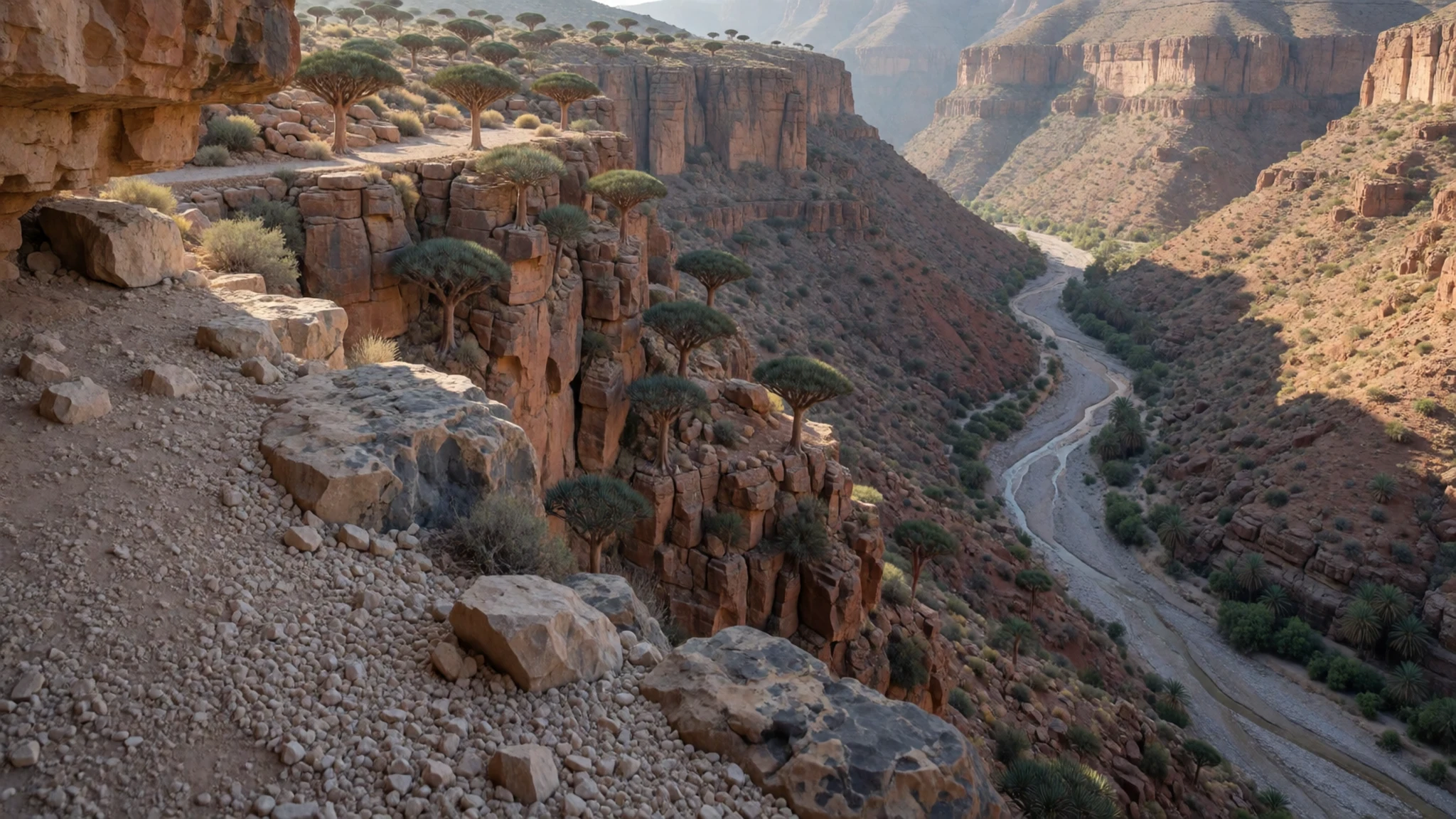
- Momi Plateau — the interior plateau
The Momi Plateau shows how people have lived with the island's scarce rain. Rainwater is collected and stored in purpose-built structures, and simple shelters under the trees give herders a place to rest with their animals. It is a working landscape rather than a display, so keep to tracks and be respectful around herders' camps.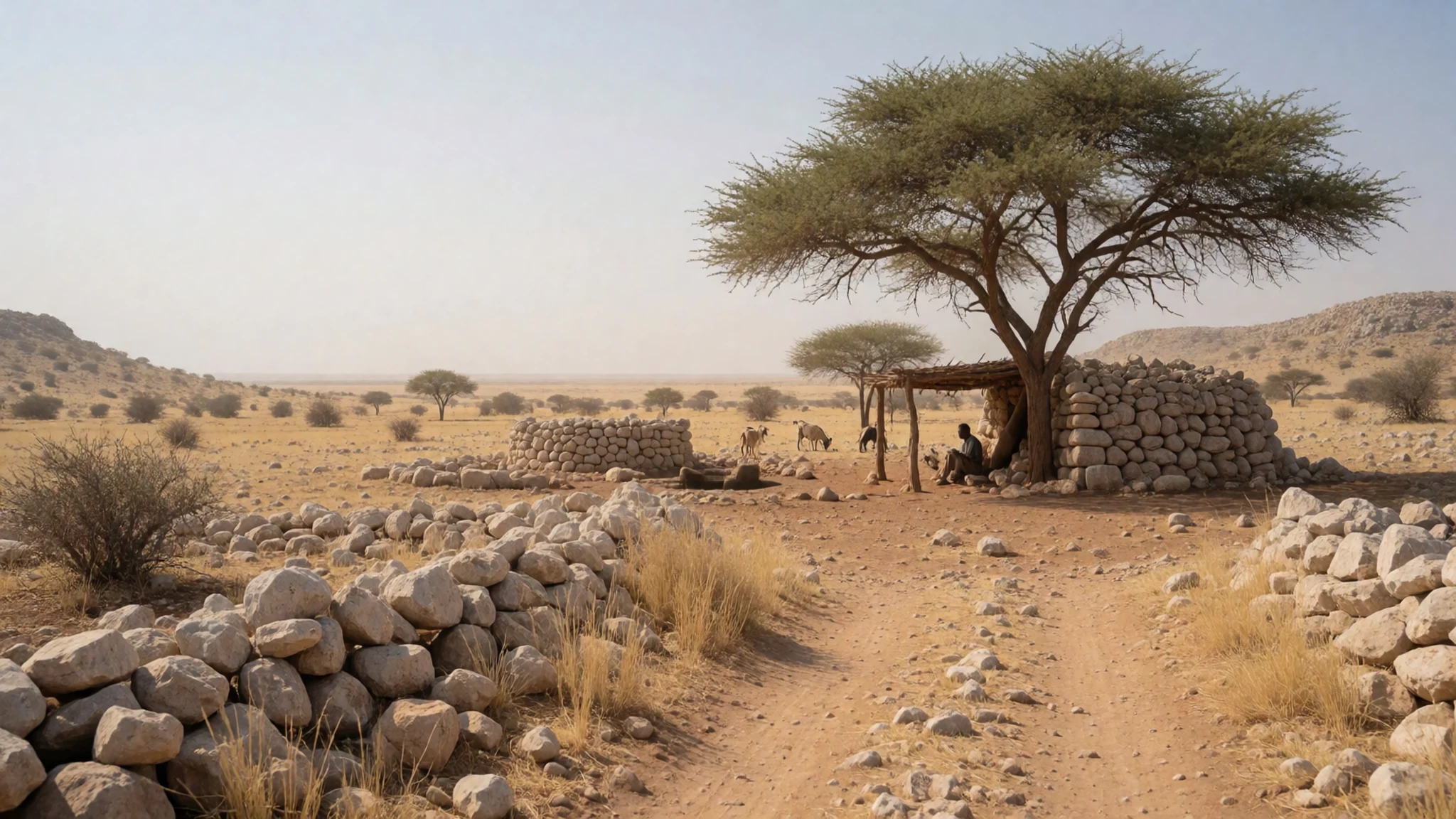
- Hagghier Mountains — the central highlands
The Hagghier Mountains give the island its green interior. Rain that the peaks catch during the northeast monsoon supports woodland and scrub that look nothing like the coast. The highest inland areas receive the most rain, and the cooler air makes walking more comfortable than on the lowlands. Plan a day with a local guide, because the tracks are rough and the signposts are few.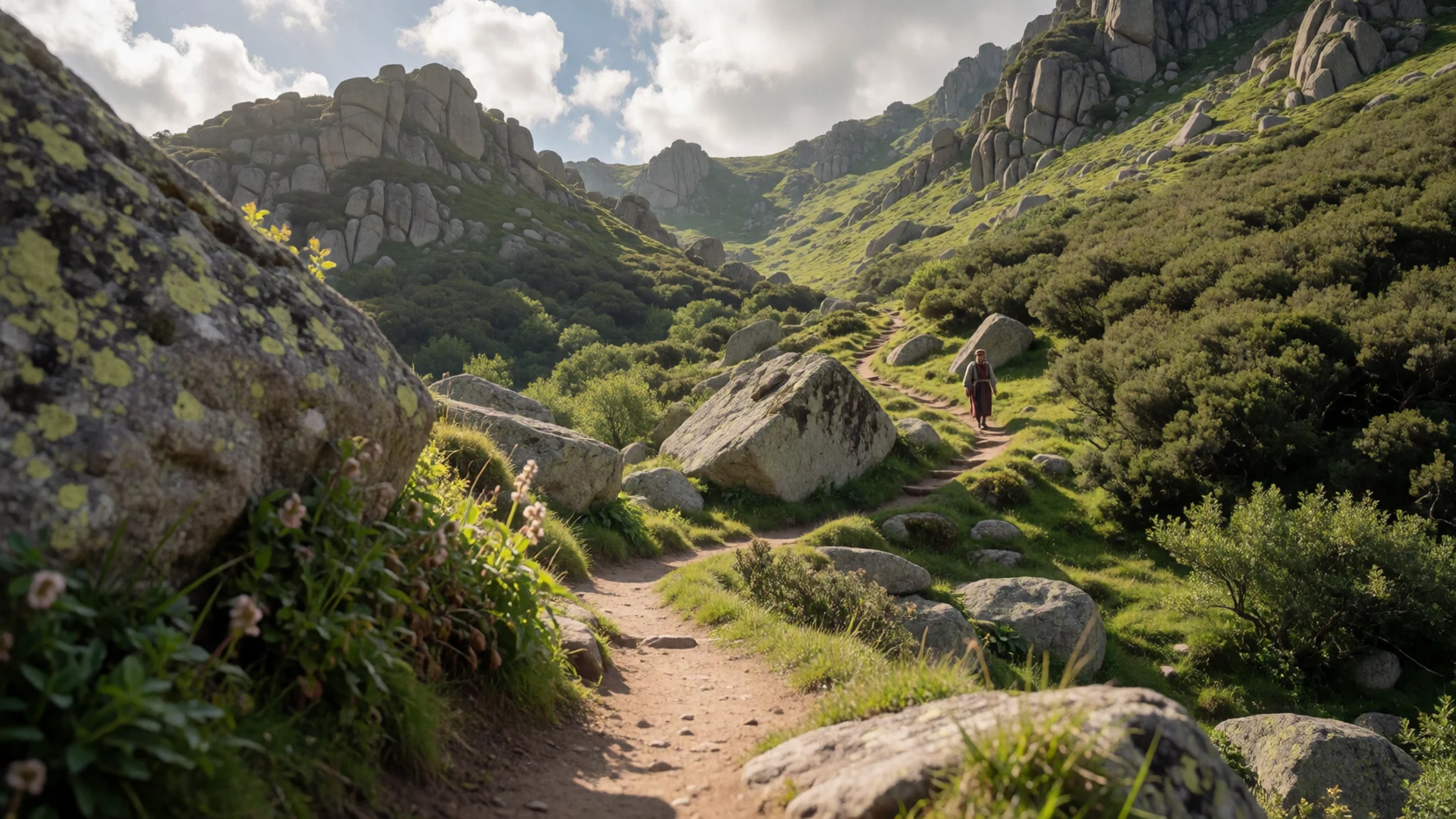
- The wadis — the interior watercourses
Wadis, the seasonal watercourses, cut through the island's limestone and hold water only after rain. Greenery gathers along their banks while the rock above stays bare. Wadi walks can be hot in the afternoon, so set off early. Carry water on any walk, because services are sparse along the way.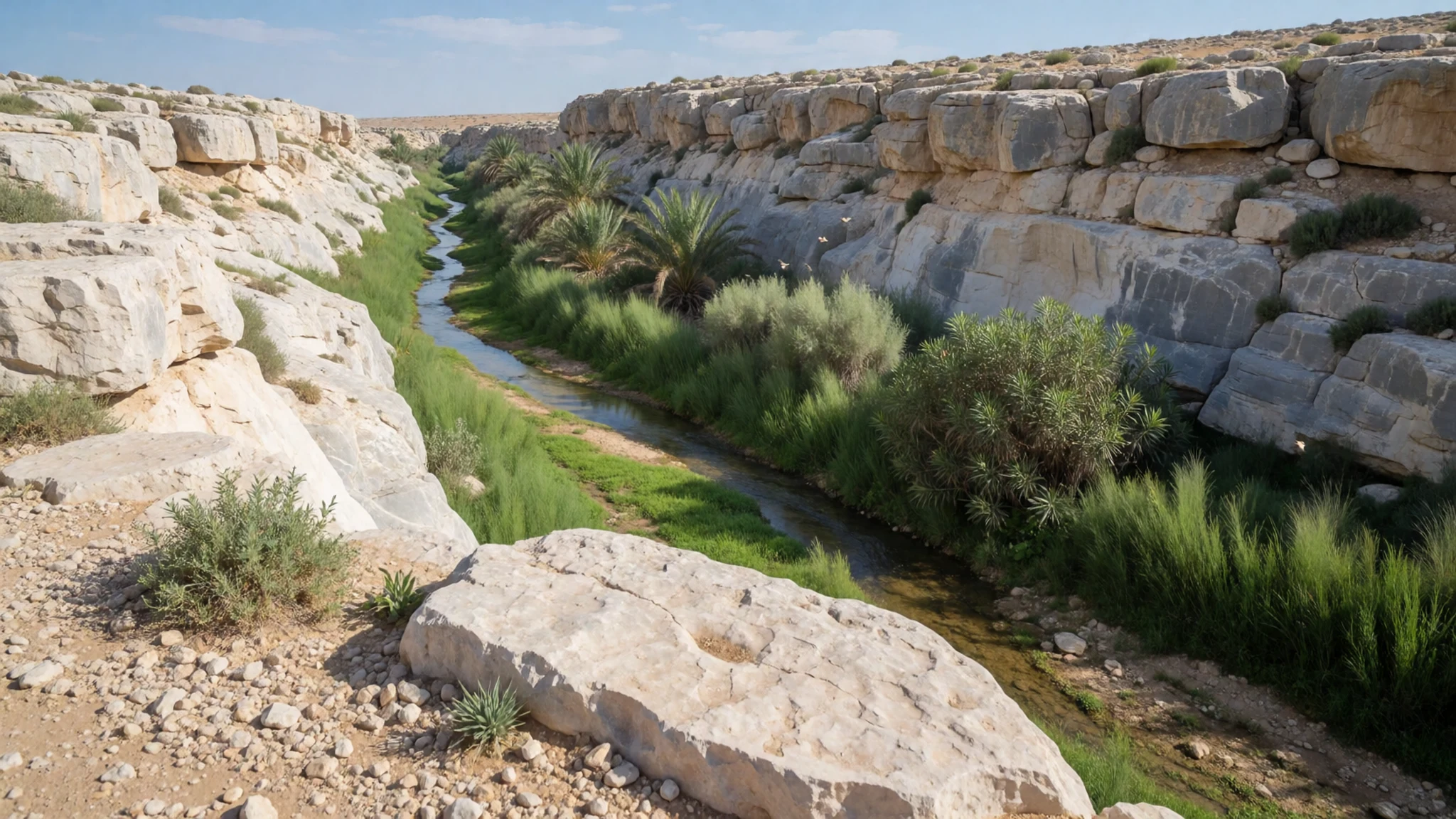
- The outer coastline — the outer coast
The outer coastline has the white sand beaches and palms that people picture when they hear the island's name. Dunes roll down to the water in places, and the sea can be rough from June to September, when strong winds and heavy seas arrive. Swimming needs caution, so ask locals about currents before going in. Coastal camps are common, and a guide can arrange a simple night by the shore.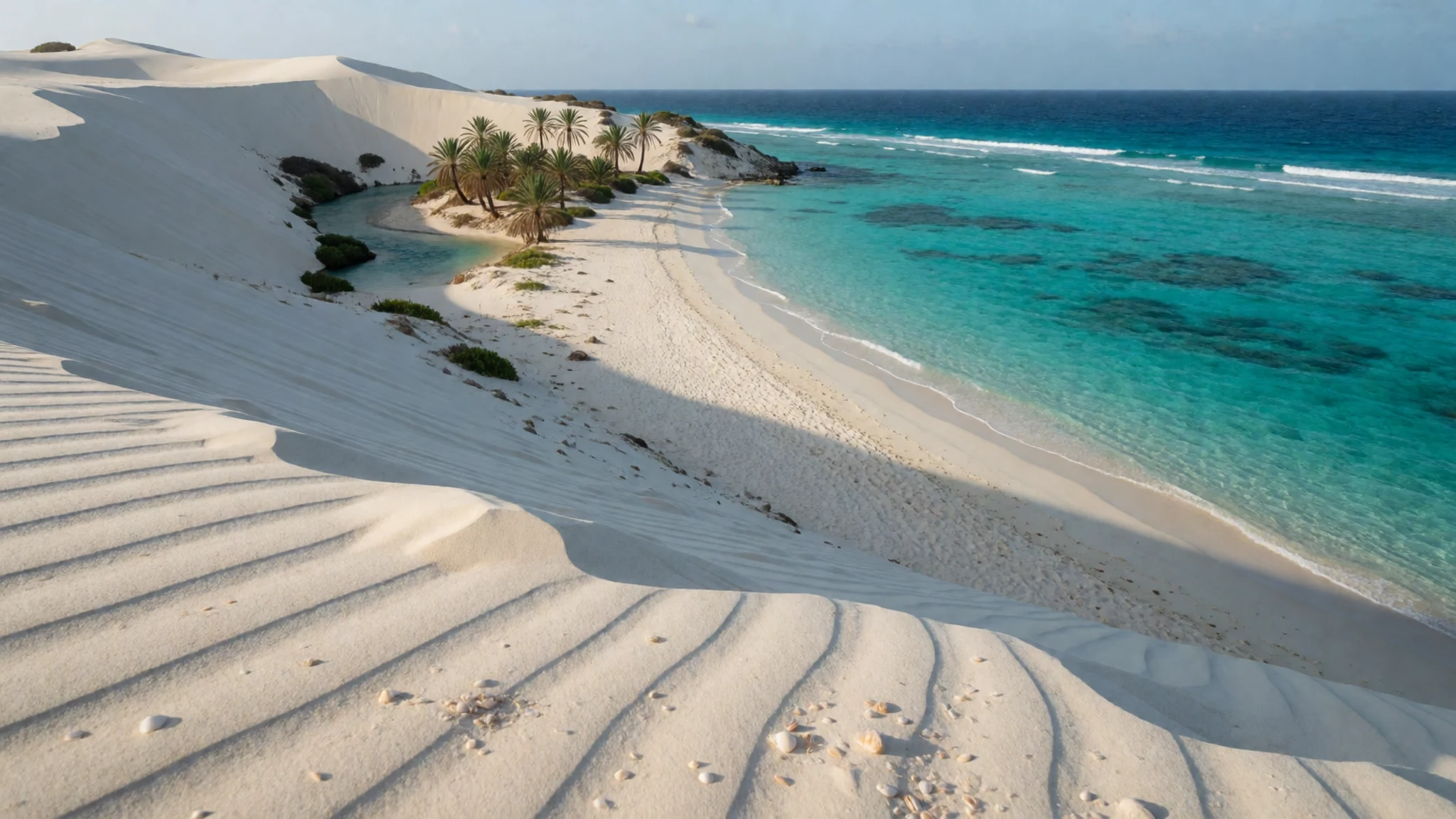
- Desert rose and cucumber tree — scattered across dry ground
The desert rose has a swollen stem that looks like a blooming elephant leg, while the cucumber tree is extremely rare. Both grow on dry ground where little else survives, and their shapes make the scrub look unlike anywhere else. Take photographs from the path, and do not pick or touch the plants.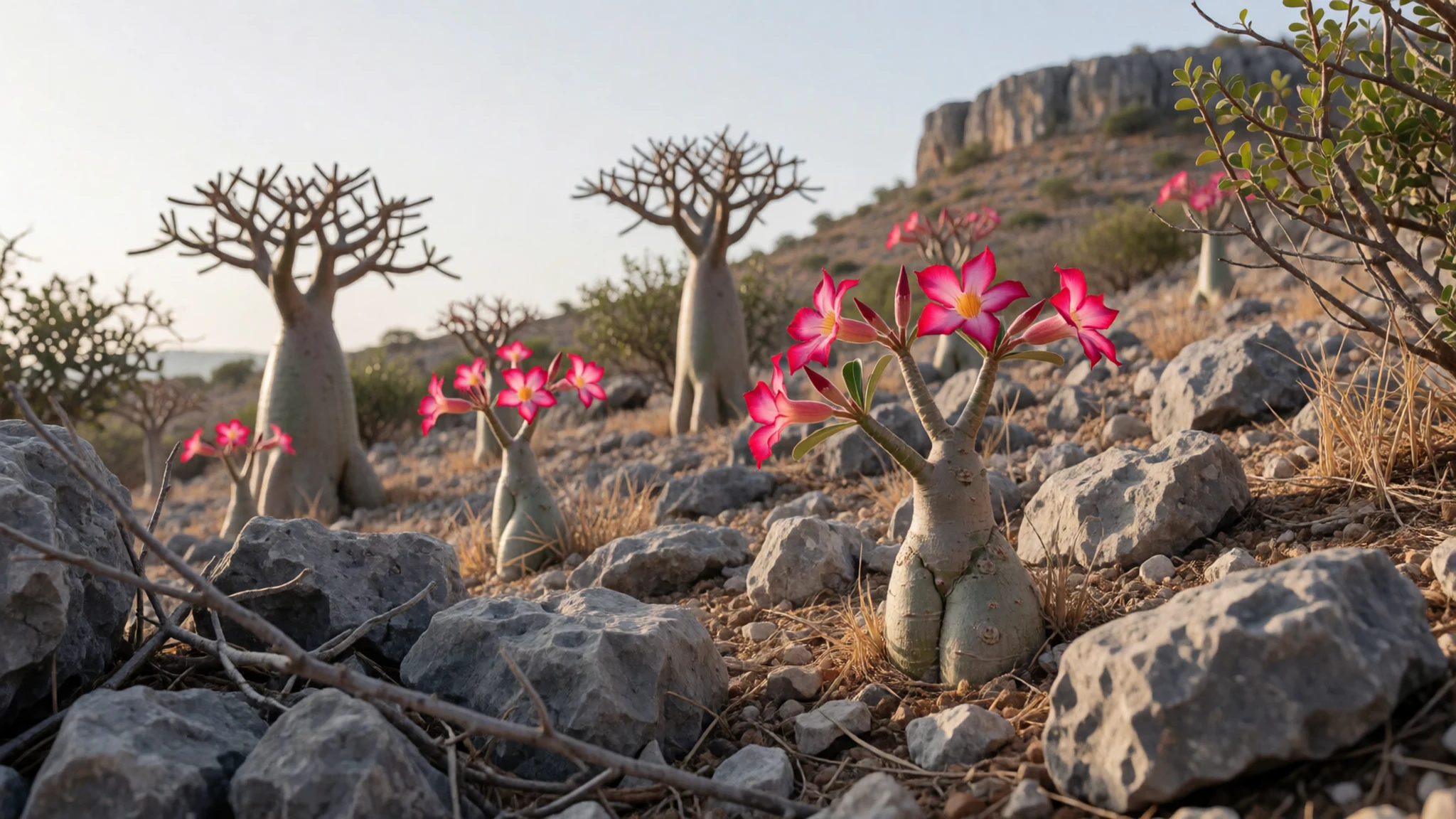
Culture
Yemen is an Islamic country, and local customs on Socotra follow that. Soqotri is spoken in many homes, while Arabic is used for wider business, schooling and official life. The island's population has long been divided between herders in the mountains and people in the coastal settlements, and that difference still shapes daily routines. Hospitality matters: households and drivers often offer tea or a meal, and accepting with thanks is the polite response. Greetings are valued, and a simple greeting before asking directions is appreciated. Alcohol is not generally served outside a few five-star hotels on the mainland, so do not expect a drink with dinner. Ask before photographing people, especially women and herders, and cover your shoulders and knees when you walk through villages.
What to wear
Traditional dress across Yemen centres on a wraparound lower garment and a loose long shirt, usually cotton and often in white or plain colours for everyday wear. Older people on Socotra wore loose, layered cloth suited to the heat and wind. Specific local weaves and embroidery are documented less widely than mainland styles, so ask a local guide before describing them. Today people wear a mix: long shirts and trousers in towns, and T-shirts and jeans among younger people, with headcloths or scarves for women in public. Visitors should dress modestly, choosing long loose trousers, long sleeves and covered shoulders in towns and villages, and carrying a light scarf for mosques or conservative spaces. For the terrain, bring sturdy closed shoes for wadis and rocky tracks, sandals for the beach, a hat and sunglasses, and a light layer for cooler highland evenings. Keep revealing swimwear to beach areas.
What to eat
- Grilled fresh fish — local restaurants in Hadibo and along the coast
Fish is the dish most often recommended on Socotra, and local restaurants usually cook it fresh from the day's catch. It typically comes grilled or fried with rice, salad and flat bread. Ask what came in that morning, since choices vary with the sea.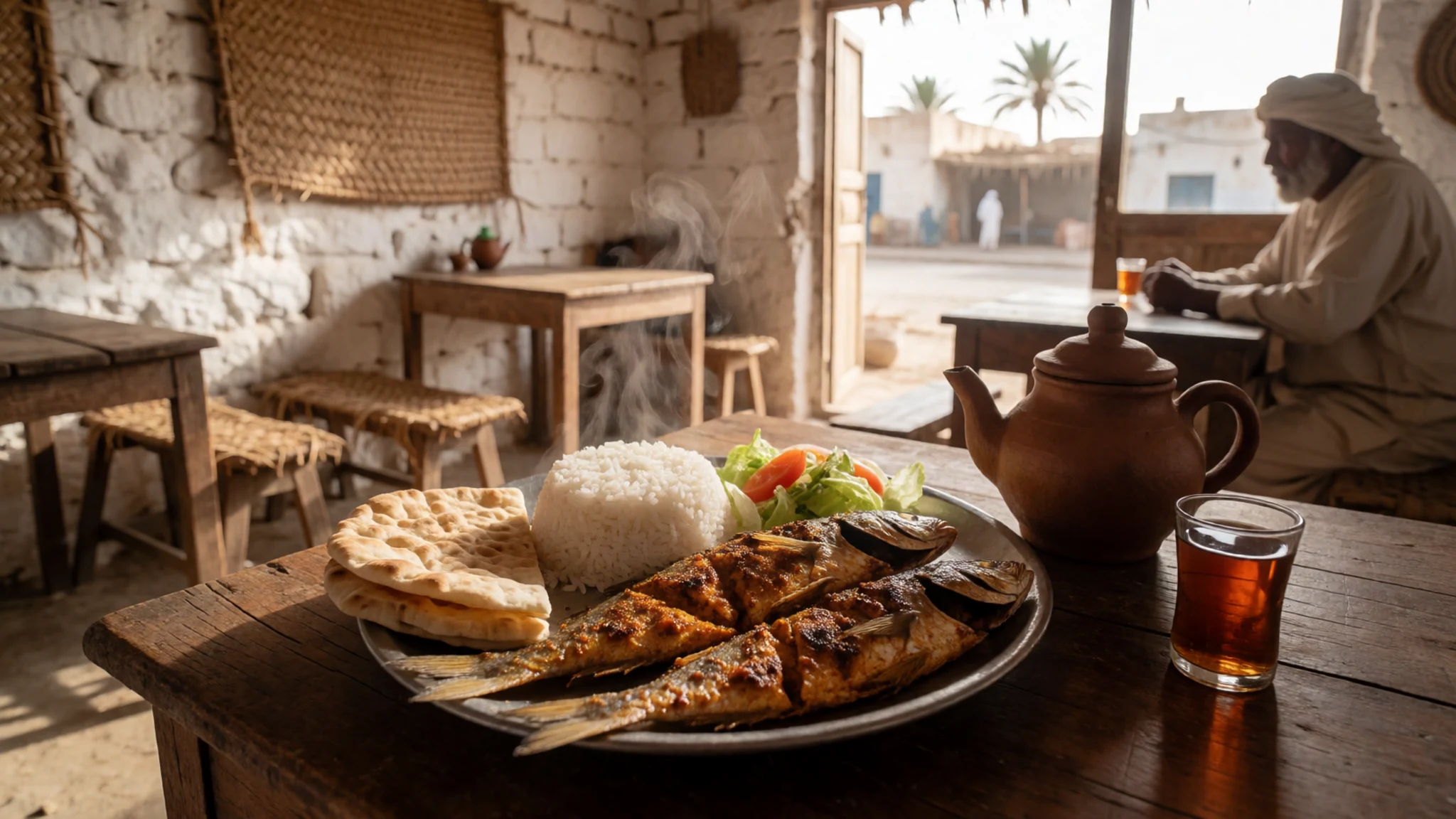
- Goat and chicken — simple local restaurants in the main town
Goat and chicken are the main meat options in simple local restaurants. They usually come as a generous plate with rice or potatoes, and make a filling choice after a long day on the tracks.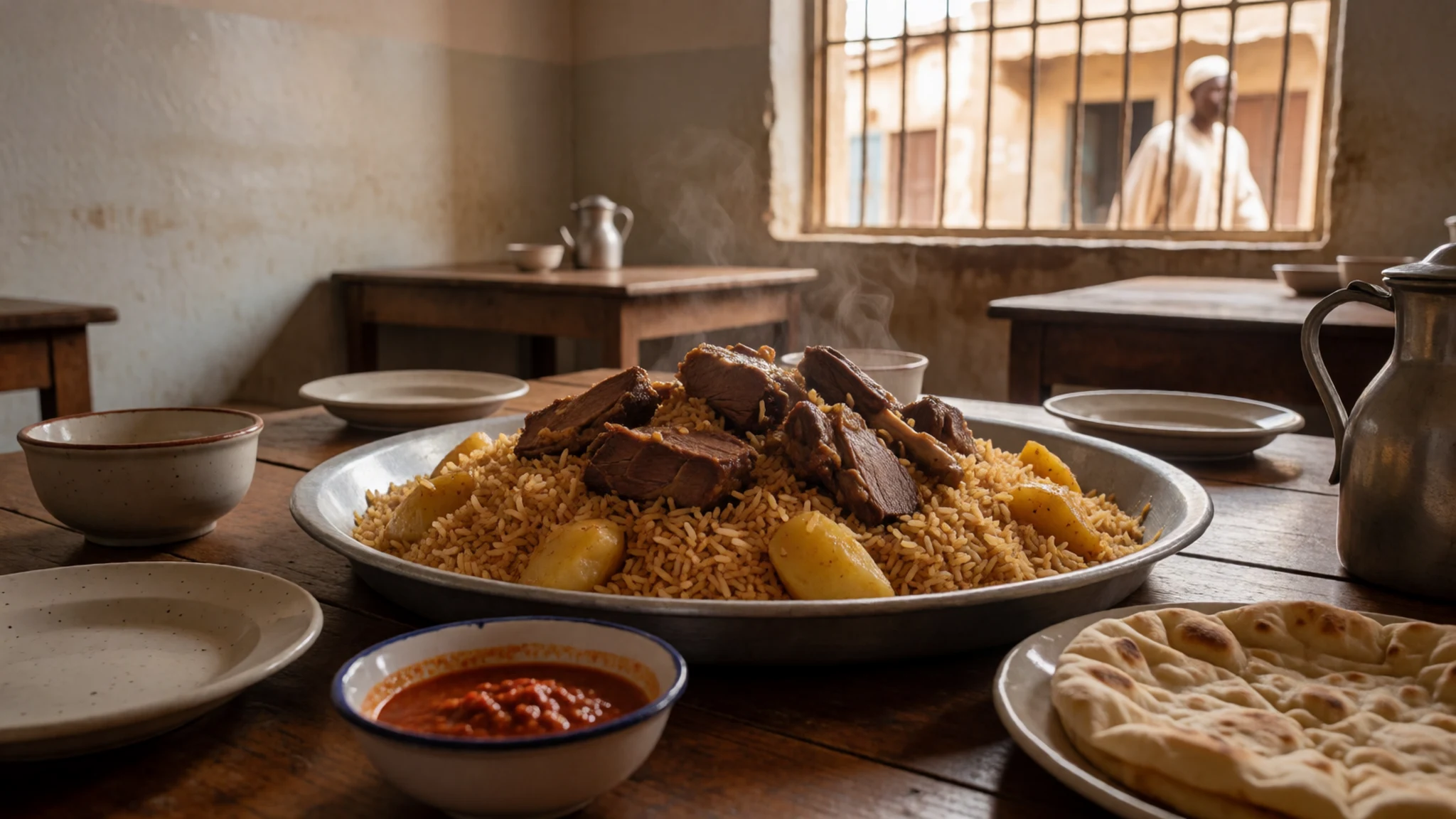
- Rice and potato plates with flat bread — any eatery in Hadibo
Rice and potatoes are the staple starches, and they sit beside meat or fish on most plates. Flat Arabic bread arrives with almost every meal and is useful for scooping up sauces. Eat it warm if you can, since it is often baked fresh in small bakeries.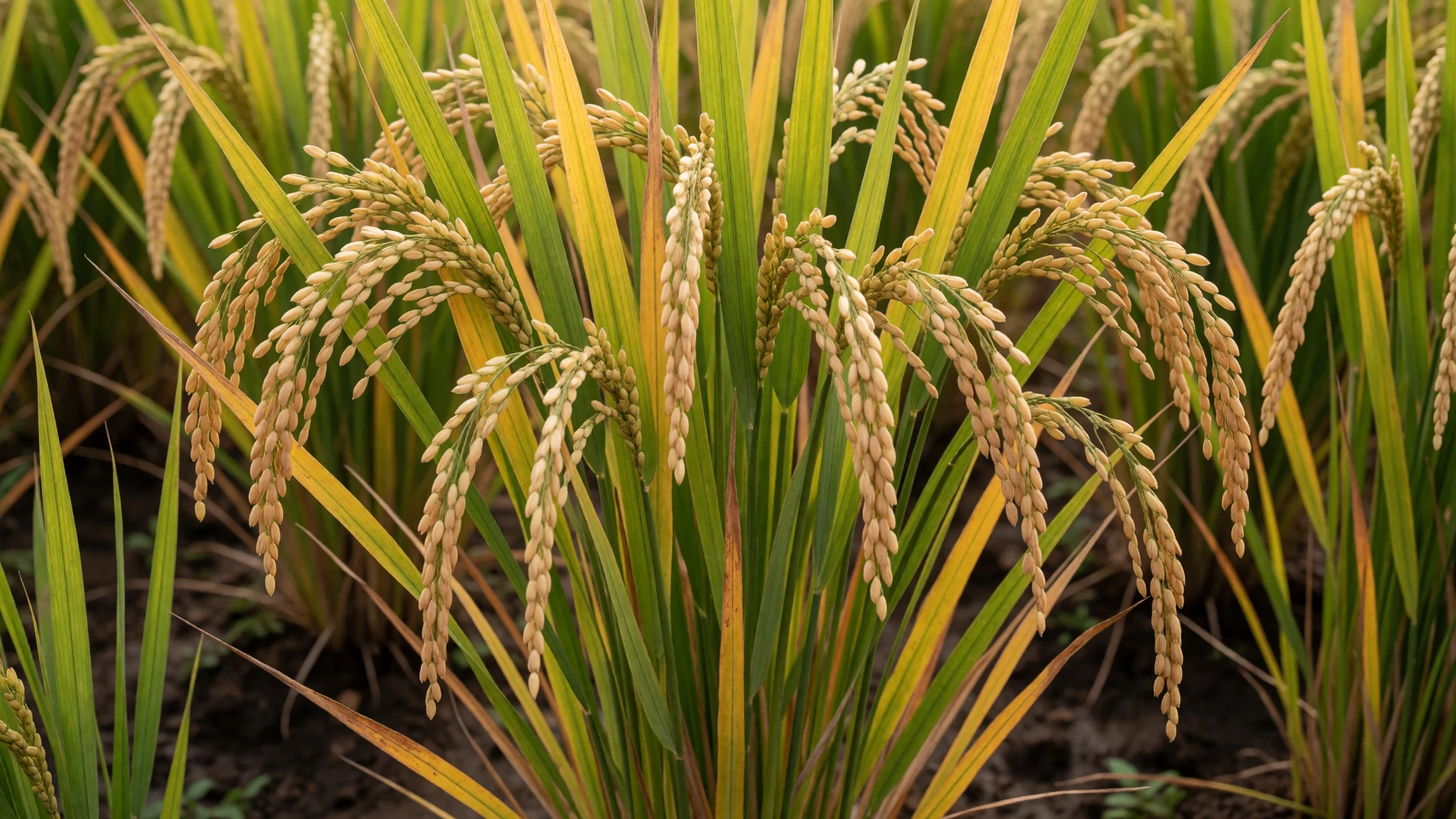
- Fresh fruit and vegetables — the shops in Hadibo
Oranges, bananas, cucumbers and tomatoes are sold in town shops, alongside cheese and bottled water. Vegetables cost more than fruit because most arrive by sea. Buy fresh produce for picnics or self-catering, and check what is in stock before setting out for the day. - Camp fish on a guided trip — coastal campsites on guided trips
On guided camping trips, the driver or guide usually cooks, and fresh fish is the usual centrepiece. Helping with preparation is welcome but not expected. Ask the guide what came in that morning so extra dishes can be planned.
Plan it
Best time. January to April is the most settled stretch, with drier weather and calmer seas. October to December brings northeast monsoon rain to the highlands, and June to September is rough, with strong winds and heavy seas.
How long. a week or more
Getting there. The officially sanctioned route is a Yemenia flight from Mukalla on the Yemeni mainland. Services are intermittent and hard to rely on, so the final leg is the least certain part of the trip. Check current travel advice before booking.
Budget. high
Tips
- Flights are intermittent, so leave slack in your dates and expect changes.
- Arrange transport, guides and camping through a registered local operator before you arrive, since roads are rough.
- Aim for January to April for drier weather and calmer seas.
- Carry cash and plenty of bottled water, because shops are limited outside town.
- Pack sun protection and a hat, as the interior offers little shade.
- Confirm current travel advice from your government before you book.
Etiquette
- Dress modestly in towns and villages.
- Ask before photographing people, especially herders and women.
- Do not expect alcohol, which is generally not served outside a few five-star hotels on the mainland.
- Keep to tracks near herders' camps and rainwater structures.
Nearby
Sources
- Wikidata Q82859 (CC0)
- Wikipedia (rev 1382567034) (CC BY-SA 4.0)
- Wikivoyage (rev 5313039) (CC BY-SA 4.0)
- Socotra satview.jpg (Public domain)
- Soqotri people, 1918 (Public domain)
- Dixam canyon (6407166887) (CC BY 2.5)
- Socotra - Momi Plateau (CC BY-SA 4.0)
- Socotra Island (11007223546) (CC BY-SA 2.0)
- Wadi, Socotra Island (14495206039) (CC BY-SA 2.0)
- Chapala 2015-11-01 0915Z (Public domain)
- Dragon's Blood Tree, Socotra Island (10941931846) (CC BY-SA 2.0)


