Shiretoko National Park
Shiretoko National Park, Japan
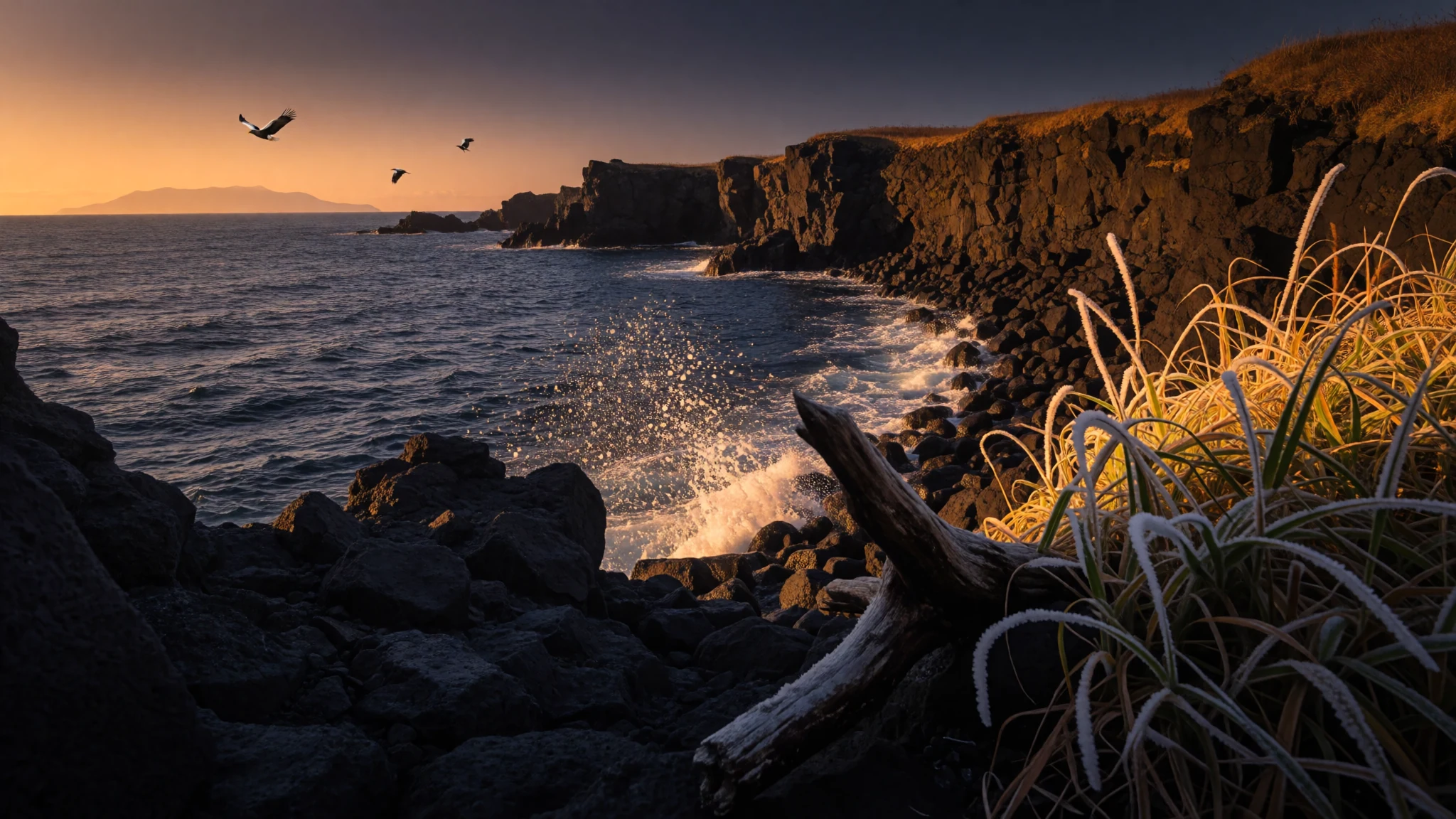
Experience one of Japan's most remote wildernesses, where brown bears roam temperate forests and rugged coastlines meet the Sea of Okhotsk.
The place
Shiretoko National Park occupies the majority of the Shiretoko Peninsula at the northeastern edge of Hokkaido. The name itself comes from the Ainu language, meaning 'the place where the earth protrudes'. It is a landscape defined by its isolation; much of the park is accessible only by boat or on foot, as the northern reaches lack any road infrastructure. This remoteness has preserved a pristine environment of temperate and subalpine mixed forests, dominated by Sakhalin fir and Erman's birch, which eventually give way to dense thickets of Siberian dwarf pine.
The park is a sanctuary for diverse wildlife, most notably hosting the largest population of brown bears in Japan. Visitors often spot Steller's sea eagles and white-tailed eagles soaring above the coast, while the surrounding waters are frequented by orca and sperm whales. The geography is a dramatic mix of steep mountains and volcanic activity, evidenced by the presence of hot springs that spill into the ocean. While the western side near Utoro is more developed for tourism, the eastern side near Rausu remains a rugged bastion for serious hikers and nature enthusiasts. The atmosphere here is one of raw, untamed nature, where the weather can shift rapidly and the wilderness feels truly immense.
Its story
The story of Shiretoko National Park is one of tension between nature conservation and human heritage. For the Indigenous Ainu people, this land was never a 'wilderness' to be preserved in a vacuum, but a lived-in landscape with a long history of settlement and spiritual significance. When the area was designated as a World Heritage Site, some Ainu community members felt the designation ignored their ancestral ties and the ways they had managed the land for generations. This friction highlights a common global struggle: the tendency of conservation models to view nature as separate from the humans who have coexisted with it for millennia.
Beyond the human history, there is the geopolitical story of the horizon. Looking out from the peninsula, visitors can see Kunashiri Island. This sight serves as a constant reminder of the territorial disputes between Japan and Russia over the Kuril Islands. In an attempt to bridge this divide, there have been proposals to develop the area as a transboundary 'World Heritage Peace Park'. For now, Shiretoko remains a place where the silence of the forest is punctuated by the bells of hikers and the calls of eagles, serving as a living laboratory for ecological study and a testament to the resilience of the subarctic environment in the face of a changing climate.
What to see
- Shiretoko Five Lakes
These are the most accessible highlights of Shiretoko National Park. A series of well-maintained boardwalks and trails connect the lakes, allowing visitors to enjoy the alpine scenery without disturbing the habitat. It is a prime spot for seeing deer and, occasionally, brown bears from a safe distance.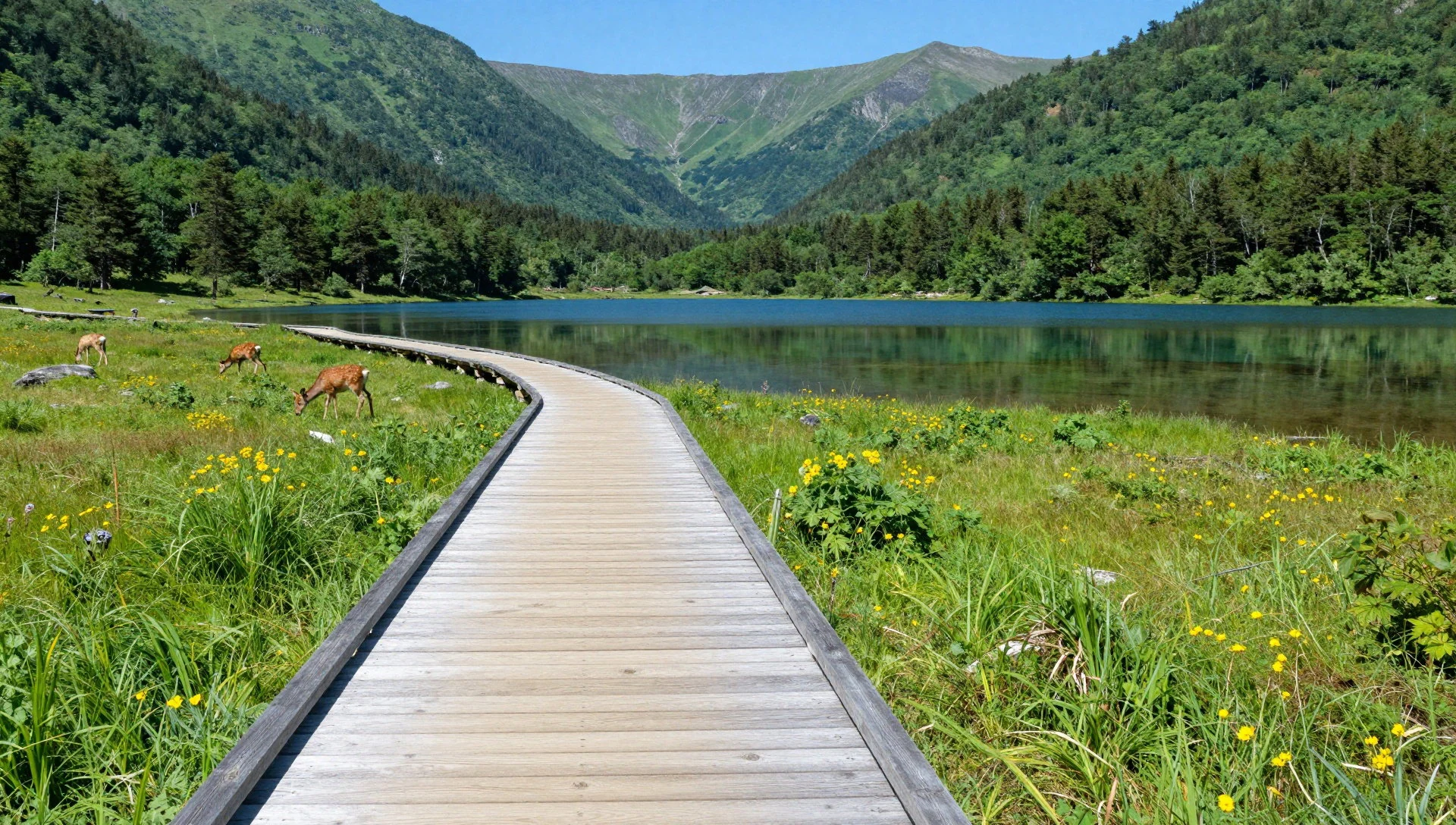
- Kamuiwakka Falls
Known in Ainu as the 'water of the gods', these unique falls are a hot spring river. Visitors can actually climb up the riverbed, walking through the warm, cascading waters. It is a visceral experience of Hokkaido's volcanic nature, though the rocks can be very slippery.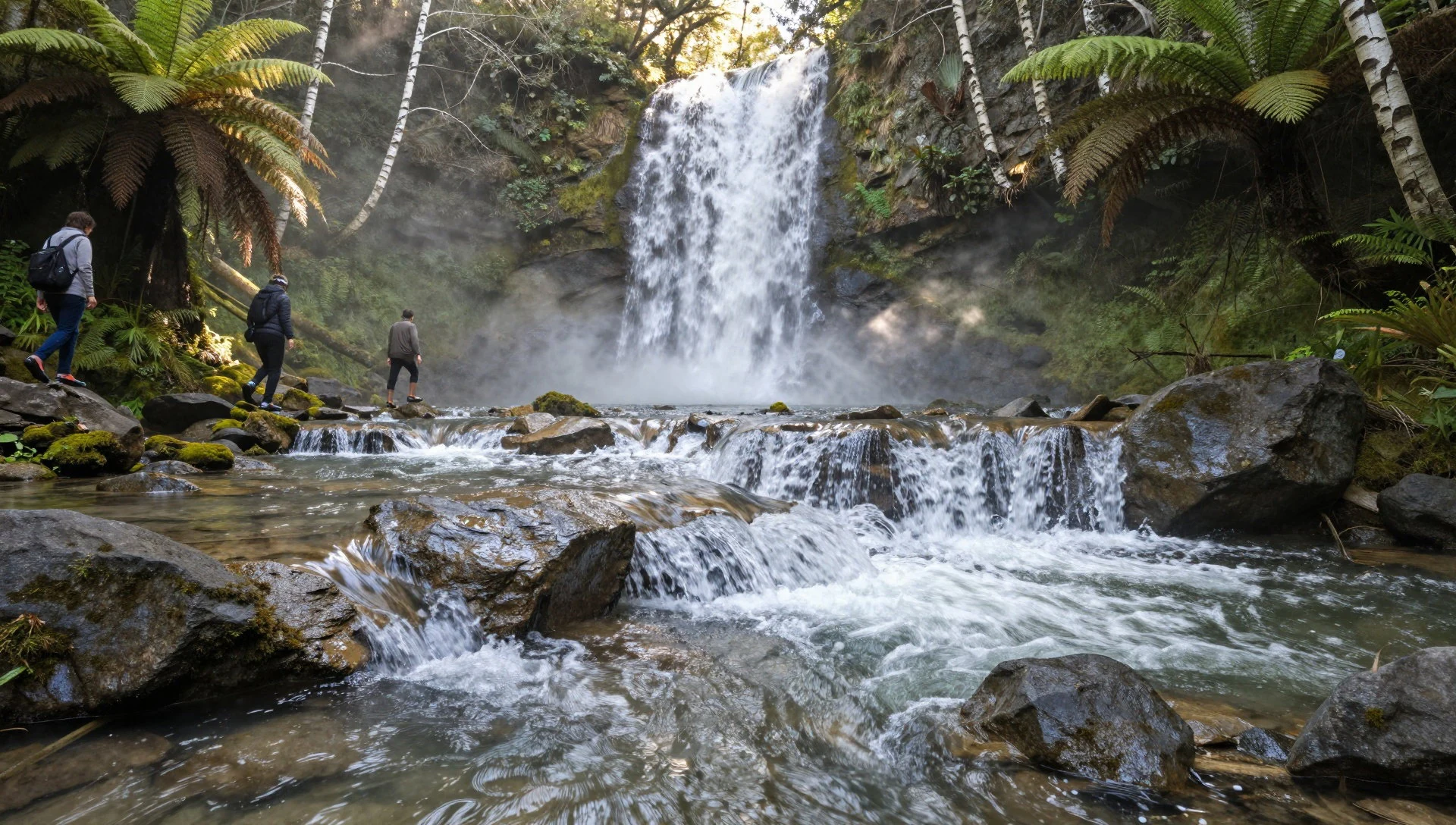
- Mount Rausu
A challenging climb for serious trekkers, the summit offers a sweeping view of the peninsula and the sea. The ascent is steep and can be dangerous in poor weather, but it provides a sense of scale and isolation that is rare elsewhere in Japan.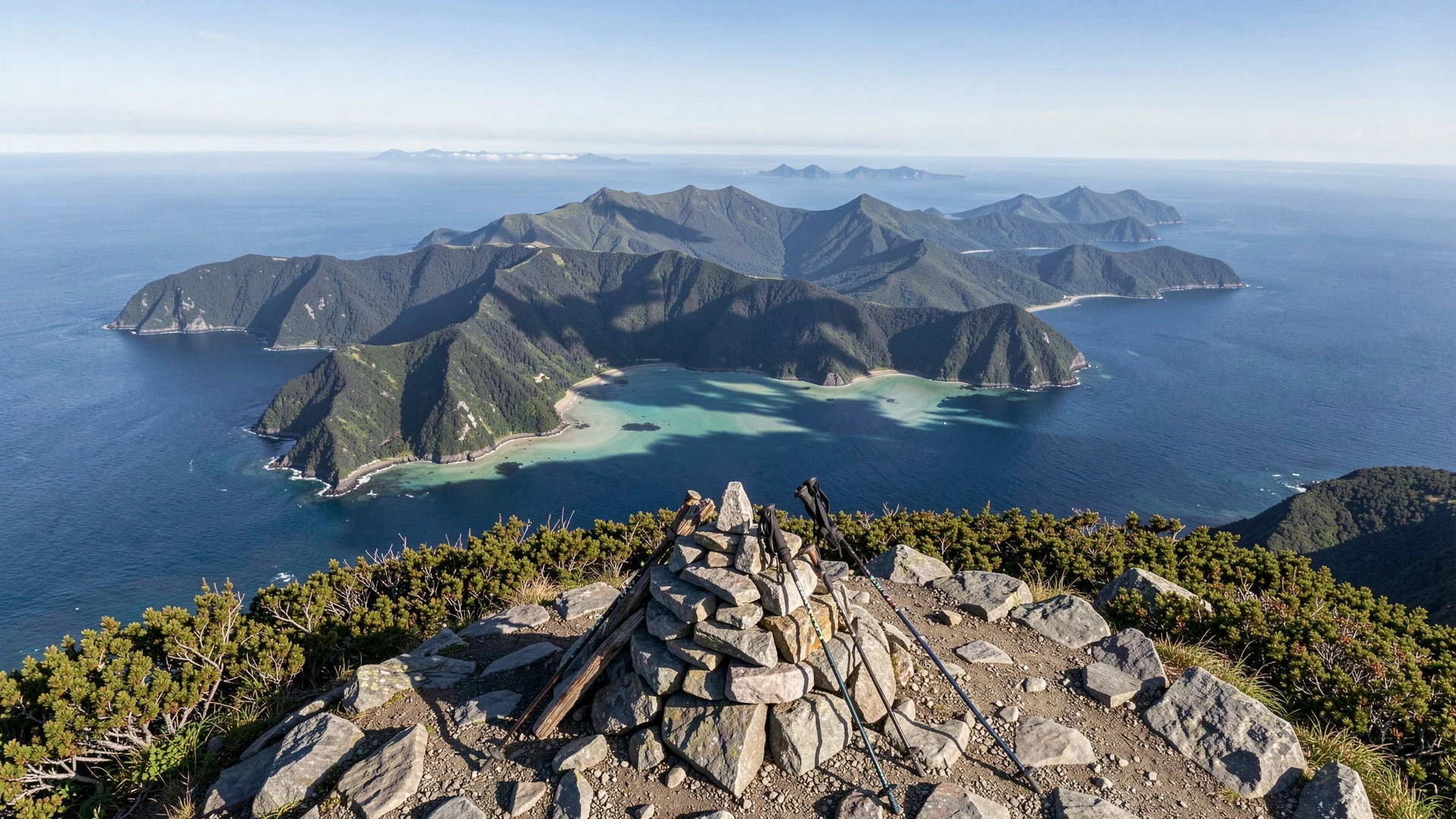
- Shiretoko Pass
Located at the highest point of the road between the east and west coasts, this stop provides an excellent vantage point for viewing the peaks of the peninsula. It is a popular spot for tour buses, offering a panoramic introduction to the park's geography.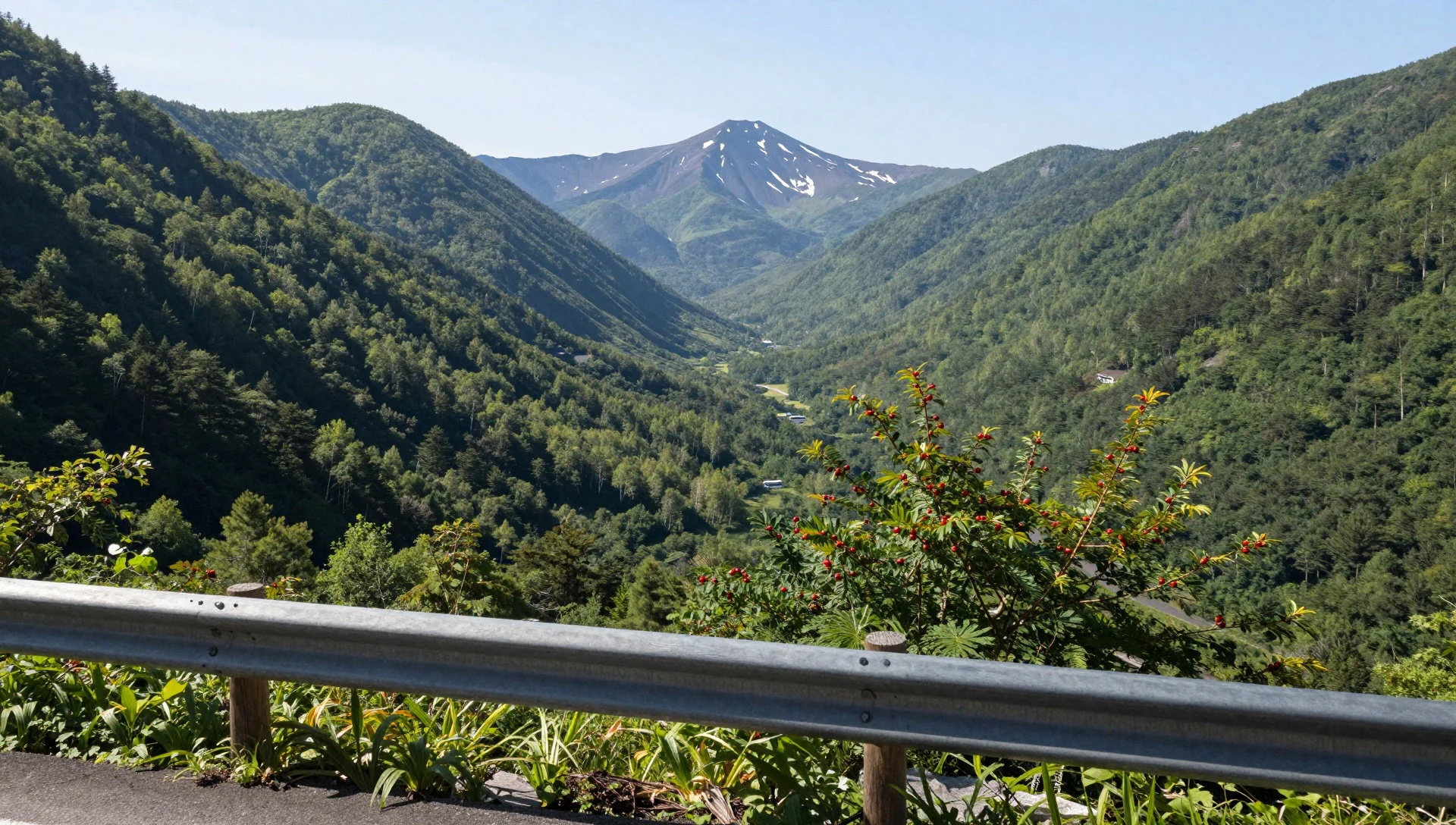
- Iwaobetsu Onsen
After a strenuous day of trekking through the forests, this basic open-air hot spring offers a restorative soak. The facility is modest, but the natural warmth of the volcanic water against the cool mountain air is a quintessential Hokkaido experience.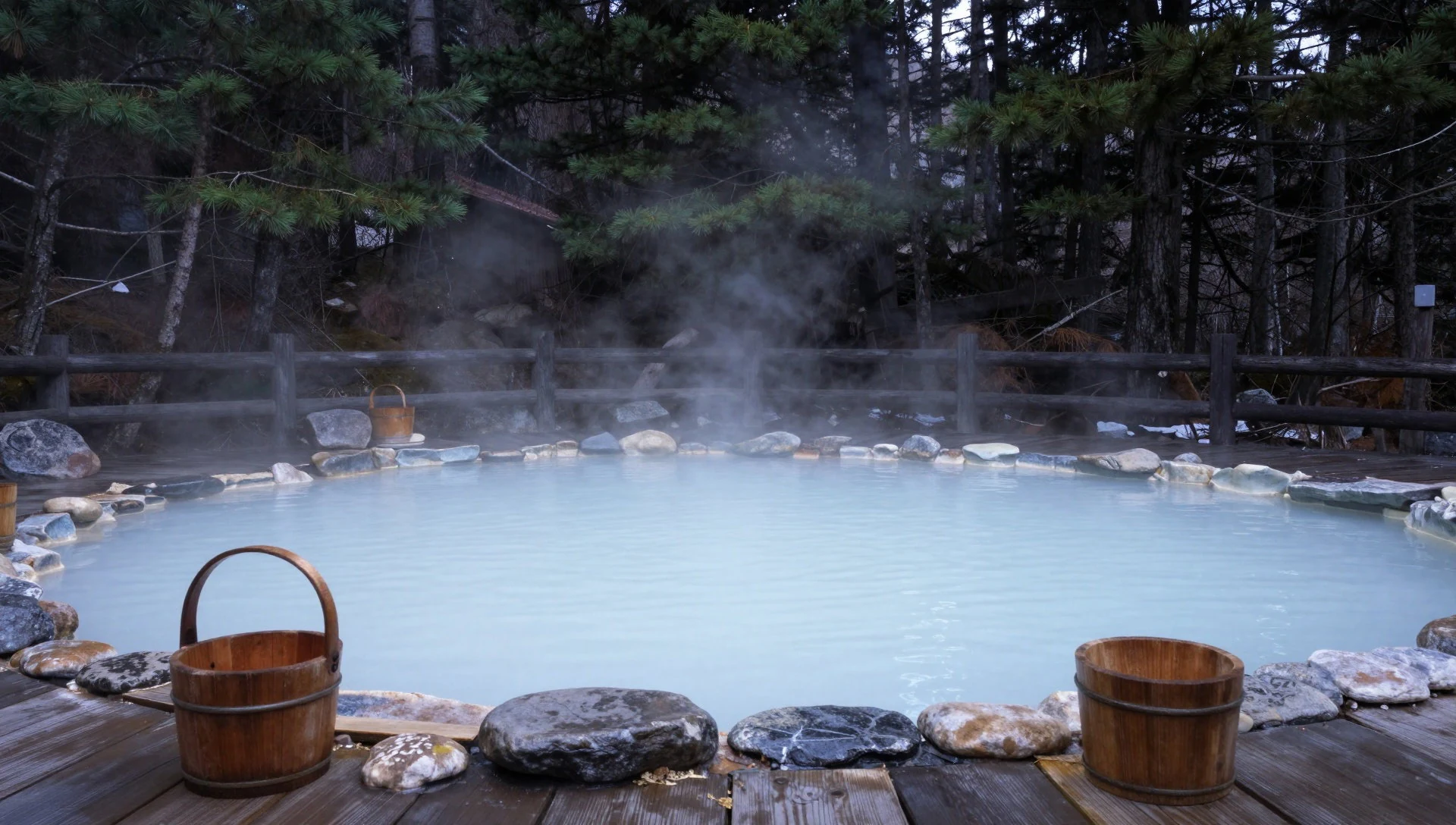
Culture
The culture of Shiretoko National Park is deeply intertwined with the Ainu, the Indigenous people of Hokkaido. Their influence is felt in the place names and the spiritual reverence for the 'kamuy' (spirits) that inhabit the animals and the landscape. Much of the local knowledge regarding the behaviour of brown bears and the properties of the hot springs originates from Ainu tradition. In the modern era, the culture is also shaped by a fierce commitment to environmental stewardship, with local guides and rangers operating under strict protocols to prevent human-wildlife conflict.
There is a quiet, respectful atmosphere here. Visitors are encouraged to observe a 'leave no trace' philosophy, and the local community values silence and patience when observing wildlife. The interaction between the small towns of Utoro and Rausu is defined by their shared reliance on the sea and the mountain, creating a hardy, frontier-like community spirit that welcomes those who come to appreciate the wild. When exploring the trails, please wear a bear bell to alert wildlife of your presence.
What to wear
Traditionally, the Ainu people wore robes made from 'attush', a textile woven from the inner bark of elm trees, often adorned with intricate geometric embroidery designed to protect the wearer from evil spirits. These garments were highly durable and suited for the damp, cool climate of northern Hokkaido. While these are now primarily seen in museums or during cultural demonstrations, the legacy of utilizing natural, hardy materials remains a hallmark of the region's heritage.
Today, locals and regulars in Shiretoko wear practical, outdoor gear. You will see a lot of Gore-Tex, heavy-duty hiking boots, and thermal layers. Because the weather is notoriously unpredictable, the 'onion layer' approach is standard. For visitors, the gear requirements are strict: sturdy, waterproof hiking boots are essential for the muddy trails and riverbeds. Depending on the season, you will need everything from moisture-wicking synthetics in summer to heavy wools and windproof shells in autumn. Modesty is not a major concern here, but functional, weather-appropriate clothing is a safety requirement for the terrain.
What to eat
- Fresh Seasonal Seafood — an eatery in Utoro
The cold waters of the Okhotsk provide exceptional scallops, crab, and sea urchin. These are best enjoyed as simple, grilled platters that highlight the natural sweetness of the catch, found in the eateries of Utoro.
- Kaisendon — the harbour area of Rausu
A generous bowl of steamed rice topped with a variety of raw local fish, including salmon and tuna. It is the quintessential breakfast or lunch for hikers and fishermen in the Rausu harbour area.
- Wild Game Dishes — a mountain lodge or inn
Venison from the local Hokkaido deer is often served as stew or grilled steaks, offering a lean, earthy flavour that reflects the wild nature of the peninsula's forests, available at mountain lodges. - Local Berries and Foraged Greens — the Nature Centre restaurant
In late summer, wild berries and mountain vegetables are incorporated into desserts and side dishes, providing a tart, fresh contrast to the heavy seafood, typically found at the Nature Centre.
Plan it
Best time. June to July for lush greenery and wildlife, or September to October for the autumn colours; winter is for drift ice but limits accessibility.
How long. 3–4
Getting there. Fly into Memanbetsu Airport, then take a bus to Utoro. Alternatively, reach Shari station by train and use the infrequent local buses to reach the peninsula.
Budget. mid
Tips
- Rent a car if possible, as public buses are very limited
- Always carry a bear bell (kumasuzu) on hiking trails
- Check the official park website for trail closures
- Pack waterproof gear regardless of the forecast
- Carry plenty of water on the Mount Rausu ascent
Etiquette
- Never leave food or scented toiletries outside your tent
- Stay on marked trails to protect fragile alpine flora
- Keep a respectful distance from all wildlife, especially bears
Nearby
Sources
- Wikidata Q739391 (CC0)
- Wikipedia (CC BY-SA 4.0)
- Wikivoyage (CC BY-SA 4.0)