Sheikh Safi al-Din Khānegāh and Shrine Ensemble
Sheikh Safi al-Din Khānegāh and Shrine Ensemble, Iran
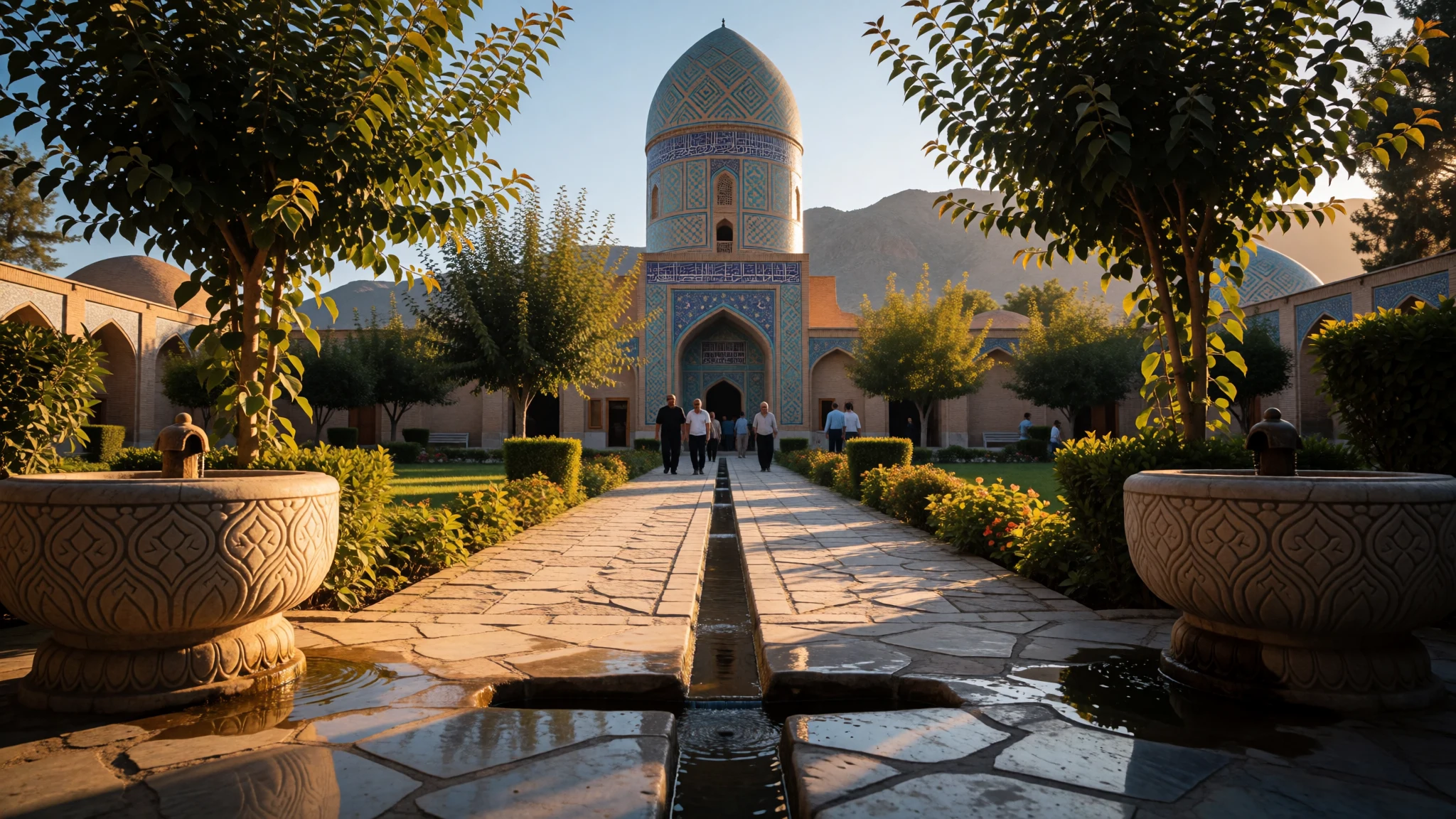
Sheikh Safi al-Din Khānegāh is a living Sufi shrine ensemble in Ardabil, where architecture, devotion, and history overlap.
The place
Sheikh Safi al-Din Khānegāh and Shrine Ensemble is a Sufi khānegāh and shrine complex in Ardabil, Iran, centred on the tomb of Sheikh Safi-ad-Din Ardabili. It’s the kind of place where “sacred” isn’t a vibe—it’s the organiser of space: passages, gardens, and prayer areas all guide movement through the compound rather than just around monuments.
The ensemble is also a UNESCO World Heritage site, so you’ll notice an added layer of preservation and visitor routing. Inside, the complex is arranged around an inner sahn (courtyard) and entered through a long garden, giving the whole experience a gradual, almost ceremonial pace. The most striking landmark is the mausoleum structure associated with Sheikh Safi, presented with a tall, domed tower form and decorative tilework that reads clearly even from a distance.
In practical terms, plan for time to slow down. People often come here for religious meaning, and the architecture rewards lingering: views open and close as you move between courtyards and halls. In colder months (when Ardabil feels properly travel-friendly), it’s easier to stay outdoors longer; in hotter spells, the shade and indoor sections become more valuable.
Crowd levels can vary—weekends and major religious periods can bring more footfall—so arriving earlier tends to feel calmer for photos and for just walking the garden approaches.
Its story
The story of Sheikh Safi al-Din Khānegāh begins with Sheikh Safi himself, a leader associated with a Sufi order that later connected to the Safavid tradition. Safi was born in Ardabil, and the complex that bears his name became the physical anchor for later generations of devotion in the city.
After Sheikh Safi’s death in 1334, work shifted forward under his son, Sheikh Sadr al-Dīn Mūsā, who is credited with building the mausoleum. The tomb-and-prayer arrangement is part of a larger design logic: the tomb-mosque relationship was planned so that different parts of worship share a coherent orientation across the compound. That layout—buildings framing an inner courtyard—gives the ensemble a sense of order and rhythm.
Over time, the complex grew beyond one shrine. Alongside the mausoleum and its ceremonial focus, there were functional spaces used for learning and community life, including a library, a mosque, a school, and facilities connected to everyday upkeep such as a cistern, kitchens, and a bakery. A small outdoor museum area is associated with the Shahr Yeri Historical Site and includes pedroglyphs, adding a local historical layer beyond the Sufi story.
Even within the single view of “the tomb”, this ensemble reflects a long timeline: construction phases that span centuries, plus later additions that shaped how visitors move today.
What to see
- Garden approach and main entrance — main approach through the long garden
The ensemble is entered through a long garden, so the experience starts as a slow walk rather than a sudden arrival at the tomb. Take a moment to look back at the way paths funnel people inward, especially when light is low and shade line edges stand out.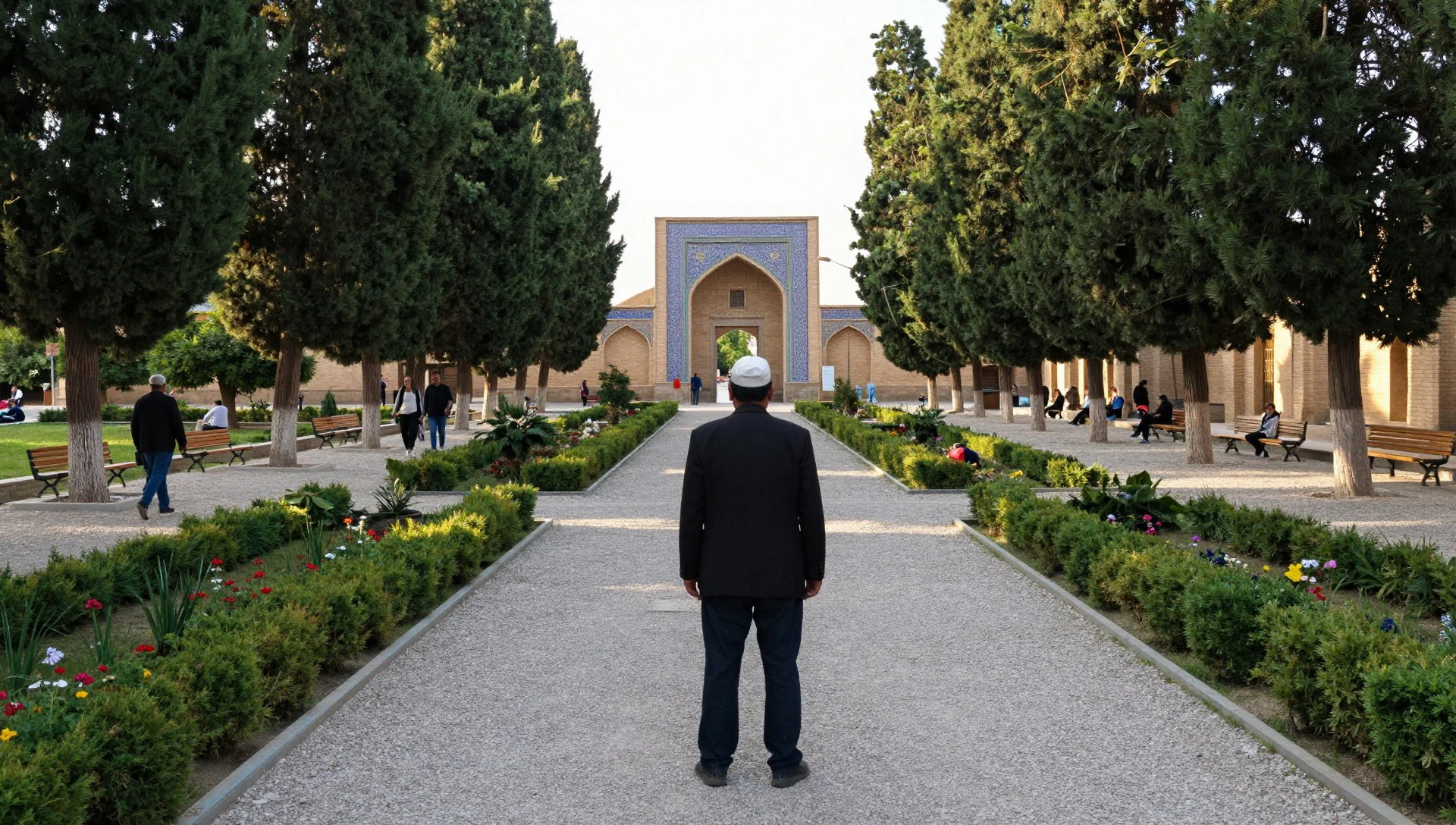
- Inner sahn courtyard layout — central inner courtyard (inner sahn)
The buildings surround a small inner sahn (courtyard), a compact space that feels intimate even as it connects different functions. It’s the point where routes make sense: the surrounding walls define the geometry, while the open yard gives a quiet pause between halls.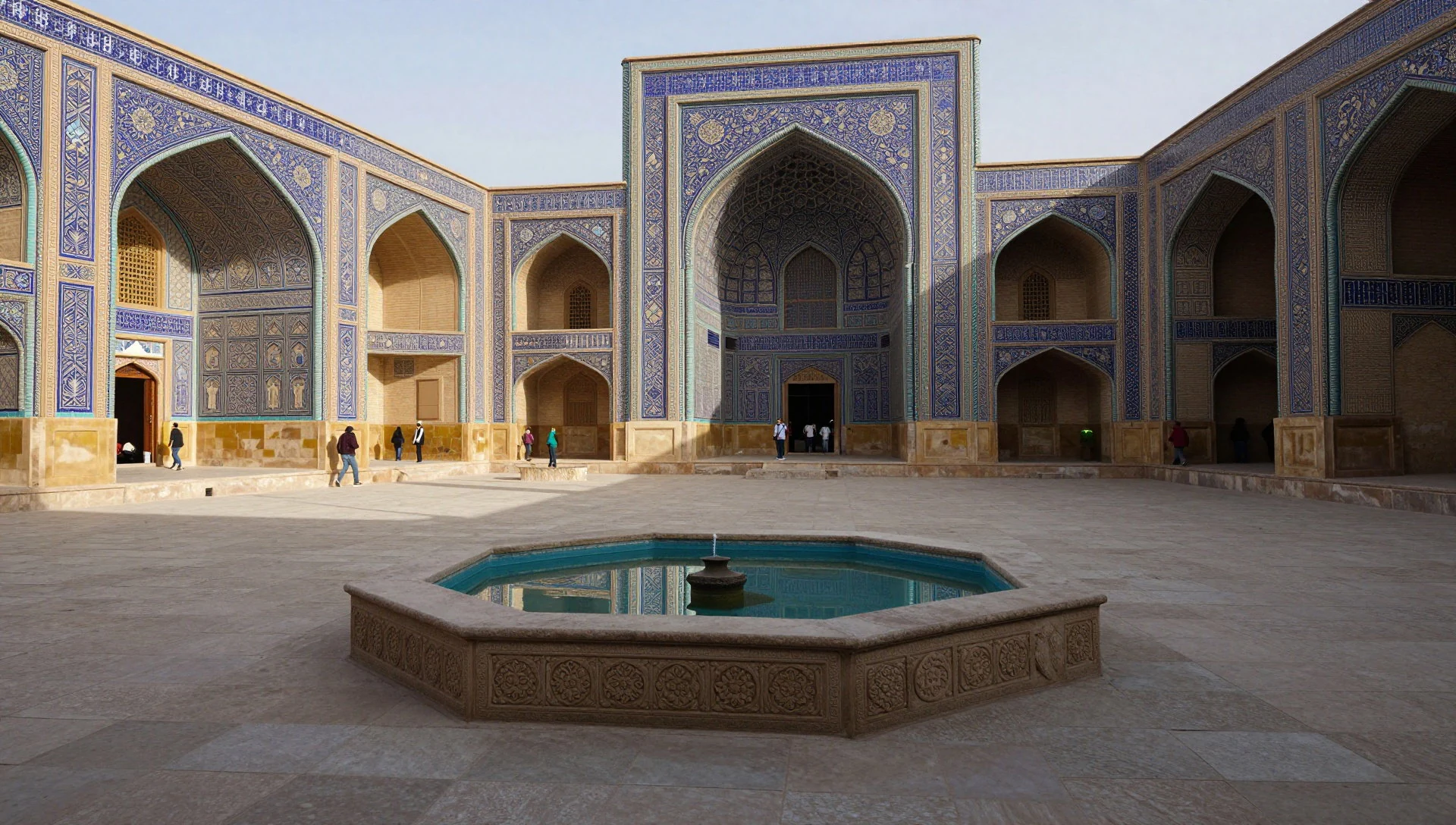
- Mausoleum of Sheikh Safi — tomb-mosque core within the shrine grounds
The mausoleum is the focal monument within the ensemble, marked by a tall, domed form and decorative tilework that catches the eye from multiple angles. Walk around for side views: the tower presence changes as you shift between courtyards and approach lanes.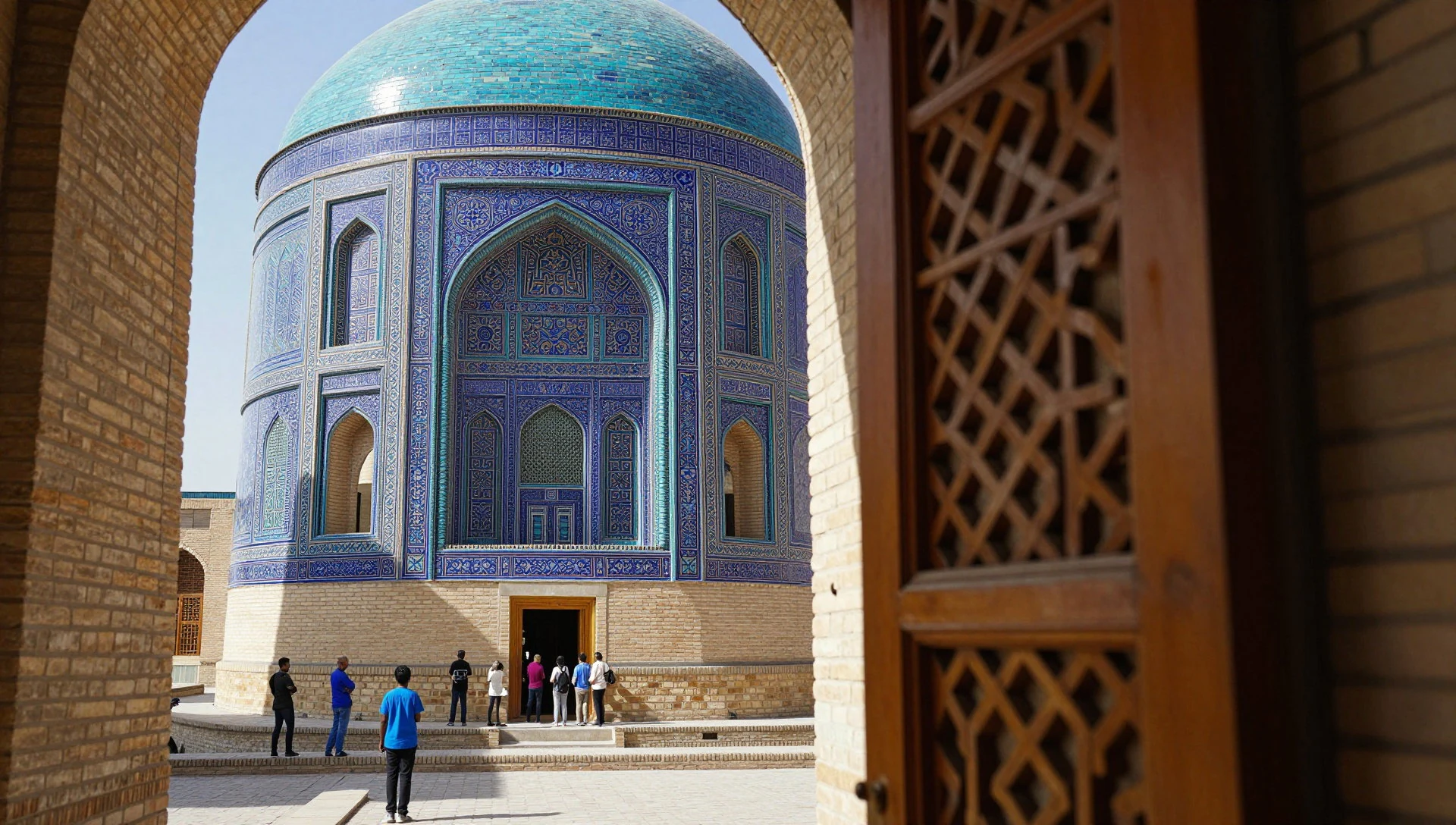
- Porcelain House — near the mausoleum area
Beside the mausoleum sits the Porcelain House, associated with preserving ceremonial wares. It’s a good stop if the rest of the complex feels too large to absorb in one pass—this corner tends to anchor attention on objects tied to ritual practice.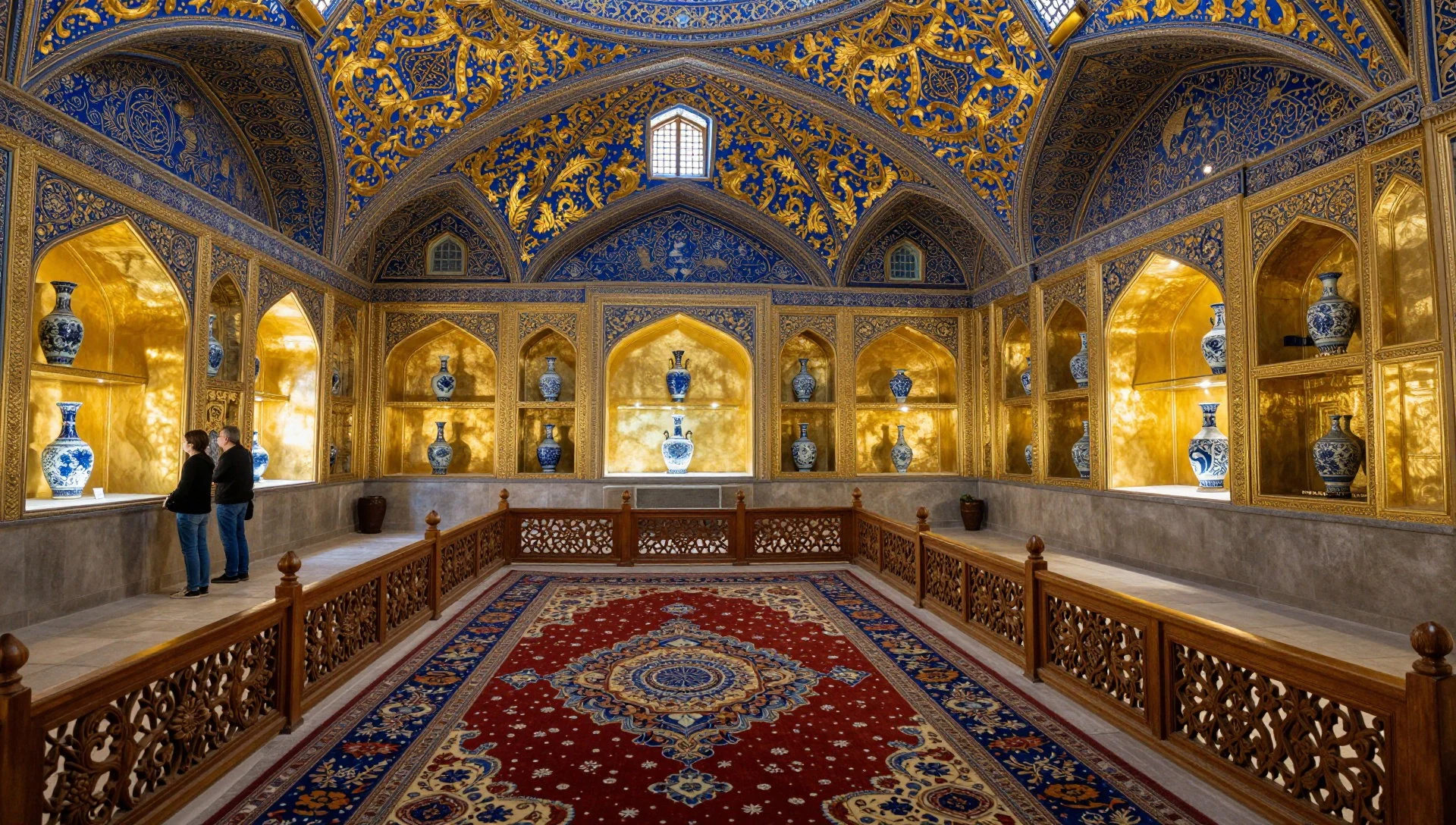
- Shahr Yeri outdoor museum area and pedroglyphs — outdoor museum area within the compound
A small outdoor museum section connects the complex to the Shahr Yeri Historical Site, including pedroglyphs found in Ardabil County. This is where the visit widens beyond shrine architecture and into local heritage—use it to reset the pace after temple spaces.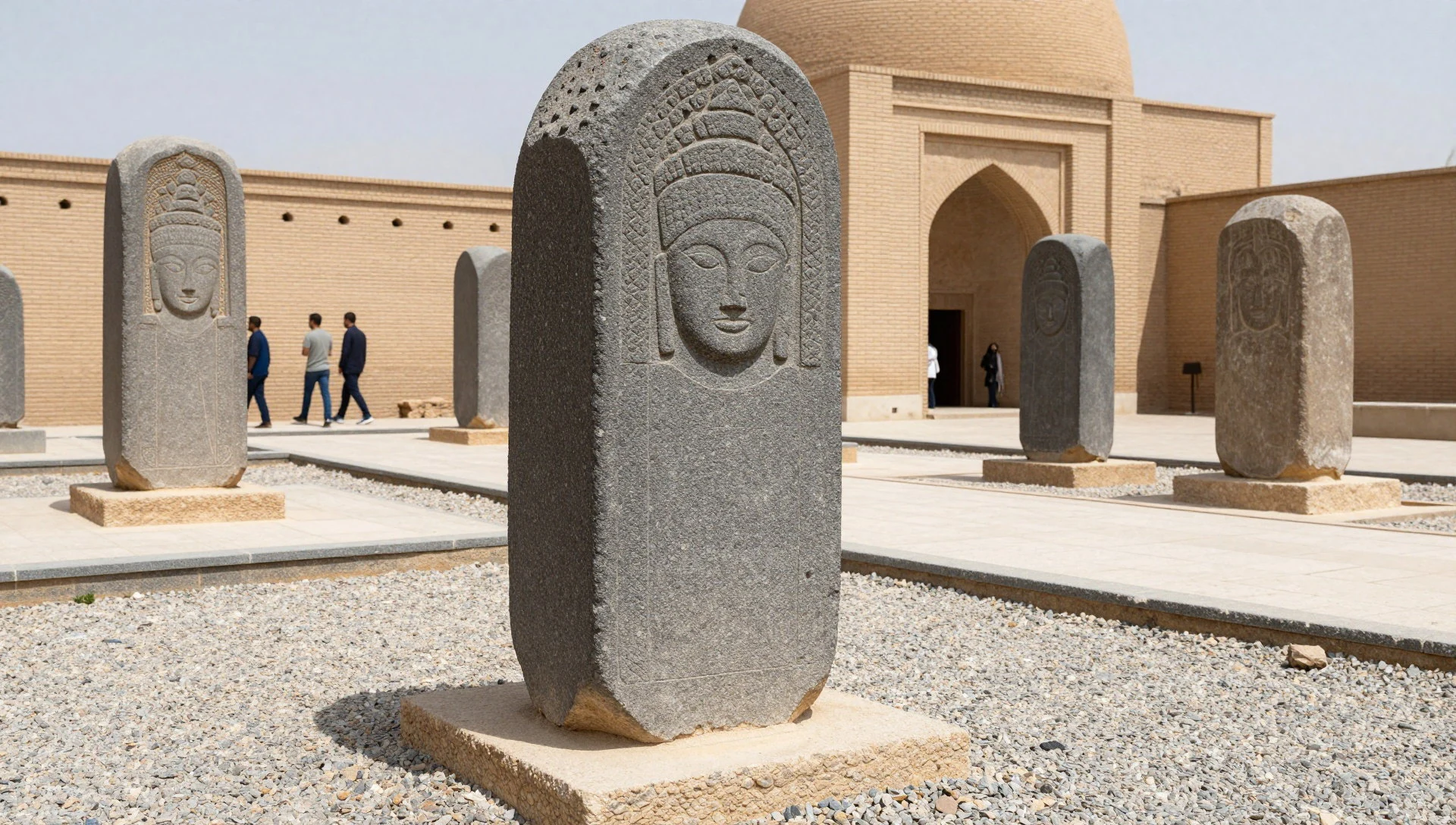
Culture
At Sheikh Safi al-Din Khānegāh and Shrine Ensemble, Iranian hospitality is part of the atmosphere people feel from the moment they arrive in Ardabil. Iranians are often warm and generous, and they may show strong interest in visitors and their background. At the same time, not every interaction feels openly direct—some foreigners can be approached with caution until trust is built.
Respectful greetings matter in day-to-day life around the country, and the cultural habit of addressing people politely shows up in how names and forms are used. In more social moments, hugs and hand-raising greetings can occur, but at religious and formal places it’s worth letting others lead.
Inside a shrine ensemble, the priority is quieter behaviour: slow movement, careful conversation volume, and attention to where people are praying or gathering. Photography can also feel more sensitive than in a typical landmark, so pause before aiming a camera—especially if someone is clearly engaged in worship.
Visitor etiquette: dress modestly and keep voices low in prayer spaces; ask before photographing people.
What to wear
When visiting Sheikh Safi al-Din Khānegāh and Shrine Ensemble, dressing for a shrine setting is the easiest win. The complex is a mausoleum and khānegāh, so modest coverage is expected: light, long layers work well, and keeping shoulders and knees covered avoids drawing attention. If the day is cool, an extra layer helps; if it’s warm, breathable fabrics make shade breaks more comfortable.
In Iran, traditional clothing styles are still common in many contexts, from long coats and tunics to headscarves for women, and these choices often blend into the everyday street look in Ardabil. Textile-wise, you’ll often see patterned or solid fabrics used in a way that allows layering.
What visitors usually wear now is a mix: practical trousers or long skirts, long-sleeved tops, and simple shoes. For the ensemble grounds—especially the garden approach—closed footwear is sensible for walking on uneven surfaces.
Visitor choice checklist: choose modest, comfortable layers; avoid overly revealing clothing; wear shoes you can walk in for a long courtyard-and-garden route.
What to eat
- Afternoon pastries and sweets — local eateries and neighbourhood tea stops
Food around Ardabil often revolves around long, unhurried social meals, with pastries and sweet bites showing up as part of the flow. These can be a good light option between shrine courtyards when timings stretch later.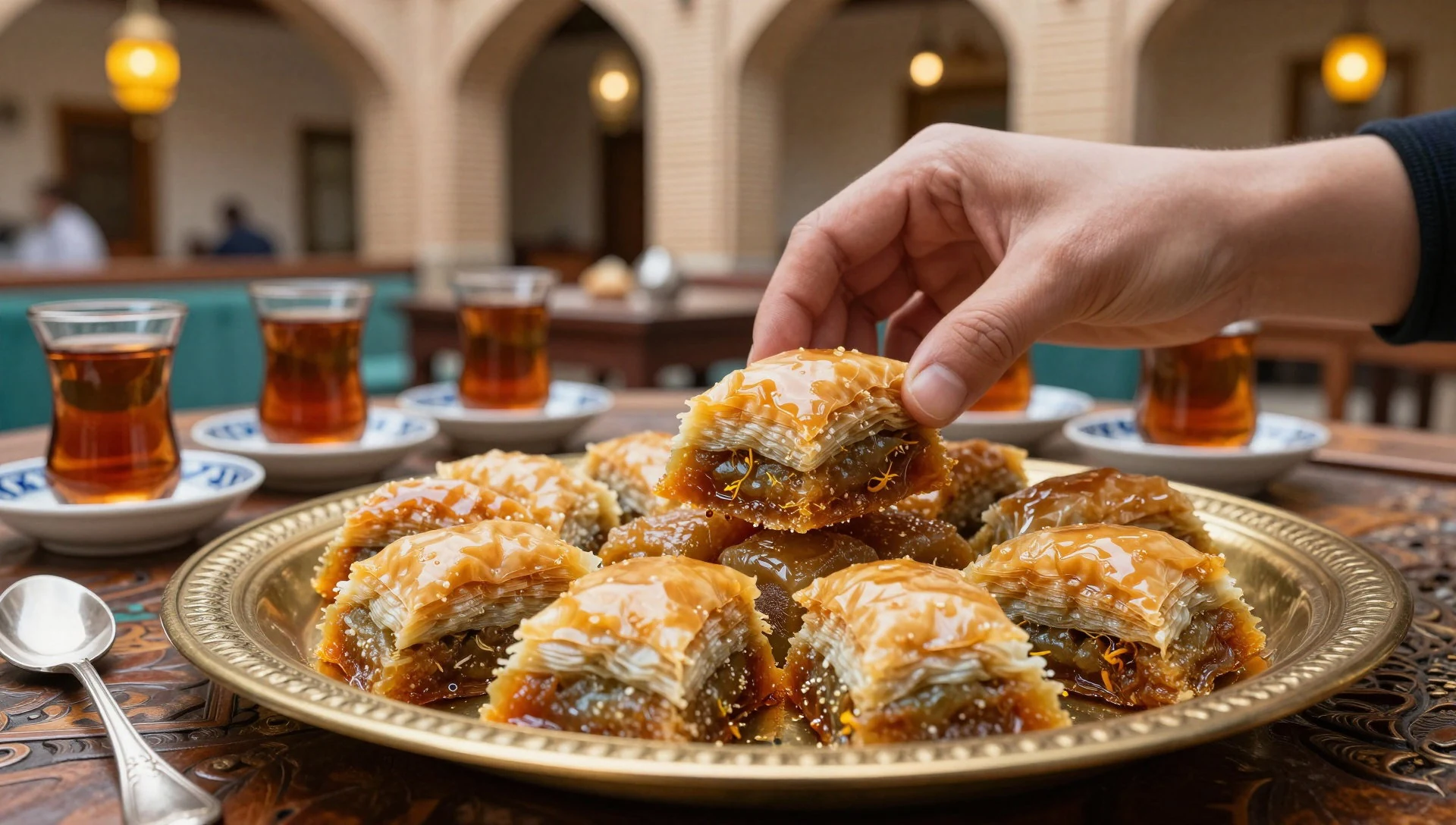
- Fruit platters — street-level cafés and family-run restaurants
Fruit often appears as a shared starter or refreshment during gatherings, and it’s typically offered rather than treated as a strict course-by-course choice. If it’s available, accepting small portions helps match local hospitality norms.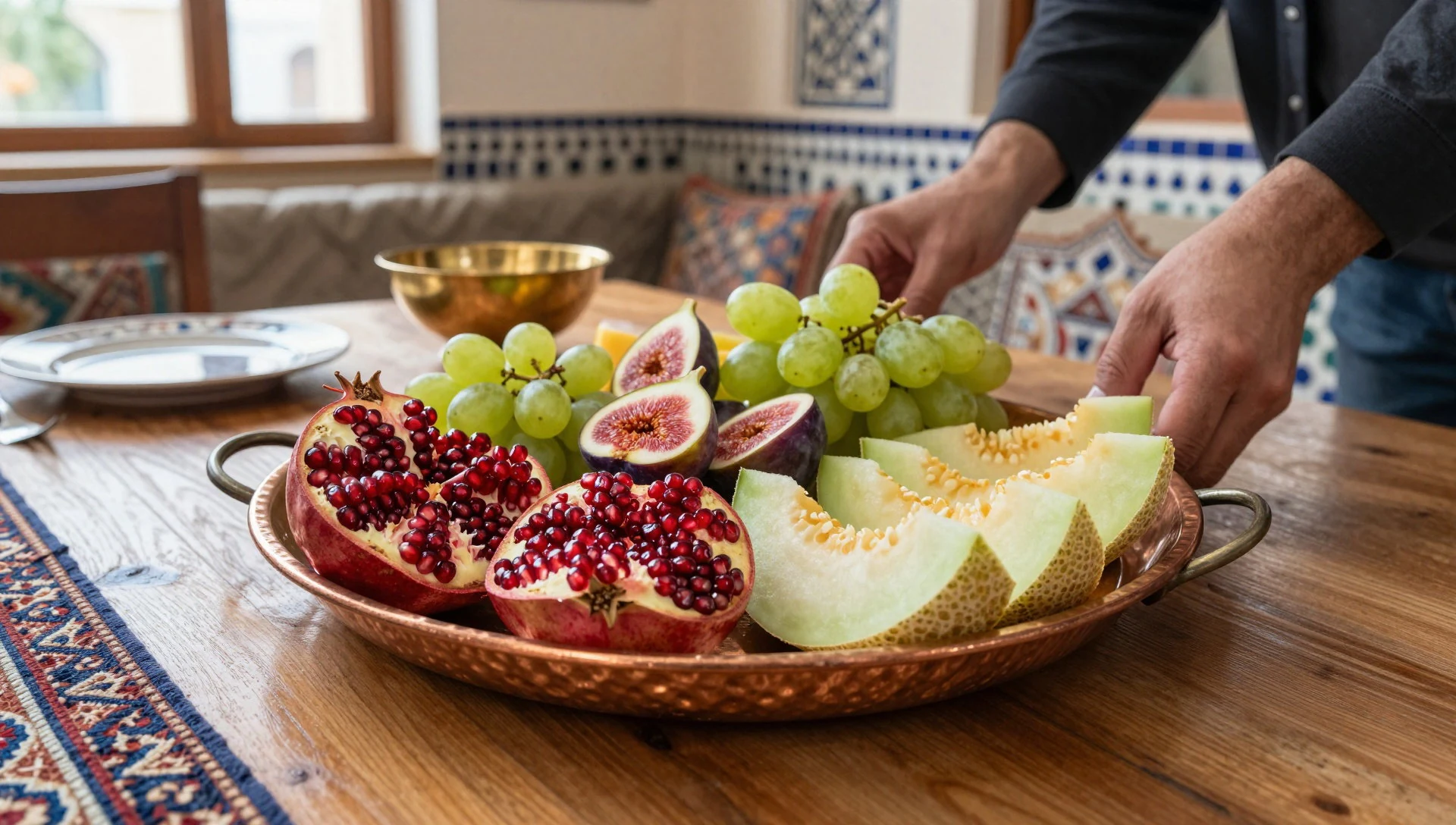
- Nuts and mixed snacks — tea houses and market-adjacent stalls
Nuts and other small snacks frequently accompany tea and social visiting. They’re usually served casually alongside pastries and fruit, so it’s common to graze rather than have a quick “grab and go” snack. - Rice and shared main plates — restaurants in central Ardabil
Iranian meals can run at a relaxed tempo, with lunch served in the afternoon window and dinner later. Expect shared plates and a rhythm that encourages tasting what’s put on the table. - Bread and dips as a starting point — any sit-down restaurant serving Iranian staples
As with much of Iranian cuisine, bread and dips can anchor the meal before heavier dishes arrive. It’s a straightforward way to sample flavours without committing to a full set all at once. - Dessert tea-time sweets — tea houses in Ardabil
Dessert and tea-time sweets often carry the same leisurely pace as meals, with small treats offered during conversation. It’s an easy way to fit food into a sightseeing day when shrine spaces fill the morning.
Plan it
Best time. March–April and October–November for more comfortable temperatures; the brief’s best months are 3, 4, 10 and 11.
How long. 2–3
Getting there. Fly into Iran and then travel to Ardabil by road or rail as per your itinerary; the last leg is local transport from the nearest main hub to Ardabil.
Budget. mid
Tips
- Aim for earlier arrival so the garden approach feels calmer for walking and photos.
- Build in time for slow movement between courtyard spaces; the ensemble rewards a relaxed pace.
- If visiting around busy religious periods, expect more people and adjust photo plans accordingly.
- Carry water and keep a light layer handy because shade moves around courtyards.
Etiquette
- Modest dress is the default—cover shoulders and knees and wear comfortable closed shoes.
- Keep voices low and avoid blocking circulation areas in prayer spaces.
- Ask before photographing people, especially in moments of worship.
Nearby
Sources
- Wikidata Q4243 (CC0)
- Wikipedia (rev 1378177903) (CC BY-SA 4.0)
- Wikivoyage (rev 5412767) (CC BY-SA 4.0)
- Photo photos/01-sheikh-safi-al-din-ardabili-tomb.jpg (CC BY-SA 4.0)
- Photo photos/02-eyx-s-fi-komleksinin-plan-001.jpg (Public domain)
- Photo photos/03-tomb-of-shayk-safi-central-tower-tomb-built-in-1335-by-his-s.jpg (CC BY-SA 4.0)
- Photo photos/04-.jpg (CC BY-SA 4.0)
- Photo photos/05-.jpg (CC BY-SA 4.0)
- Photo photos/06-7.jpg (CC BY-SA 4.0)
- Photo photos/07-shah-ismail-i-mausoleum.jpg (CC BY-SA 4.0)
- Photo photos/08-sheikh-safi-al-din-tomb.jpg (CC BY-SA 4.0)


