Selimiye Mosque
Selimiye Mosque, Turkey
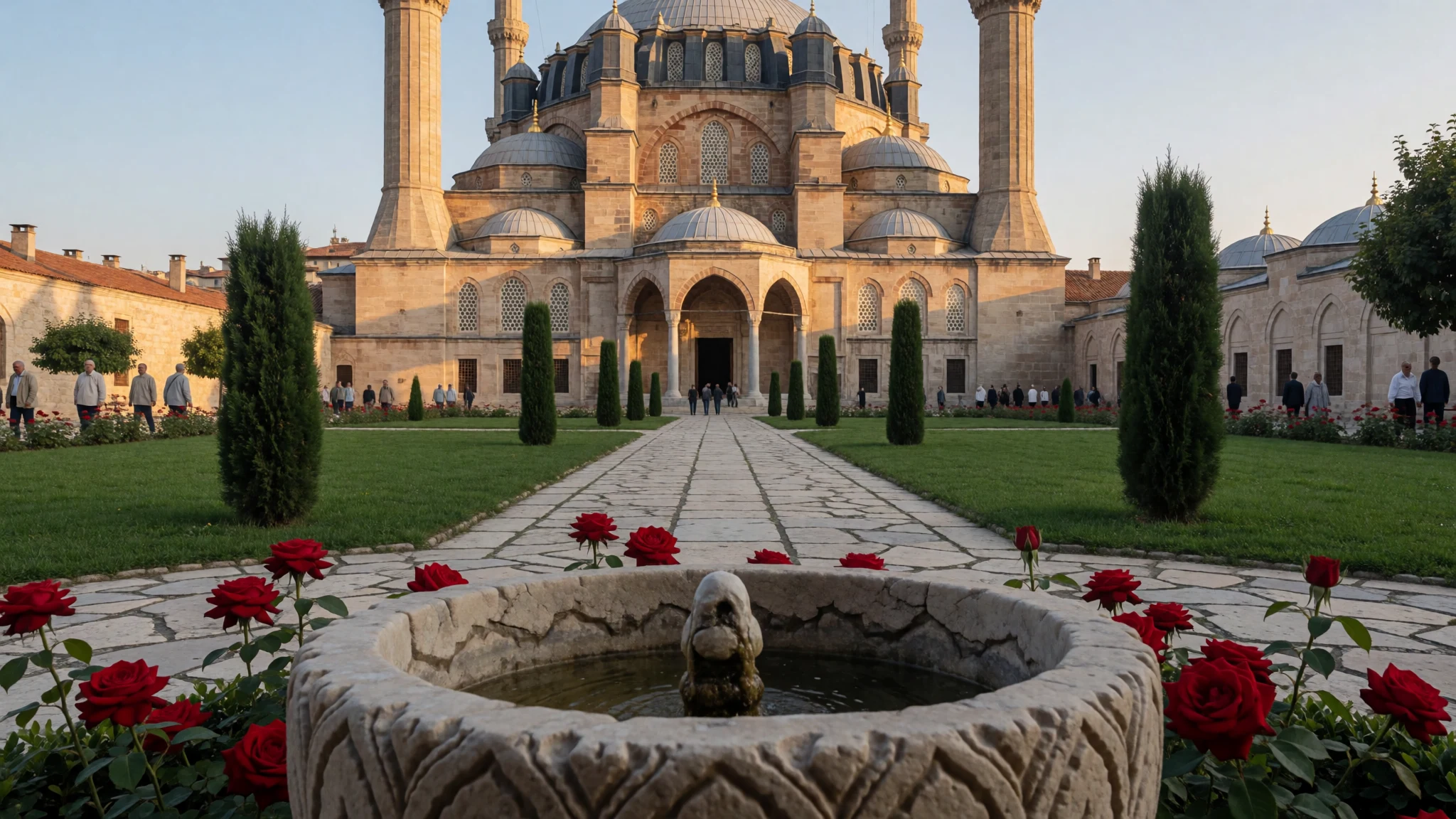
Selimiye Mosque rewards anyone who likes architecture: a huge Ottoman space, set in Edirne’s skyline, with a calm, local feel.
The place
Selimiye Mosque (Selimiye Camii) sits in Edirne, north-western Turkey, and it’s the landmark that shapes how the city looks. The complex was commissioned as an Ottoman imperial mosque and built in the second half of the 16th century, with Mimar Sinan overseeing the work. Even without hunting for details, the building is easy to read: domes rise in layers, minarets make the silhouette, and the approach from the north-west helps you take it in as a whole.
Inside, the atmosphere is different from the street—quieter, cooler when the day is hot, and more about space than decoration. Visitors often notice how the structure draws the eye upward, then slows the mind down. There’s also a sense of history beyond the prayer hall: the mosque complex is part of Edirne’s wider story as a city of rulers and summer court life, and it became a UNESCO World Heritage site in 2011.
Practically, expect to share the site with worshippers and other visitors. On busy days you might find yourself weaving around groups near the entrances, but it’s never “theme park crowded” in the way major Istanbul sights can feel. Costs are also typically straightforward—this is a place to spend time, not to rack up expensive add-ons. The biggest variable is your timing: mid-day light can be intense and the walk up to viewpoints more tiring, so earlier sessions tend to be more comfortable.
Its story
Selimiye Mosque’s story starts with Edirne’s status in the Ottoman world. Before later Ottoman power centred firmly on Istanbul, Edirne still mattered—an important city on routes between Istanbul and the Balkan provinces, and a place where rulers spent time. Sultan Selim II chose Edirne for his imperial mosque rather than building inside the capital’s existing landscape.
That choice fed into Sinan’s work. The mosque is linked to Mimar Sinan’s rise as the empire’s chief architect, and it reflects a period when Ottoman culture and military strength were at a peak. Building work started after Selim II commissioned Sinan to restore the city’s Old Mosque, and designs for a new imperial mosque situated above it were drawn up shortly afterwards. Work started in 1568 or 1569, and it was completed in 1574 or 1575.
What makes the history feel tangible today is how the mosque sits in a lived city. Centuries later, the building remained central enough to anchor later cultural uses in the complex area, including museums connected to the mosque’s surroundings. The UNESCO listing in 2011 underlines that continuity: this is not just a standalone monument, but part of a wider ensemble tied to Edirne’s long, contested past—from Roman-era foundations to Byzantine-era control and Ottoman rule.
What to see
- Selimiye Mosque (Selimiye Camii) — Edirne centre
Start with Selimiye itself. It dominates the skyline, and a north-west approach helps you read the full massing—domes stacking over one another, with minarets framing the view. Inside, take a slow look upward; the space is designed to feel unified rather than chopped into rooms.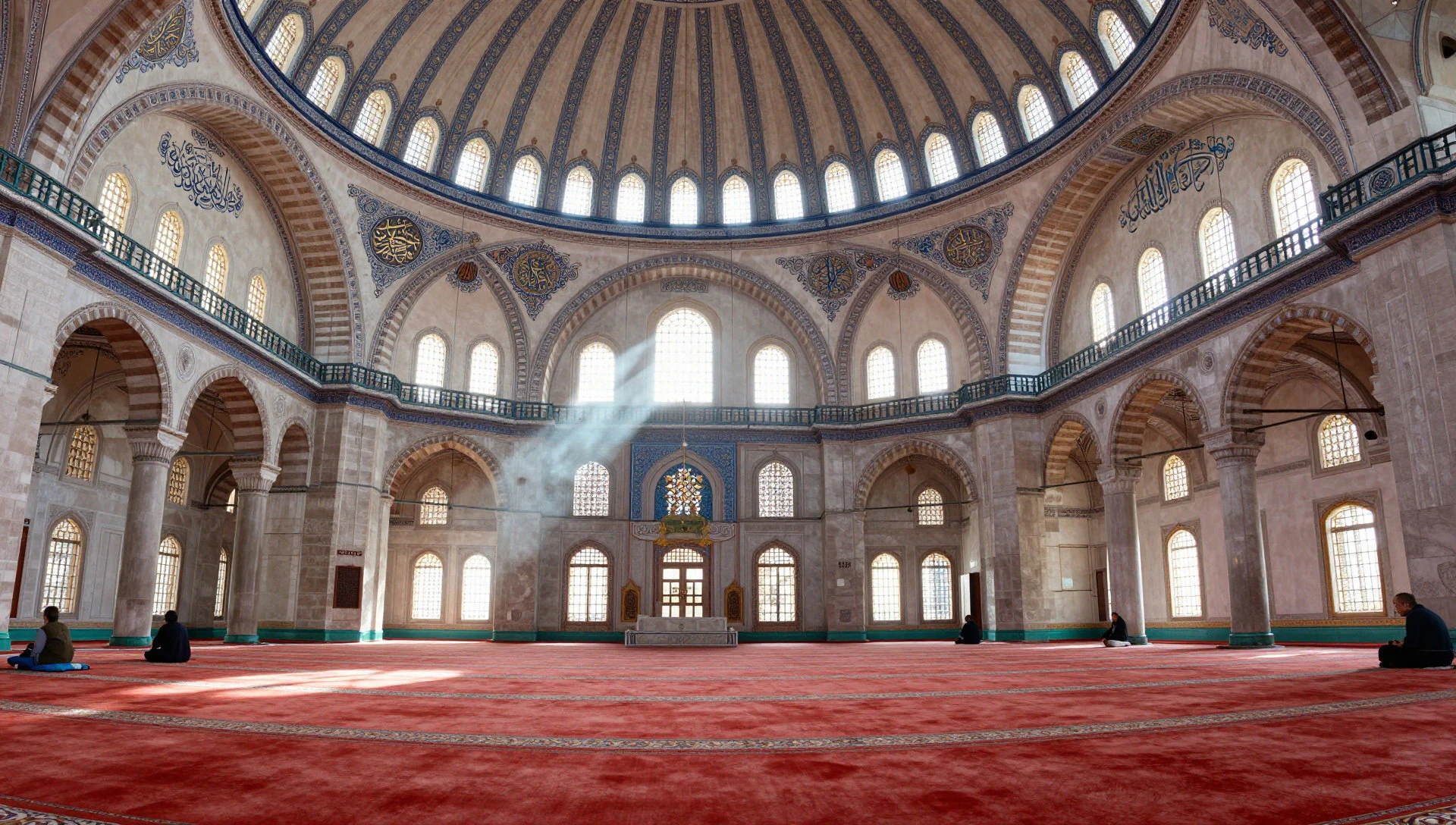
- Old Mosque (Eski Cami) — Mosque complex area
Old Mosque sits nearby as a smaller companion. It has nine domes and two minarets, with calligraphy that gives the interior character. It’s an easy contrast to Selimiye if arriving early when the area is calmer.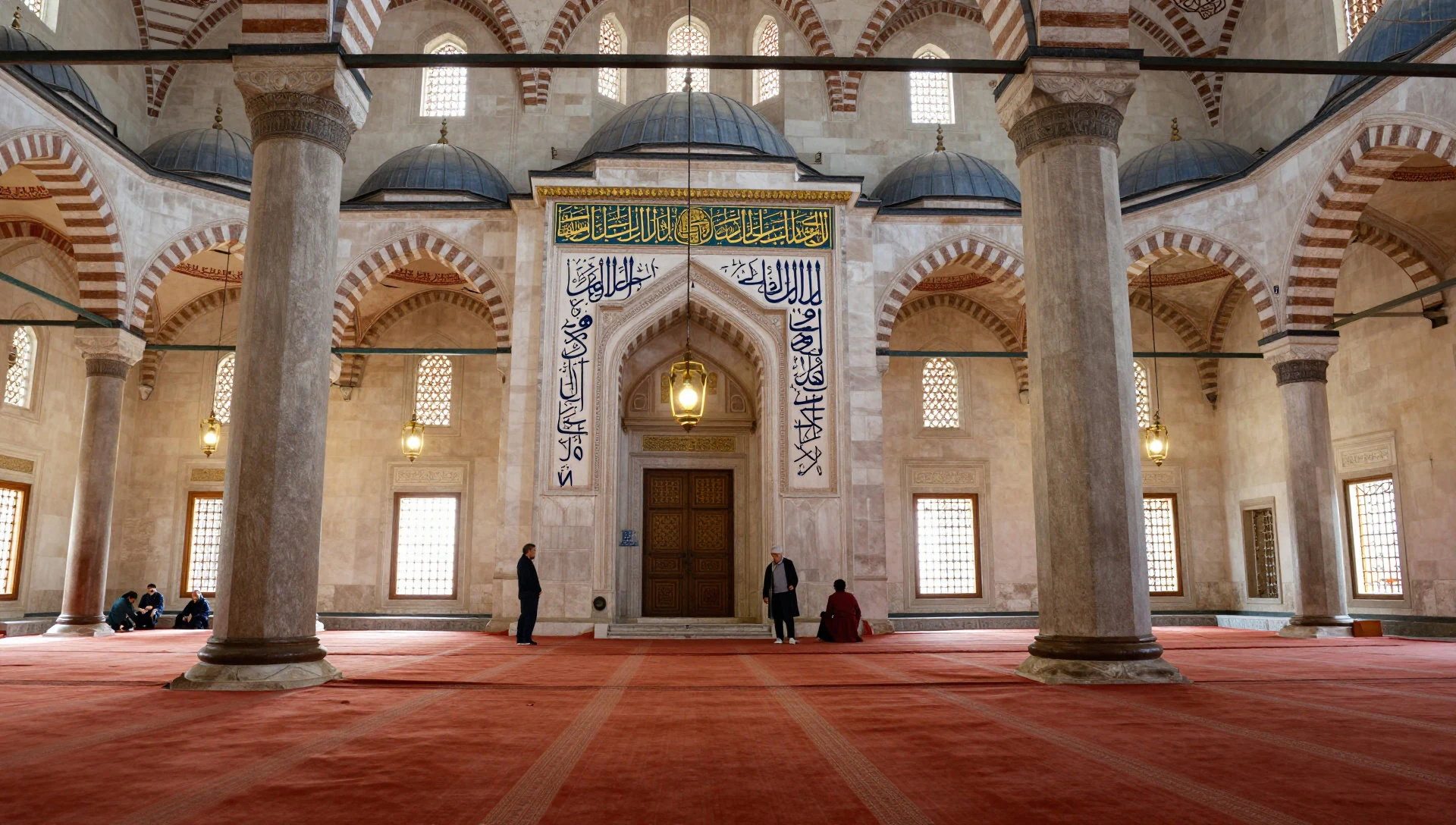
- Üç Şerefeli Mosque — Old town area
Üç Şerefeli Mosque is known for its tall minaret set with three balconies or galleries, which is where its name comes from. It’s a useful stop for comparing Ottoman styles in Edirne: different proportions, different minaret designs, same city rhythm.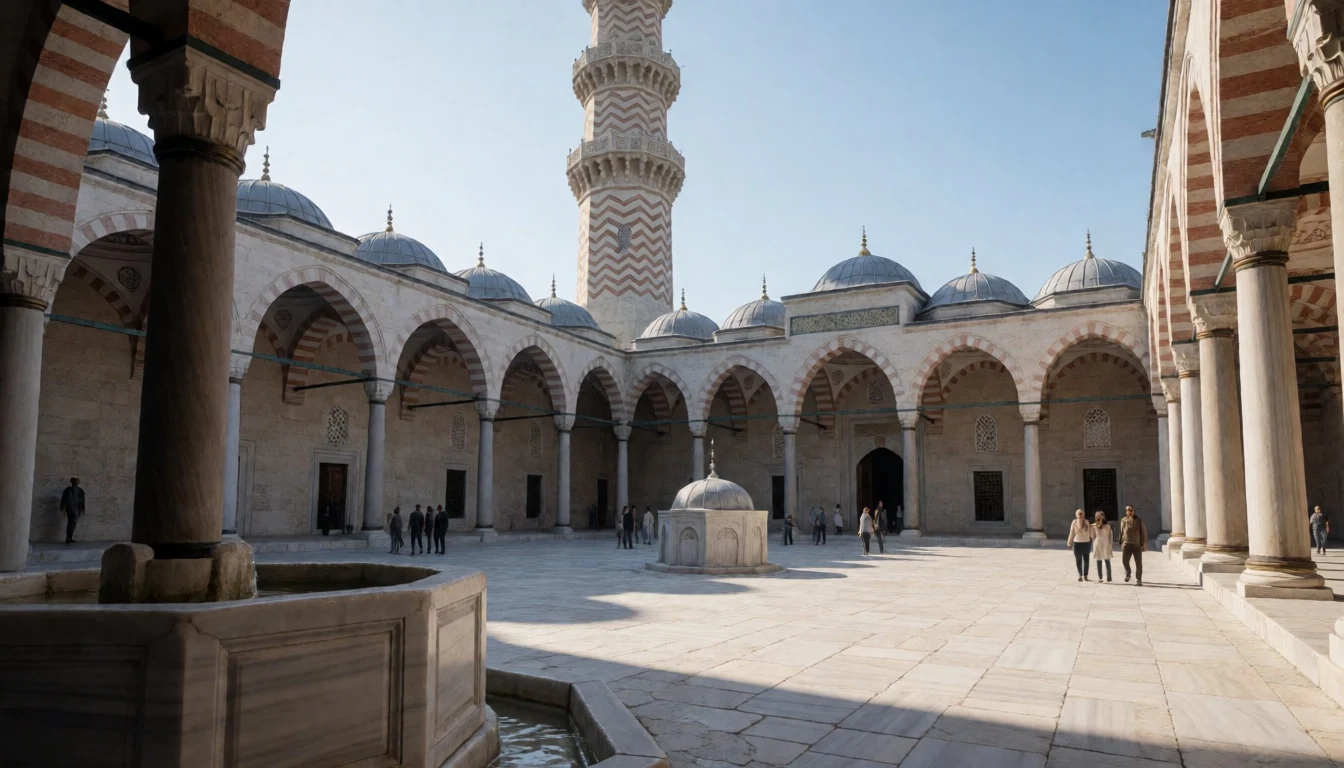
- Sokullu Mehmet Paşa Hamamı — By the mosque complex
If the mosque tour leaves everyone a bit architectural out, shift to the hammam. Sokullu Mehmet Paşa Hamamı is another Sinan-linked masterpiece and still functions as a public bath with separate spaces for men and women, so it offers a hands-on sense of everyday Ottoman life.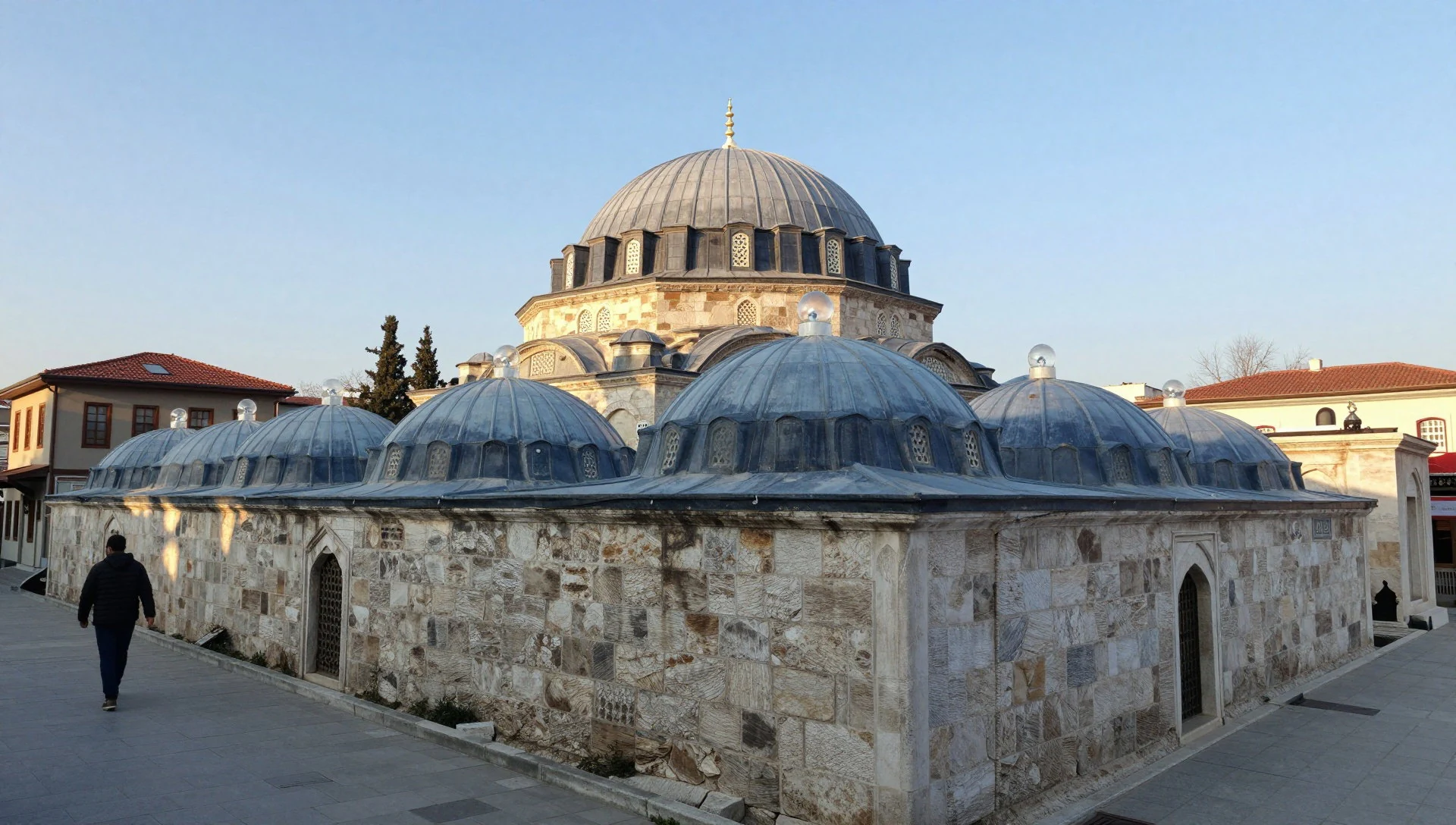
- Archaeology and Ethnography Museum — Edirne centre
This museum connects directly to the mosque complex’s wider history. It displays local history with a focus on the Thracian period, and it’s a good way to spend time on a hot or blustery day when you still want context rather than another outdoor walk.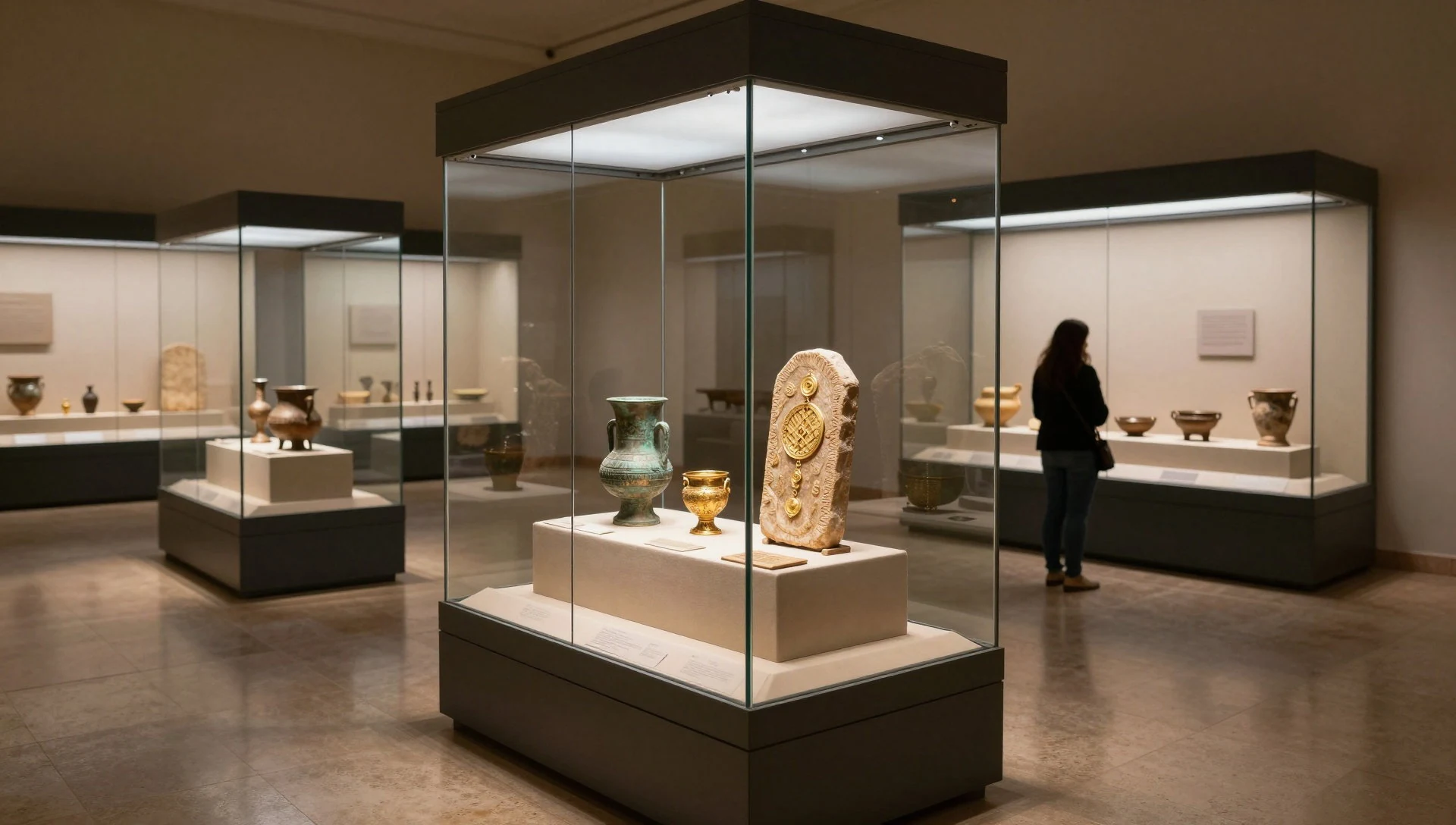
Culture
In Turkey, mosque visits are mostly straightforward, but Selimiye Mosque is still a working religious site, so the vibe can change quickly around prayer times. Dress tends to be modest: shoulders and legs covered is the safe default, and many visitors cover their heads as a sign of respect. Shoes are normally removed when entering prayer areas, and you’ll often see floors that make it obvious where shoes should stay. Photography is usually possible in many parts, but people may prefer not to be framed, and the presence of worshippers should be treated as a “pause moment” rather than a backdrop.
Language-wise, don’t worry about sounding Turkish-perfect. Staff and other visitors generally understand the shared goal: looking, learning a little, then letting the site breathe.
A final detail: Edirne can feel pleasant in the morning and then turn sweaty by afternoon, so planning your photos and museum time in a sensible order makes the experience calmer for everyone. Visitor etiquette is part of that—keep voices down and avoid blocking entrances while people move through.
Keep voices low, remove shoes where indicated, and dress modestly before entering the prayer areas.
What to wear
At Selimiye Mosque, clothing is mostly about modesty and comfort. The traditional visual language in Edirne and across Turkey includes long skirts or dresses, headscarves for many women, and layered garments that cover shoulders and knees. Materials vary—cotton for daytime heat, heavier fabrics for cooler evenings—but the key pattern is coverage rather than ornament.
What people wear now is practical: many locals dress in everyday western-style clothes in town, but when they come to mosque spaces they switch to more covered options—long trousers or skirts and tops that don’t show midriff or bare shoulders. Visitors should follow that norm. Bring a light scarf or shawl for covering hair if you feel more comfortable doing so, and choose shoes you can remove easily; the site is a mix of indoor prayer spaces and outdoor approaches, and slippery soles or lace-up shoes can slow things down.
In warm weather, breathable fabrics help because you may spend time outdoors waiting for your turn in quieter areas. In cooler months, layering works best so you can adjust when you move between shaded courtyards and interior spaces.
What to eat
- Ciğer (Edirne-style liver) — Ciğerci cluster near the park by the Old Mosque
Ciğer is the local speciality in Edirne, usually served fried with a fiery dried pepper crumb. Many small “ciğerci” eateries cluster near the park by the Old Mosque. If the smell worries someone, they can sometimes request an alternative dish.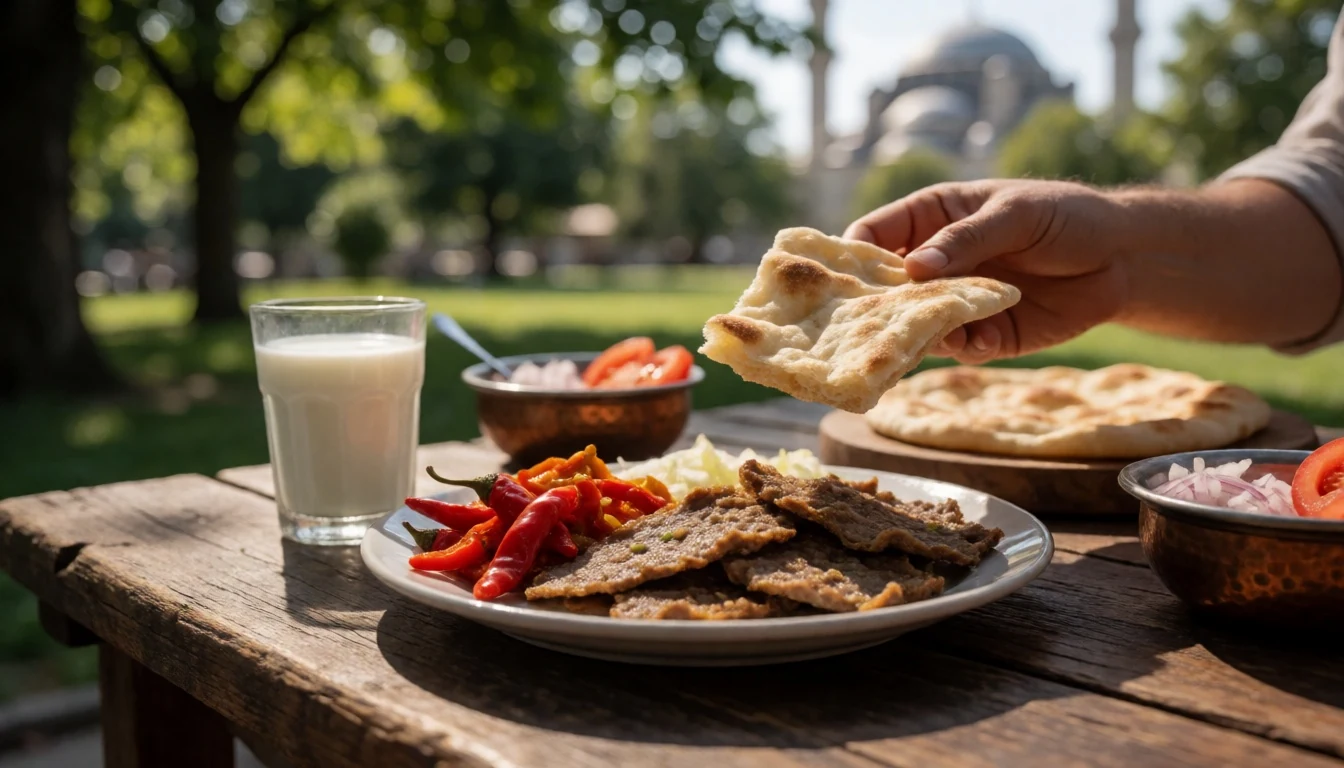
- Ciğerci Kemal — Edirne city centre (ciğerci neighbourhood)
Ciğerci Kemal is a straightforward option if you specifically want fried liver with a friendly, uncomplicated setup. It’s part of the local pattern of eateries that focus on this one bold flavour, so it’s best for a “try it once” meal with bread and ayran.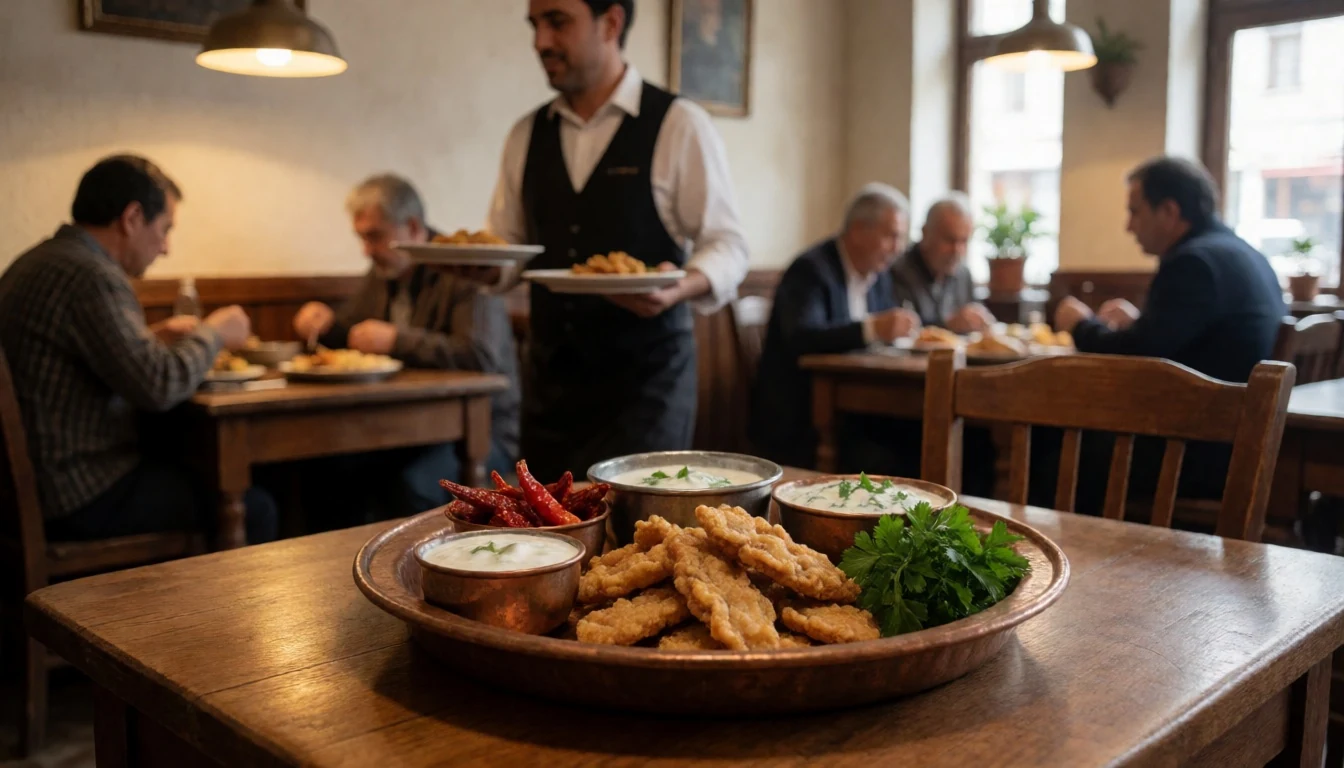
- Alipaşa Köfte ve Ciğer — Edirne city centre
If there’s a mix of appetites in the group, Alipaşa Köfte ve Ciğer offers meatballs as well as liver. It’s described as efficient and easy-going, which makes it useful when everyone needs a quick sit-down between sights. - Serhad Köftecisi — Central Edirne
Serhad Köftecisi is another place for meatballs and liver, positioned as a central stop for a filling lunch. It suits travellers who want the Edirne taste without wandering too far from where the main mosque area is. - Ayran with bread — Any ciğerci or meatball shop near the mosque area
To balance the punch of peppery ciğer, order ayran—salty yoghurt drink—alongside bread. It’s a simple combo locals lean on when they’re eating something hot and crunchy, and it works just as well for first-timers.
Plan it
Best time. March–April and October–November for more comfortable temperatures, with summer heat best avoided for long courtyard walks; plan mosque viewing around the cooler parts of the day.
How long. 2–3
Getting there. Fly into Istanbul Airport (IST) and then take the transfer bus to Edirne; the last leg is by road from the bus drops into Edirne’s centre.
Budget. mid
Tips
- Aim for a first visit early in the day to keep the walk from the approach easier and calmer for photos.
- Pair Selimiye with the nearby Old Mosque and Üç Şerefeli so the different Ottoman styles make sense in one loop.
- Use museum time to break up outdoor heat if you’re travelling in warmer months.
- If you’re targeting ciğer, allow a little time for the “specialist” places near the Old Mosque park to settle—peak hunger can make queues feel fast.
Etiquette
- Remove shoes where you see a step up and slippers waiting.
- Keep a respectful distance from worshippers and avoid blocking doorways for photos.
- Dress modestly—cover shoulders and knees before entering prayer areas.
Nearby
Sources
- Wikidata Q184534 (CC0)
- Wikipedia (rev 1367242675) (CC BY-SA 4.0)
- Wikivoyage (rev 5416792) (CC BY-SA 4.0)
- Photo photos/01-selimiye-mosque-15051985908-cropped.jpg (CC BY 2.5)
- Photo photos/02-2013-turquia-edirne-0006-37184674376.jpg (CC BY-SA 2.0)
- Photo photos/03-selimiye-camii-5172709878.jpg (CC BY-SA 2.0)
- Photo photos/04-edirne-15465898222.jpg (CC BY-SA 2.0)
- Photo photos/05-courtyard-of-the-selimiye-mosque-3154.jpg (CC BY-SA 4.0)


