Sangiran
Sangiran, Indonesia
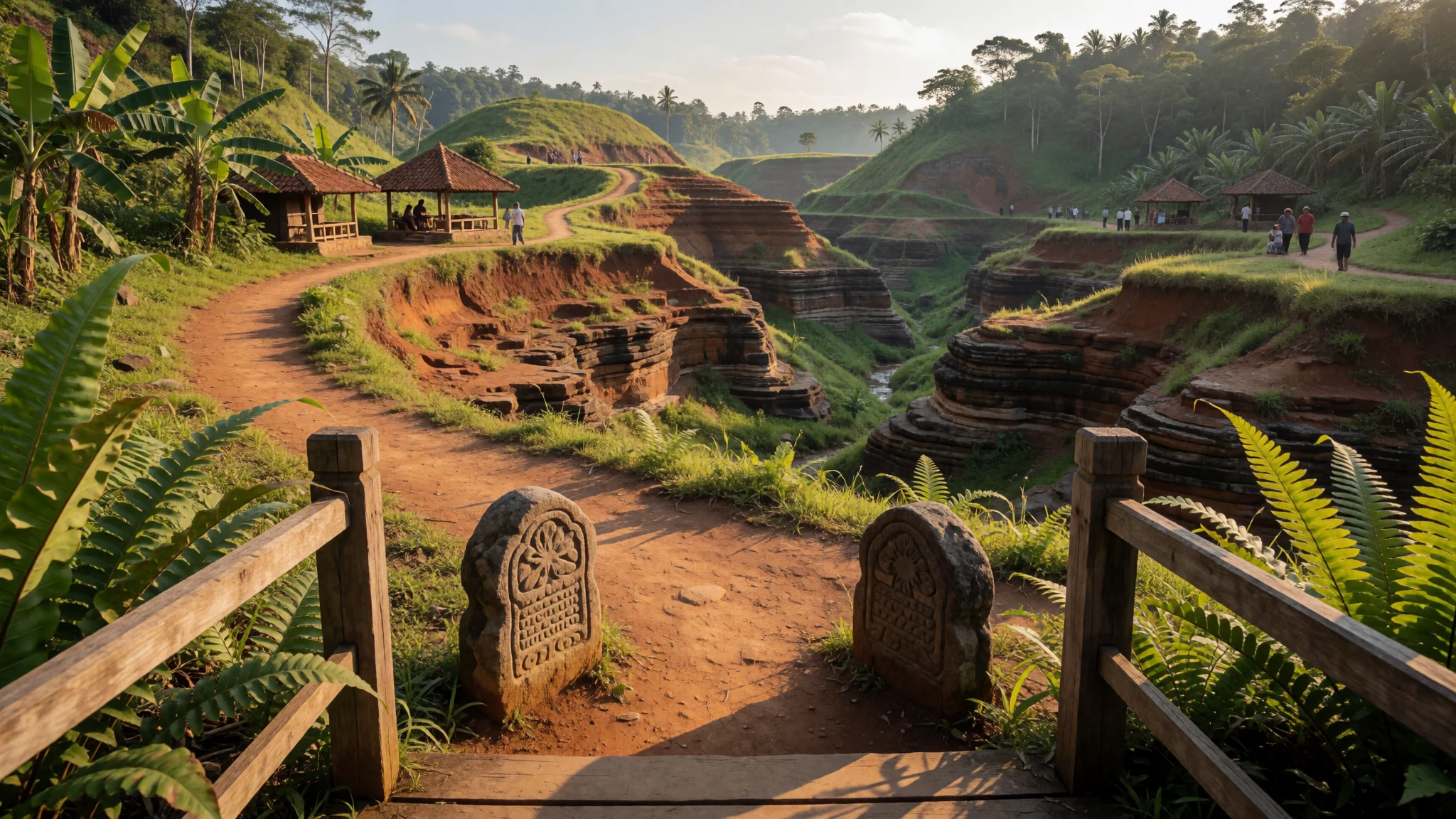
Sangiran is where Java’s ancient human story is read in fossils and layered rock—part museum, part outdoor archaeology.
The place
Sangiran is an archaeological excavation site in Java, Indonesia, set in the Solo River valley near Central Java’s Surakarta area. It’s the kind of place where time feels physical: the ground itself is part of the story. The geology matters here because the region’s dome-shaped structure was created by tectonic uplift, then eroded to expose beds rich in archaeological material. That’s why Sangiran works so well for curious visitors—there is a clear connection between what researchers found and the layers they came from.
Today, the site is presented as a mix of field locations and museum interpretation. Fossils and fossil casts allow people to grasp what early ancestors looked like, and how scientists piece together daily life from bones and teeth. The broader Sangiran area is split administratively between Sragen and Karanganyar, but when visiting on the ground it feels like one archaeological landscape.
The scale is large, and the experience is outdoors as much as it is indoors. Expect bright daylight, warm air, and plenty of walking around viewing spots and museum areas, with humidity building as the day goes on. As with many Central Java attractions, planning around heat and travel time makes the difference between a relaxed visit and a rushed one.
Sangiran’s pull isn’t “recreation”—it’s understanding. If museum-style storytelling and geology are interesting, this is a rare day trip that feels like stepping into deep time rather than just looking at it.
Its story
Sangiran’s science story starts with early fieldwork and gradually becomes more systematic. In 1883, Dutch paleoanthropologist Eugène Dubois carried out preliminary work at Sangiran, though he moved on to Trinil in East Java after finding fewer fossils of interest. That shift didn’t end Sangiran’s importance—it just meant the research attention moved around Java before returning with renewed effort.
A bigger push came later in 1934, when anthropologist Gustav Heinrich Ralph von Koenigswald began examining the area and later excavations produced important finds. Fossils linked to early human ancestors, including “Java Man” (now placed within Homo erectus), were among the discoveries. Other human fossils followed as more work continued, along with a notable collection of animal remains—useful for understanding the habitat and the animals early humans hunted or lived alongside.
As discoveries accumulated, the site gained formal protection. In 1977 the Indonesian Government designated a 56 km2 area around Sangiran as a Protected Cultural Area. A local museum and conservation laboratory were later established in 1988, and the modern visitor-focused museum and visitor centre opened in 2011.
Recognition also arrived through UNESCO. In 1996, UNESCO registered Sangiran as a World Heritage Site under the “Sangiran Early Man Site” name. That label matters because it reflects how researchers value Sangiran for studying fossil humanity and the environment recorded in the strata.
Over time, work continued by scholars including Indonesian archaeologists, building a research tradition that turned an eroded prehistoric landscape into a key reference point for human origins in Java.
What to see
- Sangiran Early Man Site — Sangiran archaeological area (Central Java)
Sangiran Early Man Site lets visitors connect displays to the broader archaeological landscape around the excavation area. Look for viewpoints and interpretive markers that explain how layered geology relates to fossil finds, with walking routes that feel tied to the terrain.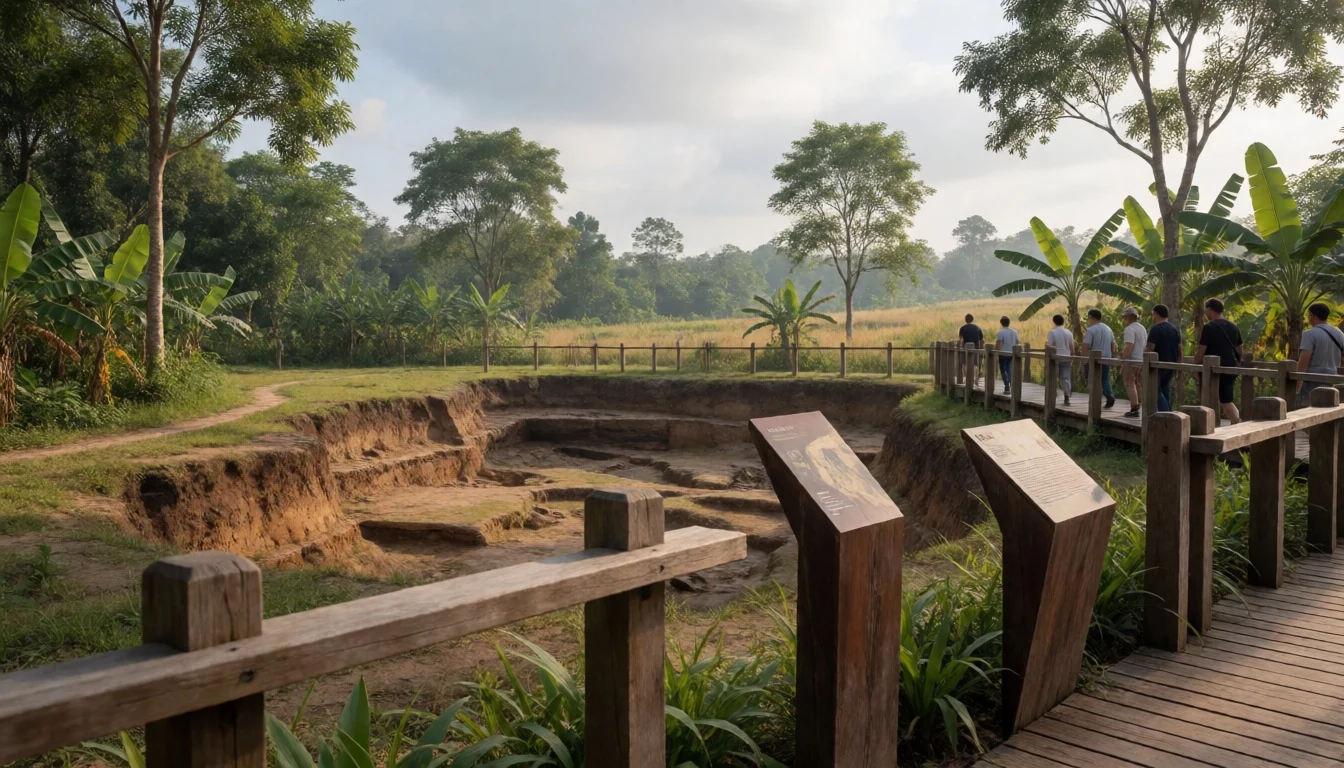
- Sangiran Early Man Museum (Krikilan cluster) — Krikilan museum area
At the Sangiran Early Man Museum, the story is organised so fossils make sense quickly—think of it as the “how we know” centre. Expect fossil casts and specimen displays alongside explanations that bridge the outdoor excavation story to what visitors can actually see.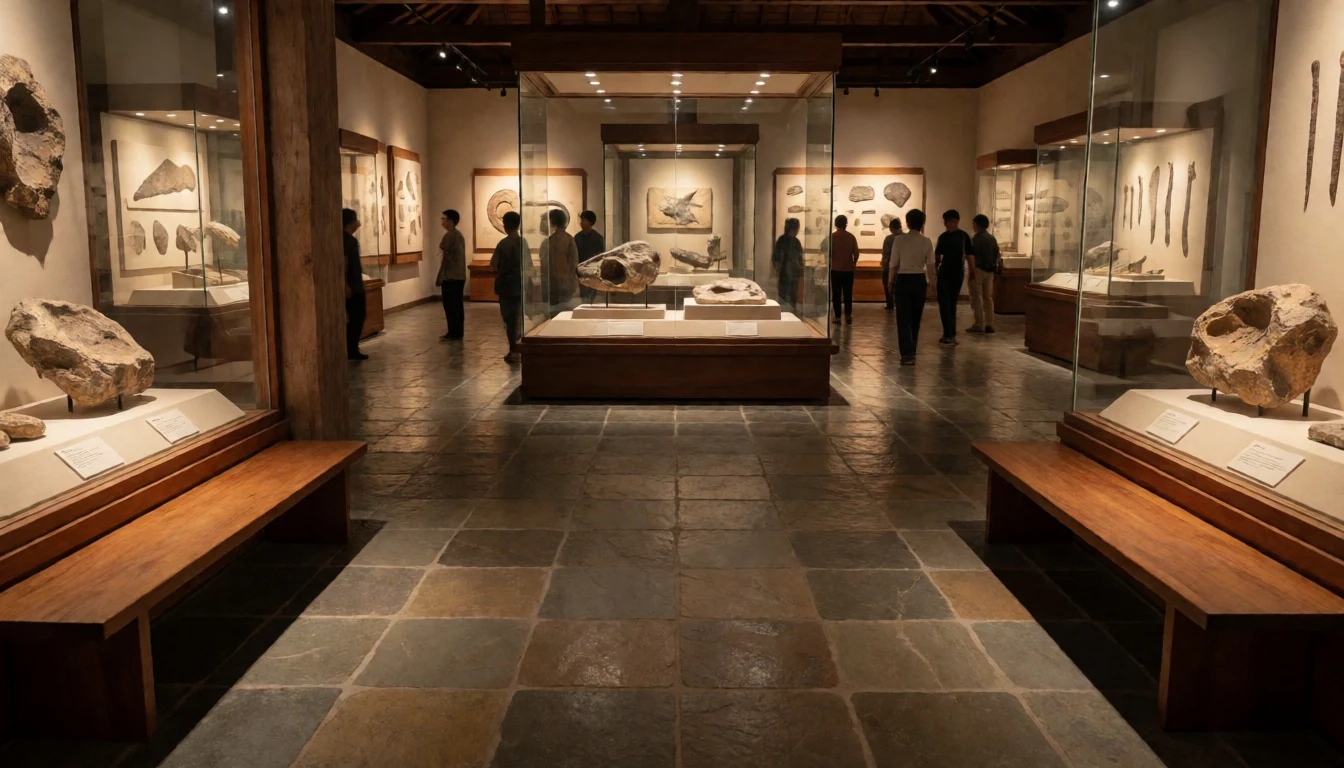
- Fossil Sangiran 17 (replica display) — Museum galleries (replica display)
One striking way museums communicate deep time is through staged objects. The Sangiran 17 replica display shows a hominin form associated with early human research, giving visitors a tangible reference point while keeping expectations grounded in what is known from fossils and casts.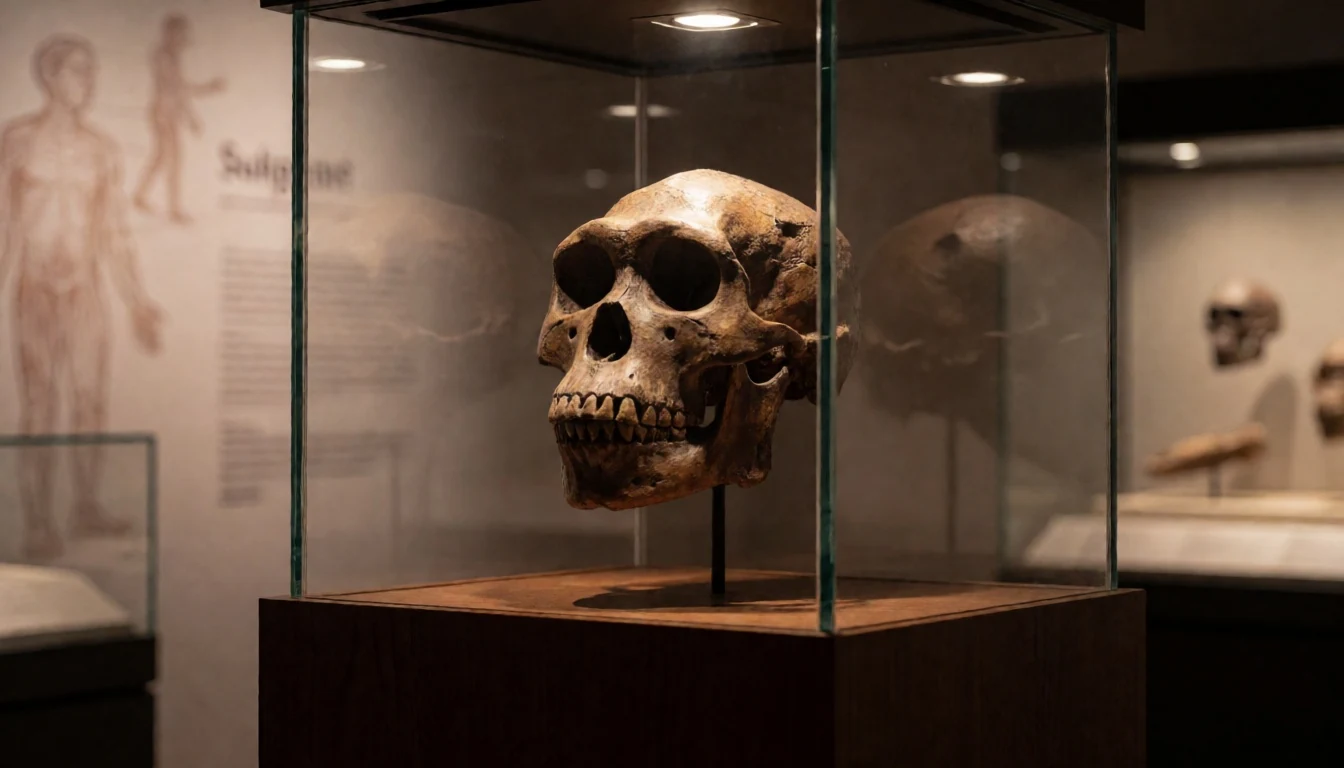
- Homo sapiens, Ngrejeng (Sangiran Museum) — Sangiran Museum (Sragen area)
The Homo sapiens example from Ngrejeng is a reminder that Sangiran isn’t only about the earliest ancestors. The display helps show how different human remains can be studied within the same wider Sangiran context, with interpretation focused on fossil evidence rather than myth.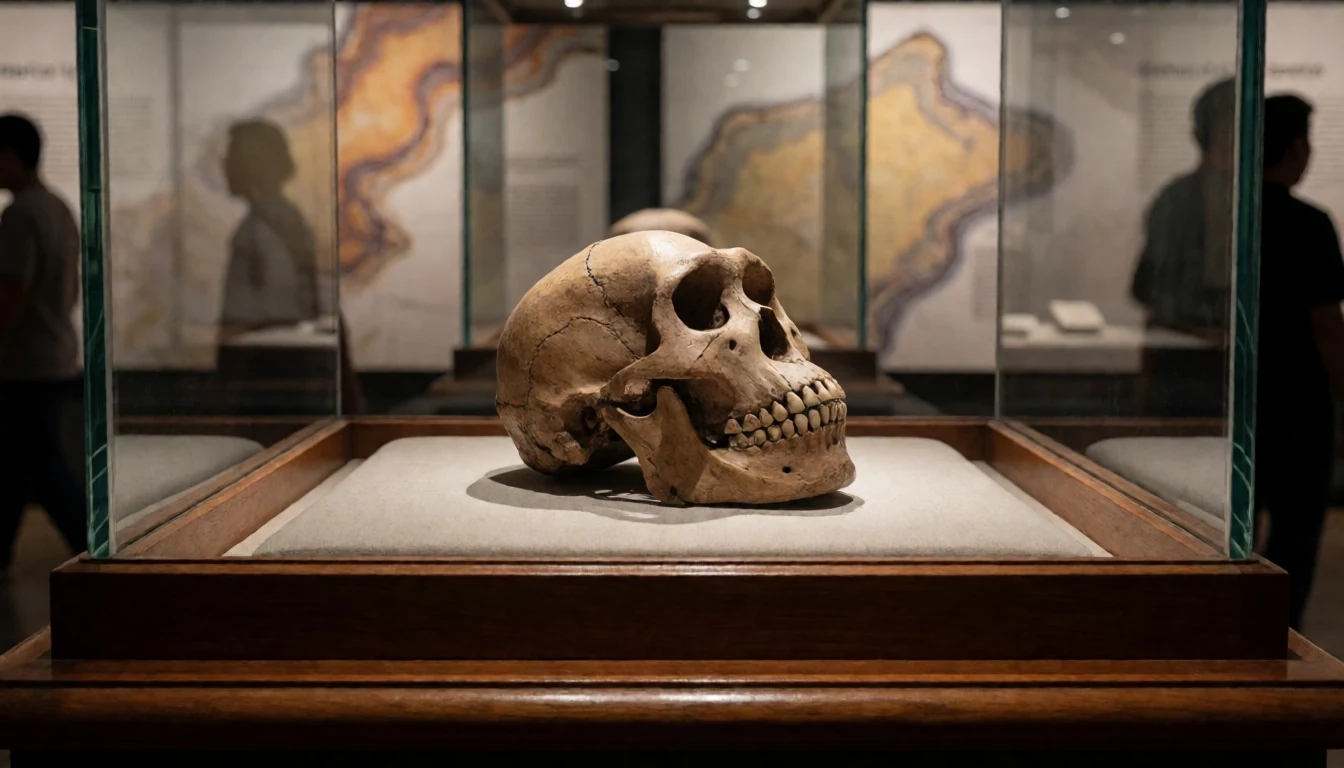
- Animal fossils: Stegodon molar — Sangiran Museum (Lower Pleistocene exhibits)
Animal fossils add an ecological layer to the story. A Stegodon molar display anchors questions about which animals shared the habitat, helping visitors imagine the environment around Sangiran during early human activity—an important complement to human bones.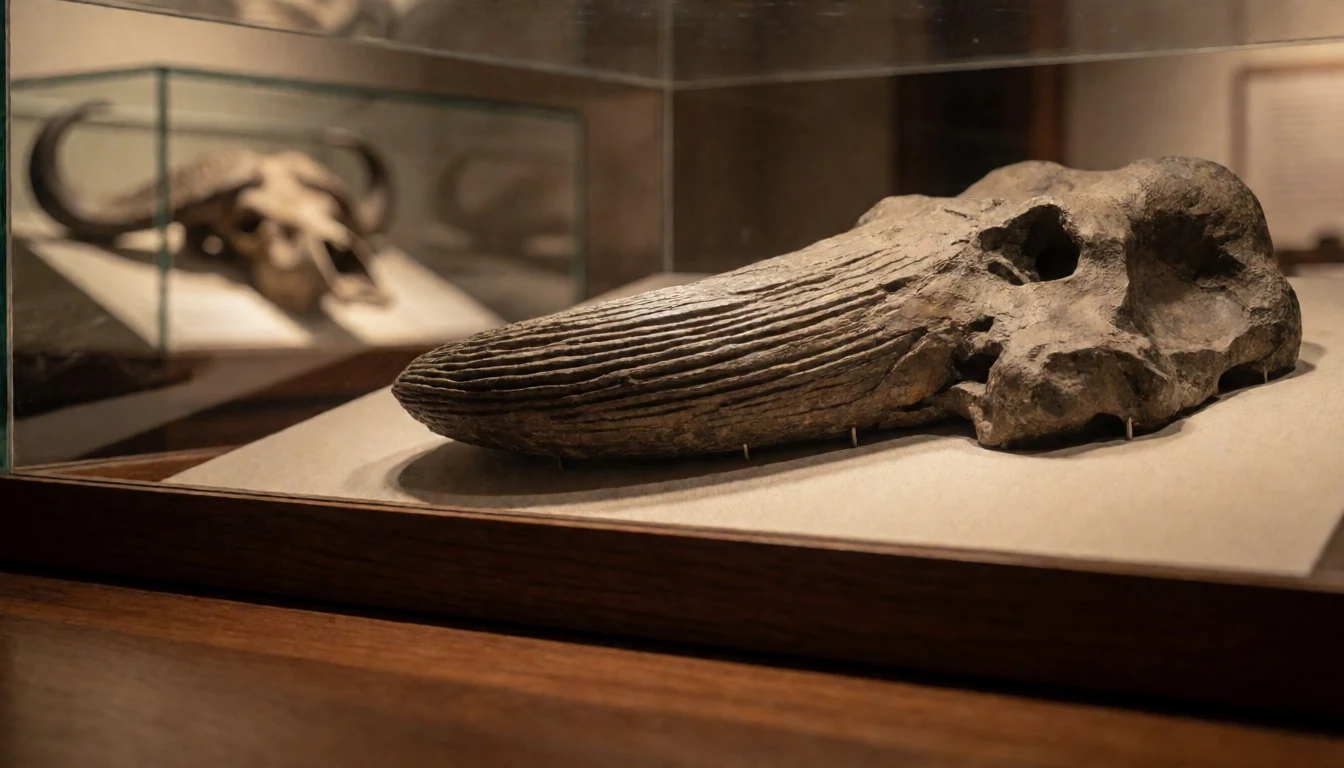
Culture
Sangiran sits in Central Java, and the visit fits naturally into everyday Javanese patterns of travel and museum-going. The wider region has a strong local identity, so visitors will notice a practical, “get on with it” rhythm—people may move briskly between exhibits, and staff tend to guide visitors with straightforward explanations rather than long theatrical storytelling.
Because Sangiran is about archaeology, the culture of the place also includes careful handling of information. Museums encourage quiet attention; outdoor areas ask for respect for excavation logic, even if the digging itself isn’t happening at every viewpoint. It helps to treat the site like a working research landscape: follow signs, stay on marked paths, and avoid stepping into areas that look fragile or off-limits.
Photography is usually fine, but it should never disrupt other visitors or block how staff keep the flow inside galleries. If a group is listening to an explanation, it’s better to pause nearby than to squeeze past mid-sentence.
Visitor etiquette: keep noise low in museum rooms, stay behind any barriers at outdoor viewpoints, and don’t touch fossils, casts, or interpretive displays.
What to wear
Sangiran doesn’t call for traditional dress. Most visitors wear everyday clothing suited to a hot, humid Indonesian day and to time spent outdoors as well as inside museums.
Traditional context: in Central Java, batik is a common cultural textile, but at Sangiran it’s optional rather than expected. If choosing to wear batik, lightweight fabrics work best—look for breathable cotton so it doesn’t feel sticky under sun.
What people wear now: local visitors often dress simply—short sleeves or light shirts, breathable trousers or skirts, and comfortable sandals or trainers depending on how much walking is planned. Some people carry a small bag for water and a change of layer.
What visitors should wear: bring a hat or cap and light layers, plus sun protection for midday. Closed-toe shoes or sturdy sandals with a secure fit are sensible because museum paths and outdoor routes can be uneven. If there are any modesty cues from staff at entrances, dressing comfortably but not overly revealing helps, especially when moving through indoor galleries.
What to eat
- Nasi liwet — Eateries and food stalls around Surakarta (Solo) and Central Java
Nasi liwet is rice cooked with coconut milk, often served with chicken or egg and accompanied by side dishes. It’s a common Central Java comfort meal, and it’s usually easy to find at local eateries in the Solo area rather than as a fancy “museum snack”.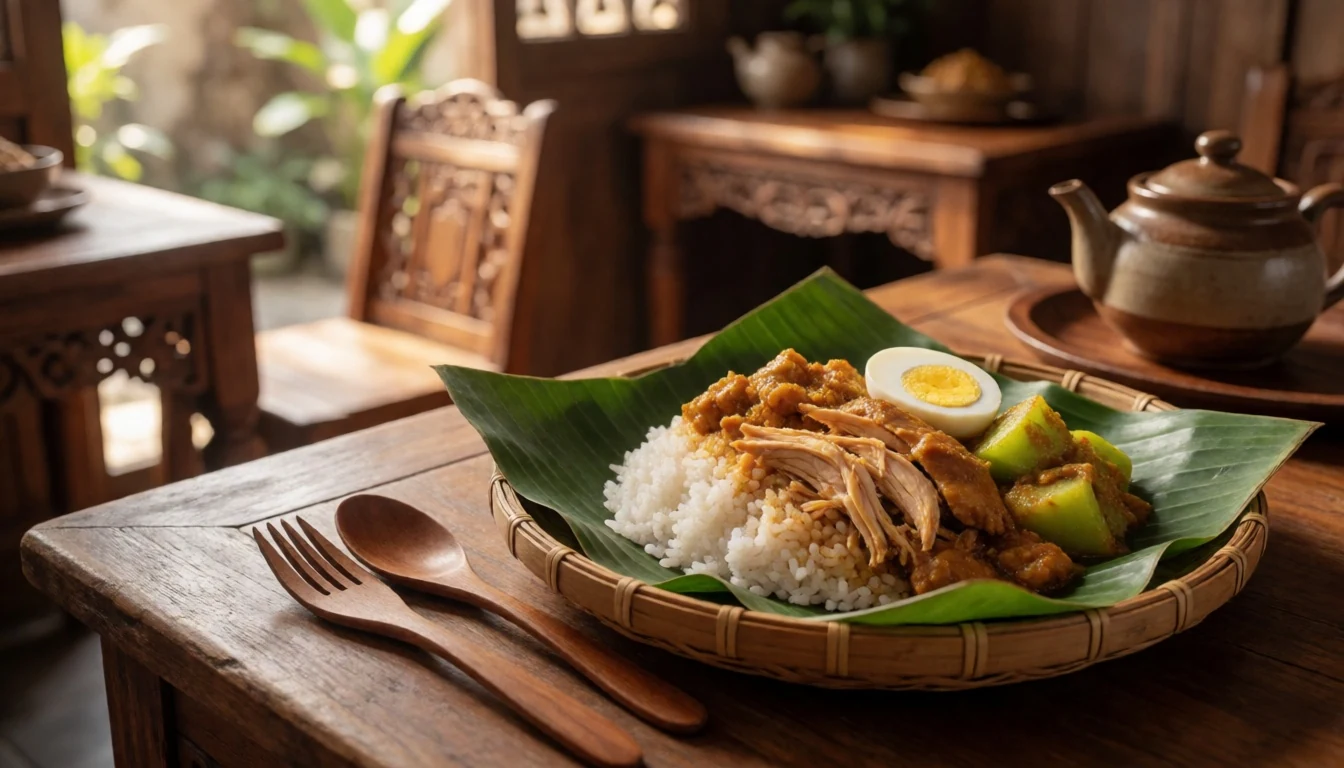
- Serabi — Street food areas and small snack stalls in Surakarta (Solo)
Serabi are coconut milk pancakes topped with options like chocolate, banana, or jackfruit. They’re a classic sweet snack that fits well for breaks between sightseeing, and you’ll see them sold by street vendors and small kiosks.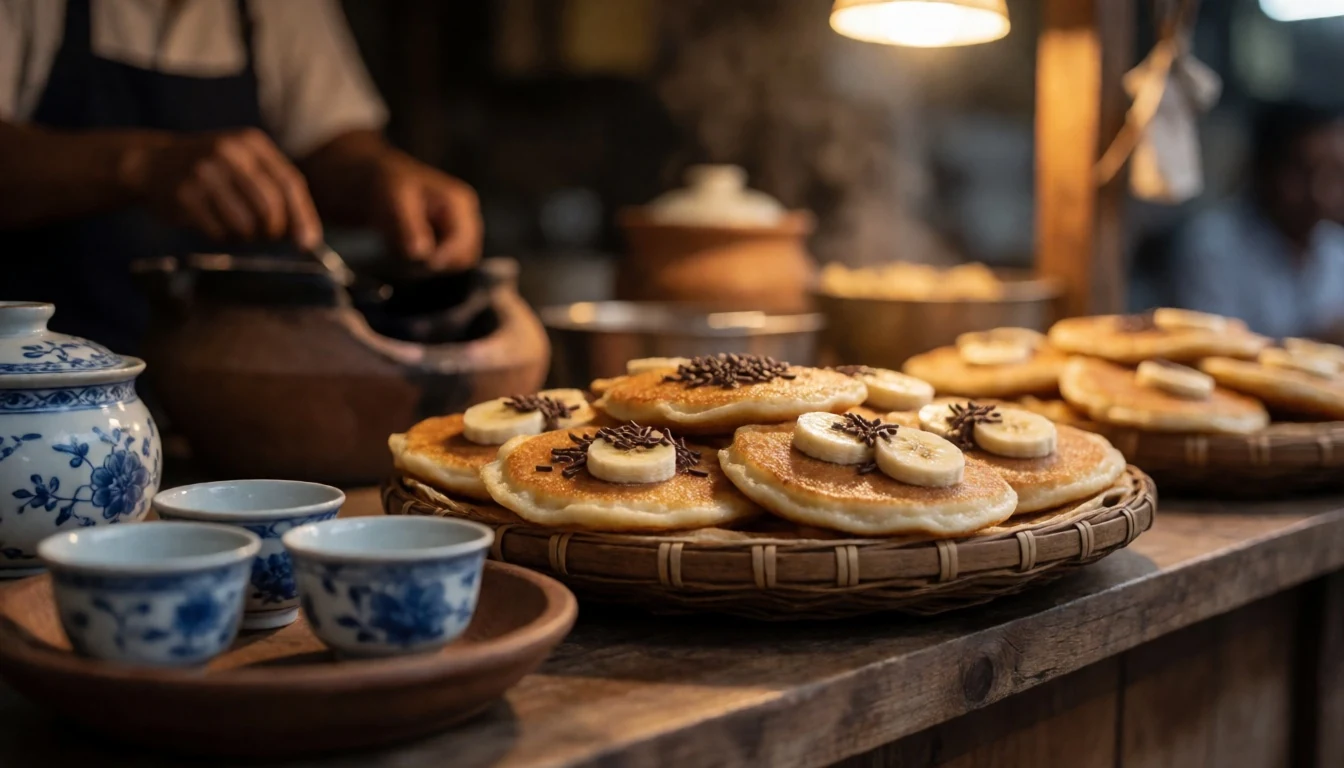
- Gudeg — Yogyakarta area food stalls and markets
Gudeg is a sweet coconut-infused stew made from young jackfruit, often served with chicken and hardboiled eggs. The flavour is sweet and savoury at once, making it a good “one bowl” meal to refuel after museum time. - Ayam goreng — Local restaurants and casual eateries in Yogyakarta
Ayam goreng (fried chicken) is a go-to dish in the Yogyakarta region, served with rice and simple sides. It’s a practical choice when travel days get busy, because it’s filling and widely available in local restaurants. - Klepon — Street snack stalls and markets around Yogyakarta
Klepon are green rice-flour balls with palm sugar filling, typically served warm. They work nicely as a sweet snack during a daytime sightseeing loop, especially in markets where small bites are the normal rhythm. - Mild temple-area snacks — Convenience-style kiosks along main routes and nearby markets
Around major regional attractions and along main roads, visitors often find simple snacks—fried bites, fruit, and sweet drinks—geared for day trips. It’s the easiest way to keep energy up without committing to a full sit-down meal.
Plan it
Best time. March–April and October–November are the nicest months for Sangiran in Central Java, avoiding the wet season feel of June and the most intense heat of August.
How long. 2–3
Getting there. Fly into a regional airport (common options include Adisucipto in Yogyakarta, Yogyakarta International, Achmad Yani in Semarang, or Adi Sumarmo in Solo), then use the last-leg transport by road, ideally with a local driver. By rail, Purwokerto, Yogyakarta, Solo and Semarang connect well, and the final approach is usually by car or driver rather than walking.
Budget. mid
Tips
- Start early and plan longer museum time than outdoor time, so the heat doesn’t squeeze the day.
- Keep water on hand and build in a slower lunch break—Central Java sun can wear a person down quickly.
- Use a local driver for road segments; road safety is the biggest practical concern.
- If visiting museums, arrive when exhibits are quiet to read labels properly.
Etiquette
- Keep to marked paths and viewing points in outdoor areas.
- Avoid touching fossils, casts, or display surfaces unless staff invite it.
- Keep voices low in galleries so others can read and concentrate.
Nearby
Sources
- Wikidata Q842328 (CC0)
- Wikipedia (Sangiran) (CC BY-SA 4.0)
- Wikivoyage (Central Java) (CC BY-SA 4.0)
- Photo 01-sangiran-17-02.jpg (CC BY 3.0)
- Photo 02-java-man-statue-at-the-sangiran-early-man-site.jpg (Public domain)
- Photo 03-sangiran-early-man-museum-krikilan-cluster.jpg (Public domain)
- Photo 04-homo-sapiens-ngrejeng.jpg (CC BY 3.0)
- Photo 05-molaire-de-stegodon.jpg (CC BY-SA 4.0)
- Photo 06-bull-head-in-sangiran.jpg (CC BY 3.0)
- Photo 07-gejog-lesung-desa-krikilan-sangiran.jpg (CC BY-SA 4.0)
- Photo 08-homo-erectus-von-koenigswald.jpg (CC BY 3.0)


