San Cristóbal de La Laguna
San Cristóbal de La Laguna, Spain
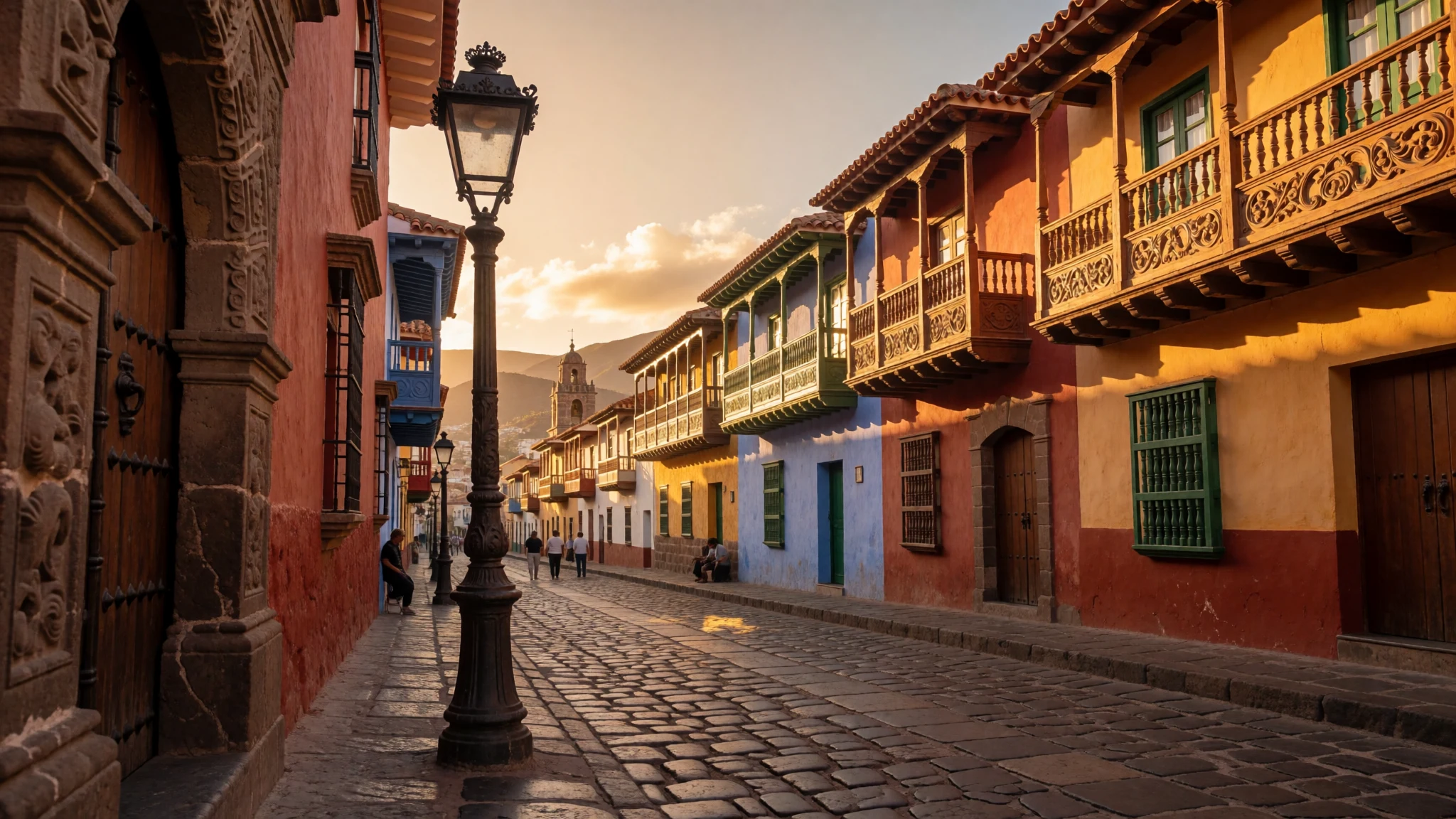
La Laguna is a calm, historic Canaries city with a UNESCO centre, strong cathedral culture, and frequent religious processions.
The place
San Cristóbal de La Laguna—usually just called La Laguna—is the historic city on Tenerife’s north side, sitting close alongside Santa Cruz to form one big urban patch. It’s a place where the streets feel planned rather than sprawling: think compact blocks, church domes and bell towers punctuating the rooftops, and a steady rhythm of daily life that doesn’t disappear the moment tourists leave. The altitude isn’t extreme, but it does help with the feel of the air compared with the south.
The UNESCO connection is real: the historical centre was recognised in 1999, and it shows in the way the city centre holds together as a colonial-style layout. La Laguna also has the vibe of a cultural capital for the Canaries—there’s a sense of ceremony in the architecture and in the calendar, from major religious celebrations to local traditions that spill into the streets with music and costumes.
Crowds are usually manageable compared with Tenerife’s busiest resort strips, but key religious periods and weekend evenings can still thicken. Weather is often more breathable than travellers expect for the Canaries: the north typically brings more moisture, so carry a light layer and something rain-ready even in warmer months.
A day here rewards walking—especially around the cathedral area and the churches that give the city its skyline. And if the beach is what everyone talks about on Tenerife, La Laguna is the counterpoint: less sand, more stone history, and a quieter pace that still feels important.
Its story
San Cristóbal de La Laguna grew out of older landscapes. Before Castilian control, the land belonged to the Menceyato de Anaga, one of nine Guanche kingdoms on Tenerife, and the valley of Aguere—where the city sits—was linked to pilgrimage on the island. That longer sense of place still lingers in the city’s religious focus.
The city’s modern story starts with conquest and then fast institution-building. After the Battle of Aguere in 1494, La Laguna was founded in 1496 by Alonso Fernández de Lugo, and it became the capital of Tenerife. For a period it also held the status of capital for the wider Canary Islands, which explains why the architecture and civic buildings have such weight. Over time, though, the capital moved: in 1723 Santa Cruz took over, and La Laguna shifted from central power to a city with deep local identity.
The city has also endured dramatic setbacks. In 1582 an epidemic of plague struck with devastating numbers—between 5,000 and 9,000 deaths—an episode that helps explain why so many townspeople rely on ritual and church life: faith isn’t just scenery here, it’s part of how the community makes sense of hardship and continuity.
Today, La Laguna’s layout feels like it’s doing what it’s meant to do—preserving a colonial pattern that became a model for other Latin American cities. It’s also home to the University of La Laguna, founded in 1701, adding a youthful layer to a city otherwise defined by churches, processions and heritage streets.
What to see
- Cathedral of San Cristóbal de La Laguna — Cathedral area, city centre
Cathedral of San Cristóbal de La Laguna anchors the city’s religious skyline. The cathedral’s façade is neoclassical, so it works well as both an architectural stop and a calm place to pause.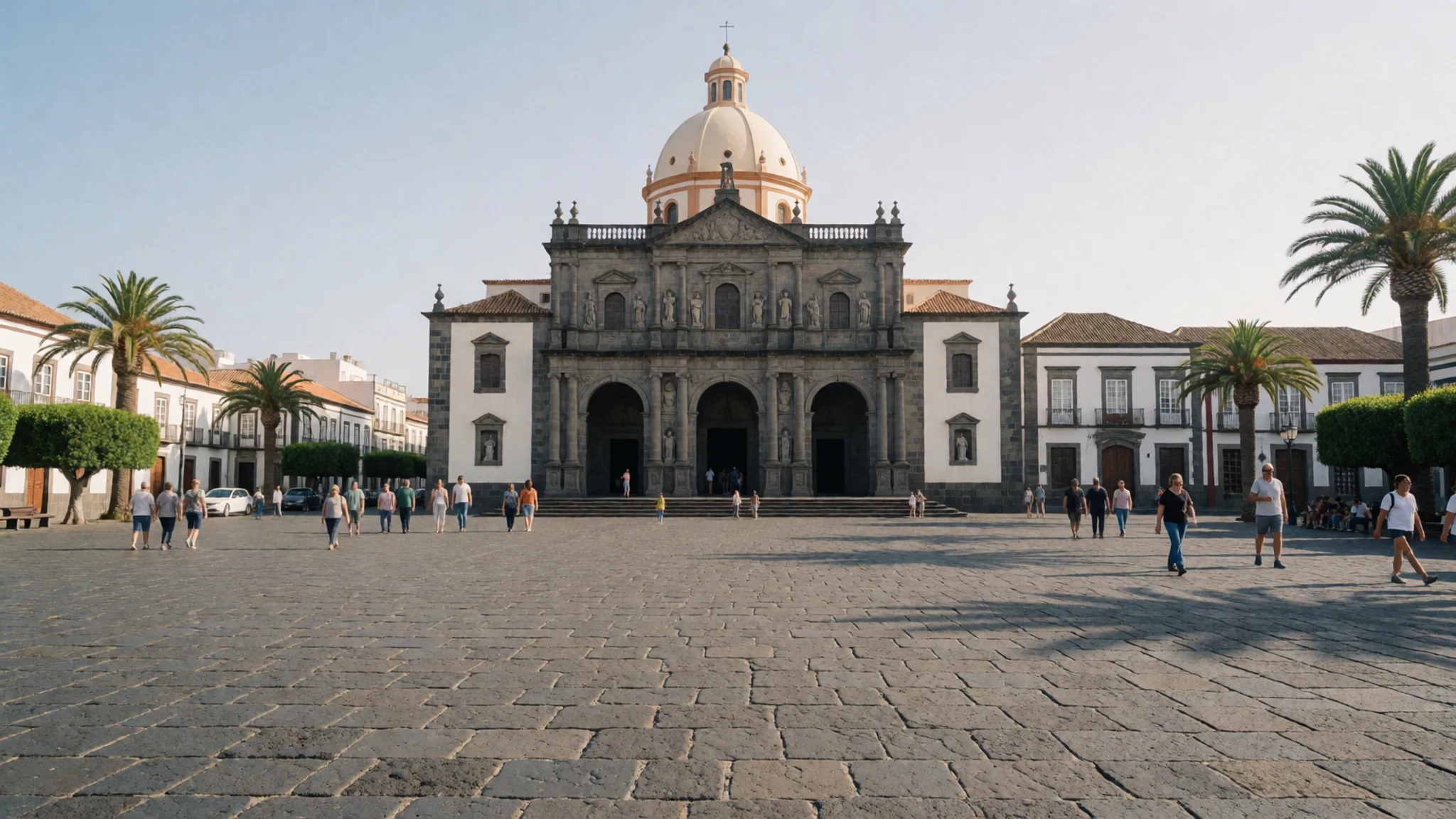
- Church of the Immaculate Conception — Old town, near the centre
Church of the Immaculate Conception is known for its early parish roots on the island and for interior craftsmanship, including Mudejar-style wooden ceilings. Visitors can also climb the bell tower, which gives a different perspective on La Laguna’s street layout from above.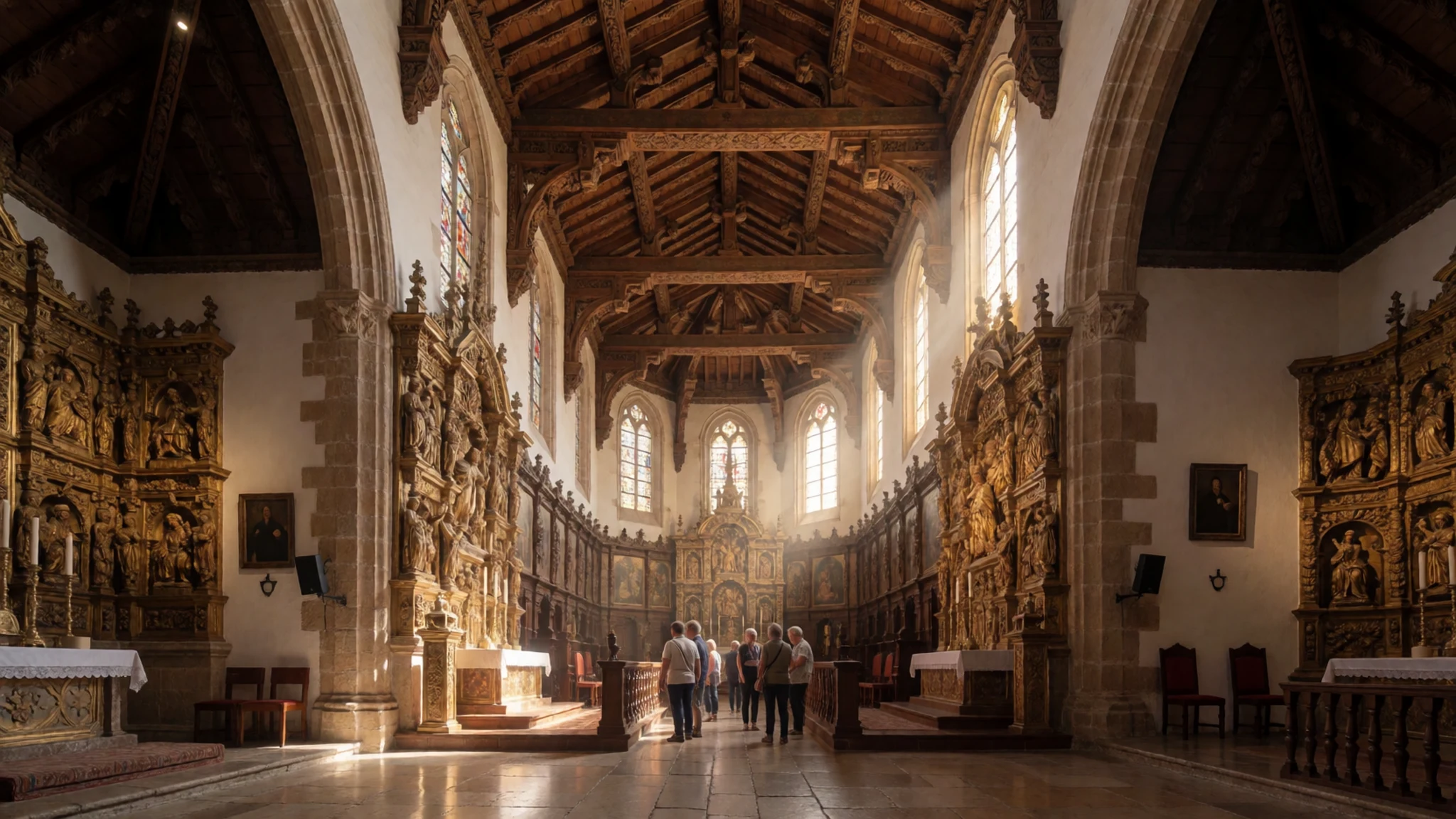
- Royal Sanctuary of the Christ of La Laguna (Hermitage) — Religious quarter, central La Laguna
Royal Sanctuary of the Christ of La Laguna is the home of the Cristo de La Laguna, a key religious object for the Canary Islands and strongly tied to the city’s identity. Even outside major feast periods, it feels like a place where people come with purpose rather than just sightseeing.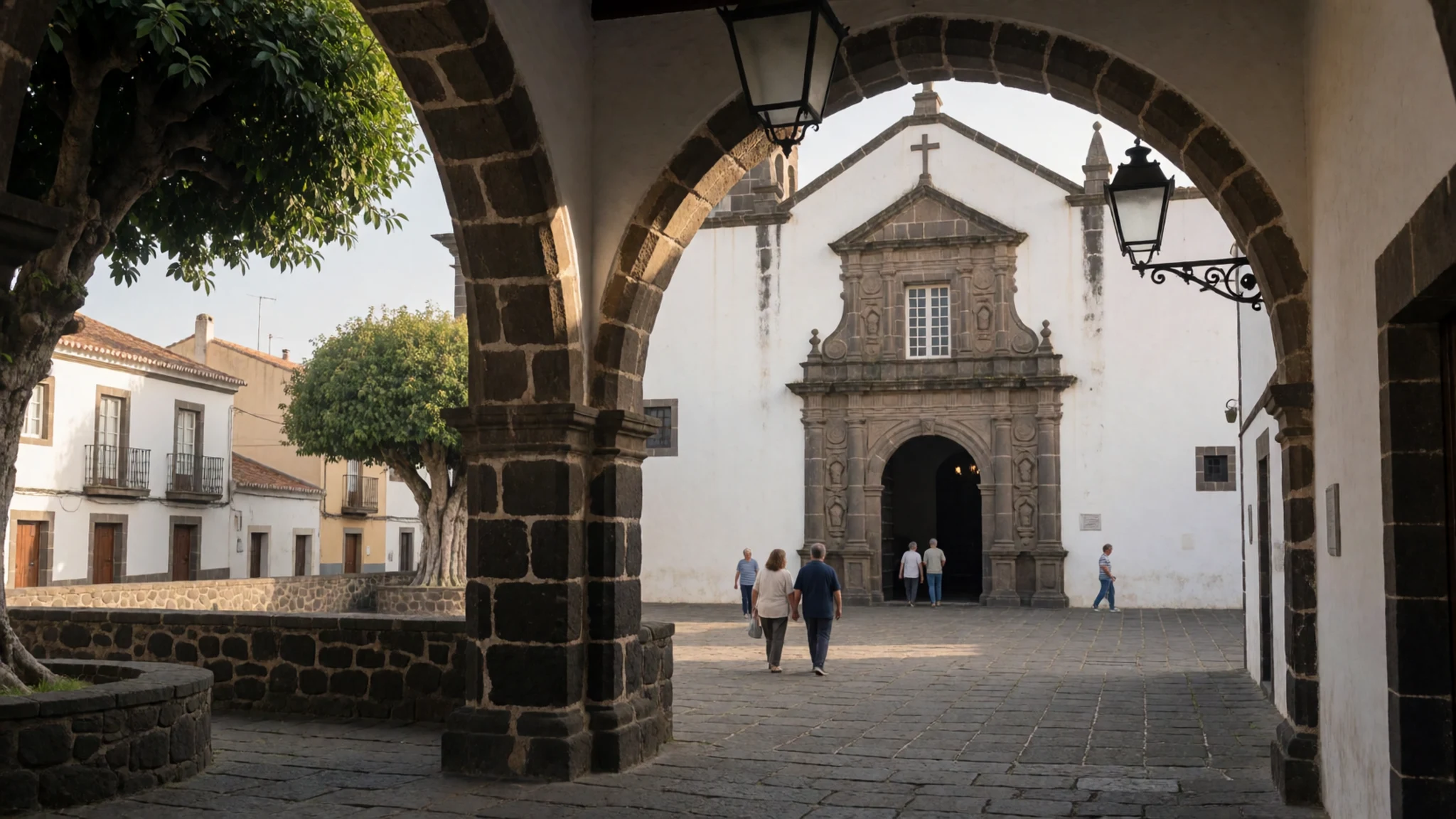
- Convent of Santa Clara of Assisi — Central La Laguna, near the historic centre
Convent of Santa Clara of Assisi is a working Franciscan convent and also a museum stop. The carved wooden balconies are the standout visual, and the museum adds context for monastic life and collections—good if church interiors and smaller, quieter spaces appeal.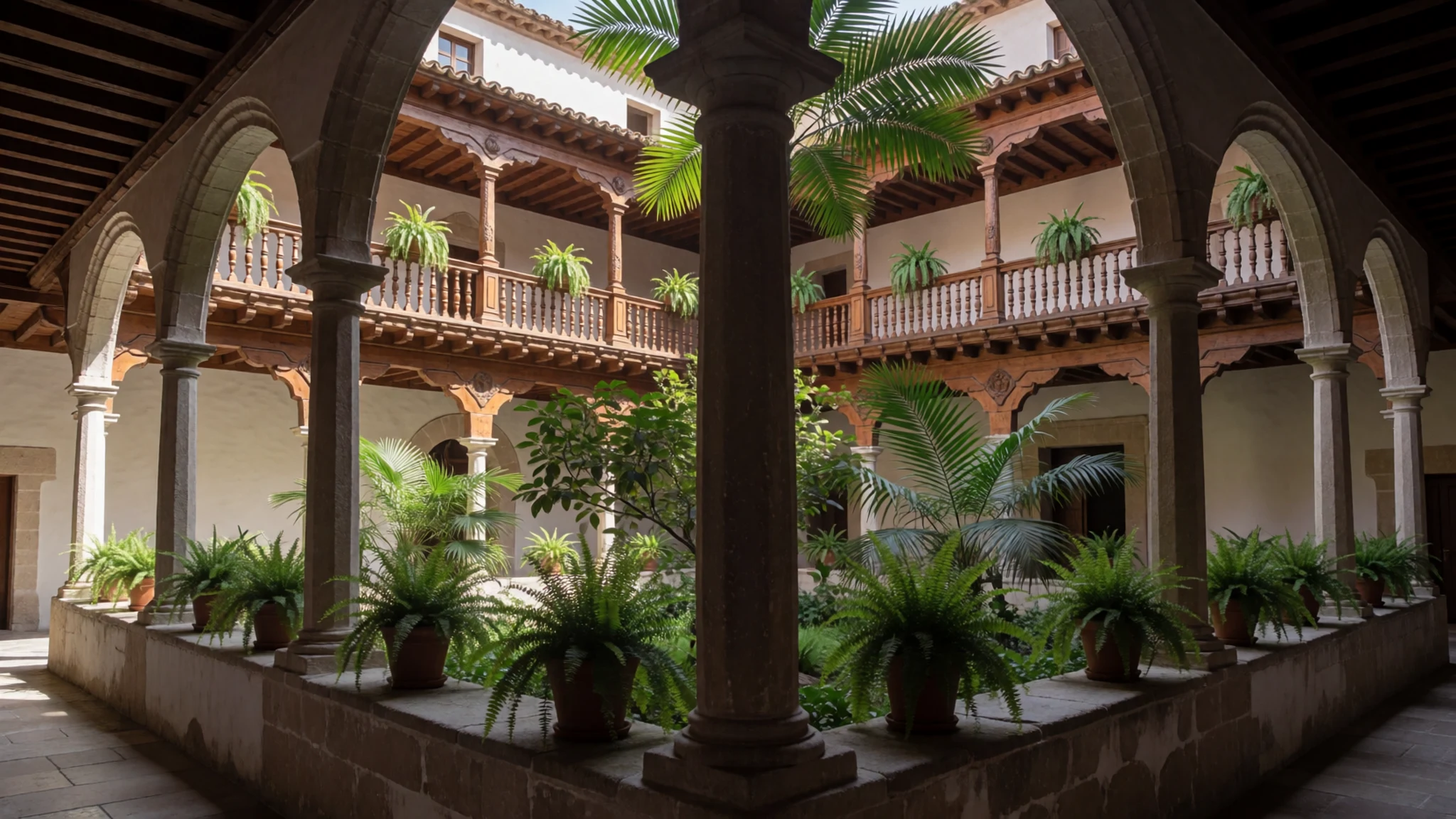
- Processions and Holy Week routes — Around the city-centre churches
Holy Week in La Laguna is described as the largest in the Canary Islands, and it reshapes the city for days. If visiting around Easter, expect streets to fill around churches and processional steps, with a strong sense of local participation rather than staged entertainment.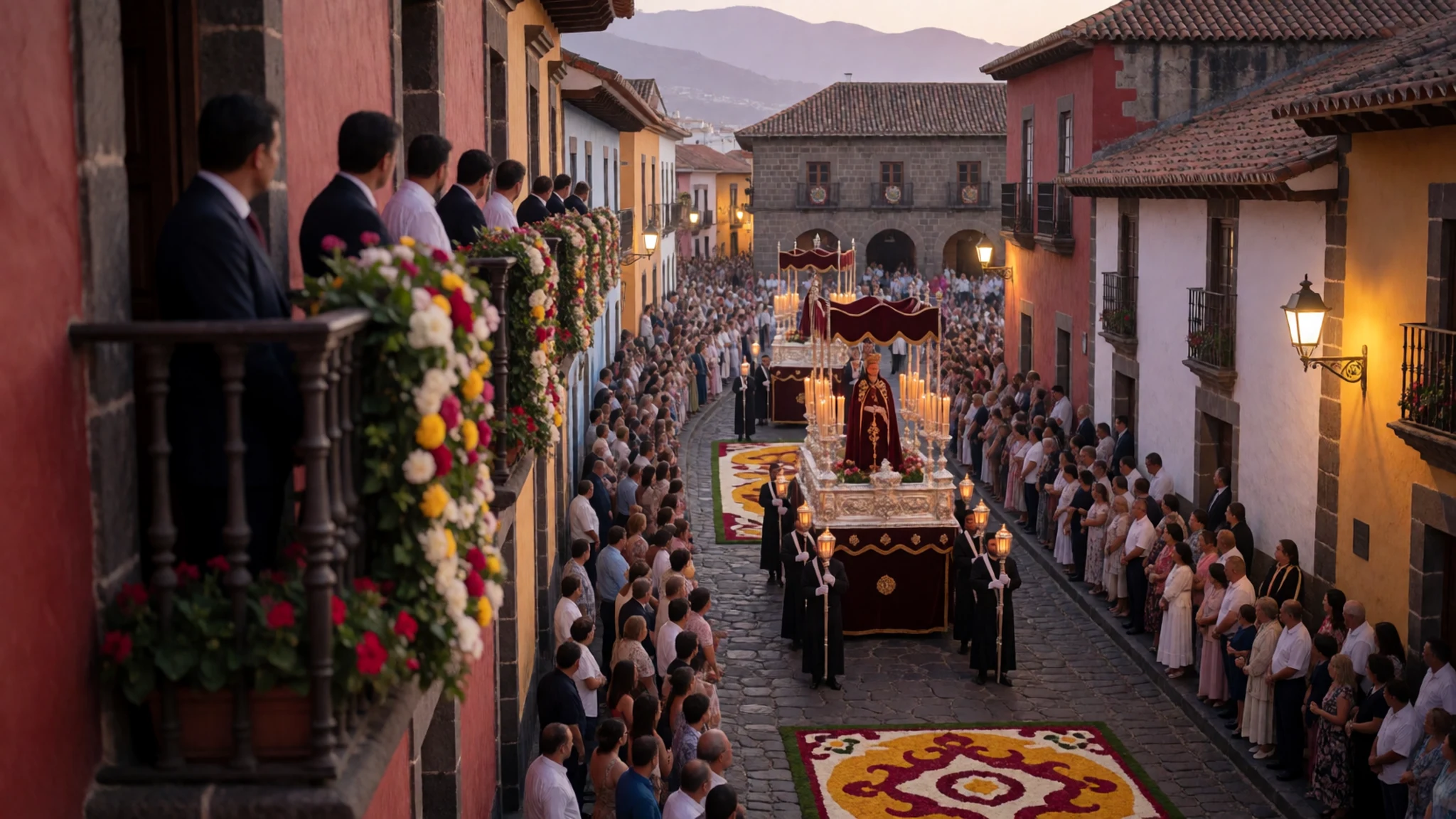
Culture
La Laguna’s culture leans hard into religious calendar moments and community traditions. One big highlight is the Romería Regional de San Benito Abad, celebrated on the second Sunday of July, drawing groups from across the archipelago. Streets become a corridor of sound—Canarian folk music—and people take part in courtship and walking rituals dressed in traditional costumes, sometimes with decorated bullock carts, so the event feels like a moving street celebration rather than a single venue.
Another important date is the holiday of the Cristo de La Laguna on 14 September. People come from across the islands for this celebration in honour of a venerated image of Christ that’s closely linked with the city, so it tends to feel like La Laguna’s identity in action. And if the timing lines up, Holy Week is especially significant for the city, bringing together many of the same church-centred stories and crowds that travellers associate with Spain—only here the scale is notable within the Canary Islands.
For visitors, the etiquette is simple: arrive quietly, respect any religious filming rules, and keep voices low—particularly when people are gathered for prayers or processional moments.
What to wear
Traditional Canary Island dress shows up most clearly during festivals in La Laguna, especially in events like the romería in July and the city’s religious celebrations. Look for coordinated traditional outfits that rely on regional textiles and costume details rather than everyday practicality: costumes are worn to signal participation, and they’re often paired with decorative elements carried through the streets.
In day-to-day life, most locals dress for comfort and the north-side weather—light layers, breathable tops, and closed shoes are common, with an easy shift between sun and cloud. Even when temperatures feel mild, the moisture in the air can make evenings feel cooler than expected.
For visitors, the best approach is to dress respectfully and practically. For church interiors and processions, choose clothing that covers shoulders and keeps hems reasonably modest, and avoid overly flashy outfits that compete with ceremonial scenes. Wear comfortable footwear with grip: La Laguna’s centre rewards walking on uneven old-stone surfaces, and it’s not always dry underfoot.
What to eat
- Canarian goat stew (Carne de cabra) — Guanchinche-style restaurants around La Laguna
Carne de cabra is a hearty Canarian option, often served as a stew. In La Laguna, it’s commonly highlighted at traditional Canarian-style eateries—one good place to start is the Guanchinche Paraiso area of local dining.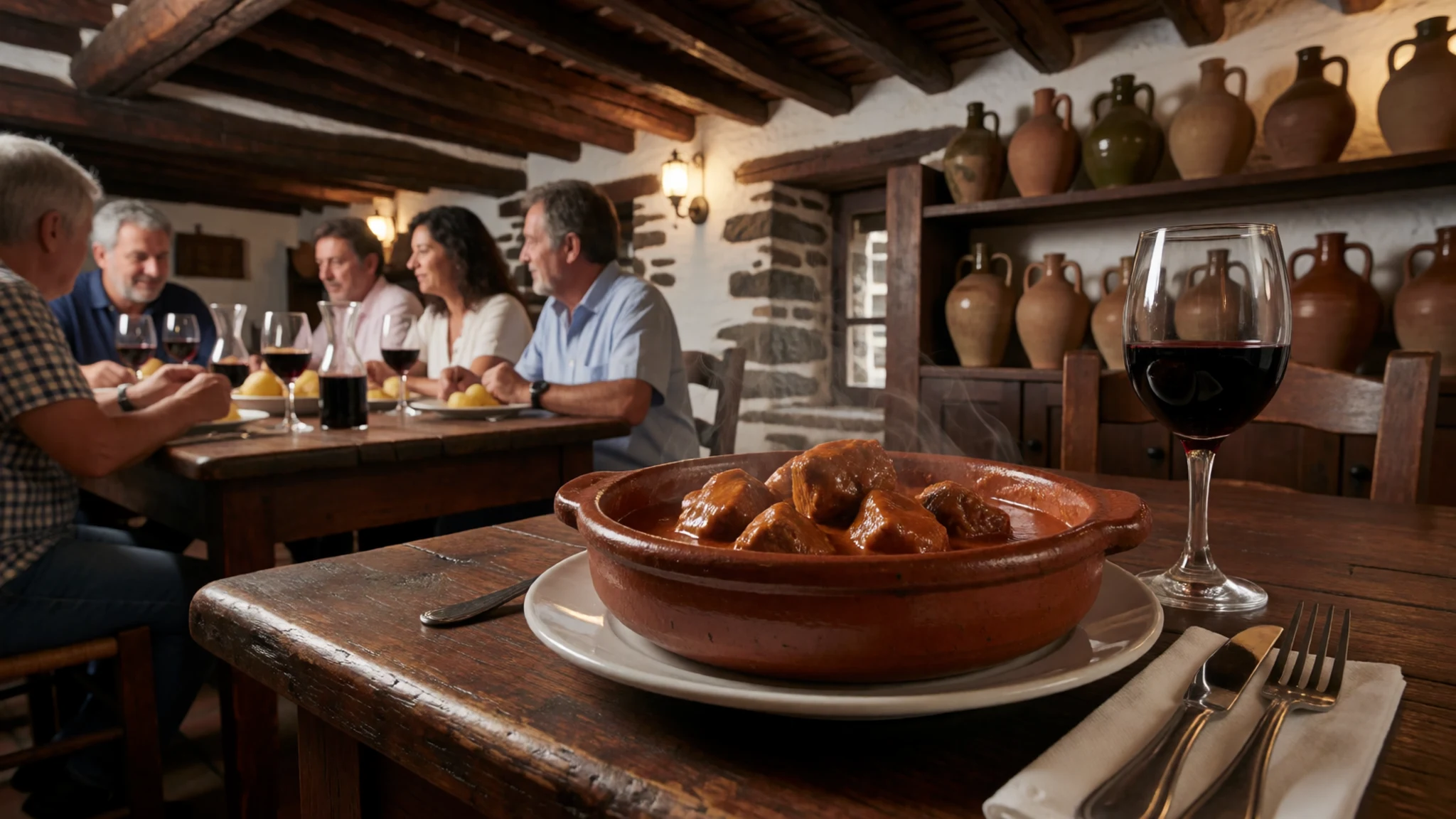
- Chicken in red mojo sauce — Traditional Canarian restaurants in La Laguna
Chicken in red mojo sauce brings a punchy, garlicky flavour typical of the Canaries. It’s usually served with something simple alongside (think potatoes or bread), and you can find it at traditional Canarian restaurants such as Guanchinche Paraiso.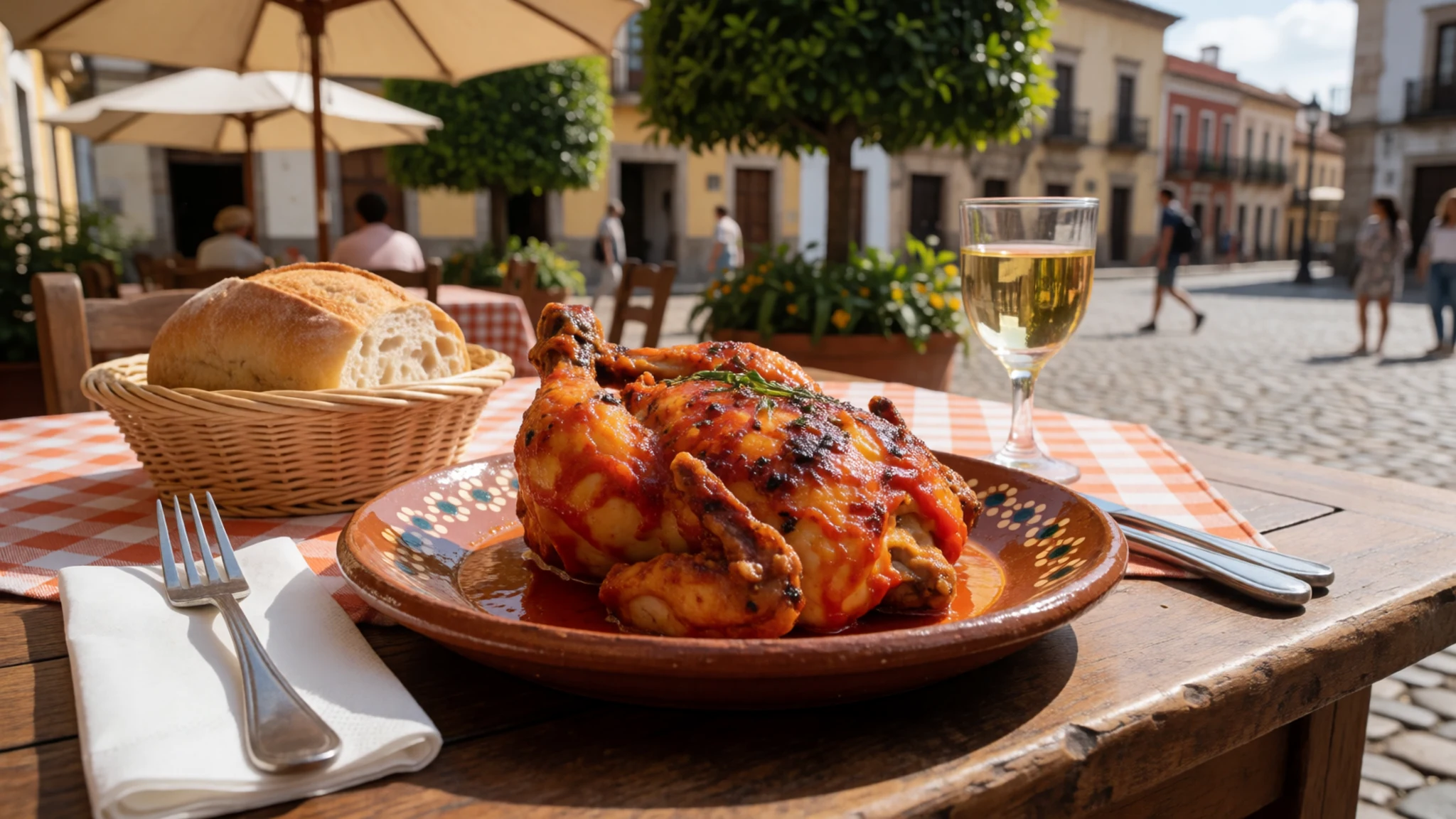
- Canarian tapas and full meals (tapas bars) — Central tapas restaurants and squares
For an easy first meal, seek Canarian tapas or a mix-and-match spread of small plates. Places like Ca’Zona are known for combining traditional tapas with full meals in both indoor and outdoor seating areas. - Traditional tapas with an emphasis on wine — Busy tapas streets and neighbourhood spots
A lively tapas setting is great for trying several dishes without committing to just one. Tasca La Venta de la Esquina is the sort of place where you can pair Canarian tapas with a solid wine selection. - Cafe stop with views (for a break) — Cafes near major sights in the centre
If the cathedral area and bell-tower views tempt a slower pause, look for a cafe with outdoor seating. Palmelita is a good example of the kind of place where people sit, chat, and regroup between church visits.
Plan it
Best time. May through September are the warmest months, while December and January are the coolest; for walking, late spring (May) and early autumn (September–October) are especially comfortable, and it helps to bring a light rain layer because rainfall peaks in winter and autumn, with the wettest stretch coming in November and December. Summer can be busy around the July romería and the September Cristo holiday.
How long. 3–4
Getting there. Fly into Tenerife South (TFS) and then use onward bus connections to reach La Laguna and the Santa Cruz bus exchange area; from there, further buses link into the city.
Budget. mid
Tips
- Start around the cathedral and church cluster early to beat the busiest footfall.
- Plan one slower afternoon for museum-style viewing in convent spaces rather than only big-ticket façades.
- If travelling around July or September, expect thicker street crowds and build in extra time for routes near churches.
- Carry a small amount of cash for smaller purchases and snack stops.
- Bring a light layer for evenings; north-side moisture can make it feel cooler than expected.
Etiquette
- In churches, keep voices down and avoid blocking doorways while people enter or leave.
- Dress modestly for religious interiors and processions; shoulders and overly short hems can stand out.
- If people are participating in a ritual moment, wait for it to finish before taking close-up photos.
Nearby
Sources
- Wikidata Q54898 (CC0)
- Wikipedia (rev 1381226753) (CC BY-SA 4.0)
- Wikivoyage (rev 5416940) (CC BY-SA 4.0)
- photos/01-san-crist-bal-de-la-laguna-en-santa-cruz-de-tenerife-espa-a.jpg (CC BY-SA 3.0 de)
- photos/02-la-laguna-bw-5.jpg (Public domain)
- photos/03-escultura-padre-anchieta-05.jpg (CC BY 3.0)
- photos/04-la-laguna-2022-main-facade.jpg (CC BY-SA 4.0)
- photos/05-lagunalercaro01.jpg (CC BY 3.0)
- photos/06-semana-santa-la-laguna-74.jpg (CC BY 3.0)
- photos/07-amaro-pargo.jpg (Public domain)
- photos/08-anaguerra-firma2018.jpg (CC BY-SA 4.0)


