San Antonio
San Antonio, United States
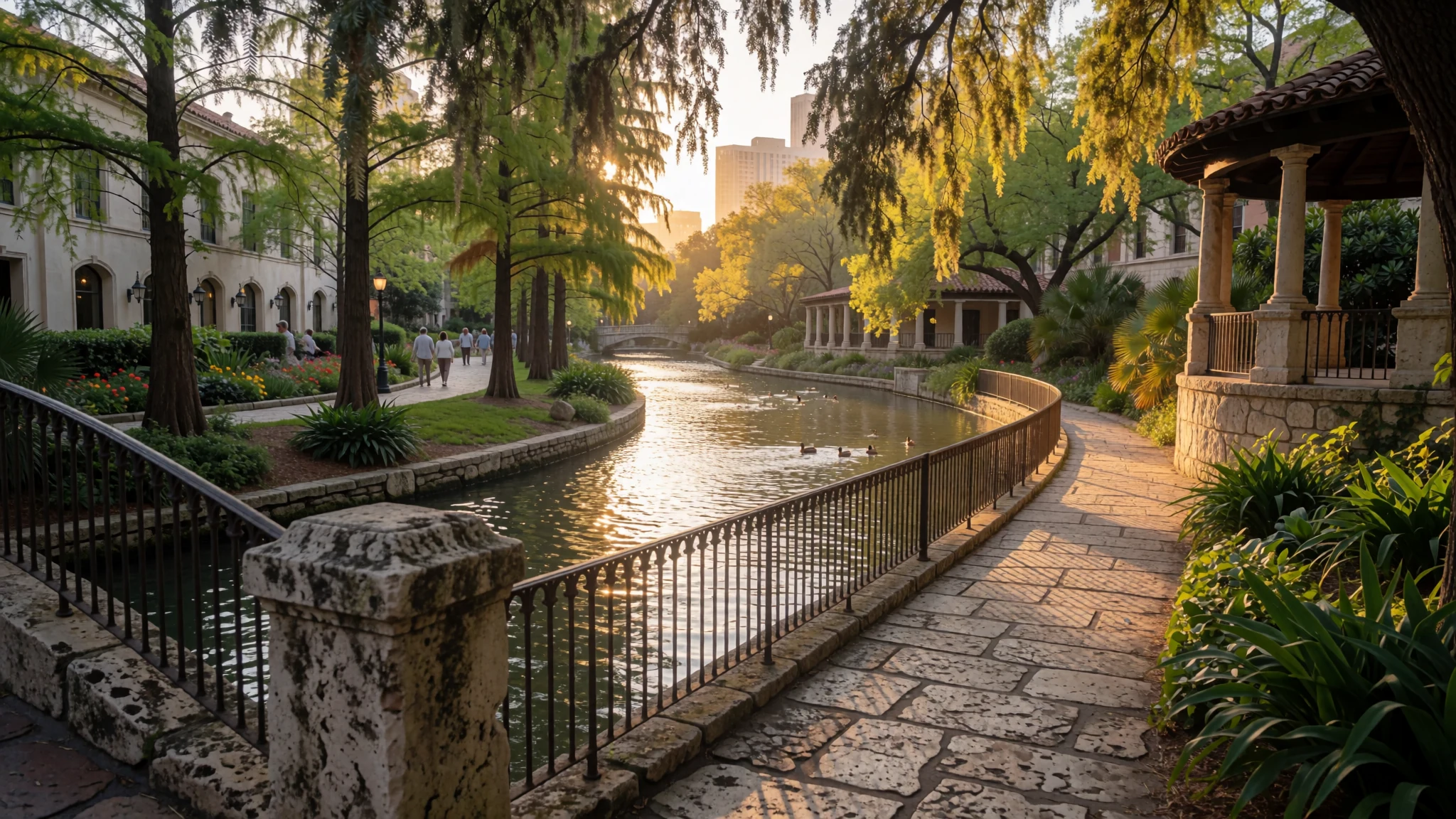
A river-walk city where Spanish mission history, German-Texan streets and Tex-Mex food sit side by side.
The place
San Antonio is a city of about 1.4 million people in southern Texas, sitting 198 metres above sea level on the limestone country where the South and Central regions of the state meet. It is the county seat of Bexar County and the heart of a metropolitan area that spreads well beyond the city limits. Most first-time visitors come for the Alamo, the former mission that gives the city its nickname and remains one of the state's busiest sights.
The river is the second draw. The San Antonio River loops through the downtown core, and a walking path runs along its banks one level below the street. The path was extended over several years and now reaches far into the city, which makes it a practical route for cyclists as well as strollers. By day the paths are shaded and easy going; after dark the restaurants and bars fill up, and weekend evenings can be loud and crowded. Boat tours leave from several points along the water.
Away from the centre the city is more varied than its postcards suggest. Tex-Mex is the everyday food, German-influenced delis and old merchant houses survive in the older neighbourhoods, and the Spanish mission heritage reaches out into the countryside to the south. Locals tend to be relaxed and friendly, and a short conversation at a taqueria counter is one of the easiest ways to learn how the city works. Summers are long and hot, so the best experience usually comes in the cooler months, when you can walk the streets without losing the afternoon to the heat.
Its story
Long before Europeans arrived, the Payaya people lived along the river and springs of the San Pedro area. They had their own name for the place, a phrase that translates roughly as refreshing waters. In 1691, Spanish explorers and missionaries discovered the river and the Payaya settlement, naming both in honor of Saint Anthony of Padua, whose feast day they were celebrating.
A Spanish settlement took its time to arrive. A priest had visited the site early on and was keen to found a mission and a civilian town there, but approval from the viceroy, disagreements among colonial officials and concern about French expansion from Louisiana meant that building did not begin until 1718. That year is the one usually given as the city's founding.
Over the following century the town passed through several flags. It was part of the Spanish empire, then of independent Mexico, then of the short-lived Republic of Texas, and then of the United States after annexation in 1846. Confederate rule followed during the Civil War before the city returned to the Union. The fighting at the Alamo became a central part of the story of Texas independence, and the city's national memory still rests heavily on it.
The city's character comes from its position. San Antonio sits where South and Central Texas meet, at the south-western corner of the Texas Triangle, and its population has always blended several traditions. German merchants settled the King William area in the late nineteenth century, and their houses remain among the city's most admired. Today the streets carry all of these layers at once.
What to see
- The Alamo — Downtown, Alamo Plaza
The Alamo is the former mission that gives San Antonio its nickname and is the state's most visited attraction. Its chapel and grounds are treated as a shrine to the Texas Revolution, so arrive with a quiet mindset and expect queues and tour groups at busy times. Check the official site for current entry arrangements before you go, and allow time to walk the grounds slowly.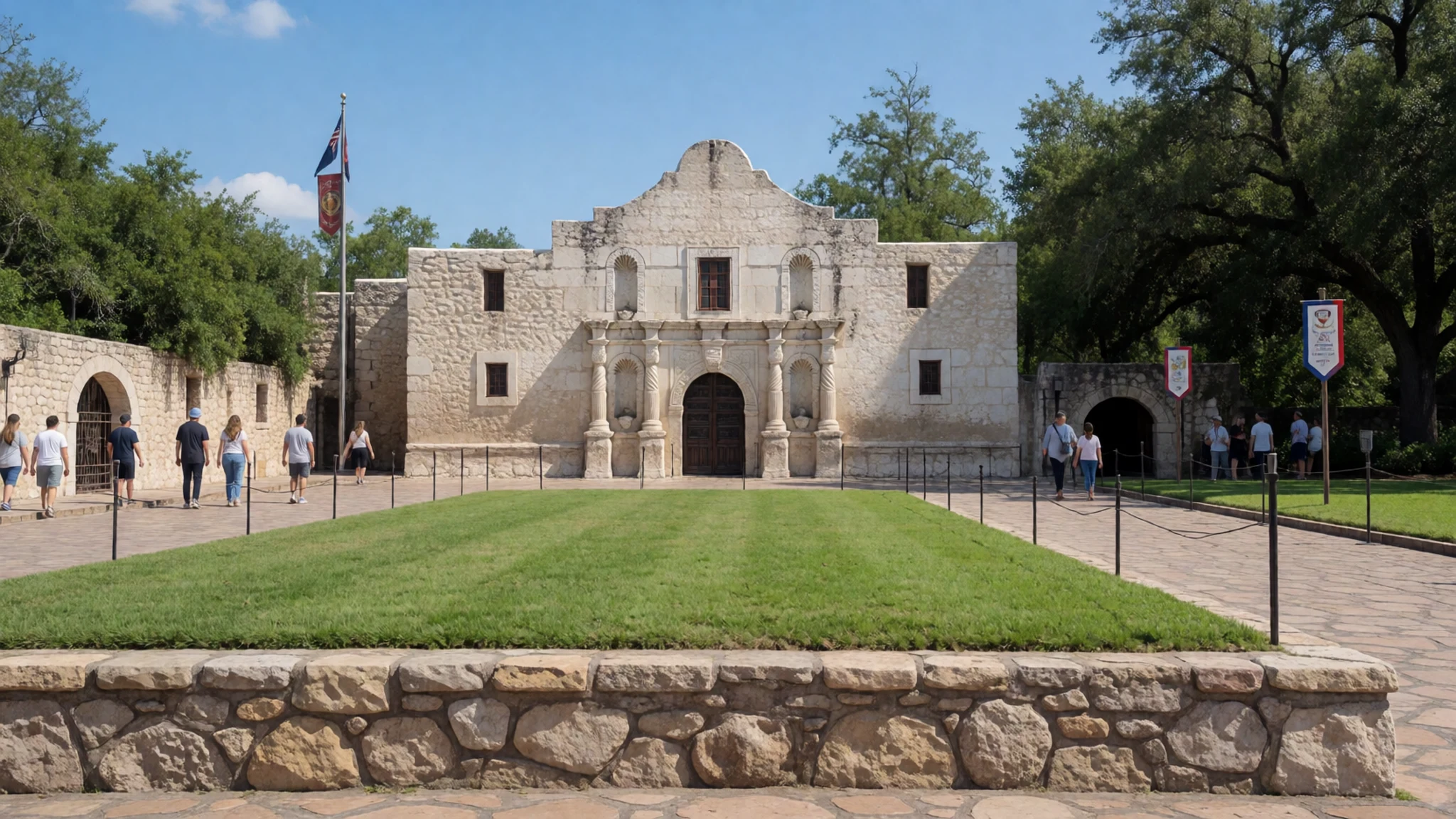
- The River Walk — Downtown, one level below the street
The River Walk runs through the downtown core one level below the street, and it is the city's second most visited attraction. By day the paths are shaded and easy to explore on foot; by night the restaurants and bars along the water fill up and the mood turns lively. Boat tours leave from several points along the banks. Expect crowds and noise after dark, and choose a quieter stretch if you want to talk over dinner.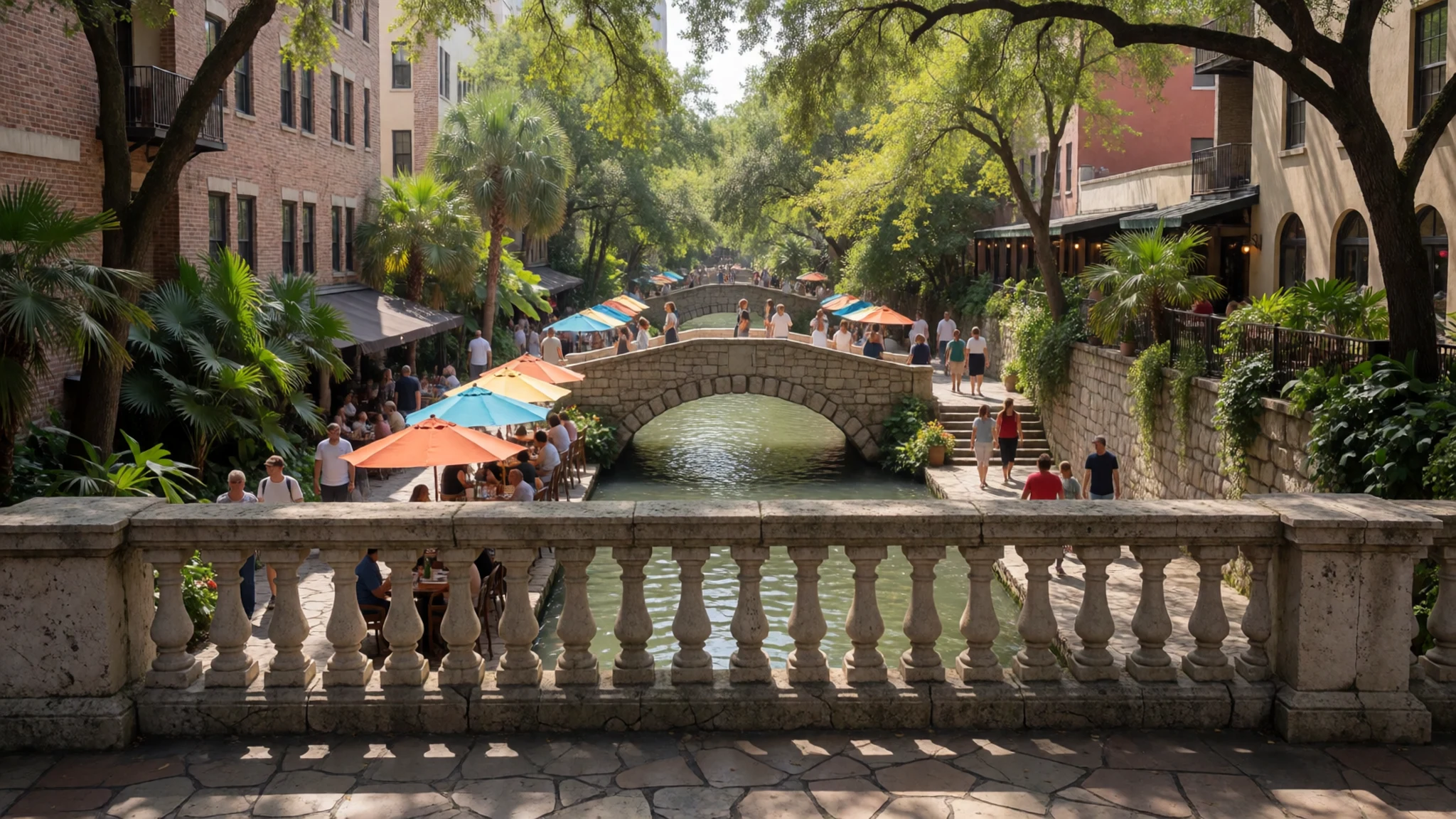
- Aztec on the River — River Walk, downtown
The Aztec on the River is a historic movie palace on the Riverwalk, built in the early twentieth century and restored in the mid-2000s. Its Mighty Wurlitzer theatre organ is a large part of its appeal. It is a good option for an evening indoors, a change from the bars outside. Check the official listings for current shows and times before planning around them.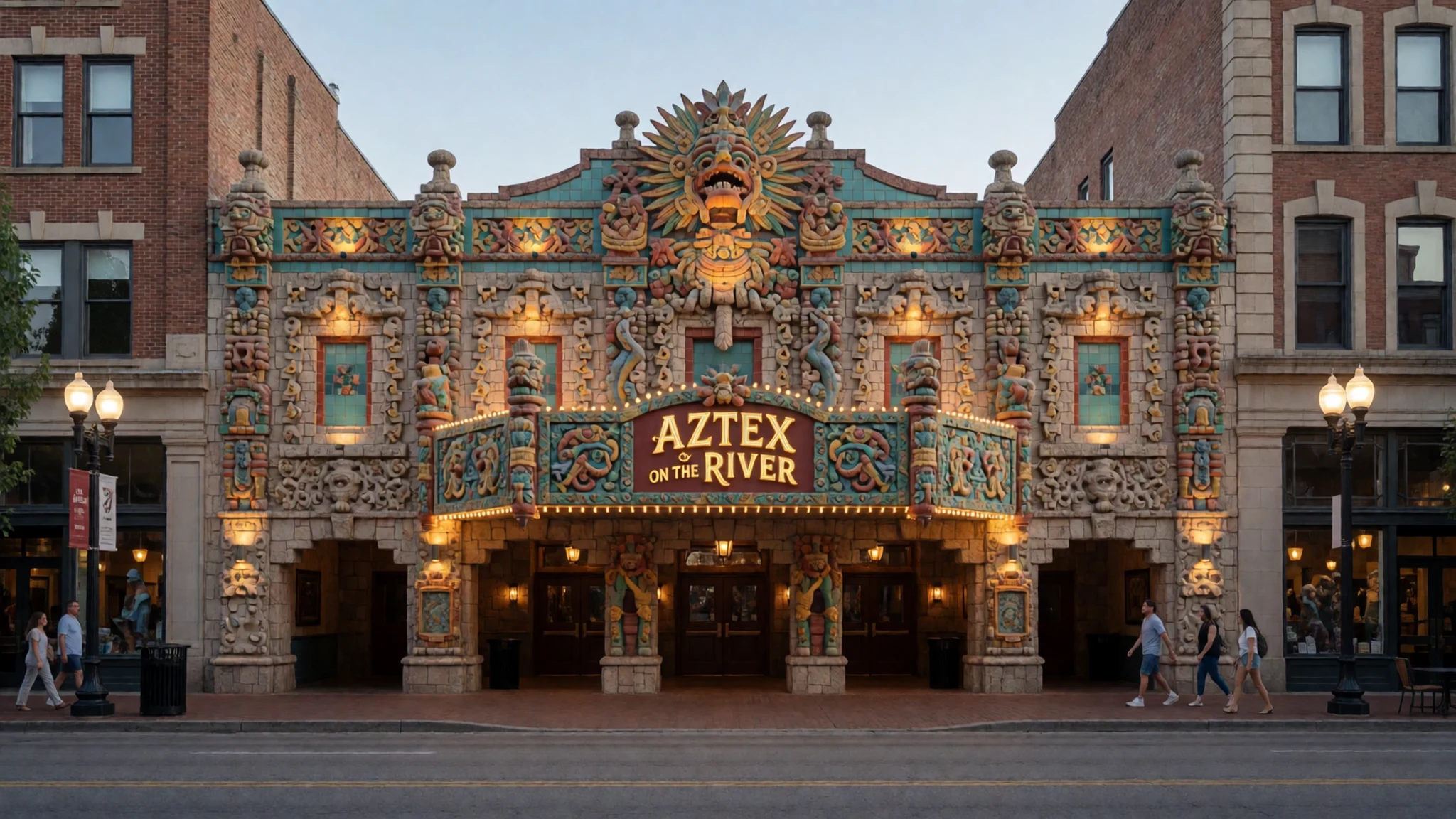
- Casa Navarro State Historical Park — Downtown, near the River Walk
Casa Navarro State Historical Park preserves the home of José Antonio Navarro, a nineteenth-century Texas legislator who served under Mexico, the Republic of Texas and the United States. The grounds show his furnished house, his first residence and the store he ran, which gives a clear picture of one local life that spanned several flags. It is a calm, small-scale stop after the bigger sights.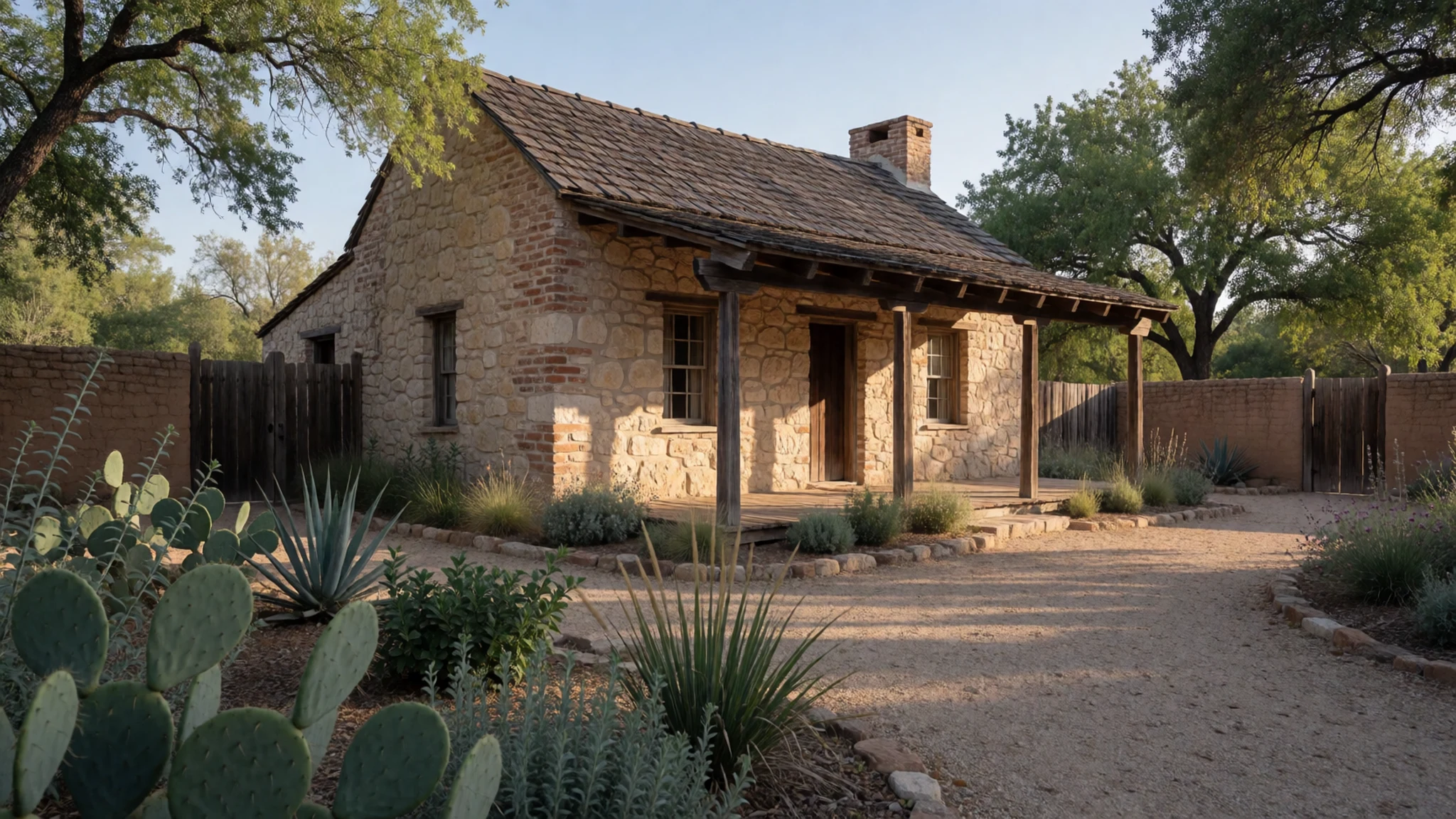
- King William Historic Area — South of downtown, east of the river
King William Historic Area is a compact district of residential blocks south of downtown and east of the river. Prominent German merchants settled here in the late nineteenth century and built what became the city's most elegant residential streets. Walk the tree-lined streets slowly and look at the porches and stonework. These are private homes, so admire them from the pavement.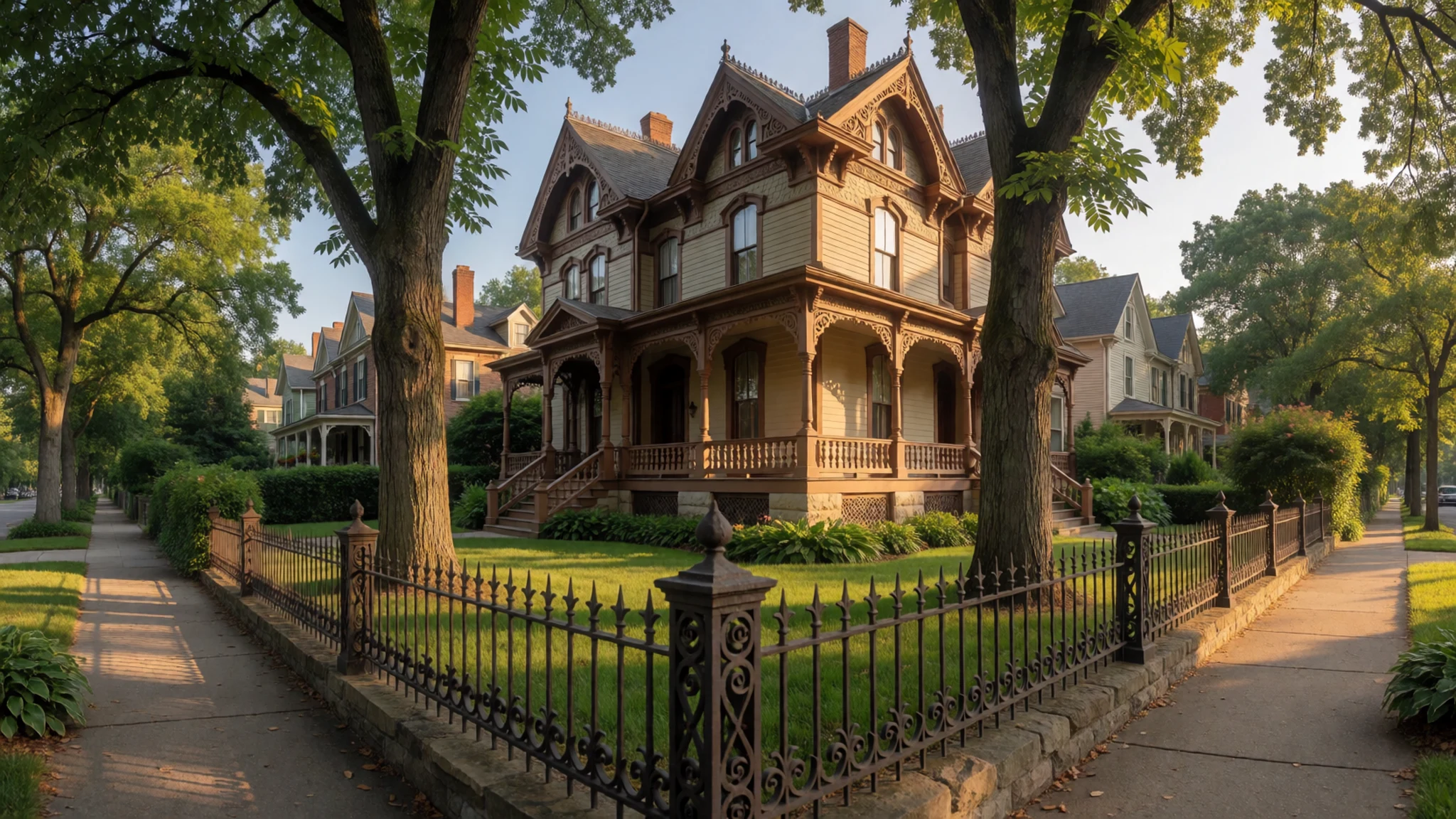
Culture
San Antonio has a layered culture. Its Spanish and Mexican heritage shows in street names, in the mission architecture and in the food many families still cook at home. The German merchants of the late nineteenth century left a different strand, visible in the King William houses and in the delis that still serve schnitzel. The city is often called Alamo City after its most famous building, and River City after the bend of the water that draws visitors into its centre.
Tejano music, mariachi and conjunto bands turn up across the city, especially at festivals and in neighbourhood bars on the west and south sides. The Alamo is a shrine as well as a tourist site, and the streets around it are busy with people who work there and walk through on their way to the office. Tipping in restaurants follows American custom, so a generous tip is expected. At the Alamo, keep your voice low and remove your hat inside the chapel, as you would in any active church.
What to wear
Traditional dress in San Antonio draws on two strands: Mexican and Tejano clothing, and the western wear of Texas ranching life. At festivals you may see women in embroidered dresses, known as vestidos, and men in charro-style suits with braid and decorative buttons, usually made in wool or cotton with bright embroidery. The leather boot and the wide-brimmed hat are the everyday Texan counterparts, made from cowhide, straw and felt, and they remain common in the city's shops.
What people wear now is mostly relaxed and practical. In summer the streets are full of cotton T-shirts, shorts and sandals, with denim and boots in the cooler months and in the dance halls. Most people dress casually even for dinner along the River Walk, although the city's smarter restaurants expect a shirt with trousers or a simple dress.
For a visit, dress for heat and walking. Choose breathable cotton or linen, a hat and sunglasses from late spring to early autumn, and comfortable closed shoes, because the River Walk and the sidewalks involve a fair amount of walking and some steps. At the Alamo and other church sites, cover shoulders and knees as a sign of respect.
What to eat
- Tex-Mex plates — River Walk restaurants and the San Pedro corridor
Tex-Mex is San Antonio's everyday cuisine: cheese enchiladas, fajitas, refried beans and rice, often with a cold beer. Ask for red or green chile sauce on the side. Budget-friendly versions cluster on the River Walk and along San Pedro.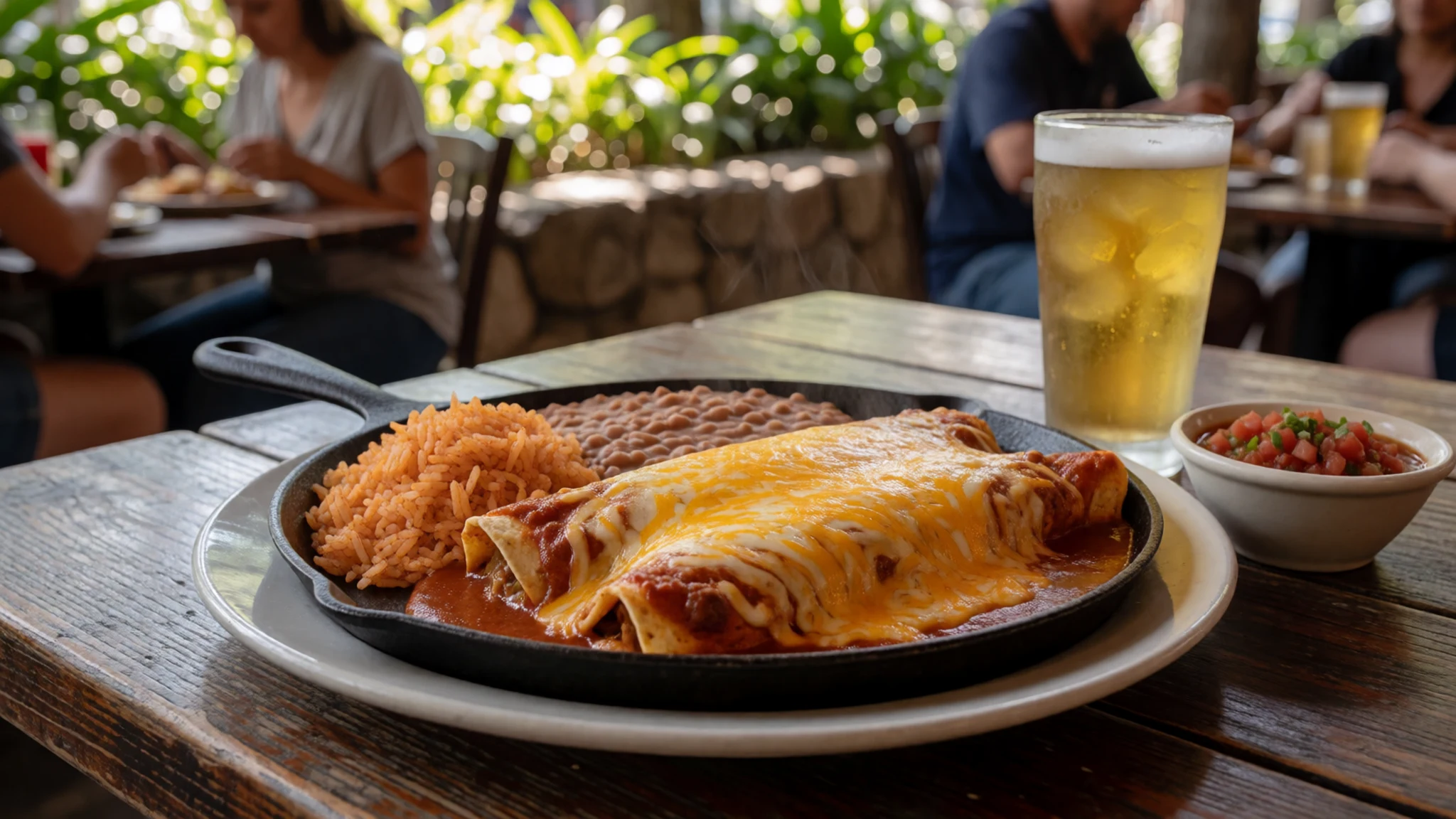
- Churros and hot chocolate — A north-side dessert shop, or a churro stand near the market
Churros are fried dough rolled in sugar, often served warm with a cup of thick hot chocolate for dipping. They make a good afternoon stop after walking the older streets. Look for a dessert shop on the north side that specialises in them and other sweets.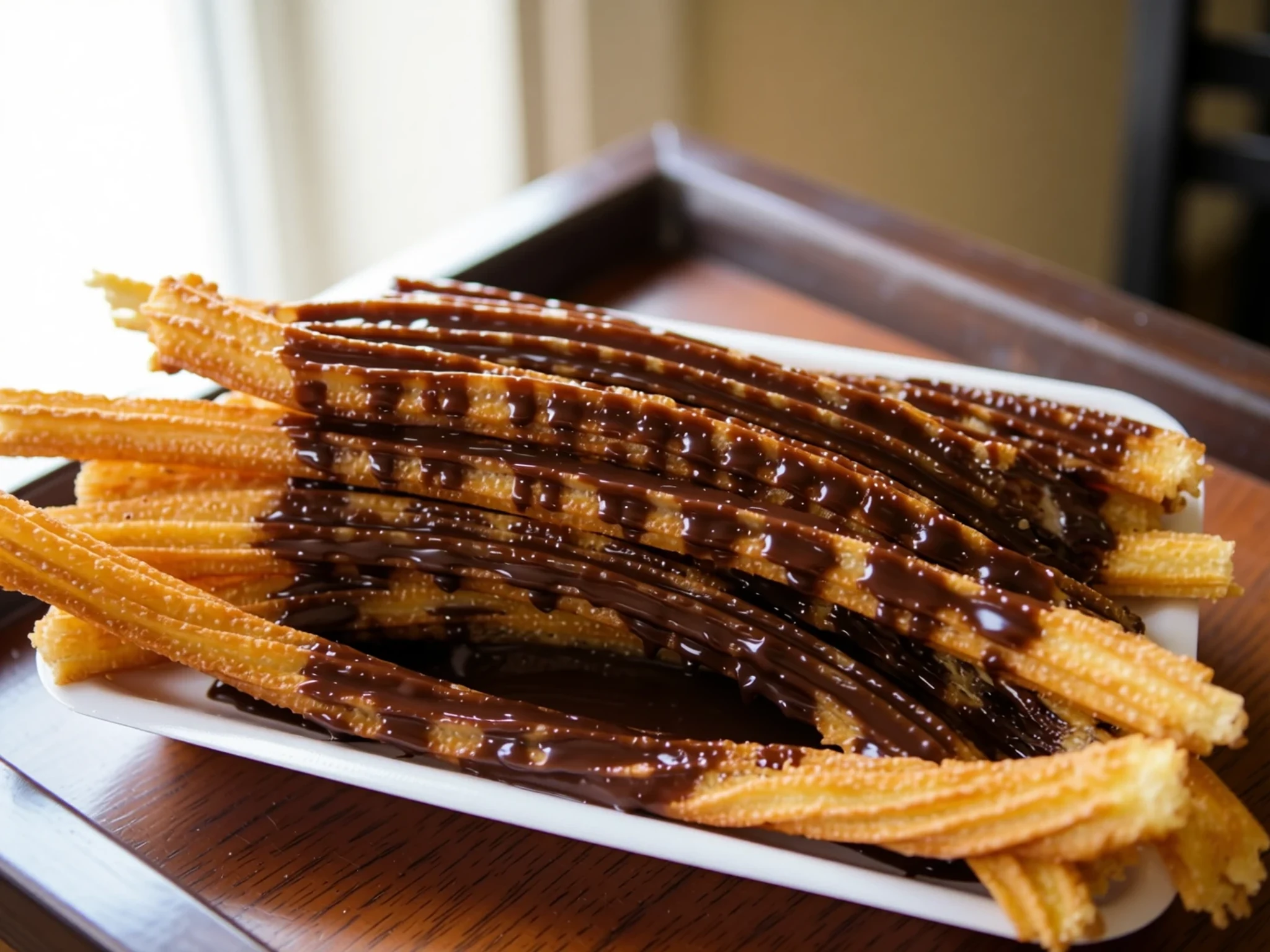
- German deli plates — A deli on the River Walk level, beside Casa Rio
German-Texan cooking survives in San Antonio's delis, where schnitzel, sausage plates and potato salad reflect the merchants who settled King William. Budget prices are common, and the menu is a welcome change from a week of enchiladas. Look for a long-running deli above the River Walk, beside Casa Rio. - Mexican home cooking — Family kitchens in neighbourhoods away from the River Walk
Mexican home cooking, built on slow-simmered stews, tamales and handmade tortillas, is what many San Antonio families eat at weekends. Ask for mole or a braised meat dish, and try fresh horchata alongside. Look for a family-run kitchen in a residential neighbourhood away from the River Walk.
Plan it
Best time. Winter, from December to February, is the most comfortable season for walking the streets and the River Walk, with highs of about 29 to 35°C and the driest weather of the year. Summers are long and hot, and humidity makes midday sightseeing hard work.
How long. 2–3
Getting there. San Antonio International Airport (SAT) is the main air gateway, with a shuttle, taxi or local bus to downtown. Amtrak's Texas Eagle links the city with Chicago, and the Sunset Limited runs between Los Angeles and New Orleans. By car, the main routes come from Austin, Houston and El Paso, and Austin is about an hour away.
Budget. mid
Tips
- Visit the Alamo early in the day, before the larger tour groups arrive
- Walk the River Walk in daylight first, then return after dark when it is busier
- Carry some cash for market stalls and small eateries, though cards are widely accepted
- Bring water and a hat from late spring to early autumn, as midday heat is serious
- Check the official city site for current transport and attraction details
Etiquette
- Keep your voice down around the Alamo and remove hats inside the chapel
- Ask before photographing people at markets or in the street
- Tip restaurant staff generously, as is customary in the United States
Nearby
Sources
- Wikidata Q975 (CC0)
- Wikipedia: San Antonio (rev 1382297883) (CC BY-SA 4.0)
- Wikivoyage: San Antonio (rev 5392411) (CC BY-SA 4.0)
- Photo: SA Montage (Zereshk) (Public domain)
- Photo: Downtown San Antonio view from The Tower of the Americas (Jouaienttoi) (CC BY-SA 4.0)
- Photo: San Antonio Botanical Garden Overlook View (Jouaienttoi) (CC BY-SA 4.0)
- Photo: San Antonio Riverwalk with boat tour view (Jouaienttoi) (CC BY-SA 4.0)
- Photo: Emily Morgan Hotel, San Antonio, Texas (2018) (Another Believer) (CC BY-SA 4.0)
- Photo: Tower of the Americas (PLBthetoonist) (CC BY-SA 4.0)
- Photo: Alamo Mission San Antonio at Night (A. Michael Uhlmann) (CC BY-SA 4.0)
- Map: Viceroyalty of New Spain after the Adams-Onis Treaty of 1819 (Eddo) (CC BY 3.0)


