Saiful Muluk Lake
Saiful Muluk Lake, Pakistan
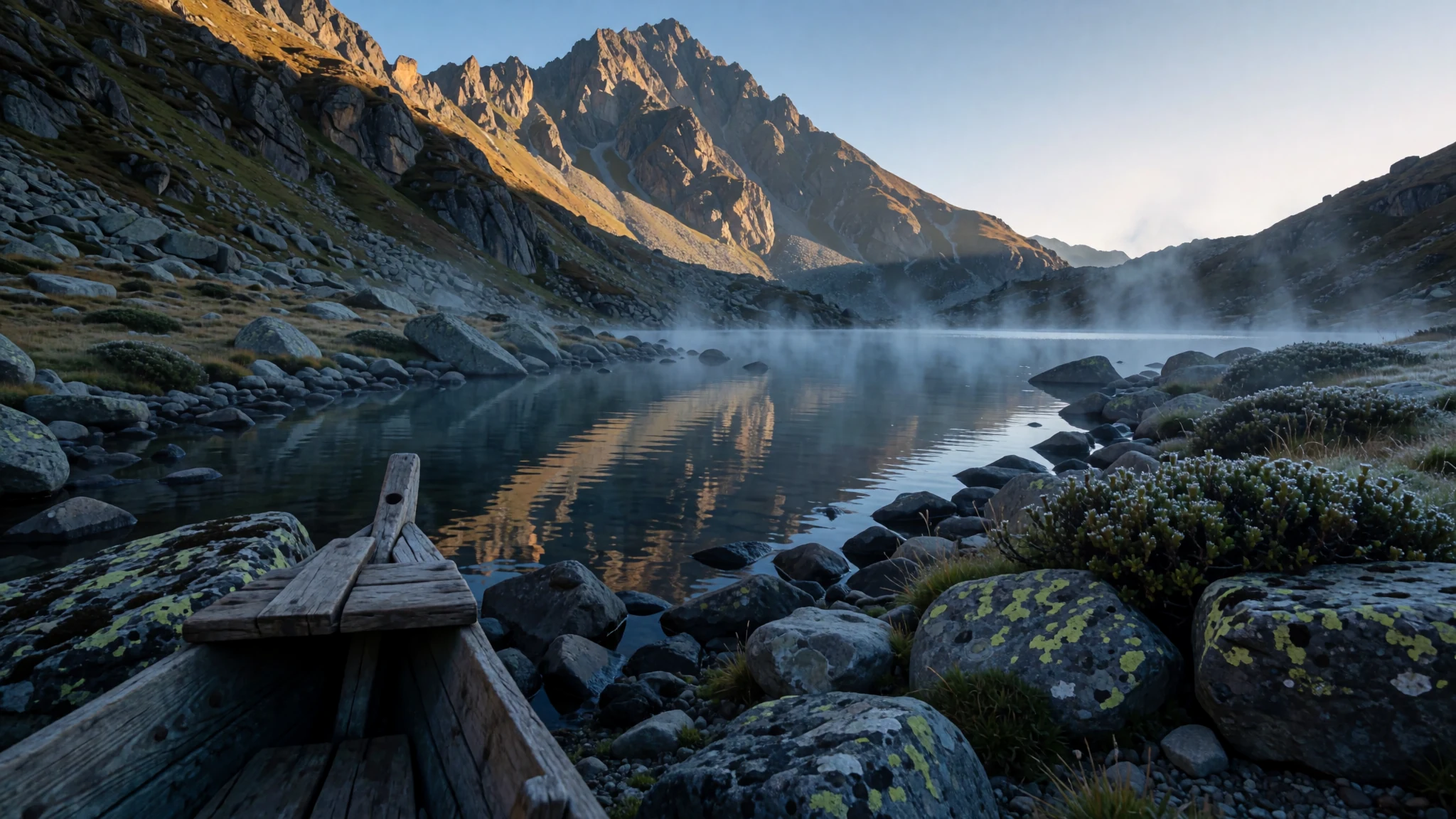
A high blue lake above the tree line at the head of Pakistan's Kaghan Valley, reached on a summer road from Naran.
The place
Saiful Muluk Lake lies at 3,224 metres in the mountains of Khyber Pakhtunkhwa, in northern Pakistan. It sits at the northern end of the Kaghan Valley, about 9 kilometres north of the town of Naran, and within Saiful Muluk National Park. Being above the tree line, its shore is open grass and bare rock rather than forest, so the surrounding peaks dominate the view. Malika Parbat, the highest peak in the valley, stands nearby, which makes the setting feel enclosed and high.
Access is the main constraint. The lake can be reached from Naran during the summer season, but winter is another matter: heavy snowfall and landslides threaten to cut it off from the rest of the region for long periods. Visitors therefore arrive in the warmer months, when the road is open and the valley is busiest. The lake is one of the highest in Pakistan, and its altitude keeps the air cool even on a summer afternoon.
Weather can change quickly here. Cloud can slide across the water within minutes and clear again, and the temperature drops sharply once the sun goes behind the ridges. On calm days the lake reflects the peaks, though the wind can ruffle the surface by afternoon. Hiking routes and jeep tracks radiate from the valley, making the lake a natural starting point for longer mountain walks. Most visitors plan a half-day around the lake, though the wider valley rewards a slower stay.
Its story
Saiful Muluk Lake takes its name from a legendary prince in a folk tale, Saiful Muluk. Later, the Sufi poet Mian Muhammad Bakhsh turned the legend into verse, and that poem has kept the story alive throughout the north. Over time the lake's legend has grown with local belief. People in the valley speak of fairies who come to bathe in the lake under the full moon, and a spot on the shore has come to be called the House of Fairies. These stories sit alongside the lake's real, hard-edged setting above the tree line.
The wider story is political as much as literary. Under colonial rule, this borderland was called the Northwest Frontier. The people who speak Pashto were given the label Pathans by the British, but they are now called Pushtuns. The region was a persistent source of unrest for the British and also a rich source of recruits for their forces, including whole regiments of Pathan irregular cavalry. Pushtuns still serve in large numbers in Pakistan's military.
After independence in 1947, the area was divided for decades between the Northwest Frontier Province and the Federally Administered Tribal Areas. In 2018 those two were merged into a single province, Khyber Pakhtunkhwa, which is the administrative home of the lake today.
For anyone thinking about the lake now, this history explains why the valley feels both remote and well used. The lake is a place of mountains, poetry and a long, layered frontier past.
What to see
- Saiful Muluk Lake — Kaghan Valley, Mansehra District
The lake itself is the reason most people come. It sits at 3,224 metres, above the tree line, so the shore is open grass and rock rather than forest. On clear days the water turns a deep blue and the surrounding peaks reflect in it. Give the lake time: the light changes through the day, and walking the edge takes longer than it looks from the road above.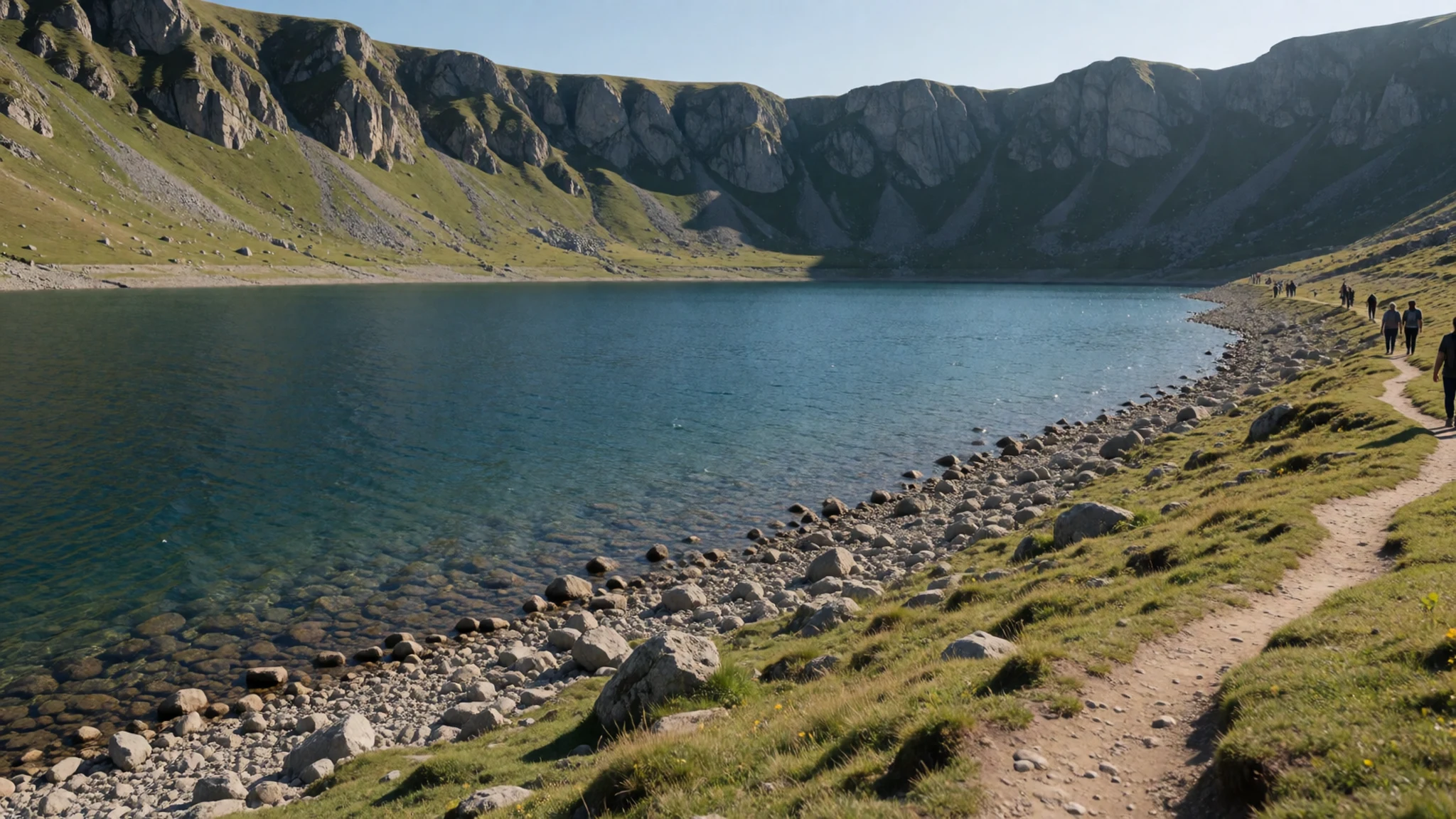
- House of Fairies — Shore of Saiful Muluk Lake
This spot on the shore is known as the House of Fairies. Local people say fairies bathe here under the full moon, a belief rather than anything that can be checked, but it adds to the lake's atmosphere. Approach it on foot along the shore and keep to firm ground near the water, where wet stones can be slippery in the spray.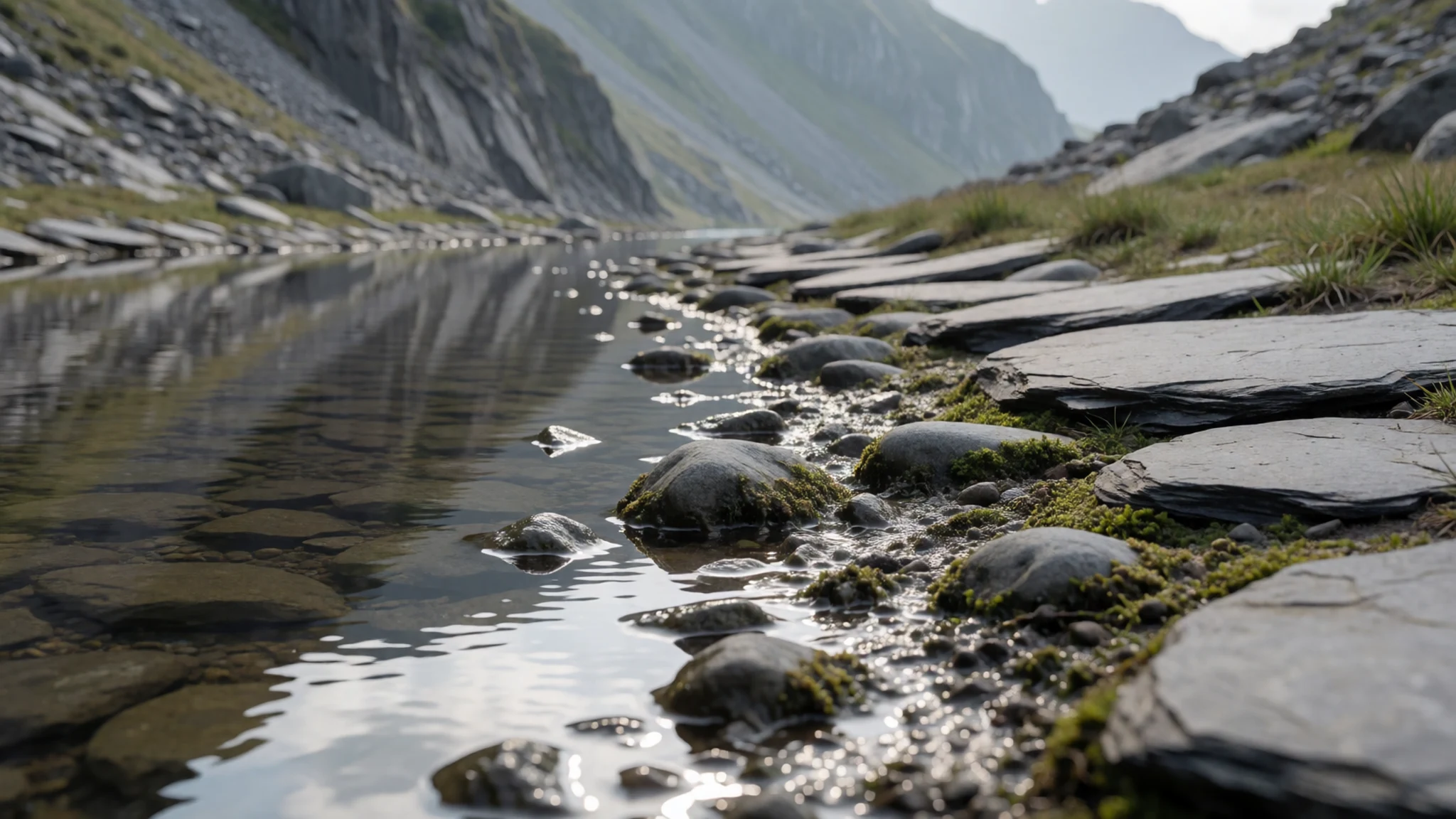
- Naran — Kaghan Valley, below the lake road
Naran is the town most visitors use as a base for the lake. It lies in the Kaghan Valley below the lake road, and its shops and guesthouses make it the place to buy supplies and arrange a jeep before heading up. The town is busy in summer and much quieter when snow closes the road in winter.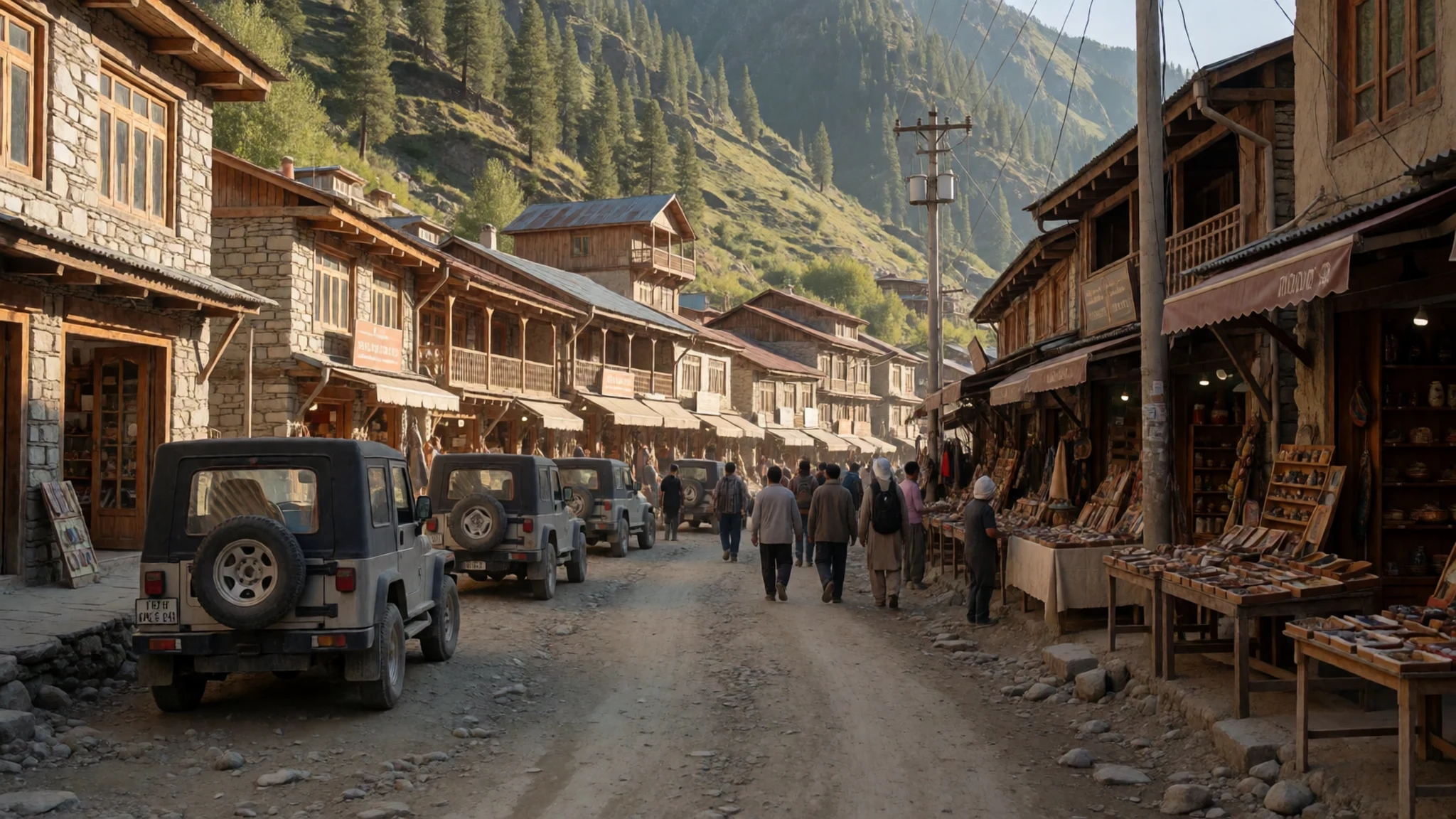
- Malika Parbat — Northern Kaghan Valley, near the lake
Malika Parbat is the highest peak in the Kaghan Valley, and it rises near the lake. Its height gives the whole setting its sense of scale, and it is the mountain that most shapes the view from the shore. Seeing it from the lake road helps explain why the valley feels so enclosed.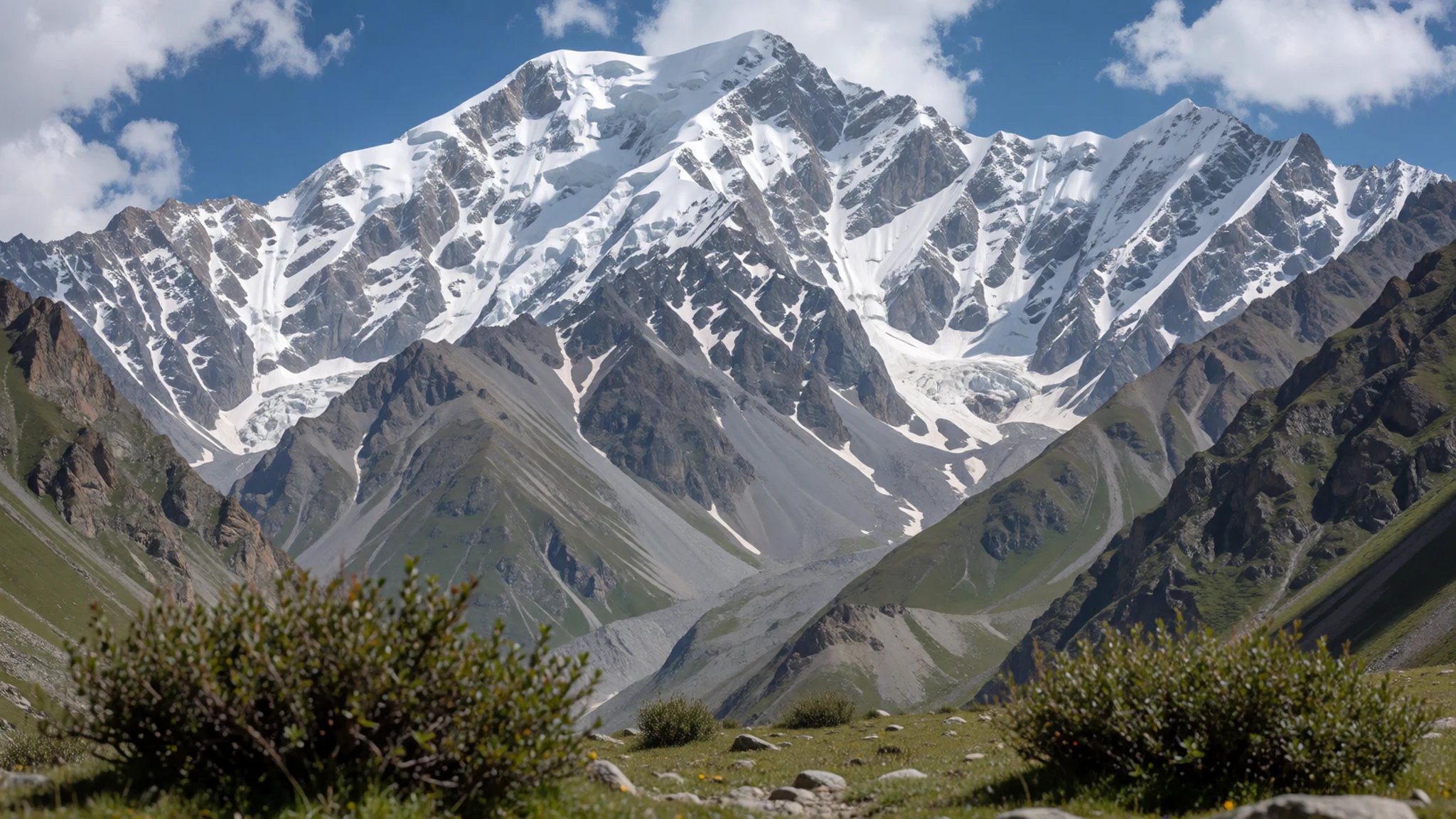
- Malam Jabba ski resort — Near Malam Jabba, northern Khyber Pakhtunkhwa
The region has a small ski area near Malam Jabba, described as Pakistan's oldest ski resort. It is modest, with 2 pistes, and it lies in a different valley far from the lake. It works as a side trip rather than something to build a day around, and it is best planned around the winter snow season.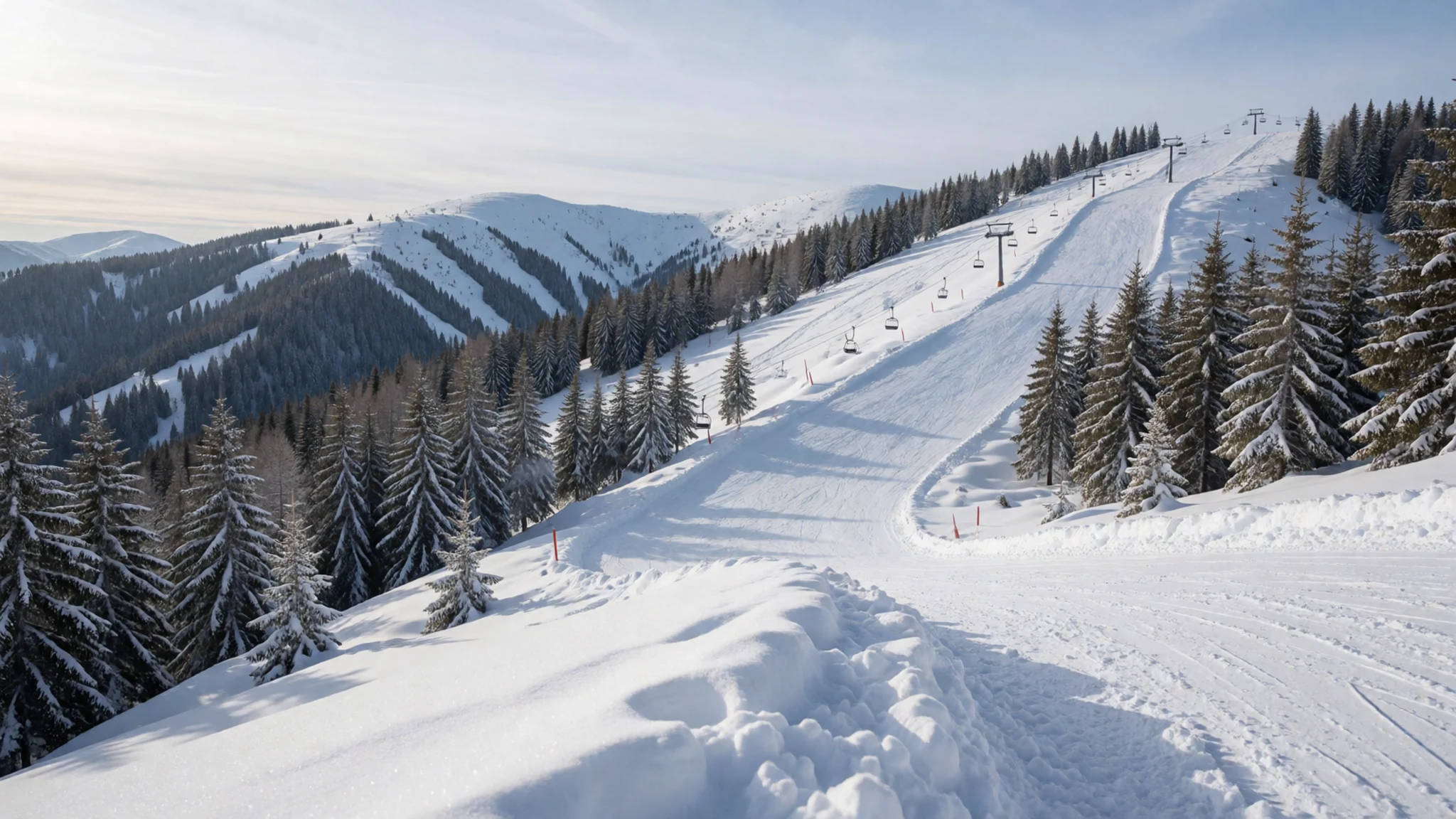
Culture
The Kaghan Valley and the lake lie in Khyber Pakhtunkhwa, where Pashto-speaking communities shape daily life and where conservative norms around dress and privacy are widely kept. The lake draws families and groups in summer, and the mood around it is generally easygoing, but people here value modesty and courtesy. Greetings matter: a warm salaam before asking anything is expected, and conversations often begin with questions about family and journey. Hospitality is a source of pride, and visitors are often offered tea. Accepting a cup is a polite gesture, and declining with thanks is also fine.
Security is a serious concern across much of the northwest, where many governments advise against all travel and the tribal and Afghan border areas are not considered safe. Official advice is to check your government's travel advisory and to register with the Khyber Pakhtunkhwa Tourism Authority before entering the province. Local drivers and guides are useful on mountain roads and can advise on current conditions.
Waste is a problem at busy spots in many mountain areas, so carry rubbish out with you.
Ask before photographing local people, especially women, and keep your camera down around private homes and family groups.
What to wear
Traditional dress in this part of Khyber Pakhtunkhwa is built around the shalwar kameez, a loose tunic worn over wide trousers, usually in cotton for the heat of the lower valleys and wool for the cooler hills. Among Pashtun communities a long, waist-length coat called the chapan, often made from wool, is worn in colder weather. A flat wool cap known as the pakol or pakul, associated with the mountains of the northwest, is also common. Embroidered waistcoats and a patka, a long sash wound around the waist, complete many outfits.
Today most men wear shalwar kameez every day, often in plain white or pastel cotton, and many add a waistcoat or shawl when the air cools. Women usually wear a loose dupatta, a long scarf draped over the head and shoulders, and styles vary with family and town. Western clothes are seen in the cities, but modest dress remains the norm in the villages and the valleys.
For a visit, dress modestly: loose trousers or long skirts, and tops that cover the shoulders and knees. Layers matter more than style here, because mornings and evenings at the lake are cold even in summer. Bring a warm jacket, a hat, and a scarf that can cover your head when you visit villages or family homes. Sturdy shoes with good grip suit the rocky shoreline and muddy tracks far better than thin soles.
What to eat
- Chappal kebab — Kebab shops around the old city of Peshawar
Peshawar's best-known beef kebab is pressed into a broad, thin patty, and its name comes from the Urdu word for sandal. Several kebab shops around the old city have made it for years, and guesthouse staff and local guides can point to the reliable ones. Expect it to be rich and spiced.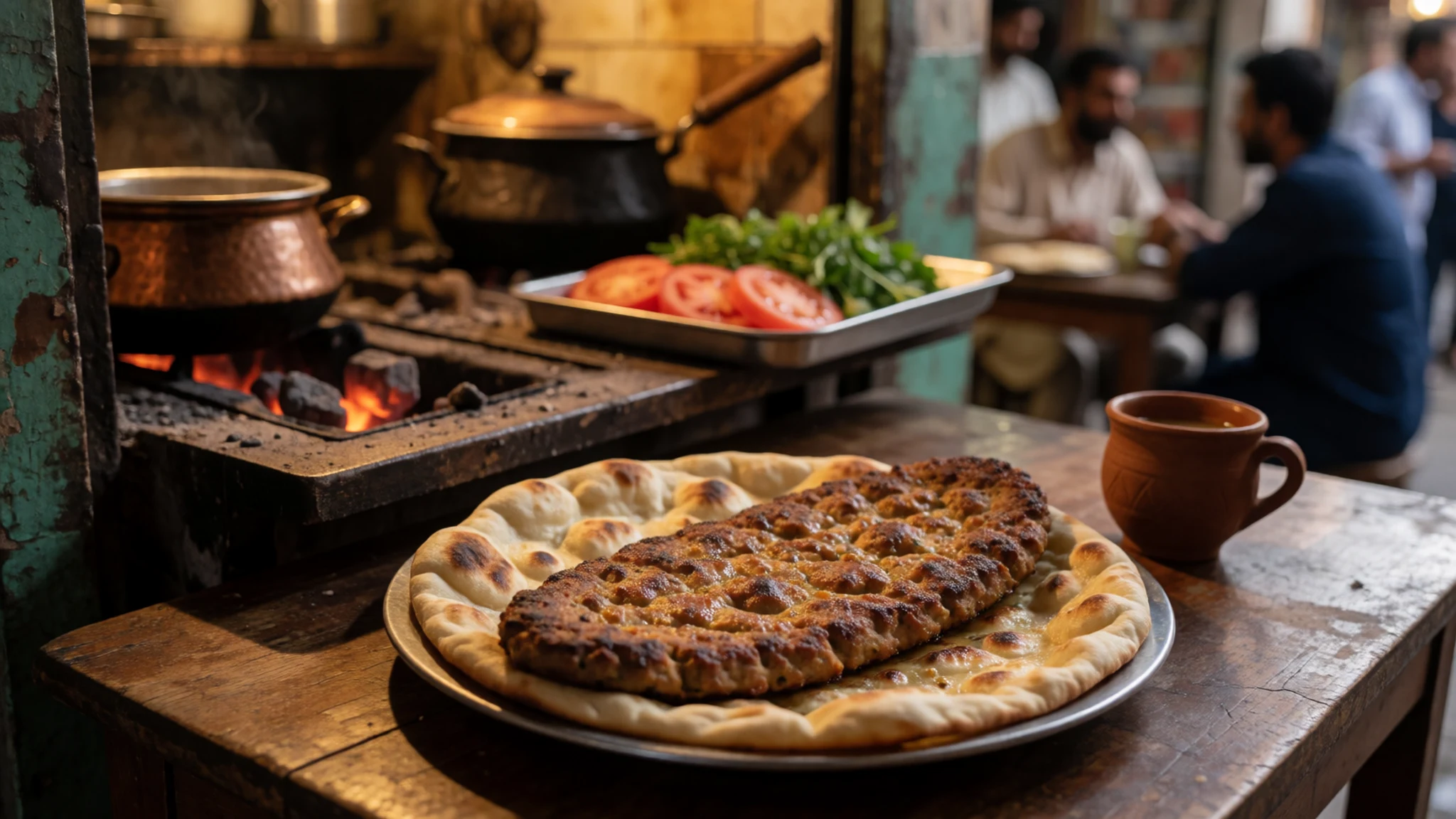
- Tikka and karahi from Namak Mandi — The restaurants of Namak Mandi, Peshawar
The restaurants of Namak Mandi grill tikka and cook karahi, with meat sold by the kilogram. Choose your cut, then ask for it grilled as tikka or simmered as karahi, an oil-rich stew of tomato and chilli. Order for a group, since the portions are generous.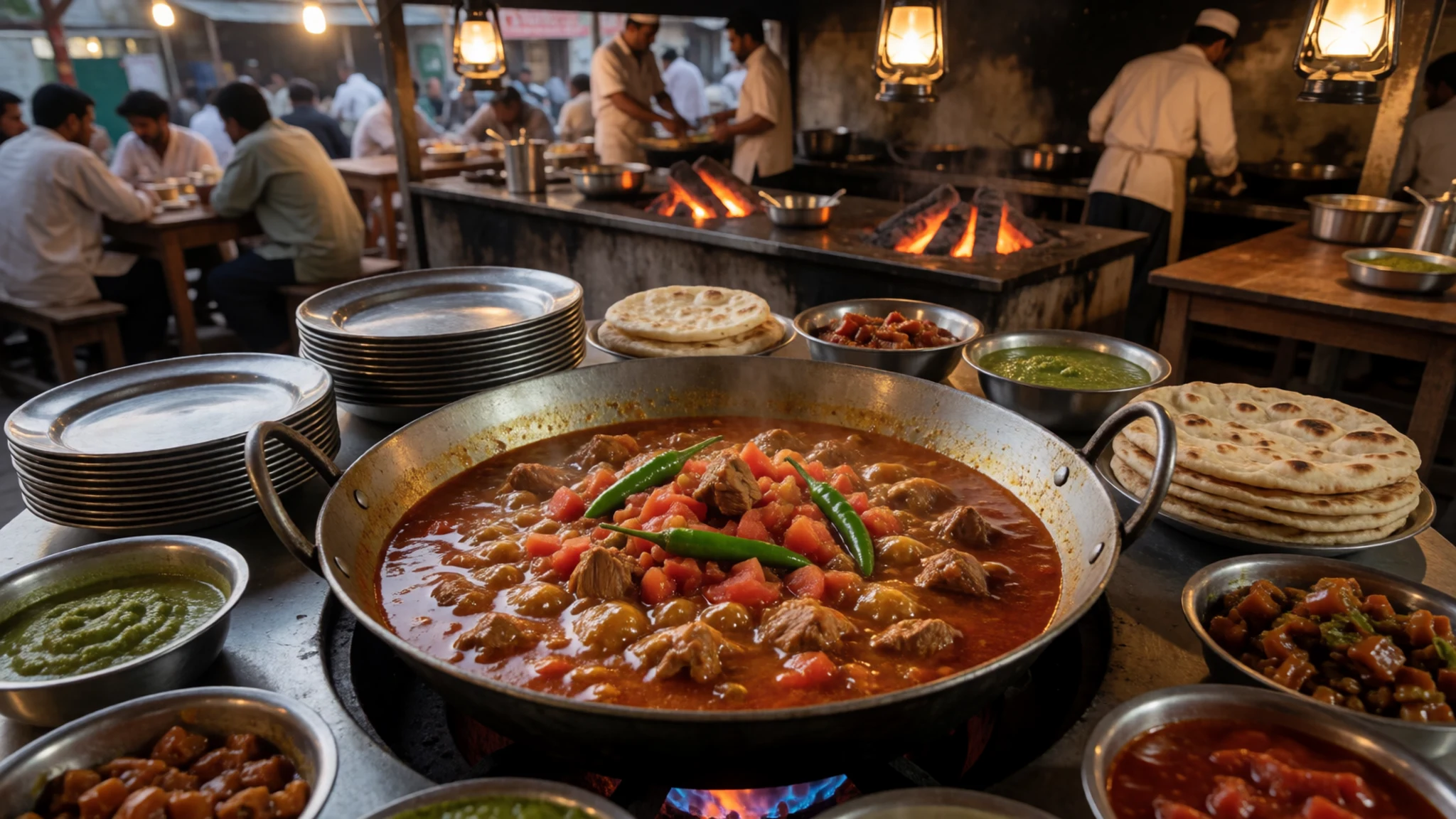
- Faluda — Stalls in Qissa Khwani Bazaar
Faluda is a cold, sweet drink layered with rose syrup, milk and fine noodles, and it is a favourite in the markets of Peshawar. Qissa Khwani Bazaar is the place to find it, at stalls serving it in tall glasses. It suits a hot afternoon well. - Kahwa green tea — Tea shops in the old city of Peshawar
Peshawar's green tea, called kahwa, is served sweet and has a flavour quite unlike milk tea. Sit in one of the tea shops in the old city and order it as locals do, in a small cup, often after a meal. It is a good way to slow the day down. - Sharbat-e-sandal — Summer drink stalls in the markets of Peshawar
Sharbat-e-sandal is a sweet, still drink served ice cold, pale green with a faint yellow tint, with tiny black seeds floating in the glass. It turns up in markets during the summer months and is a refreshing stop between errands.
Plan it
Best time. June to September, when the road from Naran to the lake is open and the lake can be reached; winter snowfall and landslides can cut it off.
How long. 2–3
Getting there. Fly into Peshawar International Airport (PEW) or Islamabad, then travel by road to Naran in the Kaghan Valley; the final leg to the lake is about 9 km north of Naran, usually by hired jeep.
Budget. mid
Tips
- Register with the Khyber Pakhtunkhwa Tourism Authority online before you enter the province
- Hire a jeep in Naran for the final stretch rather than taking an ordinary car
- Set off early in the day, when the sky is often clearer
- Carry cash for jeep hire, guesthouses and small purchases
- Pack warm layers, since the lake sits above the tree line and cools quickly
- Check road and weather conditions locally before setting out
Etiquette
- Ask before photographing people, especially women and families
- Dress modestly in villages and when visiting homes
- Carry your rubbish out with you
Nearby
Sources
- Wikidata Q523461 (CC0)
- Wikipedia: Lake Saiful Muluk (rev 1366269309) (CC BY-SA 4.0)
- Wikivoyage: Khyber Pakhtunkhwa (rev 5385033) (CC BY-SA 4.0)
- Photo 01 Saiful Muluk during June, Almazi (Public domain)
- Photo 02 Saif ul Malook Lake road, irfan muhammad (CC BY 3.0)
- Photo 03 Saif-ul-Muluk Complete Panorama in Spring, FreeatlastChitchat (CC BY-SA 4.0)
- Photo 04 Lake Saiful Malook naran 05, Faizan Farooq572 (CC BY-SA 4.0)
- Photo 05 Saif ul Malook, House of Fairies, Hammad.gujar36 (CC BY-SA 4.0)
- Photo 06 Saif ul malook lake-01, Daud Ahmad99 (CC BY-SA 4.0)
- Photo 07 Lake-Saiful-Malook, Syednaveedanjum (CC BY-SA 4.0)
- Photo 08 Saif-ul-malook naran valley, Hussnain Asad (CC BY-SA 4.0)


