Rum Point
Rum Point, United Kingdom
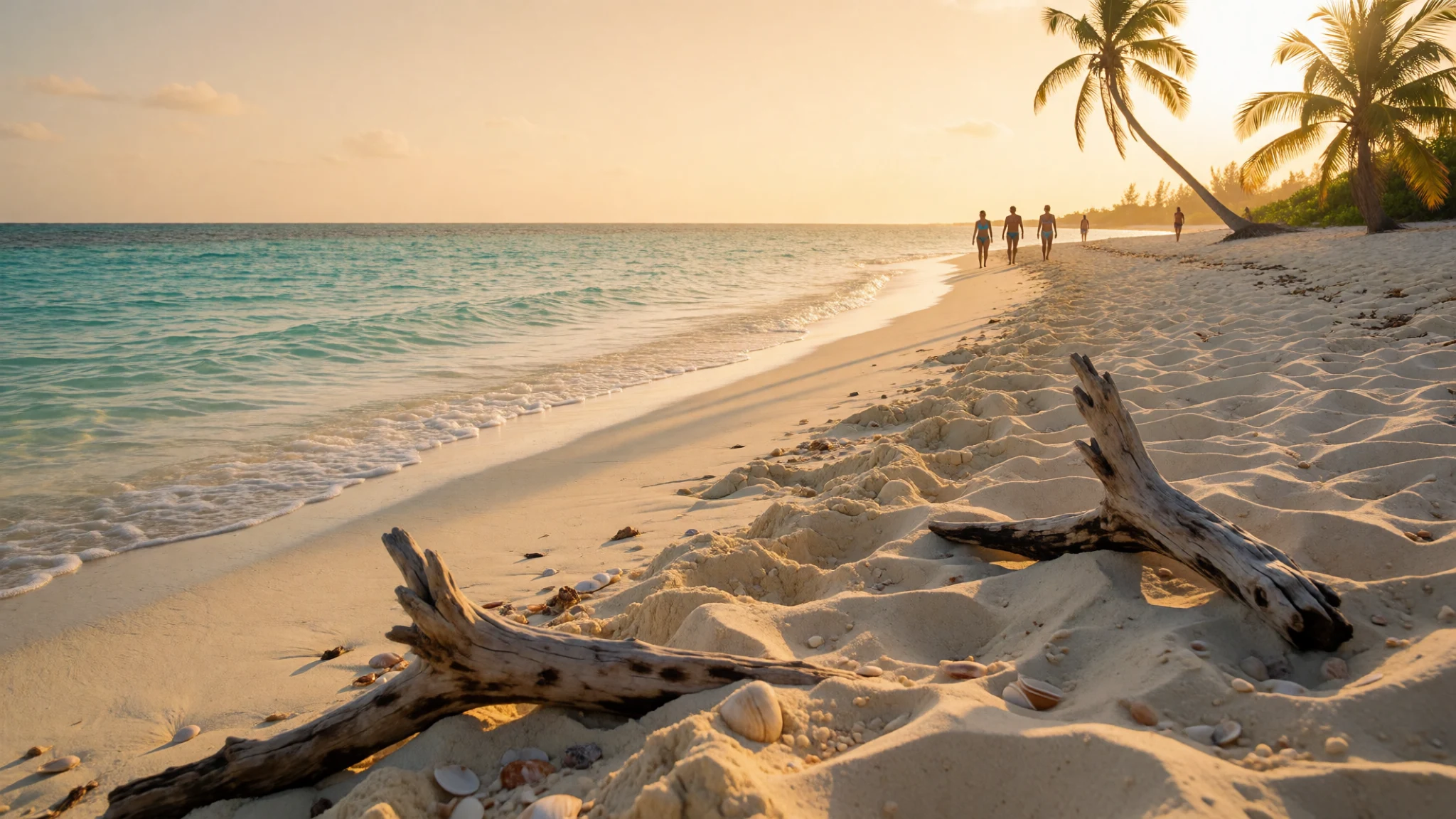
Rum Point is a Cayman shore outpost where the water does the talking, and the day turns into snorkel time and slow beach hours.
The place
Rum Point is a point on Grand Cayman in the Cayman Islands, sitting in the same waters most visitors come for: clear, warm, snorkel-friendly sea and easy beach access. It’s the sort of place where the main activity is simply being outside—wading, swimming when conditions suit, and keeping an eye on the horizon for boat tours working the sandbars.
Because Rum Point is part of a bigger island scene, most visitors pair it with the wider “Cayman by day” routine: reef time in the morning, a land stop for history, then back to the water for calmer afternoon swims or a boat outing. Snorkelling and diving bring plenty of people to Cayman each year, so even when Rum Point feels quiet, there’s usually movement in the water from tour boats and other beachgoers.
Logistics are straightforward in general: the Cayman Islands are set up for public beach walking, and beach access is described as guaranteed in the constitution. That matters here because the pleasure is often in strolling along the shoreline rather than treating the beach like a fenced resort plot.
In terms of atmosphere, expect a tropical rhythm—bright days, salt air, and a “stay for a while” pace rather than a tight sightseeing schedule. It’s also a destination where costs can add up once you’re on island, so many travellers plan a mix of meals out and more casual beach or supermarket-style options when possible.
Its story
Rum Point’s setting is tied to a much bigger Cayman story than most beach stops ever hint at. Archaeological accounts point to the Cayman Islands being uninhabited before they were encountered by Christopher Columbus in 1503. Columbus gave them the name Las Tortugas because of the turtles, and over time the islands’ name evolved from Spanish and Caribbean forms into “Cayman” in English.
Early life on the islands centred on turtles—first hunting locally, then, when numbers dropped, reaching out to other nearby islands for the same work. After that, the islands’ reputation shifted. For roughly the first two hundred years, the Cayman Islands became a frontier world described in historical accounts as lawless, with pirates, privateers, refugees, shipwrecked sailors, and enslaved people all part of the mix.
Later governance came through English involvement: the Cayman Islands were acquired with the Treaty of Madrid in 1670 and administered as part of a dependency arrangement linked to Jamaica. Over the centuries, the British colonial grip tightened and changed shape, including a move to local legislative assembly and later legal steps that formally made the Cayman Islands a dependency of Jamaica.
For visitors today, Rum Point is the calm side of that history: public shoreline, water-based days, and the everyday kindness of island manners. The island’s past—turtles, seafaring, hard living, and colonial change—sits underneath the effortless feel of the water.
What to see
- Stingray City sandbars — sandbars off Grand Cayman
Stingray City is reached by boat from Grand Cayman. In shallow water, stingrays gather and you can interact with them on the sandbars. Many people book through tour companies, and some trips include sailing back if booked on a sailing vessel.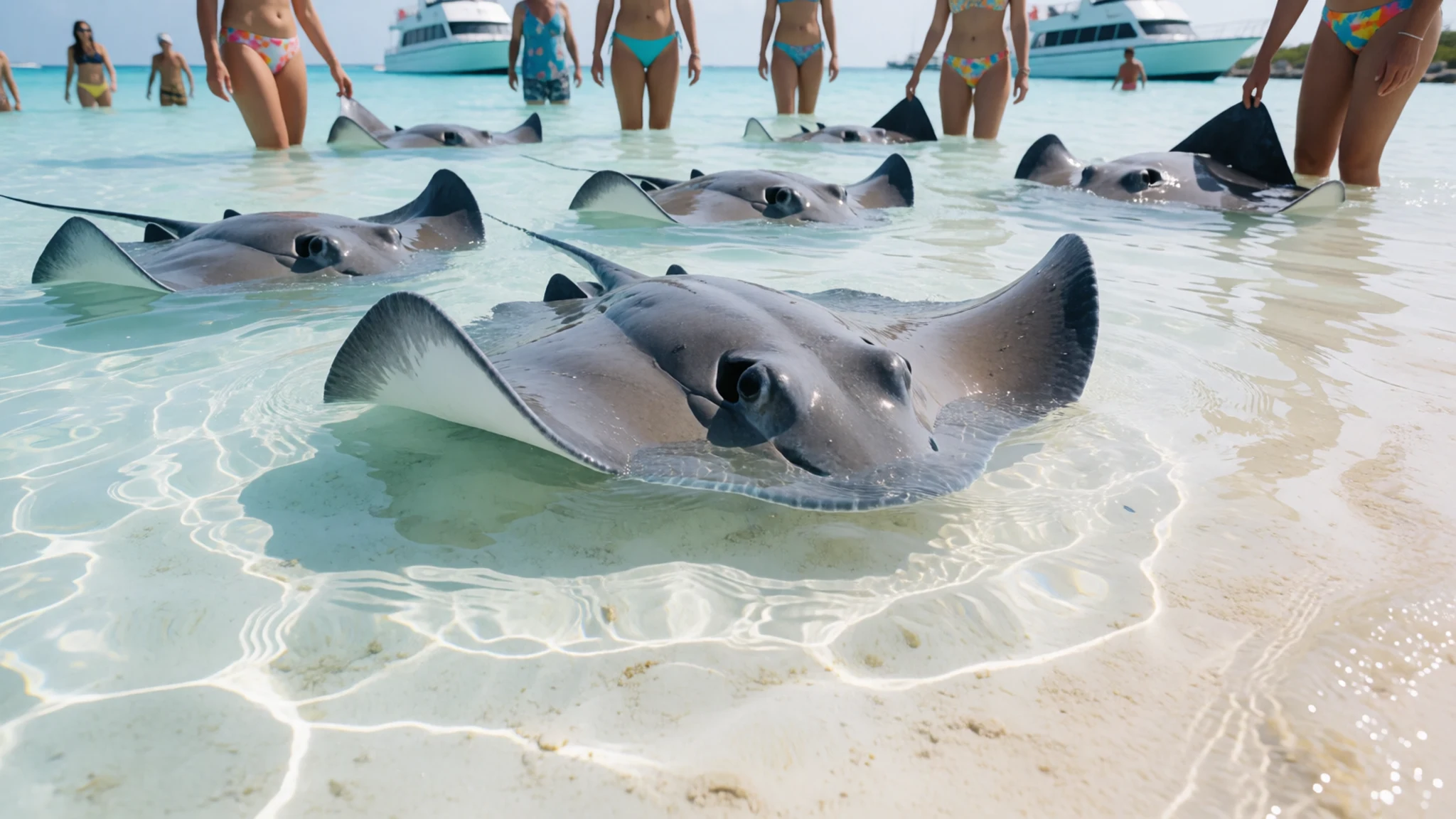
- Seven Mile Beach stretch — Seven Mile Beach corridor
Seven Mile Beach runs along the island with white sand beaches and a long line of visitor hotels nearby. It’s described as a public beach, and walking the full stretch is possible regardless of where a visitor is staying.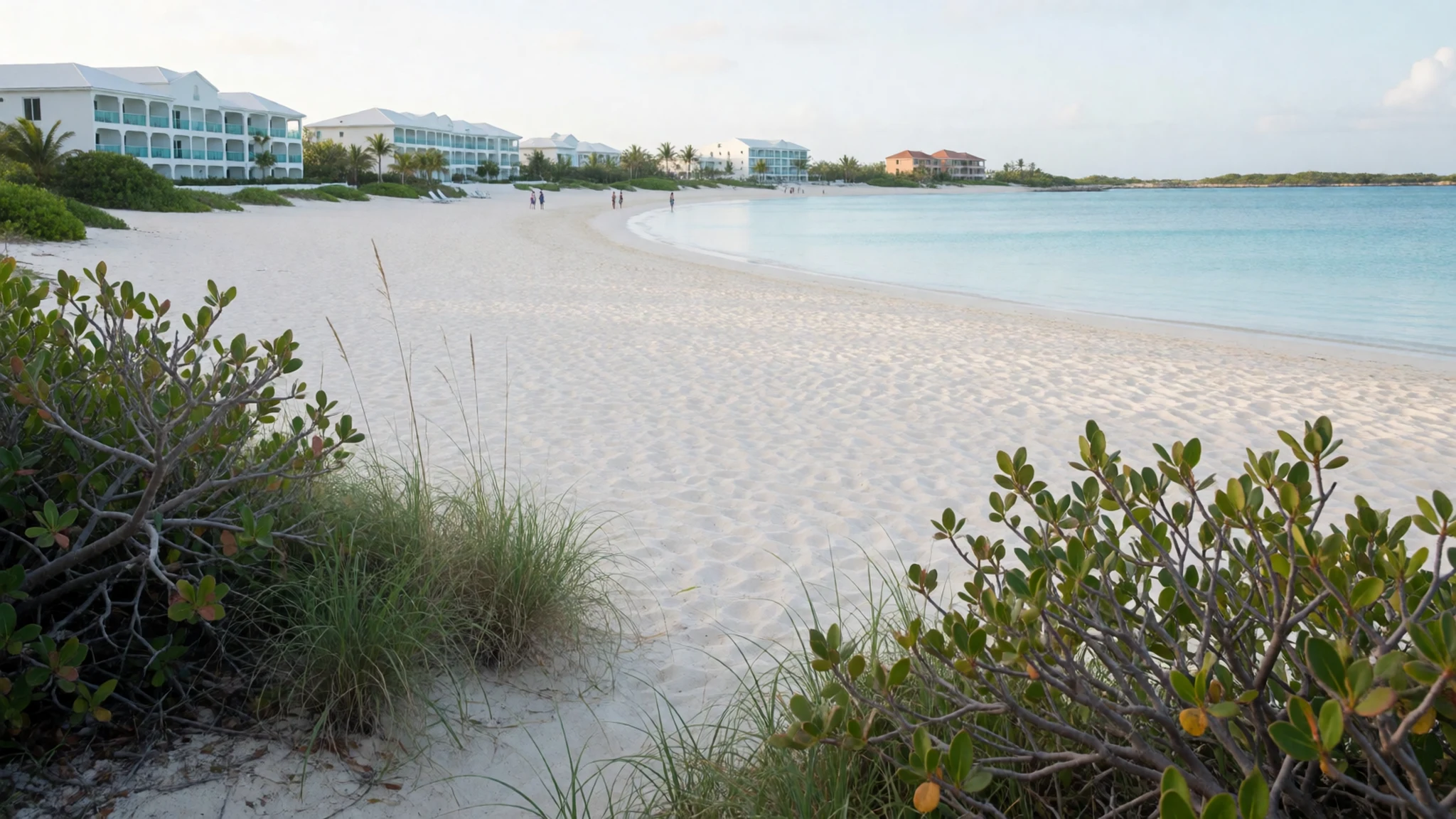
- Pedro St. James National Historic Site — George Town area
Pedro St. James is an old house and oceanfront grounds with a multimedia history show and an exhibit centre focused on Cayman history. It’s a good land break when the sea feels too tempting to leave.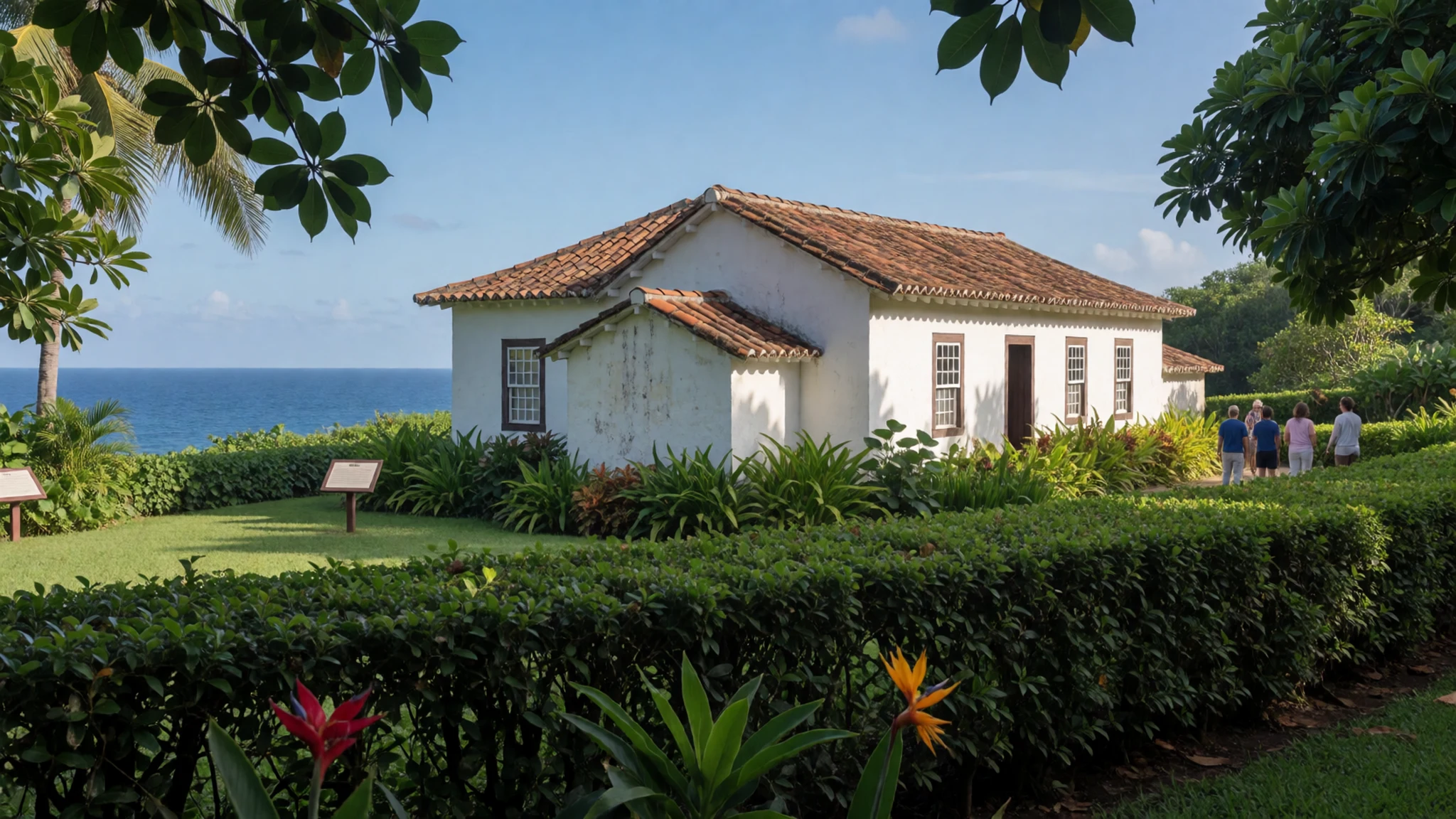
- Queen Elizabeth II Botanic Park — botanical park area
The botanic park is a large garden with plant displays arranged by colour, including an orchid garden and a gazebo on a lake. Iguanas are a highlight, with mention of rare blue iguanas.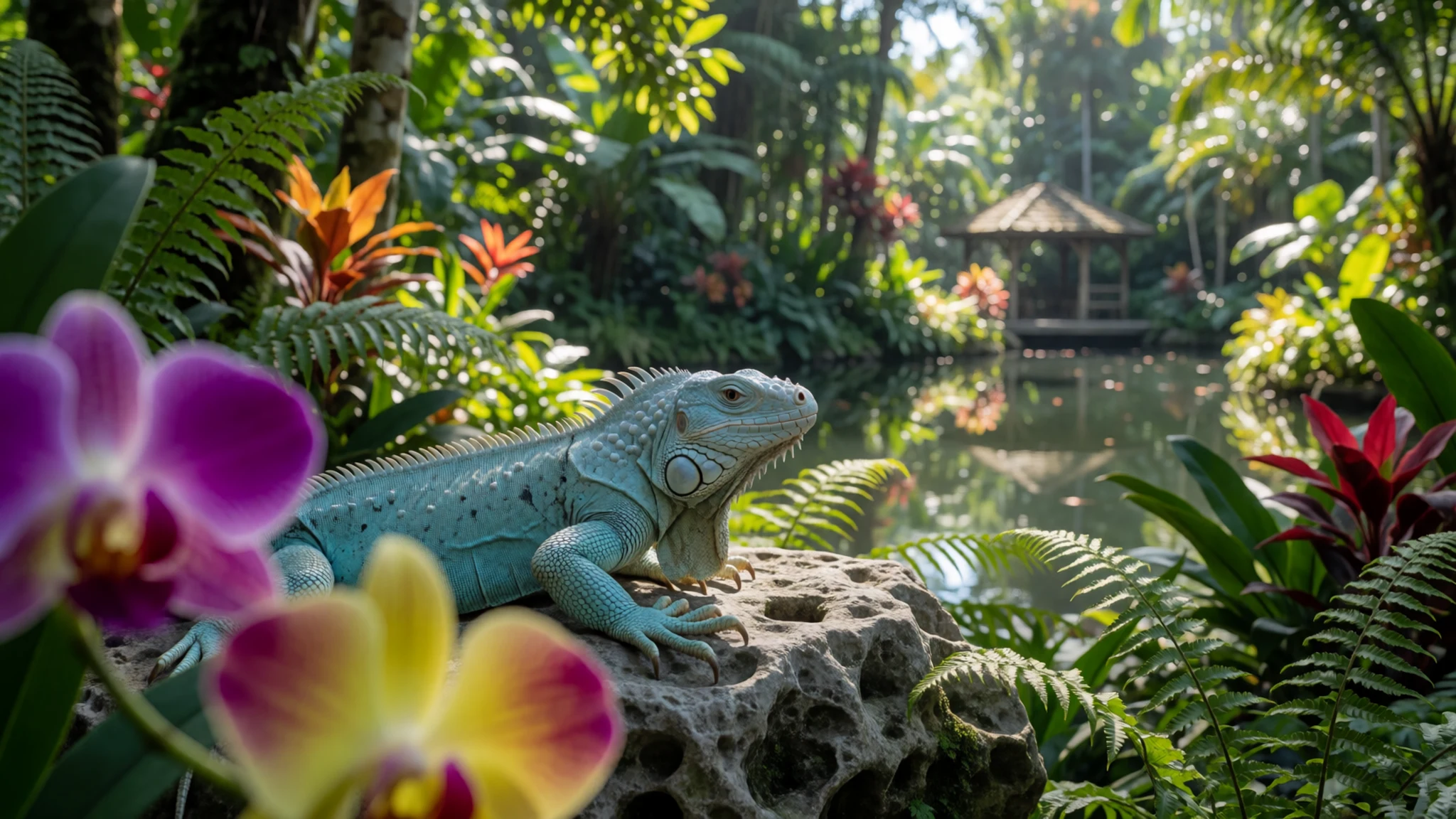
- Cayman Turtle Farm — turtle farm area
Cayman Turtle Farm is a turtle-focused site where swimming and petting turtles are offered. A “recent review” in the source materials raises animal welfare concerns, so it’s worth thinking carefully before committing.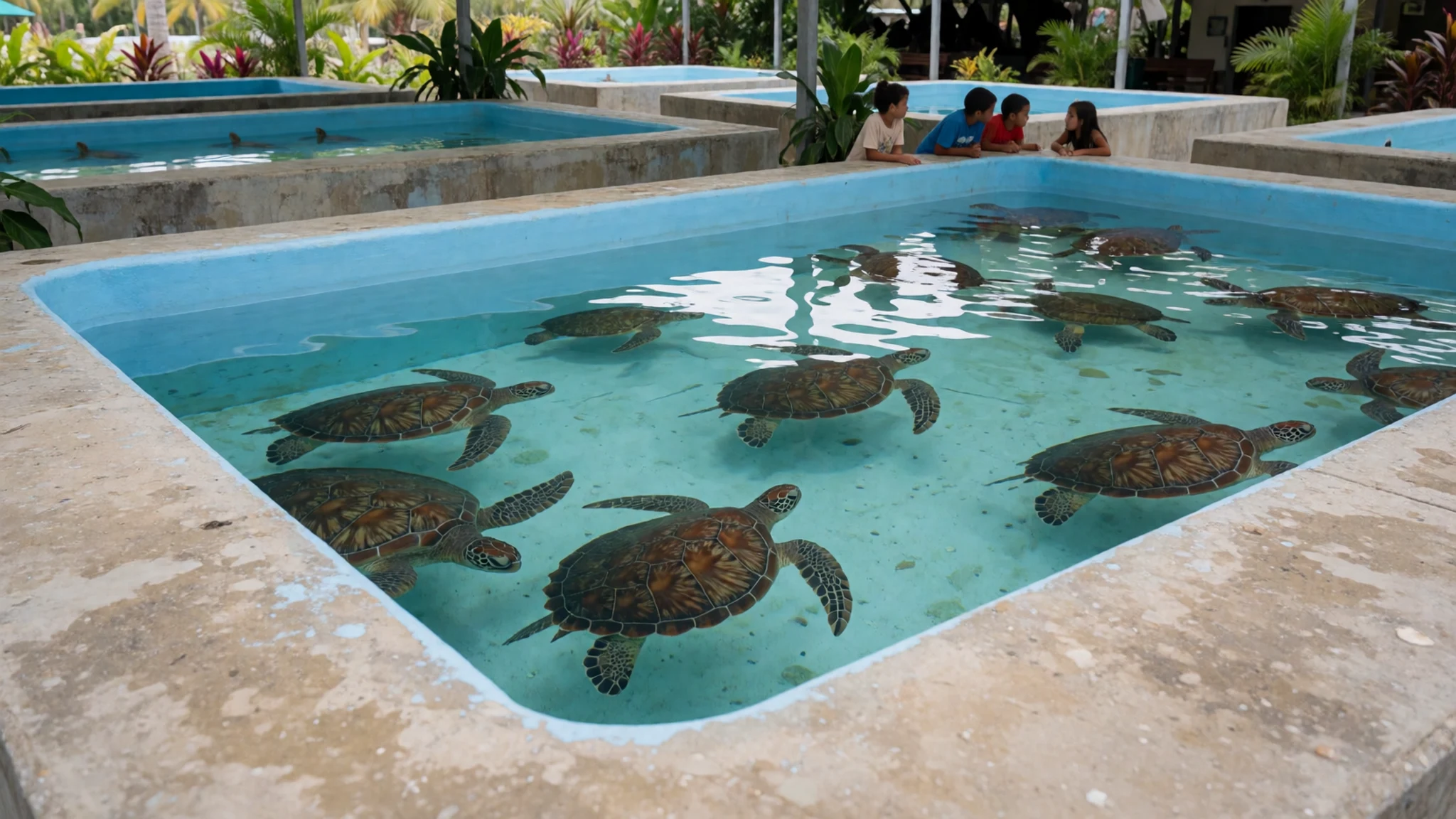
Culture
Rum Point sits in the Cayman Islands, where Caymanians are described as very respectful. Greetings and pleasantries are common and expected, even when stepping into shops, so a quick “hello” and a friendly tone go a long way. Titles of respect—like Mr and Miss—followed by someone’s given or first name are also part of day-to-day addressing, especially when speaking to other islanders.
That conservatism shows up in everyday behaviour too. Public displays of affection aren’t usually considered acceptable, and many places keep a conservative rhythm, with Sundays treated as a slower day because most stores stay closed. Church attendance is also a strong thread in local life.
For travellers, this is less about strict rules and more about reading the room: be polite, be calm, and keep interaction courteous and friendly. When booking tours or asking directions, island politeness tends to reward simple, straightforward questions. If the trip plan includes water activities, it also helps to keep a relaxed attitude about timing—operators and locals are used to a day built around sea conditions rather than a rigid timetable.
Visitor etiquette: Use respectful greetings, avoid public displays of affection, and dress modestly when moving between beach areas and shops.
What to wear
Rum Point is all about sun, salt air, and moving between beach, boats, and land stops. Traditional Caymanian clothing isn’t singled out in the source materials provided, but visitors can still dress sensibly for island life: breathable fabrics, quick-dry swimwear, and light layers for breezier moments near the water.
What people wear now is typically practical tropical holiday wear—swimsuits for the beach and sea, cover-ups or light tops for walking between the shoreline and nearby facilities, and sandals or water-friendly footwear. Since Cayman days can become hot, cotton and linen-style outfits tend to feel more comfortable than anything heavy.
For a visitor’s packing list, plan around the realities of heat and the mix of activities: bring a hat, sunglasses, reef-safe sunscreen, and something to cover shoulders or legs for walking into shops or historic sites. Footwear matters too—choose slip-resistant sandals for sandy paths and consider that some land attractions involve walking on uneven ground.
For modesty, keep in mind local conservatism: while the beach is relaxed, moving into more public spaces is better done with a cover-up on rather than staying in swimwear.
What to eat
- Jerk-style food stand (ask locally for a favourite) — local spots recommended by taxi drivers
Cayman cuisine draws on multiple influences, and the source materials point to jerk as a “must try”. A practical move is to ask a taxi driver for their favourite local jerk stand and combine it with whatever spot they suggest for the day.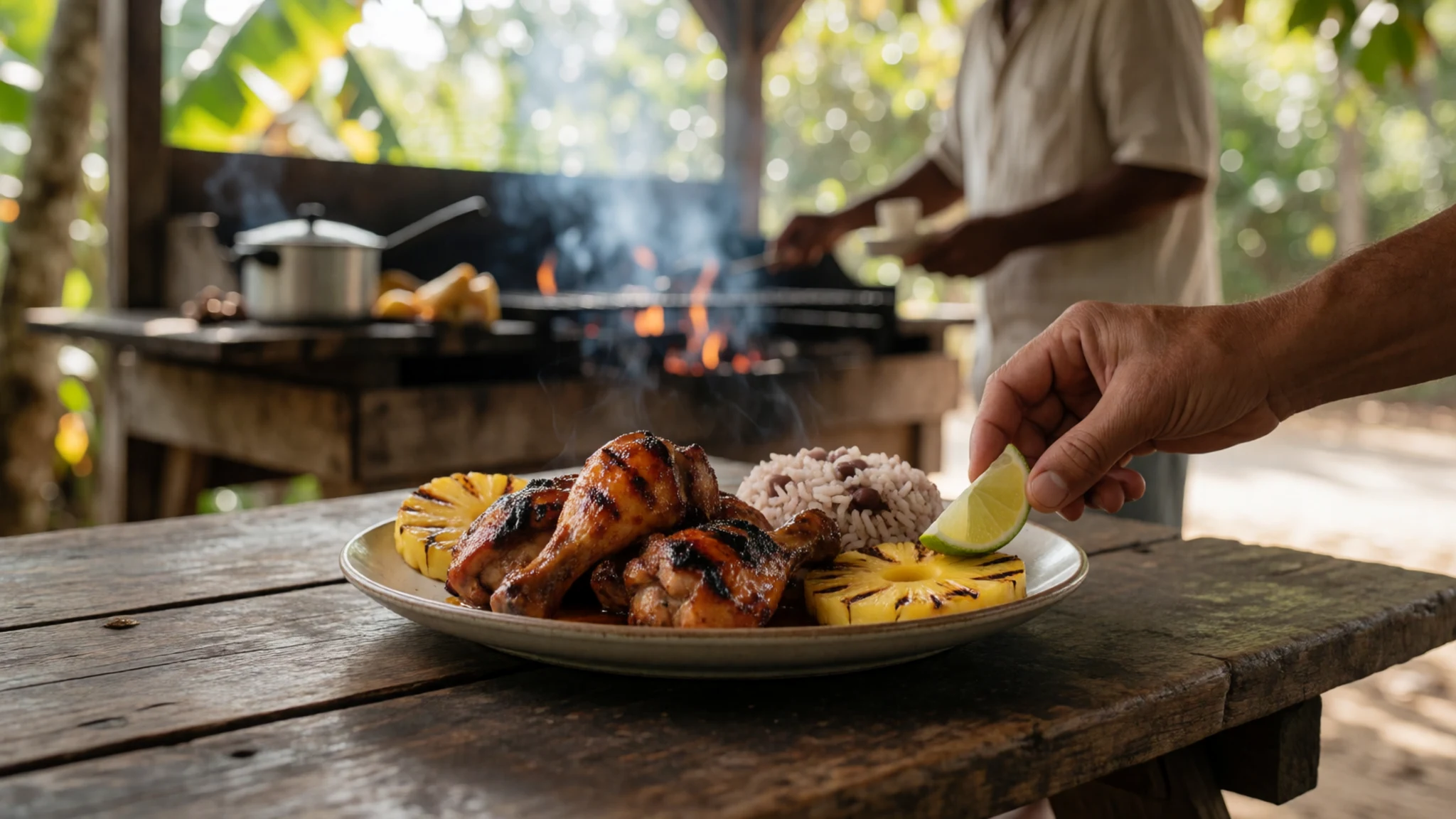
- Seafood meals — restaurants across Grand Cayman
Fish is highlighted as a local speciality, often paired with island-style flavours. Because Cayman is a sea-focused destination, seafood is easy to find for lunch or dinner—look for eateries that offer fresh fish options rather than only imported menus.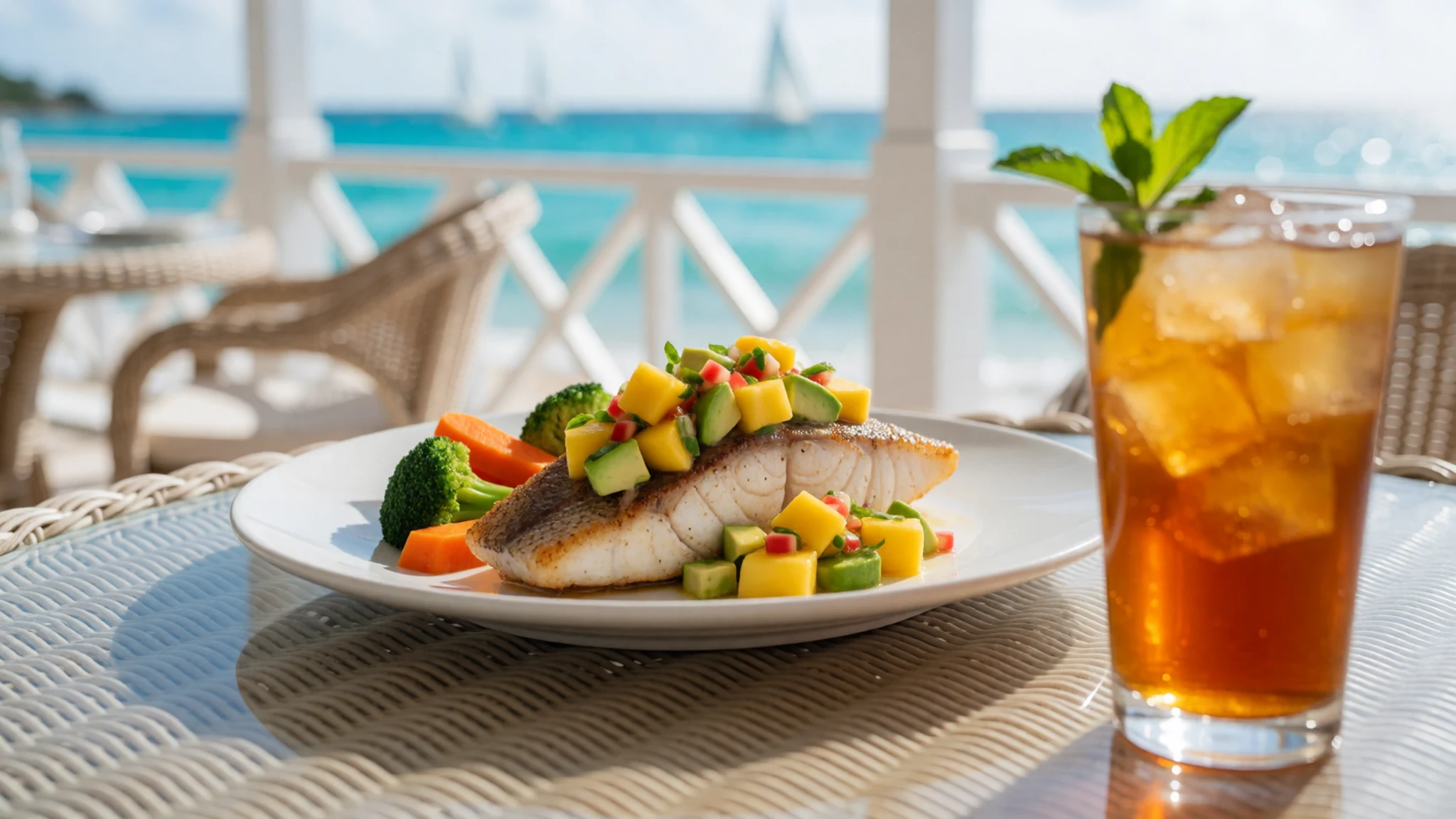
- Conch dishes — any casual Caribbean-style eatery
Conch is another named Cayman speciality. It tends to show up in Caribbean-inspired preparations, so ordering conch when it’s on the menu is a simple way to sample a local ingredient without hunting speciality shops. - Turtle (where offered as a local speciality) — local restaurants that feature Cayman specialities
Turtle is mentioned as one of the local specialities. If it appears on menus, it’s worth checking what form it comes in and whether there are any current local practices or ethical considerations you’d like to factor in. - Supermarket-and-barbecue style beach meals — supermarkets on Grand Cayman and condominium kitchens
Because accommodation may include kitchen facilities, many visitors handle food more casually by buying supplies and cooking. The source notes strong supermarkets, so a beach picnic or simple barbecue can be a good low-key alternative to eating out for every meal.
Plan it
Best time. March–April is comfortable for a beach visit, with late October–November also offering good conditions. June is the rainy season, while August tends to be hot and humid.
How long. 2-3
Getting there. Fly into George Town on Grand Cayman (main hub), then get to Rum Point by car or tour transport; most Cayman sights are reachable by bus, but a car is described as significantly more convenient.
Budget. mid
Tips
- Base plans around water time: book snorkel or stingray experiences when conditions suit and leave buffer for sea changes.
- If focusing on land sights, consider combining them with a day that starts earlier to reduce heat and crowd pressure.
- Bring cash for small purchases, and expect cards may not be the only option everywhere.
- If visiting turtle-related attractions, read recent reviews and decide based on animal-welfare concerns.
- During hurricane season (June to November), have travel insurance with hurricane coverage and keep alternative plans ready.
Etiquette
- Use polite greetings and respectful forms of address (Mr/Miss plus first name) in shops and during interactions.
- Avoid public displays of affection in public areas.
- Remember many stores stay closed on Sundays, so plan essentials accordingly.
Nearby
Sources
- Wikidata Q27347481 (CC0)
- Wikivoyage (rev 5418952) — Cayman Islands (CC BY-SA 4.0)
- Wikipedia (CC BY-SA 4.0)