Rozafa Fortress
Rozafa Fortress, Albania
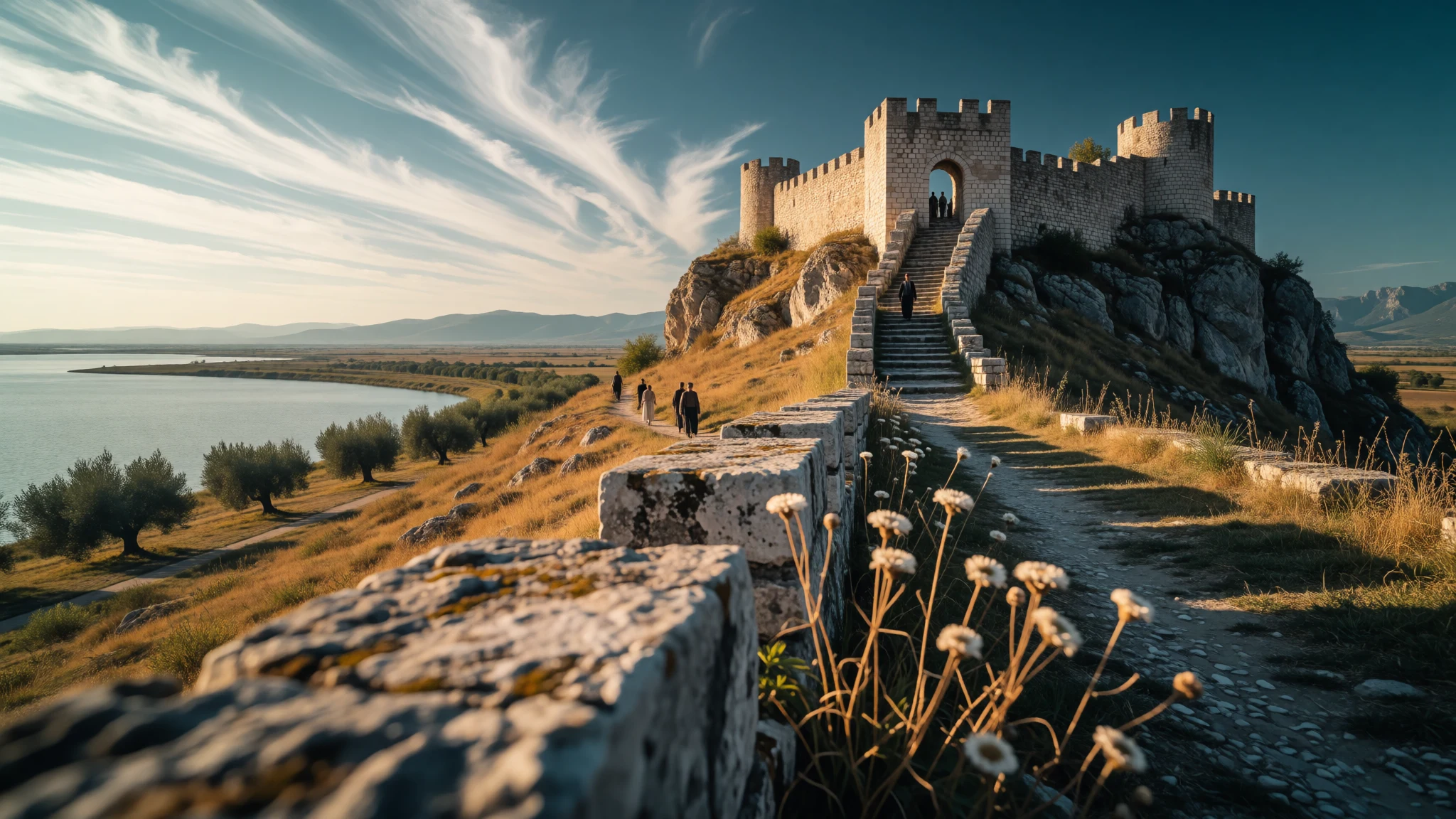
A rocky hill between two rivers, fought over by Illyrians, Romans, Venetians and Ottomans, with a legend of a woman walled into its ramparts.
The place
Rozafa Fortress stands on a rocky hill at the edge of Shkodër in north-western Albania, about 130 metres above sea level, with the Buna and Drin rivers curling around its base. The height is modest, but the land around it is so flat that the hill works as a natural lookout, which explains why so many rulers wanted it. Lake, plain, town and, on clear days, the northern mountains all open out from the walls.
What survives is mostly Venetian work laid over much older Illyrian foundations. Inside, the fortress is less one building than a broad, uneven hilltop of gateways, courtyards, cisterns, ramps and half-roofed halls in pale stone. A mosque and the ruins of a medieval church stand among them, there is a small museum, and grass pushes up between the paving. Nothing has been polished into a theme park, so loose stones and steep slopes are part of the experience.
Shkodër itself is a walkable, lively town. Streets and buildings have been renovated, a riverside promenade has opened and a new bridge crosses the Buna. It is often described as the cycling city of Albania, with cycle lanes and bikes to rent, and the castle sits at its edge, so pedalling out is a pleasant way to arrive. The beach is about 30 minutes away and the mountains about two hours, which makes the town a sensible base.
Crowds stay modest outside summer weekends. Heat on bare stone in July and August is real, and shade is scarce.
Its story
Rozafa Fortress has been a stronghold for most of the region's recorded history. People lived on the hill from the Early Bronze Age, and the oldest defensive walls date to the 4th–3rd century BCE, when it served as the citadel of Skodra, capital of the Illyrian Labeatae. Their king Gentius made his last stand here against Rome. Shut inside, he waited for his brother to bring a relief army that never arrived, and he surrendered in 168 BCE. Livy described the triumph that followed in Rome.
Skodra remained a town of importance under Roman rule. In the Middle Ages it passed to Venice, whose builders strengthened the hill as a frontier post; the ruins of a 13th-century Catholic church inside the walls date from that period. In 1479 the city surrendered to the Ottoman Empire, and a mosque was later added within the fortress.
Older and darker is the legend locals tell. Brothers building the walls found that whatever they raised by day collapsed by night. An old man told them the stones would hold only if one of their wives was walled into the foundations, and they agreed it would be whichever wife brought the next meal. The brothers quietly warned their own wives, but Rozafa, the youngest, arrived unaware. She accepted her fate and asked only that an eye, a breast and a hand be left outside, so she could still watch, feed and touch her baby son. The wall held. In some tellings the stone below still seeps white water.
What to see
- The ramparts and gateways — Rozafa Fortress hilltop
The ramparts are the main event: broad stone walls and gateways, mostly Venetian, climbing a rocky hill above the Buna and Drin. Allow time for the full circuit and the views over lake, plain and town. Surfaces are uneven and shade is scarce, so wear sturdy shoes and carry water.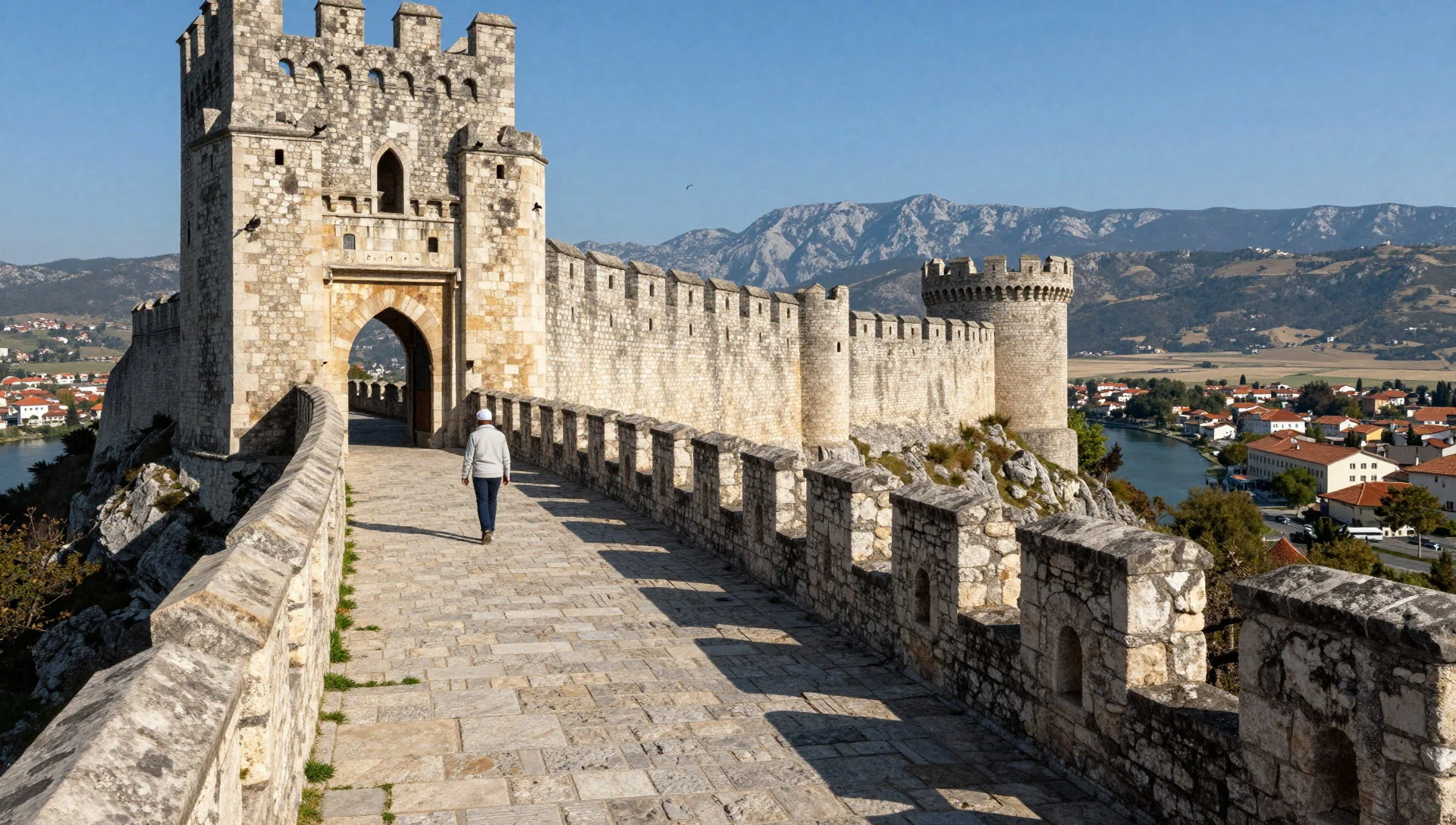
- Mosque and church ruins — Inside the fortress walls
Within the walls, an Ottoman-era mosque stands close to the ruins of a 13th-century Venetian Catholic church, so two eras of faith share one hilltop. The mosque looks best in the low light before sunset. Check locally on whether interiors are open, and treat both as places of worship.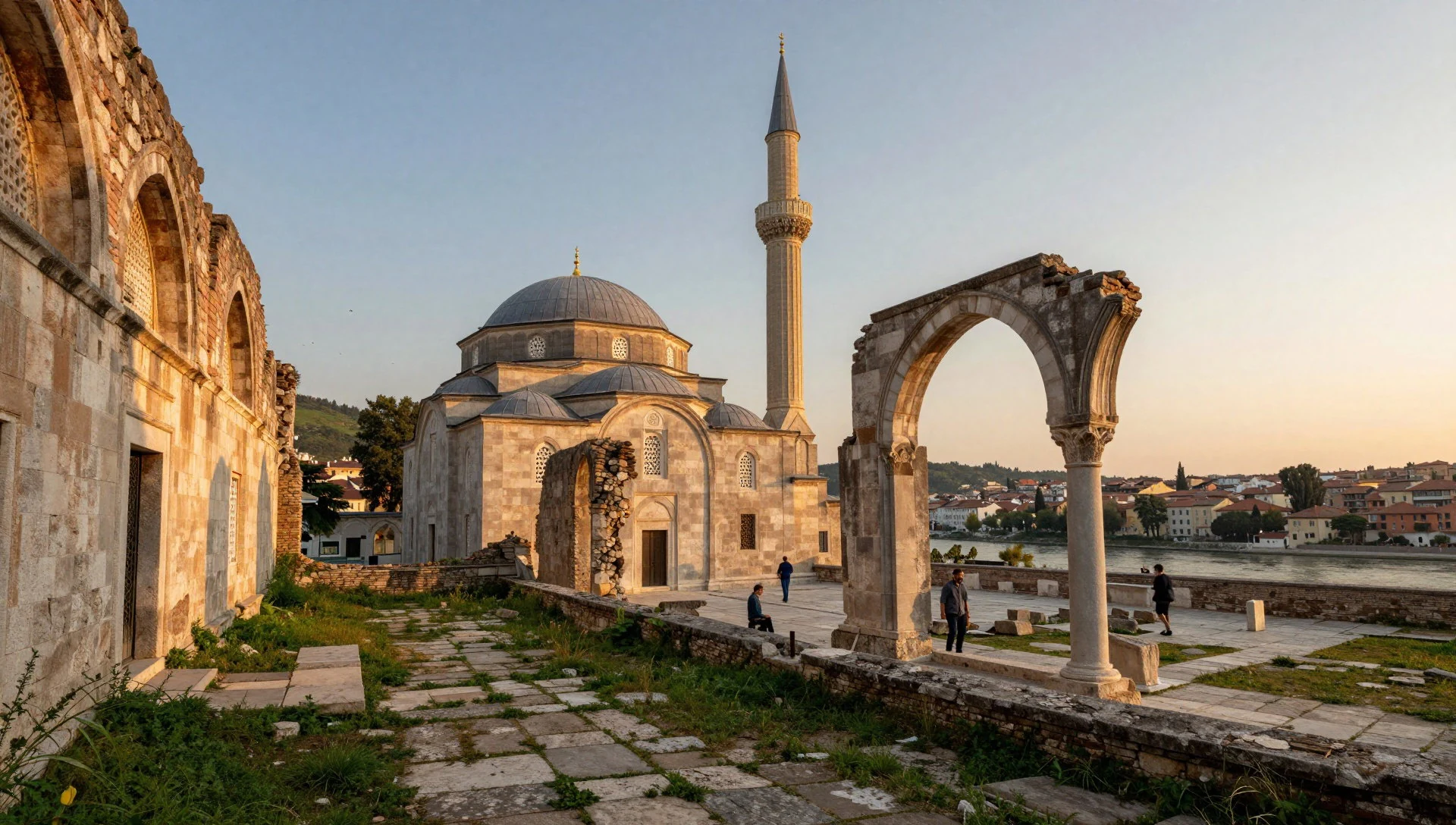
- Shkodër Historical Museum — Shkodër town centre
A traditional Shkodran house holds this museum, which gathers objects from everyday life in the area, along with paintings and handicrafts. It is a good stop for putting the fortress in context, and the building is part of the story. Check opening days locally before going.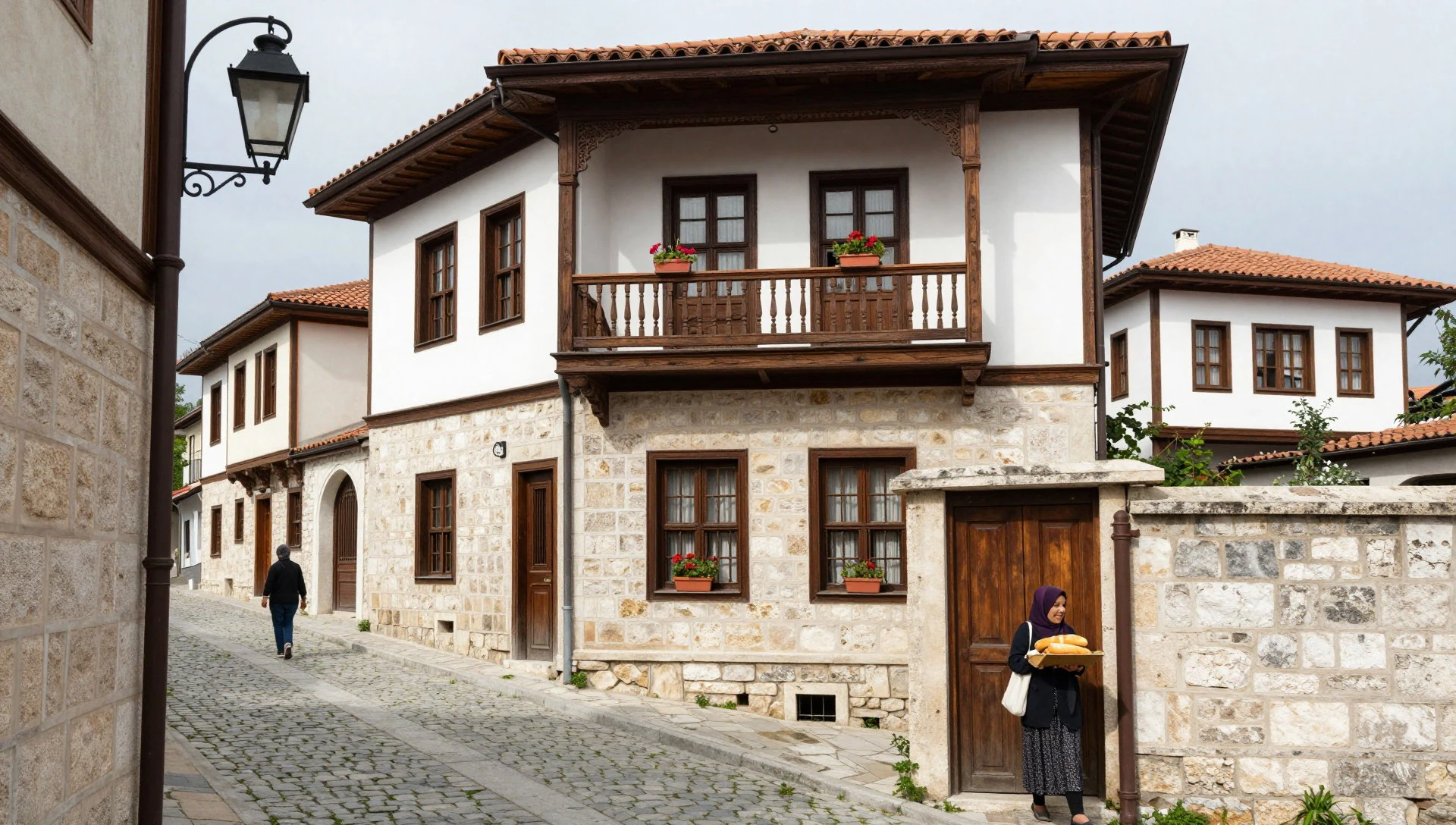
- Marubi National Museum of Photography — Shkodër town centre
This museum is devoted to photography, and its core comes from the Marubi family, who worked across several generations. Their pictures record how Shkodër and Albania changed. For anyone curious about faces, streets and clothing from earlier times, it is a quiet, rewarding stop on a hot afternoon.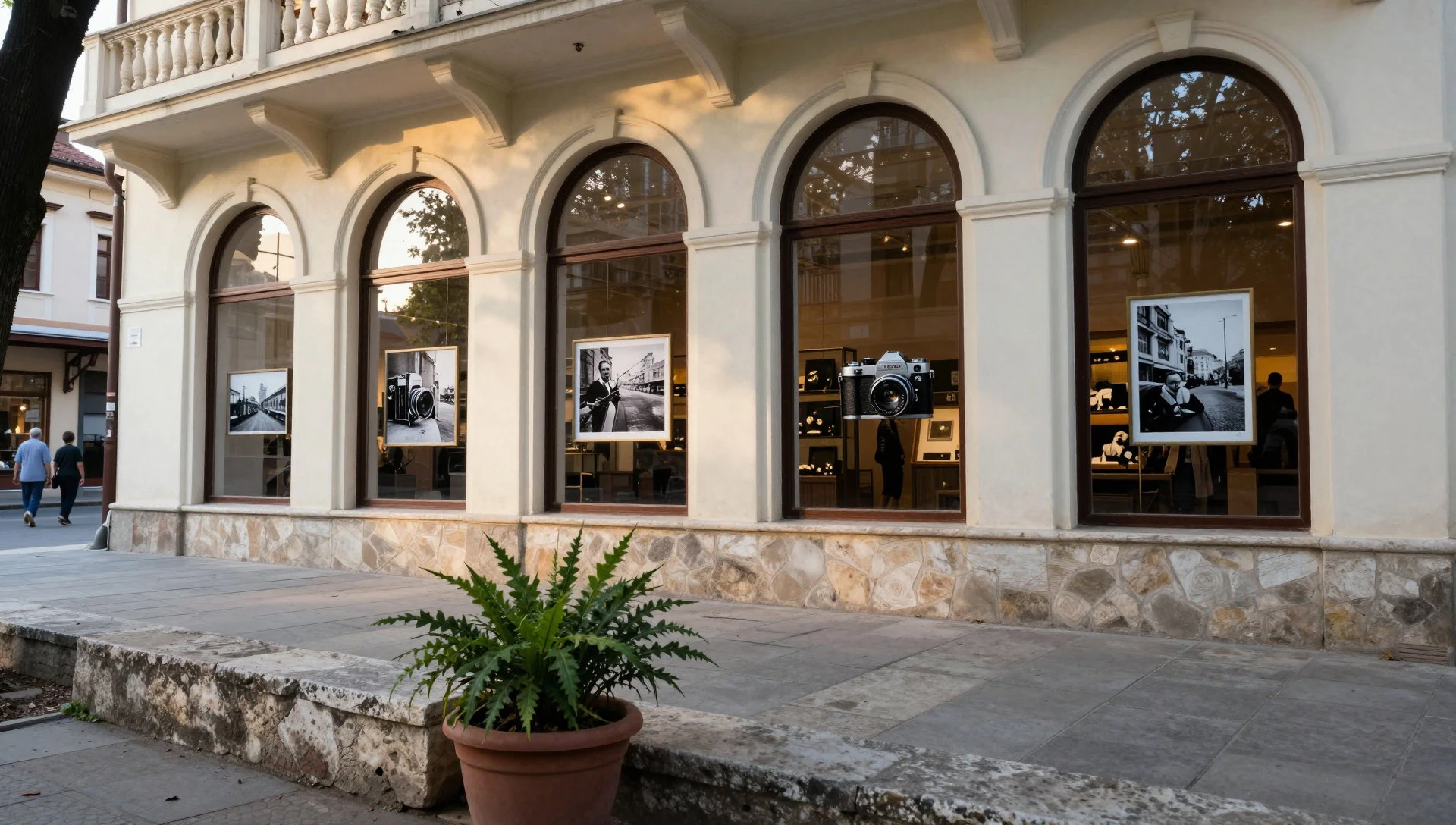
- Lake Shkodra — West of the fortress, towards Shiroke
Lake Shkodra lies just west of the fortress and is easy to reach by bike along the city's cycle paths, crossing the old Buna bridge and following the river. A taxi to the village of Shiroke also works. Bring a hat, because the shoreline is open and sunny.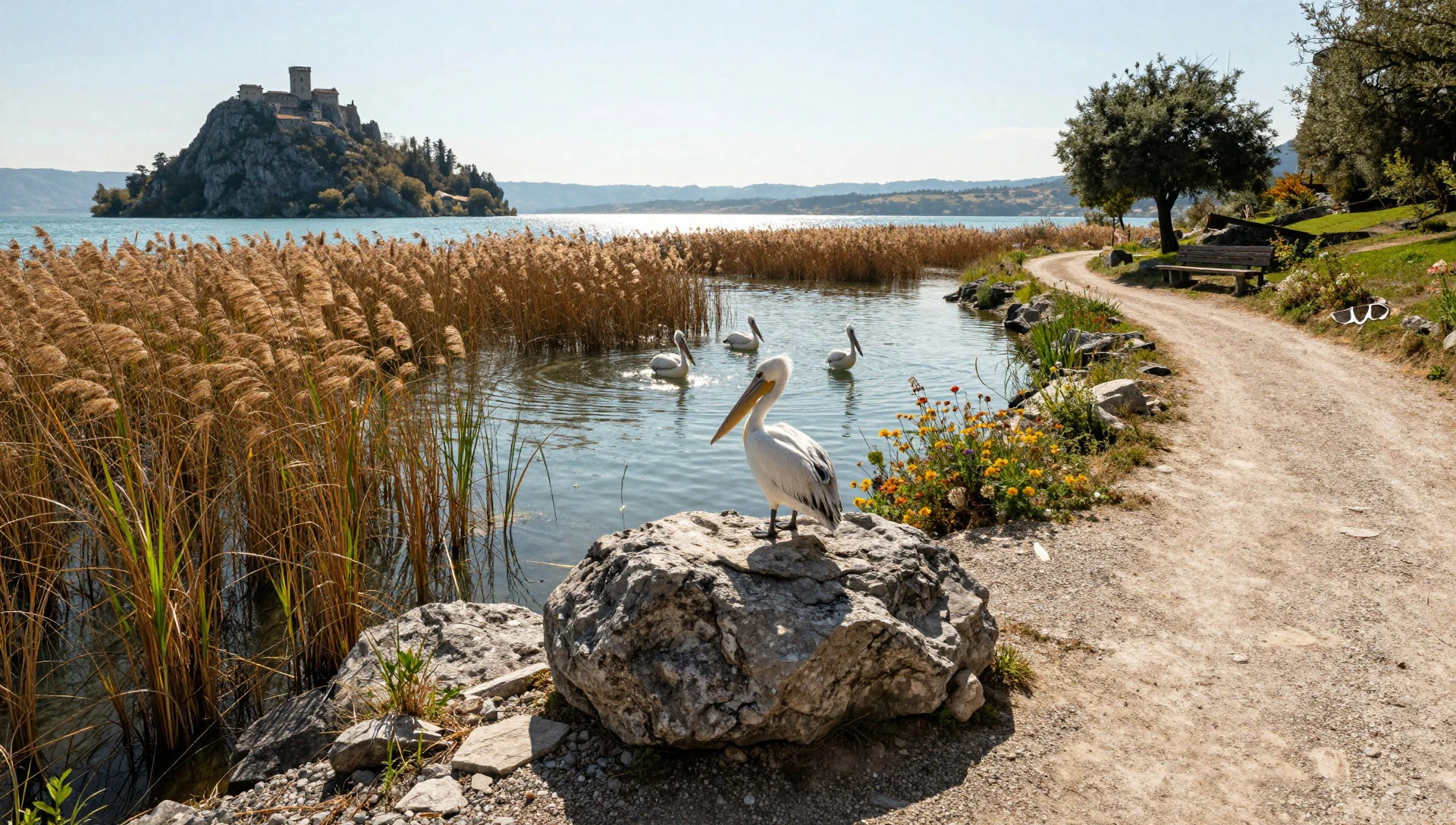
Culture
Rozafa Fortress is tied to a legend that many people in Shkodër can tell: the woman walled into the foundations so the castle could stand. It is told with sorrow rather than horror, and Rozafa is remembered as a figure of loyalty, motherhood and sacrifice. Locals tend to see the hill through that story as much as through its Illyrian, Venetian and Ottoman layers.
Shkodër has long been a cultural and economic centre of the north, and its pride shows in places like the Marubi photographic archive and the old houses turned into museums. The city has both Catholic and Muslim communities, and the hilltop reflects it, with a ruined medieval church beside a mosque.
Daily life runs on cafés and conversation. Coffee is slow, hosts are generous, and in the early evening the main streets fill for the xhiro, the evening stroll where families and friends walk, stop and talk. Cycling is normal here, so expect bikes in the street and on the riverside paths.
If the mosque inside the fortress is open to visitors, cover your shoulders and knees, remove your shoes at the door and keep your voice low.
What to wear
Rozafa Fortress sits in the north of Albania, where traditional dress was shaped by mountain life and sheep farming. Men's costume centres on the white felt cap, the qeleshe, with close-fitting woollen trousers trimmed in dark braid and an embroidered waistcoat. Women of the northern highlands wore the xhubleta, a bell-shaped skirt of felted wool hung from the waist, worn with embroidered waistcoats, aprons and silver jewellery. Today these garments appear mostly at weddings, folk festivals, on stage and in museum displays.
Everyday dress in Shkodër looks much like any European town: jeans, shirts, dresses, and a little extra smartness for the evening xhiro, when the main streets fill. Cyclists and hikers in technical gear draw no comment.
For the fortress, think terrain and sun. Wear closed shoes with grip for worn stone and steep ramps, a hat and sunscreen from late spring to early autumn, and a light layer for breezy ramparts in spring and autumn. Winter days can be wet and cool, so bring a waterproof. If you plan to enter the mosque, cover shoulders and knees, and carry a light scarf, as women may be asked to cover their heads.
What to eat
- Lake fish — Fishing villages on Lake Shkodra, such as Zogaj, where boats bring in the catch
Fish from Lake Shkodra, usually grilled or fried whole and served with salad, lemon and bread. The best places buy straight from the fishermen, which is the appeal of the lakeside villages, a short taxi ride from town.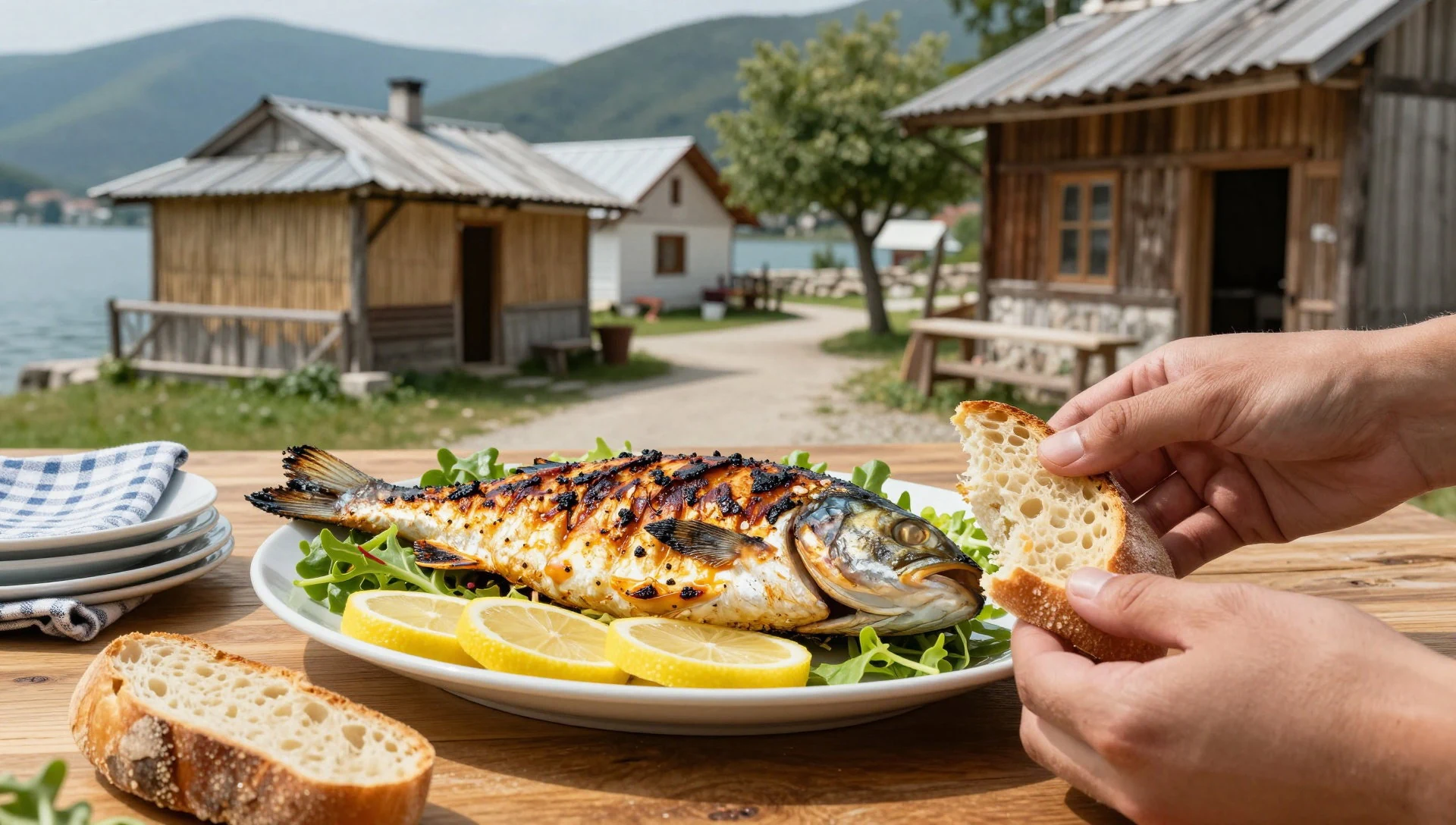
- Tavë kosi — Traditional eateries in the town centre
Baked lamb under a set topping of yoghurt and egg, golden on top and rich underneath. It is a comforting dish found across Albania, served bubbling in its dish and best mopped up with fresh bread.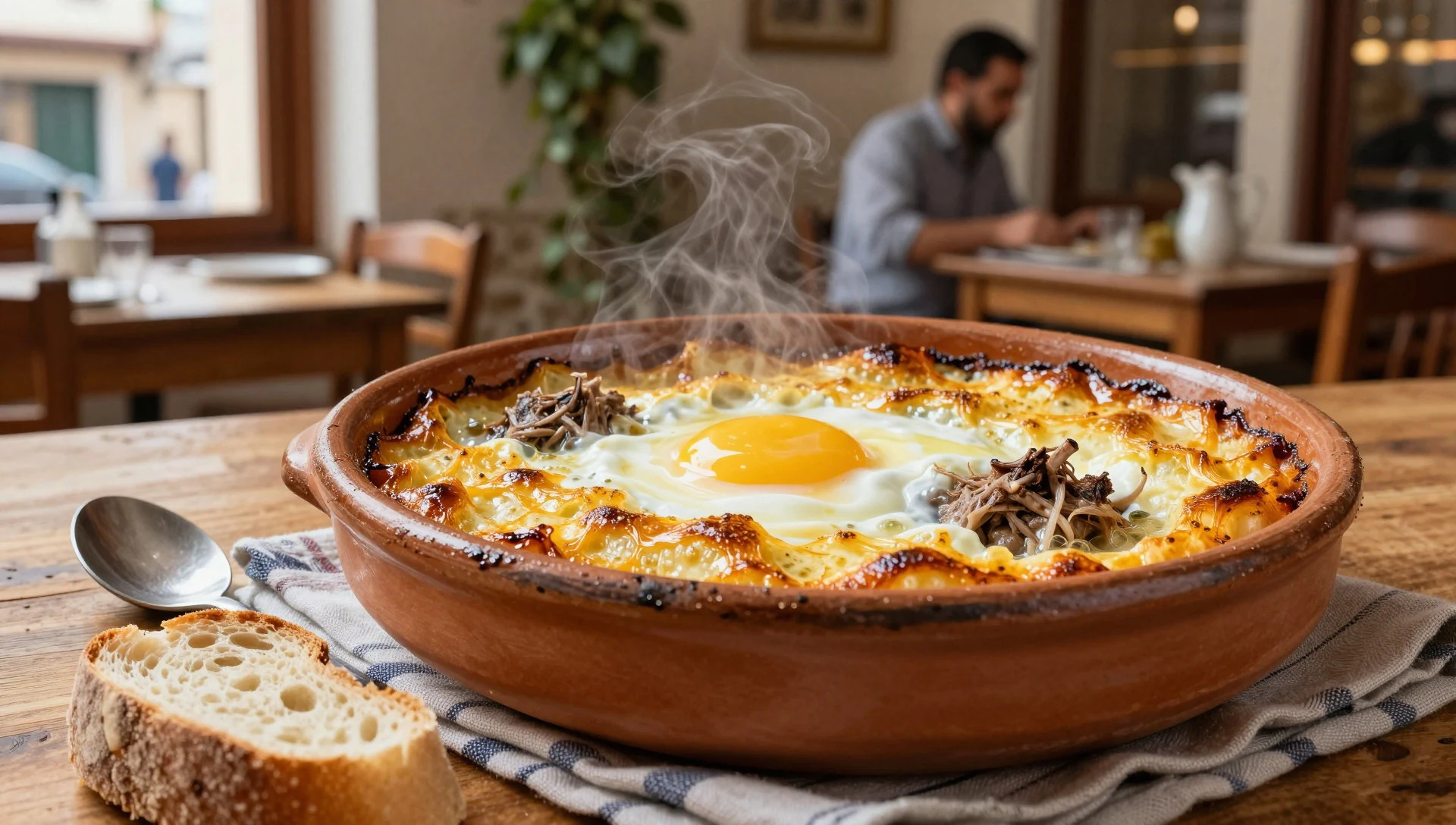
- Byrek — Bakeries and snack counters around the central streets
Flaky layered pastry filled with cheese, spinach or minced meat, eaten hot at breakfast or as a quick snack. It is cheap, filling and easy to carry up to the fortress, and often comes with a glass of yoghurt drink. - Qofte — Grill eateries and Albanian-style cafés near the centre
Grilled, spiced meatballs served with chips, salad or bread. It is simple, quick fare that suits a lunch between the fortress and the museums, though busy places fill up around midday. - Fërgesë — Traditional Shkodran eateries
A baked dish of peppers, tomato and soft cheese, sometimes with meat, served hot with bread. Vegetarians often find it one of the easier traditional choices on the menu, and it works well with a cold drink.
Plan it
Best time. April–May and September–October, when walking the exposed ramparts is comfortable; July and August are hot with little shade, and winter can be wet and cool.
How long. 1–2
Getting there. Fly to Tirana International Airport, then take a bus or minibus to Shkodër (about two hours, 116 km); most arrive at Sheshi Demokracia in the centre, from where the fortress is a short taxi ride or a walk across town. From Montenegro, buses run from Ulcinj, or take taxis either side of the border crossing at Muriqan.
Budget. low
Tips
- Go early or in the last hour of daylight, as midday sun on bare stone is punishing in summer
- Wear shoes with good grip, as ramps and steps are worn and uneven
- Carry water, since shade is limited on the hilltop
- Check locally for opening times and entry fees, and keep some cash for taxis and small cafés
- Pair the fortress with a bike ride to Lake Shkodra along the river paths
Etiquette
- Treat the mosque and church ruins as places of worship, and dress modestly if you go in
- Do not climb on fragile walls or ruins for photographs
- Ask before photographing local people
Nearby
Sources
- Wikidata Q60491 (CC0)
- Wikipedia: Rozafa Castle (rev 1373157992) (CC BY-SA 4.0)
- Wikivoyage: Shkodër (rev 5426954) (CC BY-SA 4.0)
- Photo: Fatih Sultan Mehmet Mosque in Rozafa Castle, July 2013 (Bdx) (CC BY 3.0)
- Photo: Albania Shkoder (Betim Konjuhi) (CC BY-SA 4.0)
- Photo: Rozafa Castle, Shkodër 0328 (CC BY 3.0)
- Photo: Rozafa Castle, Shkodër 0263 (CC BY 3.0)
- Photo: Shkoder Castle 4 (Ivan Koev) (CC BY-SA 4.0)
- Photo: Rozafa Castle, Shkodër 0341 (CC BY 3.0)
- Photo: Shkodra, the fortress, 1863 (Josef Székely) (Public domain)
- Photo: Rozafa Castle (Talha Çakır) (CC BY 3.0)


