Risnjak National Park
Risnjak National Park, Croatia
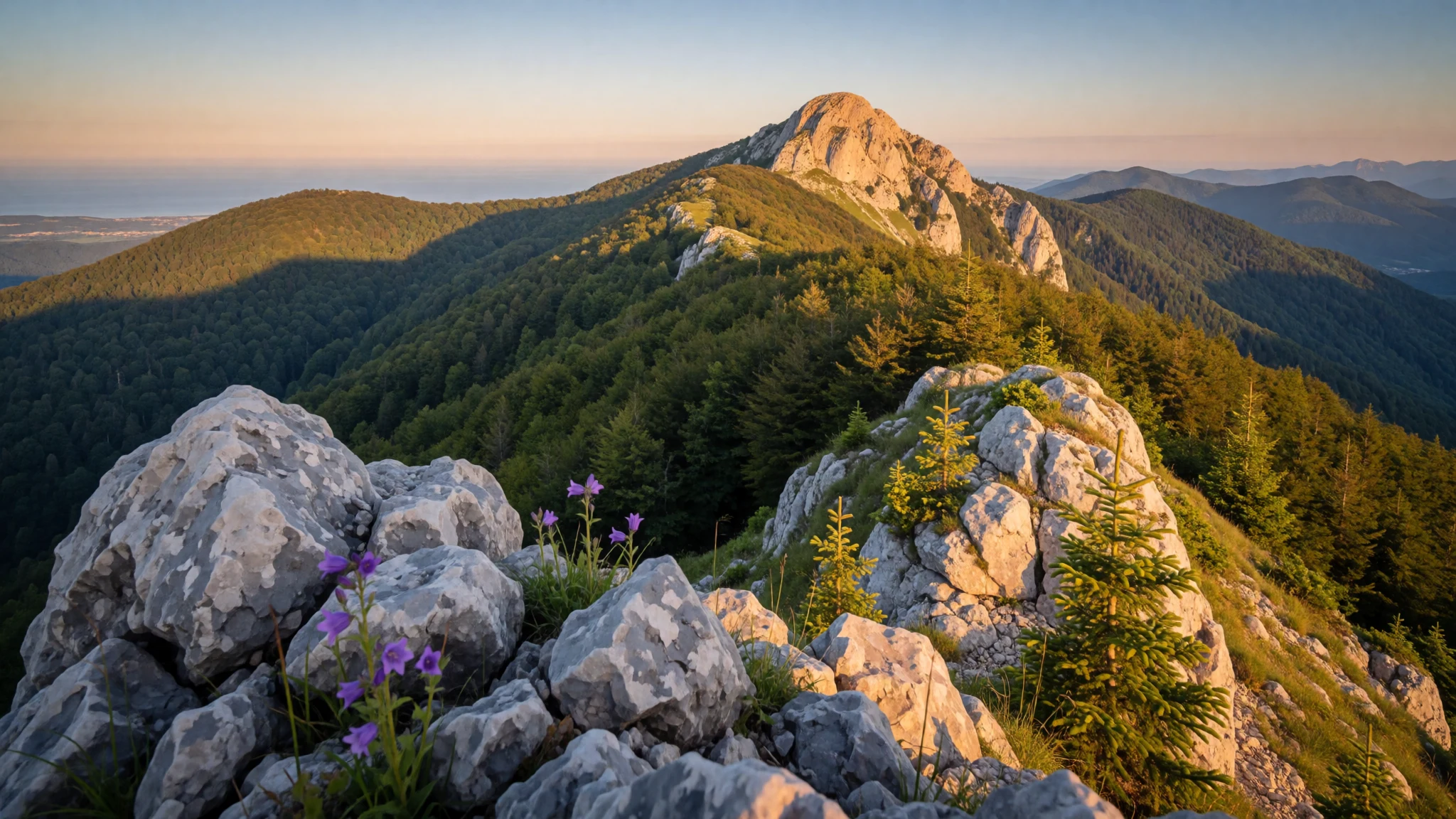
Risnjak National Park offers forested limestone ridges, a river born from a spring, and quiet walking a short drive from the Adriatic coast.
The place
Risnjak National Park sits in Gorski Kotar, the mountainous, densely forested belt of Croatia, only about 15 km inland from the Adriatic. Its 63.5 square kilometres take in the central Risnjak massif, the neighbouring Snježnik massif and the headwaters of the river Kupa. The administration and visitor centre are in Crni Lug, a village on the park's eastern edge, which is the practical starting point for most trips. The high point is Veliki Risnjak at 1528 m, while the area around the Kupa spring, at 313 m, is the low point, so the park climbs and drops through a surprising range of habitats in a short distance. Geologically this is limestone and dolomite country, part of the northern Dinaric Alps. Rain vanishes into the porous rock, so streams on the surface are few; instead there are sinkholes, caves, fissured bare rock and tumbled boulders. The ridge also divides waters that run to the Adriatic from those that reach the Black Sea. The mountains are modest in height, yet they form a real barrier between the coast and the continental interior, and weather can change sharply from one side to the other. The park lies within Primorje-Gorski Kotar county and is shared between Čabar, Delnice and Jelenje, with a few villages inside the boundary, so it is a lived-in landscape as well as a reserve.
Its story
Risnjak National Park owes its protection to a long line of botanists. A botanist from Budapest, Joseph Standler, made the first recorded scientific visit in 1825, and others followed him up the mountain. The best-known nineteenth-century explorer was Josip Schlosser, who published widely on the plants of Risnjak; a mountain lodge near the summit, Schlosserova kuća, carries his name today. Climbers arrived later. The alpine club of Rijeka organised the first mountaineering outing, and the first refuge in the area was built in 1932. The call for formal protection came in 1949 from another botanist, Ivo Horvat. The parliament of what was then the Socialist Republic of Croatia reserved a block of land around the summit, though in 1956 the protected area was cut back and only part of it kept under the strictest rules. The facts record the park's founding as 1959. A larger change came in 1997, when the Croatian parliament voted to enlarge the park to its present size. That vote brought in the Snježnik massif and the source of the Kupa, and for the first time it also placed inhabited ground inside the boundary: the villages of Razloge, Razloški okrug and Krašćevica. The result is a park where scientific curiosity, mountaineering and ordinary village life have all left a mark, and where the rules still reflect decades of argument over how much land to protect.
What to see
- Veliki Risnjak summit — Central massif
Veliki Risnjak is the park's high point at 1528 m, reached on a long day walk from the Crni Lug side. The route climbs through beech and fir forest before opening onto bare limestone. Start early, carry water and check the weather first, because conditions on the ridge differ from the valley.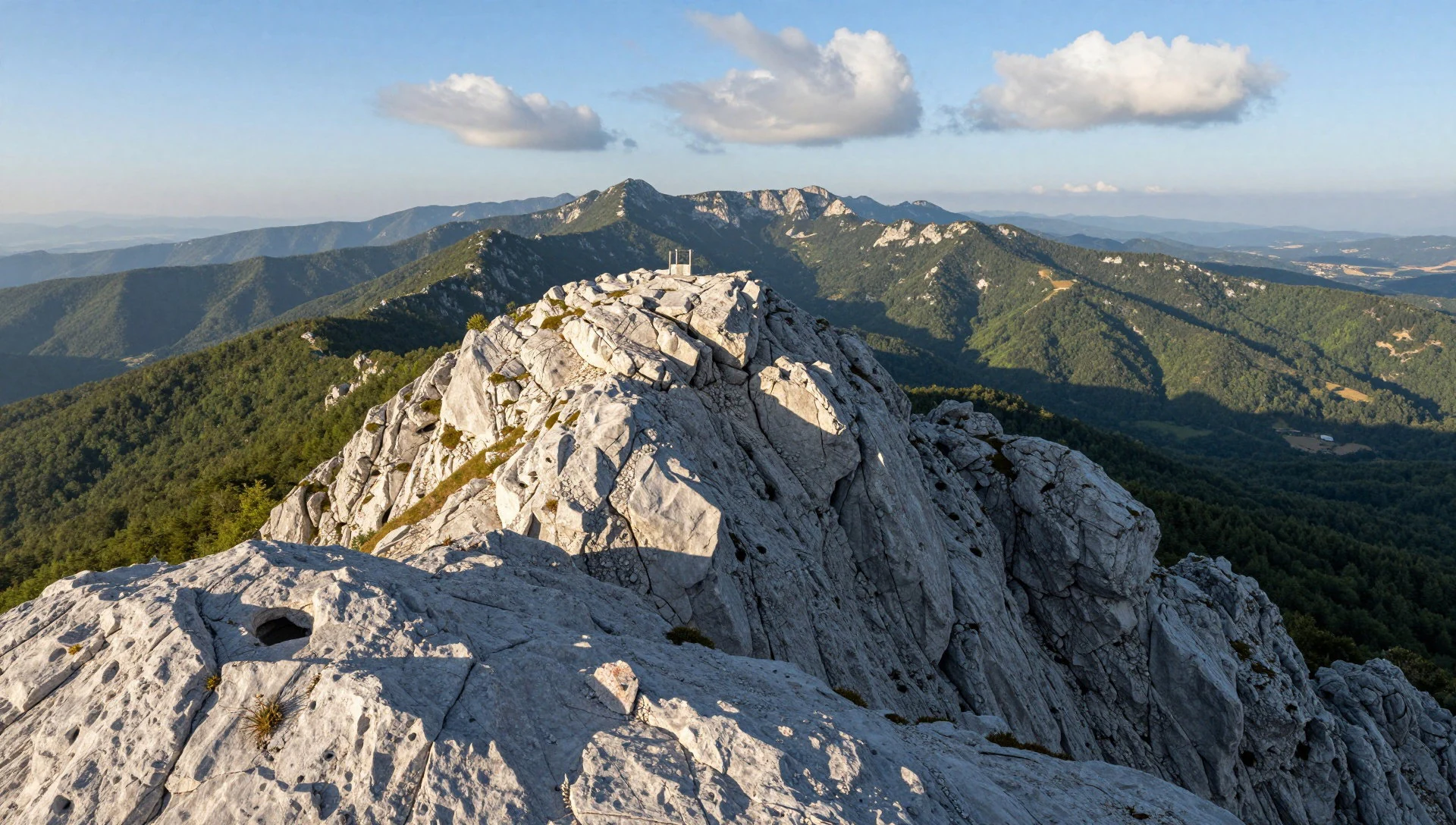
- Source of the Kupa — Razloge area, western park
The Kupa rises from a spring at the lowest part of the park, 313 m above sea level. Water emerges clear and cold from the limestone, then begins a long journey towards the Black Sea. A short, easy walk reaches it, which makes it a good option for families and for wet days.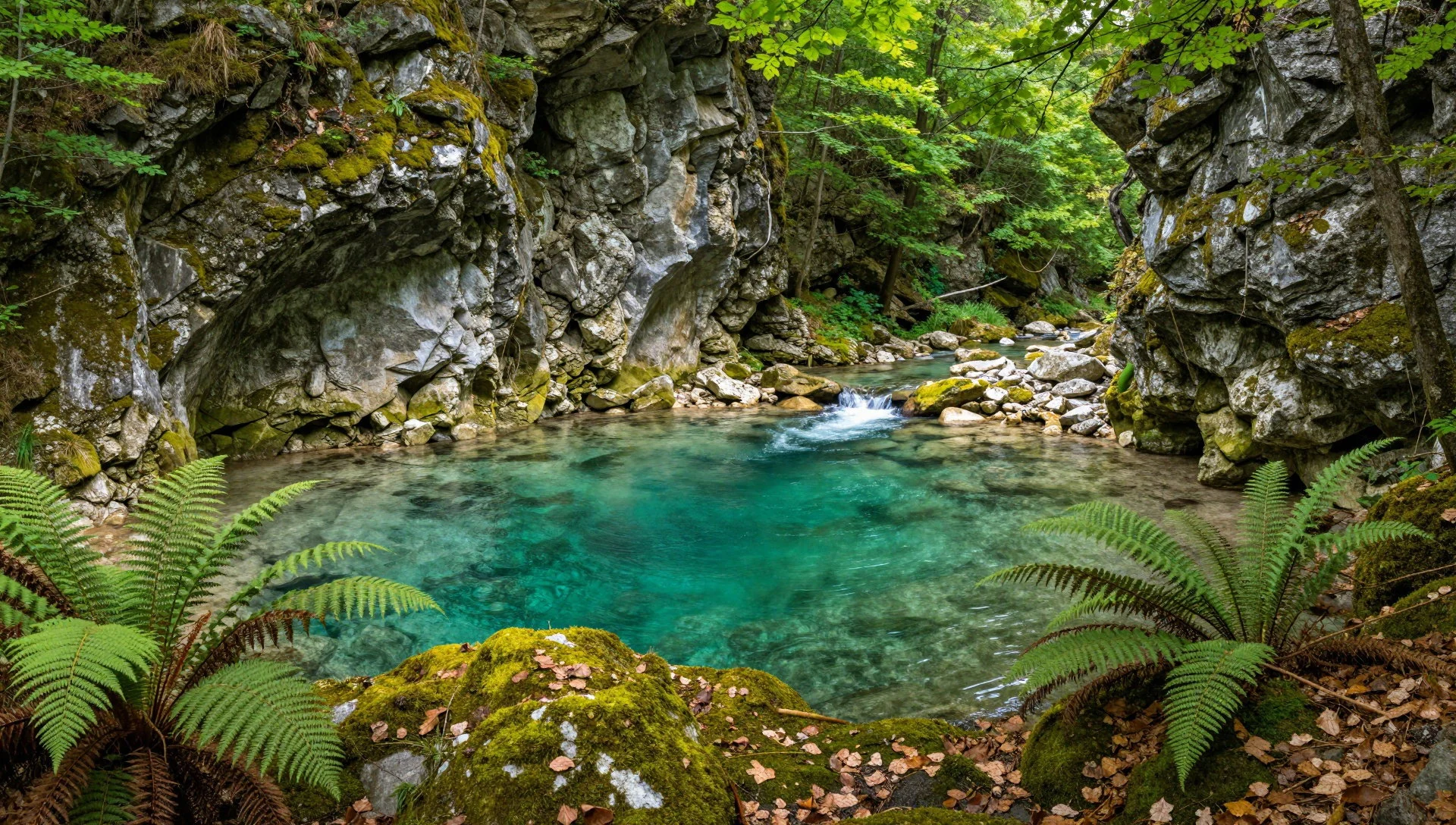
- Schlosserova kuća mountain lodge — Below the summit
This mountain lodge sits on the slopes below Veliki Risnjak and is named after the botanist Josip Schlosser. It works as a waymark and rest point for walkers heading to the top. Opening arrangements change with the season, so check the park's official site before planning a stop.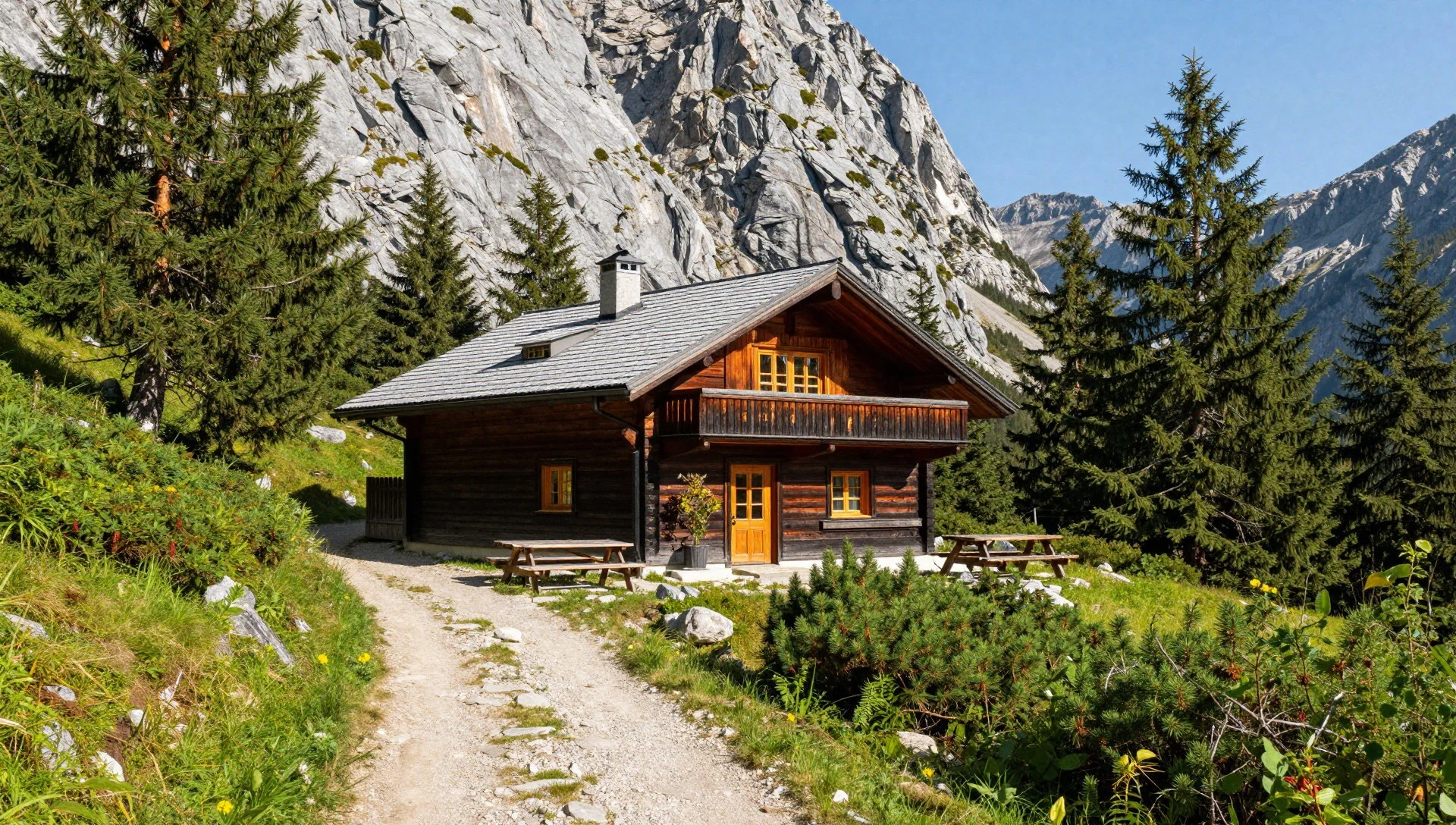
- Crni Lug visitor centre — Eastern edge of the park
Crni Lug is the village where the park administration and visitor centre are based. It makes the most sensible first stop: staff can explain which trails are open, what the weather is doing and how long the routes take. Pick up a trail map here before heading into the forest.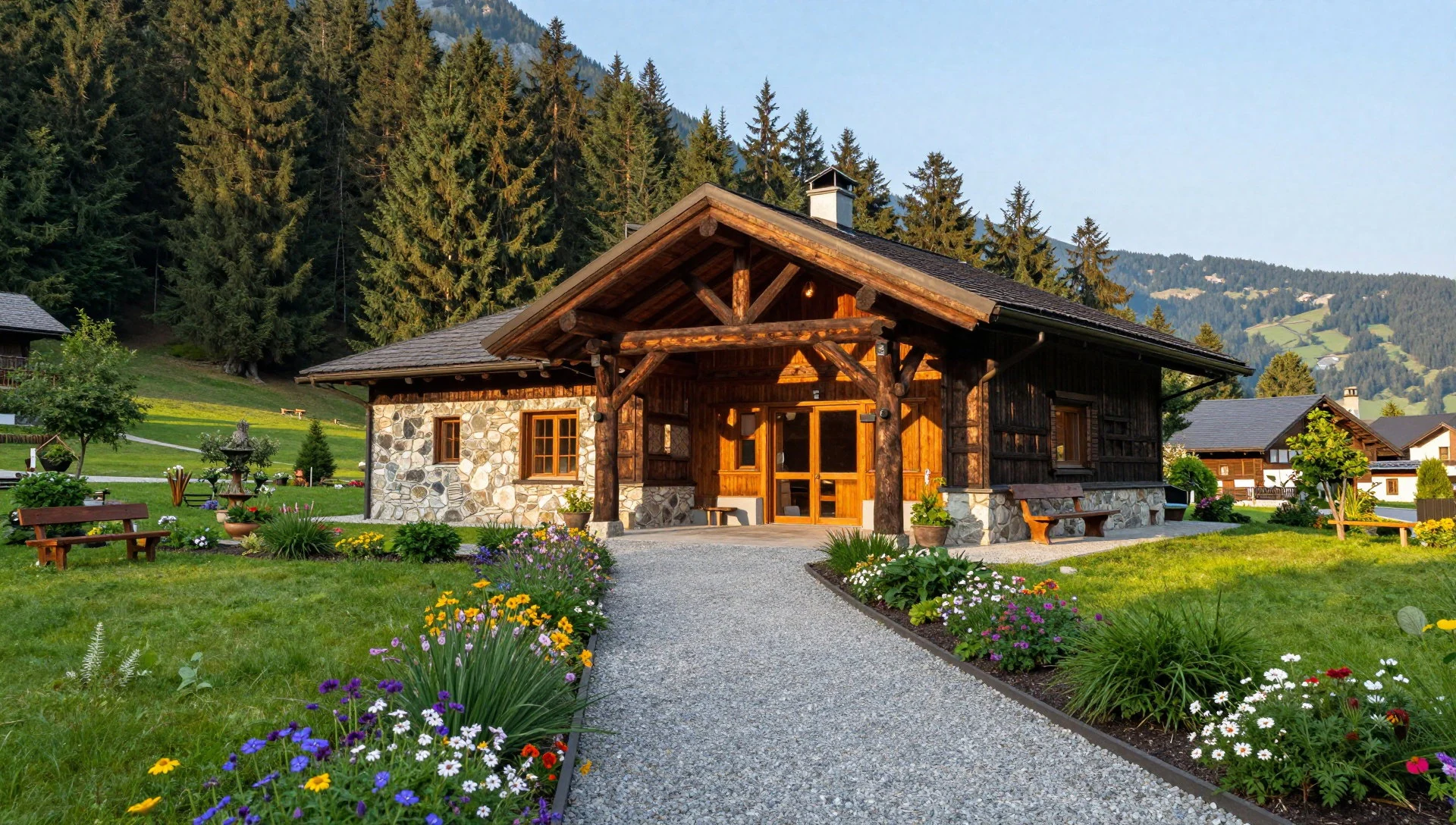
- Razloge and its meadows — Western park, inhabited villages
Razloge is one of the villages brought inside the park boundary when it was enlarged. Its cleared meadows, fringed by dark forest, show how people and woodland share the ground in Gorski Kotar. It suits a slow walk with photographs rather than a summit push.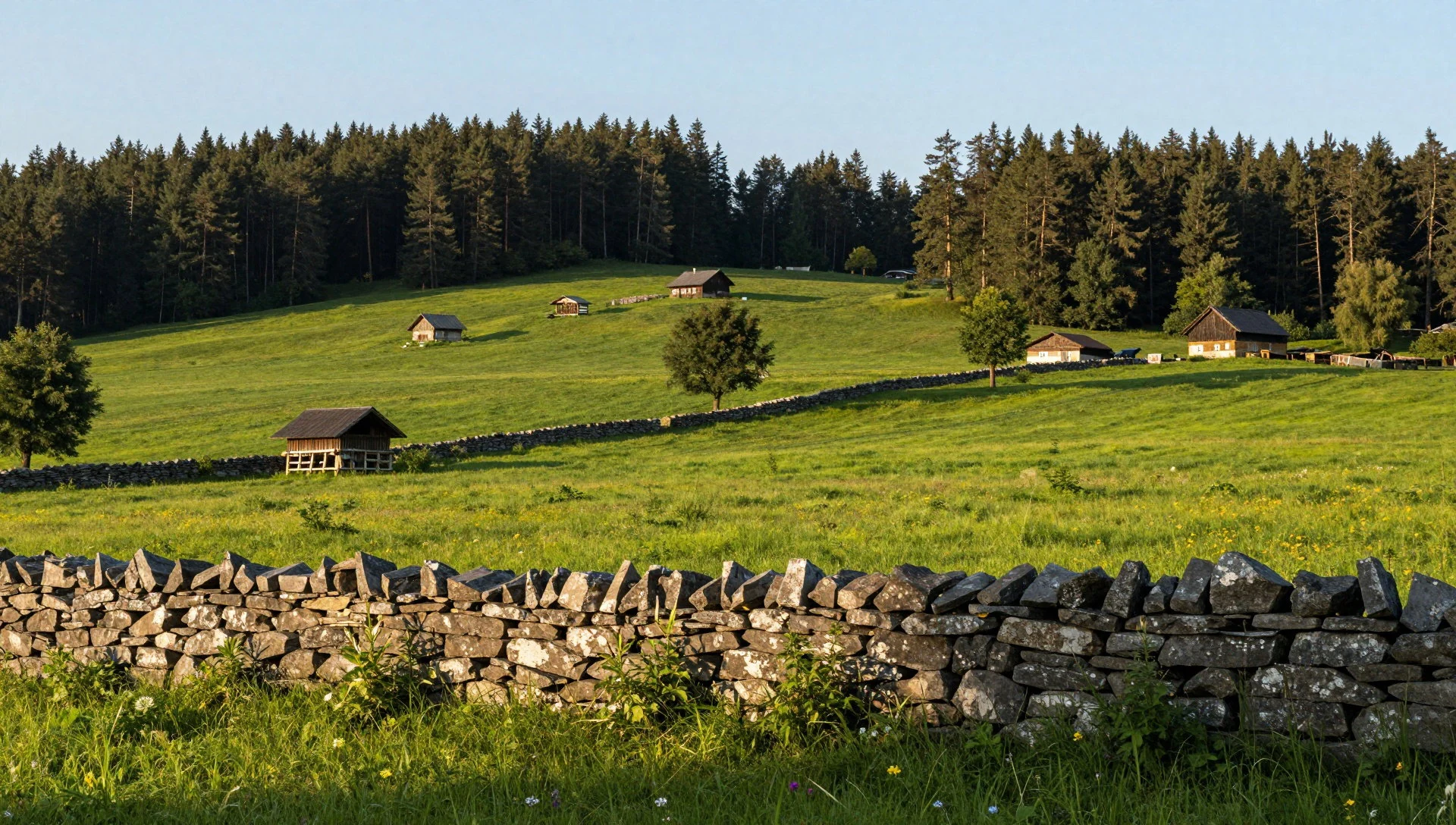
- Forest walks and lynx country — Throughout the park
Much of the park's appeal is simply walking under old beech and fir. The Eurasian lynx is linked with these mountains, though sightings are rare and should be treated as luck, not a promise. Walk quietly, keep to marked paths and leave wildlife alone.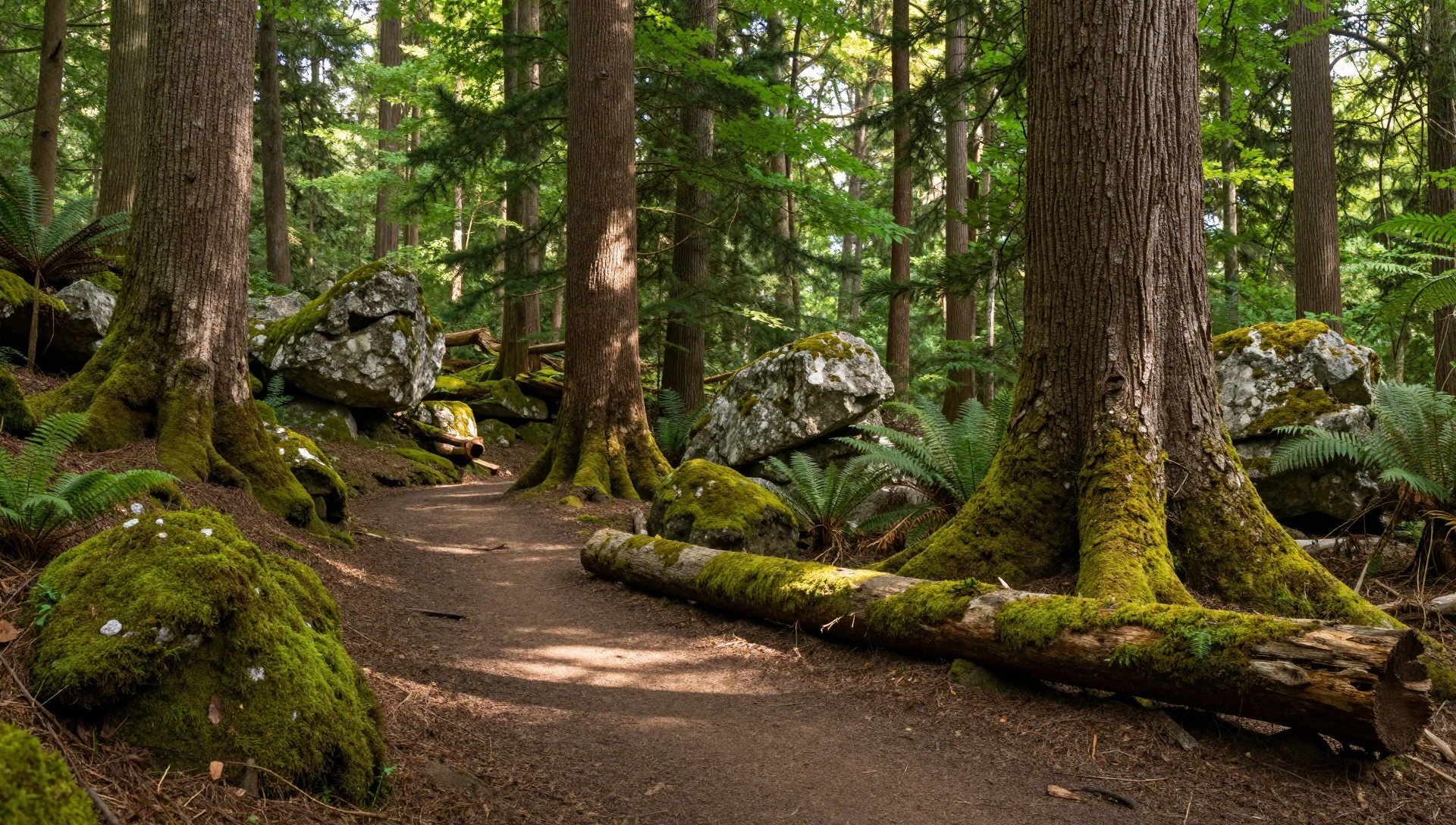
Culture
Risnjak National Park lies in Gorski Kotar, a region whose culture is shaped by forest, mountain weather and a long habit of making a living from the land. Croatia as a whole has been crossed by many powers over the centuries, among them Greek, Roman, Ottoman and Austro-Hungarian, and more recently Yugoslavia. The country is proudly independent now, and its history is a living subject. The war that followed independence remains painful for many people, so it is best to raise it only if a local does, and to listen more than to comment. Calling Croatia a part of Yugoslavia, or Croats Yugoslavs, can cause real offence. The same goes for calling the Croatian language Serbo-Croatian, which some people feel strongly about. Visitors from Western Europe tend to meet more patience on these topics than visitors from other parts of the former Yugoslavia or the former Soviet bloc, though courtesy is the safest policy for everyone. Inside the park, the culture of conservation is as visible as any local tradition: botanists and mountaineers helped win protection, and rangers and villagers now share the work of keeping it. Villages such as Razloge are real communities, not exhibits, and the pace outside the visitor centre is quiet. In the villages and on the trails, greet people politely, stay on the marked paths and take every scrap of litter back out with you.
What to wear
Risnjak National Park sits in a region where traditional dress, known in Croatian as narodna nošnja, varies from place to place but is typically built from linen, hemp and wool, with embroidery marking the finer pieces. It is worn today mainly at folk festivals, weddings, church feast days and performances by local cultural societies, not in daily life. For detail on the Gorski Kotar styles, local museums and the visitor centre are better guides than a general summary. What people actually wear now is practical mountain clothing: fleeces, waterproof jackets, walking trousers and sturdy boots in the hills, and ordinary jeans and shirts in the villages and towns. Visitors should dress for the terrain and the weather, not for any formal code. The ground is limestone, often rough, loose or slippery when wet, so boots with a firm grip and ankle support are worth packing. Temperatures drop with height and the weather can turn quickly, so carry a warm layer and a waterproof even in summer, and add a hat and gloves outside the warm months. Snow falls in winter, as the park's winter photographs show, and that calls for proper winter footwear. A sun hat and sun cream help on exposed ridges in summer. Village churches have no special demands beyond modest, tidy clothing, so covered shoulders are a sensible habit if you step inside one.
What to eat
- Game stew — Family-run village eateries around Delnice, Crni Lug and the park's edge
Venison, boar and other game turn up in stews throughout Gorski Kotar, slow-cooked with onions, wine and herbs. The dish suits cold mountain evenings, and portions are generous. Ask what is in season rather than expecting a fixed menu.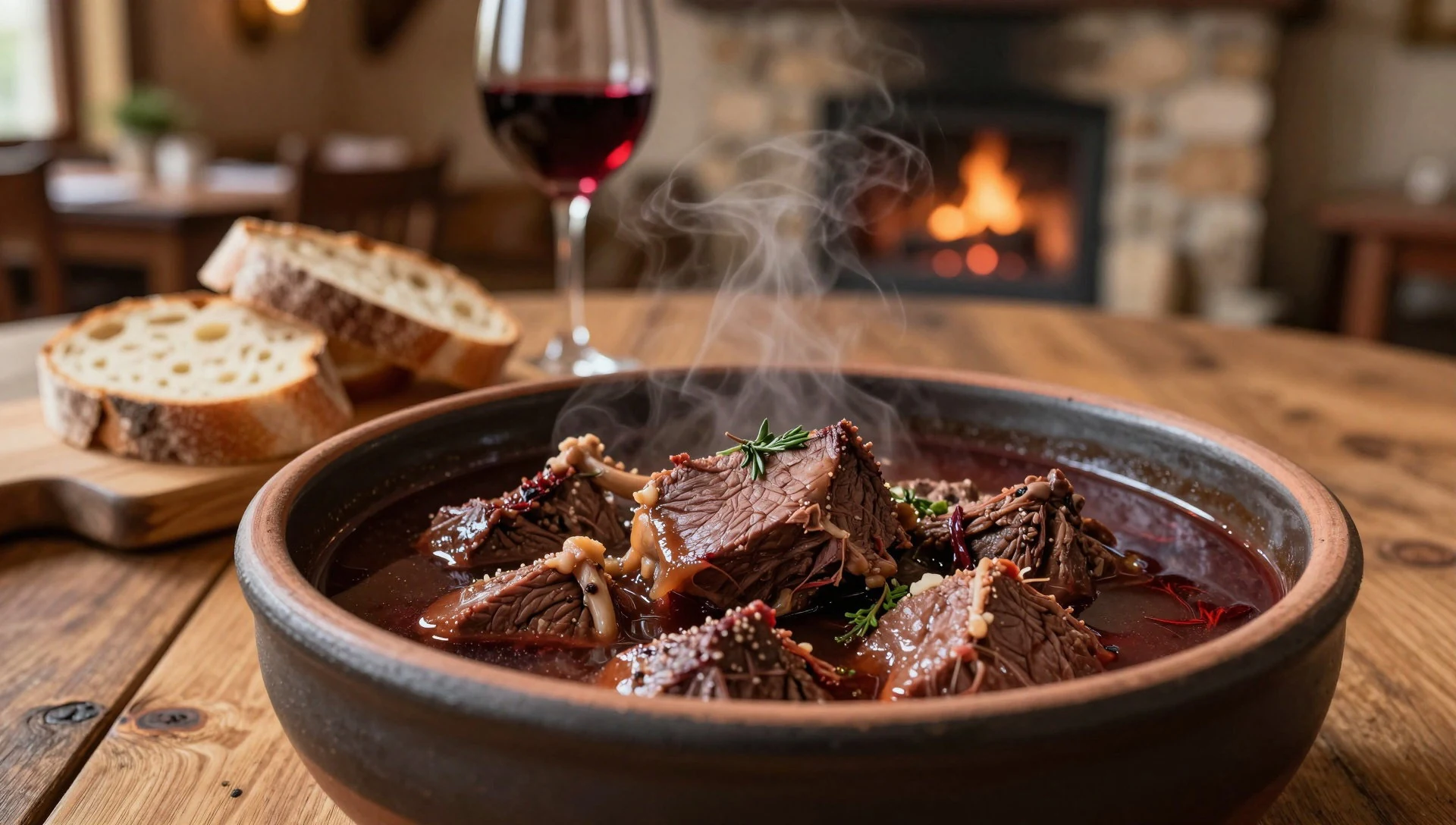
- Mushroom dishes — Village restaurants and farm kitchens across Gorski Kotar
Wild mushrooms are a staple in the forested mountains, served in sauces, soups, omelettes and alongside pasta or polenta. Varieties depend on the weather and the time of year, with autumn usually the richest season for them.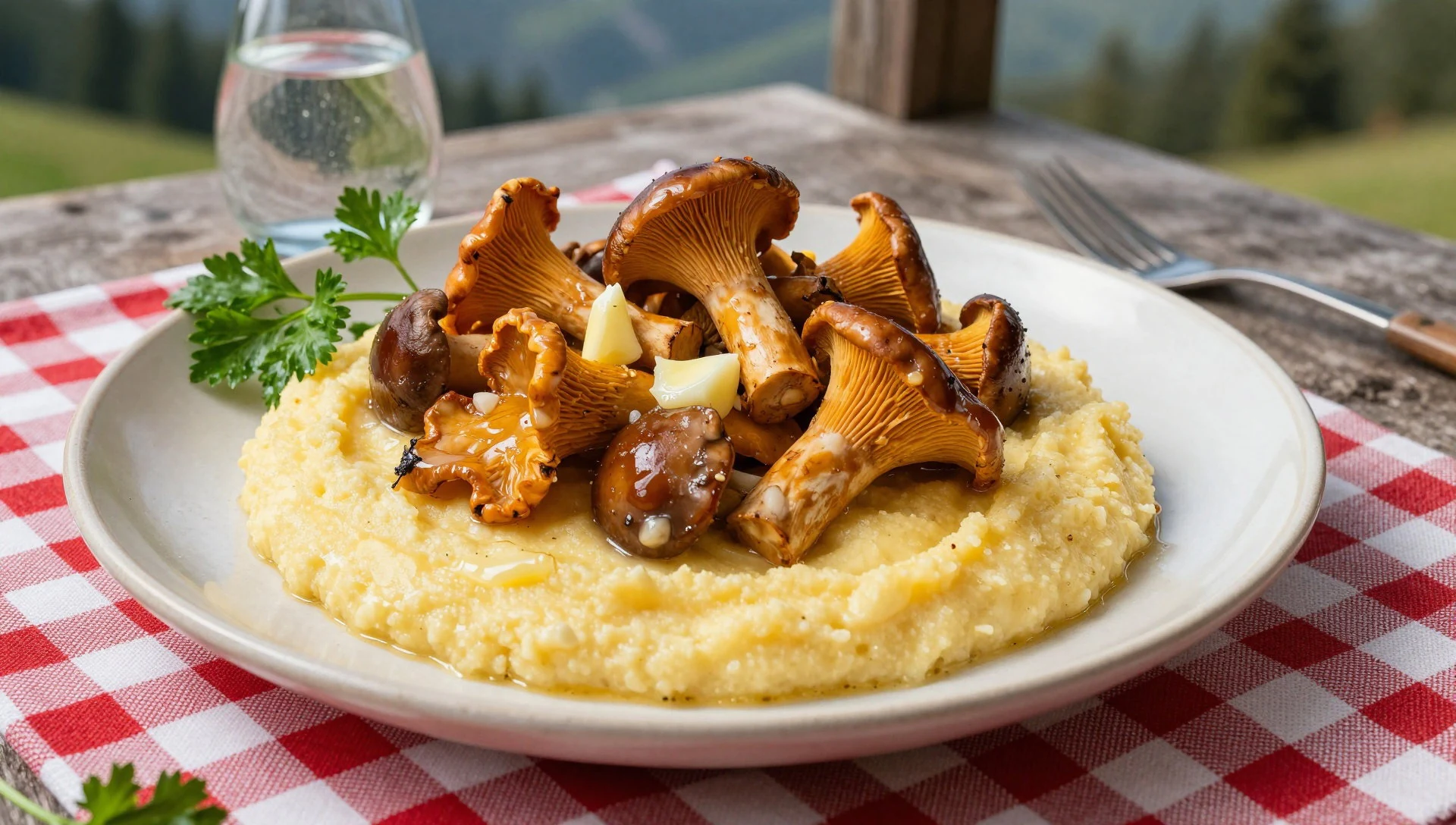
- Wild berry desserts and preserves — Village eateries, roadside stalls and small local shops
Forest berries end up in cakes, pancakes, syrups and jams across the region. Look for them as a sweet finish to a meal or as a jar to carry home. Availability follows the summer and early autumn picking season. - Štrukli — Traditional restaurants in Zagreb and towns along the inland route
Štrukli are pasta parcels filled with cheese, baked or boiled, and a favourite of central Croatia. They are not a mountain speciality, but they are easy to find on the road between Zagreb and the park and make a filling lunch. - Sir i vrhnje — Dolac, the main market in Zagreb, and local markets elsewhere
Sir i vrhnje is fresh cottage cheese with soured cream, eaten with bread as a simple breakfast or snack. A stop at a Zagreb market makes a good way to try it before heading up to the mountains.
Plan it
Best time. May–June and September–October are the most comfortable months for walking, when trails are usually open and the forest is at its greenest or turning. Midsummer is fine at lower levels but can be hot on exposed rock, and weather on the ridge can change fast because the mountains sit between the coast and the inland climate. Winter brings snow, so only go then with proper equipment and local advice.
How long. 1–2
Getting there. The nearest airports are Rijeka and Zagreb; from either, a hire car is the simplest way to reach Crni Lug, the village on the park's eastern edge, by way of Delnice. Check the park's official site for current bus options and trail conditions.
Budget. low
Tips
- Visit the Crni Lug visitor centre first to check which trails are open and how long they take
- Start summit walks early and carry more water than seems necessary, as surface streams are few on limestone
- Pack a waterproof and a warm layer even in summer, because mountain weather turns quickly
- Bring some cash for village shops and small eateries, as card acceptance can be patchy
- Check the park's official site for entry rules, opening arrangements and any seasonal closures before you set out
Etiquette
- Stay on marked trails and take all litter back out with you
- Leave wildlife alone and keep noise low, especially near forest edges at dawn and dusk
- Be polite when talking about recent history, and do not call the Croatian language Serbo-Croatian
Nearby
Sources
- Wikidata Q631183 (CC0)
- Wikipedia: Risnjak National Park (rev 1381153240) (CC BY-SA 4.0)
- Wikivoyage: Croatia (rev 5337061) (CC BY-SA 4.0)
- Photo: Nationalpark Risnjak – Berghütte unterhalb des Gipfels des Risnjak, Perun (CC BY 3.0)
- Photo: Winter in national park Risnjak, Croatia, Sime811 (CC BY-SA 4.0)
- Photo: Nacionalni park Risnjak i planinarski dom Schlosserova kuća, Vedran Sanković (CC BY-SA 4.0)
- Photo: The spring of river Kupa in national park Risnjak, Ivan Zilic (CC BY-SA 4.0)
- Photo: Eurasian lynx (Lynx lynx), Christoph Moning (CC BY 4.0)
- Photo: National Park Risnjak, area Razloge, PepeJanja (CC BY-SA 4.0)
- Photo: spring of river Kupa in Risnjak National Park, Gorski Kotar, Peter Polic (CC BY-SA 4.0)
- Photo: A forest in Risnjak National Park (view from Ćunina glava), Michal Klajban (CC BY-SA 4.0)


