Reichenau Island
Reichenau Island, Germany
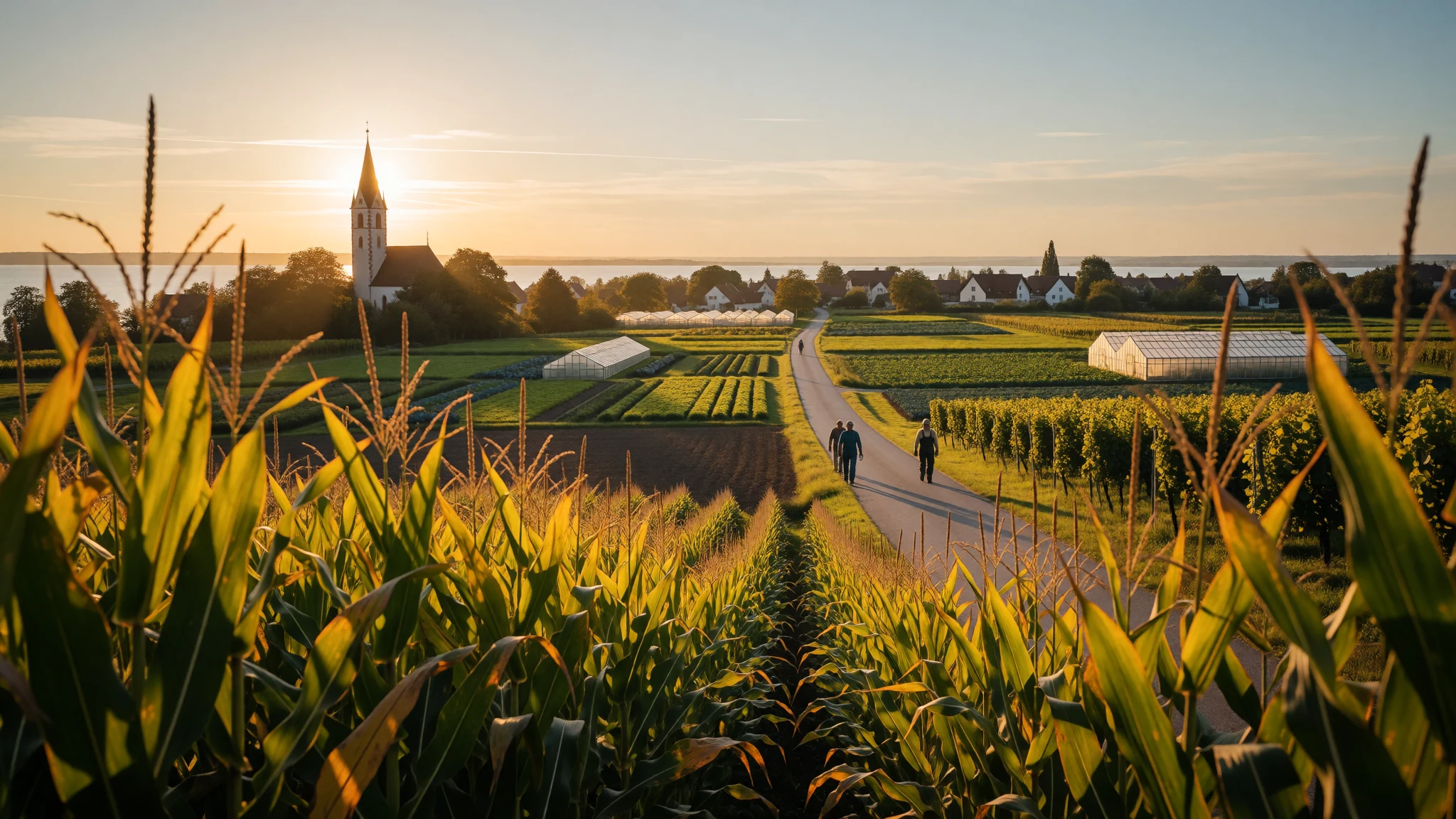
Reichenau Island is a calm Lake Constance stop where church art, monastery history, and island farming feel stitched together.
The place
Reichenau Island sits in Lake Constance in southern Germany, just to the west of Konstanz. What makes it feel different from most day trips is how small it is and how intensely the landscape is used: the island is known for vegetable fields and greenhouses, plus vineyards that give the shores a working rhythm rather than a resort vibe.
Most visitors arrive for the monastery heritage. The island’s cultural centre is Reichenau Abbey, founded in 724, and it’s recognised as a UNESCO World Heritage Site. That heritage isn’t only “big history in a museum”; it’s readable on foot, through churches that still hold centuries of artwork and religious craft.
Practical reality check: Reichenau is a low-key island, but it’s never completely empty—especially in shoulder seasons and when boat connections run. Expect a pleasant mix of walkers, cyclists, and families, plus the occasional group tour that moves at a brisk pace.
Weather matters because you’re outdoors most of the time. Spring and autumn are the easiest months to be comfortable, with cool-to-mild conditions and better visibility across the water. Summer can bring warmth and more people; winter can be quiet and crisp, though the lake may be icy in suitable spots.
If you like places where daily life is part of the scenery—fields, churches, and lakeside views in the same frame—Reichenau is the kind of stop that lingers.
Its story
Reichenau Island’s story begins long before the monastery postcard. Archaeological hints point to earlier settlement in the Bronze Age and Iron Age, with a gap later on during the Roman era. The island effectively comes back to life in 724 when the monk Pirmin, supported by the Carolingian world, set up a monastery.
From there, the island becomes a cultural engine. Over the early centuries, buildings evolved from an initial wooden phase to stone construction, and church life expanded as new dedications took shape. The monastery community also became known for learning—poets, scholars, and artists associated with Reichenau helped put ideas on paper and paint on walls.
Art history is the thread visitors most often feel. In the church of St George, murals connected to early medieval Christian art have survived and are still part of what people come to see. That blend—faith, scholarship, and craftsmanship—makes Reichenau feel coherent rather than “random sights scattered around a farm island”.
Later on, the island’s infrastructure and defence stories add another layer. A causeway connects Reichenau to the mainland, and near it you can find the remnants of Schopflen Castle. It’s a reminder that even small islands have needed protection, and that the same shoreline that nurtures crops and vines has also demanded planning and labour.
On a walk, the centuries don’t arrive as a lecture. They arrive as textures: stone, plaster, murals, and the working edges of greenhouse fields meeting lake air.
What to see
- Reichenau Museum — Reichenau (island interior)
Reichenau Museum is a straightforward starting point for orientation, especially if it’s your first time on the island. It helps connect the churches to everyday island life, so later stops feel less like separate buildings and more like one landscape story.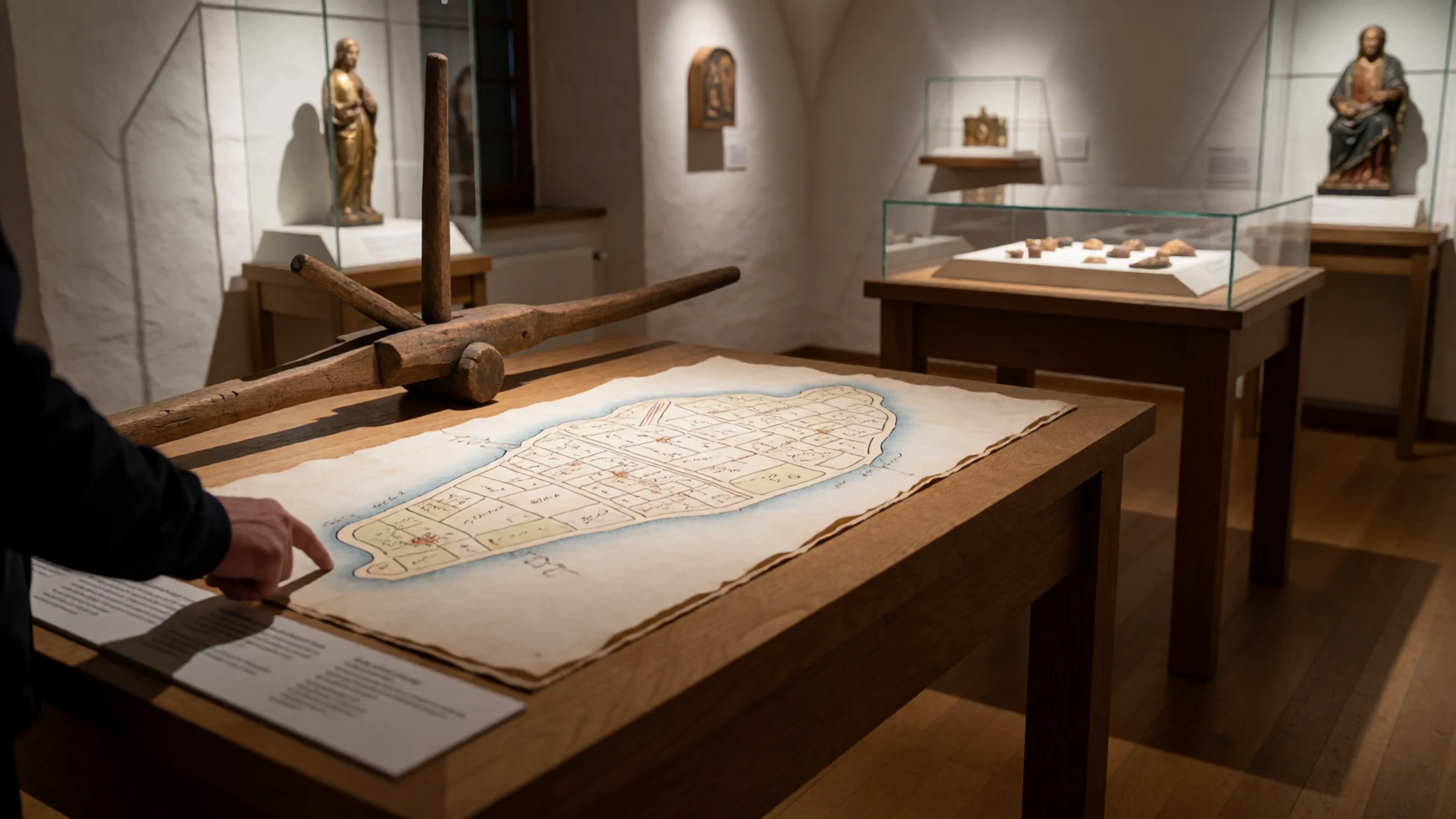
- Schopflen castle ruins — Near the causeway (east Reichenau)
The Schopflen castle ruins sit near the causeway and are now a handy viewpoint over water and surrounding habitat. Even if you only climb a little, it’s an easy way to spot the island’s wildlife sanctuary feel and get a sense of why this spot mattered.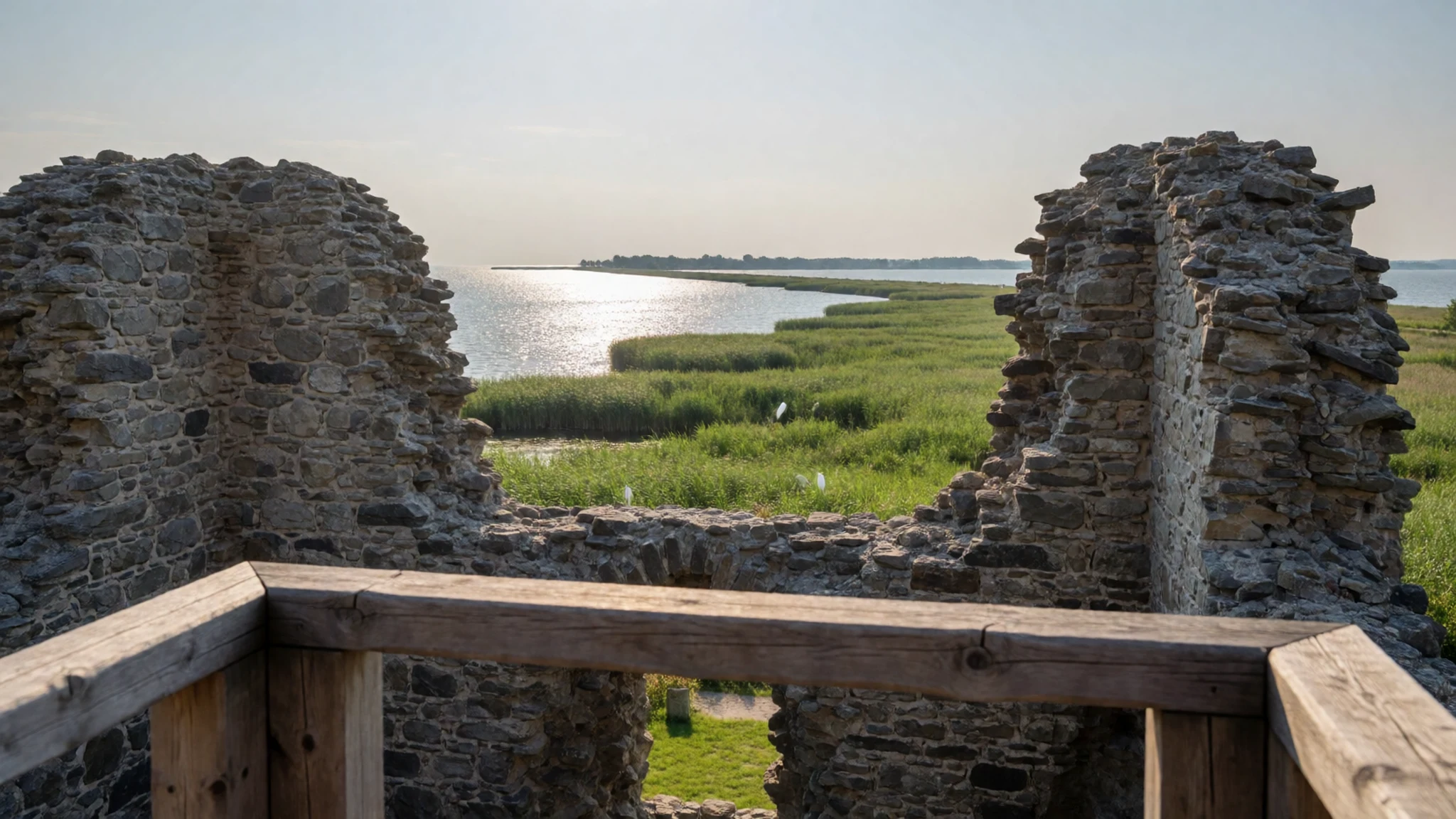
- St. Maria u. Markus (abbey church) — Niederzell (abbey area)
St. Maria u. Markus is the abbey church with a shape that took on its present form in the 11th century. The treasury holds relics connected to St Mark, and it’s the place where the UNESCO label feels most “monastery-centred”.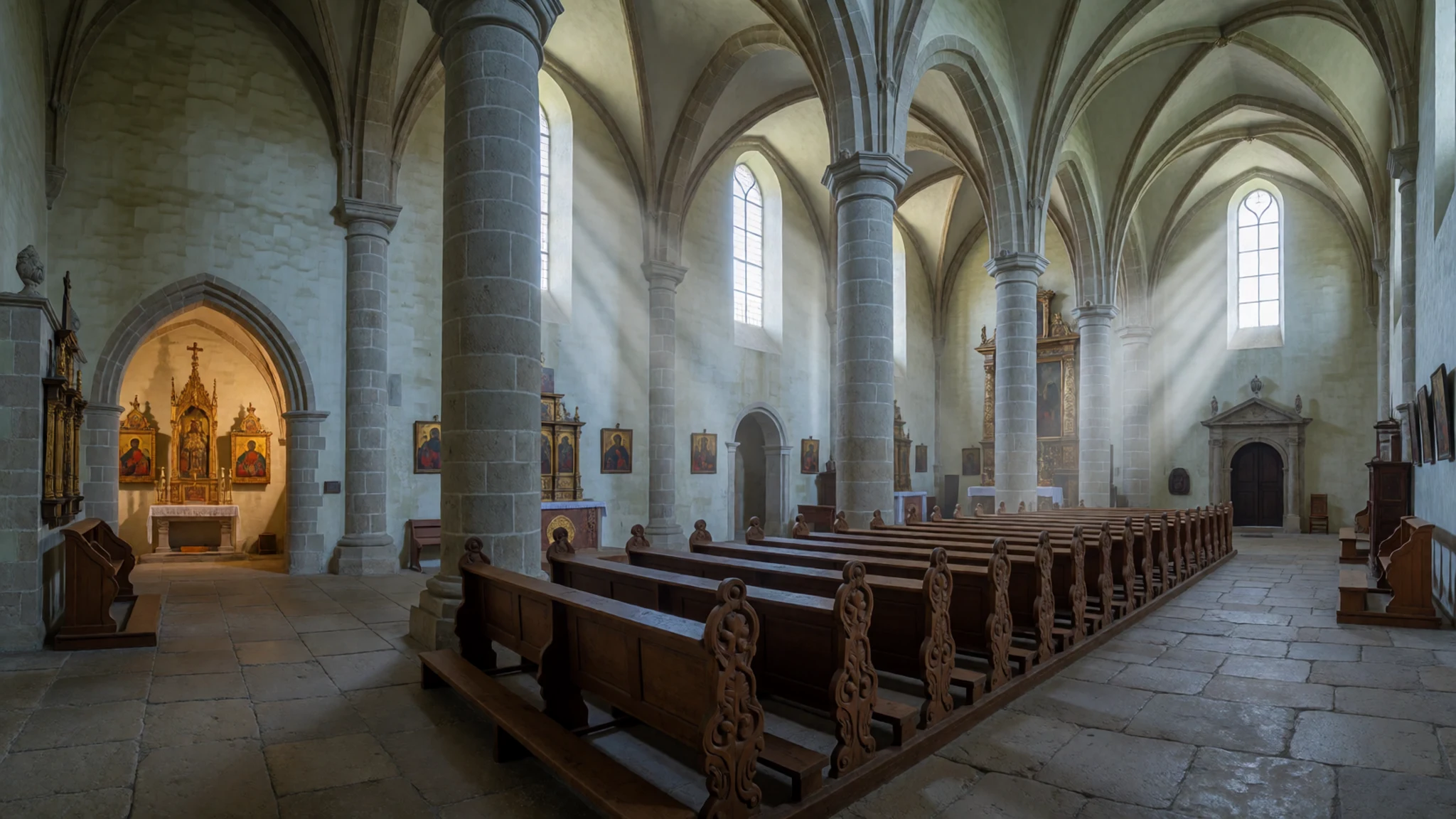
- St. Peter and Paul Church — Niederzell (church district)
St. Peter and Paul Church brings together late Romanesque wall paintings and later decorative ceilings. It’s the kind of church that rewards slow looking: colours on the walls, then the ceiling details that feel from another era.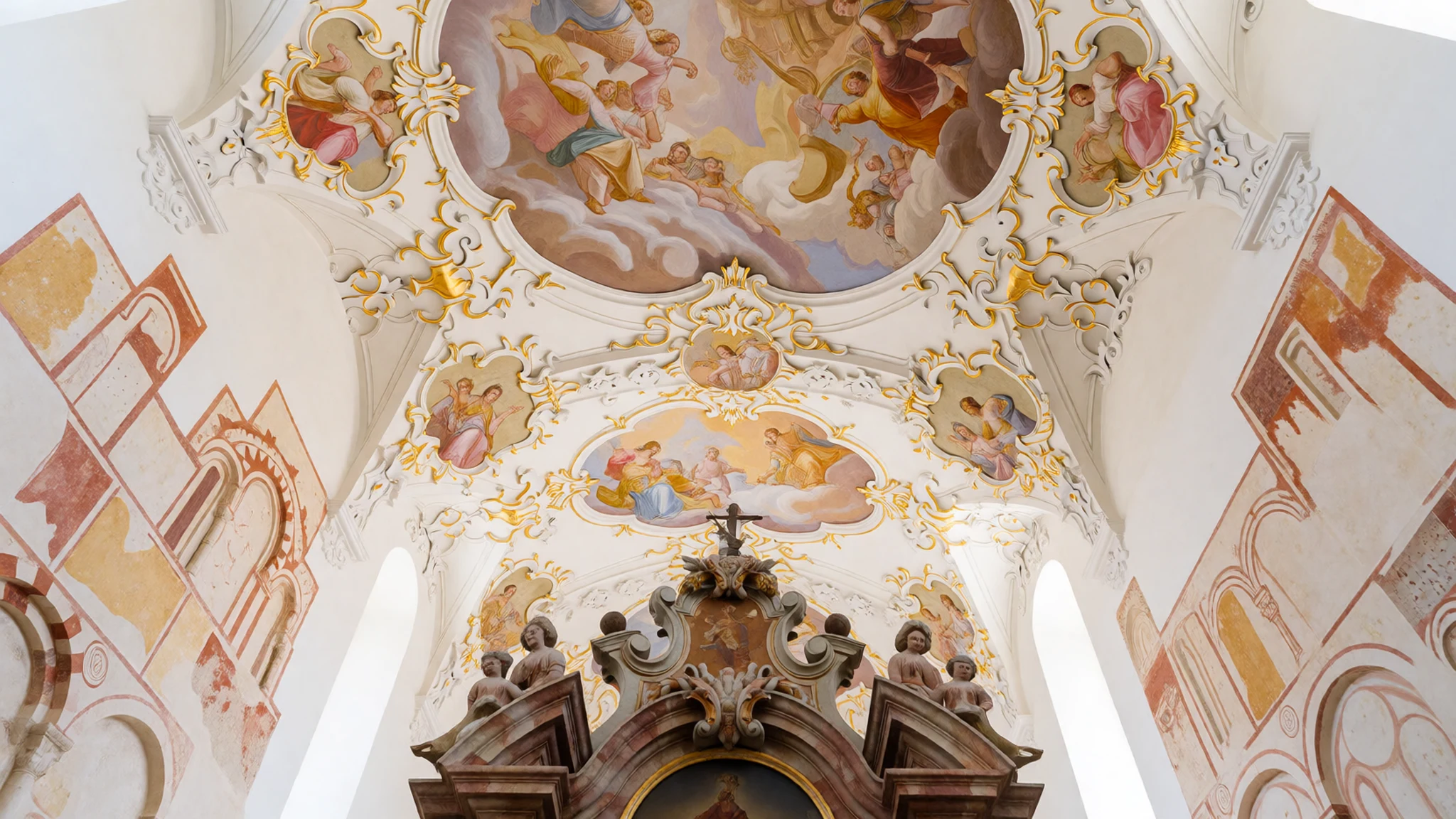
- Georgskirche (St. George’s Church) — Reichenau-Oberzell
Georgskirche, or St. George’s Church, is the island stop for medieval wall art and St George-related relics. Go in calmly—this is the setting where the Reichenau artistic legacy is easiest to imagine as a living tradition.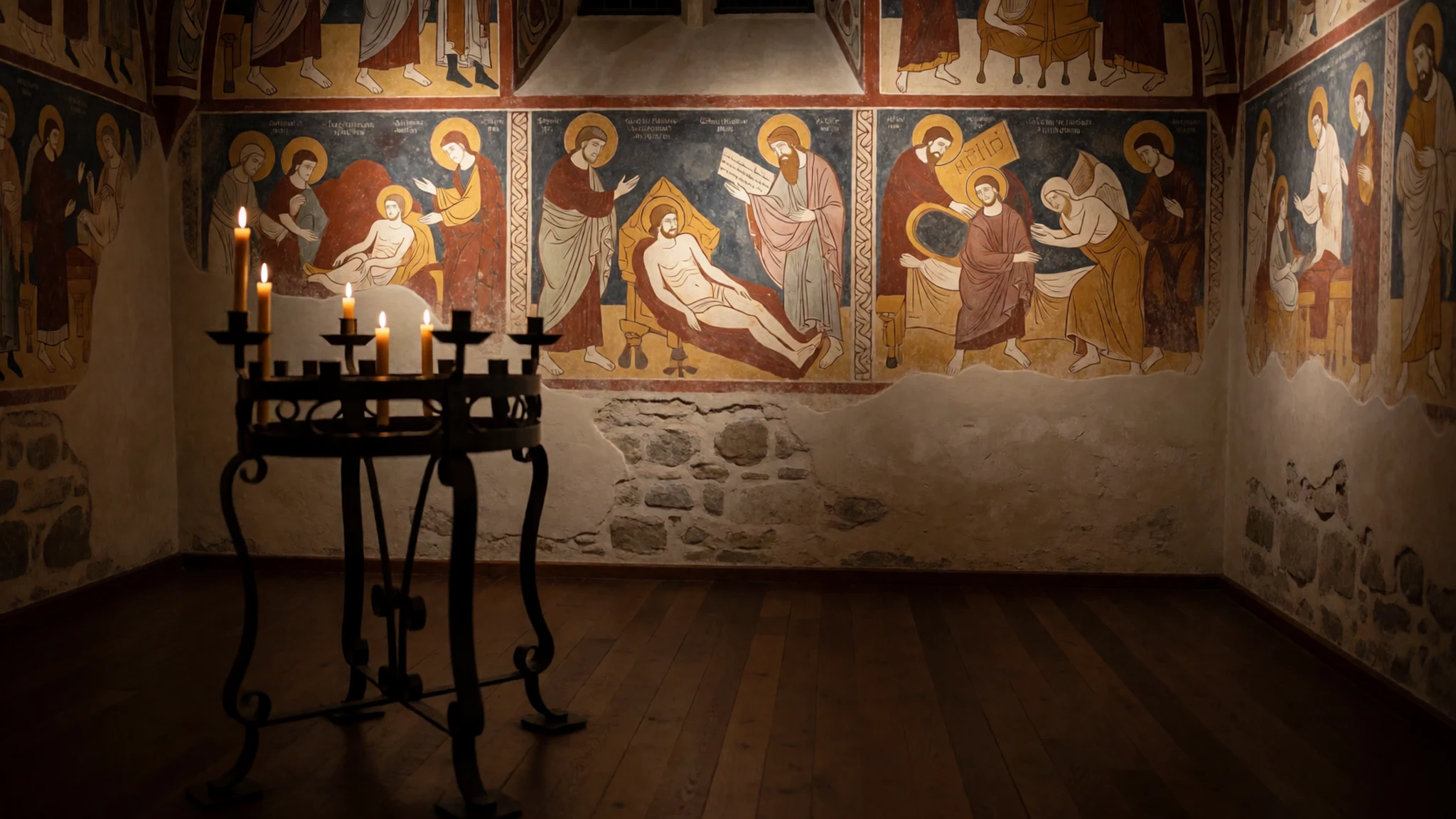
- St. Georg views around Oberzell — Reichenau-Oberzell (church surrounds)
In the St. George’s area around Reichenau-Oberzell, the church sits against an open-water backdrop that makes the island feel instantly “of the lake”. Take a short loop of paths to mix church time with shoreline air.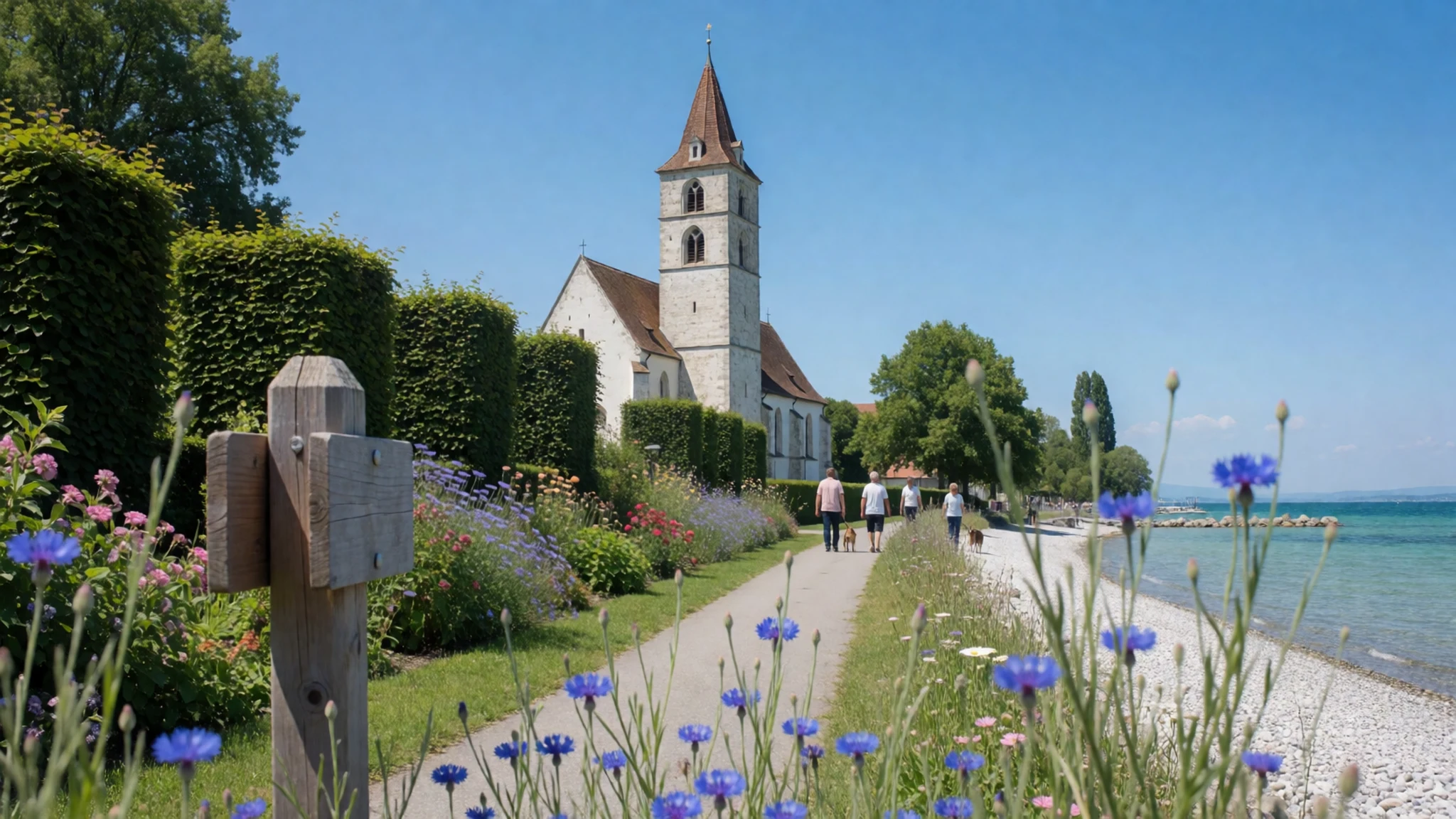
Culture
Reichenau Island’s culture is built around the abbey heritage, but day-to-day life keeps it grounded. The island is known for vegetable cultivation and greenhouses, so the “views” you get aren’t only of water and historic stone—they also include working plots that keep the place alive year-round. That blend is part of why the churches feel less like isolated monuments and more like the centre of a community.
You’ll also notice how modest the visitor numbers are compared with bigger German heritage sites. That’s good news: it usually means you can pause longer in churches and look at wall details without the constant shuffle. The trade-off is that some services may be seasonal, and indoor access depends on opening periods—so it’s worth checking the official Reichenau website before relying on a particular treasury or church slot.
Lake Constance shapes island etiquette too. Keep an eye on bikes and pedestrians near the causeway path, and be prepared for changing light as clouds roll in from the water. In colder months, icy conditions can make even short walks slick; in warmer months, heat and sun can bounce off pale stone and lake air, so bring water.
Visitor etiquette: dress modestly inside churches and keep voices low; switch your phone to silent and follow any directions about photography.
What to wear
On Reichenau Island, dressing is mostly about comfort with a quick nod to church etiquette. For traditional dress: you won’t see much “everyday” traditional clothing on the island, but the region’s historical textile traditions show up more during local festivals and church events than in daily streets. If you do attend one, expect refined, modest styles with natural fibres—think wool, linen, and darker colours suited to cooler lake weather.
What people wear now is practical. In warmer months, visitors often opt for lightweight layers, a breathable top, and a sun hat—because the lake breeze can still carry heat. In spring and autumn, layering matters: a light jacket and long trousers help when the air turns cool after a lakeside walk.
For what to wear as a visitor: wear shoes with decent grip for uneven ground around the island and church steps, and carry a light layer for indoor church spaces where it can feel cooler. Bring something that covers shoulders and knees for church interiors, even if most other places are relaxed. If you’re cycling or walking the causeway route, sunglasses and water are worth it; it can feel wind-cooled but still deceptively warm under direct sun.
What to eat
- Lake Constance-inspired meals — Island eateries (town centres on Reichenau)
On Reichenau, you’ll usually find comfortable German and regional lake dishes in island eateries—think simple plates that match a place with farming and vineyards rather than heavy tourist menus. Look for options that feel locally seasonal.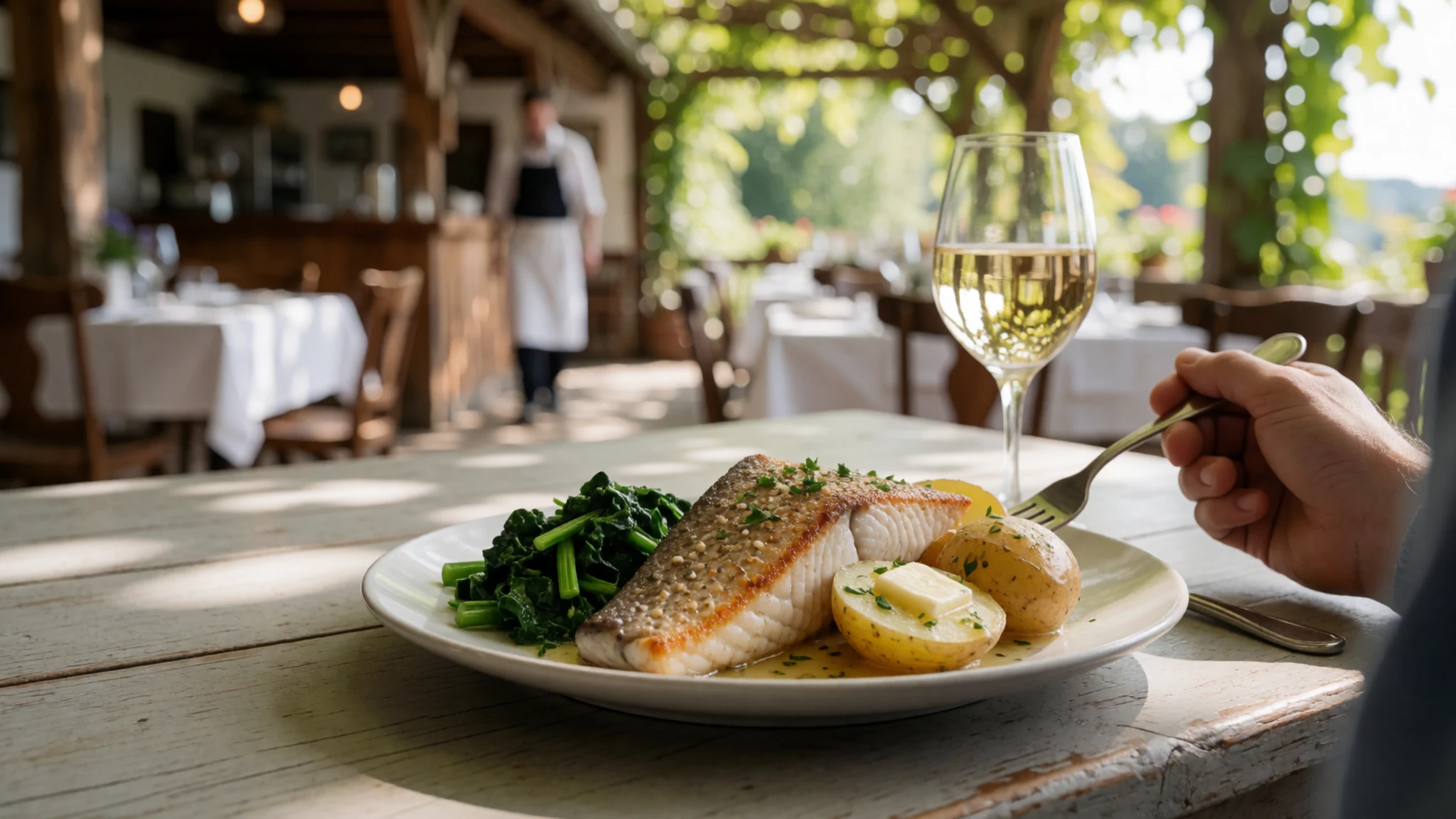
- Zum alten Mesmer — Reichenau Island
Zum alten Mesmer is one of the named dining spots on the island. It’s a good reference point if you want a proper sit-down meal without chasing restaurants off the island; ask what’s on that day rather than expecting a fixed menu.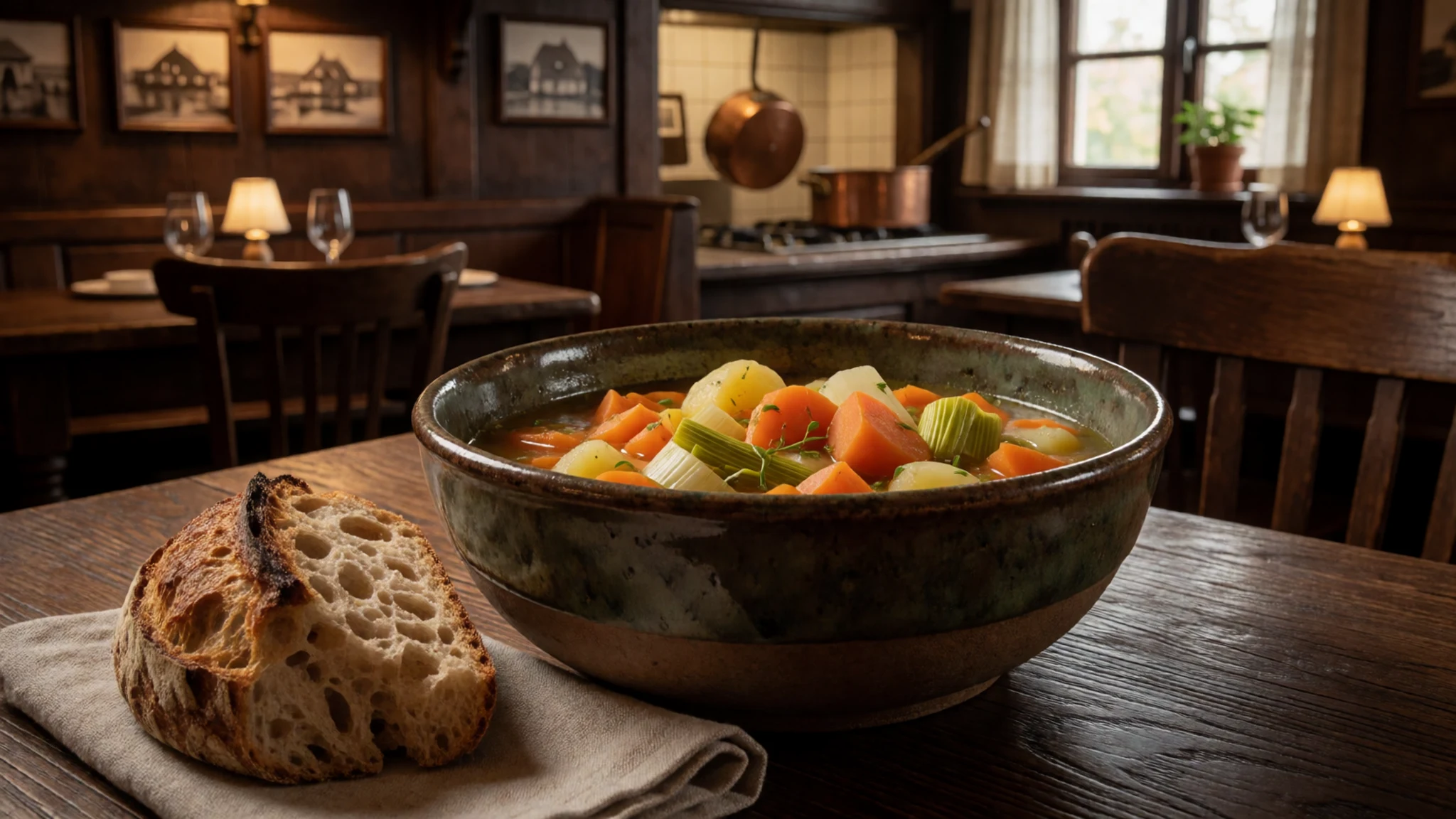
- Restaurant zur Schiffslände — Reichenau Island (lakeside/landing area)
Restaurant zur Schiffslände is another listed restaurant option, handy if you’re spending time near the lakeside areas and want food that matches the pace of a shore walk. A good stop for lunch when you’re switching between viewpoints. - Island market-style eating — Around the island’s main pedestrian and market areas
If you prefer casual bites, Reichenau’s island rhythm often suits snacks between sightseeing—grab-and-go items, seasonal produce, and simple refreshments are common when you’re out walking. It’s a practical way to keep time flexible. - Vineyard and greenhouse produce — Local menus across the island
Because Reichenau is known for vegetable fields and greenhouses, seasonal produce often shapes what you eat. Even when the dish isn’t explicitly “vegetable-themed”, you’ll often taste lighter sides and seasonal flavours rather than only hearty comfort food.
Plan it
Best time. March–April for gentler spring light, and late October–November for cooler conditions and calmer lake walking; winter can be sharp and summer is warmer and busier.
How long. 2–3
Getting there. By train, take services to the station named “Reichenau” on the mainland, then use the island bus (bus 7372) for the final leg; by car, follow signs from road B33 to the island causeway; from April to October, boat connections can link Reichenau with Konstanz and Radolfzell.
Budget. mid
Tips
- Start church visits earlier in the day to keep your pace relaxed and your photos less harsh in bright light.
- Cycle or walk the causeway paths for a straightforward loop that keeps you close to the lake.
- If you plan on a treasury visit, check the official site for the period it’s open; church access can be seasonal.
- Bring water in warm weather and a light layer when the breeze cuts across the lake.
Etiquette
- Keep noise down inside churches and follow any directions about photography.
- Watch for cyclists and runners on shared paths near the causeway.
- In winter conditions, take extra care on icy ground around the shoreline.
Nearby
Sources
- Wikidata Q156439 (CC0)
- Wikipedia (Reichenau Island) (CC BY-SA 4.0)
- Wikivoyage (Reichenau) (CC BY-SA 4.0)