Rabat
Rabat, Morocco
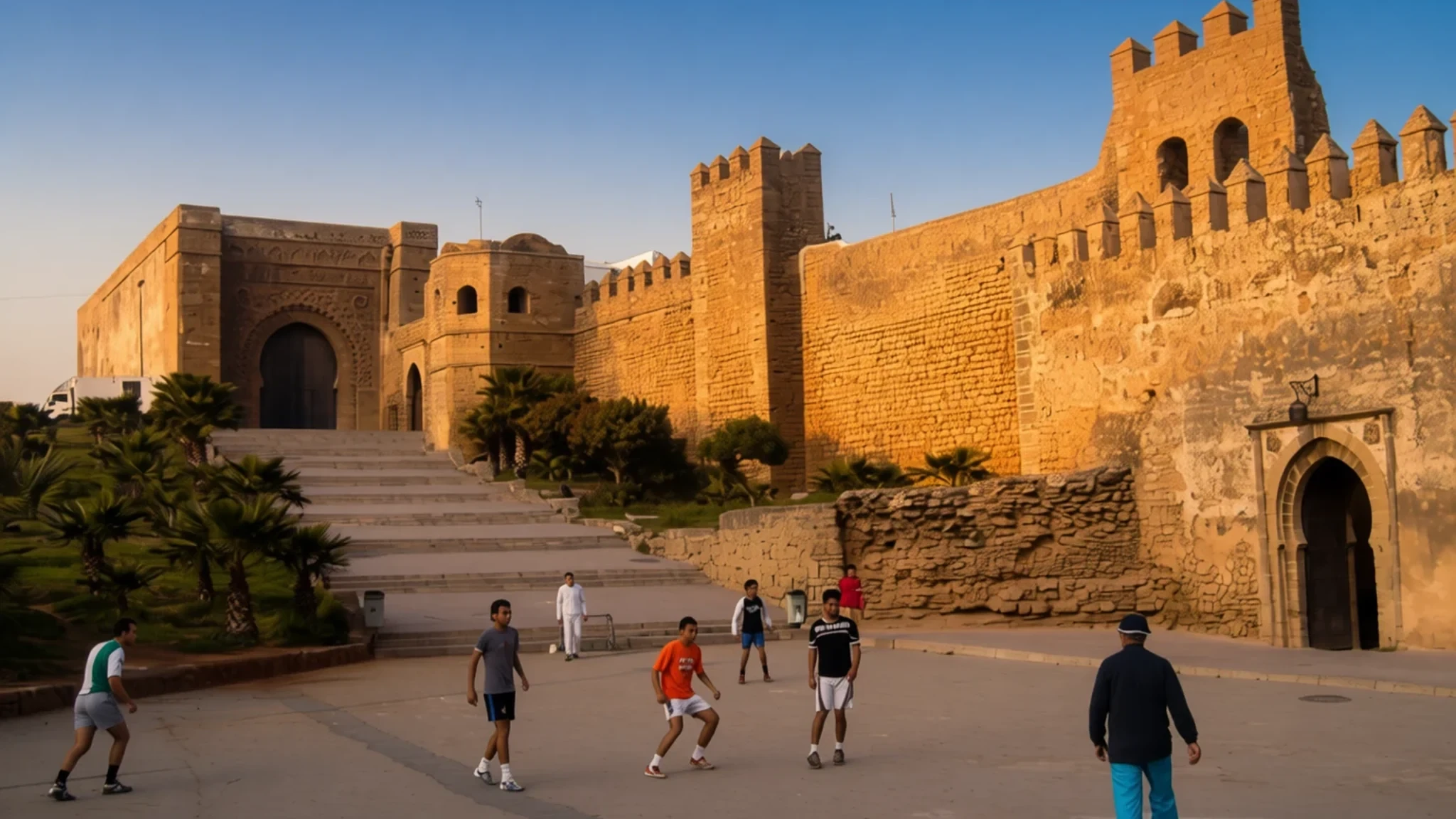
Rabat is calm, walkable and Atlantic-facing, with royal monuments, a historic kasbah and a river estuary you can see from the walls.
The place
Rabat sits on Morocco's Atlantic coast where the Bou Regreg river meets the sea, facing Salé across the water. It is the country's capital, home to government offices, embassies and the royal palace, but it feels more relaxed than Casablanca and far less frantic than the inland imperial cities. Rabat is one of four imperial cities in Morocco, a label that matters more to historians than to a visitor, though it explains the grand gates and mausoleums scattered around town. The city holds a population of about half a million, with a wider metropolitan area that runs much larger.
The walled medina and the Kasbah of the Oudaias form the heart of an easy walking day. The lanes are cooler than the boulevards, and the market areas are busy without the press you meet in Fes or Marrakesh. The newer centre, with its wide avenues and cafés, gives the city a European rhythm that surprises first-time visitors. Most sights sit within a short walk or taxi ride of one another, but the coast and the river are long, so pace yourself.
Rabat is not a beach resort. The sea is bracing, the sand is modest, and most people come for the monuments, the views across the estuary and a slower take on Moroccan city life. Expect Moroccan families at weekends, students from the university and officials in suits at lunchtime.
Its story
Rabat's story starts at Chellah, on the edge of the modern city, where the remains of a Roman town called Sala Colonia stand among gardens and nesting storks. Excavations there have found older Mauretanian structures beneath the Roman layers, which points to a settlement with a long history before Rome arrived. Phoenician trading colonies were set up along this coast, and whether one stood at Sala is still debated by archaeologists. Sala Colonia served as one of Rome's two main naval outposts on this Atlantic edge, alongside Lixus.
After Roman influence faded, the area lost its importance for a long while. The settlement that became Rabat was founded in 1146 under the Almohads, who built walls and a base on the bluff above the river mouth. An older name, Ribat al-Fath, is still recorded alongside the modern one. Later, the port and its fortifications became a refuge for privateers who preyed on shipping along the coast, and the town's reputation suffered accordingly.
The modern city took shape under the French protectorate, which made Rabat the administrative centre of Morocco. When the country gained independence, Rabat became its capital. The Mausoleum of Mohammed V, a king regarded as the father of Moroccan independence, now stands near Hassan Tower, linking the twentieth-century national story with the medieval and Roman layers beneath it.
What to see
- Kasbah of the Oudaias — Kasbah, northern bluff above the river
The oldest part of Rabat, a warren of narrow streets lined with white and blue houses that climbs to the Atlantic. Inside you will find the Andalusian Gardens, a shaded and well-kept retreat, and the Oudaias Museum in a former palace. Go early or late in the day for the best light on the walls and the quietest lanes. Allow a couple of hours and bring water.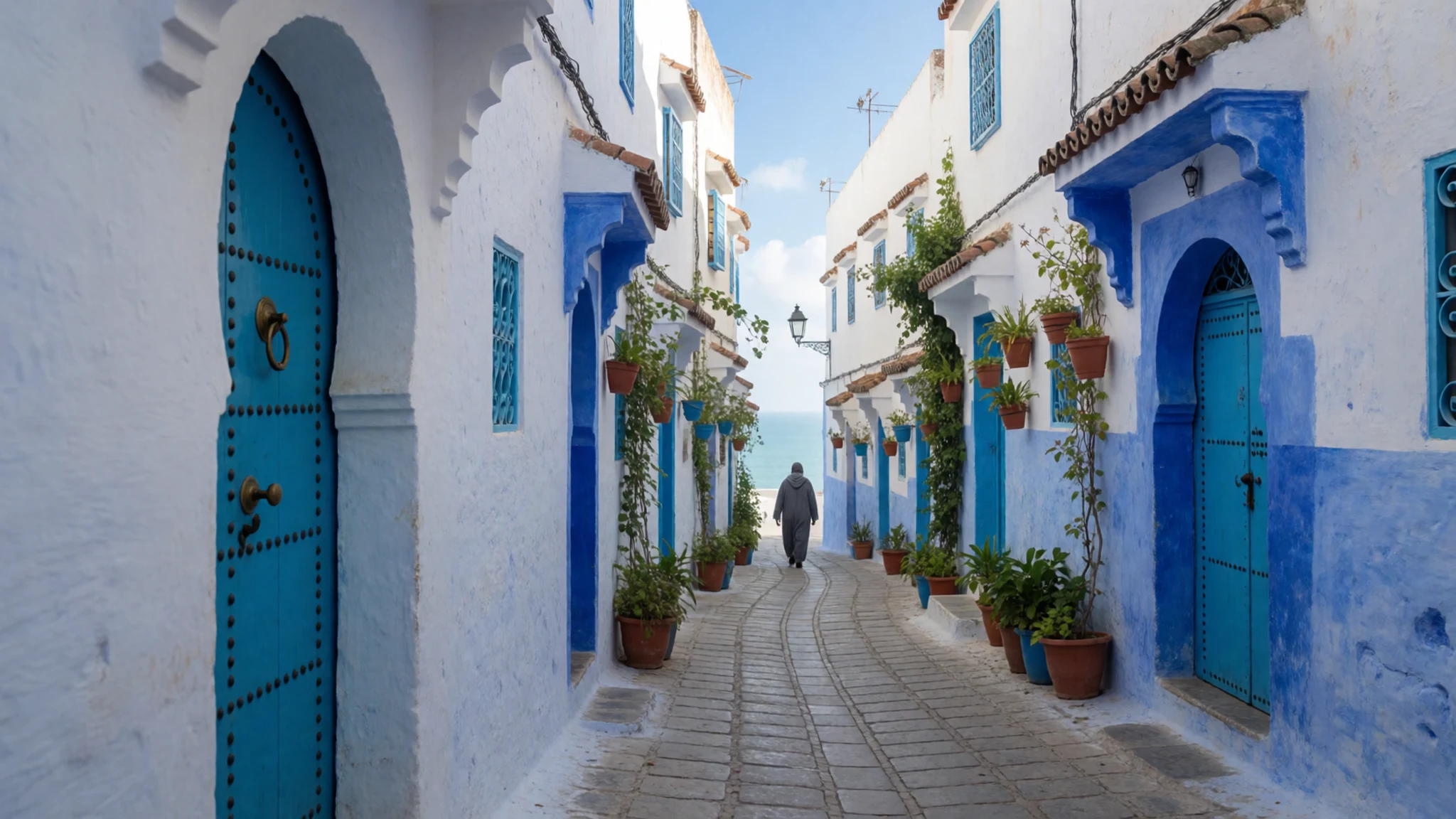
- Old Medina — Old Medina, between the Kasbah and the centre
A UNESCO World Heritage Site of atmospheric lanes and a sizeable market. It is more open and less labyrinthine than the medinas of Fes and Marrakesh, so it suits a first Moroccan medina. Wander the souks for leather, textiles and kitchen goods, and expect friendly approaches rather than heavy pressure. Keep small notes in dirhams for purchases.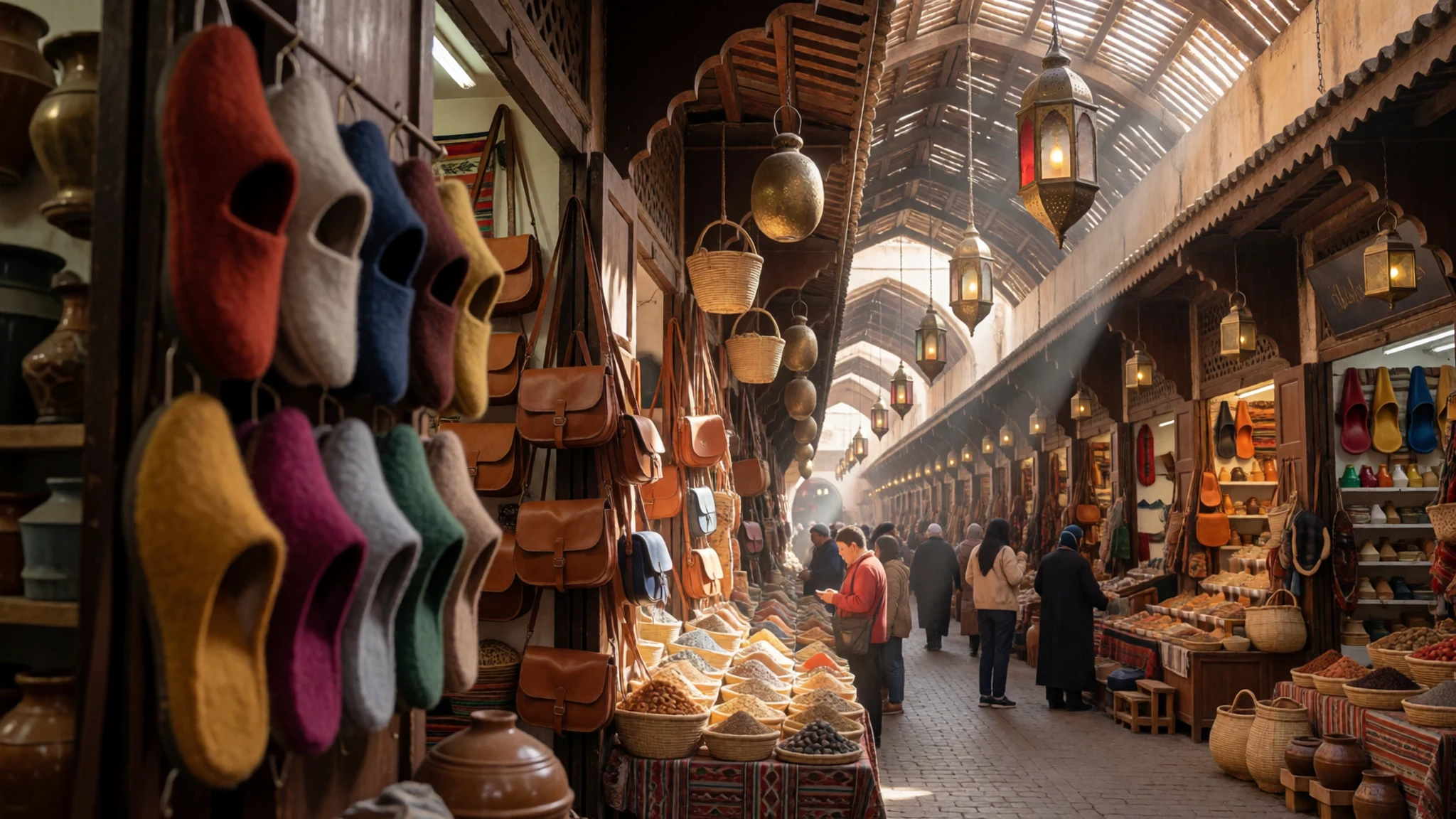
- Chouhada Cemetery — Seafront, west of the Old Medina
A large and often colourful cemetery running down towards the sea. It is a quiet place to see how Rabat's residents honour their dead, with the ocean as a backdrop. Visit with respect: walk on the paths, keep voices low and avoid photographing people at graves. It is a useful counterpoint to the monuments in the old town.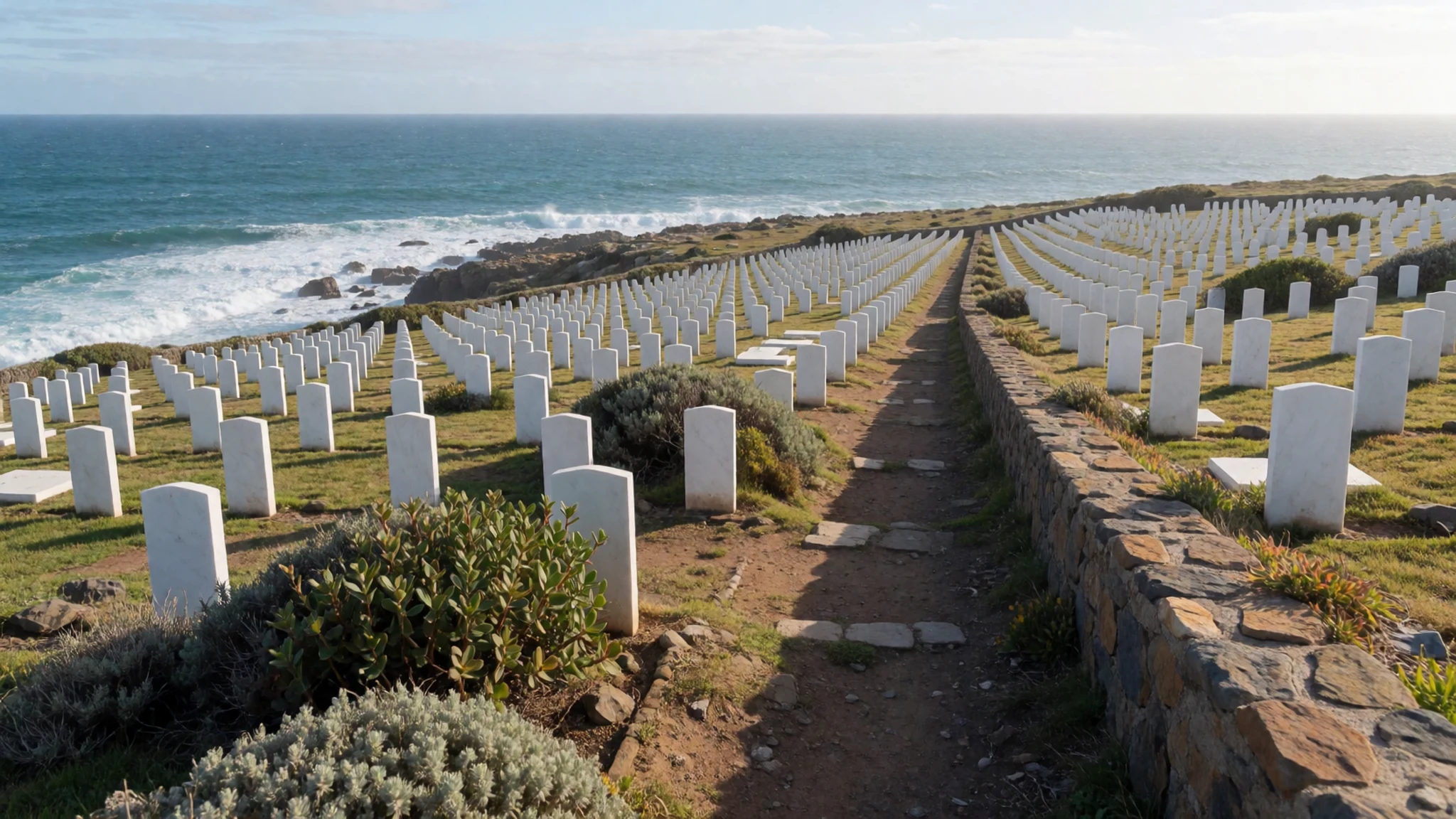
- The Beach — Atlantic shore below the Kasbah
A small urban beach with a couple of simple cafés and surfing equipment for rent. It is not a showpiece, so come for the sea breeze and a short break rather than a day of sunbathing. The water can be cool and the waves are better for surfing than swimming. Combine it with a stop at the seafront cafés nearby.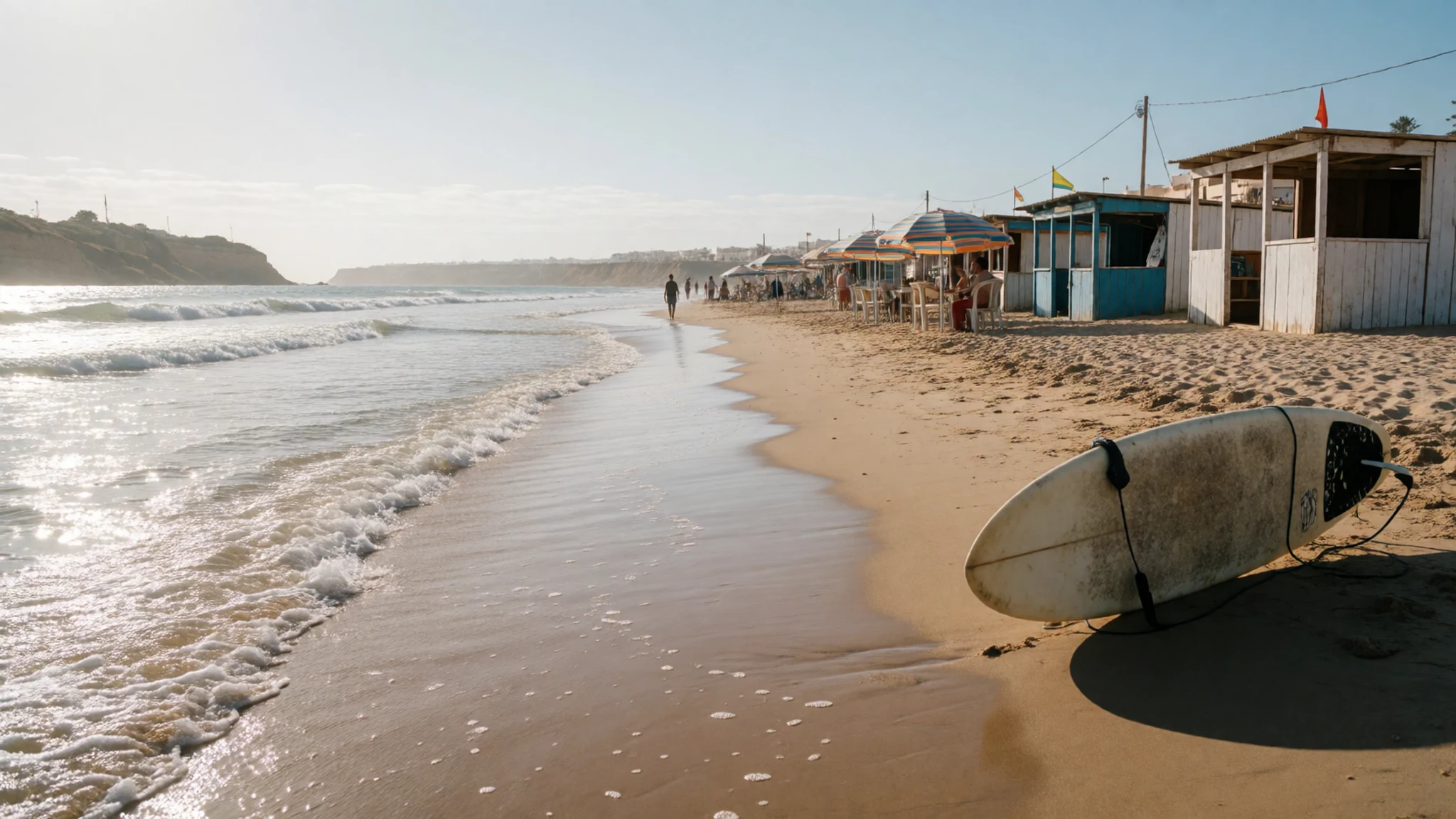
- Hassan Tower and the Mausoleum of Mohammed V — Esplanade, south-east of the Kasbah
An unfinished minaret of red sandstone stands beside a large, carefully detailed royal mausoleum, built for the king regarded as the father of independence. The white marble and green-tiled interior is calm and formal. Dress modestly, observe the guards' instructions and expect security checks. Allow an hour for the walk around the esplanade and the mausoleum together.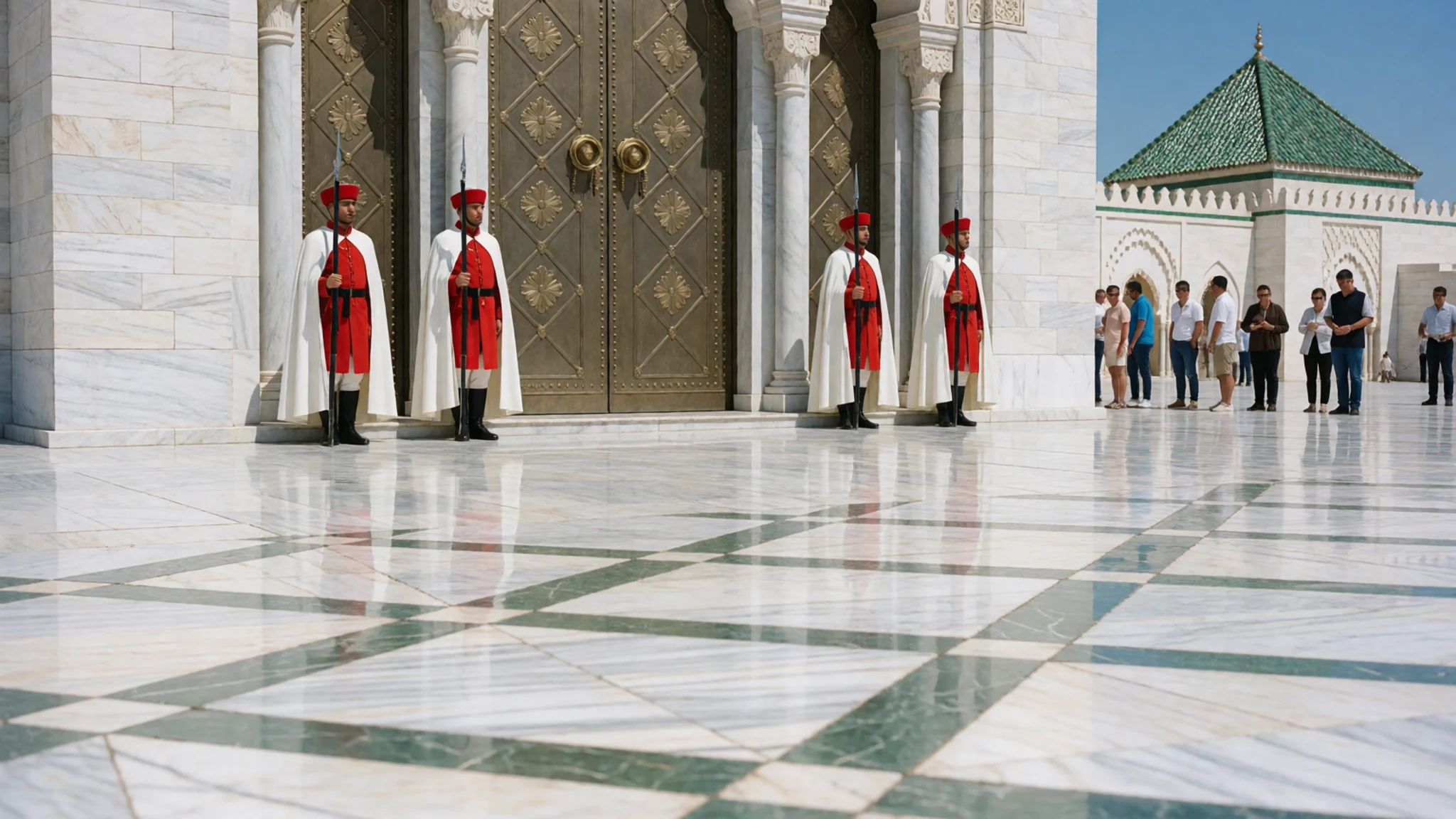
Culture
Rabat's cultural life centres on performance and the visual arts more than on any single festival. The Mohammed V Theatre in the middle of town has long been a main stage for plays and concerts. The Grand Theatre of Rabat, designed by Zaha Hadid, is reportedly the largest theatre in the Arab world and is now a focus for major productions. Beyond the stages, several foundations work on social and cultural projects, among them the Orient-Occident Foundation and the ONA Foundation. The independent art scene is small but active, with galleries and project spaces that show local and international artists, often in converted houses. Religion shapes the daily rhythm, and most mosques are closed to non-Muslims, so admire them from outside. Dress modestly in residential quarters, and ask before photographing anyone.
What to wear
Traditional dress in Rabat is the same as across Morocco. The djellaba is a long, loose robe with a hood, traditionally in wool for winter and cotton for summer, and it is still worn by many men and older women. For weddings and formal occasions, women wear the kaftan or takchita, often in silk or velvet with fine embroidery in gold or silver thread, and the embroidery is where skilled tailors and seamstresses show their craft. Leather slippers and woven baskets are everyday accessories in the old quarters.
What people wear now is a mix. Jeans, shirts and trainers are common in the boulevards and at the university, while many residents wear a djellaba over Western clothes on cold mornings or when visiting family in the medina. Headscarves are a personal choice and are worn by many women in the city.
As a visitor, aim for loose layers that cover shoulders and knees, especially at the mausoleum and in residential lanes. Closed shoes with grip suit the uneven cobbles and the steps of the Kasbah. A light scarf is handy for entering a religious building, and a hat and sunglasses help on the open esplanade and the Chellah ruins.
What to eat
- Bstilla — Traditional Moroccan restaurants in the centre
A layered pastry pie of thin warqa sheets with pigeon or chicken, almonds, eggs and spices, dusted with cinnamon and sugar. It is a rich mix of sweet and savoury that is worth trying once. Look for it in small restaurants in the centre that specialise in traditional Moroccan cooking.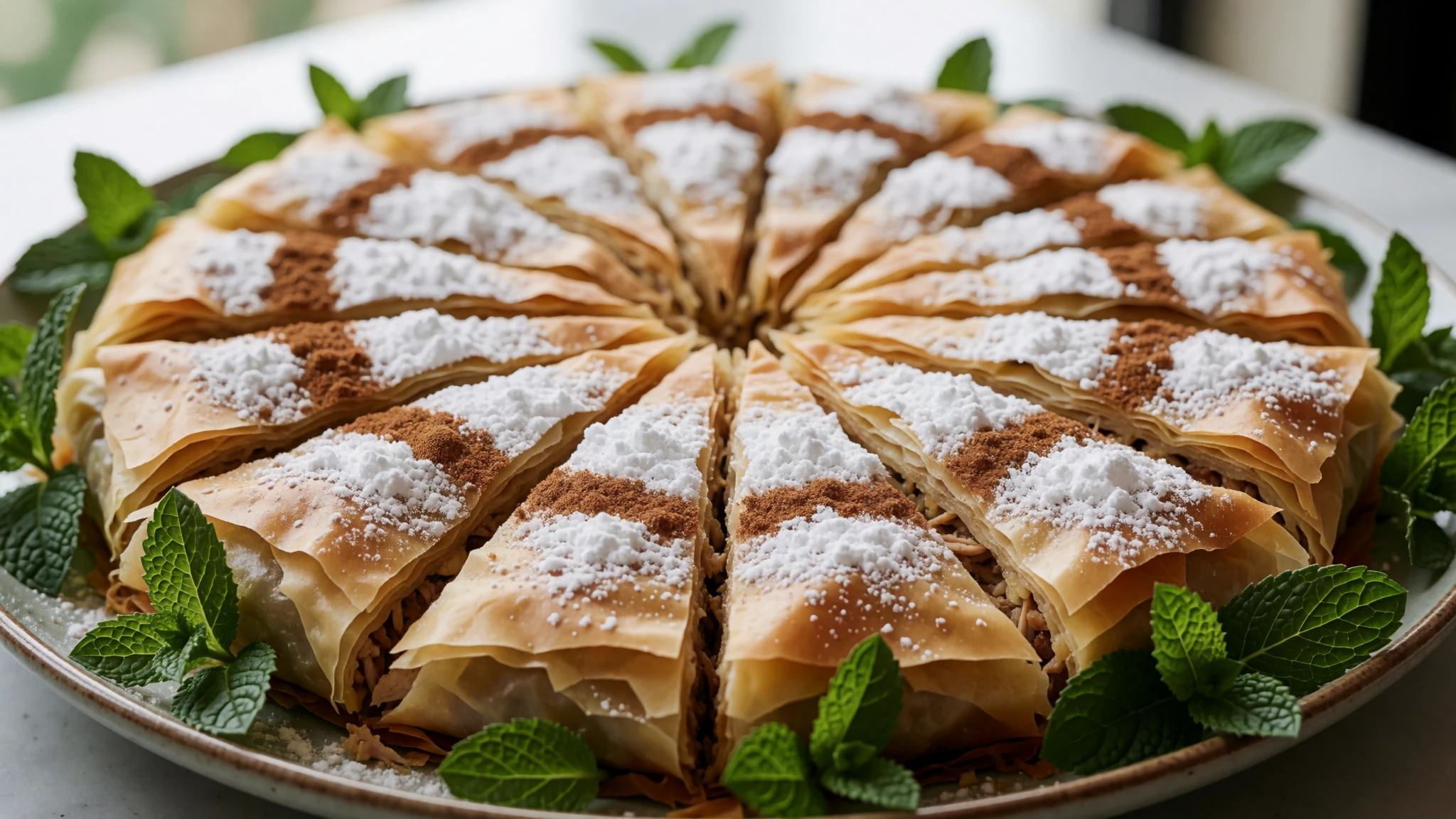
- Mint tea and pastries — Seafront cafés near the Kasbah and the Old Medina
Sweet green tea poured from height, served with fresh mint and plenty of sugar, usually alongside honey-soaked pastries or almond sweets. Sit for a while and watch the street life. The seafront cafés are the most pleasant places to do this in Rabat.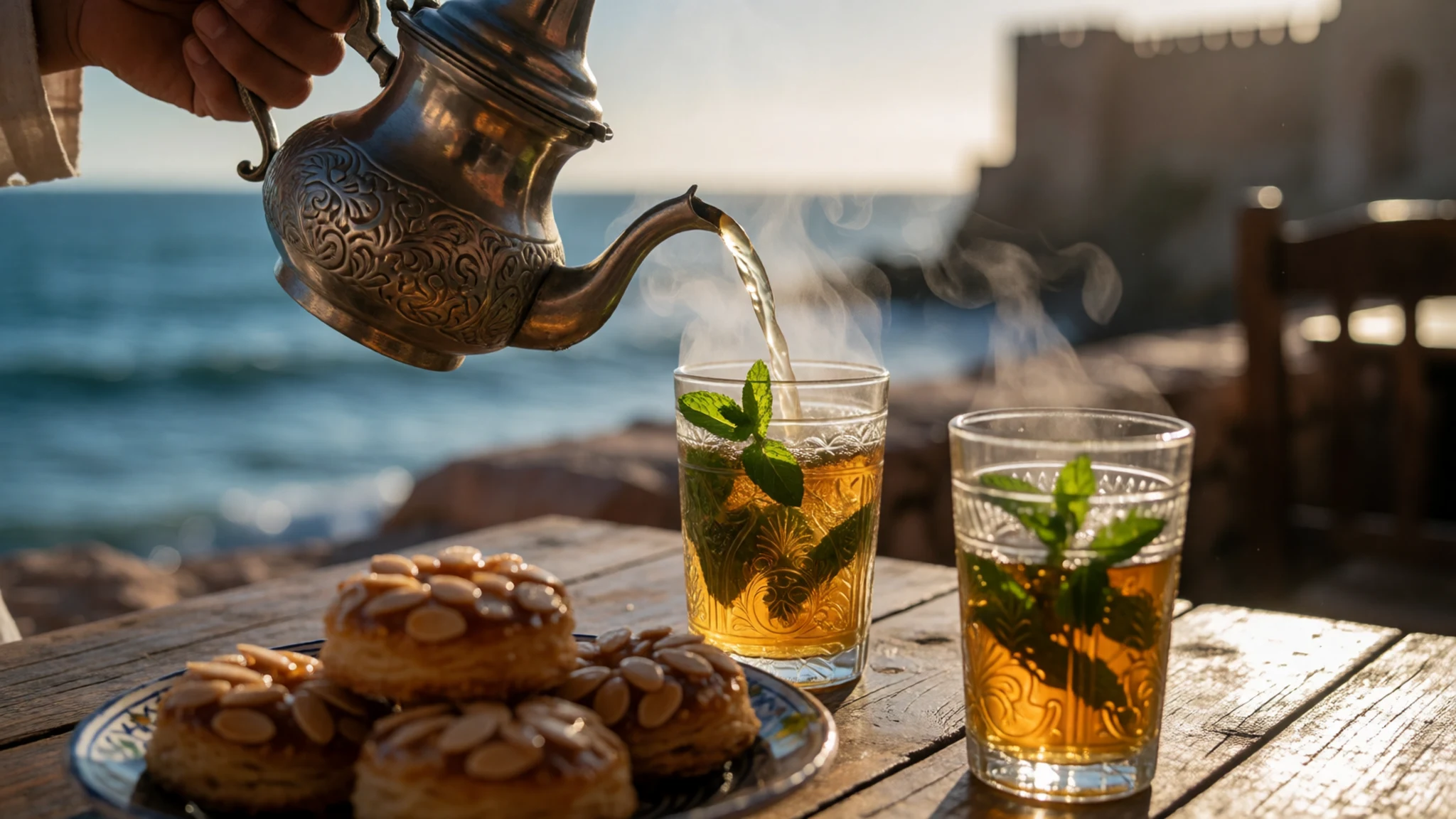
- Fish and salad sandwiches — Inexpensive food stalls around the medina
A cheap and filling lunch of fried fish in bread with a crisp salad of tomato, onion and herbs, often with a squeeze of lemon and hot sauce. Eat it standing at the stall, and choose a busy one with a steady turnover of fish.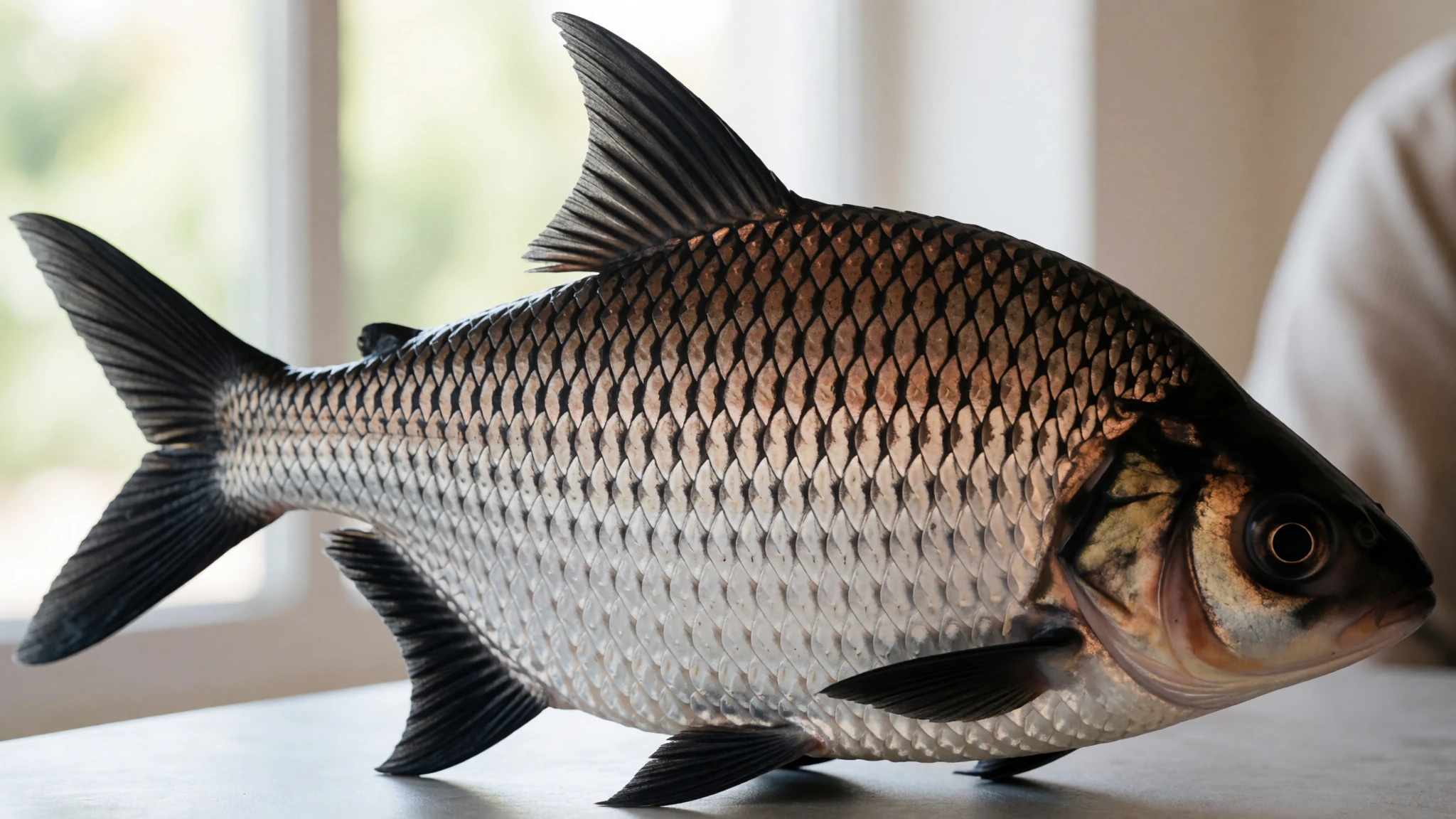
- Harira — Simple cafés and eateries in the Old Medina
A thick tomato and lentil soup with chickpeas, herbs and sometimes a little meat, eaten in the evenings and especially during Ramadan. A bowl with bread is a good light meal. It is widely served in simple cafés and eateries in the old town. - Fresh pastries and sweets — Patisseries along the central boulevards
Almond sweets, honeyed biscuits and small pastries sold by weight, good for a mid-morning snack. Buy a few to take to a seafront bench or to share on the walk up to the Kasbah. Freshness matters, so buy from places with high turnover.
Plan it
Best time. Winter, from November to February, is the most comfortable time for walking the medina and the Kasbah, with daytime highs of about 25 to 29 °C, though November is the wettest month. Summers can be hot, so schedule the outdoor sights such as Chellah and the Kasbah for early morning, and keep afternoons for cafés and the museums.
How long. 2–3
Getting there. Rabat-Salé airport is the nearest, followed by a taxi or tram into town. By train, Rabat Ville station connects to Casablanca in about an hour, Fez in about two and a half hours and Tangier in about an hour and twenty minutes. Buses from other towns often do not stop in the centre.
Budget. low
Tips
- Check train times on the official rail operator's website before you travel, and book the main intercity services ahead where possible
- Start the Kasbah and the Old Medina before the midday heat
- Carry cash in dirhams for stalls and small cafés, as cards are less widely accepted in the medina
- If you arrive by bus, use GPS or ask locally for the right stop, since many services do not reach the centre
- Bring water and a hat for the open-air Chellah ruins and the esplanade
Etiquette
- Ask before photographing people, especially in the residential lanes of the Kasbah
- Dress modestly at the mausoleum and in religious spaces, and follow the instructions of guards
- Keep voices low in cemeteries such as Chouhada
Nearby
Sources
- Wikidata Q3551 (CC0)
- Wikipedia (rev 1382841769) (CC BY-SA 4.0)
- Wikivoyage (rev 5386275) (CC BY-SA 4.0)
- Photo: Kasbah des Oudaias (Pline) (CC BY 3.0)
- Photo: Kabah Udayas (Holger Uwe Schmitt) (CC BY-SA 4.0)
- Photo: Rabat old and new (Petar Milošević) (CC BY-SA 4.0)
- Photo: Royal Palace Rabat (Jorge Láscar) (CC BY 2.5)
- Photo: Roman Ruins Zawiya Chellah (Timothy A. Gonsalves) (CC BY-SA 4.0)
- Photo: Rabat Hassan Tower (OHamama) (CC BY-SA 4.0)
- Photo: Avenue Mohammed V (Etotheraf) (CC BY-SA 4.0)
- Photo: Kasbah of the Udayas (P. Hughes) (CC BY 4.0)


