Qal'at Bani Hammad
Qal'at Bani Hammad, Algeria
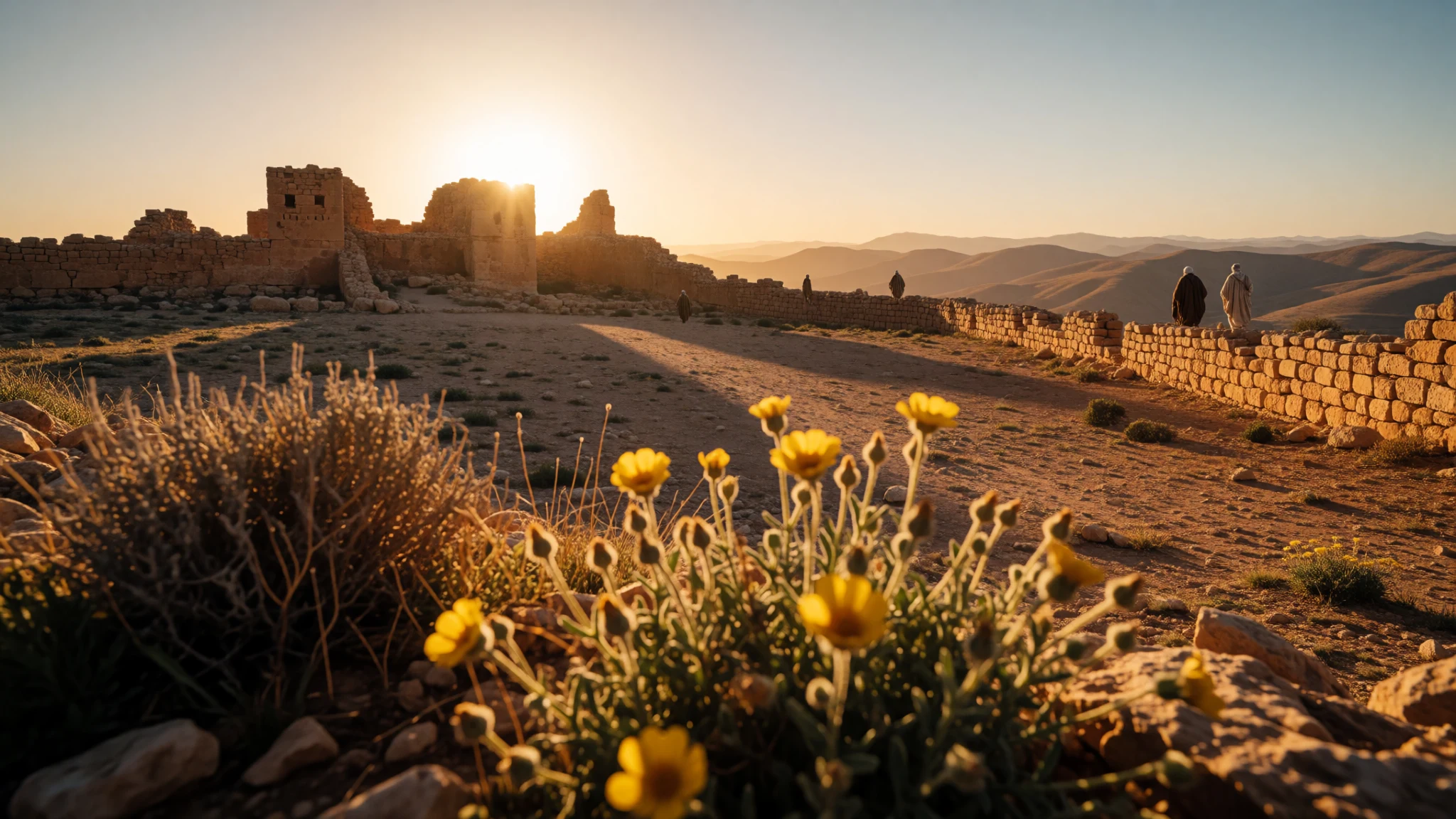
Qal'at Bani Hammad pairs dramatic mountain ruins with early Islamic city-making and UNESCO recognition, without the crowds of major sites.
The place
Qal'at Bani Hammad (قلعة بني حماد) is a fortified palatine city in Algeria, now largely in ruins but still big on atmosphere. The location is what makes it feel special: the site sits in the Hodna Mountains northeast of M'Sila, and the surrounding uplands feed the area with abundant water. That water mattered, because this place wasn’t built as a casual stop—it was meant to work as a capital and military centre.
Today, you wander along the traces of what once enclosed a whole urban world. A long line of walls—about 7 kilometres—marks the perimeter, and within that boundary lie residential quarters and the remains of major religious architecture. The biggest mosque built in Algeria after the one at Mansurah is associated with this settlement, and the overall planning echoes the Grand Mosque of Kairouan, including a tall minaret.
From a visitor’s point of view, the ruins are easier to explore than their name suggests: think walking the edges of fortifications, looking closely at construction details and layout, and then taking time with the excavated fragments—terracotta, coins and ceramics—because the site reads like an archaeological storybook. Crowds are usually light compared with North Africa’s better-known Mediterranean heritage routes, but access can feel remote, and the terrain is uneven, so comfortable shoes and a slow pace help.
Plan for daylight and bring layers for mountain conditions; the uplands can feel colder in winter and noticeably warmer in summer, so mornings and evenings may differ from the midday light.
Its story
Qal'at Bani Hammad began as a political statement. The fortress and city were built in 1007 by Hammad ibn Buluggin, and the settlement went on to serve as the first capital of the Hammadid dynasty. As a fortified palatine city, it combined defensive walls with the functions of governance and religious life, which is why the remains feel both military and urban rather than just “ruins in the hills”.
Its fortunes were tied to shifting power across the Maghreb. The city faced siege activity from the Zirid side, then later had to deal with the pressures of wider regional conflict. After a period of occupation, it was eventually abandoned under the threat of Banu Hilal movements, and later damage was caused by Almohad action. The archaeological layer here isn’t one clean chapter; it’s more like multiple interruptions—construction, lived-in years, breakdowns, and partial destruction.
What survives today also speaks to trade and learning. Medieval chroniclers described the site as a stronghold and a commerce centre that pulled in caravans from far beyond local routes. That kind of movement would have fuelled markets, crafts and the kinds of scholars who travel for resources, patronage and ideas. Excavations, which began in 1908 and then continued in later phases, have turned up terracotta, jewels, coins and ceramics, giving tangible proof that the city was more than a fortress—there were daily lives, workshops and refined tastes.
Even smaller decorative discoveries, including pieces connected to lion motifs, make the past feel surprisingly textured. Qal'at Bani Hammad isn’t polished; it’s layered, and that layering is the point.
What to see
- Outer fortification line — Site perimeter in the Hodna Mountains
Walk the sense of boundary at Qal'at Bani Hammad, where the long wall line (about 7 km) gives the ruins their scale. The stonework reads differently from each angle, especially on brighter days when shadows pick out curving edges.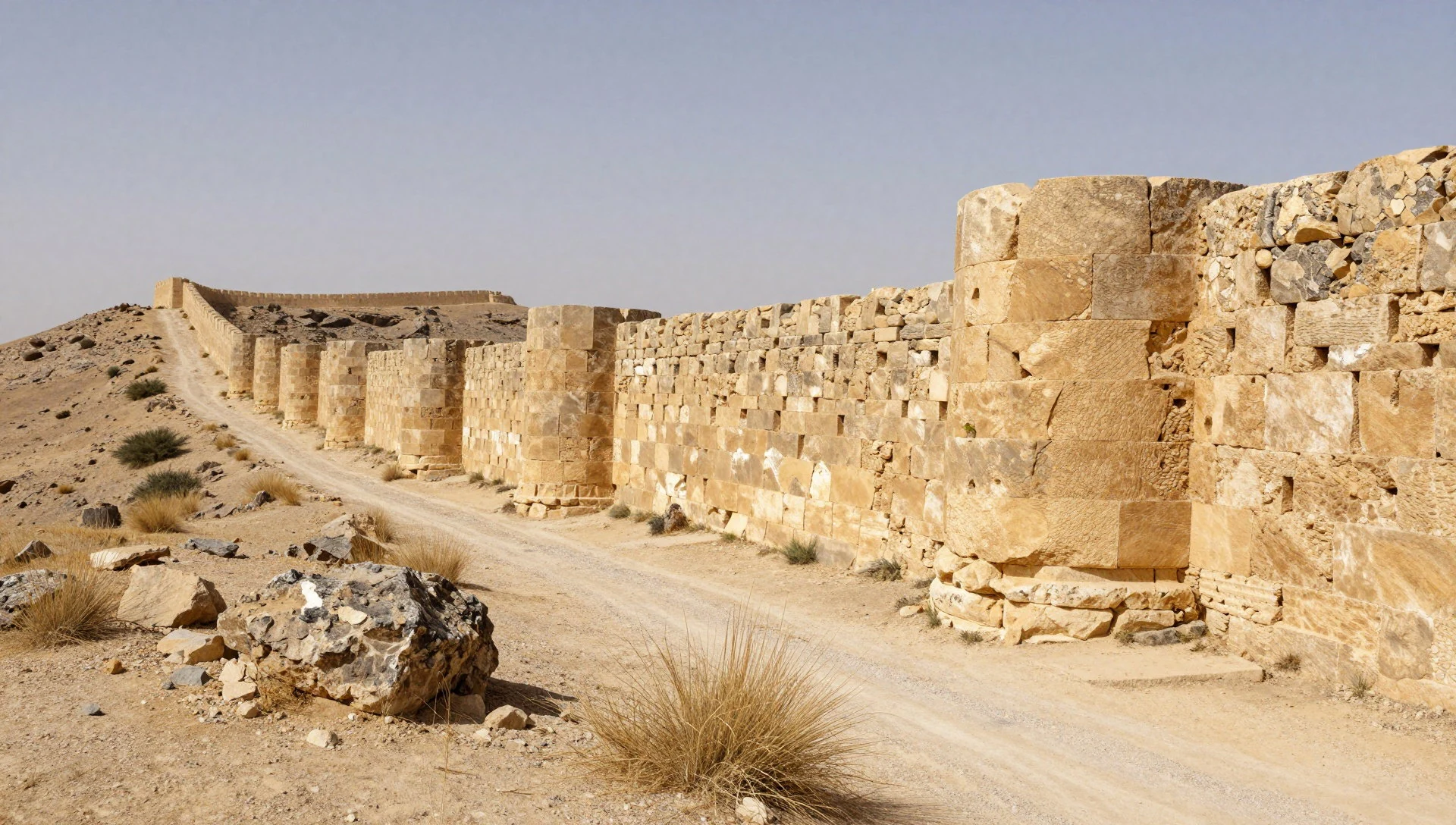
- Residential complexes inside the walls — Inner settlement area
Inside the fortifications, the remaining residential blocks help turn the perimeter into an actual neighbourhood. Look for layout cues and room rhythms rather than “intact houses”—the site is mostly about foundations, passages and how space was organised.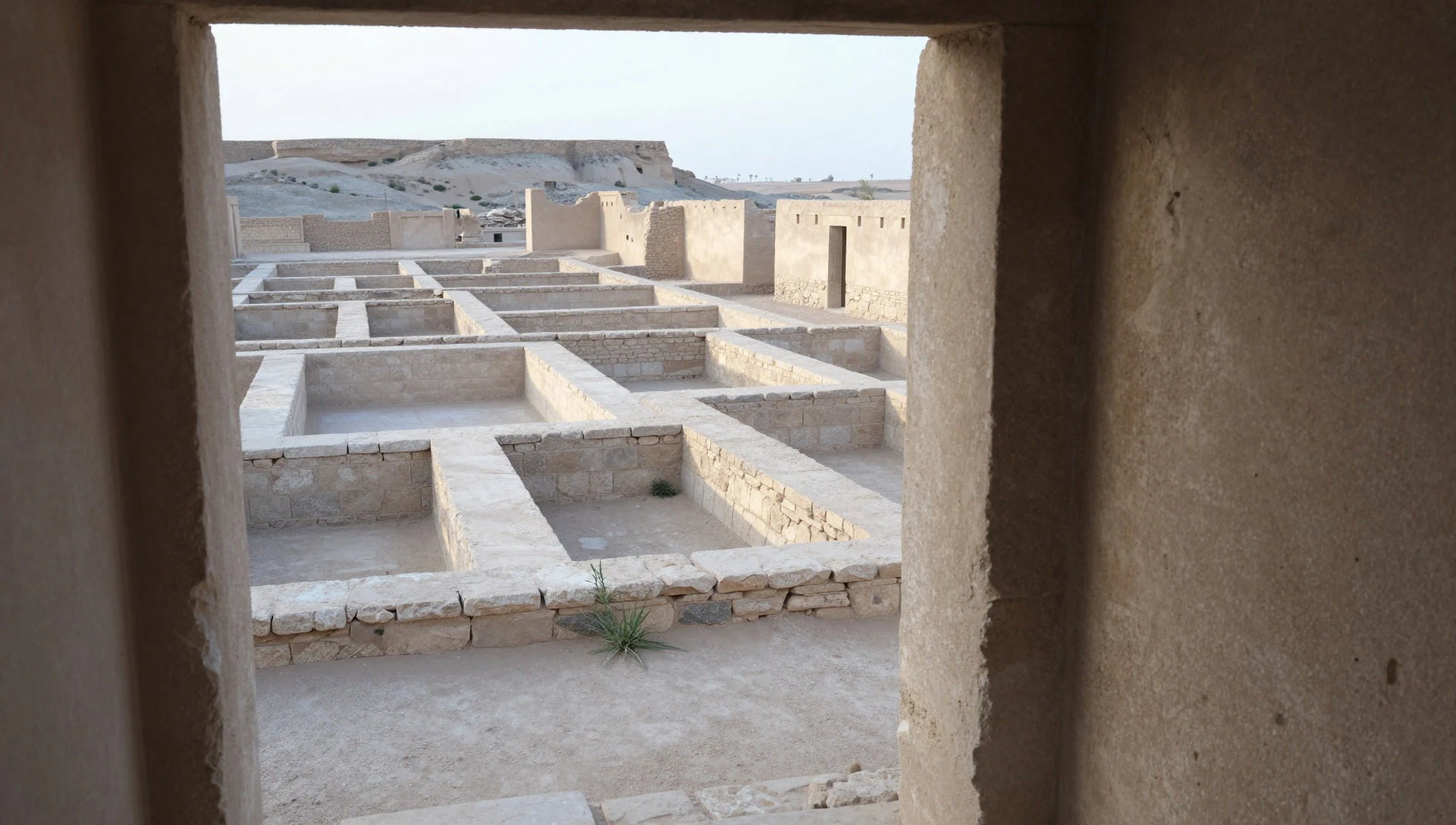
- Major mosque remains and minaret-style architecture — Central religious zone within the walled town
Qal'at Bani Hammad is linked with the large mosque complex associated with the settlement’s principal religious role. The minaret concept in the broader design tradition is part of what visitors come to understand when they try to read the skyline of an 11th-century capital.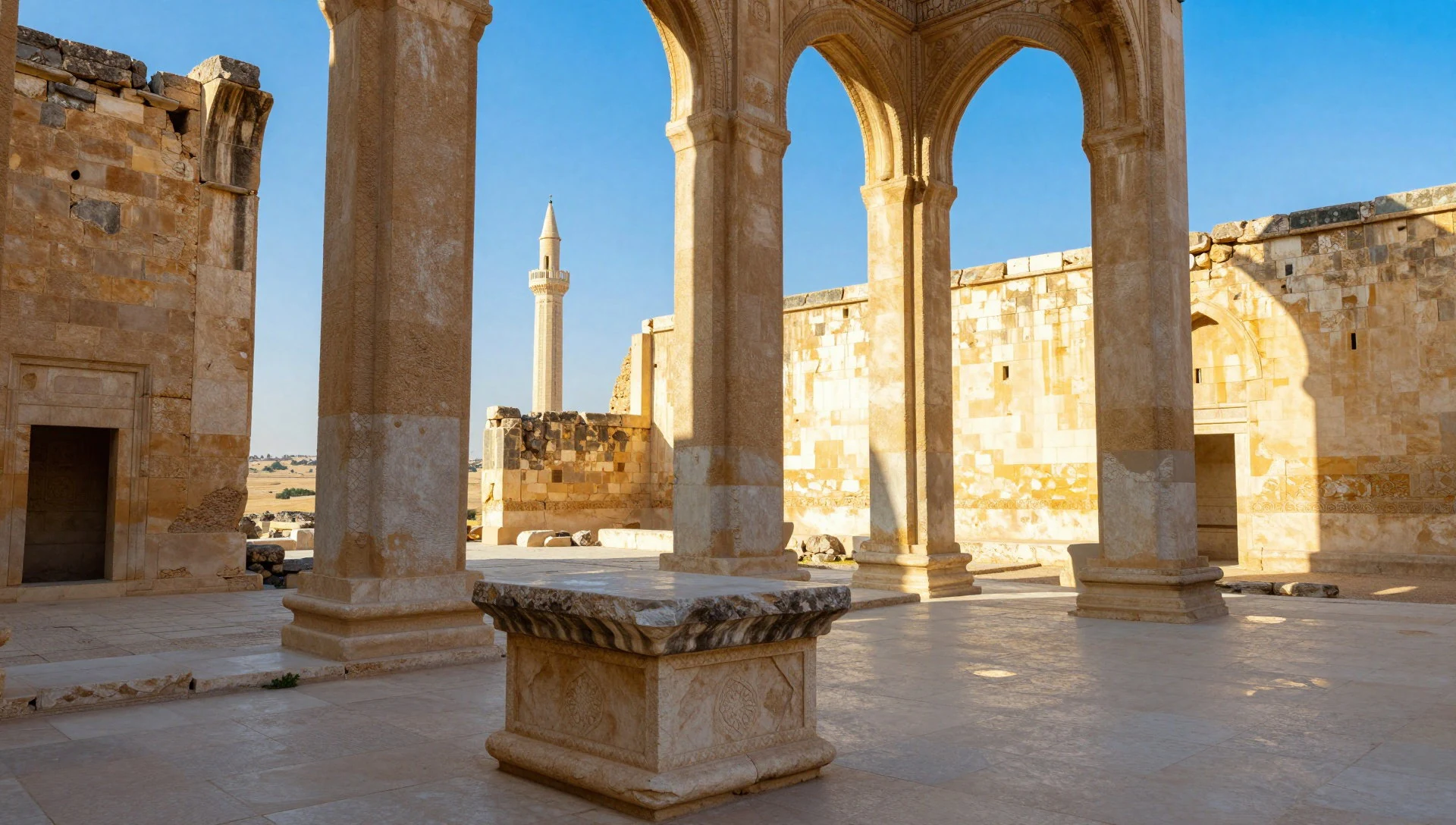
- Excavated decorative fragments (lion motif) — Archaeological finds and displays
Among the finds connected with Qal'at Bani Hammad are decorative fountain elements that use the lion as a motif. These fragments are small, but they signal courtly taste and the kind of symbolism that would have been visible when the city was still functioning.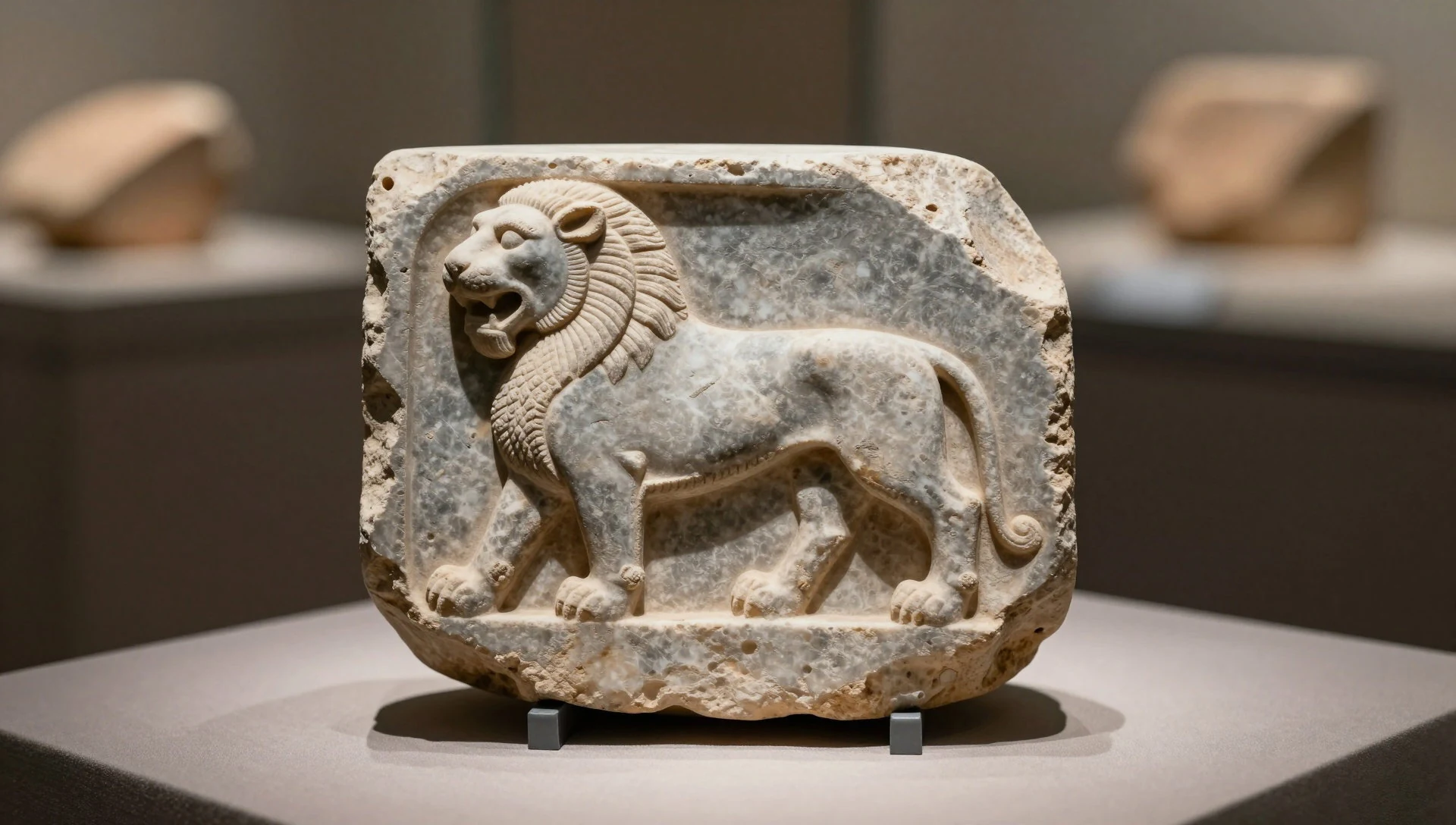
- Mosaic and faience-like decorative pieces — Finds linked to the palace-town context
Qal'at Bani Hammad has also yielded decorative material such as faience-style mosaic panels. When you see them, the site stops feeling purely defensive; it becomes a place where craftspeople worked in colour, shine and pattern as part of everyday prestige.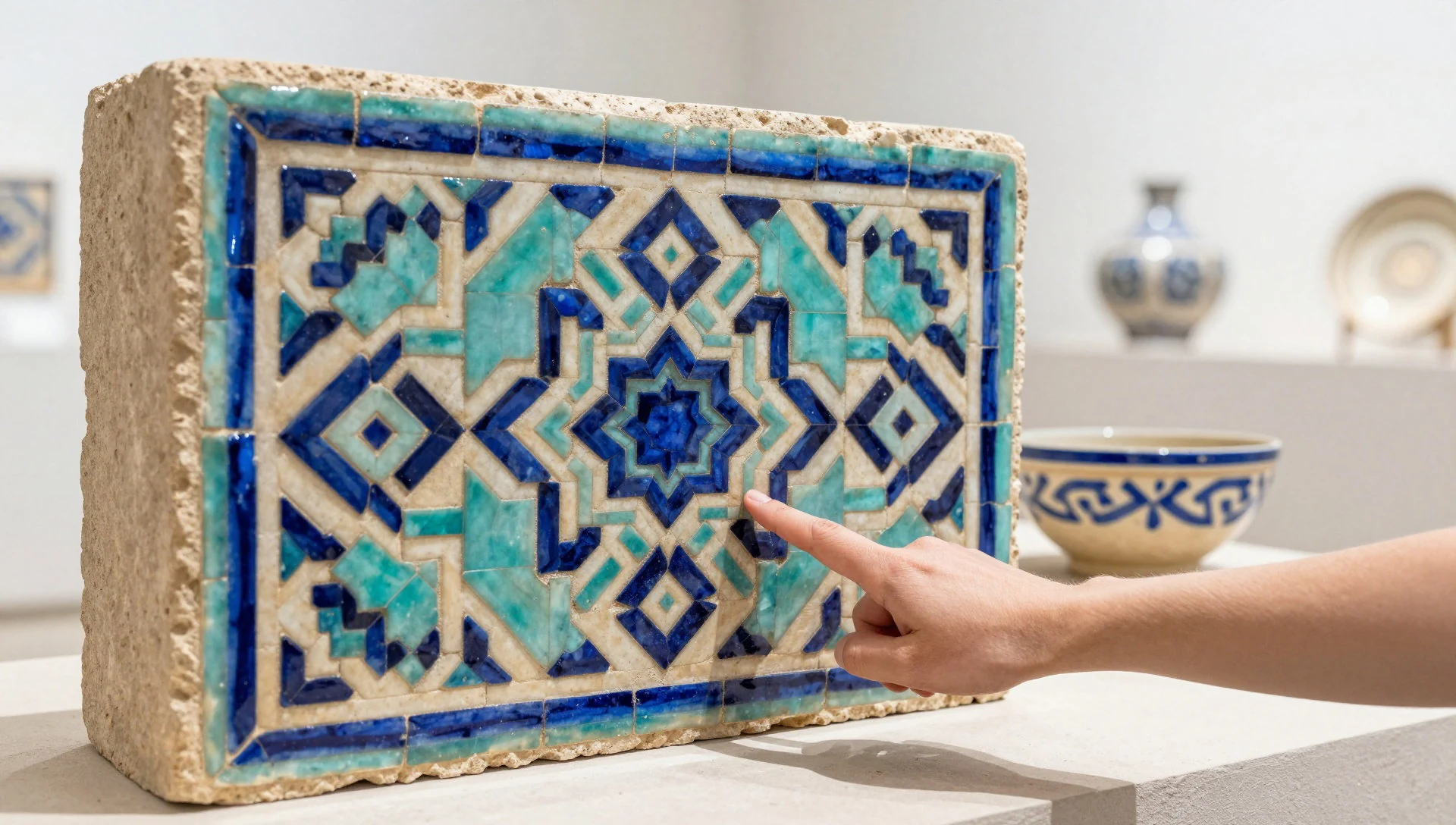
Culture
Algerian social manners sit within wider North African and Arab customs, and respect is a daily language. In practice, Algerians often place a strong value on honour, and that shows up in how conversations and disputes are handled in public. Comments that embarrass someone in front of others can land badly, not because disagreements are forbidden, but because “face” matters.
For visitors, a helpful approach is to be curious without being pushy: asking about local history, geography, and well-known cultural attractions tends to go down well, because it signals genuine interest. Keeping your tone measured in public spaces is also smart, particularly if something is unclear or if plans change. If you meet frankness, don’t assume it’s hostility; it’s often more about directness and the social balance of the moment.
In and around historic sites, behave as though you’re entering a lived cultural landscape rather than a photo set: move calmly, ask before photographing people, and treat fragile remains and displayed pieces with care. In hot sun or sudden wind, take the time to drink and rest rather than rushing through conversations—pace and patience are part of respectful travel.
Visitor etiquette: keep your voice steady and avoid criticising or contradicting anyone loudly in public, especially in front of others.
What to wear
Qal'at Bani Hammad is an outdoor archaeological site in the Hodna Mountains, so clothing choices mostly come down to heat, sun and uneven ground. When dressing for Algeria’s more formal norms around heritage spaces, comfortable modest basics work best: breathable long trousers or loose long skirts, and a top that covers shoulders. Textiles and traditional influences vary by region, but the practical takeaway for visitors is to choose fabrics that handle sun without feeling sticky.
People in towns commonly wear everyday modern clothing, often light layers for daytime and a warmer layer for mornings or evenings. At historic settings, modesty matters more than trying to “dress up” in costume. Footwear is the biggest issue: the ground around ruins and excavated areas can be rough, so sturdy trainers or hiking shoes help far more than sandals.
For a day trip, bring a hat, sunglasses and a reusable water bottle. If entering any spaces that feel more formal than open-air viewing, keep a scarf or light shawl accessible for extra coverage. If the weather turns, pack a light jacket; mountain conditions can shift quickly, and it’s easier to adjust than to improvise.
What to eat
- Brik (stuffed malsouka pastry) — Street stalls and casual Algerian eaters
Brik is a stuffed pastry served fried, often crisp and savoury. Look for it in local eateries and street food stalls where you can watch it being assembled and cooked fresh.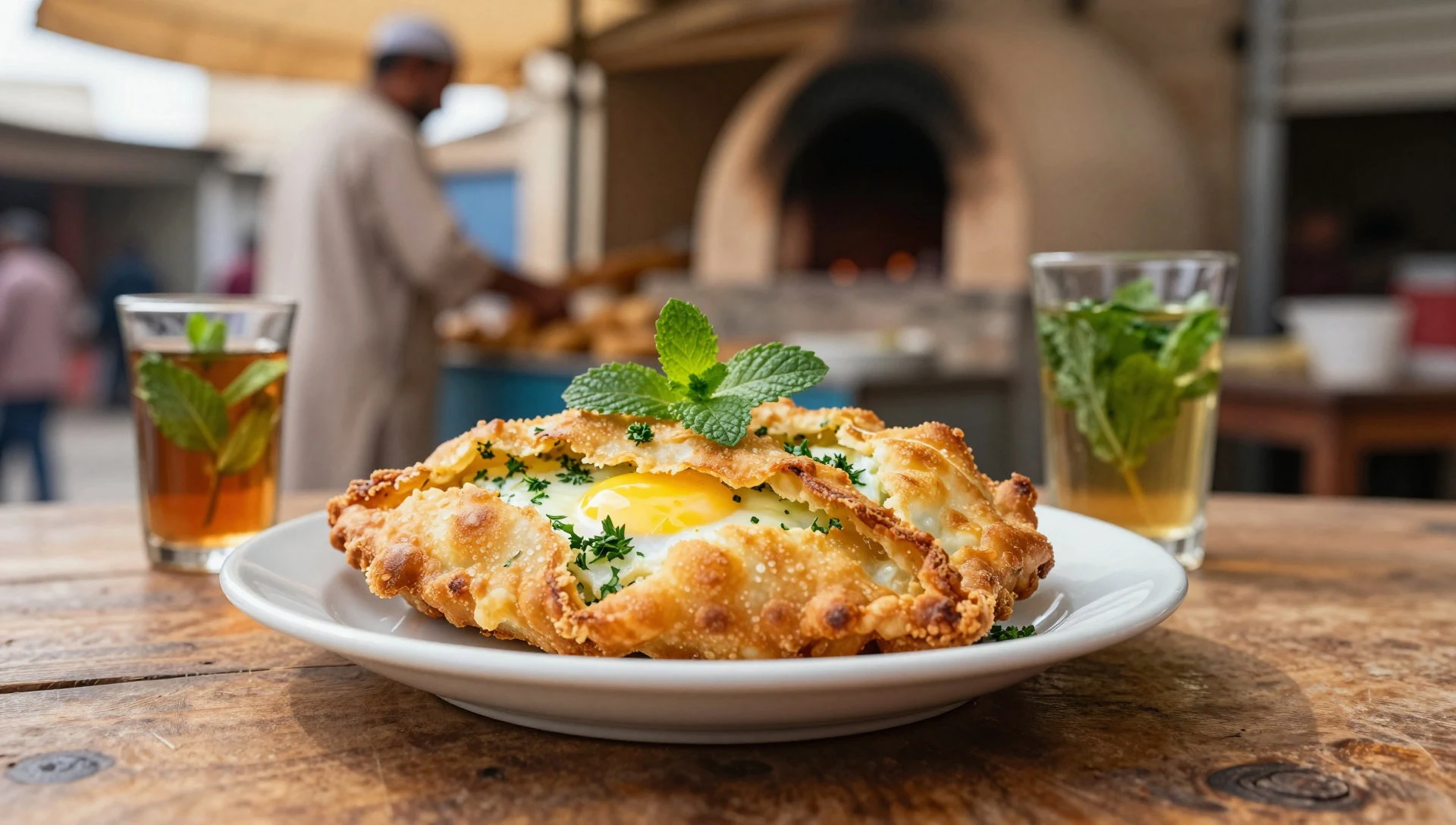
- Couscous — Neighbourhood restaurants and family meal spots
Couscous is steamed semolina served with a sauce that typically includes meat and/or vegetables such as carrots, courgette and chick peas. It’s commonly found in family-style restaurants and neighbourhood diners.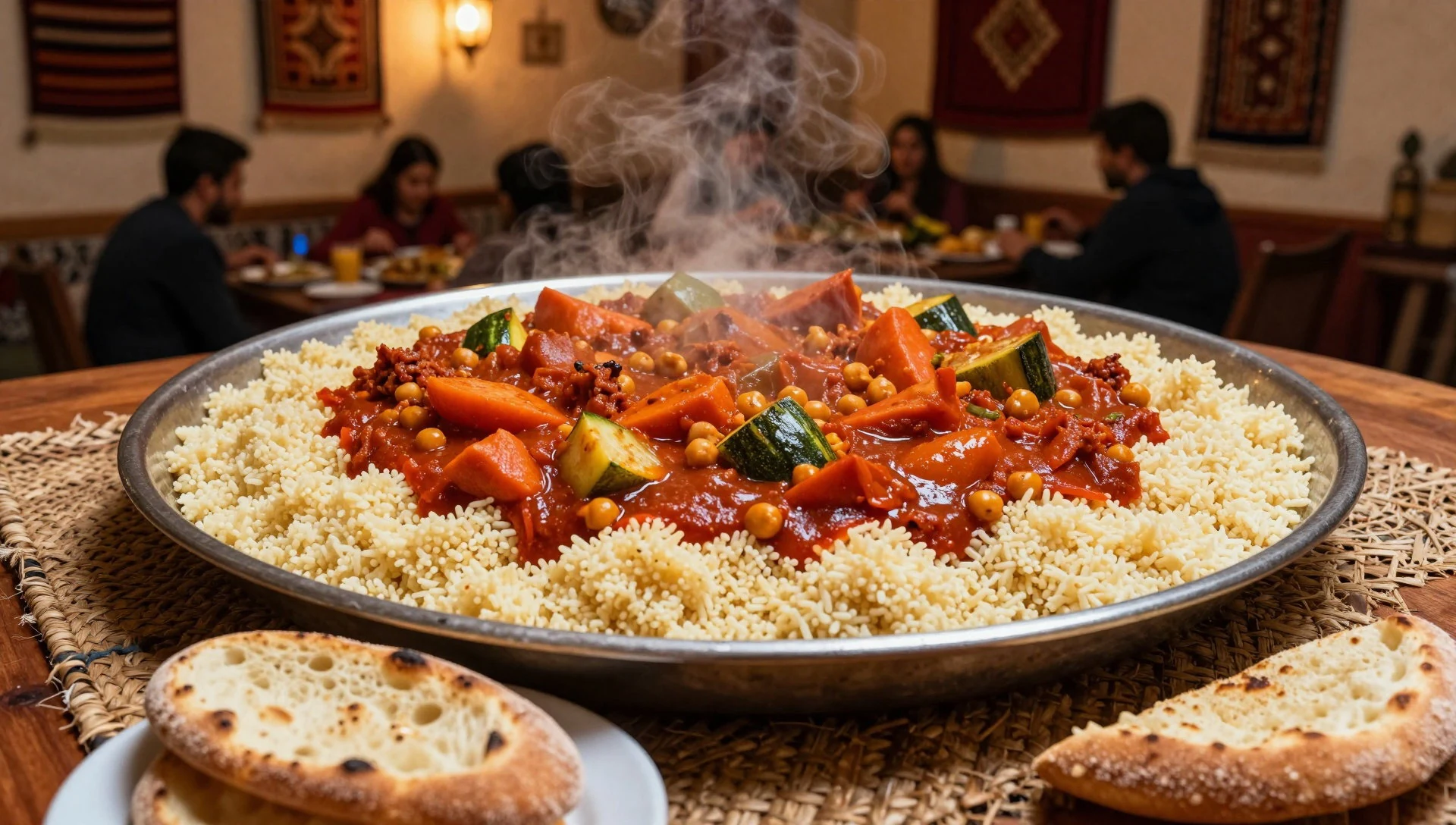
- Chorba (meaty soup) — Traditional restaurants and local soup counters
Chorba is a meaty soup—comfort food that fits well with cooler mountain days and evenings. It’s usually easy to find at traditional restaurants and soup counters in Algerian towns. - Rechta (handmade spaghetti with clear chicken broth) — Sit-down restaurants that list regional pastas
Rechta is handmade spaghetti, traditionally served with clear chicken broth and often accompanied with potatoes. It’s typically offered as a special dish rather than a quick snack, so look for it on a restaurant menu. - Taguella (bread of sand) — Regional desert-focused eateries
Taguella is a nomad speciality described as ‘bread of sand’. It’s the kind of dish more associated with the Sahel-and-desert food tradition than everyday city menus. - Buseluf (cooked lambs head) — Traditional eateries serving regional specialities
Buseluf is a cooked lamb’s head dish, rich and strongly flavoured. It’s usually found in traditional settings where the menu includes offal and hearty regional plates.
Plan it
Best time. May and October are typically the most comfortable months to visit: daytime highs are in the low-to-mid 30s °C, nights are mild rather than freezing, and rainfall is moderate compared with the wetter parts of the year.
How long. 3–4
Getting there. Fly into Algiers (nearest major airport for many travellers), then drive or arrange a local transfer for the last leg to the Hodna Mountains and the area near M'Sila; check current local transport options on arrival.
Budget. mid
Tips
- Expect remote access and plan flexibility—confirm the final local leg before committing to long day travel.
- Start early in the day to avoid the strongest sun and to give time for slow walking between wall lines and excavated areas.
- Bring water and sun protection; stone sites hold heat well.
- Keep some cash on hand for small purchases in towns and at local eateries.
Etiquette
- Keep voices low near groups and be mindful with people around you.
- Stay on safe paths and avoid touching delicate fragments or excavation edges.
- Dress modestly with shoulders and legs covered in more formal areas, even if the main viewing is outdoors.
Nearby
Sources
- Wikidata Q500367 (CC0)
- Wikipedia (rev 1364975713) (CC BY-SA 4.0)
- Wikivoyage (rev 5423202) (CC BY-SA 4.0)
- Photo photos/01-28-2-kal-a-de-beni-hammad-3.jpg (CC BY-SA 4.0)
- Photo photos/02-28-2-kal-a-de-beni-hammad-4.jpg (CC BY-SA 4.0)
- Photo photos/03-maquette-de-kalaa-de-beni-hammad.jpg (CC BY-SA 2.0)
- Photo photos/04-kalaa-des-b-ni-hammad-plan.jpg (CC BY 3.0)
- Photo photos/05-deux-fragments-en-stuc-calla-de-kal-a-des-b-ni-hammad.jpg (CC BY 4.0)
- Photo photos/06-panneau-de-mosa-que-en-fa-ence-kal-a-des-b-ni-hammad.jpg (CC BY 4.0)
- Photo photos/07-architectural-decoration-algeria-11th-12th-centuries-louvre-.jpg (CC BY-SA 4.0)
- Photo photos/08-28-2-kal-a-de-beni-hammad-1.jpg (CC BY-SA 4.0)


