Potala Palace
Potala Palace, Tibet
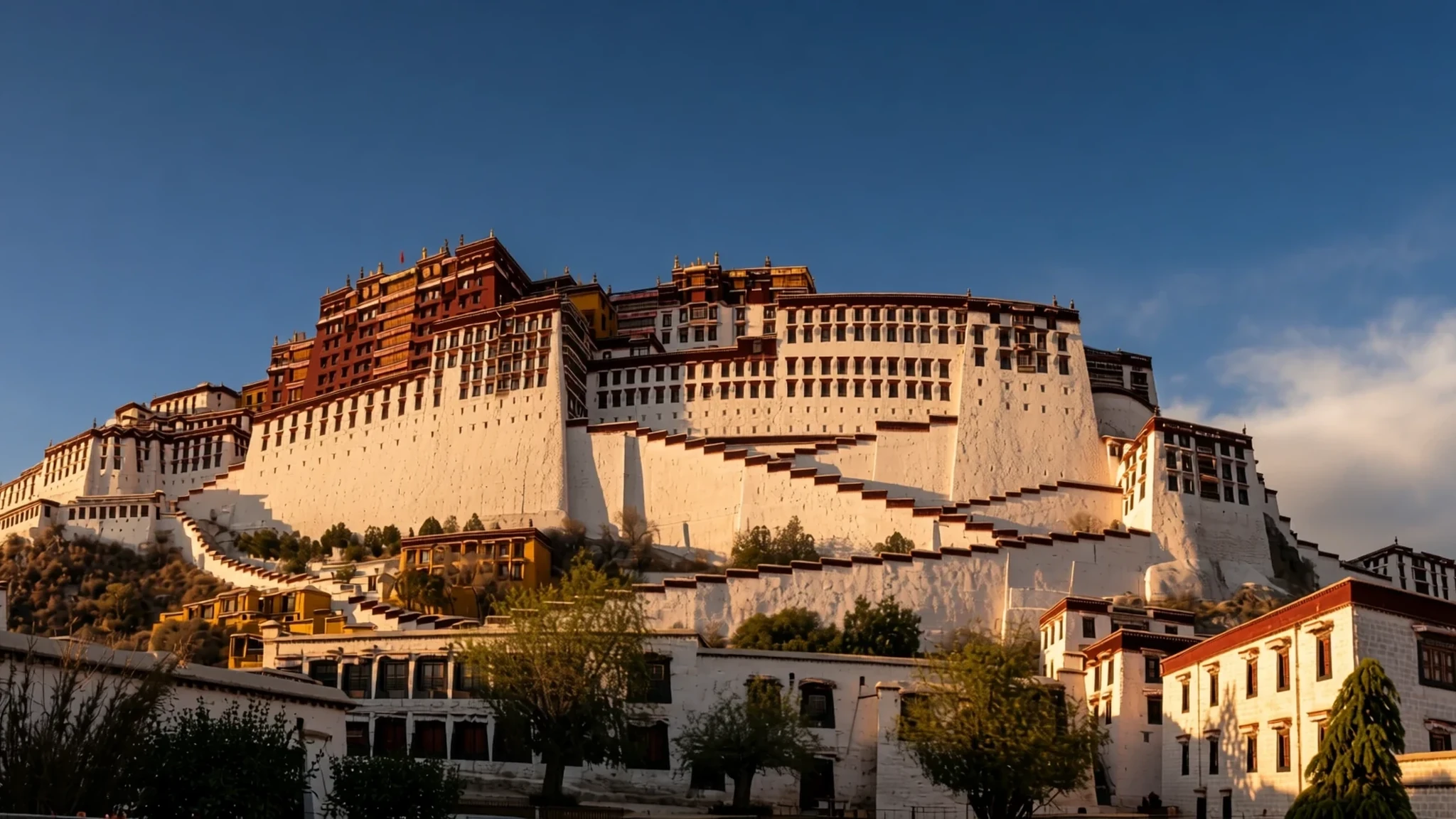
Perched high on a rocky hill, Potala Palace is an extraordinary monument of Tibetan history, towering above the ancient Lhasa valley.
The place
Potala Palace stands as a monumental landmark in Lhasa, dominating the skyline of the valley with its striking red and white masonry. Built high on Marpo Ri, the sprawling complex functioned for centuries as the winter residence of the Dalai Lamas, serving as both a political administration centre and a profound spiritual focal point for Tibetan Buddhism. The complex is named after Mount Potalaka, the legendary mythical home of the bodhisattva Avalokiteśvara. The architecture reflects the traditional dzong fortress style, featuring thick, sloping stone walls designed to withstand earthquakes, with copper poured directly into the deep foundations for added structural reinforcement. Rising across multiple levels, the palace contains thousands of rooms, countless sacred shrines, and an immense collection of gilded statues, murals, and religious texts. Visitors approach the palace by climbing wide stone staircases that zigzag up the cliffside, offering sweeping views over the surrounding valley and the rooftops of the old town below. Inside, the dim, butter-lamp-lit corridors are heavy with the scent of sacred offerings, leading through cavernous assembly halls, private monastic quarters, and elaborate gold-sheeted funerary stupas dedicated to past leaders. The complex represents an astonishing feat of historic engineering, clinging precariously to the mountain rock while anchoring the spiritual identity of the region.
Its story
The history of Potala Palace is deeply intertwined with the rise of Tibetan governance and religious leadership. The original foundation dates back to the seventh century, when the ancient king Songtsen Gampo transferred his royal capital to Lhasa and established a palace on the Red Hill. Traces of this early royal era survive today within specific subterranean sections and ancient chambers preserved in the northwest corner of the modern complex, including sacred meditation spaces traditionally attributed to the early monarch. The massive architectural masterpiece seen today, however, took shape during the seventeenth century under the direction of the fifth Dalai Lama and his regent. Following significant political shifts and military campaigns led by Gushri Khan, Lhasa was firmly established as the administrative centre of the Ganden Podrang government, and the sovereign was seated on a traditional snow lion throne. Construction on the grand new palace began on the ancient foundation site, requiring immense labour to carve terraces into the stone cliff and haul heavy granite, timber, and earth up the steep slopes. Over subsequent generations, successive administrations expanded the complex, adding the brilliant red palace section to house sacred assembly halls and funerary tombs, cementing its status as the enduring heart of political and spiritual authority in the region.
What to see
- Potala Palace Main Complex — Marpo Ri Hill, central Lhasa
Explore the labyrinthine interior of Potala Palace, where steep wooden ladders and dim, butter-lamp-lit corridors connect cavernous assembly halls, sacred chapels, and the towering gold-plated funerary stupas of past leaders. Visitors wind through centuries of history, surrounded by priceless thangkas, intricate mandalas, and thousands of gilded statues.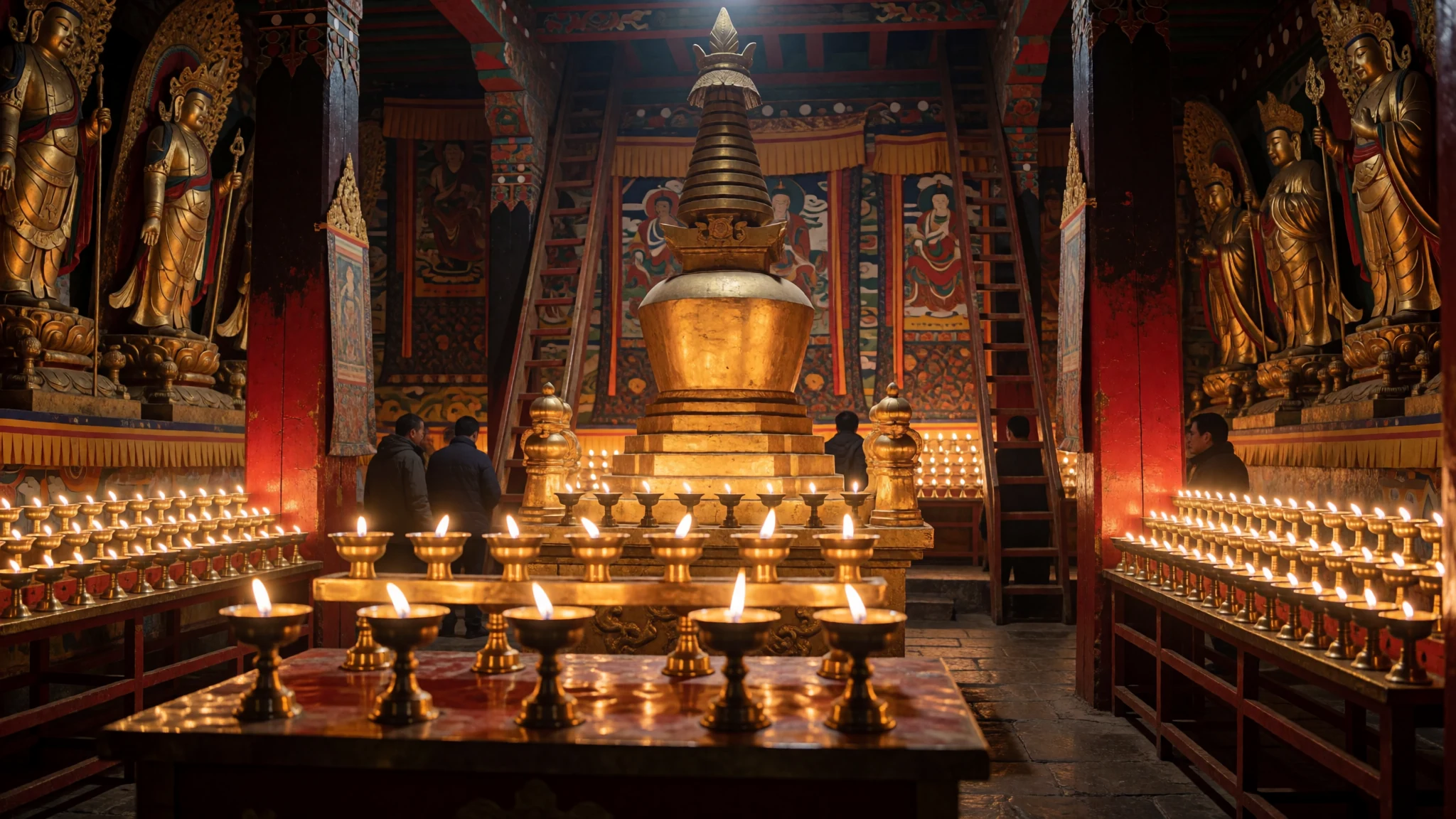
- Jokhang Temple — Barkhor square, old Lhasa
Wander through the spiritual heart of the old city at Jokhang Temple, where pilgrims prostrate themselves on worn flagstones in continuous devotion. Founded in the seventh century, the sacred temple houses ancient images and draws faithful worshippers from every corner of the plateau on daily religious circuits.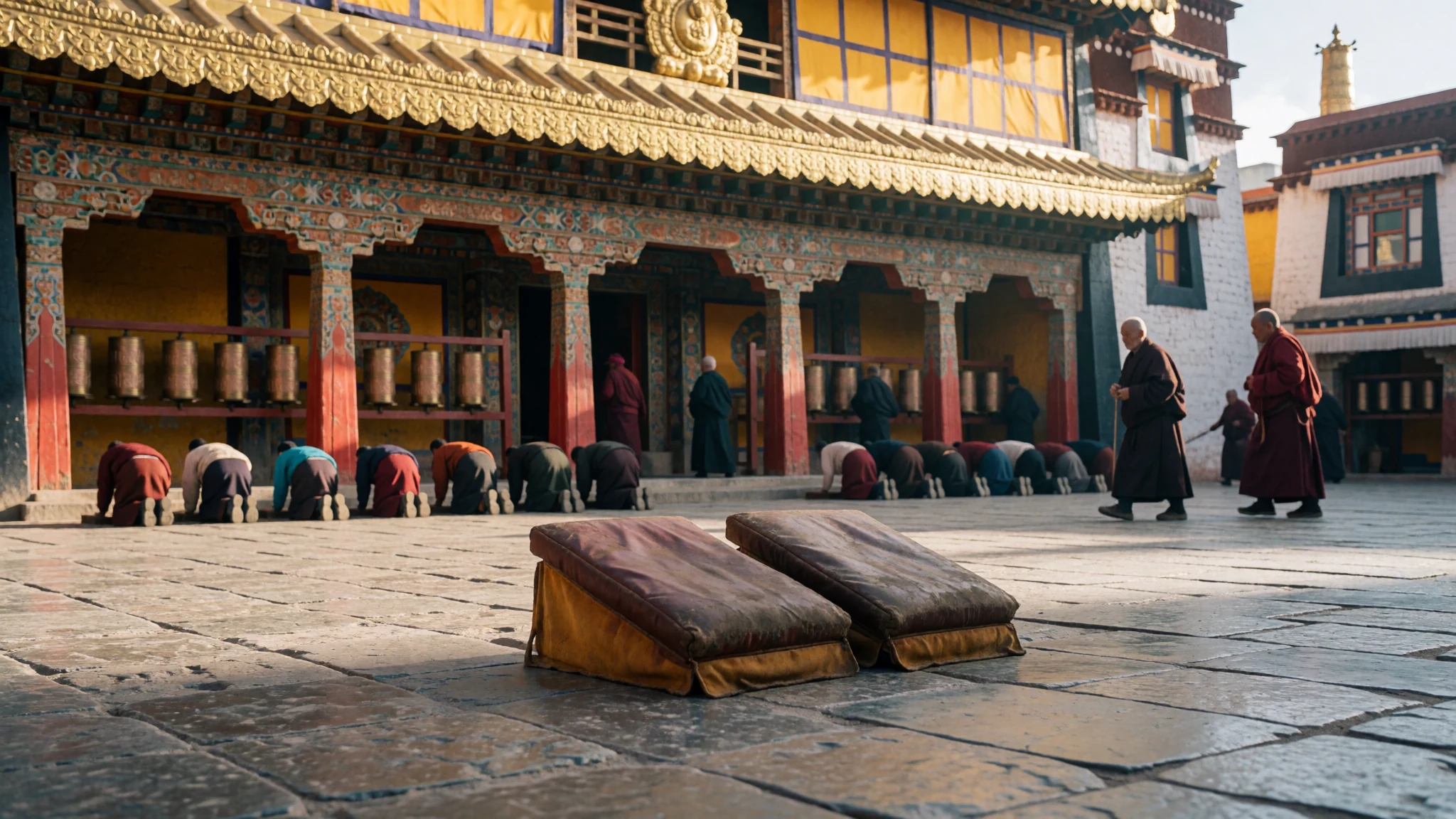
- Barkhor Street — Surrounding Jokhang Temple, Lhasa
Stroll along Barkhor Street, the ancient circular market path that rings the Jokhang Temple. This historic thoroughfare teems with pilgrims, local artisans, and traders selling prayer wheels, turquoise beads, and traditional handicrafts, offering an immersive look into daily community life and traditional commerce.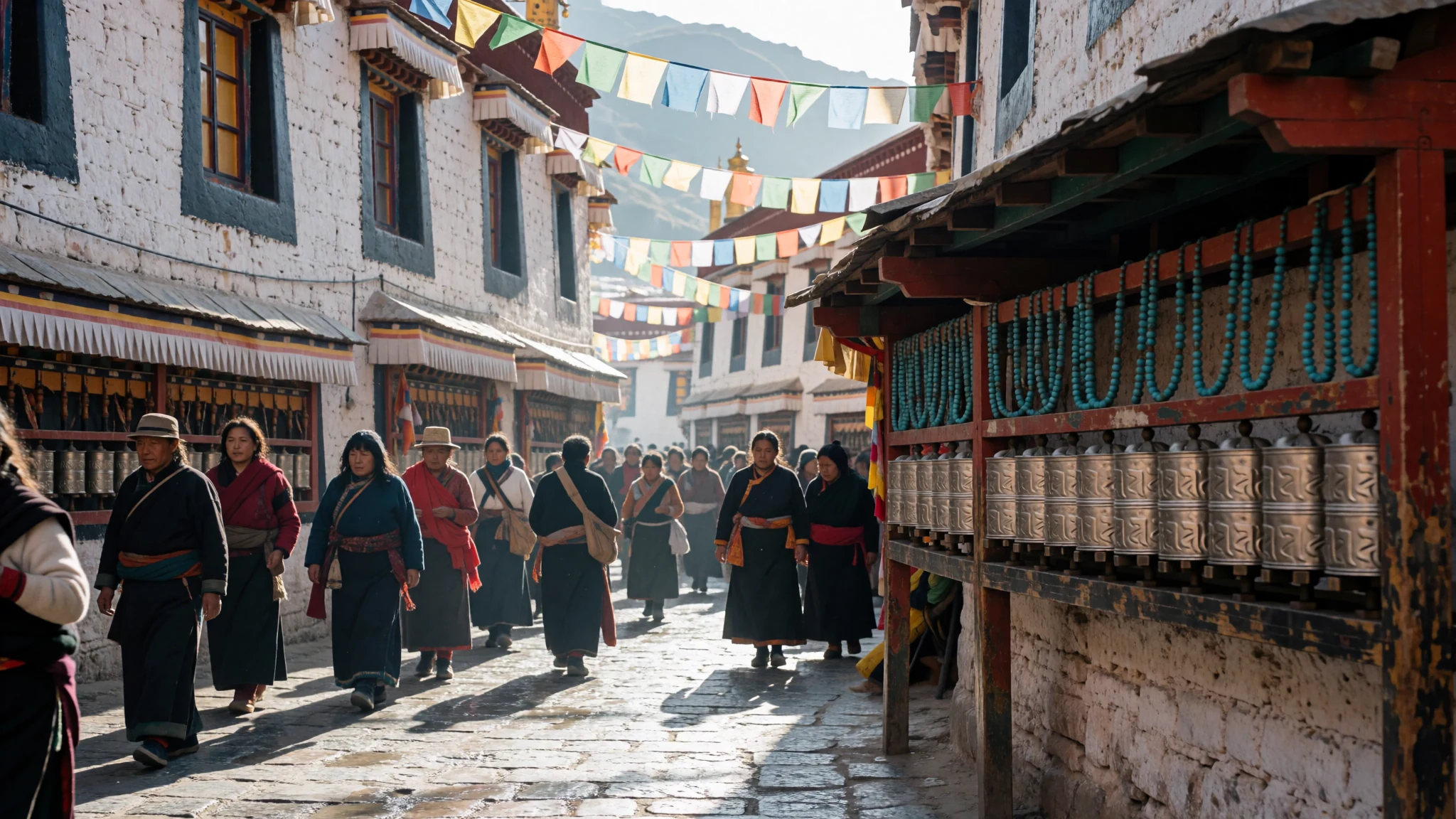
- Norbulingka — Western outskirts, Lhasa
Discover Norbulingka, the historic summer palace set within quiet, leafy gardens on the western outskirts of the city. Built as a tranquil retreat for the Dalai Lamas, the expansive grounds feature quiet pavilions, ponds, and shaded courtyards that provided a cool seasonal escape from the valley heat.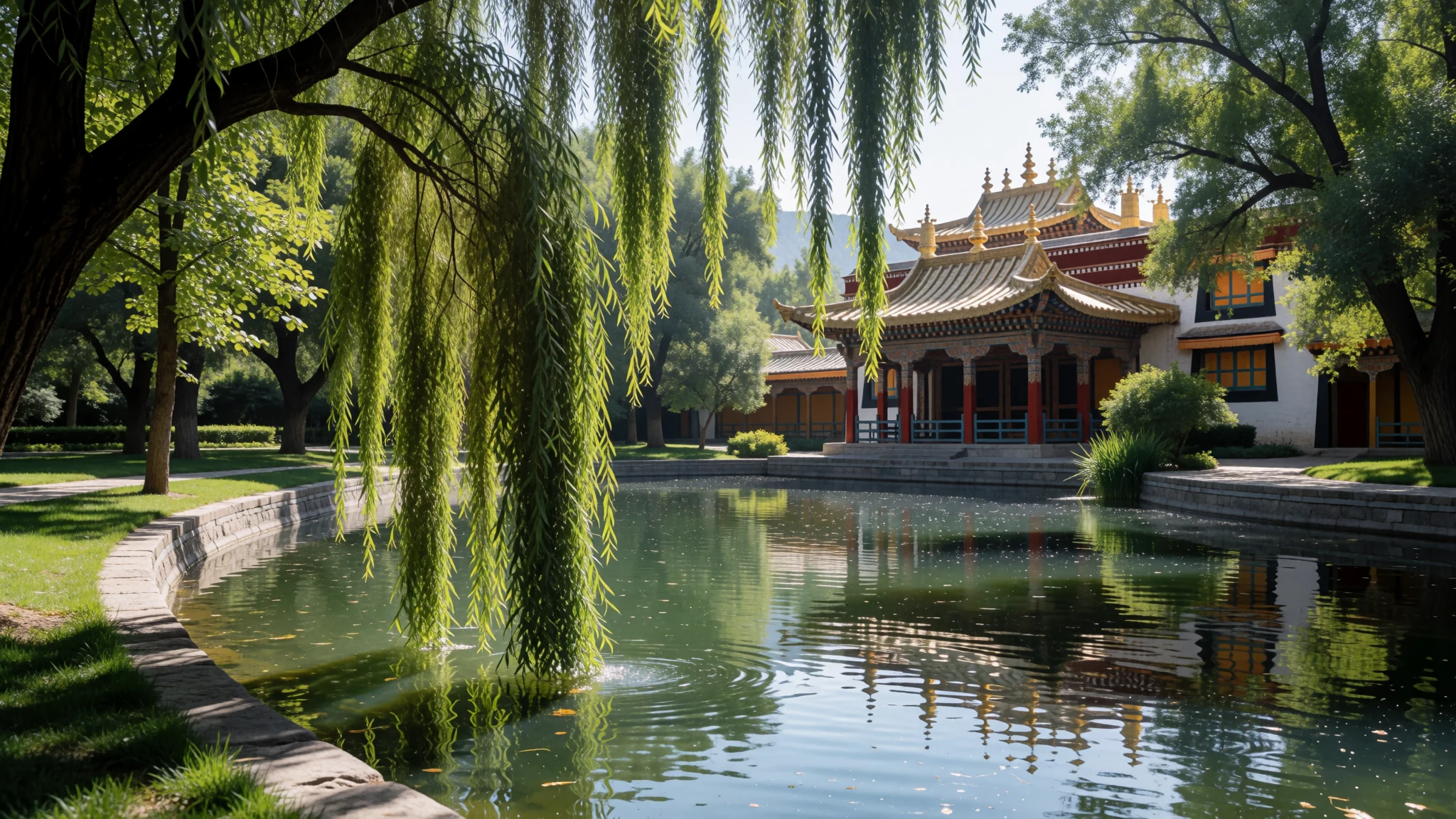
- Chagpo Ri Hill — Southwest of Potala Palace, Lhasa
Climb the rocky slopes of Chagpo Ri hill, situated just opposite the main fortress, to find classic vantage points for viewing the sprawling architecture. Historically home to an important medical school, the rocky outcrop offers exceptional perspectives of the grand white and red walls against the mountain sky.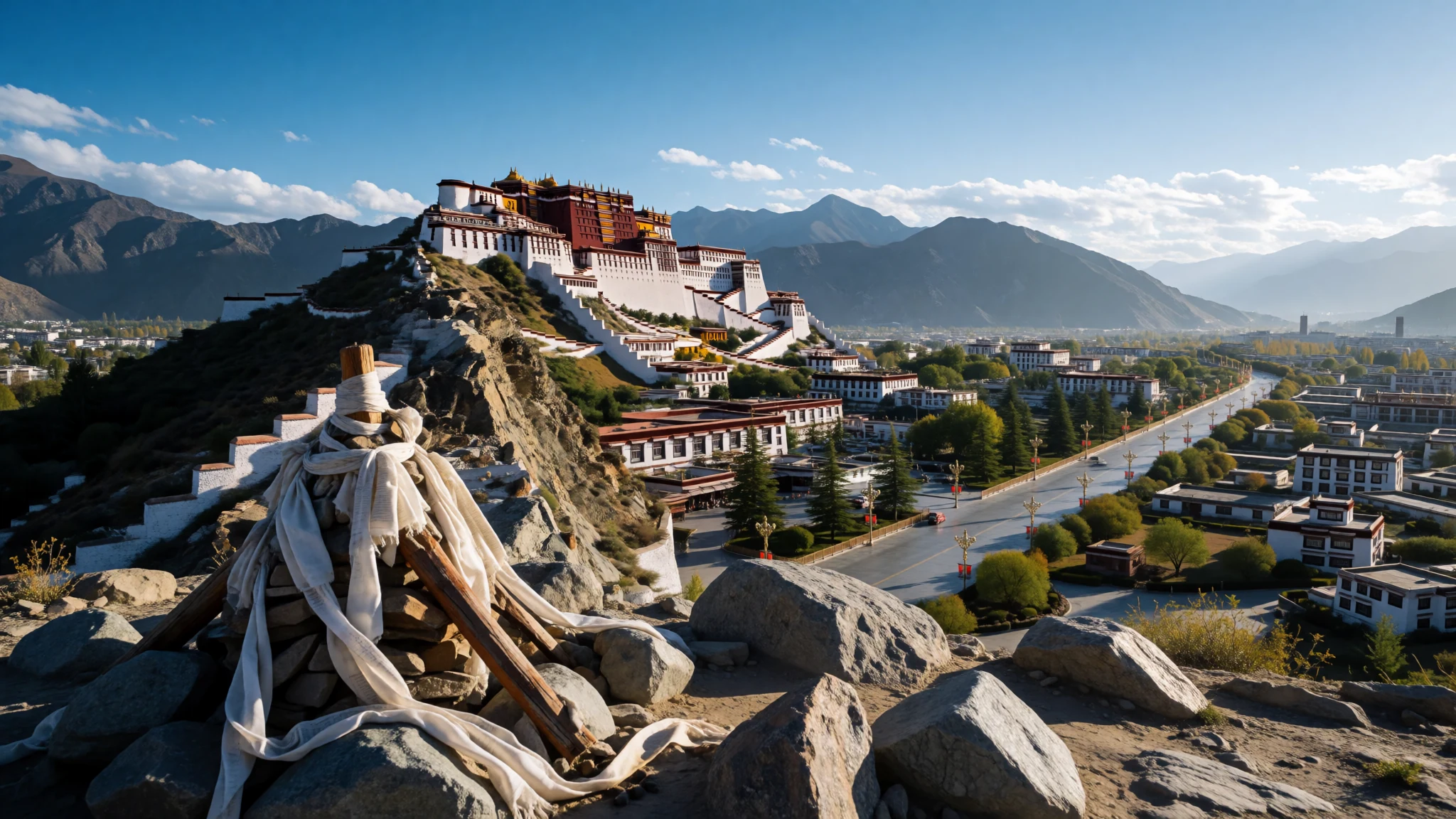
Culture
Potala Palace and the surrounding streets of Lhasa are deeply shaped by centuries of devout Tibetan Buddhist tradition, where daily life revolves around prayer, pilgrimage, and community rituals. Monasteries and sacred sites hum with the chanting of monks, the deep drone of ritual horns, and the sweet scent of burning juniper incense. Pilgrims complete ritual circuits around holy buildings, spinning metal prayer wheels and offering butter to glowing lamps. Hospitality is deeply valued, and travellers are frequently greeted with warm smiles and steaming cups of traditional tea in local homes and guesthouses. Visitors should move slowly to adapt to the high altitude and maintain a respectful, quiet demeanor within all sacred spaces. Always remove hats inside temples and ensure shoulders and knees are covered before entering religious shrines.
What to wear
At Potala Palace and across Lhasa, traditional attire remains a vibrant part of everyday life, particularly among older residents and visiting pilgrims from rural districts. The traditional chuba—a long, heavy woollen robe with a distinctive long sleeve on one side, tucked into a colourful woven fabric belt—is widely worn to protect against the high-altitude chill. Underneath, people often layer high-necked blouses and patterned aprons made from hand-loomed wool. Younger urban residents in the city centre now frequently blend traditional garments with modern jackets, denim, and hiking footwear for practicality. For visitors exploring the high-altitude plateau, dressing in practical layers is essential because temperatures shift dramatically between intense daytime sun and freezing mountain winds. Travellers should pack sturdy walking shoes for the steep stone staircases, along with modest clothing that covers shoulders and knees out of respect for local religious customs.
What to eat
- Yak Butter Tea — Any traditional teahouse or local eatery in Lhasa
A foundational staple of daily life across the region, this salted tea is churned with fermented yak butter and hot water. While its rich, savoury taste and creamy texture can surprise newcomers, it provides essential warmth and calories in the high-altitude cold.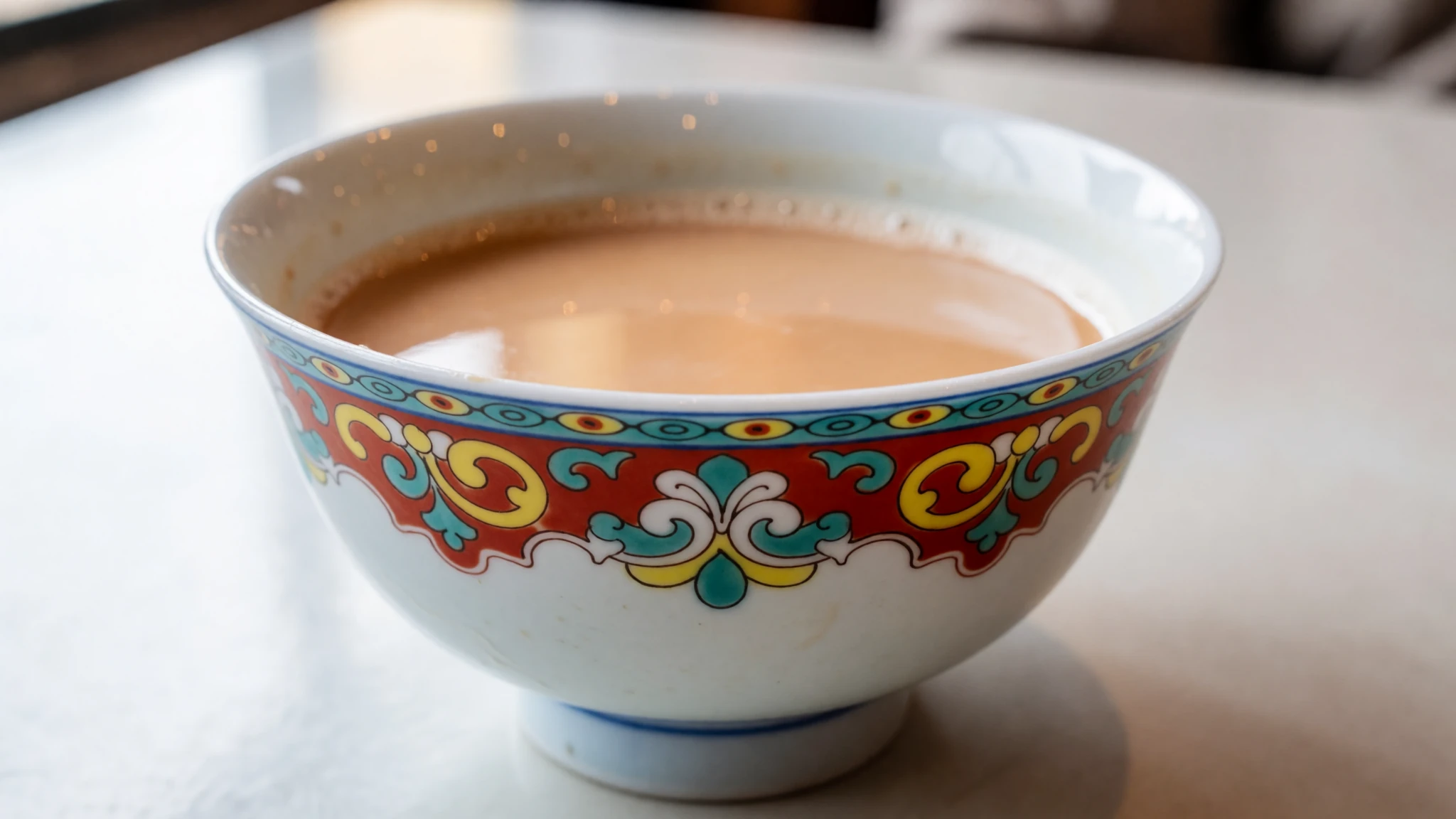
- Yak Burger with Fries — Cafes and restaurants near East Zang Yi Yuan Road
A modern fusion comfort food found at cosy cafes near the old town centre, featuring a lean, locally sourced yak meat patty served on a warm bun with standard fries, offering a hearty meal after a long day of sightseeing.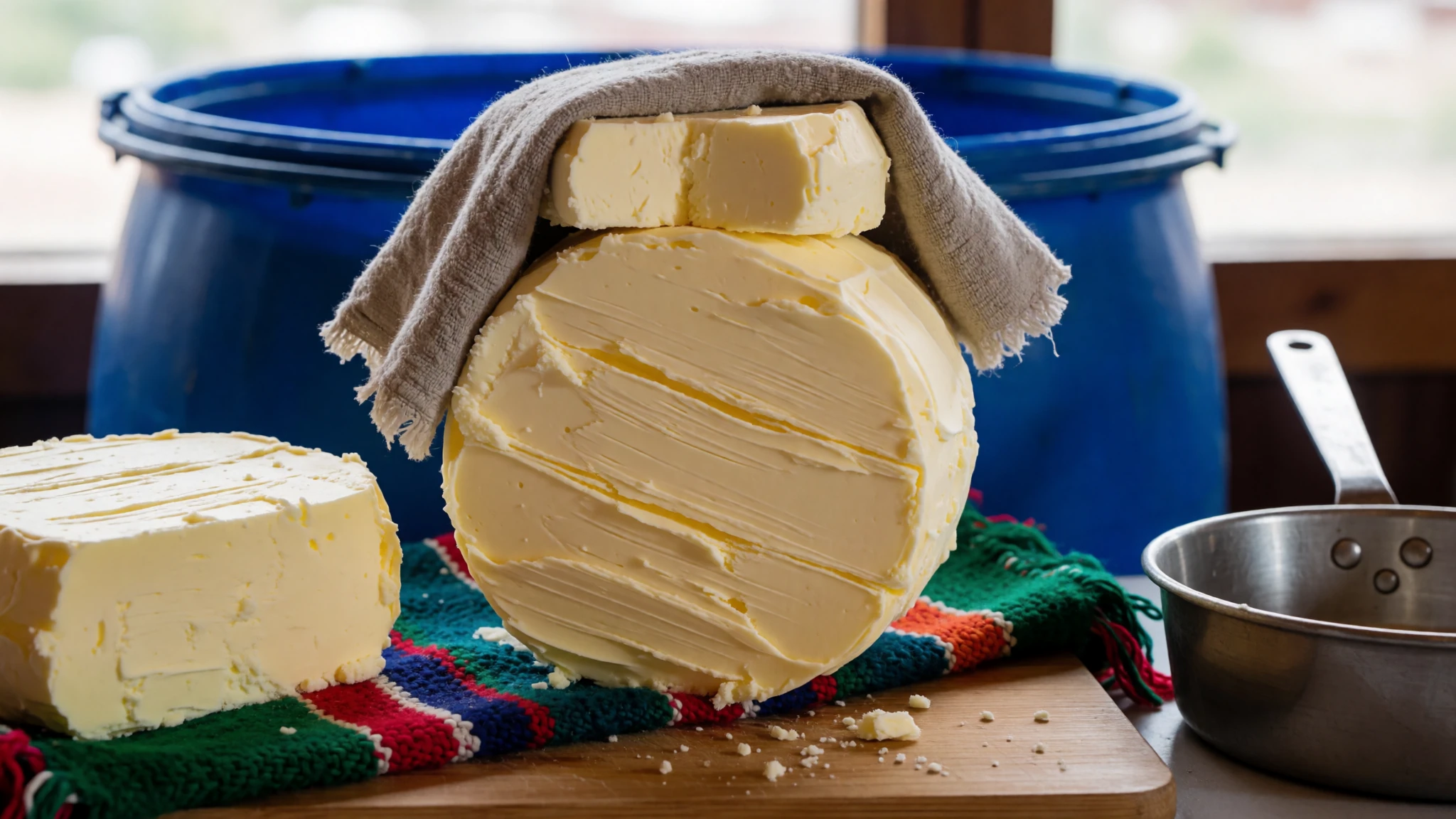
- Tibetan Momos — Local street-side noodle shops and family-run diners across the old town
Steamed or pan-fried dumplings filled with minced yak meat, mutton, or vegetables, seasoned gently with local herbs and served alongside a fiery chilli dipping sauce for a satisfying lunch or snack. - Thukpa Noodle Soup — Traditional noodle houses around Barkhor Street
A comforting, steaming bowl of hand-pulled wheat noodles simmered in a clear meat broth with chunks of yak meat, garlic, spring onions, and green vegetables, perfect for warming up during crisp mountain evenings. - Tsampa — Local markets and family kitchens throughout the valley
The ultimate staple food of the high plateau, made from roasted barley flour. It is traditionally kneaded in a bowl with a little yak butter tea or milk tea into a soft dough before eating.
Plan it
Best time. April, May, and October offer the mildest daytime weather for exploring the high-altitude valley, while July and August bring the heaviest rain.
How long. 3–4
Getting there. Arrive via Lhasa Gonggar Airport (LXA), followed by an airport bus or taxi journey into the city centre along the valley highway.
Budget. mid
Tips
- Acclimatise slowly to the high altitude for your first two days before attempting steep climbs
- Book entry permits and palace time slots well in advance through authorised local agencies
- Carry cash in local currency for small donations, market stalls, and rural bus fares
- Drink plenty of water continuously to combat the dry mountain air and prevent altitude sickness
- Respect local photography restrictions by never taking pictures inside sacred chapels
Etiquette
- Always walk clockwise around stupas, mani walls, and sacred temple complexes
- Remove hats and sunglasses upon entering any indoor shrine or assembly hall
- Ask permission before photographing local residents or pilgrims engaged in prayer
Nearby
Sources
- Wikidata Q71229 (CC0)
- Wikipedia (CC-BY-SA 4.0)
- Wikivoyage (CC-BY-SA 4.0)
- Photo 01-potala.jpg (CC BY 3.0)
- Photo 02-potala-palace-hq.jpg (CC BY-SA 4.0)

