Pondicherry
Pondicherry, India
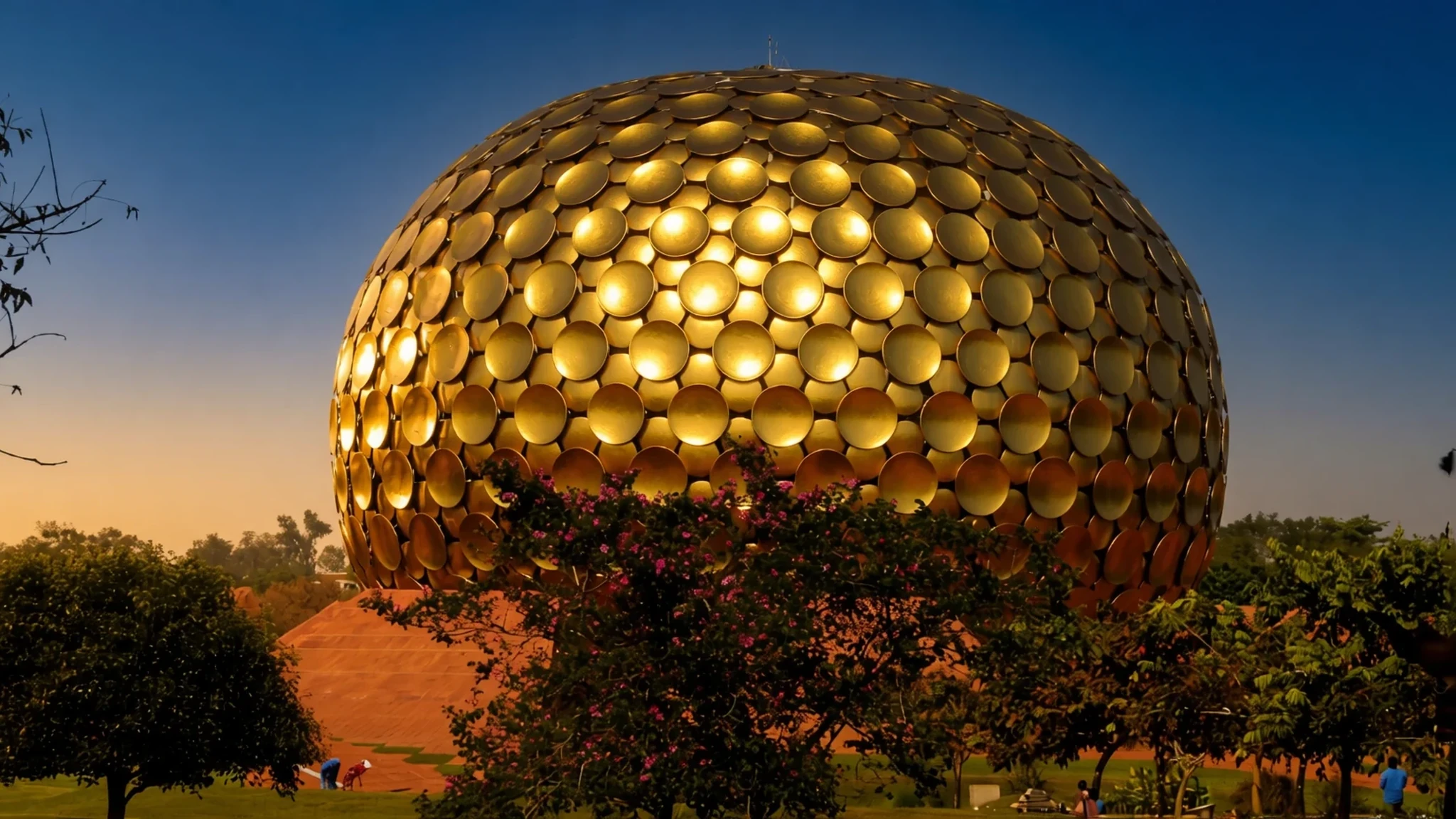
Pondicherry is a seaside city where French street names, colonial villas and South Indian temples share one coastline.
The place
Pondicherry, known officially as Puducherry, is the seat of government and the largest urban centre of the Union Territory of Puducherry, sitting on India's southeast coast. It faces the Bay of Bengal and is surrounded by Tamil Nadu, whose language, food and temple culture it shares. Most visitors arrive from Chennai, a few hours north, and find a place that feels different from the rest of the region as soon as they walk its streets. Yellow and pastel-washed colonial houses line grid-plan lanes in the old French quarter, with wooden shutters, tiled roofs and bougainvillea spilling over the walls. Many of those lanes end at the sea.
The land is flat. The city lies close to sea level, about 3 metres up, and the coast is cut by backwaters, the tidal inlets that give the district its character. Erosion has been a real problem. A breakwater built to the south in 1989 changed how the waves move along the shore, and the broad sandy beach that once existed has largely gone. A long seawall of granite boulders now protects the seafront, and it is topped up every year because the stones keep sinking into the seabed. For a visitor, the promenade is more a walk along rock than a sandy beach, and the sea is best seen at sunrise or in the cooler evening.
The rhythm of the town is unhurried. Mornings suit markets, temples and bakeries, afternoons often go quiet, and evenings bring the seafront back to life with families and vendors. Bicycles and rickshaws are an easy way to cover the distances, though traffic on the main roads can be heavy and the pavements are uneven.
Its story
Pondicherry, known officially as Puducherry, carries its history in its name. Puducherry is Tamil for 'new town', and the word is thought to come from Poduke, the port market that Roman traders used, as recorded in the Periplus of the Erythraean Sea. Earlier still, the settlement was known as Vedapuri, a place where Vedic scholars lived and taught.
The region passed through the hands of several powers. The Pallavas came first, followed by the Cholas and then the Pandyas. Later the Nayaks of Gingee, within the wider Vijayanagara world, held the area, until a sultan from Bijapur took control in the seventeenth century. Ports like this one drew merchants, and the town became a stop for traders from several parts of the world.
The European chapter opened with the Portuguese, who were the first Europeans to trade in textiles here, in the sixteenth century. Dutch and Danish traders followed in the seventeenth century. The French then arrived as traders, and in the late seventeenth century François Martin laid out the settlement whose plan still shapes the town. Possession moved between the powers during later wars, but the French stayed long enough to leave their mark on streets, churches and the seafront.
The territory joined India in the mid-twentieth century and now sits within the Union Territory of Puducherry. The old French character survives in street names, villas and a slower café rhythm. Walking the grid of the French quarter means following a plan drawn in the colonial era.
What to see
- Bharathi Park — Town centre
A leafy park at the heart of the town, with a white monument at its centre called the Aayi Mandapam. It was built during the reign of Napoleon III and commemorates the supply of water to the French city in his time. In the late afternoon, families gather under the trees. Visit early or at dusk, when the heat has eased.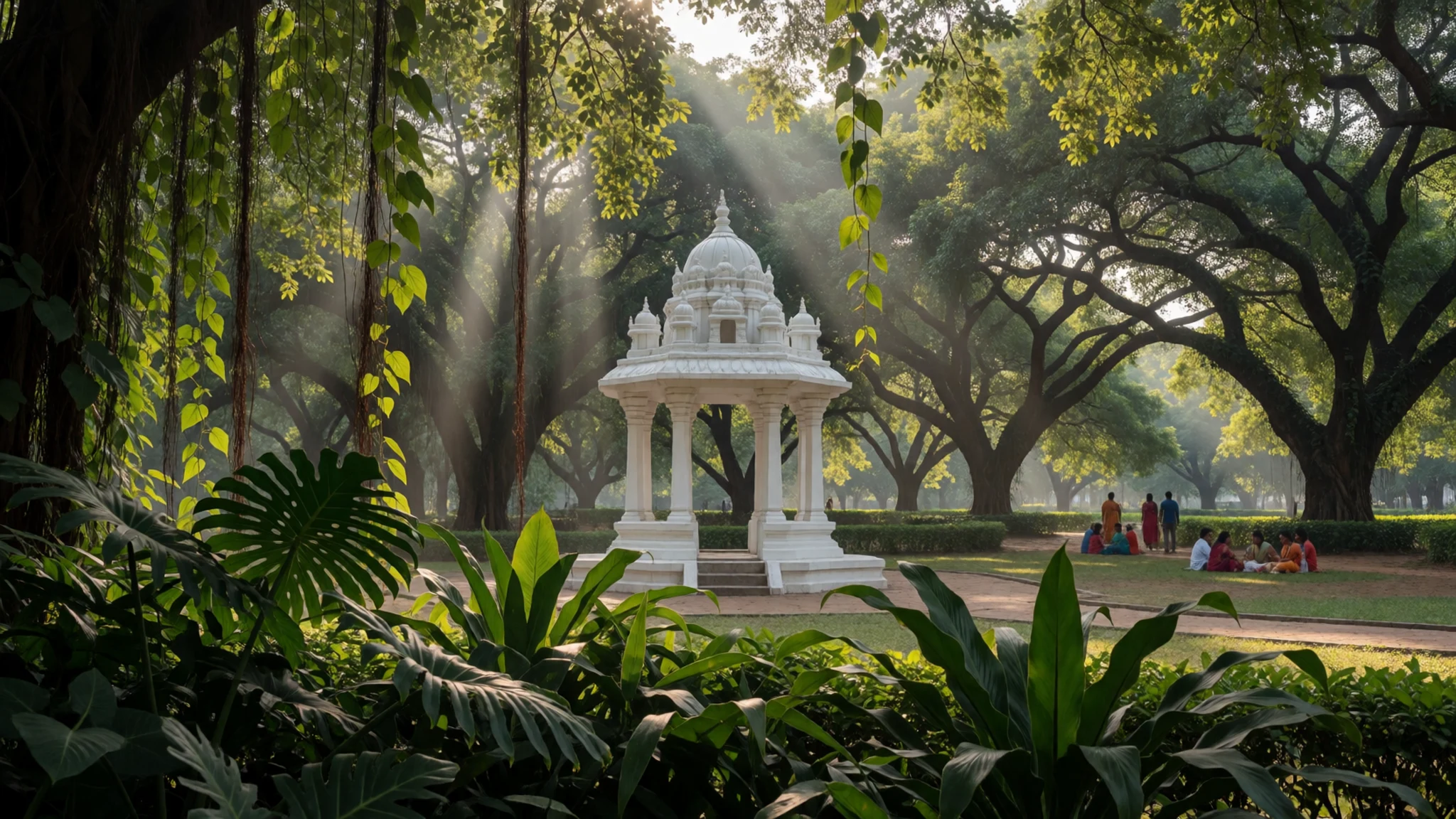
- Pondicherry Lighthouse — Seafront, near the French War Memorial
A lighthouse on the seafront, first built in the nineteenth century by the French rulers. A newer tower was put up by the Government of India in the twentieth century. Visit in the early morning or near sunset, when the light is soft and the sea breeze is up. Check the official site before planning a climb.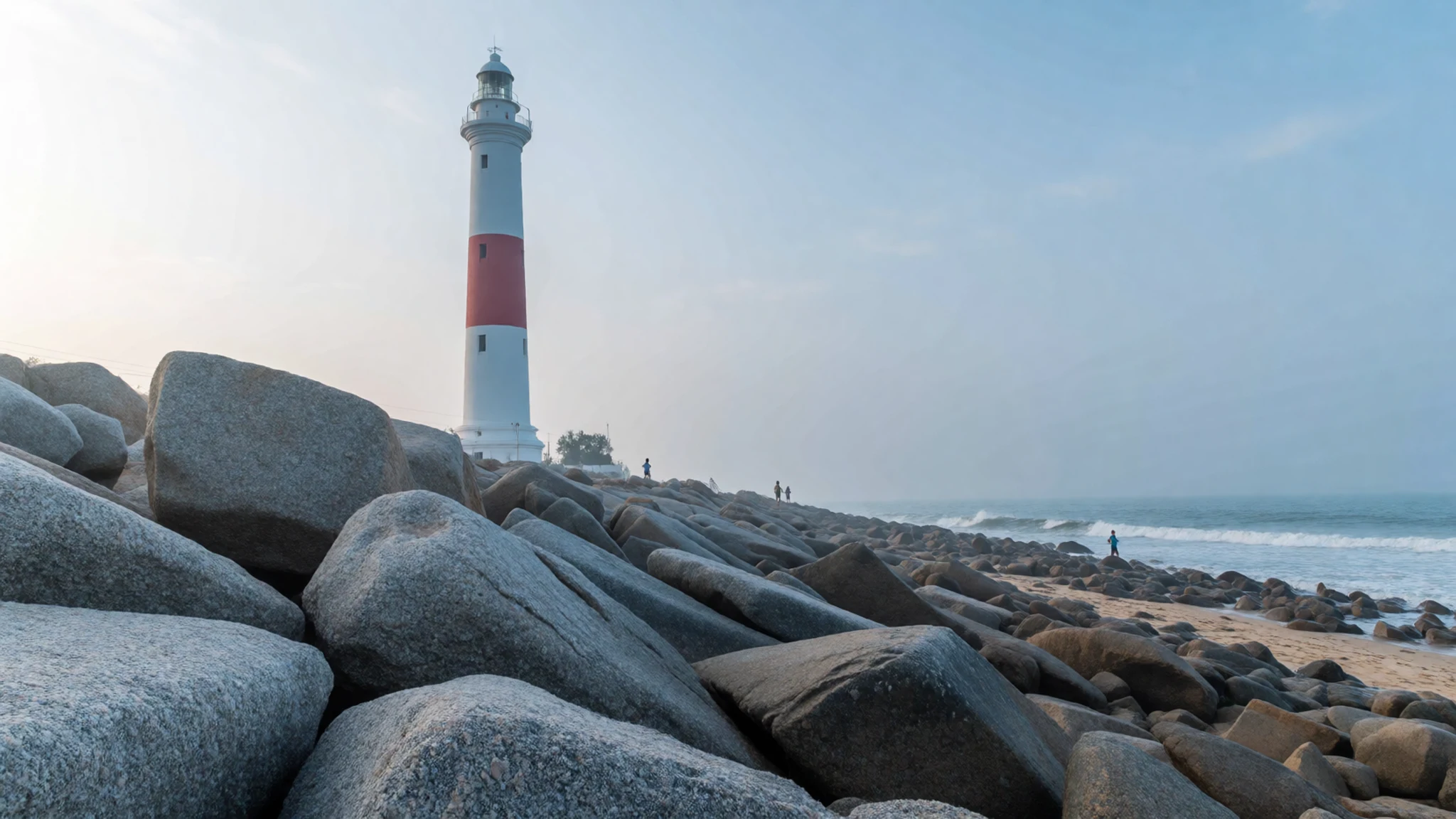
- French War Memorial — Beach Road, seafront
A war memorial on Beach Road, dedicated to the French Indian soldiers who died for their country in the First World War. Its position facing the sea makes it a quiet stop on an evening walk along the promenade. Keep voices low and avoid climbing on the monument, as it is a place of remembrance.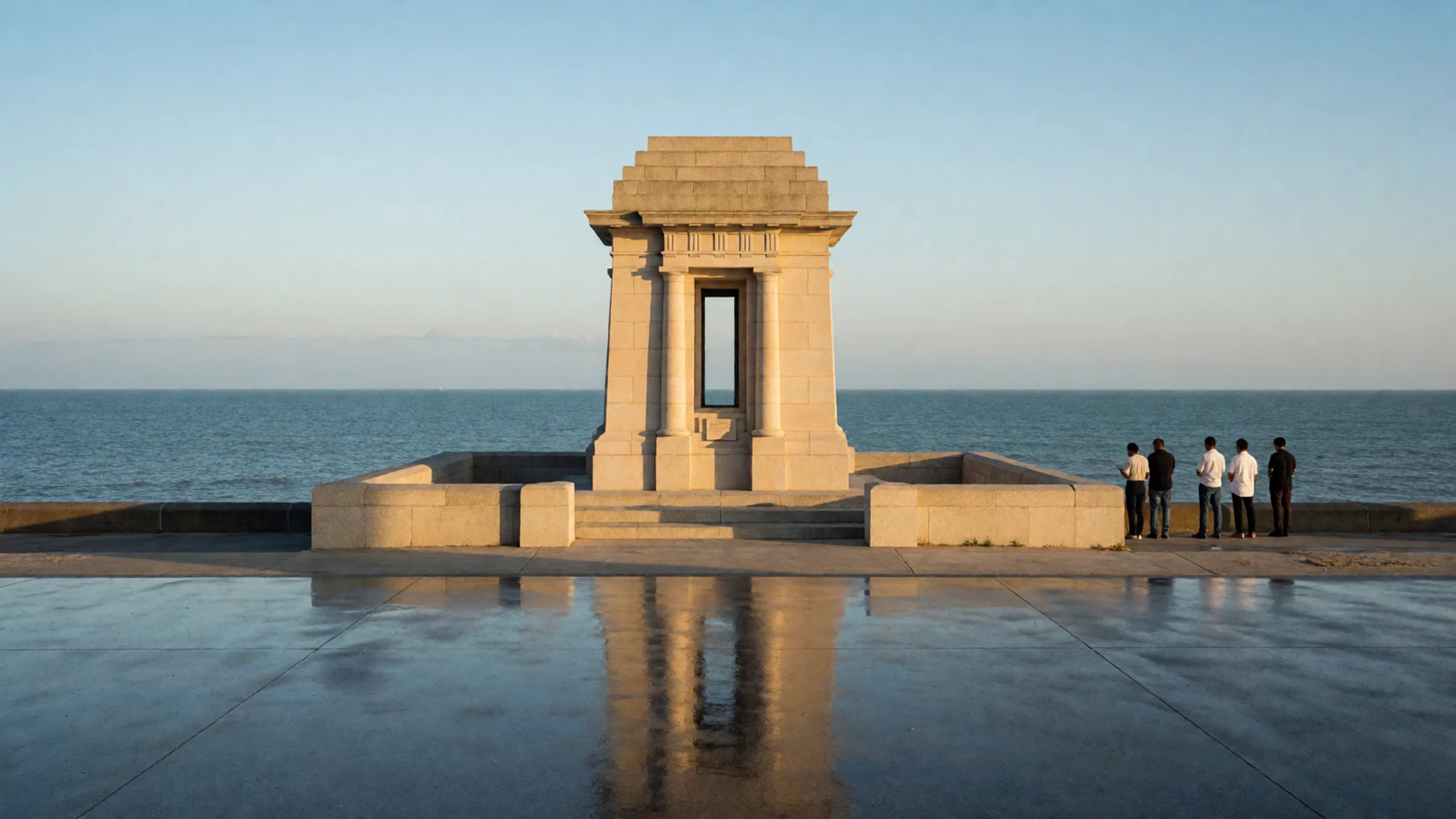
- Ousteri Lake — Edge of the city, north-west of the centre
A freshwater lake on the edge of the city, and the largest lake in the territory according to Wikivoyage. It is a bird sanctuary, home to a rich range of species, and a stopover for migratory birds that arrive after November each year. Golden orioles, open-billed storks and tailorbirds are among those you may spot. Bring binoculars, go early, and expect a quiet, rural atmosphere.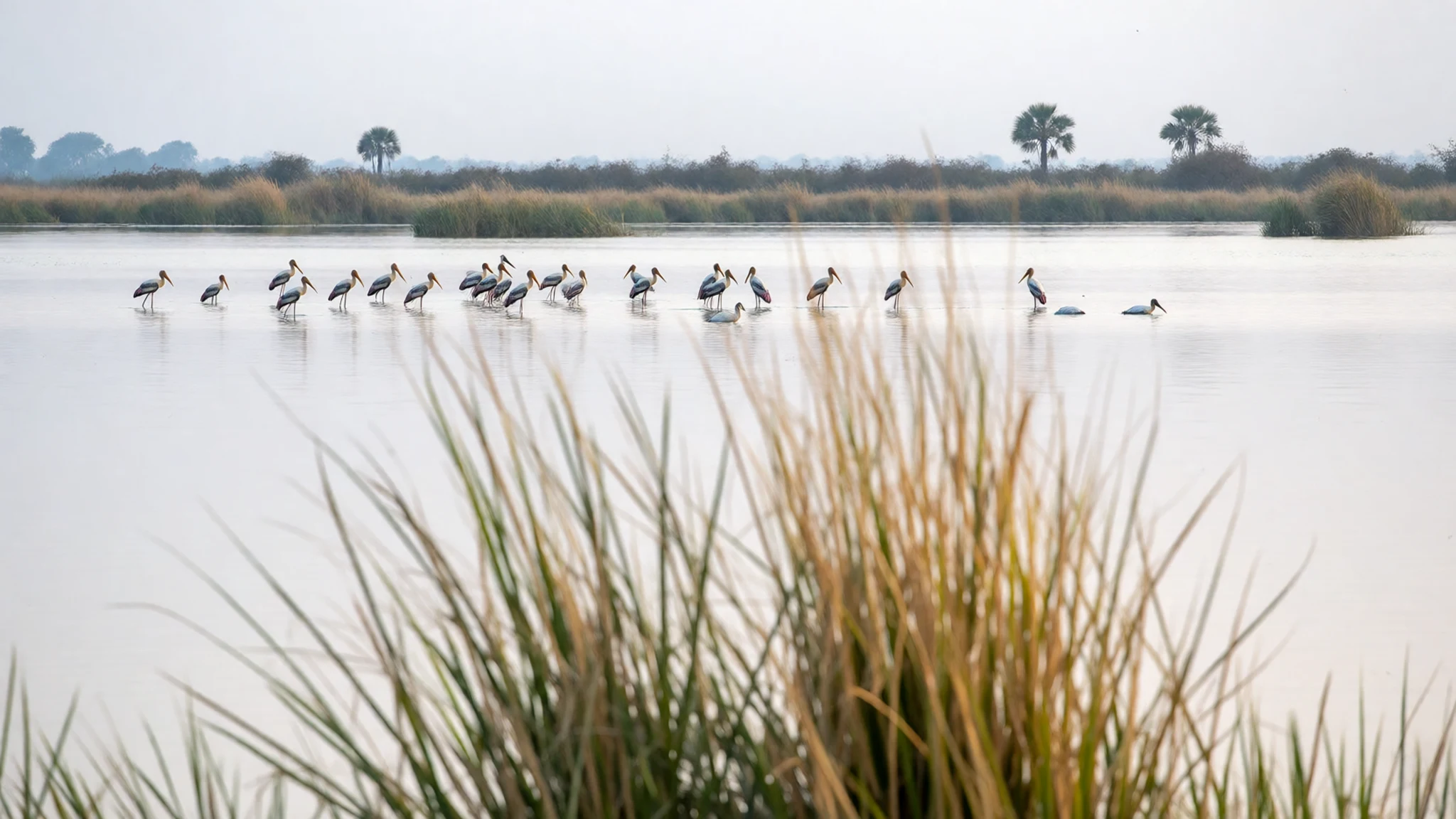
- Chunnambar Boat House — Backwaters, south of the town
The departure point for motorboat trips to Paradise Beach, a sandy stretch reached across the backwaters. The boat house is busy on public holidays and weekends, so a weekday morning gives you more room. Agree the fare and return time before you board, and wear shoes you do not mind getting wet.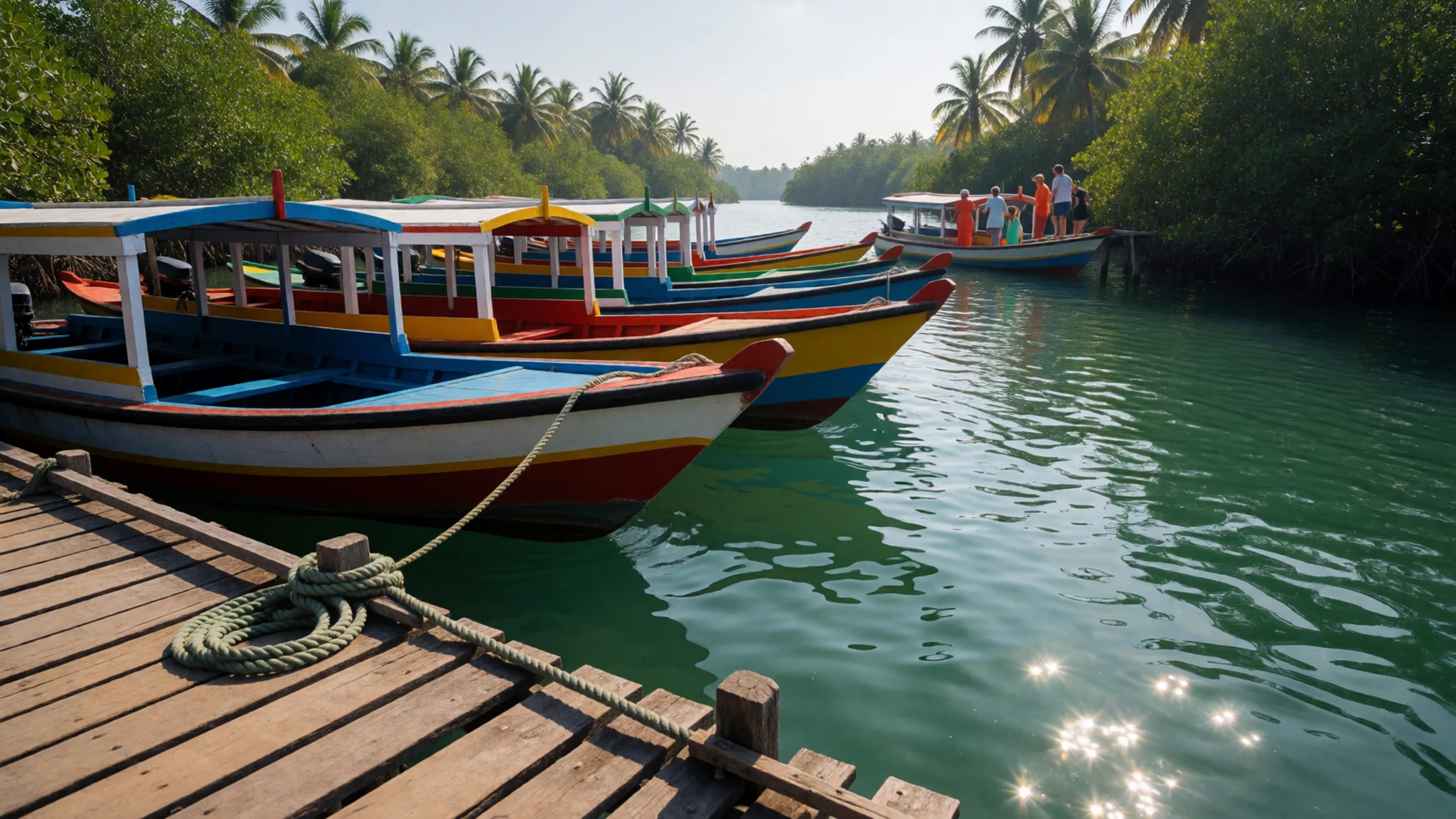
Culture
Pondicherry is a mix of two traditions. Tamil culture shapes daily life here, from the language and temple festivals to the food on every plate, while the French period left its street grid, its churches and a habit of lingering over coffee. Religion is visible everywhere. Hindu temples, Catholic churches such as the Sacred Heart, and mosques sit within a short walk of one another, and people move between them without fuss.
The town feels relaxed, but it is conservative in dress and public behaviour away from the beach and the cafés. Locals are often curious about visitors, and a polite greeting or a smile goes a long way. Public displays of affection are best avoided. Ashram life also shapes the town's identity, and the Aurobindo Ashram keeps quiet routines, so speak softly inside and follow the posted rules.
Festivals bring processions, music and crowds to the temples, and it is polite to step back and watch rather than block a path. Remove your shoes before entering any temple, church or ashram, and cover shoulders and knees at religious sites.
What to wear
Traditional dress in Pondicherry matches the wider style of Tamil Nadu. Women traditionally wear the sari, a long unstitched cloth draped over a blouse and petticoat. Cotton saris are worn every day in the heat, while silk saris, often from weaving centres in the neighbouring state, are kept for festivals, weddings and religious occasions. Men may wear the veshti, a dhoti-style cloth tied at the waist, usually white or cream with a coloured border, at temples or family events.
What people wear now is more mixed. In town you will see salwar kameez, jeans, shirts and kurtas, with saris kept for special days. Younger people often dress in western clothing, while older residents tend to keep the traditional look for religious and family events. Many women wear jasmine in their hair on festive days, but these are personal choices, not rules.
For a visitor, lightweight cotton or linen is the sensible choice. The coast is hot and humid for much of the year, so loose clothing that covers shoulders and knees is practical as well as respectful at temples, churches and the ashram. Carry a scarf or shawl to drape over your shoulders at a religious site, wear sandals or sturdy shoes that are easy to take off, and bring a hat for the seafront at midday.
What to eat
- Masala dosa — Early-opening vegetarian eateries in the old town and near the bus stand
A crisp fermented rice-and-lentil crêpe, folded around a spiced potato filling and served with coconut chutney and sambar. Good versions are often found in simple vegetarian eateries that open early and fill with locals, rather than in tourist cafés. Order a plain dosa to taste the batter first.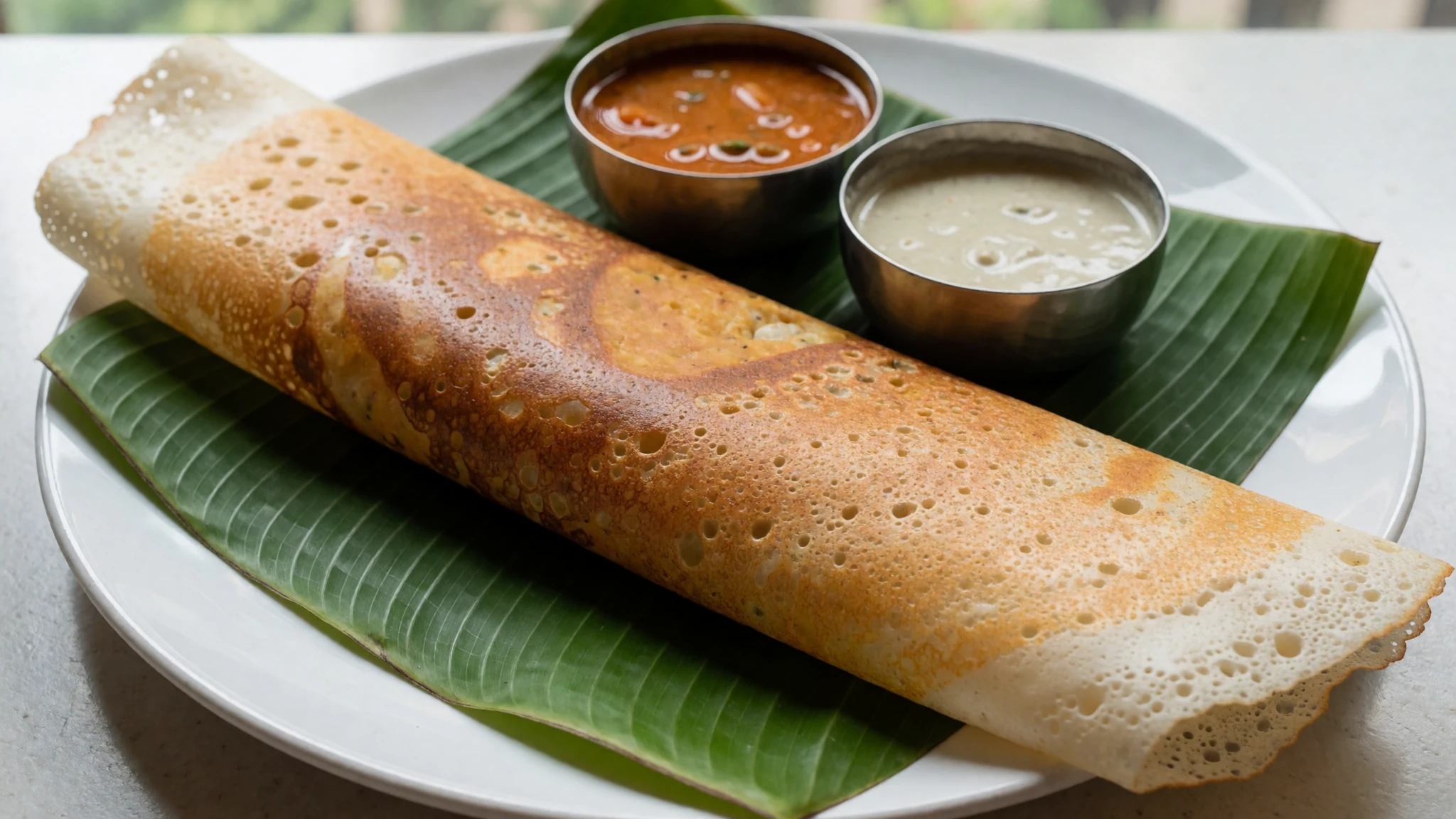
- Chettinad chicken — Multi-cuisine restaurants with a Chettinad menu, common across the town
A peppery, dark curry from the Chettinad region of Tamil Nadu, built on roasted spices such as black pepper, fennel and dried red chilli. It is often served with rice or appam, a lacy rice-flour pancake. Ask for it milder if you are new to the heat.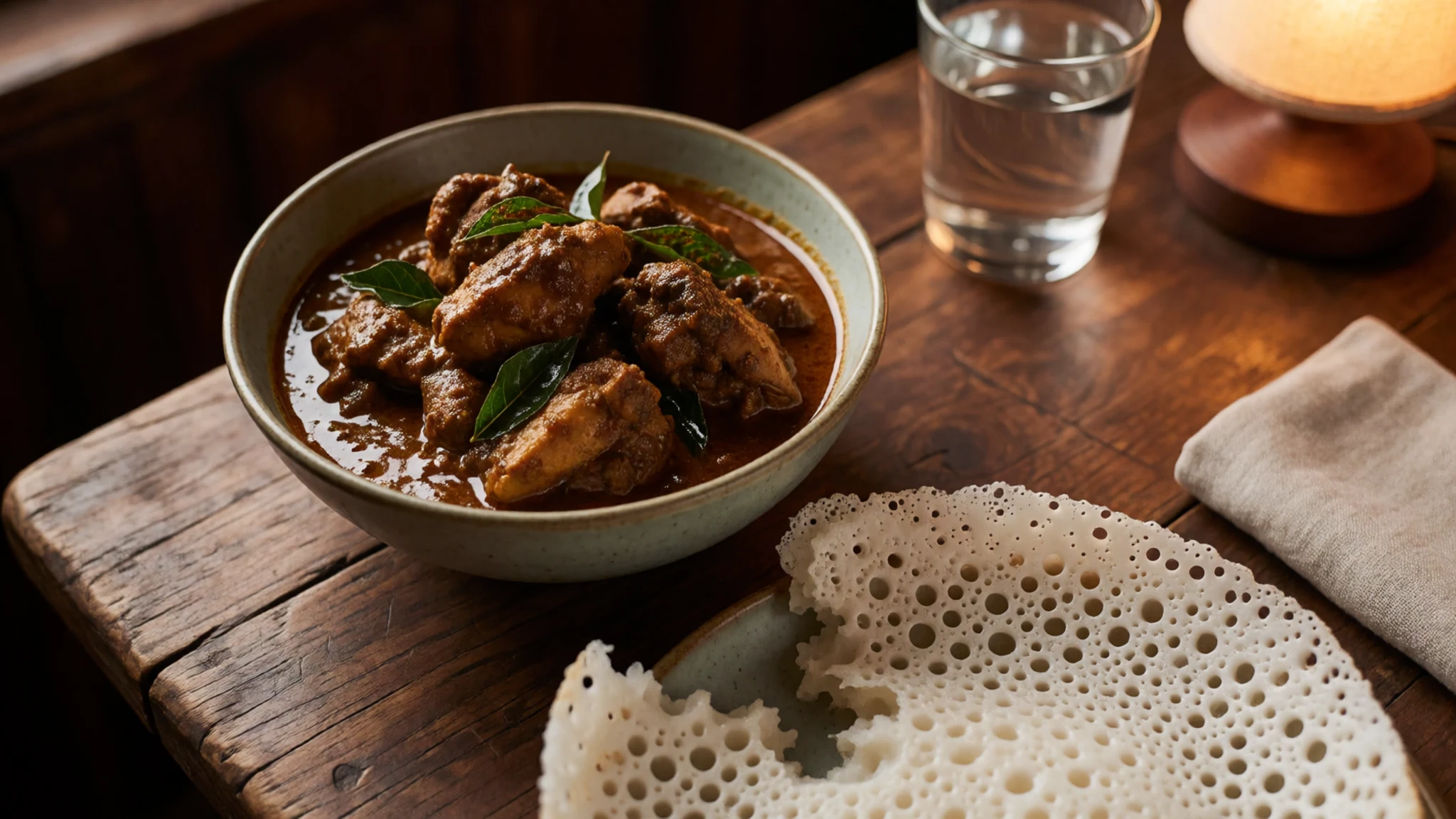
- French-style bread and pastries — Bakeries and cafés in the French quarter, near the seafront
Crusty baguettes, croissants and fruit tarts from small bakeries and cafés that keep the French habit of a late breakfast alive. A morning pastry with strong coffee is an easy start to the day, and you can sit outside to watch the street. - Chocolate cake and hot chocolate — Small chocolate shops on Mission Street, a short walk from the seafront
Rich chocolate cake, hot chocolate and coffee served in a small, clean shop, a comfortable break from the heat. It is a good stop for a sweet treat after a walk. Pick up a bar of chocolate to take home if you want something easy to pack.
Plan it
Best time. January and February are the most comfortable months, when the air is cooler, the rain is light and walks along the seafront are pleasant. March to May can be hot, and the wetter months bring heavy rain, so plan around the weather if you travel then.
How long. 2–3
Getting there. Fly into Chennai International Airport, then take a taxi or bus south along the coast. The East Coast Road is scenic, and the inland trunk road takes roughly the same time, so choose by what you want to see on the way.
Budget. low
Tips
- Walk the seafront early or late in the day, when the heat and crowds are lighter
- Book your airport taxi in advance and agree the fare before getting in
- Carry cash for small shrines, markets and boat rides, as not everywhere takes cards
- Keep water with you, especially on the seawall and in the old town
Etiquette
- Remove your shoes before entering any temple, church or ashram
- Ask before photographing people, especially at religious events
- Dress modestly at temples and churches, covering shoulders and knees
Nearby
Sources
- Wikidata Q639421 (CC0)
- Wikipedia: Pondicherry (rev 1380033990) (CC BY-SA 4.0)
- Wikivoyage: Pondicherry (rev 5372365) (CC BY-SA 4.0)
- Pondicherry Panorama 1, Karthik Easvur (CC BY 3.0)
- Pondicherry Rock Beach aerial view, Karthik Easvur (CC BY 3.0)
- Manakula Vinayagar Temple, Vinayaraj (CC BY-SA 4.0)
- Aurobindo Ashram outside view, Rameshng (Public domain)
- Matrimandir, Auroville, Matthew T Rader (CC BY-SA 4.0)
- Pondicherry Lighthouse, Navaneethakrishnan Udayakumar (CC BY-SA 4.0)
- Sacred Heart church, BishkekRocks (CC BY-SA 2.5)
- French War Memorial, Sanyam Bahga (CC BY 3.0)


