Phuket
Phuket, Thailand
Phuket offers Thailand’s largest island, blending mountainous interiors with accessible, sun-drenched Andaman coastlines.
The place
Phuket is Thailand’s largest island, situated off the western coast in the Andaman Sea. The province includes the main island and thirty-two smaller islets, connected to the mainland by the Sarasin Bridge to the north. Topographically, it is rugged rather than flat; a mountain range runs along the western side, reaching a maximum elevation of 529 metres. This terrain creates a distinct climate, with the leeward side often sheltering the beaches from wind.
Economically, the island has shifted significantly. While historically reliant on tin and rubber, tourism is now the primary driver of income, attracting over 100,000 foreign residents. The landscape reflects this transition: west-coast beaches like Patong, Karon and Kata are heavily developed with high-rise hotels, whereas the south and east retain more traditional fishing villages and expatriate communities. The interior is a patchwork of mangrove forests, rubber plantations, and pineapple farms, offering a stark contrast to the paved, busy coastal highways. Daily life moves at a tropical pace, dominated by the rhythm of tides and the heat, which peaks in the afternoon. The island's identity is a blend of Thai, Malay, and Chinese influences, visible in the architecture of Phuket Town and the religious sites dotted across the hills.
Its story
Phuket's historical significance is rooted in its strategic location on maritime routes between India and South China. Before the Siamese kingdom consolidated control, the area was part of the Tambralinga region. European contact began in the sixteenth century; Portuguese explorer Fernão Mendes Pinto recorded the port as 'Junk Ceylon' in his travel accounts, noting its importance for provisioning ships. Although Portuguese, Dutch, English, and French traders sought access to the island's tin resources, it was never formally colonised by any European power.
The tin industry defined the island’s economy for centuries, attracting large numbers of Chinese miners and merchants. This migration established the Sino-Siamese culture that remains vibrant in Phuket Town today. Architectural heritage from this era, including shophouses and temples, blends Chinese decorative motifs with Thai structural elements. Tin mining ran from the sixteenth century until its decline in the twentieth, with an 1876 Chinese miners' uprising over falling tin prices and taxes, and rubber remaining a pillar beside tourism. The mid-twentieth century saw a quiet period, but the 1980s marked the beginning of mass tourism, transforming Patong, Karon and Kata. The result is a place where colonial-era drawings, tin-mining memories, and modern resort infrastructure coexist in a complex, layered narrative.
What to see
- Phuket Old Town — Phuket Town
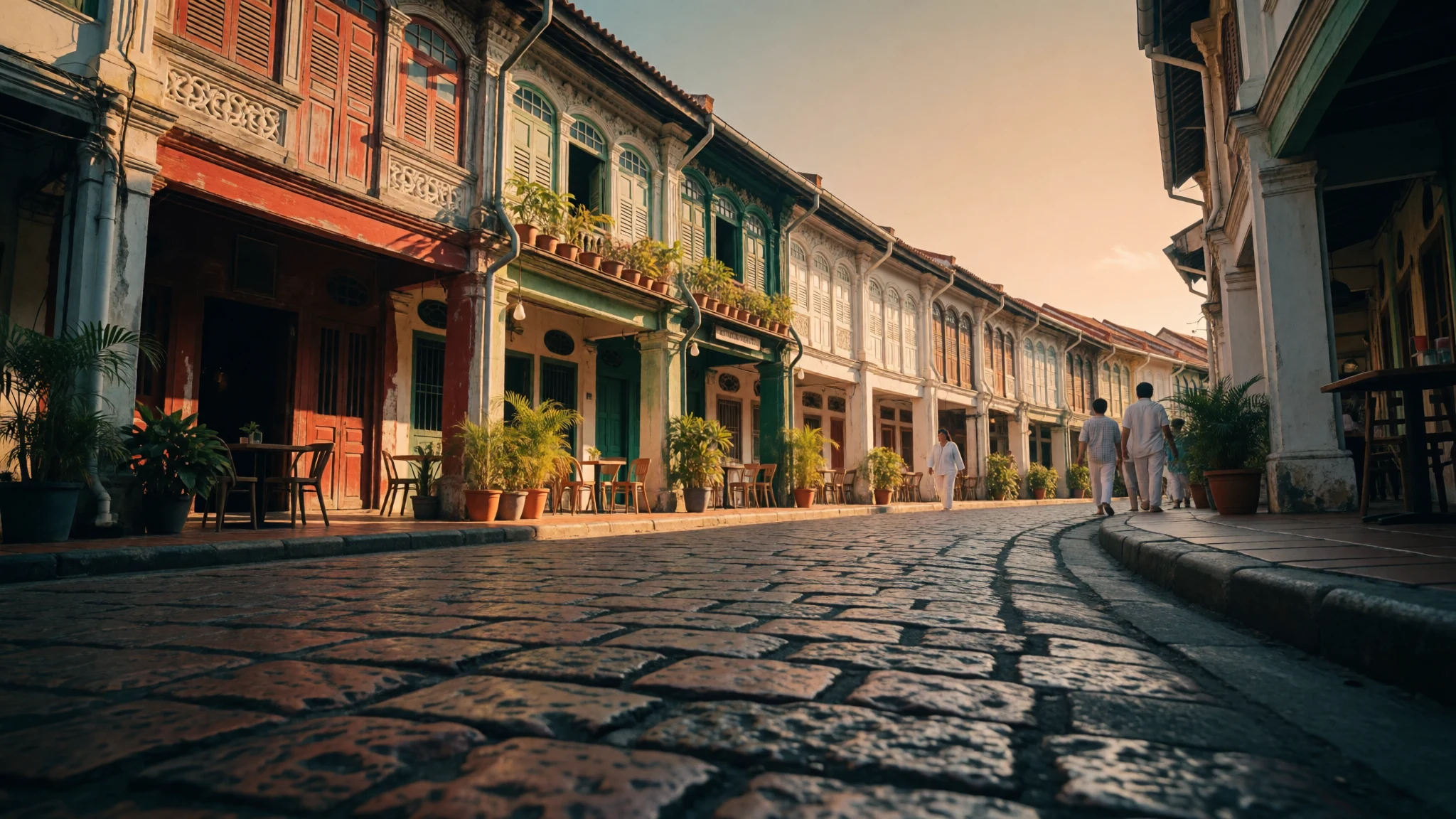
The historic district in the south-east of the island features Sino-Portuguese architecture. Walking the streets reveals well-preserved shophouses adorned with red and green tiles, arched windows, and intricate plasterwork. It is a manageable walk, perfect for cultural immersion away from the beach. The atmosphere shifts to lively cafe culture in the evenings. Look for Thalang, Dibuk, Yaowarat, Phang Nga and Krabi Roads for the densest collection of heritage buildings.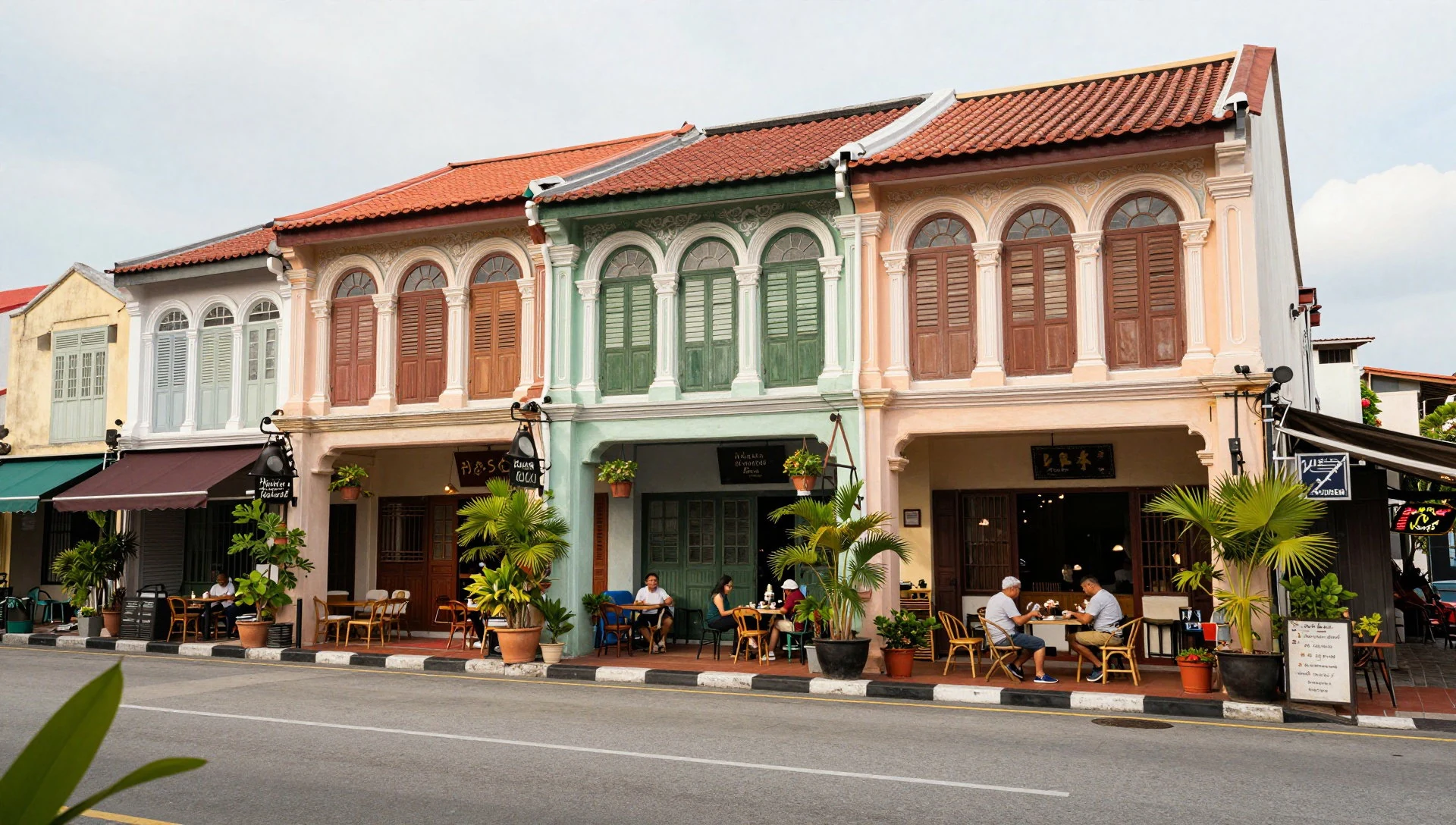
- Big Buddha — Nakkerd Hill
Perched atop Nakkerd Hill, this white statue stands as a prominent landmark visible from many parts of the island. The site offers panoramic views of the Andaman Sea and the city below. The climb involves a flight of stairs, which can be hot in the afternoon, so early morning visits are advisable. The temple grounds are calm and surrounded by mistletoe vines, contrasting with the busy roads leading up to it.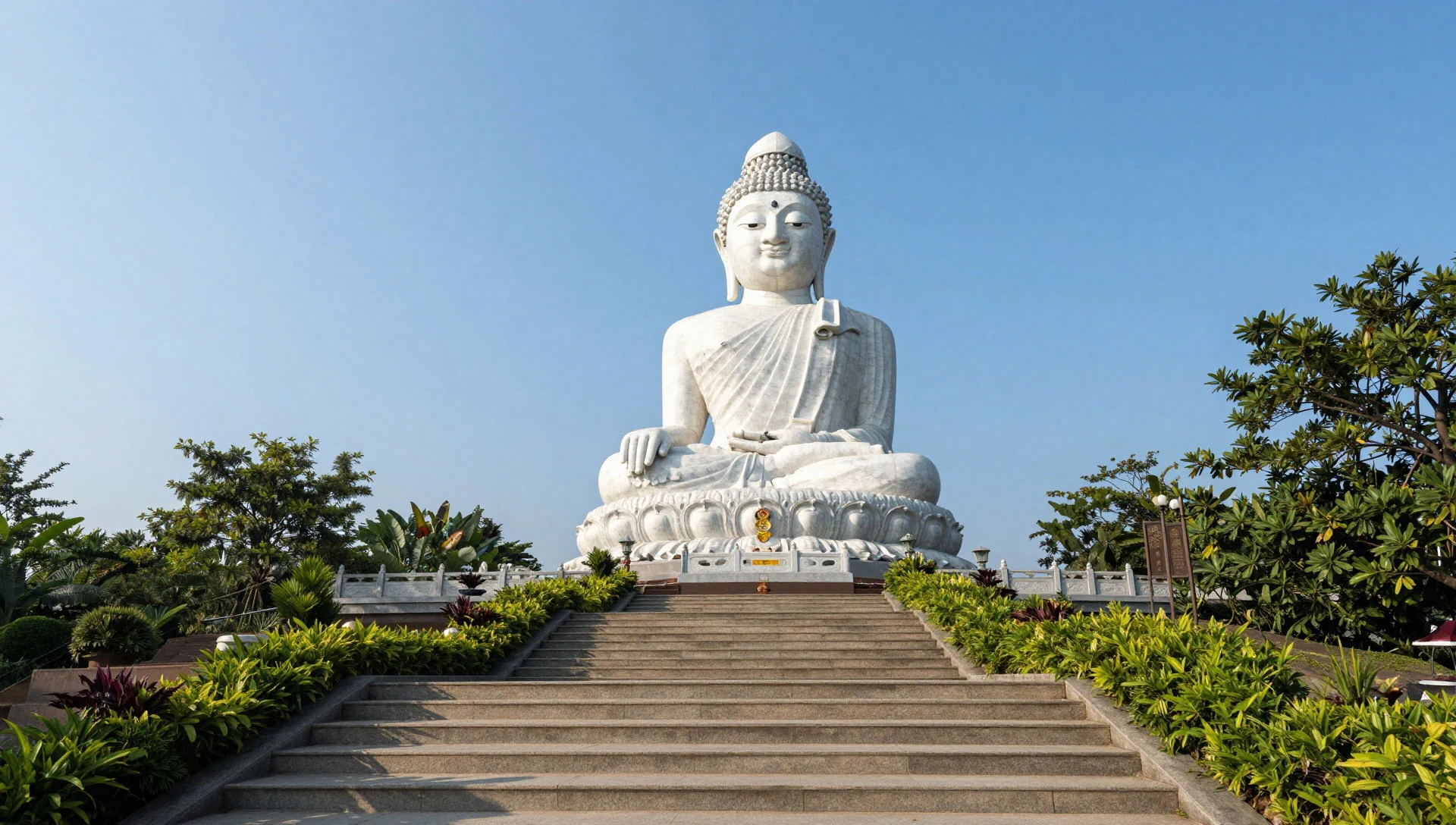
- Promthep Cape — Amphoe Mueang Phuket
Located at the southern tip of the island, this rocky headland is the classic spot for watching the sun dip into the sea. The viewpoint offers a wide arc of coastline. While the scenery is striking, the car park can be extremely crowded during peak sunset hours. Arriving early secures a spot on the rocks for a quieter viewing experience. The area also features a lighthouse and a small beach that is often too choppy for swimming due to strong currents.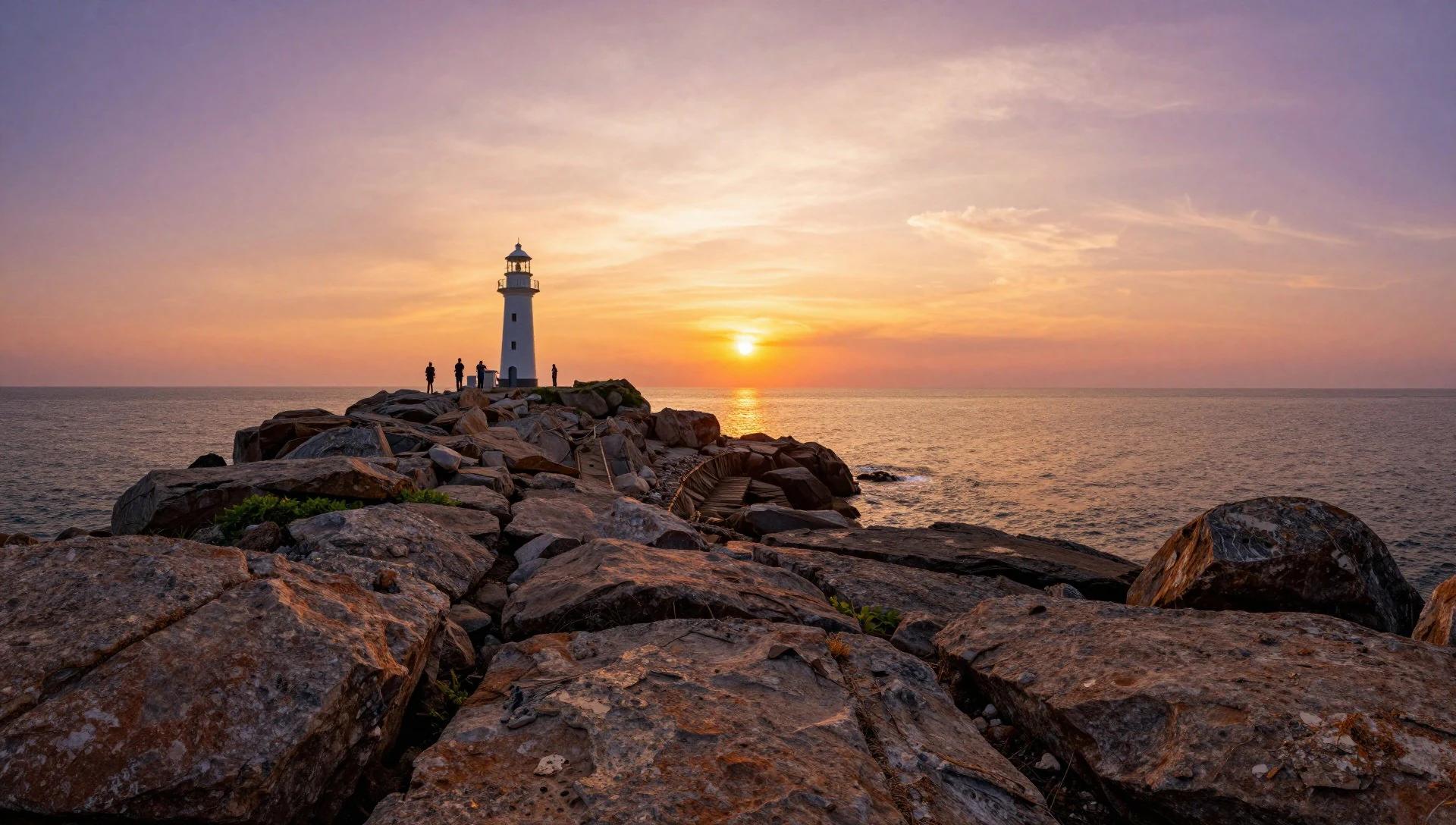
- Old鎮 Temple (Wat Chalong) — Kamala
The largest and most important temple complex on the island, Wat Chalong is a major centre for Thai Buddhist practice. The grounds are expansive, housing the main ubosot, a replica of the Golden Buddha, and a crematorium. It serves as a key site for the Thao Thep Krasattri and Thao Si Sunthon Fair on 13 March. The architecture blends traditional Thai styles with modern elements, and the complex is bustling with tourists and devotees alike.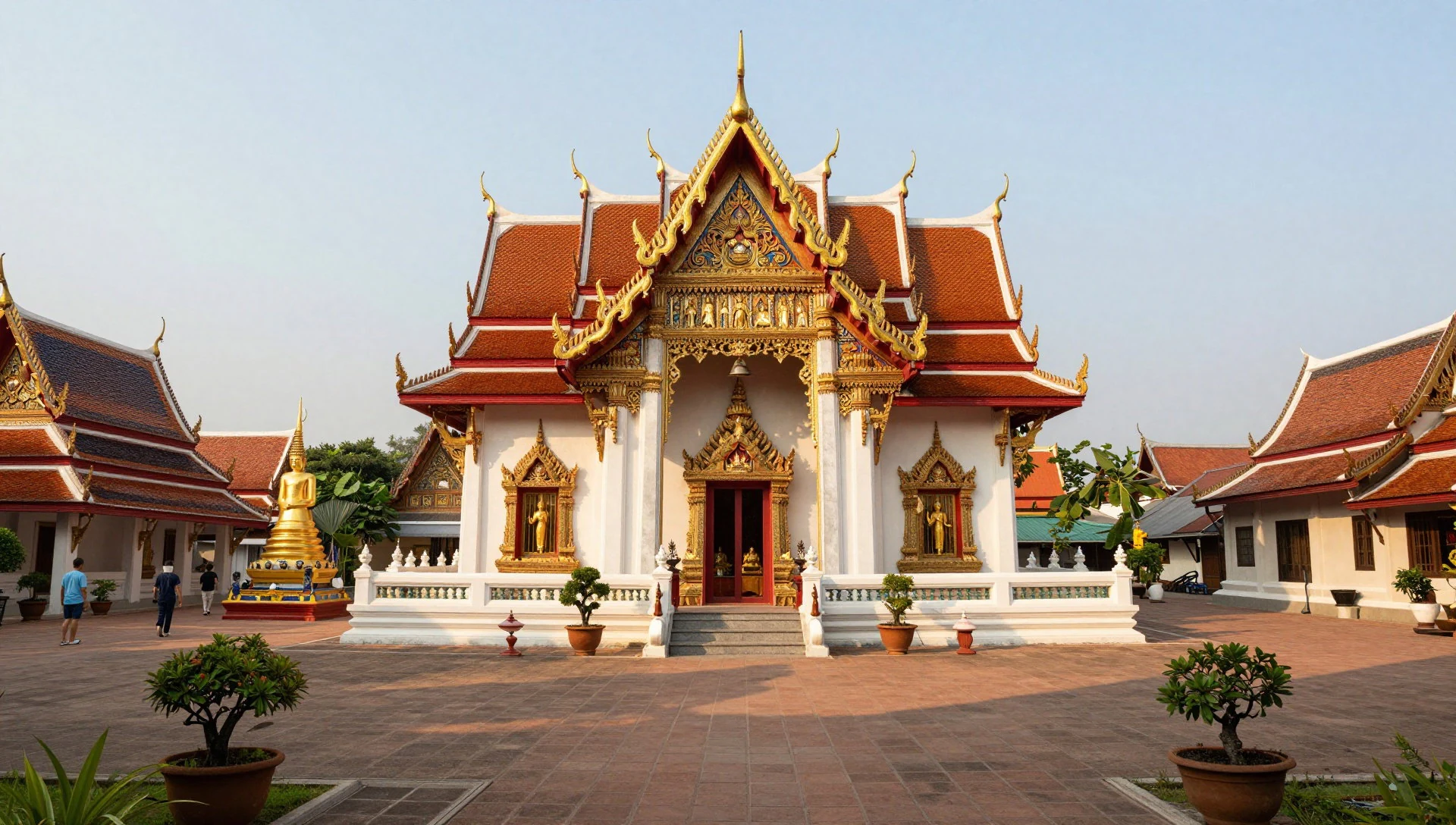
- Phang Nga Bay Day Trip — Phang Nga Province
While outside the main island, this bay is the primary excursion from Phuket. Longtail boats navigate through limestone karsts and sea caves. It is essential to book a reputable operator to avoid safety risks. The emerald waters and towering rock formations create a landscape unlike the beaches. Swimming is possible in smaller bays, but the main draw is the scenic tour of the unique geological structures.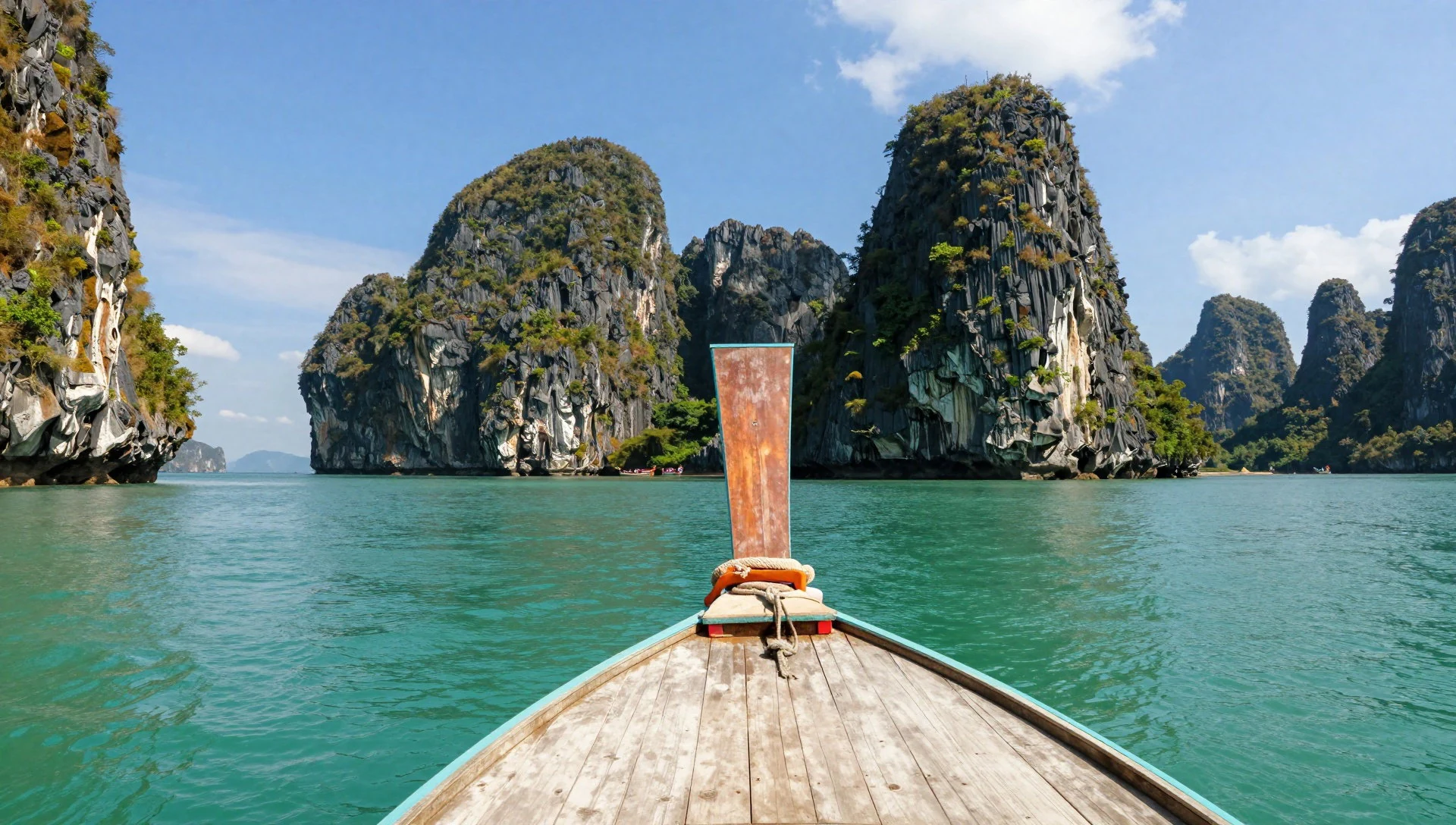
Culture
Phuket's culture is a distinct blend of Thai, Malay, and Chinese traditions. The Sino-Siamese heritage is most visible in Phuket Town, where Chinese festivals like the Vegetarian Festival and the Ghost Festival are celebrated with processions and temple offerings. Malay influence is evident in the local Islamic communities and the specific dialect of Malay spoken in parts of the southern islands. Religious life is central, with bright yellow roofs of Buddhist temples and the white domes of mosques standing side-by-side. The Thao Thep Krasattri and Thao Si Sunthon Fair, held on 13 March, is a significant local event, drawing large crowds. Daily life is governed by respect for elders and religious customs. Visitors should be mindful that temples are places of worship, while beach areas are more relaxed. Etiquette lines are clear: dress modestly when visiting religious sites, removing shoes where required.
When entering a Buddha temple, it is polite to approach from the side and remove your footwear before stepping onto the paved platforms.
What to wear
Phuket’s dress code reflects its tropical climate and mixed cultural heritage. Traditionally, local Thai women wore long skirts and blouses, while the Chinese community favoured cheongsrams, though these are now largely historical. Contemporary fashion for locals and residents leans towards light, breathable fabrics like cotton and linen due to the persistent humidity. In the town areas, modest casual wear is common, with t-shirts and trousers or modest shorts being standard. On the beaches, swimwear is standard, but covering up is respectful when moving through town centres.
For visitors, the key is preparation for heat and sun. Light, flowing clothing is essential for daytime excursions. When visiting temples, shoulders and knees must be covered, so carrying a light scarf or long trousers is practical. Footwear should be easy to remove, as temples and many shops require being barefoot or wearing sandals. Flip-flops are the norm on the beach, while sturdy shoes are better for the hilly interior.
What to eat
- Mee Ton Hok — Phuket Town noodle shops
A local noodle dish featuring thick rice noodles served in a rich, dark broth made from pork bones and claypot. It is a staple breakfast item in Phuket Town. The broth is often robust, and the noodles are served with various toppings like pork trotters. Street vendors and local eateries in the older districts are the best places to find authentic preparations.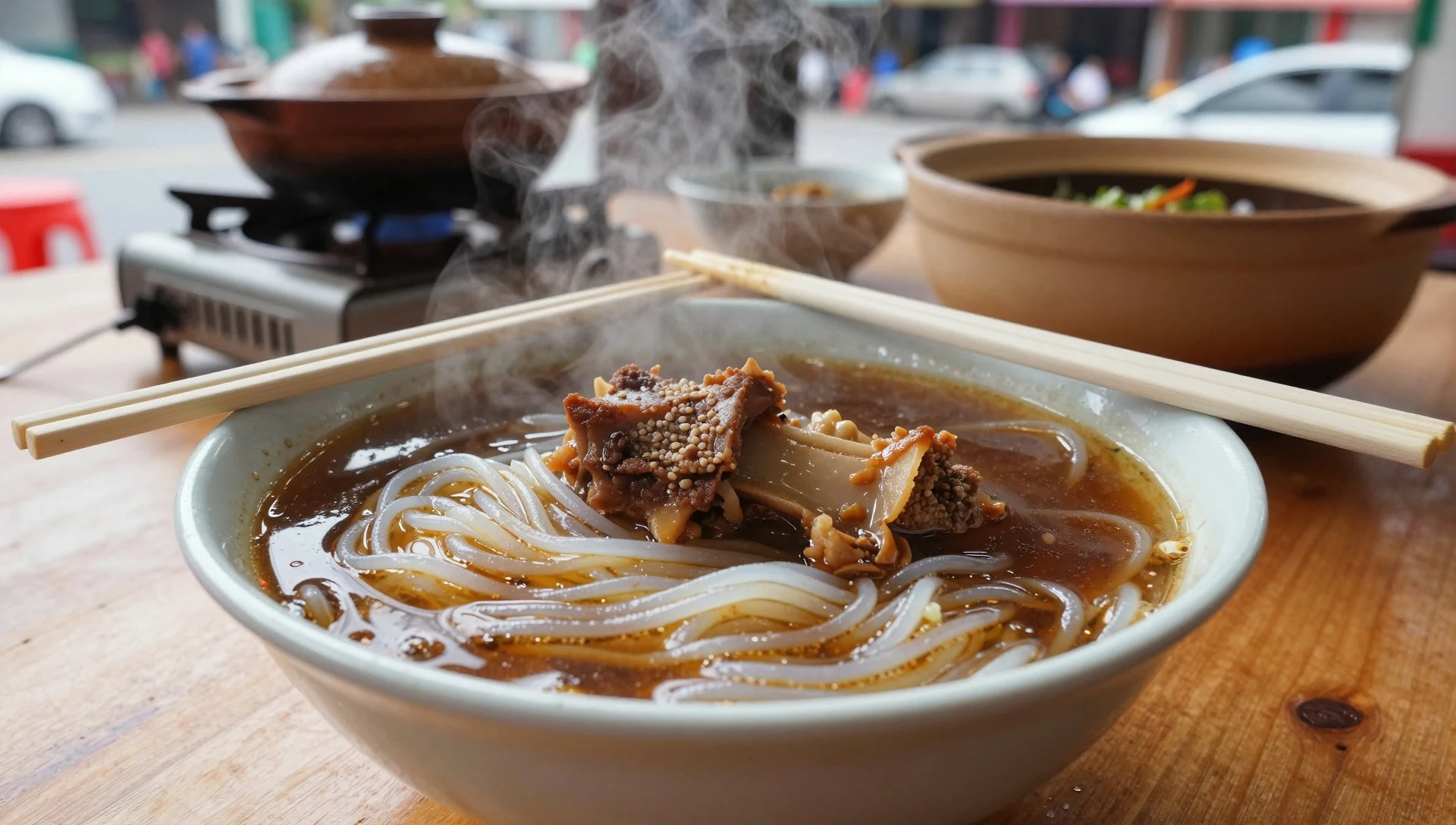
- Khanom Jin — Local restaurants in Phuket Town
Traditionally eaten at breakfast, these thick rice noodles are served with a spicy curry paste, a clear fish broth, and a basket of fresh vegetables. It is a lighter, more complex alternative to curries. The balance of spicy, sour, and fresh notes makes it a refreshing start to a hot day. Many local restaurants in the town centre serve this on their morning menus.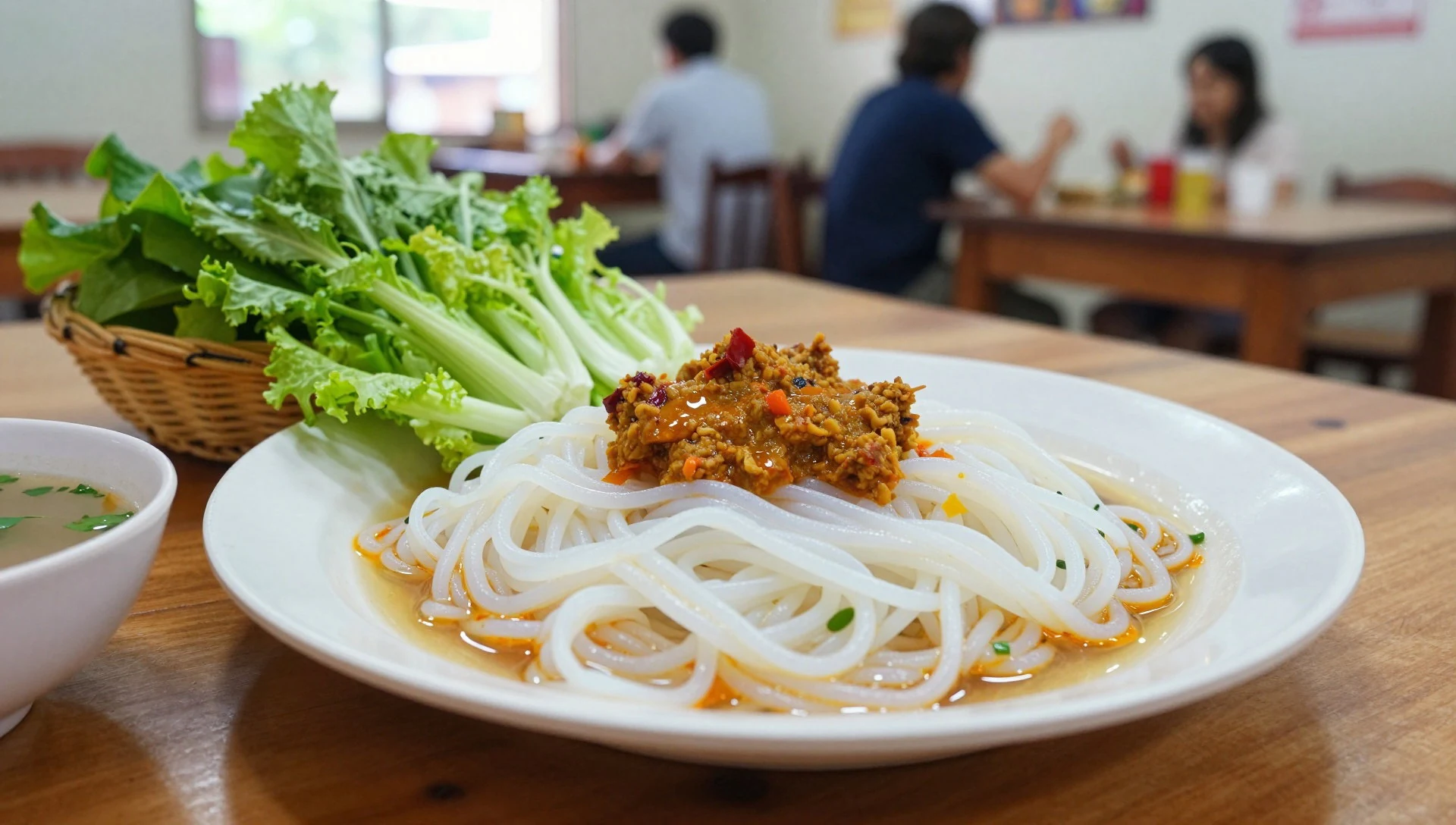
- Nam Phrik Kung Siap — Street food stalls
A spicy dipping sauce made from dried chilli and smoked shrimp, eaten with a platter of fresh green vegetables and sticky rice. It is a simple, bold dish that showcases the local love for pepper and savoury fish flavours. It is commonly served in street food stalls and local home-style cookhouses, offering a window into traditional Malay-influenced Thai cooking. - Seafood Curries — Chalong and Rawai markets
Given the island's location, seafood is a primary ingredient. Dishes often feature prawns, crabs, or fish cooked in coconut milk-based curries, ranging from mild to fiery. Phuket is known for the freshness of its catch. Beachfront restaurants and market stalls near Chalong or Rawai offer the most authentic versions, often served with jasmine rice. - Roasted Cashews — Supermarkets and market stalls
Phuket is a major producer of cashew nuts, which are often roasted and sold in various forms. They make a cheap and popular snack, available in supermarkets and market stalls. The nuts are typically fried, sometimes coated in spices like garlic or chilli. They provide a sweet, nutty contrast to the island's generally spicy cuisine and are a common souvenir.
Plan it
Best time. December to March, when the dry season is the most comfortable time and February is the driest. April is the hottest month, while September is the wettest and April to November stay wet.
How long. 3–4
Getting there. Phuket International Airport is well-connected to Bangkok and regional hubs like Singapore and Kuala Lumpur. From the airport, taxis and pre-arranged transfers to hotels are common. The island is connected to the mainland by road, allowing for day trips to nearby provinces if a private driver is hired.
Budget. mid
Tips
- Hire a private driver for day trips to explore the interior and northern beaches.
- Carry a light rain jacket even in dry season for sudden tromped showers.
- Stay hydrated; the heat and humidity are intense from noon to 4pm.
- Use official taxi ranks or reputable apps to avoid overcharging in tourist zones.
- Check tidal times if planning a kayak trip to nearby islets.
Etiquette
- Remove shoes when entering temples and traditional homes.
- Dress modestly with shoulders and knees covered at religious sites.
- Do not sit on bus seats with feet up; it is considered rude.
Nearby
Sources
- Wikidata Q182565 (CC0)
- Wikipedia Phuket province (CC BY-SA 4.0)
- Wikivoyage Phuket (CC BY-SA 4.0)
- Photo: Aerial shot of Phuket's beaches (CC BY-SA 4.0)
