Perugia
Perugia, Italy
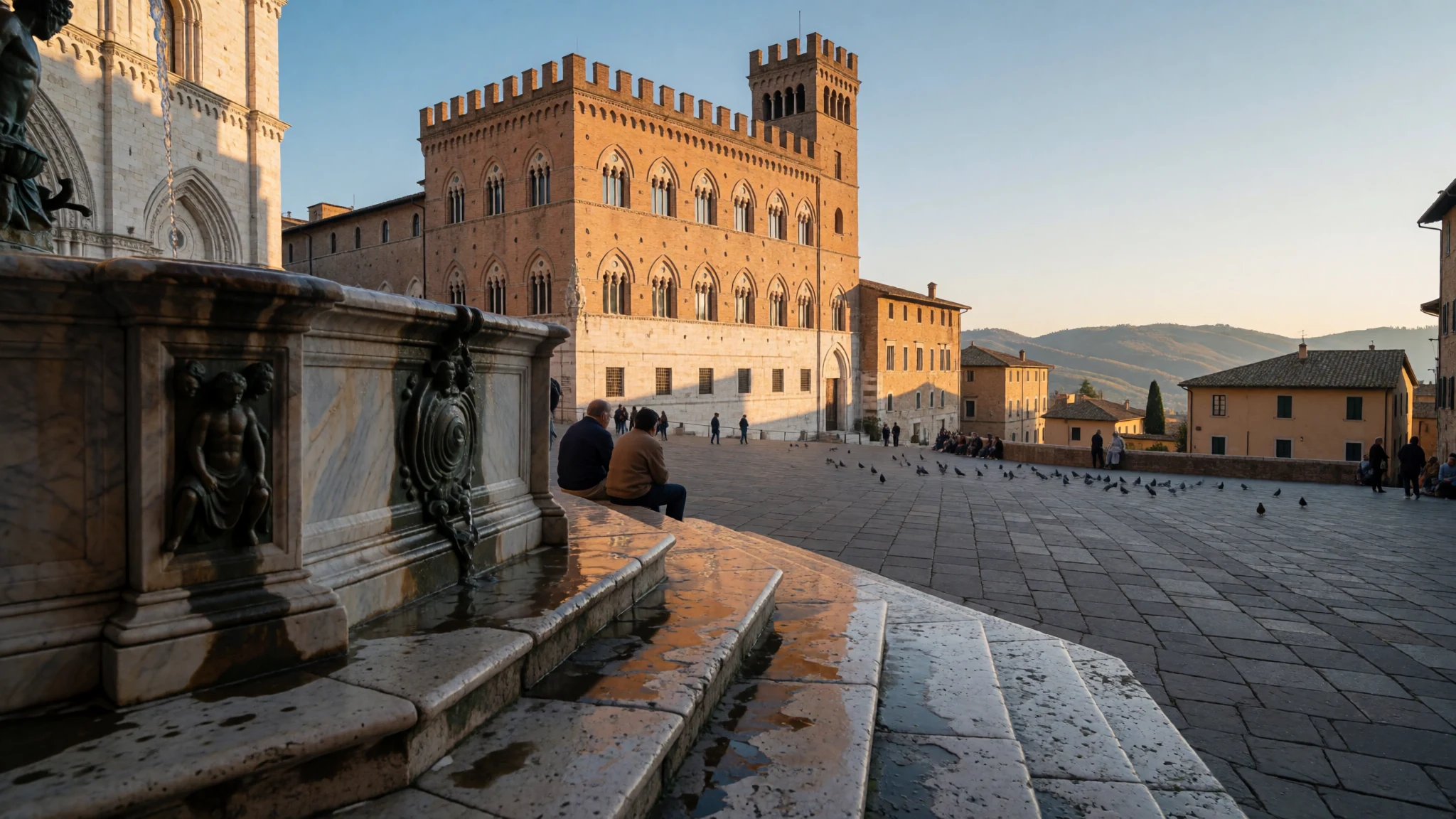
Perugia is a lively Umbrian hill city of Etruscan walls, medieval squares and students, a quieter alternative to the big Italian names.
The place
Perugia is the capital of Umbria, a hill city of about 160,000 people in central Italy, with the Tiber running through the valley below. The old centre sits on a ridge roughly 490 m above sea level, which explains much of what a visitor feels here: steep lanes, long flights of steps, sudden views over farmland, and a breeze when the plain is baking. It lies between Rome and Florence and works well as a base for a slower look at the Italian interior. The historic core is compact and largely pedestrian. Its social heart is the long main street, Corso Vannucci, which leads to the square where the Palazzo dei Priori and the cathedral face the Fontana Maggiore, and the evening stroll, the passeggiata, still fills it. Perugia is also a student town. The University of Perugia and the University for Foreigners bring young people from many countries, so bars and cafés stay busy outside the tourist season, and the city feels lived-in rather than staged. Music and ideas are part of its identity: Umbria Jazz takes over in July, the International Journalism Festival arrives in April, and chocolate has its own festival in October. Expect crowds and higher prices at those times. Expect the climb as well: the railway station is down in the valley, and reaching the centre means a bus, a lift or escalators. Summer afternoons are hot on the stone, while winter can be properly cold at this height.
Its story
Perugia's written history begins with the Etruscans, though Umbrian people had settled the hill before them. As Perusia, it belonged to the Etruscan league of cities, and Roman historians mention it when Rome campaigned against that league. A long truce followed, but Perusia later joined a wider war against Rome and had to ask for peace. In the wars against Carthage it sided with Rome. The best-known episode of the ancient period is a siege: in the civil wars after Caesar's death, Lucius Antonius took refuge in the city and Octavian starved him out. Perusia burned, with only a couple of temples said to have survived, and its senators were put to death. The massive Etruscan terrace walls came through far better than the buildings above them, and lead sling bullets still turn up in the ground around the city. In the Middle Ages Perugia became a proud, independent commune and expressed that confidence in stone: the Palazzo dei Priori for its magistrates and the Fontana Maggiore for its water supply and its civic pride. Later the popes took firm control, and the Rocca Paolina, a fortress raised in the sixteenth century, was the sign of that authority. Painters followed the patrons. Pietro Vannucci, known as Perugino, belongs to this world and gave the local school of painting its best-known name. The city's emblem, the griffin, still appears on banners and coats of arms.
What to see
- Rocca Paolina — Lower edge of the historic centre
A papal fortress of the sixteenth century, designed by Antonio da Sangallo the Younger. Houses were built over to make room for it, and the surviving vaults now form an underground walkway. Escalators carry visitors up through them from the lower town to the centre, a cool and easy way to arrive in summer.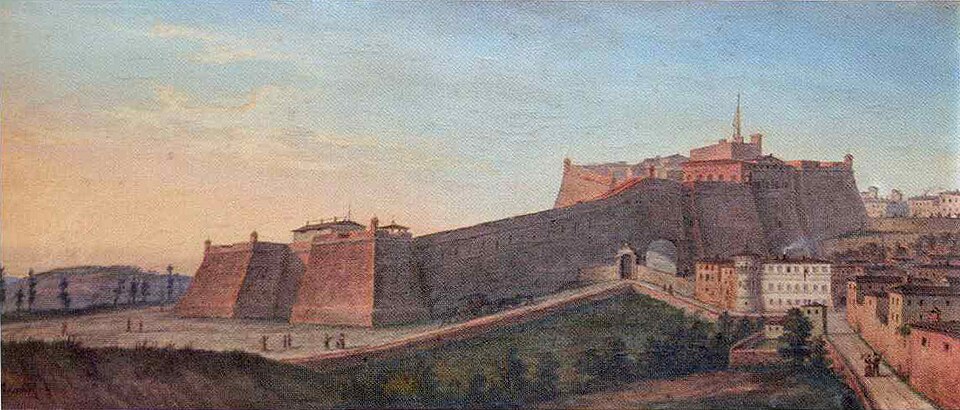
- Porta Marzia — Beside the Rocca Paolina remains
An Etruscan city gate, later folded into the medieval walls. It is a reminder that Perugia was an important town long before the Renaissance. The carved arch stands close to the remains of the Rocca Paolina, so it makes a quick, rewarding stop on the way up from the escalators. - Fontana Maggiore — Piazza IV Novembre, central square
A large medieval fountain between the cathedral and the Palazzo dei Priori, carved by Nicola and Giovanni Pisano to mark the commune's pride in its independence. Look closely at the panels, which mix saints, biblical scenes and everyday labours. The steps around it are the city's favourite place to sit. - Perugia Cathedral — Central square
The cathedral has an unusual arrangement for an Italian church: its side, not its front, faces the main square. Several churches have stood on the site, and this one was last worked on in the late fifteenth century. The interior is a good refuge from midday heat. A museum of religious painting stands nearby. - Palazzo dei Priori — Corso Vannucci
A large civic palace in Italian Gothic style, begun in the early fourteenth century to house the city's magistrates. Inside are the Collegio del Cambio, with frescoes by Perugino, and the regional art gallery. Allow time to walk its upper floors, which have good views over the main street.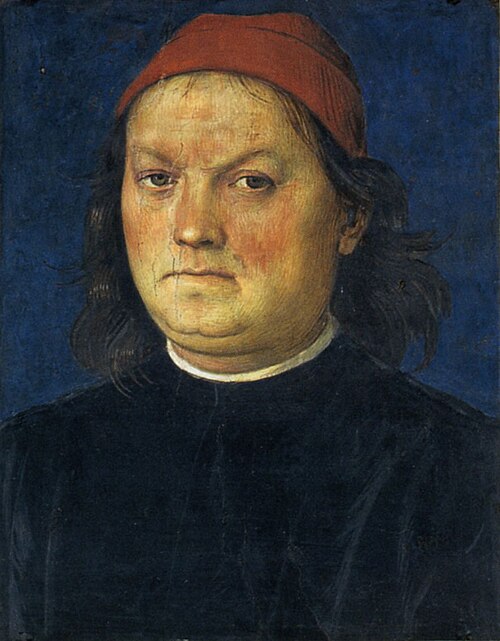
Culture
Perugia's culture is shaped by civic pride and a constant flow of students and visitors. The universities, the Academy of Fine Arts and the music conservatory keep the centre young, and the calendar is crowded with festivals. Umbria Jazz in July is the headline event, drawing musicians and audiences from across Europe. The International Journalism Festival in April brings reporters and editors into the old palaces. Sagra Musicale Umbra offers classical and chamber music in churches and halls, and Eurochocolate turns October into a sweet-toothed fair, now held in nearby Bastia Umbra. In September, UmbriaWine fills the historic centre with tastings and talks about local wineries. Religion remains part of daily life, and the churches of Perugia are working places of worship as well as galleries. Everyday manners follow familiar Italian habits: a greeting when you enter a shop, coffee drunk quickly standing at the bar, dinner starting late. Evenings on the main street are social, and noise from groups outside bars can carry up the narrow lanes, so light sleepers should ask for a quiet room. In any church, keep your shoulders and knees covered and your voice low, and do not photograph worshippers or walk around during a service.
What to wear
Perugia has no everyday regional costume today. Traditional dress appears in historic pageants and processions, where participants wear medieval and Renaissance-style outfits of wool, velvet and brocade in civic colours. The region's textile pride is in linen and hemp weaving. Perugian hand-woven cloths are known for blue patterns, sometimes including animal figures such as the griffin, and tablecloths and towels in this tradition are still sold in the centre. Day to day, Perugians dress smartly casual: dark jeans, jackets, scarves, leather shoes and well-cut coats in winter. Students add trainers and rucksacks. Beachwear looks out of place in the old town. As a visitor, wear shoes with grip, since the lanes are steep and paved in worn stone. Summer is hot, so choose light cotton or linen and a hat, but carry a layer for shaded stairways and cool church interiors. Winter at this height is cold and damp, so bring a proper coat and a scarf. For churches, shoulders and knees should be covered, and a light shawl in the bag solves the problem. Smart casual is enough for evening restaurants.
What to eat
- Torta al testo — Bakeries and casual eateries around the centre
A flatbread cooked on a hot plate, split open and filled with sausage, cheese or bitter greens. It is the usual Perugian lunch on the move, simple and filling, and good value for a quick stop between sights. - Strangozzi with black truffle — Family-run trattorias in the old town
Thick, hand-cut ribbons of egg-free pasta, served with a truffle sauce in the colder months. The pasta has a pleasant chew, and the truffle is an Umbrian speciality. Ask whether it is fresh or preserved. - Wood-fired pizza — Pizzerias around the centre and the lower town
Perugia has a strong pizza habit, with Neapolitan-style dough, wood ovens and long menus that include fried snacks such as arancini. It is the easy option for a late evening after a day of climbing. - Porchetta and cured meats — Sandwich shops and delicatessens near the main street
Umbria is known for pork, from roast porchetta to salami and ham. They appear in rustic panini, simple and cheap, and are best eaten with a glass of local red or a cold drink in the sun. - Chocolate — Chocolate shops along the main street
Perugia is a chocolate city, with shops selling pralines, filled bars and the hazelnut kisses the region is known for. In October the Eurochocolate festival brings stalls, tastings and crowds to nearby Bastia Umbra.
Plan it
Best time. April, May and October, when days are warm and walking the hill is comfortable. July is hot and busy with Umbria Jazz, August can be very warm on the stone, and winter is cold and damp at this height.
How long. 2–3
Getting there. Fly to Rome, or to Pisa or Bologna, which are served by low-cost airlines, then continue by train or coach. Trains run from Rome and Florence, often with a change from Rome. The station is in the valley, so the last leg is a bus, a lift or the escalators up to the historic centre.
Budget. mid
Tips
- Check the official city website (https://www.comune.perugia.it/) for festival dates and book rooms well ahead for July and October
- Use the escalators and lifts to reach the centre, and carry only a light bag for the stairs
- Visit the main square early or late in the day for quieter light and fewer groups
- Carry a little cash for small cafés and markets, although cards are common
- Bring a refillable bottle for summer; fountains and cafés make it easy to top up
Etiquette
- Cover shoulders and knees in churches and keep your voice low
- Greet staff when entering a shop or café
- Keep late-night noise down in the narrow lanes of the centre
Nearby
Sources
- Wikidata Q3437 (CC0)
- Wikipedia: Perugia (rev 1376290202) (CC BY-SA 4.0)
- Wikivoyage: Perugia (rev 5421927) (CC BY-SA 4.0)
- Photo: Panorama of Perugia, Italy — Luca Vanzella (CC BY-SA 2.0)
- Photo: Panorama di Perugia da viale indipendenza, 2023 — AliasXX00 (CC BY-SA 4.0)
- Photo: Braccio Fortebraccio, portrait of Anonymous (Public domain)
- Photo: Pisanello, The She-Griffin of Perugia Suckling Two Infants (reverse) (CC0 1.0)
- Photo: Territorio Perugino - CBT 5882112 (Public domain)
- Photo: Braccio Baglioni, Gonfalone di Benedetto Bonfigli (CC BY-SA 4.0)
- Photo: Pietro Perugino, Collegio del Cambio (Public domain)
- Photo: Giuseppe Rossi, Veduta della fortezza Paolina di Perugia (Public domain)


