Perth
Perth, Australia
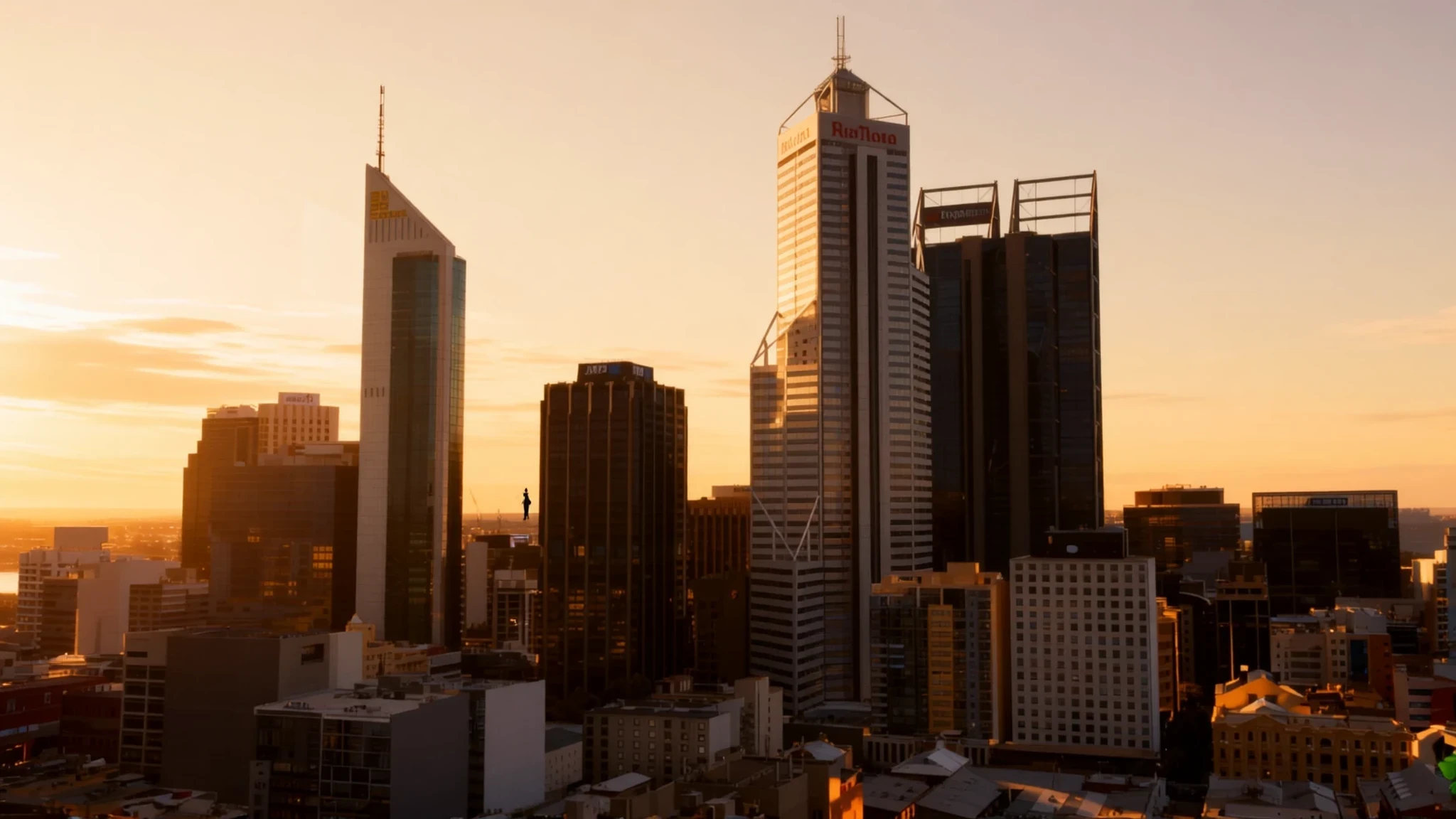
Perth is a relaxed, sun-filled Indian Ocean capital where beaches, bike paths and wineries sit close to the city centre.
The place
Perth is the capital of Western Australia and sits on the Swan River, a long way from any other large city. The metropolitan area is the fourth-largest in the country, with just over two million people in the city itself and a larger number across the wider region. Most of it lies on a flat coastal plain between the Indian Ocean and a line of low hills inland, so the suburbs spread out in leafy, low-rise streets rather than piling upwards. The centre is compact enough to walk in a morning. The business district slopes down toward Elizabeth Quay, a redeveloped waterfront on the river, while Kings Park rises on a bluff to the west with views over the water and the skyline. Fremantle, the old port, is a short train ride south and has a looser, more weathered character. Summers are hot and dry, and a sea breeze often arrives in the afternoon to cool things down. Winters are mild and wetter. Expect sunshine on most days of the year, long evenings on the beaches, and a city that quietens earlier than its size would suggest.
Its story
The ground Perth occupies has been home to people for a very long time. Archaeological evidence points to occupation for at least 48,000 years, and Noongar tradition describes the same country as theirs since the earliest times. The river wetlands were central to life here, both as a larder of food and as a setting for stories that still carry weight today. When the British arrived, the central business district lay within the territory of the Mooro, one of several family groups along the river who together made up the Whadjuk. Those groups belonged to a wider language bloc, the Noongar, spread across the south-west corner of the state.
British settlement began in 1829, when Captain James Stirling established the administrative base of the Swan River Colony. The colony was meant to draw free settlers, but labour was scarce, so from 1850 transported convicts were sent to build roads, public buildings and other works. The town took its name from the Scottish city of Perth, and Queen Victoria granted it city status in 1856.
The modern city grew with each mining boom in the state's interior. Mining companies chose Perth as their headquarters, which turned it into a financial centre far removed from the mines themselves. Native title has also shaped the story. In 2006 the Federal Court found that Noongar native title survived over the metropolitan area. The state and federal governments appealed, and the Full Court partly upheld that appeal in 2008, so the question stayed in public debate. Visitors today often begin their understanding of the region at the Boola Bardip exhibition in the Western Australian Museum.
What to see
- Elizabeth Quay — Perth city centre, Swan River
Elizabeth Quay, on the river at the foot of the city centre, is the easiest place to start. The waterfront was rebuilt around a man-made inlet and now has boardwalks, cafés and wide lawns where people sit with a coffee. Ferries and footbridges link it to the rest of the foreshore. Go in the late afternoon, when the light turns gold over the water and rowers and paddlers fill the river.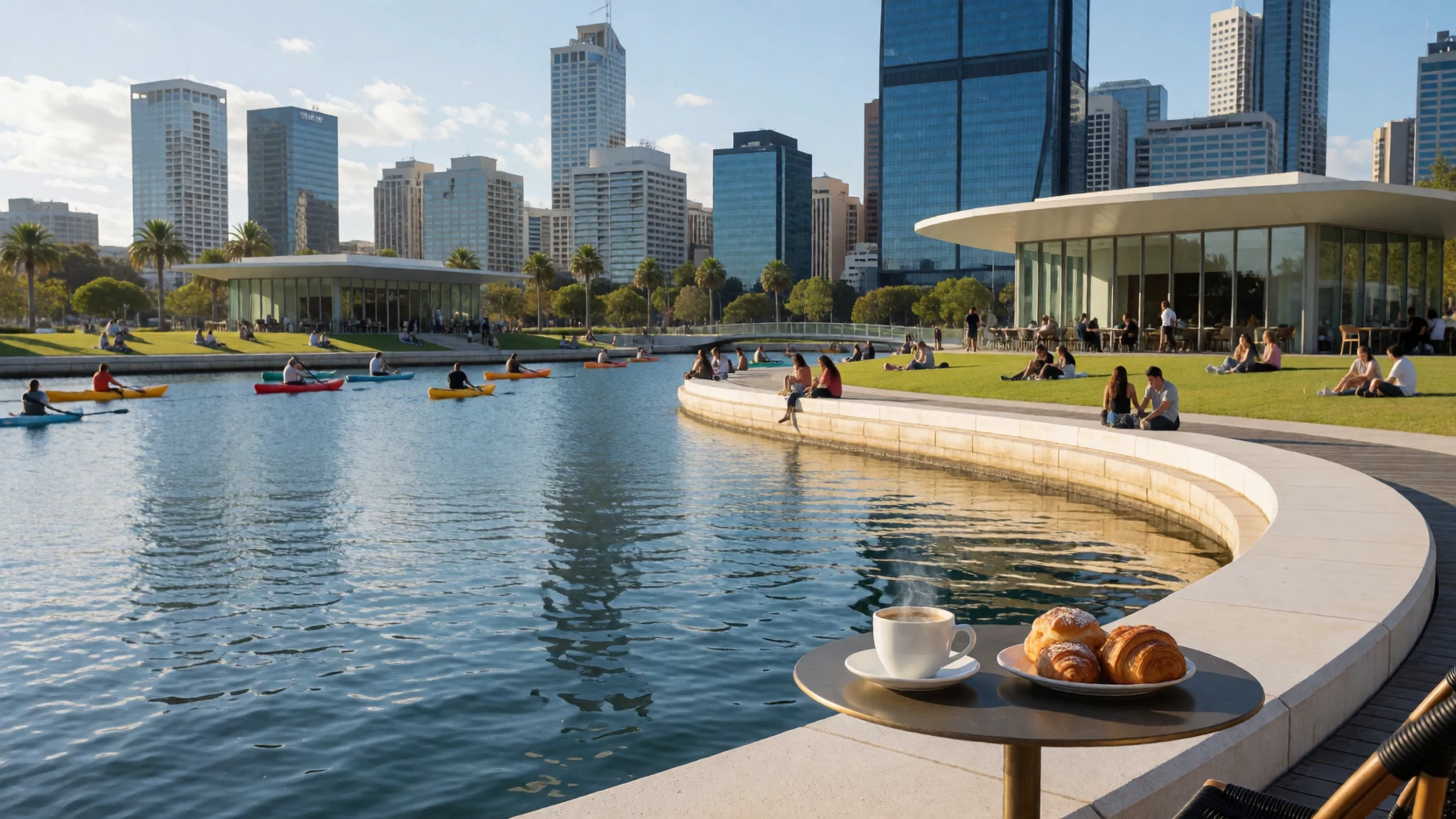
- Kings Park and Botanic Garden — West Perth, above the city
Kings Park sits on a bluff above the city and is one of the best places to see the skyline and the river at once. Paved paths and dirt trails wind through bushland, lookouts and formal gardens, and the wildflowers are a highlight in spring. Come early or in the late afternoon, because midday summer heat can be fierce, and bring water.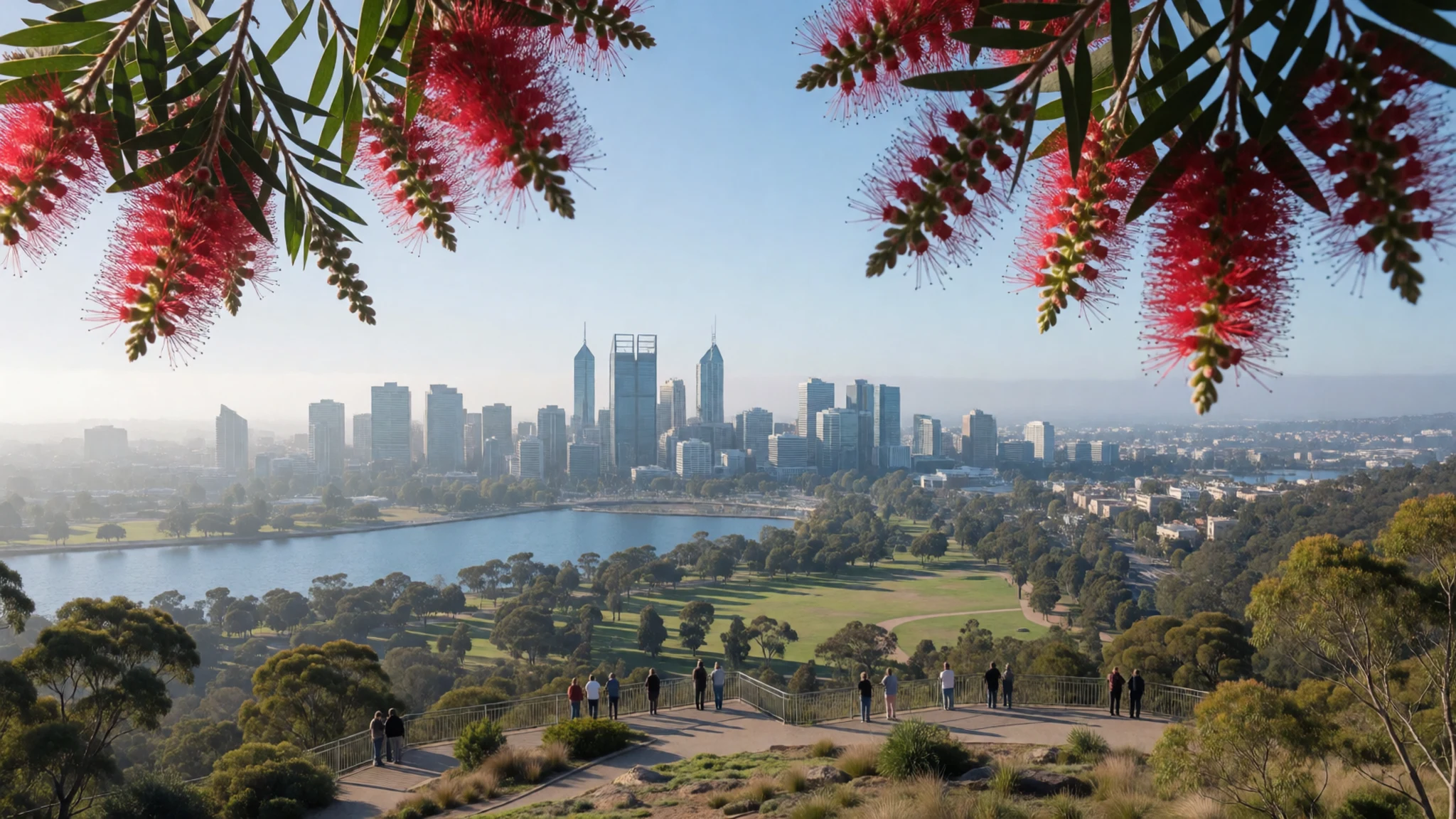
- Yagan Square — Perth city centre
Yagan Square is a public plaza in the city centre, named after Yagan, a Whadjuk Noongar man whose story is part of the region's history. The Digital Tower, a tall illuminated structure, is the landmark that draws the eye at night. The square hosts events and markets through much of the year, so check what is on before you go.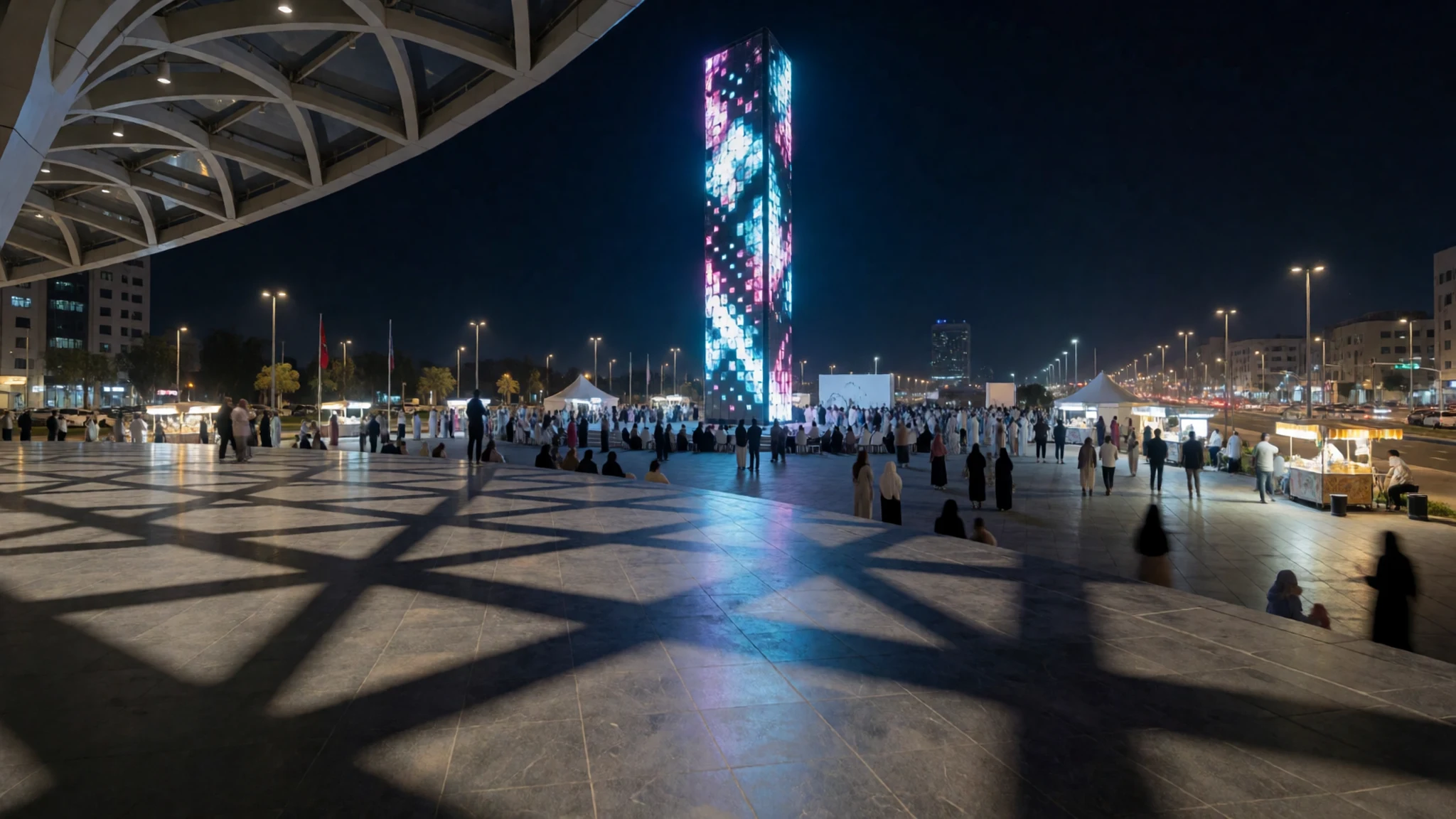
- Fremantle Markets — Fremantle, Swan River mouth
Fremantle Markets is a covered market in the old port town, and it is the place to browse for crafts, clothing, produce and food stalls. It is a good stop before or after a walk through the historic streets. Weekends are busiest, so go on a weekday if you want space to wander. Bring a bag, because you will want to take something home.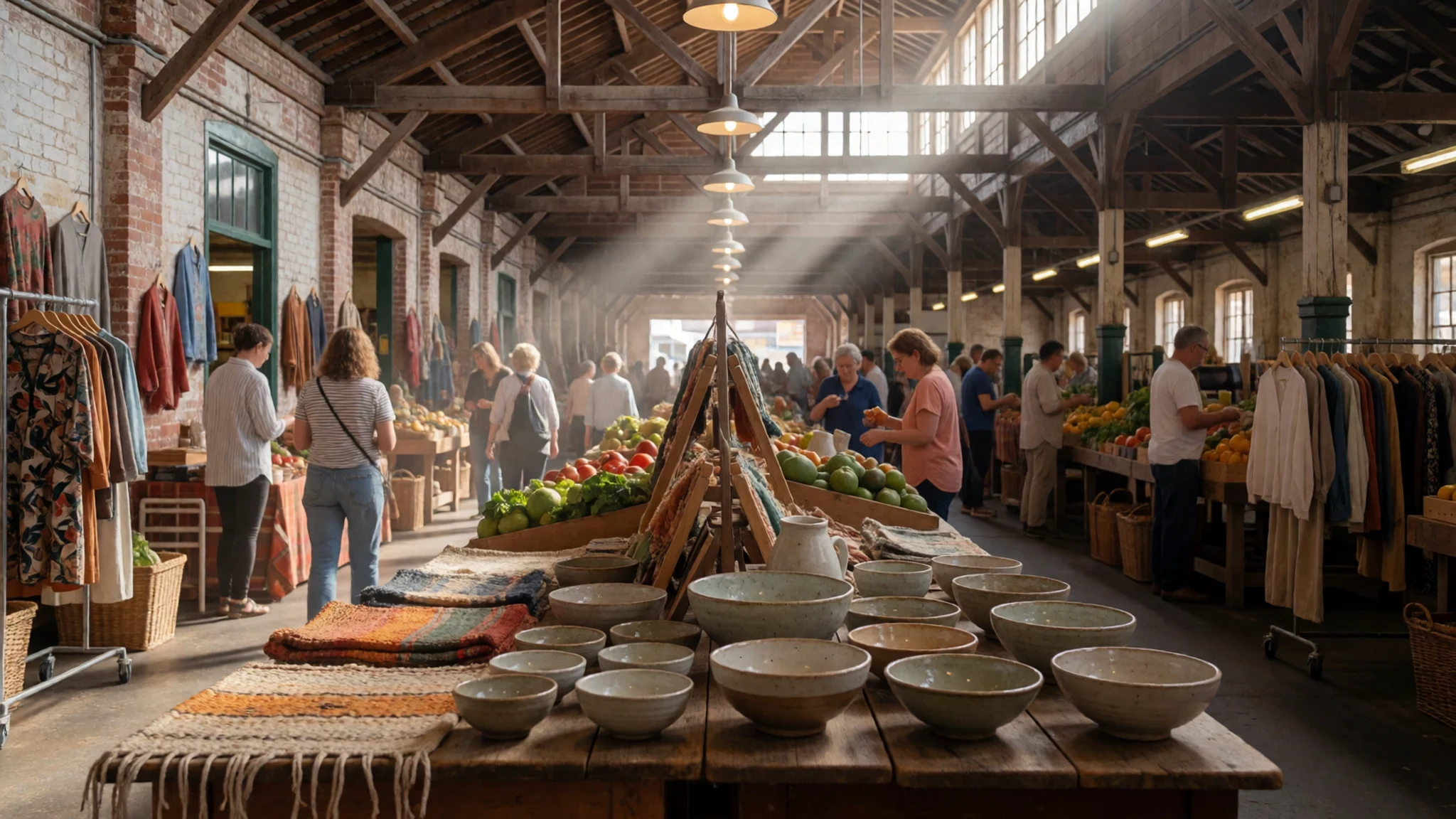
- Swan Valley wineries — Swan Valley, north-east of Perth
The Swan Valley lies just north-east of the city and is one of the best-known wine areas near Perth. Many wineries offer tastings at their cellar doors, and several have restaurants and lawns for long lunches. Craft breweries are nearby too. Driving between venues is not a good idea, so take a tour or arrange a driver.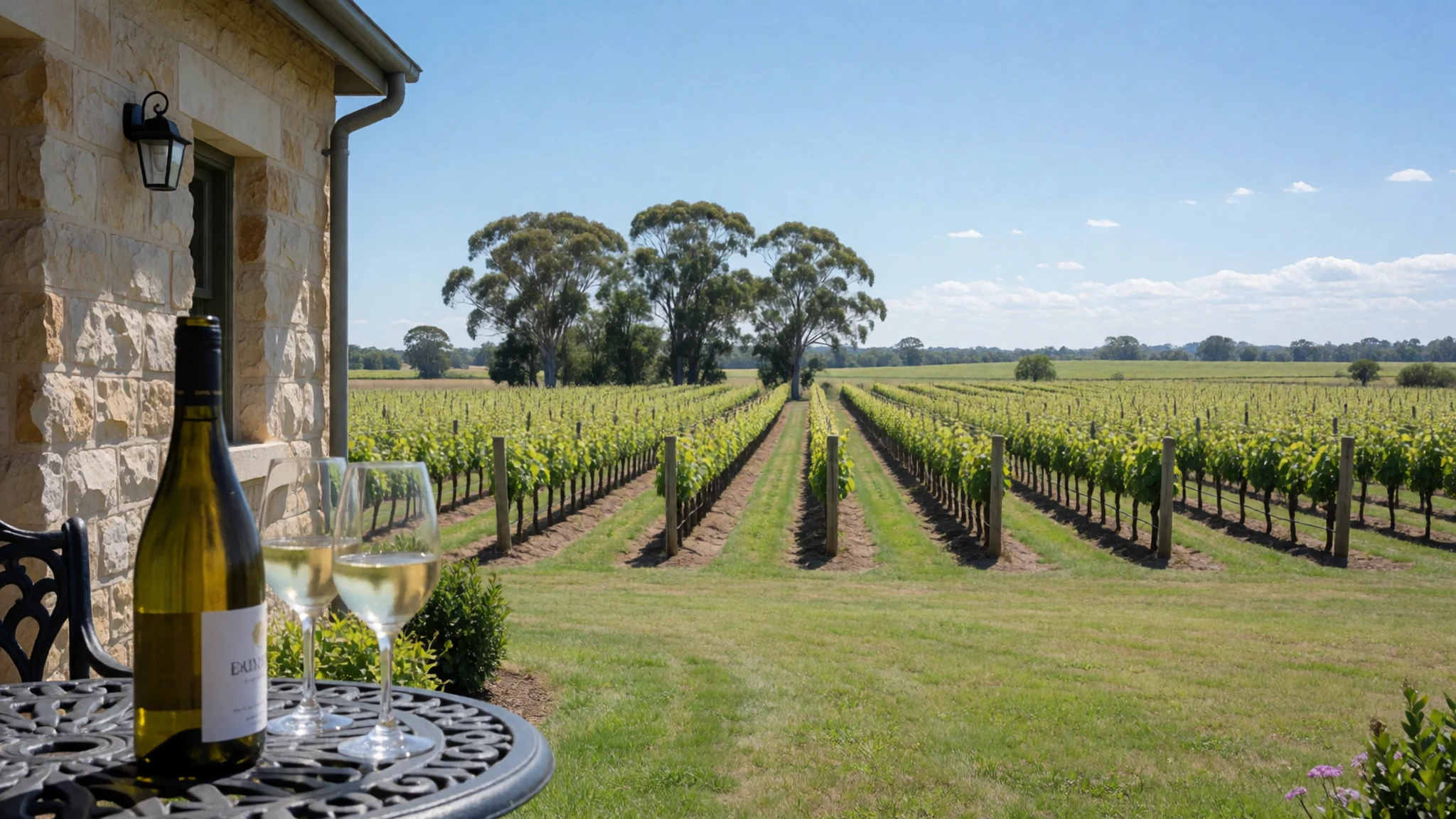
- Cottesloe Beach — Cottesloe, on the coast west of the city
Cottesloe Beach is the classic Perth beach, with sand, swimming and sunsets over the Indian Ocean. It is also the venue for Sculpture by the Sea, an outdoor exhibition of work by local and international artists that draws large weekend crowds. Lifeguard-patrolled sections are the safest places to swim, so swim between the flags.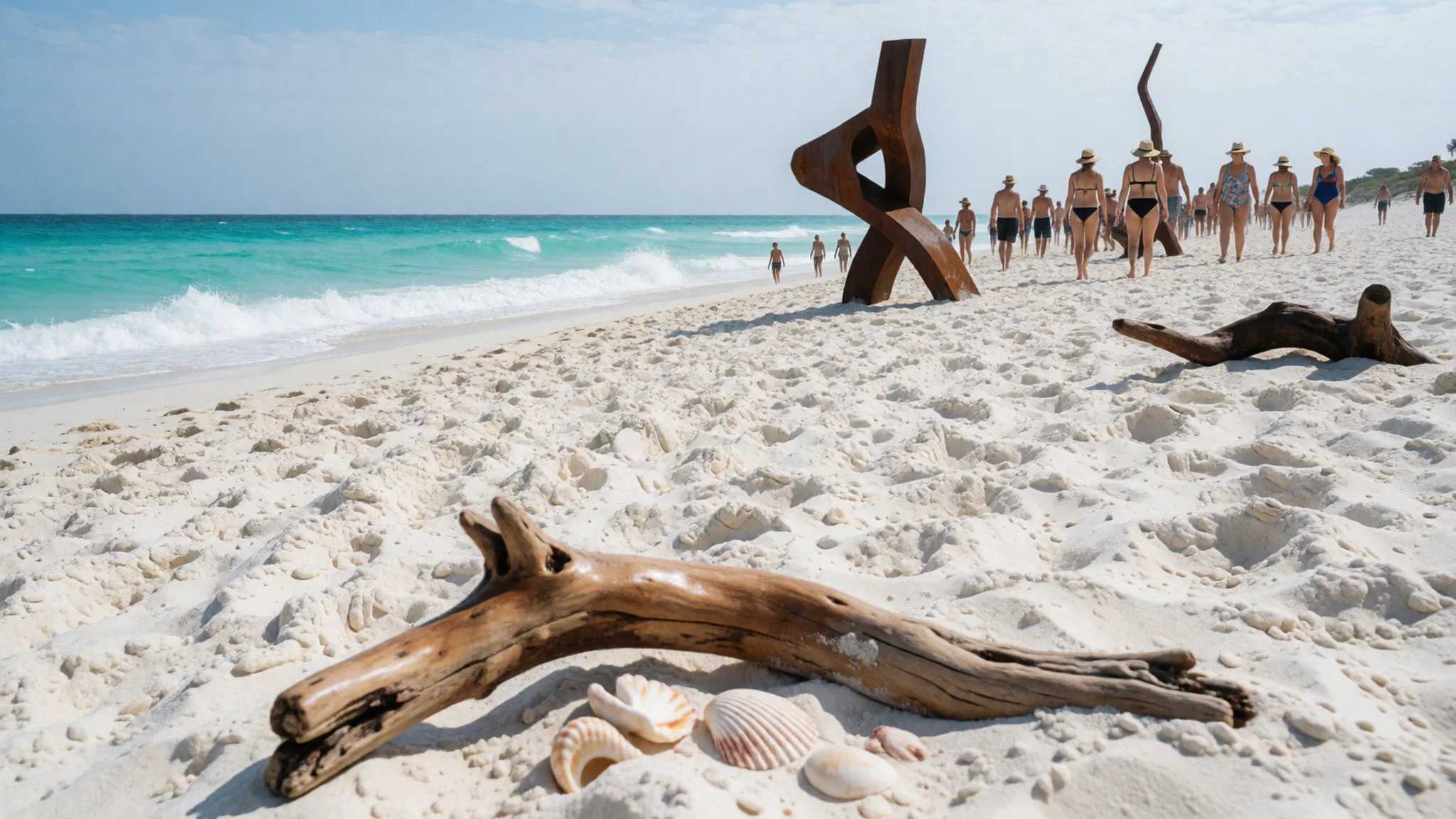
Culture
Perth's cultural life runs through the year. Perth Festival, held every year since 1953, is Australia's longest-running annual arts festival, and it includes a writers' festival and a winter arts programme. The Fringe World Festival fills the summer months from January to February, with performances, bars and street events across the city since 2012. Music festivals such as Listen Out, Origin and St Jerome's Laneway come through on the calendar as well. The Perth International Comedy Festival brings local and international performers to the Astor Theatre and venues in Mount Lawley. During the warmer months, night food markets appear across the city centre and nearby suburbs, and they are a relaxed way to sample local food. Behind all of this sits the Whadjuk Noongar country that the city occupies, and events often open with an acknowledgement of it. Visitors should respect that practice by standing for the welcome and by not treating it as a formality, so take a moment to listen when it is given.
What to wear
Traditional Noongar dress in the Perth region was practical and closely tied to the land. Clothing was made from animal skins and plant fibres, and body decoration and ochre often said more about a person than what they wore. Those traditions survive in ceremony and in contemporary design, where Aboriginal artists and designers across Australia combine traditional motifs with modern cloth and print. For everyday dress, Perth people wear light, casual clothes: shorts, sundresses, linen shirts and thongs or sandals for the beach. Office workers dress more formally in the central business district, but the look is generally relaxed and the sun is strong most of the year. A visitor should pack a wide-brimmed hat, sunscreen, sunglasses and a light layer for cool evenings. Lightweight, breathable fabrics suit the summer heat, and a jacket or jumper helps in winter. Comfortable walking shoes matter for the paths in Kings Park and the uneven ground of the bush trails. Modest dress is not required at churches or cultural sites, but covered shoulders and sensible footwear are good manners when you visit a cultural centre or an Aboriginal ceremony.
What to eat
- Fresh seafood on the harbour front — Fremantle harbour front
Rock lobster, prawns and whiting, often grilled simply with lemon and butter, are the local catch. Fremantle's harbour front has both casual takeaway stalls and sit-down eateries with outdoor tables. Lunch is quieter, and the catch is at its freshest.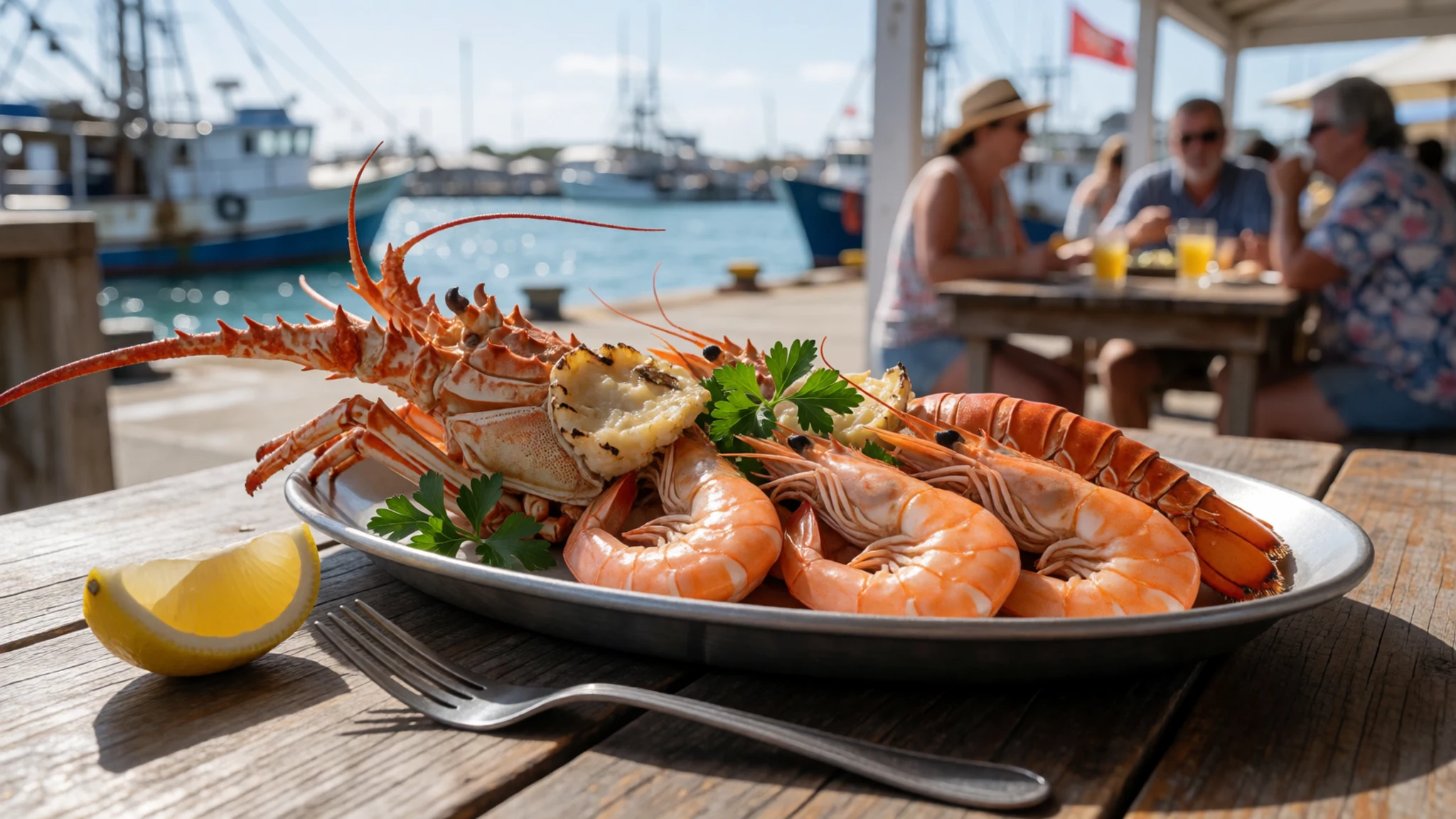
- Southern European plates — Northbridge, along the main restaurant streets
Northbridge's restaurant strip holds a dense run of Italian, Greek and Spanish-style kitchens. Expect wood-fired pizza, grilled octopus, slow-cooked lamb and generous salads, often shared. Weekend evenings are lively, so book a table or arrive early.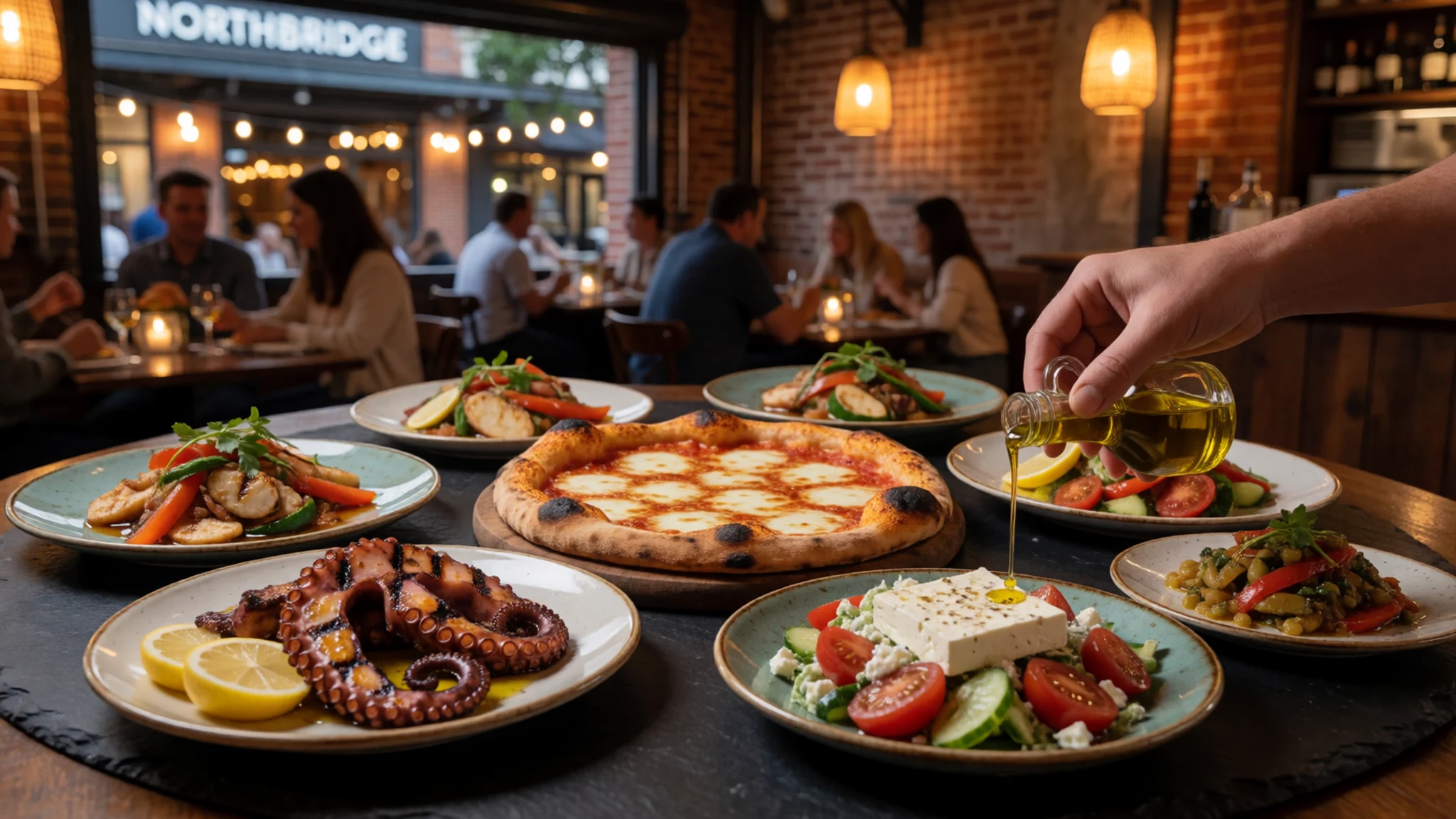
- Laksa and Asian noodles — Northbridge and the Asian eateries around the city centre
Bowls of laksa, a coconut-rich noodle soup, and Vietnamese pho turn up across Northbridge and the suburbs. Look for small family-run eateries with simple menus, which often serve the most convincing versions. They are usually good value.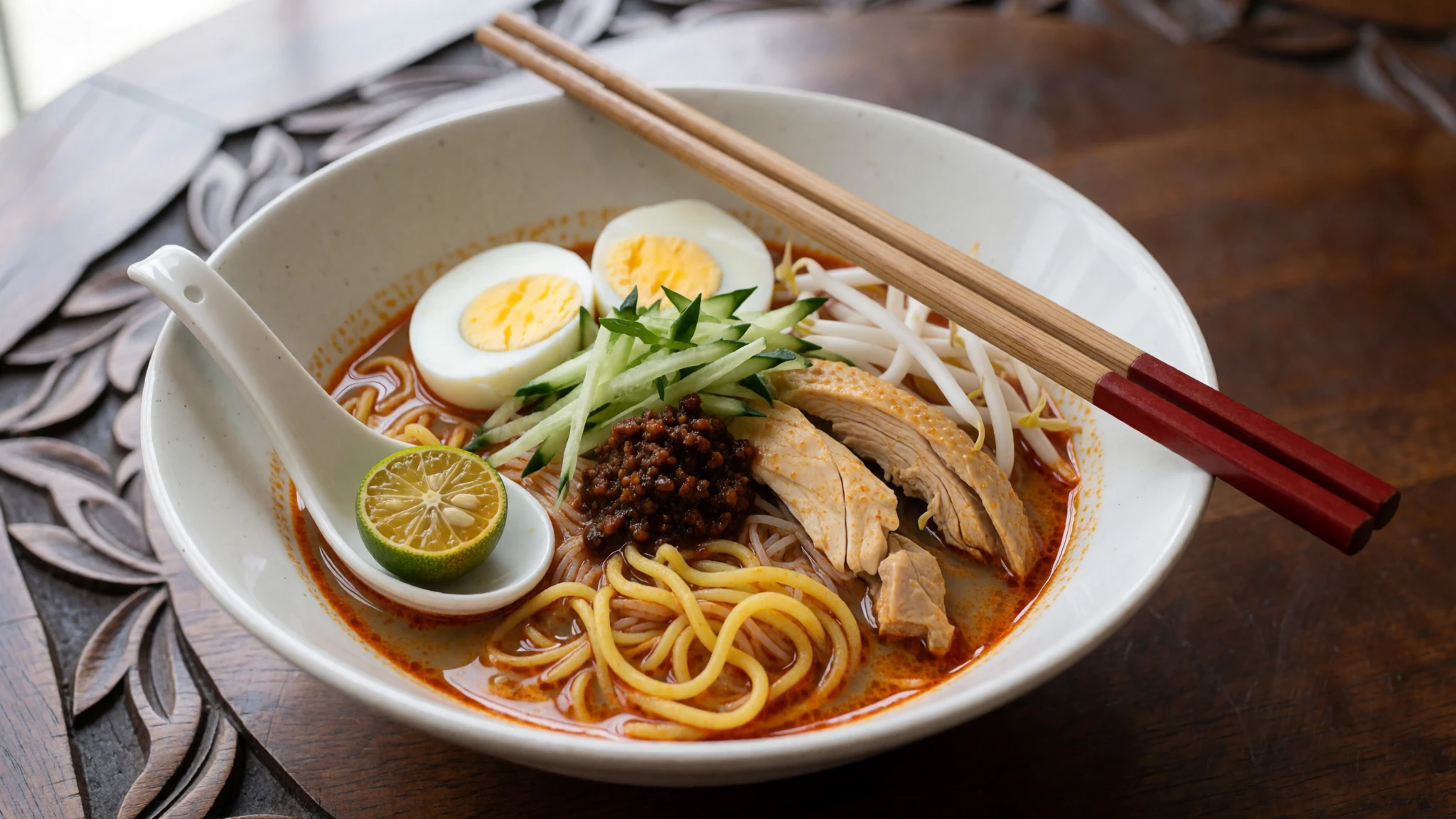
- Coffee and cake — Cafés on the streets of Fremantle
Fremantle's cafés invite a slow hour. Take a table on the street, order a flat white and a slice of cake, and watch the weekend strollers. It works well between a wander through the old streets and a walk to the harbour. - Swan Valley wine and craft beer — Wineries and breweries in the Swan Valley
The Swan Valley, north-east of the city, grows grapes for well-regarded wines, and craft breweries have opened nearby. Many cellar doors offer tastings, and several have restaurants with lawns. Pick a driver or book a tour, because the valley's roads are best done without a car.
Plan it
Best time. May and September suit most visitors, with warm days, mild evenings and less wind than midsummer. December to March is hot and dry, with the sea breeze a welcome relief in the afternoons. June to August is cooler and wetter but still sunny on many days.
How long. 2–3
Getting there. Perth Airport handles the city's international and domestic flights, and the airport is a short taxi or rail ride from the centre. From the airport, trains run into the city, while buses and taxis are also available. Most interstate and country services terminate at East Perth station, about a kilometre north-east of the centre, which is linked to city buses and suburban trains.
Budget. mid
Tips
- Start walks in Kings Park early or late in the day, because the midday summer sun is strong
- Book Swan Valley tours and cellar door visits ahead on weekends
- Expect many restaurants to close early; eat before 9 pm to avoid disappointment
- Cards are widely accepted, but carry some cash for market stalls and small vendors
- Carry water, sunscreen and a hat on beaches and bush trails
Etiquette
- Acknowledge the Whadjuk Noongar custodians at formal events and listen when acknowledgement is offered
- Ask before photographing Aboriginal people or ceremonies
- Keep to the bike paths and give cyclists room on the river trails
Nearby
Sources
- Wikidata Q3183 (CC0)
- Wikipedia: Perth (rev 1382338340) (CC BY-SA 4.0)
- Wikivoyage: Perth (rev 5398809) (CC BY-SA 4.0)
- Elizabeth Quay panorama, Samuel Wiki (CC BY 4.0)
- Perth CBD skyline from State War Memorial Lookout, Georgfotoart (CC BY-SA 4.0)
- Perth Town Hall, Gnangcomapp (CC BY-SA 4.0)
- Digital Tower at Yagan Square, Dietmar Rabich (CC BY-SA 4.0)
- Swan Bell Tower, Dietmar Rabich (CC BY-SA 4.0)
- Perth Stadium, Samuel Wiki (CC0 1.0)
- Boola Bardip, Gnan garra (CC BY 2.5 au)
- Crowds on Cottesloe Beach, TedDougal'n'Jack (CC BY-SA 4.0)


