Pattadakal Group of Monuments
Pattadakal Group of Monuments, India
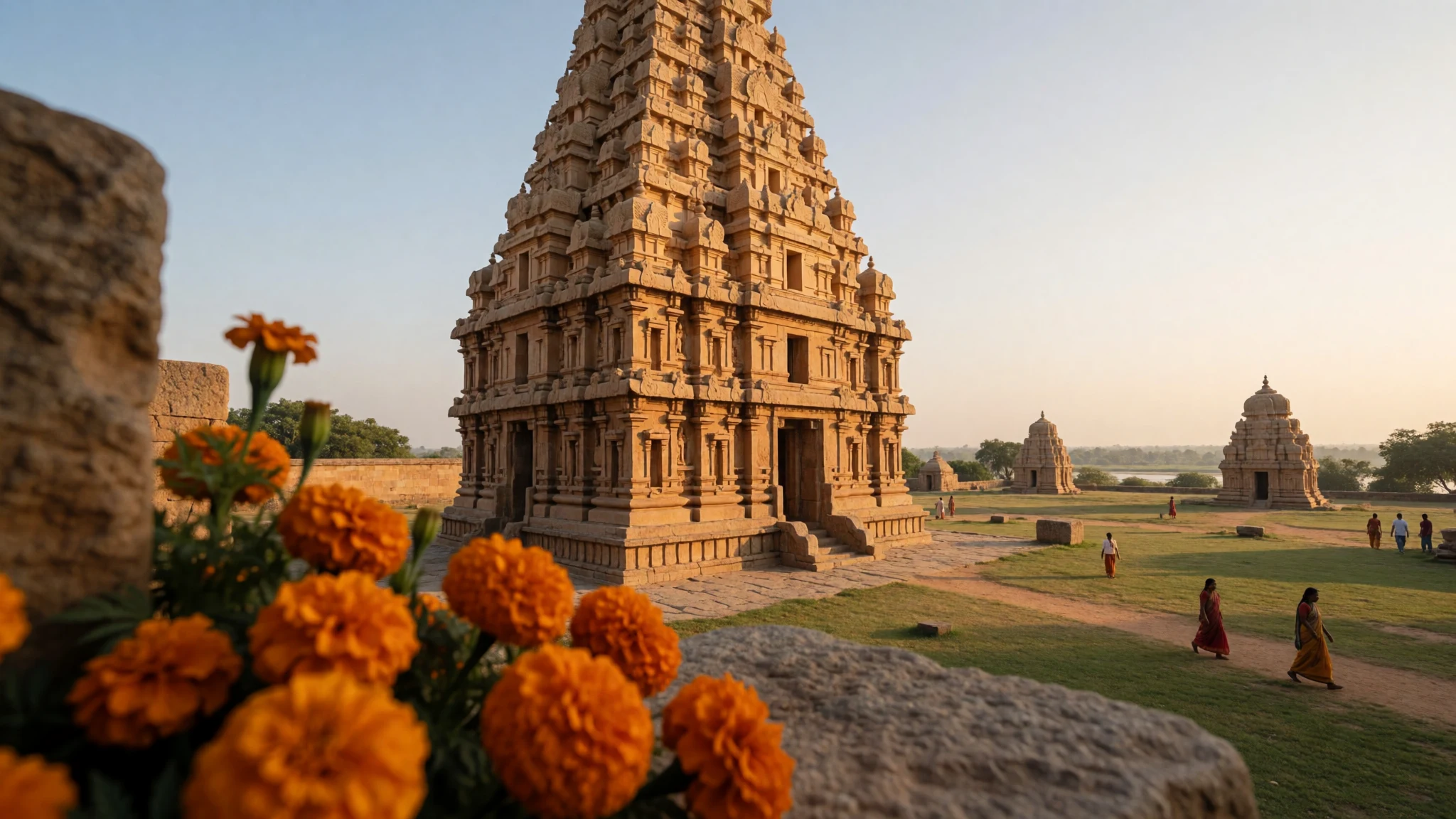
Pattadakal is a compact temple landscape where early medieval Hindu and Jain architecture from different regions sits side by side.
The place
Pattadakal (Pattadakallu), also known as Raktapura, is a UNESCO World Heritage temple complex in northern Karnataka, India. The site sits on the west bank of the Malaprabha River, in Bagalkot district—close enough to pair with other Chalukya-era stops. It’s about 23 kilometres from Badami and roughly 9.7 kilometres from Aihole, both of which are famous for their own concentrations of old temple remains.
What makes Pattadakal feel different is the mix: Hindu and Jain worship spaces dating to the 7th and 8th century CE, grouped in a single protected area managed by the Archaeological Survey of India (ASI). Many of the Hindu temples are associated with Shiva, though the carved storytelling includes ideas and motifs linked to Vaishnavism and Shaktism, alongside the classic Hindu epic and puranic themes visible in friezes. A Jain temple dedicated to a single Jina anchors the non-Hindu side of the compound.
The architecture is the star. Several temples show a fusion of north- and south-Indian styles, and the sculpture work is often described as eclectic—small scenes and dense decorative bands that reward slow looking. The Virupaksha temple remains active for Hindu worship, so the place is not just “museum archaeology”; it’s still used.
In practice, the experience is part sightseeing, part heat management and part respectful browsing. The grounds can feel quiet between arrivals, but afternoons can get busy, and the Indian sun turns stone into a real test. Go with a plan for shade, water and a slightly earlier start.
Its story
Pattadakal’s story starts with a landscape detail. The place name is tied to “coronation” themes, because Pattadakal was regarded as a holy area connected to the Malaprabha River’s turn northwards. In the Chalukya dynasty, it was used for coronation ceremonies—historically associated with rulers and rituals tied to kingship.
Over time, the temple group became a cultural centre for experimentation in architecture and ideas. The surrounding Chalukya world saw shifts in religious identity: early rulers moving from Vaishnavite leanings towards Shaivite devotion. That shift is reflected in the dominance of Shiva-linked temples, while carvings and motifs continue to hint at broader Hindu traditions and storytelling.
The complex also carries a layered “how people saw it” record. Pattadakal is mentioned in texts, and classical geographers referred to it by other names. Even the alternative names—like Raktapura, the “city of red”—point to how locals and outsiders described the place.
The most convincing way to understand Pattadakal is to treat it like a working library of stone. Different temples show different balances of styles, and the friezes act like visual summaries: scenes drawn from major epics and puranas, as well as concepts from other texts. Walking from one building to another feels like comparing chapters written with the same materials but different authorial choices.
There’s also a practical thread: as the centuries passed, some buildings remained in active religious use. That continuity matters when modern visitors arrive—temple staff and worshippers bring rhythm to the site, and it changes the tone of looking from “archaeology sightseeing” to “living heritage.”
What to see
- Virupaksha Temple — Pattadakal temple cluster
Virupaksha Temple is the active centre for Hindu worship within the Pattadakal complex. Expect frequent activity around the entrances and quieter moments inside the carved spaces, where stone storytelling and temple routines overlap.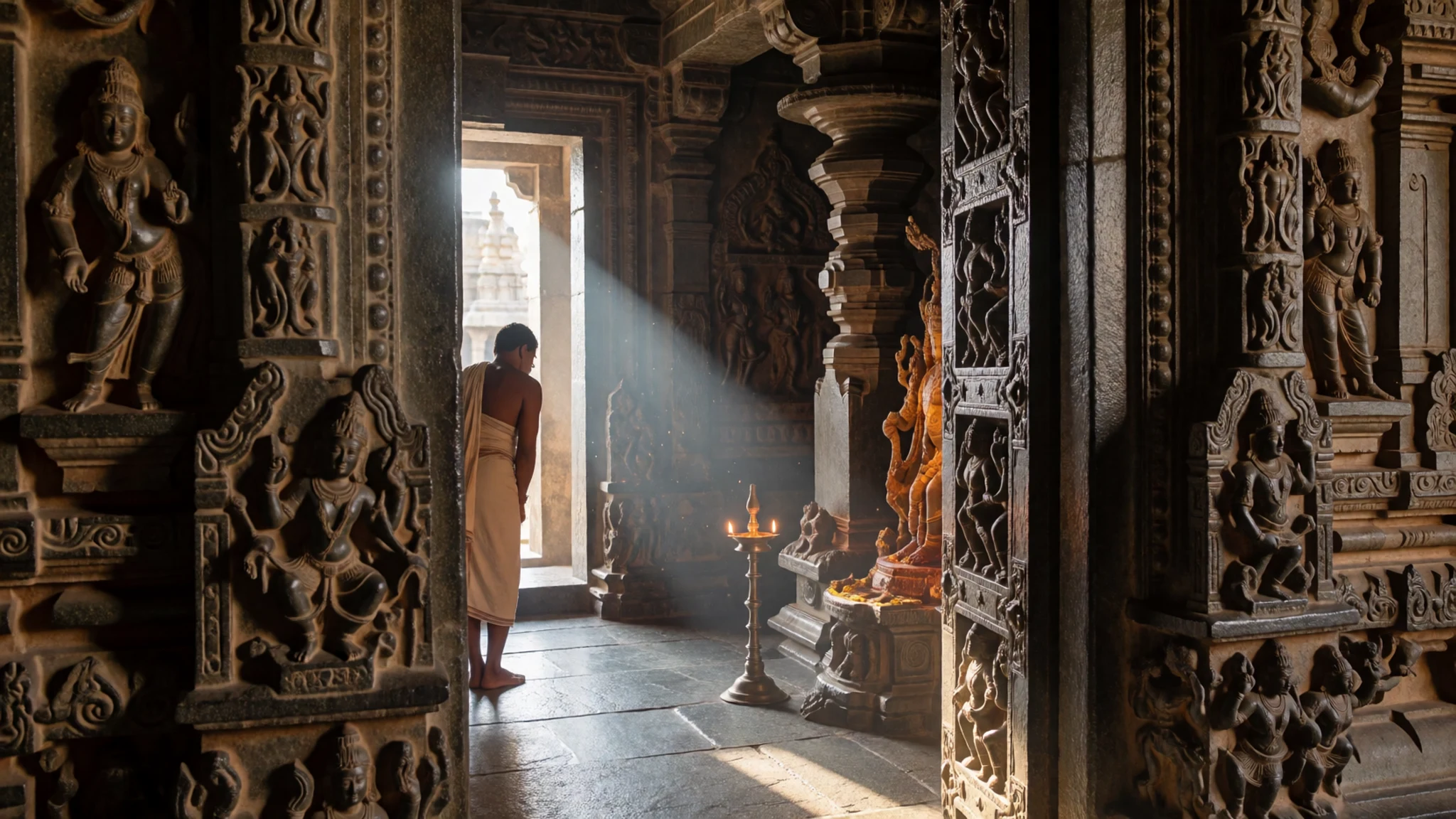
- Chandrashekhara Temple — Pattadakal temple cluster
Chandrashekhara Temple sits within the main Pattadakal grouping and contributes to the overall spread of early medieval Shaivite architecture. The value here is in tracing the carvings and noticing how the decorative language varies from one shrine to the next.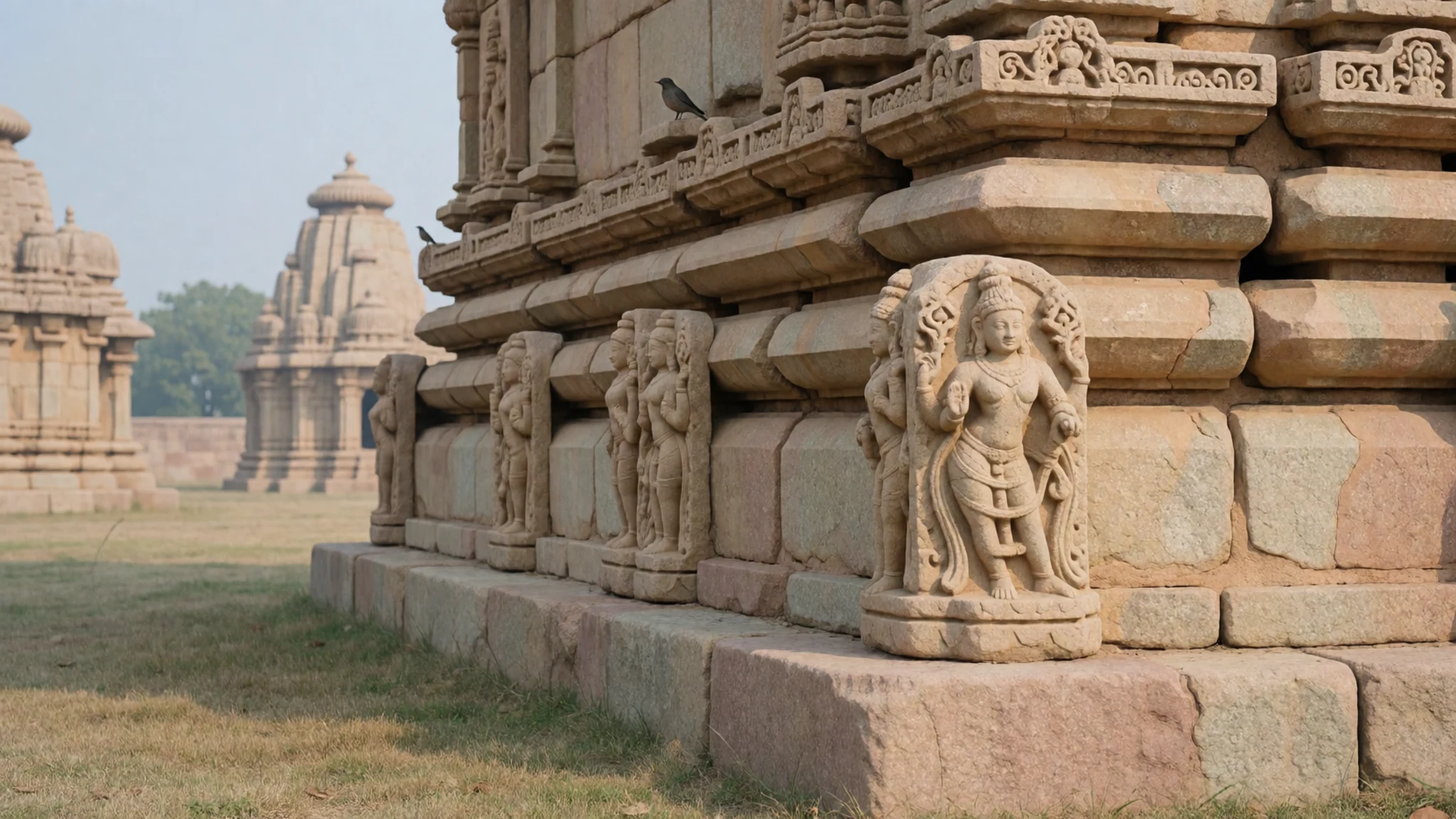
- Galganatha Temple — Pattadakal temple cluster
Galganatha Temple follows the Rekha Nagara Prasada style, and it stands out for the Shiva theme shown in sculpture work. Look around the main sculptural displays for the story element—Shiva as the decisive figure over the demon Andhakasura.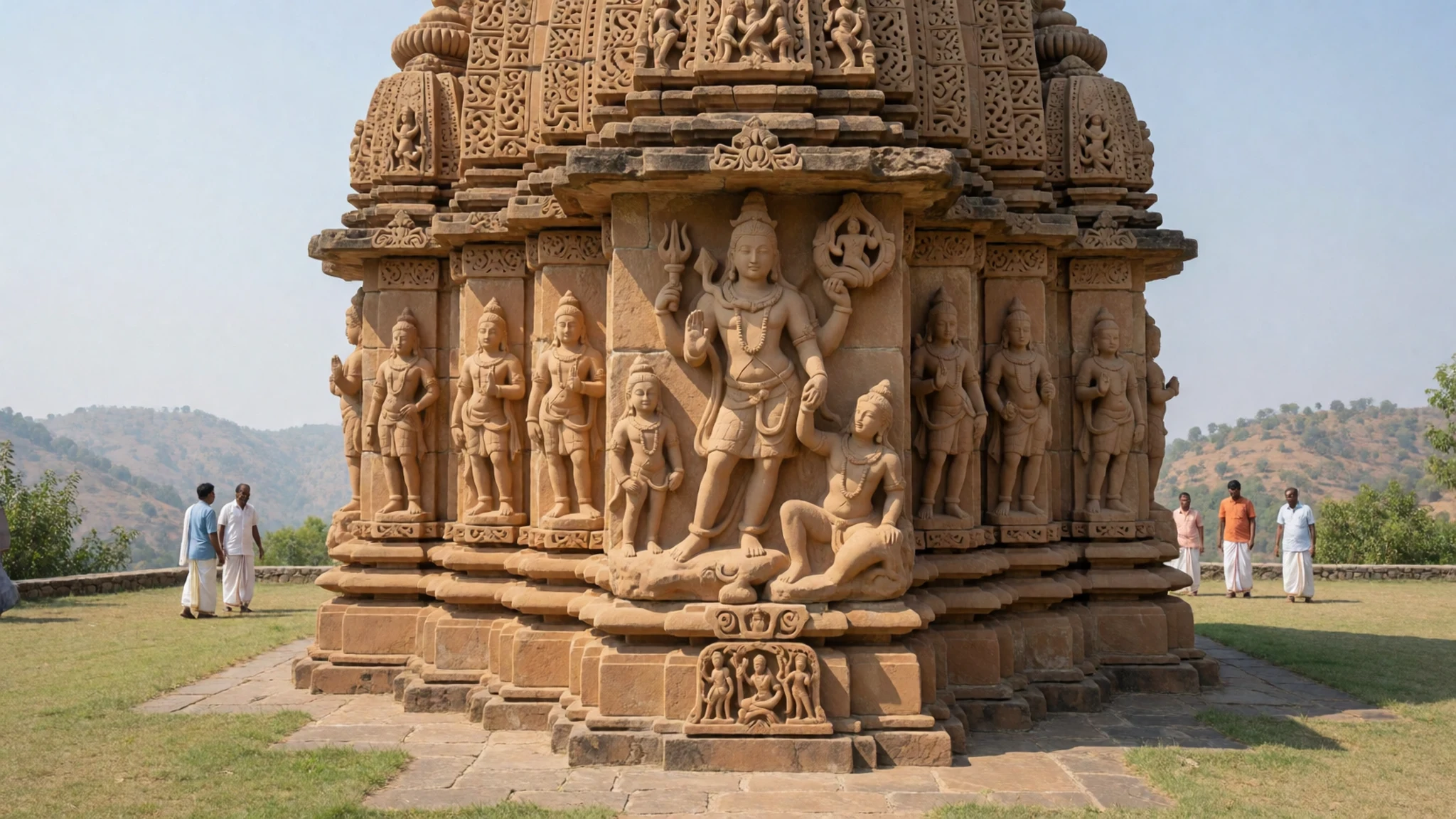
- Jain Temple — Pattadakal temple cluster
Pattadakal’s Jain Temple keeps the non-Hindu side of the story very focused: it is dedicated to a single Jina. The setting is worth visiting even if the carvings are less familiar—this is where the complex reads as a shared heritage landscape.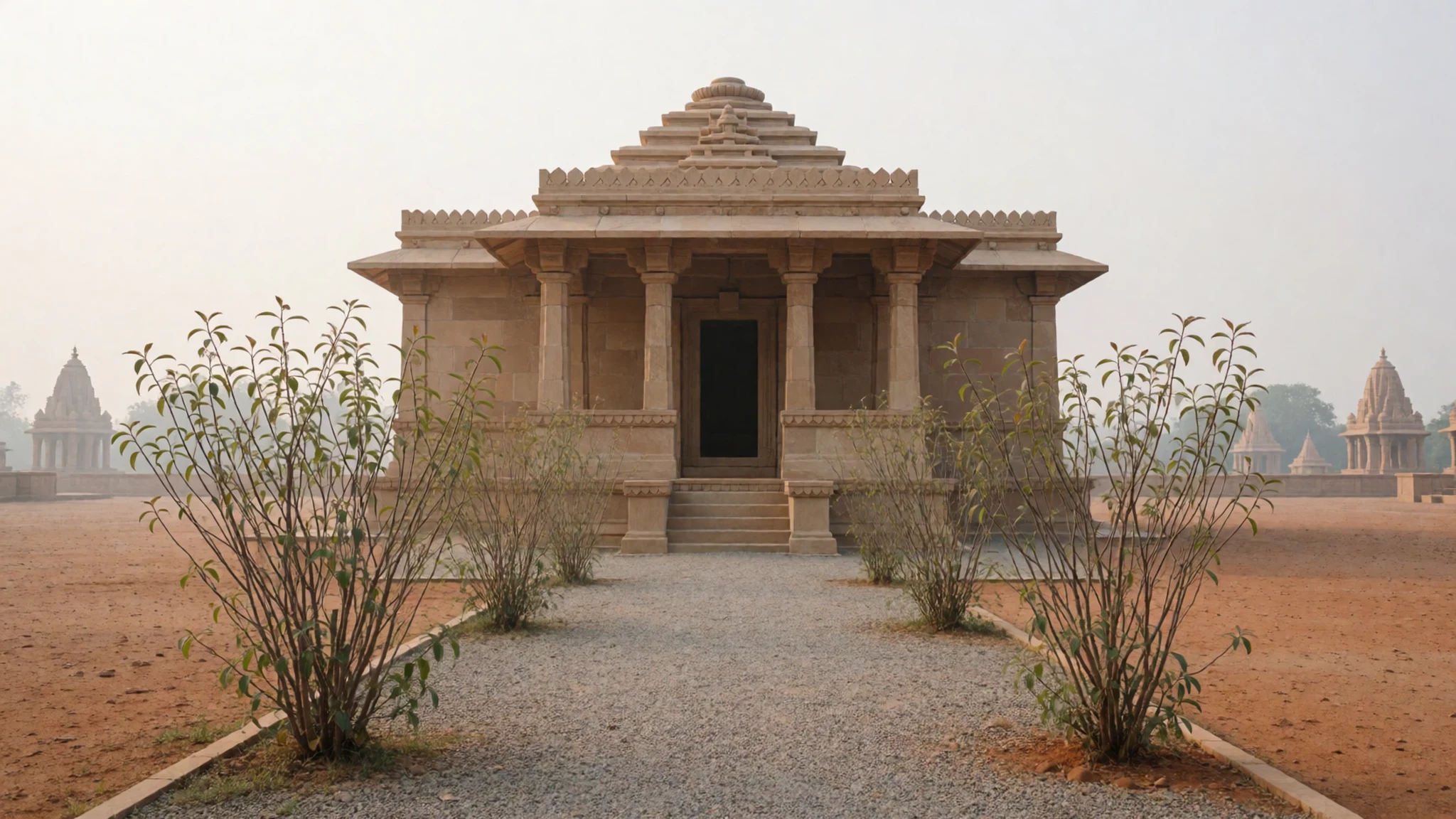
- Kadasiddhesvara Temple — Pattadakal temple cluster
Kadasiddhesvara Temple is known for well-executed idols of Shiva, Parvathi, Vishnu and other divinities on the outer wall. The outside carvings make it easier to compare icon variety before stepping deeper into the compound.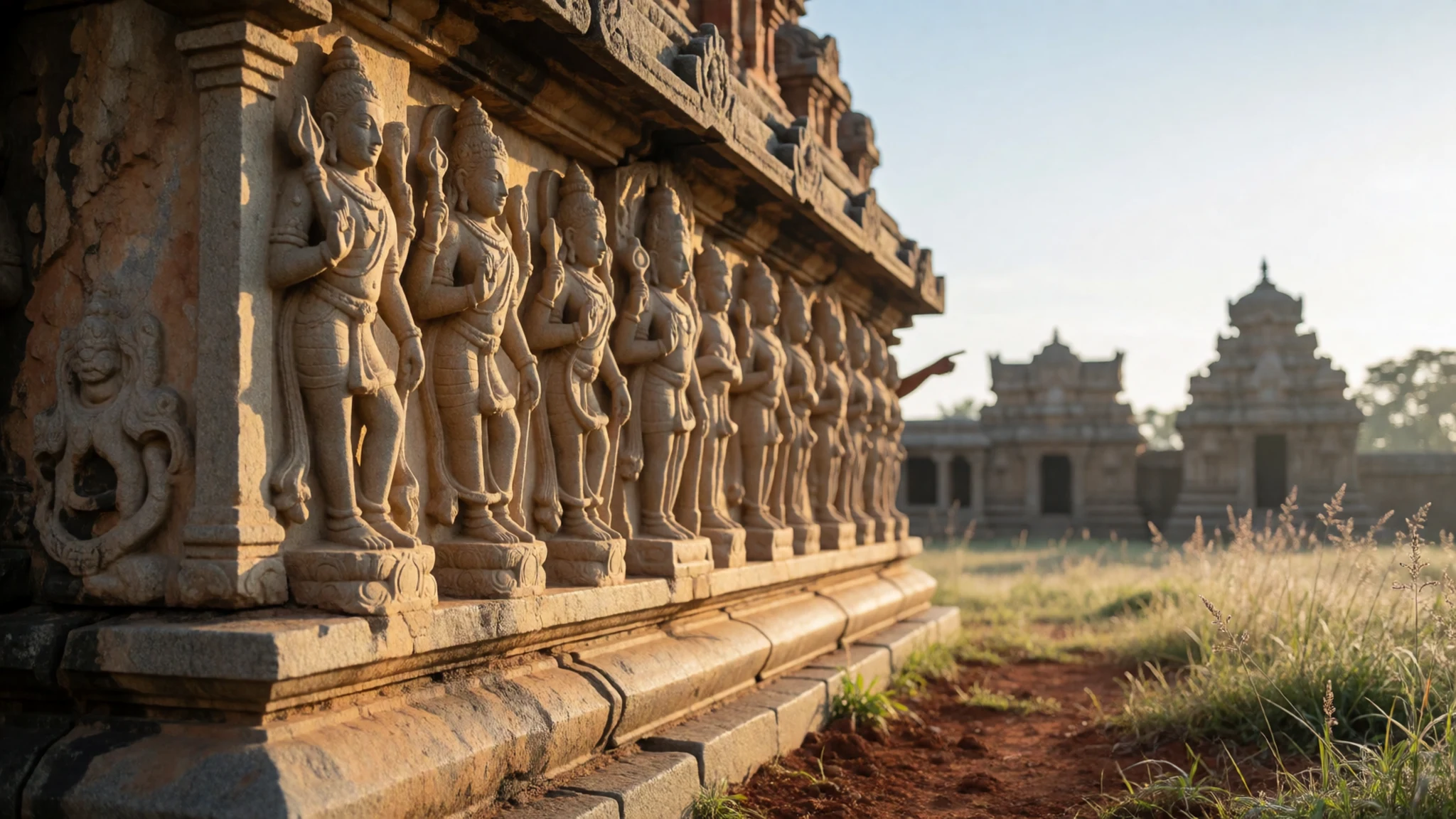
Culture
Pattadakal is a UNESCO-listed heritage site, but it still functions as a place where people worship and take part in temple routines—especially around the Virupaksha Temple area. That means the “culture” is not only in the stonework; it’s in how visitors move, speak and photograph.
In this part of Karnataka, the safest way to blend in is to keep the pace calm. Temples can feel busy when buses arrive, and then suddenly quiet when groups disperse; use those gaps to slow down and read the friezes without hovering in front of worshippers. Dress matters: loose, modest clothing helps because temple steps and shaded corridors can look cool only briefly before the sun returns.
Photography is where travellers most often get awkward. Keep your camera low when people are praying or walking through narrow spaces, and avoid blocking doorways. If a sign or staff member suggests limits, follow it immediately rather than negotiating.
Finally, remember that stone is protected—don’t touch carvings or write on structures, even lightly. Small actions add up over time at sites like this.
Visitor etiquette: dress modestly, keep voices down inside temple areas, and avoid touching carvings or obstructing worshippers.
What to wear
At Pattadakal, the traditional dress in the region is often worn in daily life and for temple-related occasions. In northern Karnataka, that can mean sarees and salwar-style outfits for many women, with men commonly wearing dhotis or lungis with shirts or kurtas; the exact choice varies by community and weather. Textures and colours are usually chosen for comfort in warm conditions, and plain, breathable fabrics work well when you’re walking between stone shrines.
What visitors actually wear today is a mix of city clothes and practical temple attire: cotton or linen shirts, lightweight trousers or leggings, and sandals are common. For temple areas, modest coverage is the main rule, especially around active worship spaces. Footwear matters too—some temple approaches involve steps and uneven stone.
What to wear as a visitor: a light top with sleeves, trousers or a long skirt, and comfortable footwear with grip for stone surfaces. Bring a scarf or shawl for extra coverage during worship moments and sun. In hot months, choose fabrics that don’t cling; heat builds quickly outdoors, and temple shade is limited.
What to eat
- Jolada rotti (Jowar/Sorghum bread) with chutney — Informal village food stalls around the area
Jolada rotti—made from jowar (sorghum)—is often sold by local village women, usually paired with chutney and simple cooked vegetable sides. It’s a straightforward, filling stop when nearby dining options feel limited.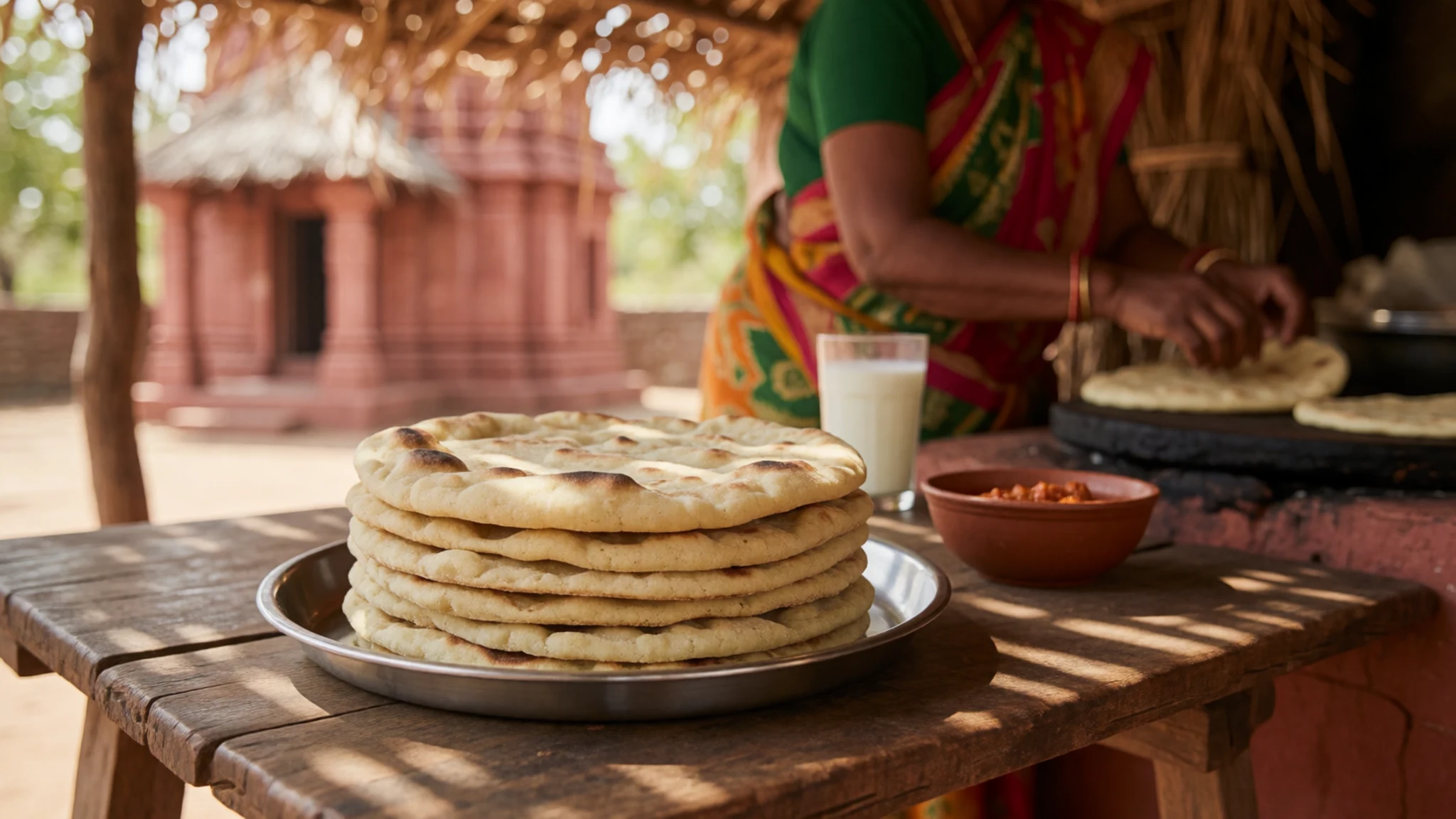
- Palya (cooked vegetable sides) — Village stalls near the temple area
Palya refers to cooked vegetables served alongside bread. At Pattadakal, it’s commonly sold along with rotti, and it works well as a light meal that doesn’t demand refrigeration or complex preparation during warm travel days.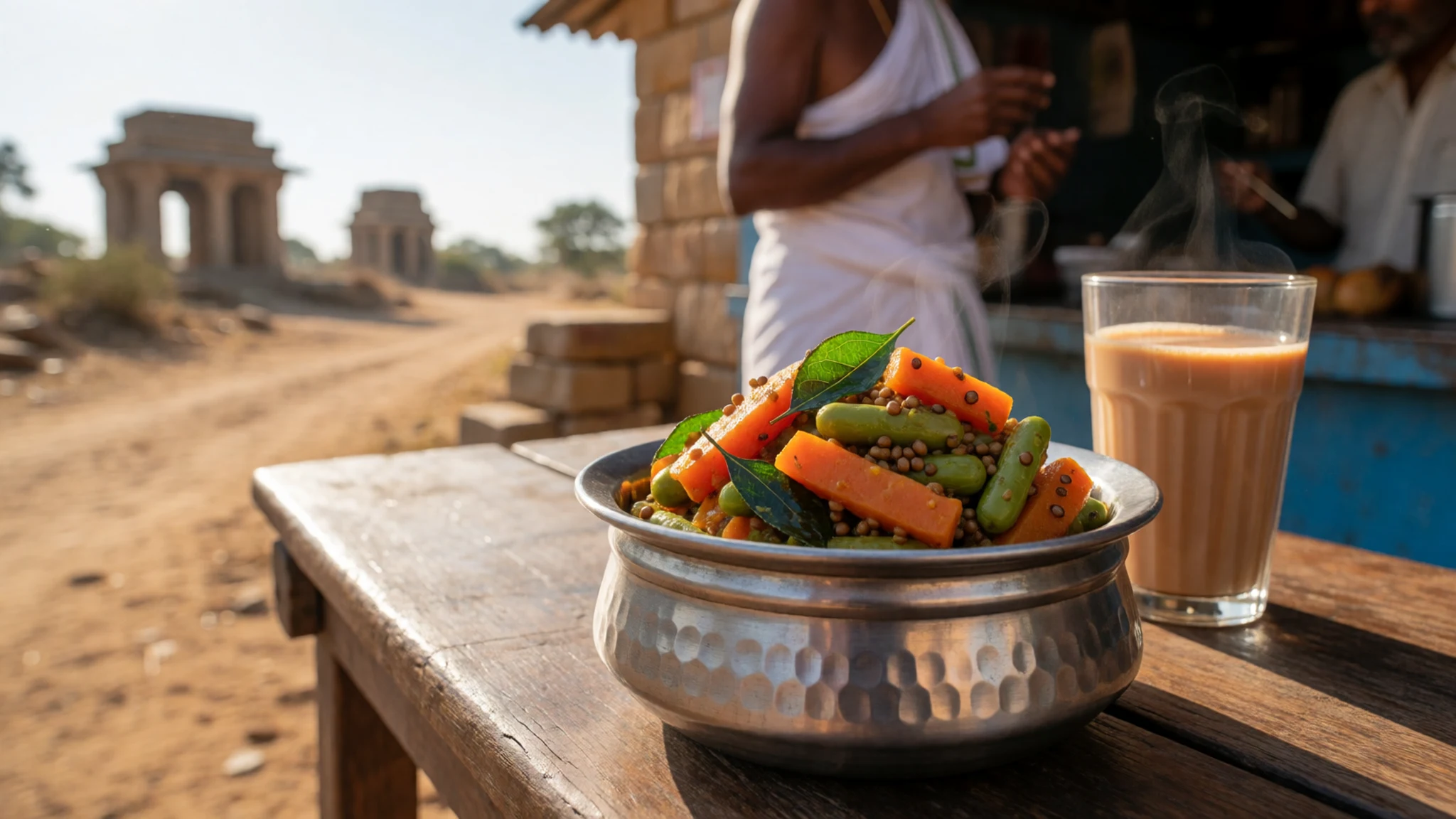
- Tea (milk tea) — Small shacks by the route and local stalls
Tea laced with milk is a favourite local drink in the region, often available from small shacks. It’s handy between temple visits when the heat makes it hard to think and you want something comforting. - Buttermilk (after meals, for hydration) — Where local refreshments are sold near the site
Buttermilk is especially popular after meals and during hot days because it helps replenish fluids. In a place where you’ll be walking on stone in sun, it’s a practical, low-fuss companion to temple-hopping.
Plan it
Best time. October–November and December are usually the most comfortable for temple walking (cooler, with lower rain), while May and June are the hottest months. Monsoon brings the wettest period in June through September. Plan around heat and keep the middle of the day lighter.
How long. 2–3
Getting there. Fly to Hubballi (Hubli) airport, then continue by road to Badami and onward by local transport; rail connections also run via Bagalkot or Badami.
Budget. mid
Tips
- Start earlier in the day to avoid the hottest light on the stone.
- Keep water (or buttermilk) handy and drink regularly in warm months.
- Bring a torch (flashlight) and a battery backup in case electricity supply is irregular at your base.
- Ask at the entrance information desk if you want a guide for the temple carvings and stories.
- Avoid night travel; some interior roads can feel isolated and dark.
Etiquette
- Do not write or damage temple structures.
- Stay out of the way of worship routines around the active temple areas.
- Keep hands off carved surfaces even when they look worn or decorative.
Nearby
Sources
- Wikidata Q817250 (CC0)
- Wikipedia (rev 1376793188) (CC BY-SA 4.0)
- Wikivoyage (rev 5284357) (CC BY-SA 4.0)