Pannonhalma Archabbey
Pannonhalma Archabbey, Hungary
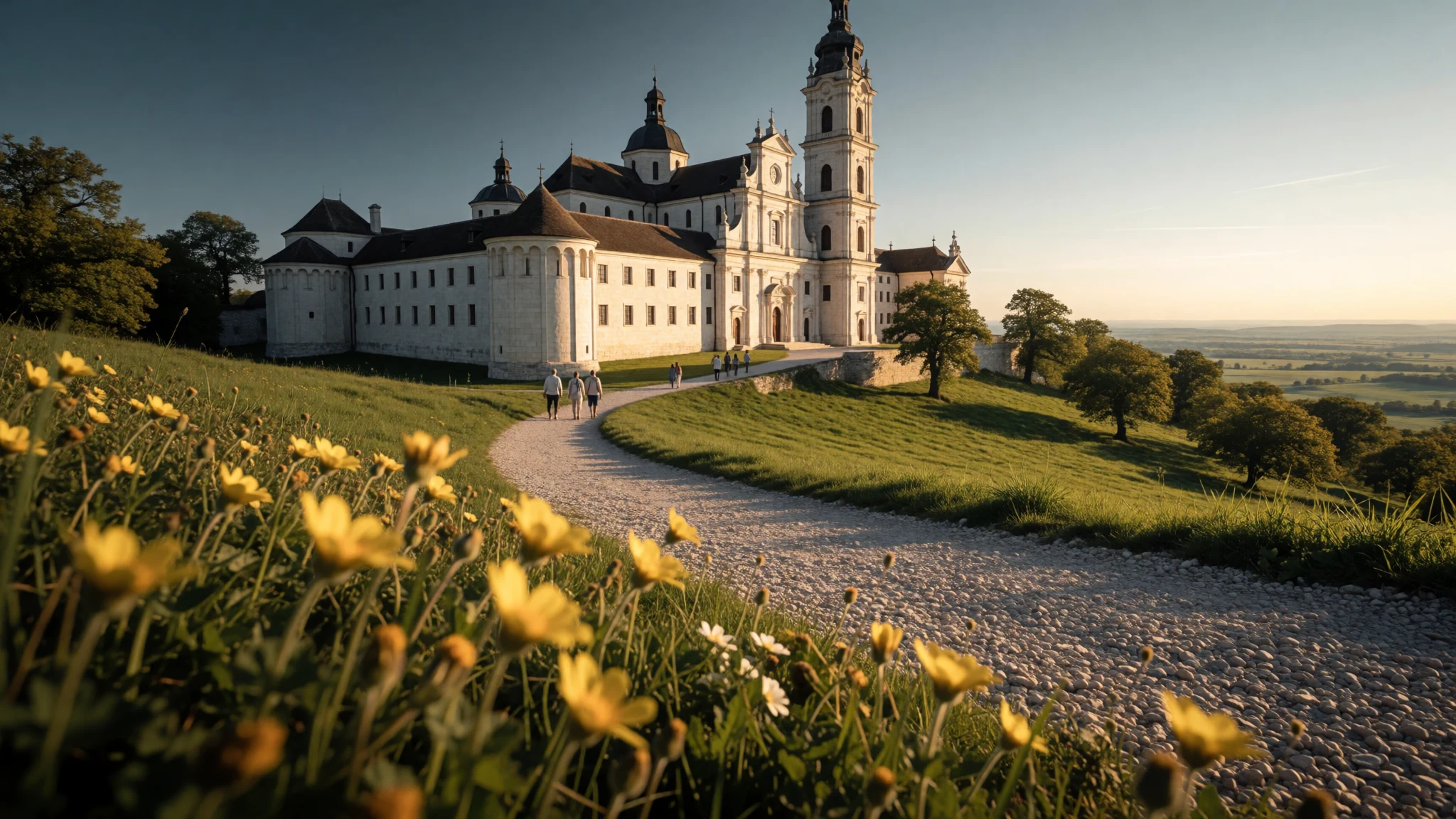
Pannonhalma Archabbey is a living Benedictine complex where centuries of building work sit above a calm Hungarian town.
The place
Pannonhalma Archabbey (Pannonhalma Benedictine Archabbey) is a medieval Benedictine monastery on top of Mount Pannonhalma, a hill above the town of Pannonhalma in Hungary. The setting matters: you don’t arrive at a “site”, you arrive at a community, spread across courtyards and church buildings that rise from the slopes. The abbey’s identity is tightly tied to Saint Martin of Tours; even the mountain’s former name—Mount of Saint Martin—points to that association.
What makes the place feel especially solid is that it isn’t a single period frozen in time. Over roughly a thousand years, the abbey has been reshaped again and again, so you can see layers in the architecture and internal spaces. The basilica and crypt point back to earlier medieval work, while later renovations and additions bring different styles into the same ensemble. Walking the grounds gives a sense of how a religious centre functioned beyond church services: there are cloisters for quieter movement, a monumental library that signals long-term scholarship, and spaces like the Baroque refectory that show the abbey’s artistic side.
Practically, plan for hillwalking. Shoes help because the approach is on uneven ground, and the wind can feel sharper when you’re up on the terrace-like viewpoints. Crowds are usually manageable compared with major European capitals, but weekend visits from the wider region can make key viewpoints busier—especially in the shoulder seasons. In spring and autumn the hill is at its best, and the light makes the white façades look crisp rather than chalky.
Its story
Pannonhalma Archabbey traces its beginnings to 996, when Prince Géza founded the first Hungarian Benedictine monastery here and set it up as a home for monks. Soon it became a major centre for the order. Over time, royal support added weight: Géza’s son, King Stephen I, is remembered for donating estates and privileges, and the monastery’s early leadership is tied to figures like Astrik (Anastasius), its first abbot.
The story then reads like Hungarian history written in stone and paperwork. In the abbey’s library survives a charter connected to another Benedictine house, dating from 1055, and that survival underlines the abbey’s long role in preserving documents as well as prayers. Later, the abbey hosted travellers of high rank: Duke Godfrey of Bouillon is recorded as spending a week here in 1096 while negotiating safe passage for his crusader plans.
War and upheaval also left marks. In 1137, early buildings were destroyed and rebuilt; later, Ottoman incursions led to periods where monks had to leave the abbey for varying lengths of time. Reconstruction followed in phases, with major Baroque work attributed to Archabbot Benedek Sajghó (1722–1768). By the 19th century, the complex gained what visitors recognise today as its present form, including the library and a tower in classicist style.
If there’s a “legend” feel to the visit, it’s because the religious meaning keeps resurfacing. Saint Martin’s connection to this mountain runs through the abbey’s identity, and the whole place—church, cloisters, refectory and library—functions like a long conversation between faith, learning and rebuilding.
What to see
- Benedictine Archabbey (the basilica and crypt)
Start with the basilica and its crypt: it’s the heart of the complex and a good way to orient yourself. Even without getting too technical, the mix of medieval structure and later modifications helps the abbey feel like a living timeline rather than a single photograph.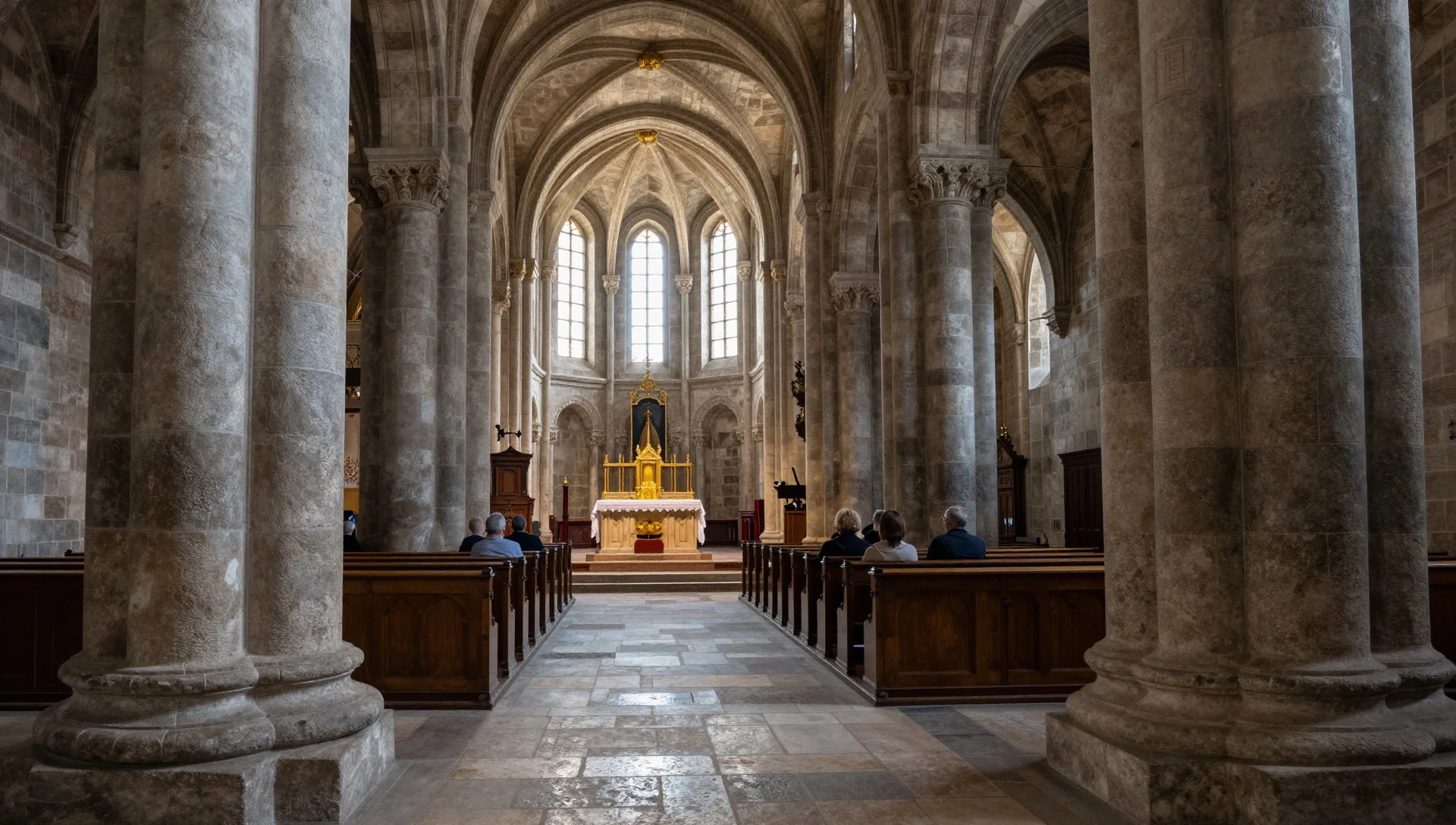
- Cloisters — Inside the abbey complex
The cloisters are where the abbey’s rhythm slows down. They’re ideal for a quieter loop between church spaces and everyday monastery areas, and they give a sense of the movement patterns a community like this follows day after day—especially pleasant when the weather is breezy on the hill.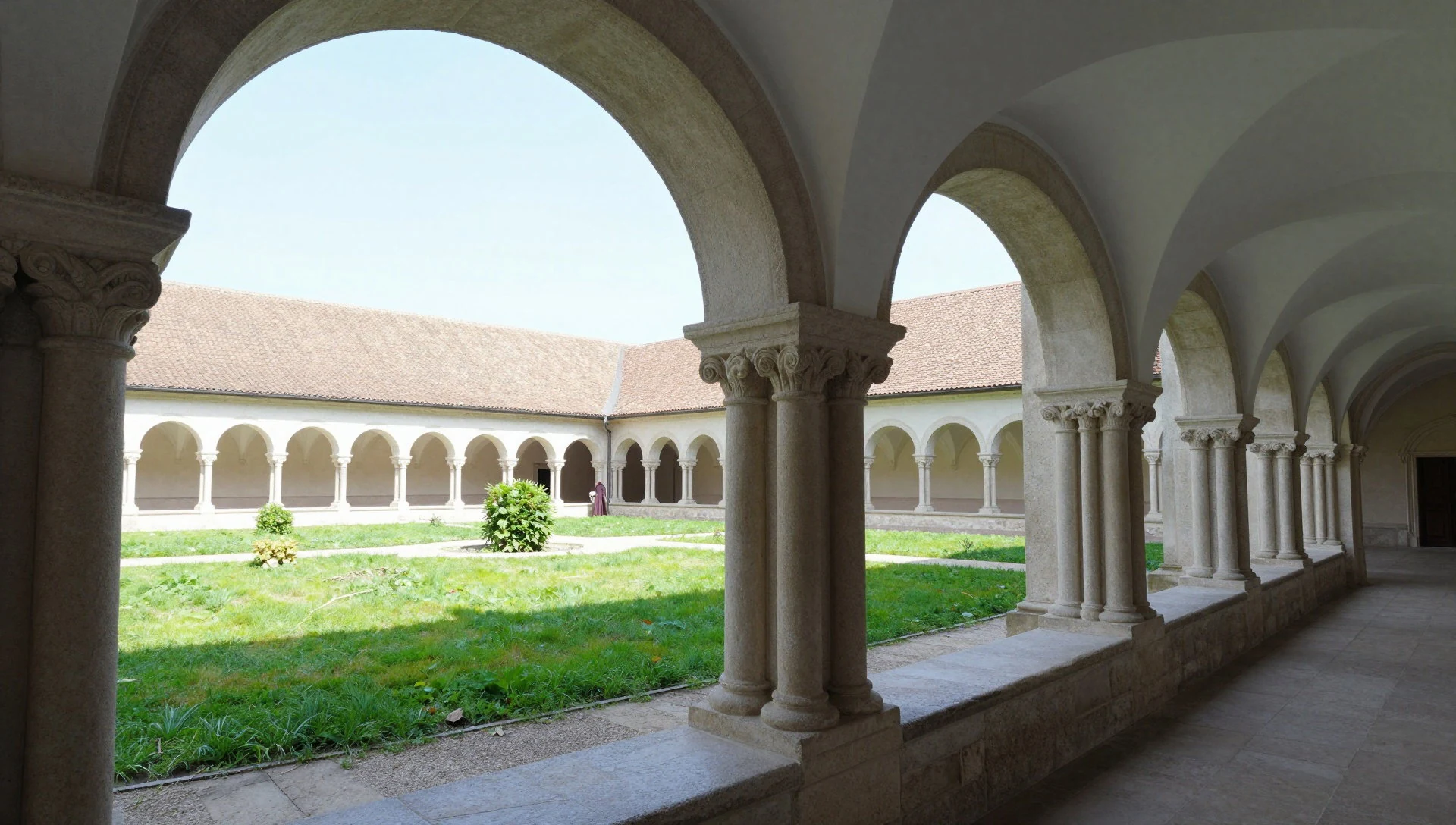
- Monumental Library — Abbey grounds near the main buildings
The library is described as monumental and associated with a very large collection. It’s not just a room to look at; it’s part of the abbey’s mission as an international cultural and religious centre, so it often feels like a bridge between devotion and scholarship.
- Baroque refectory (including trompe-l'œil) — Baroque buildings within the complex
The Baroque refectory adds drama to the walk: it’s the sort of space where plasterwork and illusion details make the architecture feel theatrical. Even if you keep your visit informal, it’s a highlight because it contrasts with the more austere church interiors.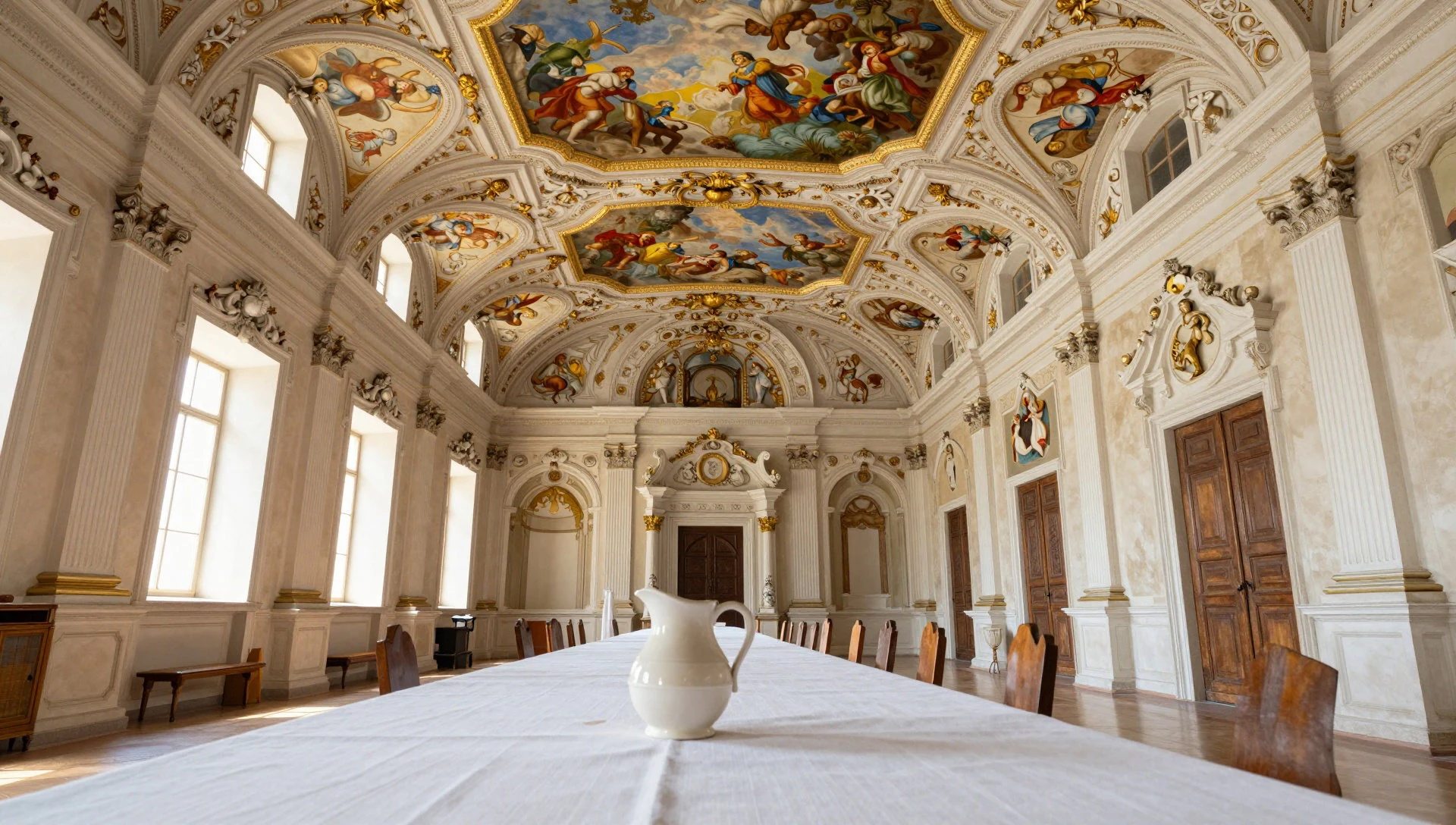
- Viewpoints over Pannonhalma — Hilltop edges and nearby viewpoints
The abbey sits above the town, so you’ll naturally find angles for views. Look for spots where the hilltop buildings frame the surrounding landscape—helpful for understanding why the monastery chose this particular rise and for ending the day with calmer light.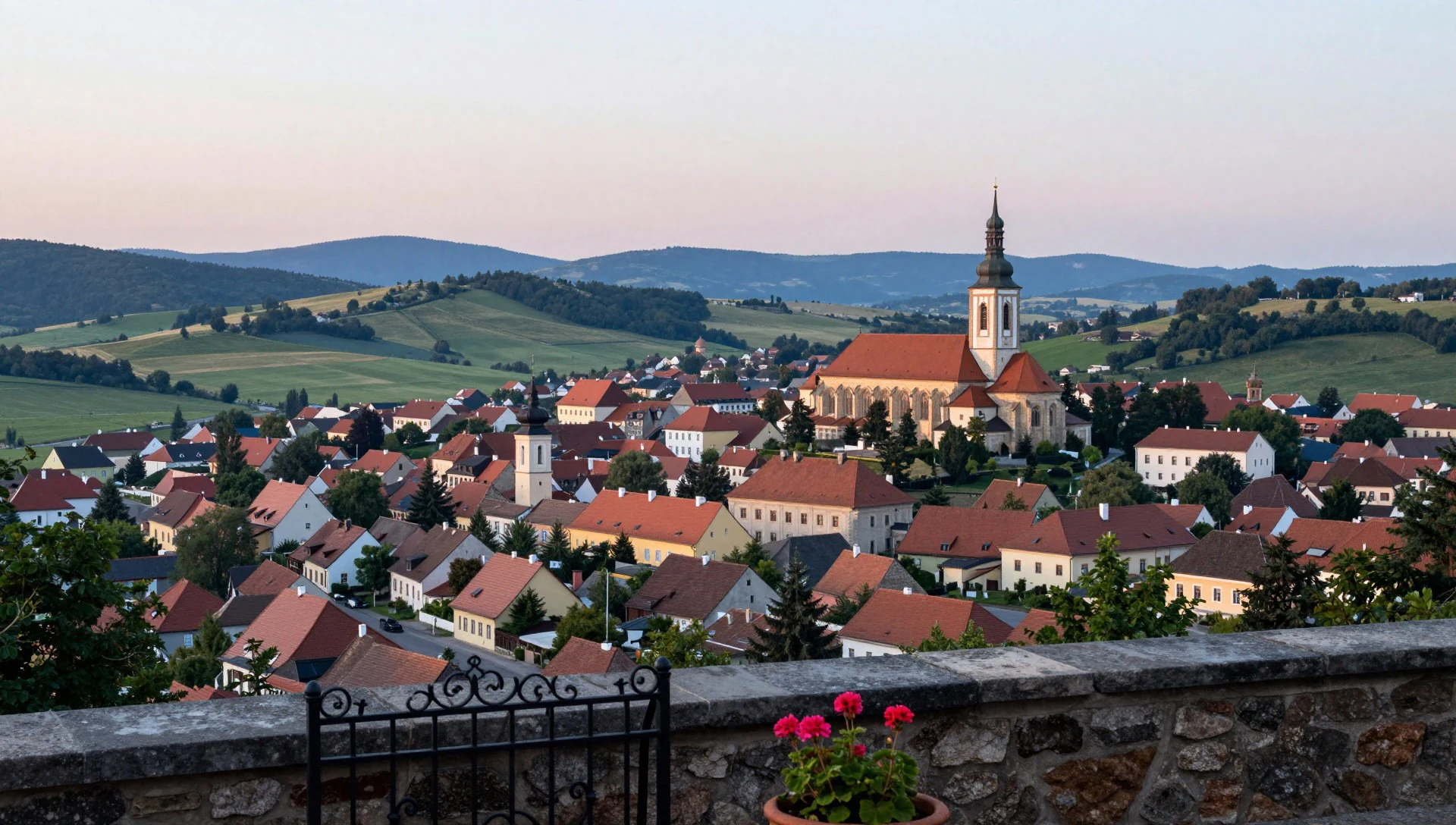
Culture
Pannonhalma Archabbey is still a functioning Benedictine monastery, and that changes the “vibe” compared with a purely museum-type attraction. Around the grounds you’ll notice the community side of things: quiet circulation, everyday rhythms, and the fact that visitors share spaces with monks. Because the abbey is connected to major historical and cultural work, the atmosphere is generally respectful—less party-energy, more contemplative.
Dress is part of that respect. Even if there isn’t an obvious dress code enforced at the entrance, it helps to wear something modest and not-too-revealing, particularly when you’re moving through church interiors. Keep conversations low in religious spaces, and follow any signage about where people can and can’t go.
Photography is usually possible in many areas, but treat it like you’re inside someone’s home and work—avoid blocking paths, and be mindful when services or quiet moments are happening. If you’re visiting on a busy day, accept that the cloisters and approach lanes can become bottlenecks: wait a minute rather than squeezing through.
A practical note: the hill setting can make the weather feel changeable; bring a light layer and plan for uneven surfaces when moving between parts of the complex. Visitor etiquette line: Keep voices low and remove your hat or adjust clothing if you enter church areas.
What to wear
At Pannonhalma Archabbey, fashion is mostly about practicality plus modesty. The traditional side here is the wider Hungarian/European church-and-monastic heritage: monastery life historically involved simple, rule-based clothing, and you may see religious garments on-site (especially during formal moments). Visitors don’t need to dress as monks, but it’s worth recognising the setting’s preference for restraint in appearance.
What people wear now is typically outdoor-ready clothing for hill weather: jeans or trousers, a comfortable top, and a layer you can add or remove. In spring and autumn, temperatures can swing, and breezes on the hill can make a t-shirt feel cool by late afternoon.
For a visitor, aim for covered shoulders and a relaxed-but-not-too-revealing look, especially around the basilica and crypt areas. Closed-toe shoes matter because the ground around historic buildings can be uneven. If you’re wearing a scarf or light jacket, it also helps you feel comfortable if you enter cooler interior spaces. In short: comfortable walking gear, a modest silhouette, and one warm layer you can keep to hand.
What to eat
- Hungarian comfort meals in local restaurants — Pannonhalma and the nearby town area
For a classic abbey-trip lunch, look for Hungarian staples like hearty soups and meat-and-pasta plates at straightforward local restaurants in Pannonhalma and nearby towns—simple, filling food that suits a long walk on the hill.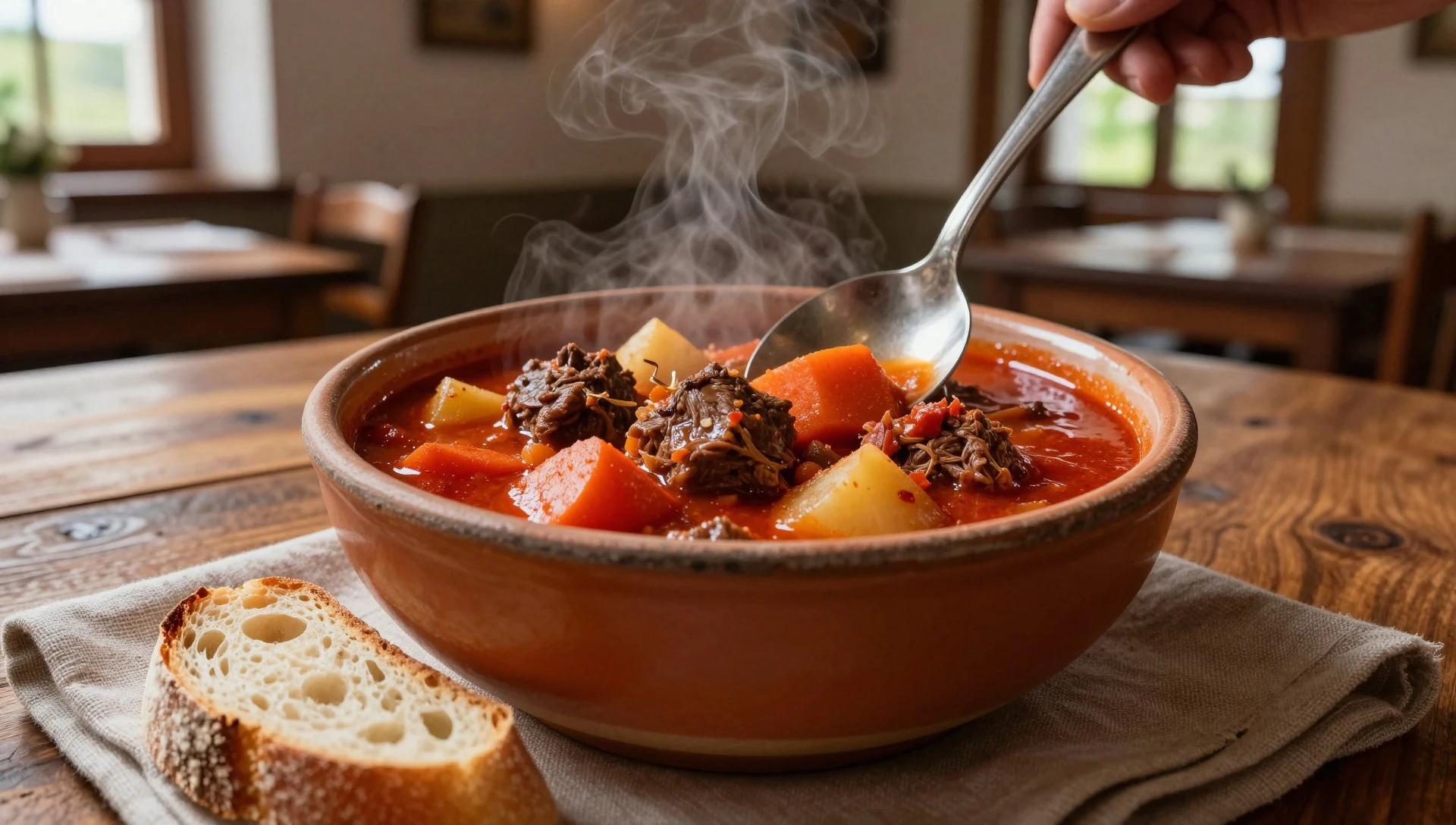
- Fresh bread and pastries from local bakeries — Main streets with bakeries in Pannonhalma
A useful stop for an easy snack is the bakery counter: breads, small pastries and cakes are good for refuelling without needing a long sit-down, especially if you’re timing your visit around guided entries.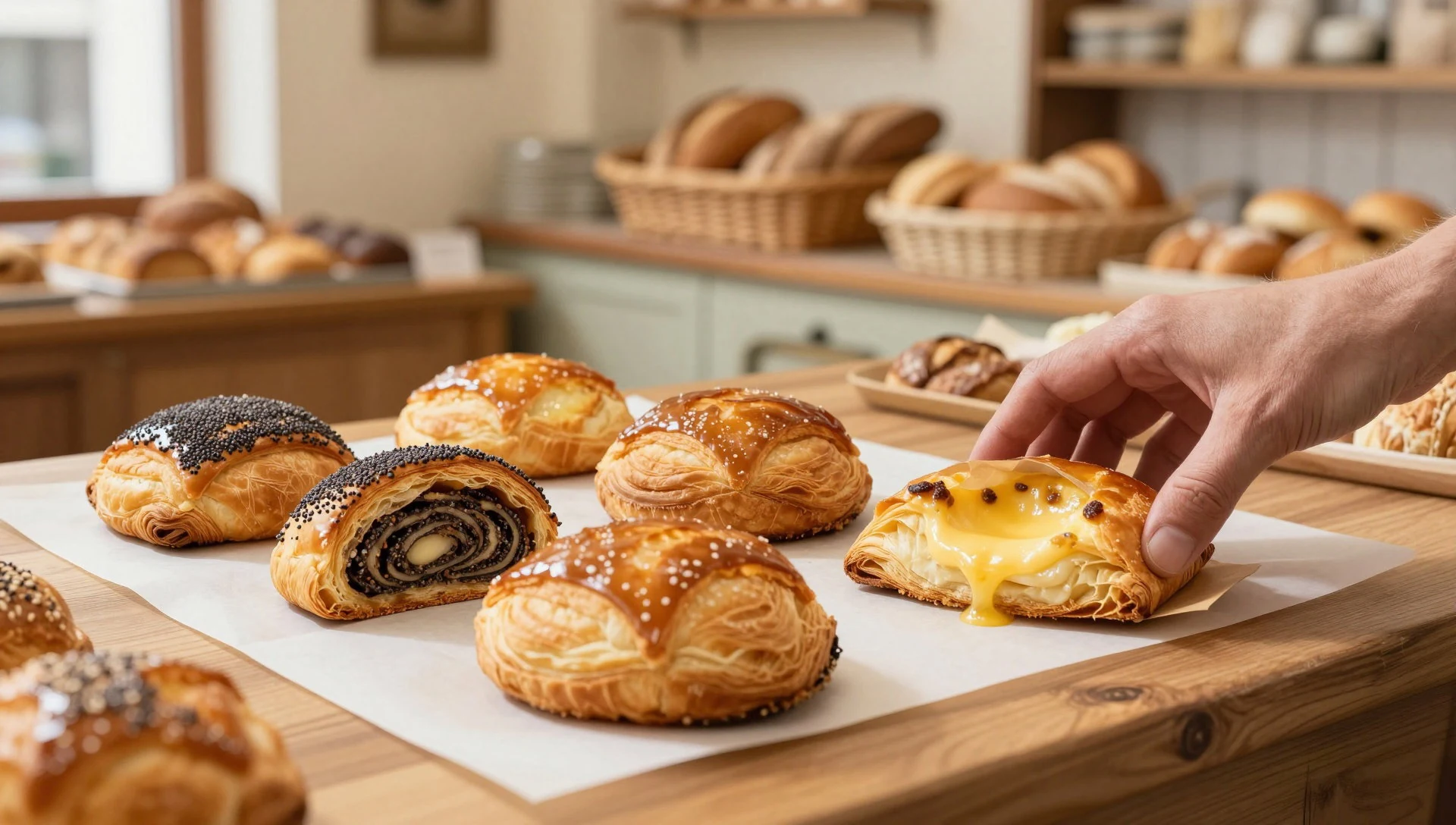
- Seasonal produce from local markets — Markets in Győr and the surrounding area
When seasonal produce is in good supply, you can find vegetables, fruit and local treats at markets in the region. It’s a relaxed way to eat lightly between the abbey and viewpoints, rather than committing to a full meal every time. - Coffee and cake in casual cafés — Cafés in Pannonhalma town centre
After church interiors and stone corridors, coffee-and-cake cafés help reset the afternoon. Choose a place with seating where you can watch the day move on, and keep it simple: a pastry and a warm drink works well after hillwalking. - Roasted or grilled dishes at regional eateries — Restaurant strips near main roads serving Győr–Veszprém travel
In Hungary, regional eateries often serve grilled or roasted items that pair well with a slower travel pace. It’s the sort of dinner that doesn’t require explanation—just order something hearty and let it follow your walking appetite.
Plan it
Best time. April to September is the warmest stretch, with July and August the hottest months; the wettest period is May to August, with May the rainiest. For the most comfortable hill walking and easiest interior visits, consider April or September, when temperatures are milder and rainfall is lower than midsummer.
How long. 2–3
Getting there. Pannonhalma has a railway station with services from Győr (reachable from Budapest and Bratislava) and Veszprém (reachable from Budapest). If you’re driving, the town sits by Highway 82 between Győr and Veszprém; by bus, regular services run from the Győr main autobus station, taking about half an hour.
Budget. mid
Tips
- Arrive early to get the hill light and avoid the busiest entry moments.
- Build in time for slow walking between basilica, cloisters and the library—this is a place that rewards an unhurried loop.
- Use the rail or bus if you can; parking and navigation up to hill areas can add stress on a short trip.
- Carry some cash for small purchases you might make around town, even if card payments are widely accepted.
Etiquette
- Keep voices low in church and monastery areas and follow any posted photography guidance.
- Wear comfortable, closed-toe shoes for uneven hill paths and historic paving.
- Dress modestly at the basilica and crypt areas.
Nearby
Sources
- Wikidata Q936285 (CC0)
- Wikipedia (rev 1371656452) (CC BY-SA 4.0)
- Wikivoyage (rev 5354805) (CC BY-SA 4.0)
- Photo photos/01-pannonhalma-benc-s-ap-ts-g.jpg (CC BY-SA 2.5)
- Photo photos/02-pannonhalma-statue-and-the-millennium-monument.jpg (CC BY 3.0)
- Photo photos/03-benc-s-f-ap-ts-gi-templom-4640-sz-m-m-eml-k-2.jpg (CC BY-SA 2.5 hu)
- Photo photos/04-benc-s-f-ap-ts-gi-templom-4640-sz-m-m-eml-k-22.jpg (CC BY-SA 2.5 hu)
- Photo photos/05-benc-s-f-ap-ts-gi-templom-4640-sz-m-m-eml-k-23.jpg (CC BY-SA 2.5 hu)
- Photo photos/06-benc-s-f-ap-ts-gi-templom-4640-sz-m-m-eml-k-24.jpg (CC BY-SA 2.5 hu)
- Photo photos/07-benc-s-f-ap-ts-gi-templom-4640-sz-m-m-eml-k-25.jpg (CC BY-SA 2.5 hu)
- Photo photos/08-benc-s-f-ap-ts-gi-templom-4640-sz-m-m-eml-k-26.jpg (CC BY-SA 2.5 hu)


