Palace of Mafra
Palace of Mafra, Portugal
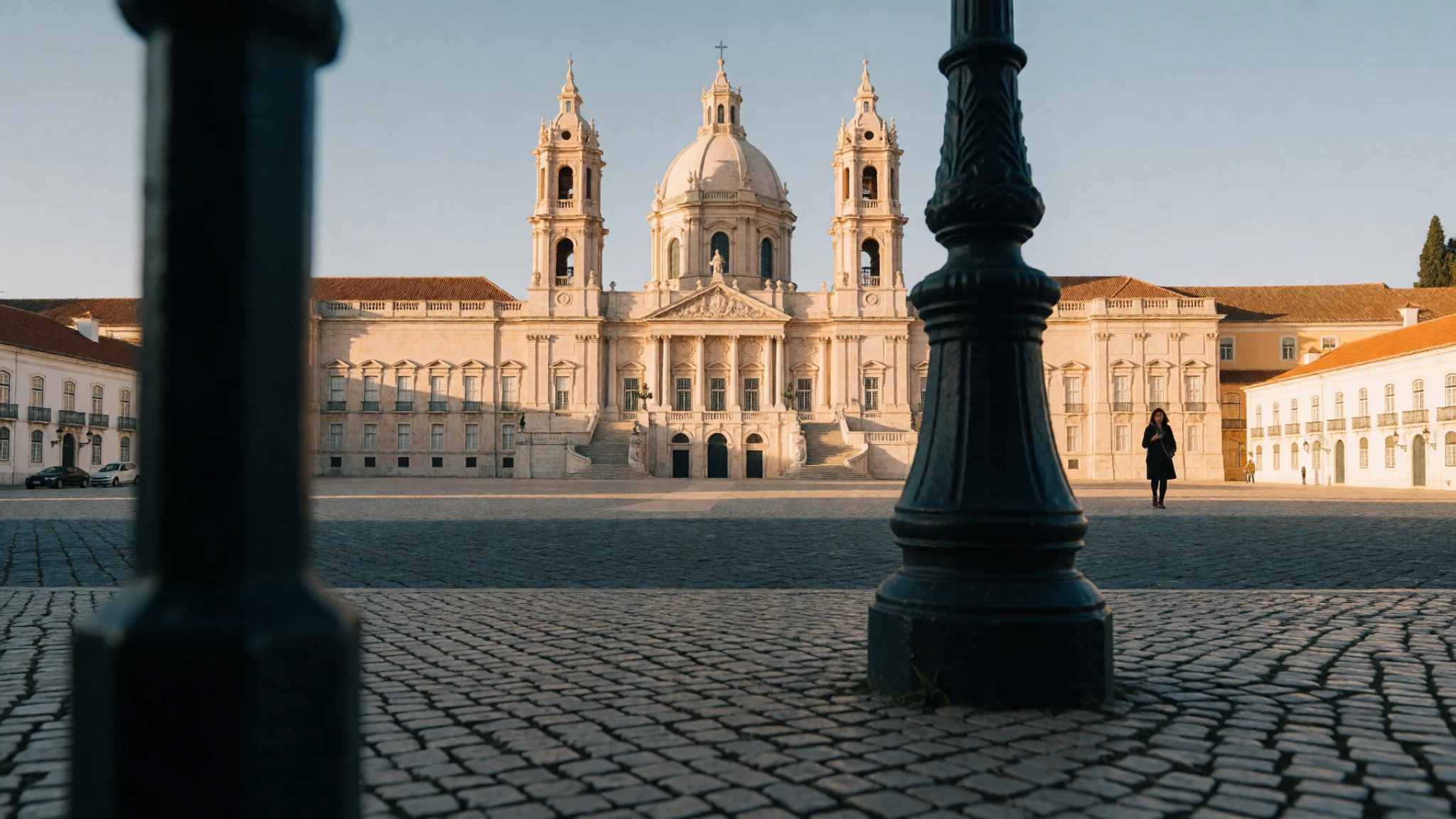
Palace of Mafra is a vast Baroque palace-convent near Lisbon, built with Brazilian gold, with a marble basilica, six organs and a library of old books.
The place
The Palace of Mafra stands in the town of Mafra, about 28 kilometres from Lisbon, and is really three buildings under one roofline: a royal palace, a Franciscan convent and a basilica. Its limestone front runs 220 m from end to end and looks over the town, with a square tower topped by a bulbous dome at each corner. At the centre is the basilica, faced in white marble, with the palace wings stretching away symmetrically on both sides. The two church towers are 68 m tall and house two carillons, 92 bells in all, cast in Antwerp. The central balcony borrows its idea from St Peter's in Rome, but it was designed as a stage for the king rather than for a bishop's blessing.
Behind the façade lie the convent quarters, the royal rooms and the library. The wider royal estate also includes the Cerco Garden and the Tapada, a former hunting park, and the whole group was inscribed as a UNESCO World Heritage Site in 2019. Portugal had already classed the building as a National Monument in 1910.
Mafra itself is a quiet town rather than a resort, and most visitors arrive from Lisbon or Sintra for half a day. The palace is the reason the town features on itineraries at all. Scale is what people remember: long corridors, and a forecourt that can feel empty even when tour groups are inside. The Atlantic beaches are a short drive west, so a day can combine palace and sea.
Its story
The Palace of Mafra began as a promise. In 1711 King John V, who had no child yet, vowed to found a Franciscan house if his queen, Maria Anna of Austria, gave birth. The arrival of their daughter Barbara turned the vow into a building project. A plot near the royal hunting grounds had been picked out in 1713 and was bought in 1716, and work started in 1717.
Much of the money came from Brazil, then a Portuguese colony, where gold and later diamonds were being mined in huge quantities. That wealth let the king think on a Roman scale. He wanted to rival the splendour of Rome, and his ambassador to the Vatican sent small models of Roman churches to guide the design. The German architect João Frederico Ludovice drew up a plan arranged around a central axis, with the basilica at its heart and everything mirrored on either side.
The result covers about 40,000 m² and was finished in 1755. It included a library of about 30,000 rare books, and the basilica was fitted with Italian statues and six historic pipe organs. Though large, the palace served mainly as a secondary home for the royal family, used for hunting near the capital and shared with local friars.
What to see
- The main façade — Mafra town centre
The limestone front of the Palace of Mafra is best taken in from the town side before going inside. Its symmetry is the point: the marble basilica in the centre, palace wings on either side, a domed tower at each end. The frontage is too long for most cameras, so stand well back and walk its length.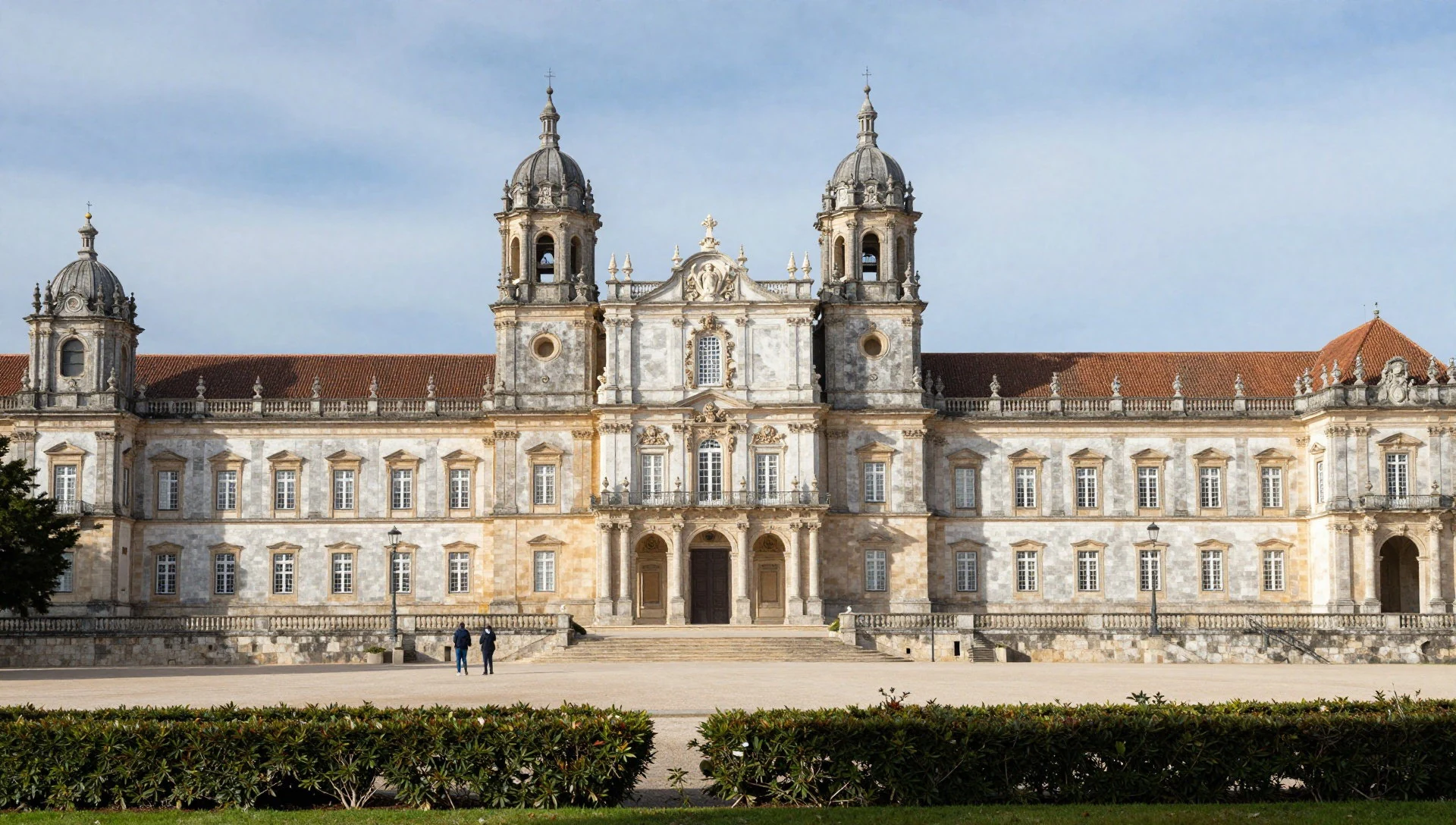
- Basilica of Our Lady and St Anthony — Centre of the main façade
The basilica at the Palace of Mafra is faced in white marble and decorated with Italian statues. It holds six historic pipe organs, and the two towers above carry 92 bells between them. Recitals may be scheduled, so check the official site if hearing the instruments matters.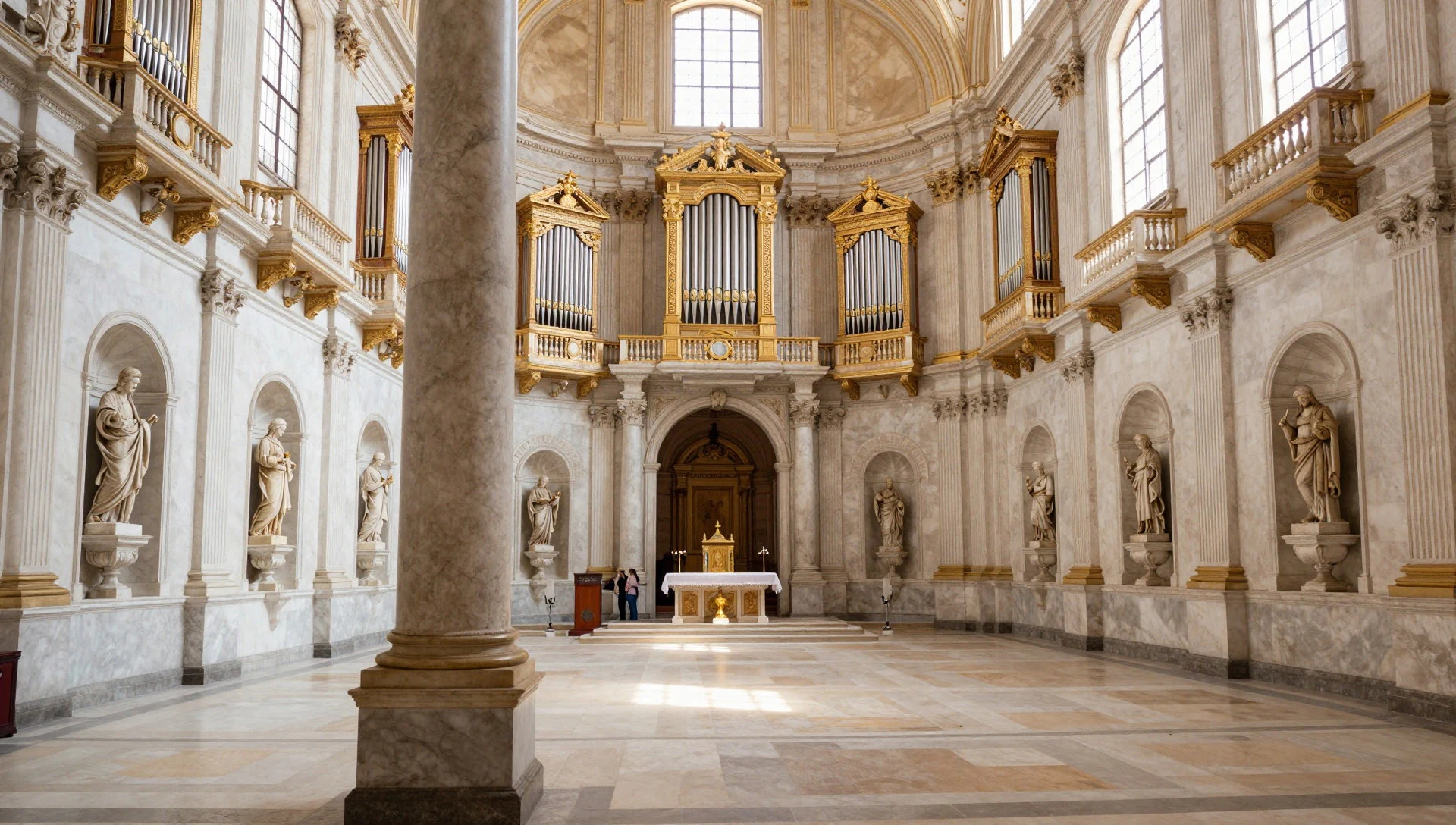
- Convent and royal apartments — Behind the main façade
The convent quarters and royal rooms of the Palace of Mafra sit behind the main front, all arranged along the central axis. The ground plan among the staged photos shows how the symmetry works. Routes, open rooms and guided visits change, so confirm on the official site, http://www.palaciomafra.pt, and allow a generous half day.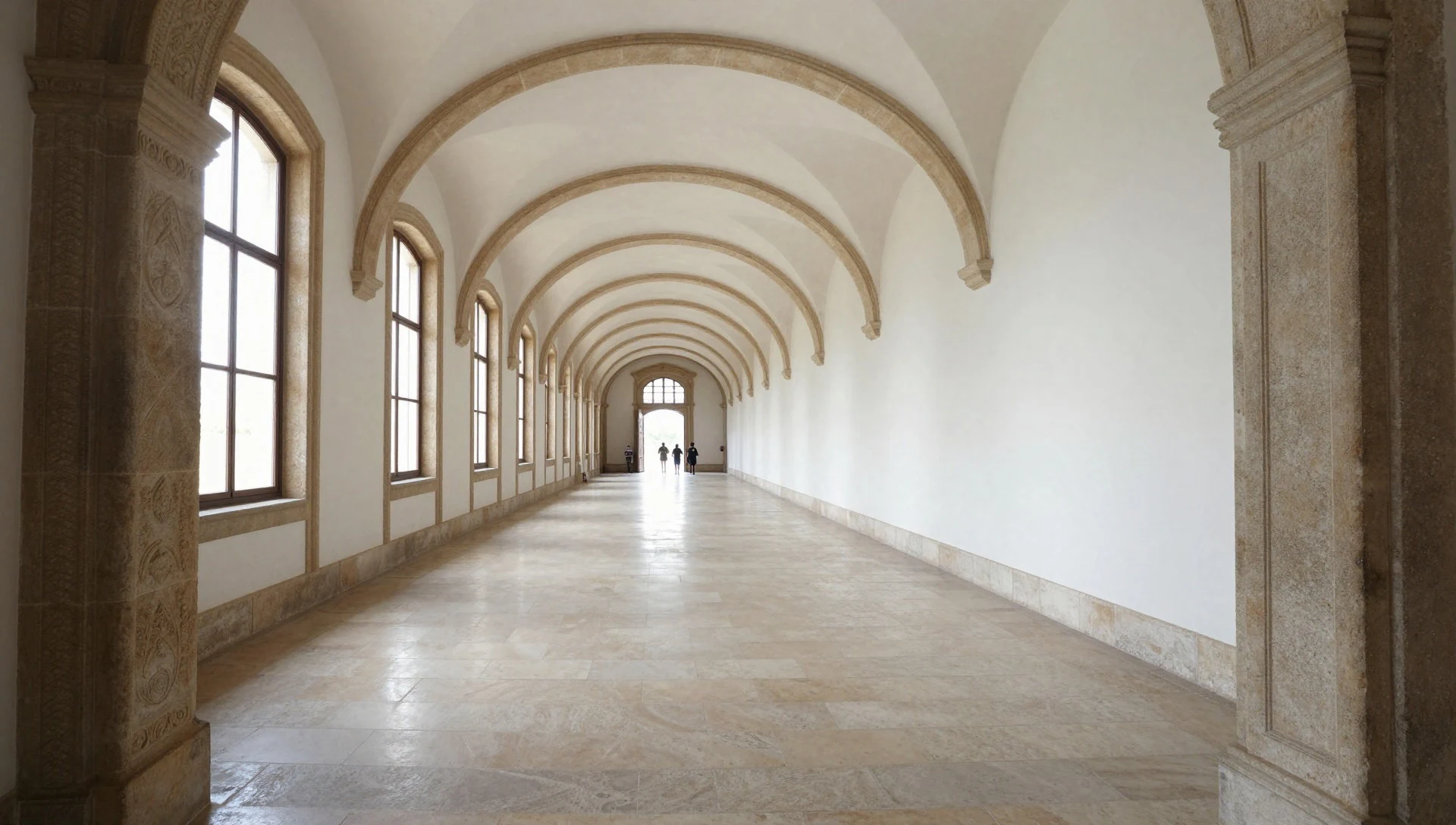
- The library — Inside the palace-convent
The library at the Palace of Mafra holds about 30,000 rare books, a reminder that the Franciscan house was also a place of study. Access can be restricted to protect the collection, so confirm what is open before planning the visit around it.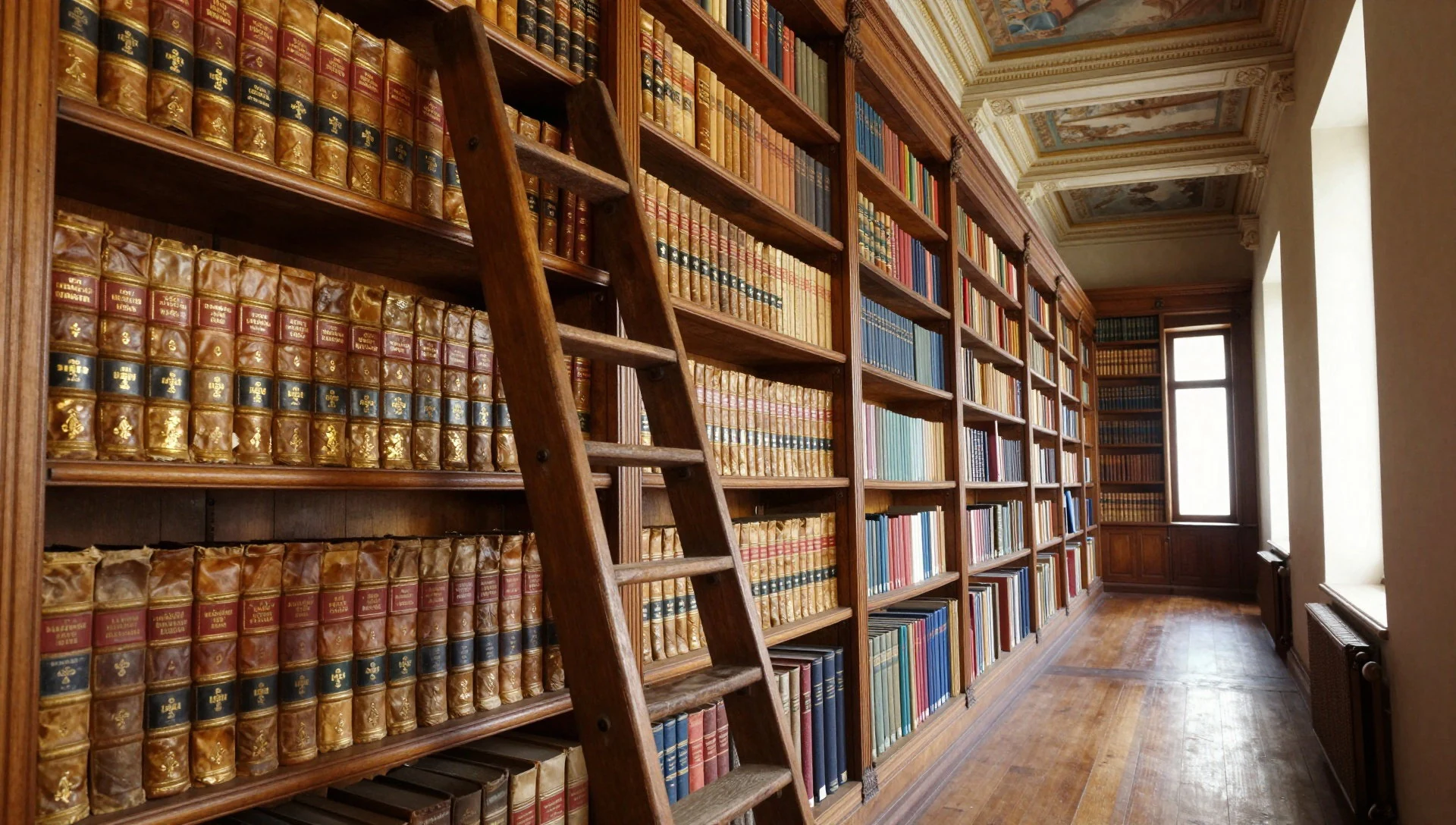
- Tapada Nacional de Mafra — Edge of Mafra
The Tapada Nacional de Mafra was the royal hunting ground and is now a park with wildlife, walking and cycling trails. It is part of the World Heritage listing for the Mafra complex. It suits a slower second half of the day, though opening arrangements may differ from the palace's, so check first.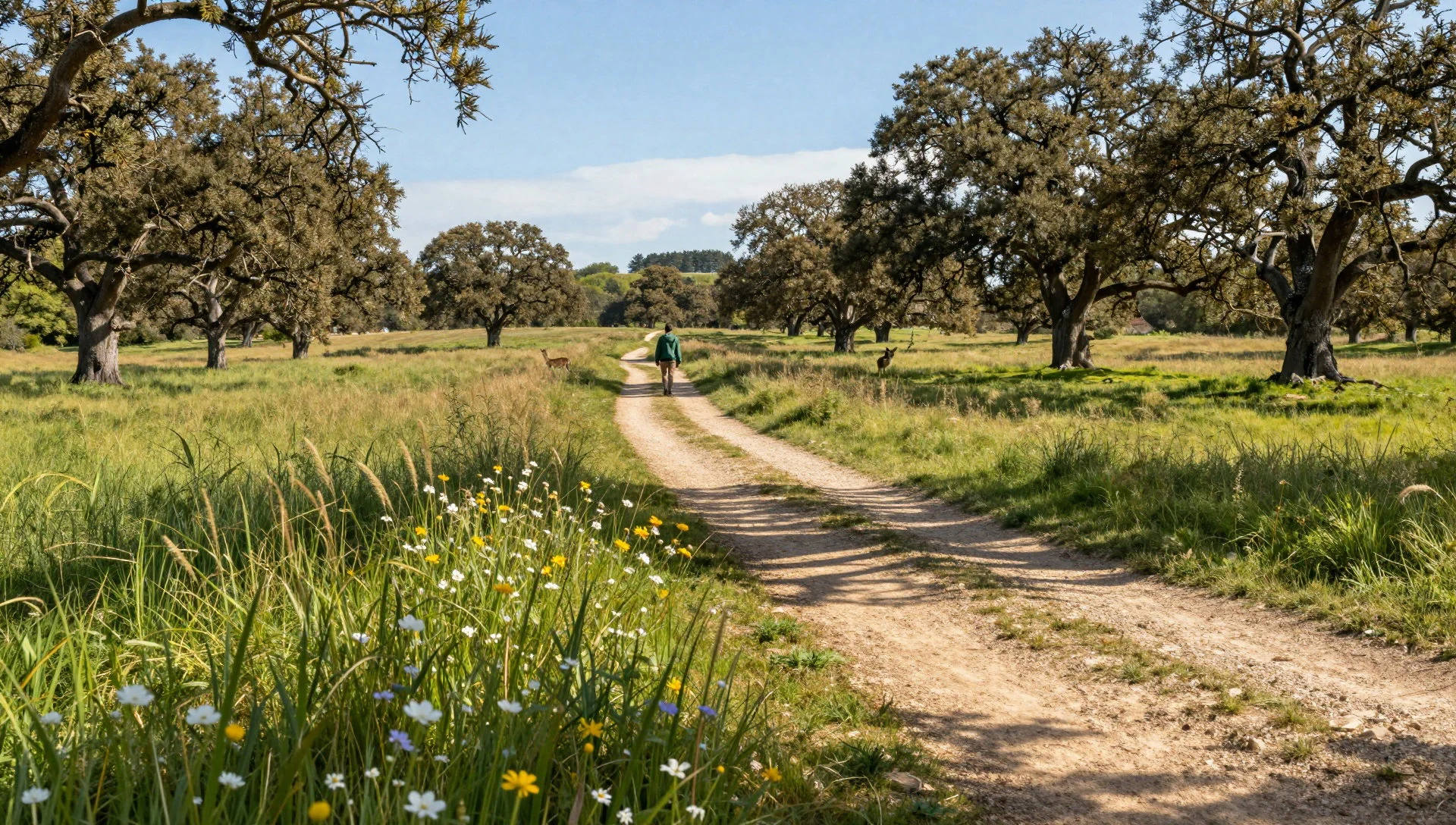
- Praia da Foz do Lizandro — Atlantic coast west of Mafra
Praia da Foz do Lizandro is a beach a short drive west of Mafra, with Praia de São Lourenço further north along the coast. Either makes an easy swap for the afternoon on a clear day. The Atlantic can be cold and breezy, so treat swimming as a bonus rather than a plan.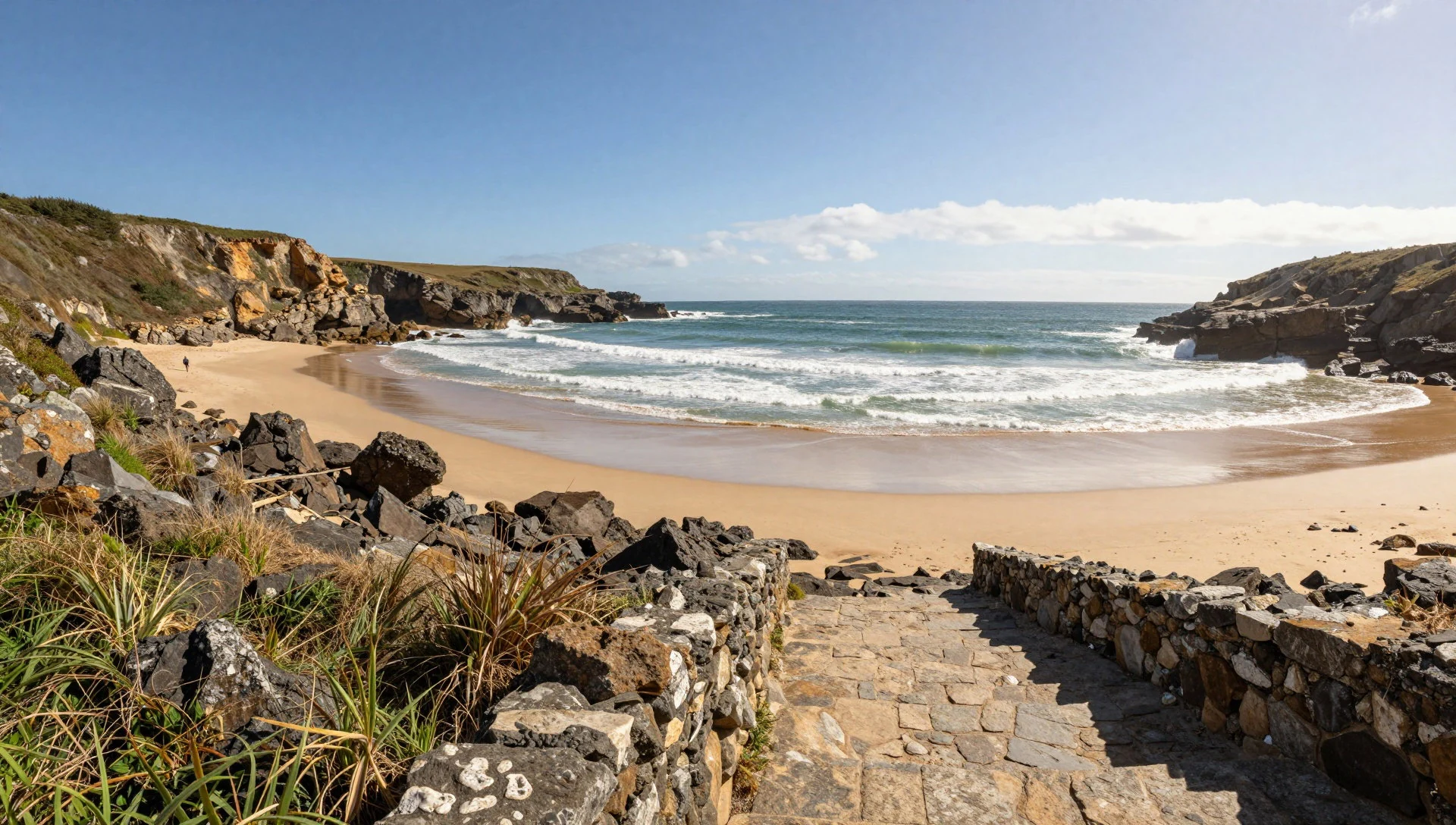
Culture
The Palace of Mafra carries two cultures at once: the display of an absolute monarch and the quiet routine of a Franciscan community. The king's balcony, the Roman models and the Brazilian money speak of power, while the friars' quarters speak of a vow of poverty that the sheer size of the building makes ironic. The basilica is still a Catholic church, and the Portuguese Catholic calendar still shapes local life, from saints' day processions to long family lunches on Sundays.
Music is part of the palace's identity, with its six organs and two carillons, so sound matters here more than at most monuments. Beyond the palace, Mafra is ordinary Portuguese town life: bakeries that open early, coffee taken standing at a counter, and conversations that begin in a café doorway. Portuguese people tend to be reserved with strangers at first and warm once greeted, and a simple 'bom dia' (good morning) on entering a shop or café goes a long way. The town is not used to hard bargaining or loud tour-group behaviour, and the unhurried pace of a weekday morning is part of its character.
Dress modestly and keep your voice low inside the basilica, and ask staff before using flash or a tripod.
What to wear
At the Palace of Mafra the clothing history on show is courtly, but Portuguese regional dress is the older local tradition: wool, linen and cotton cloth, embroidered aprons and shawls for women, waistcoats and dark felt hats for men. It now appears mainly with folk-dance groups and at village festivals rather than in daily life, and details differ from region to region.
Everyday dress in Mafra and Lisbon today is neat smart-casual: jeans or chinos, shirts, light jackets and trainers, with darker colours common in town. Sunday church-going brings out smarter clothes, and nobody dresses up for the palace itself.
For a visit, comfortable walking shoes matter most, because the palace has long stone corridors and hard floors. A light layer helps, since large stone interiors can feel cooler than the street, and a hat and sunscreen suit the forecourt and the Tapada in summer. Inside the basilica, shoulders and knees should be covered, and a light scarf is an easy fix for sleeveless tops. Shoes with some grip are sensible for the Tapada trails, and a waterproof jacket is worth packing between autumn and spring, when Atlantic showers can arrive quickly.
What to eat
- Pão de Mafra — Local bakeries in Mafra town
Pão de Mafra is the town's famous bread. Buy a loaf or a roll at a local bakery in the morning, when the shelves are fullest, and eat it plain, with cheese, or alongside a grilled lunch.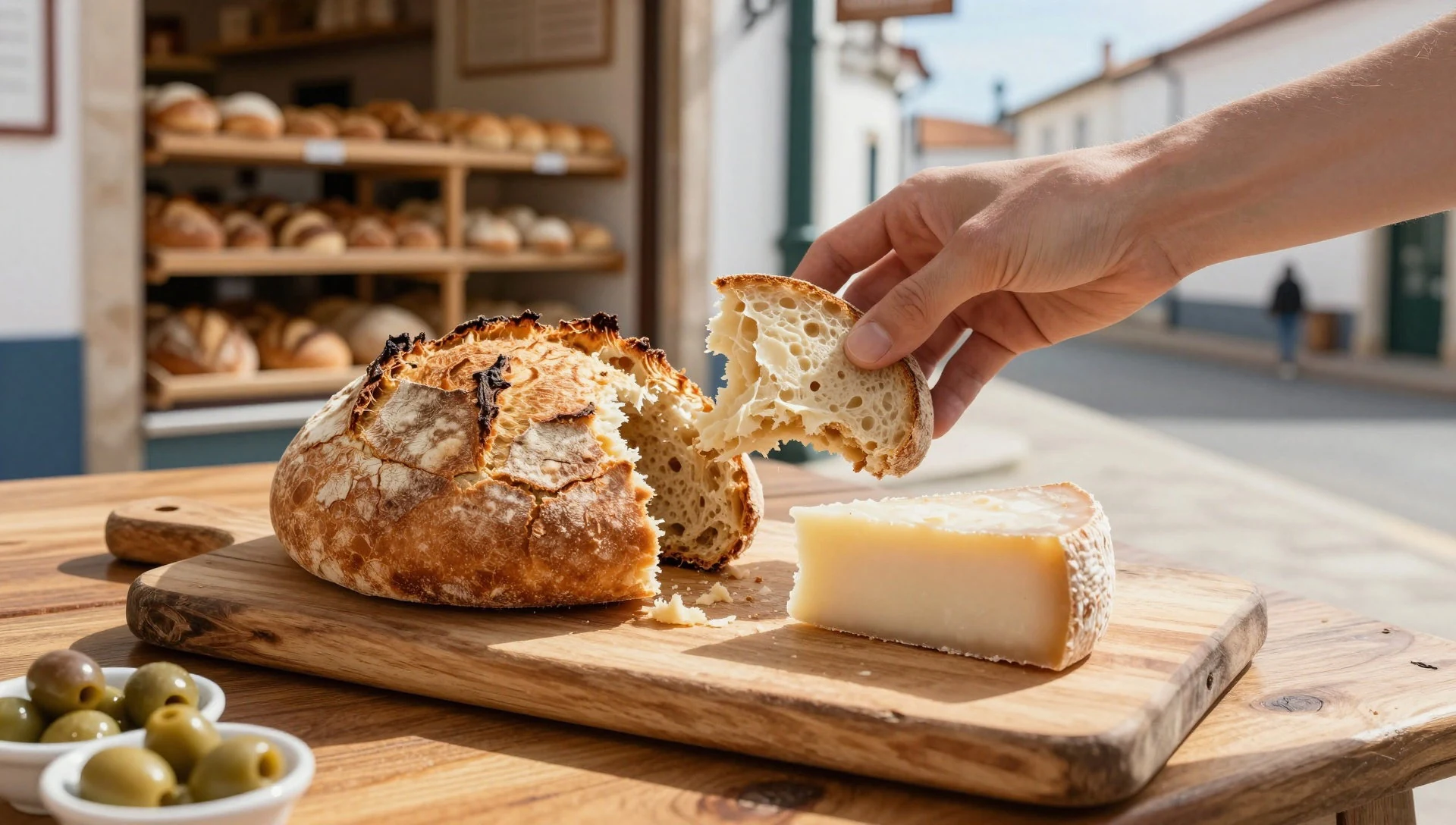
- Fradinhos — Bakeries and pastry shops in the town centre
Fradinhos are a small cake particular to Mafra, and the name means 'little friars'. They are sold in the town's bakeries and pastry shops, including one that carries the same name. Try one with a coffee after the palace.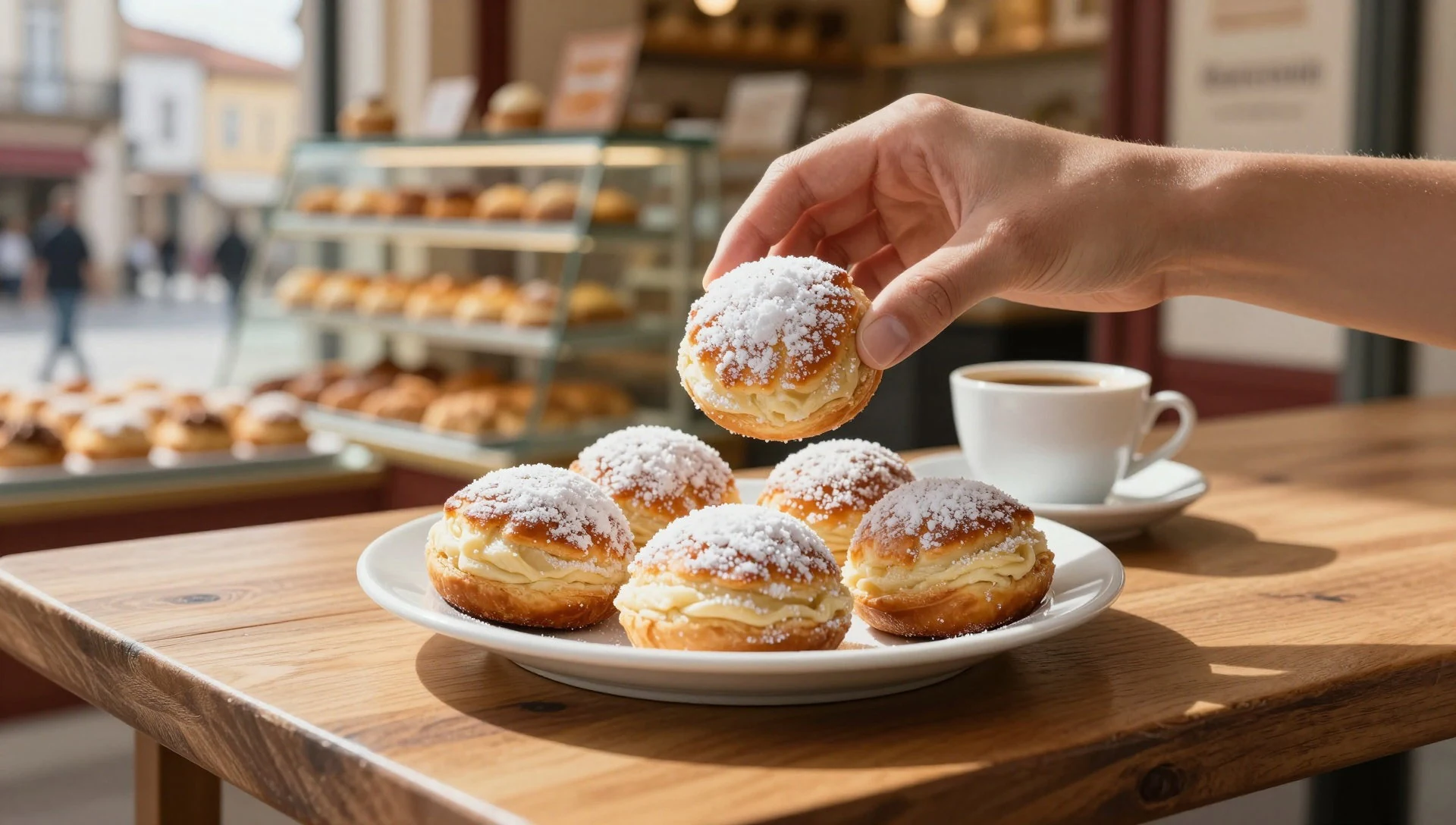
- Grilled meat and cod — Grill houses (churrasqueiras) in and around Mafra
Grilled pork, beef, lamb and cod make the standard hearty lunch around Mafra. Look for a churrasqueira, a grill house, where portions are generous and tables fill with local families, especially at weekends. - Town pastries — Pastry shops in central Mafra
Beyond fradinhos, Mafra's pastelarias sell a wide run of pastries. Pick two or three from the counter and share them at a table; the choice changes with the baker, so ask what was made that morning. - Coffee and a pastry — Cafés beside the palace and its gardens
A coffee is the usual pause after the palace's long corridors. Cafés near the palace gardens suit it; ask for a bica, the Lisbon word for an espresso, and add a pastry from the counter.
Plan it
Best time. April–May and September–October are the comfortable months for a day on foot, with milder weather and gentler light. Summer is warm and brings more tour groups, and winter can be showery, so pack a waterproof.
How long. 1
Getting there. Fly to Lisbon, then take a Mafrense coach from the Campo Grande terminus (just over an hour), or the Linha do Oeste train to Mafra-Gare. By car from Lisbon, use the A8, the N8 or the EN9. Check the last leg from the station or bus stop to the palace on the day.
Budget. mid
Tips
- Check opening days, tickets and guided visits on the official site, http://www.palaciomafra.pt, before travelling
- Go on a weekday morning to avoid tour-group crowds in the corridors and basilica
- Carry cash for the Lisbon coach: it has been paid on board, with no return tickets sold
- Bring water and a light layer, as the palace is huge and a full visit takes hours
- Add the Tapada or a beach by car for the afternoon, as public transport is slower
Etiquette
- Cover shoulders and knees and keep voices low in the basilica
- Ask staff before using flash or a tripod
- Greet shop and café staff with 'bom dia' or 'boa tarde'
Nearby
Sources
- Wikidata Q599223 (CC0)
- Wikipedia: Palace of Mafra (rev 1379897661) (CC BY-SA 4.0)
- Wikivoyage: Mafra (rev 5410160) (CC BY-SA 4.0)
- Alvesgaspar, Main facade of Mafra National Palace, Portugal (CC BY 3.0)
- Pedro S Bello, Palácio Nacional de Mafra (CC BY-SA 4.0)
- xiquinhosilva, 22531-Mafra (CC BY 2.5)
- Vitor Oliveira, Palácio Nacional de Mafra (CC BY-SA 2.0)
- Ana P Rodriguez, Plan of Palácio de Mafra (CC BY-SA 4.0)
- Attributed to Pompeo Batoni, John V of Portugal (CC BY 3.0)
- João Macphail, Litografia do Palácio Nacional de Mafra (Public domain)
- Emin Başar ÖZDEMİR, 2640 Mafra, Portugal (CC BY 3.0)


