Osorno Volcano
Osorno Volcano, Chile
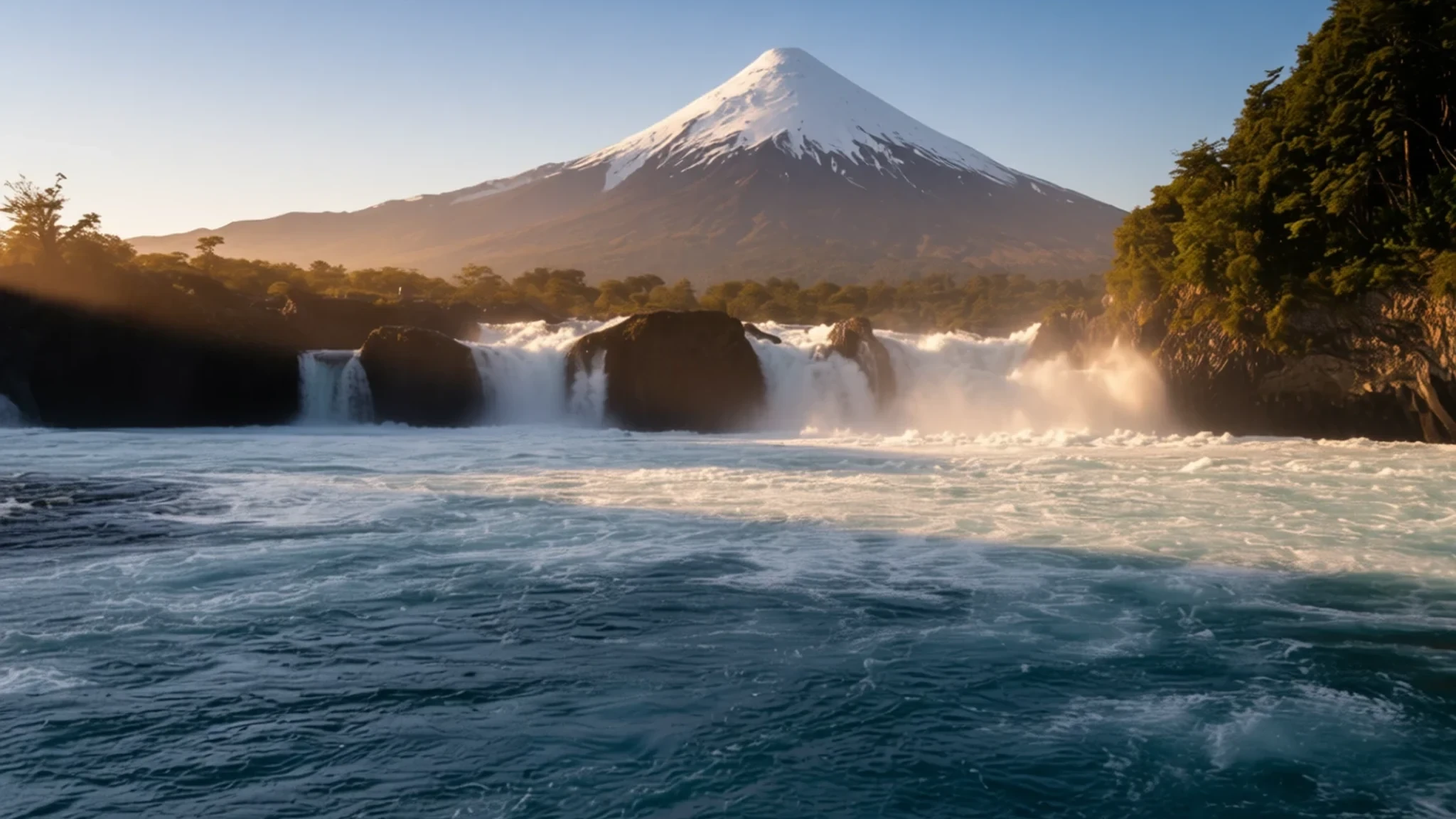
Experience the striking symmetry of a snow-capped peak framed by the turquoise lakes and rainforests of southern Chile.
The place
Osorno Volcano is a towering stratovolcano that defines the skyline of the Los Lagos Region in southern Chile. Reaching an elevation of 2,652 metres, its near-perfect conical shape makes it an iconic symbol of the local landscape. The volcano sits between the Osorno and Llanquihue provinces, positioned strategically between the expansive Llanquihue Lake and the smaller, crystalline Todos los Santos Lake. For many travellers, the peak serves as a visual gateway, often regarded as the northern marker for the beginning of Chilean Patagonia.
The surrounding environment is a lush mix of temperate rainforests and alpine meadows, creating a vivid contrast against the white slopes of the peak. The area is a hub for nature enthusiasts, offering a variety of landscapes from crashing waterfalls to silent, mirrored lakes. Because of its accessibility and dramatic profile, Osorno Volcano is the primary draw for tourism in the region, attracting those who want to experience the raw power of the Andes without venturing too far into the deep wilderness. The air here is crisp and often damp, reflecting the maritime influence of the nearby Pacific coast, which keeps the valleys green and the volcanic slopes capped in snow for much of the year.
Its story
The story of Osorno Volcano is intertwined with the diverse peoples who have called this rugged terrain home. Long before European arrival, the region was inhabited by the Huilliche, an indigenous group whose relationship with the land and its volcanic peaks formed the foundation of local spirituality and survival. Their deep knowledge of the forest and the coast allowed them to thrive in a landscape dominated by unpredictable tectonic activity.
The arrival of the Spanish brought a new era of settlement, though the interior remained sparsely populated for some time. The Spanish crown established a presence in the nearby Chiloé Archipelago, but the mainland areas surrounding Osorno Volcano were only slowly colonised by non-indigenous settlers later on. A significant shift occurred in the middle of the century when the Chilean government sponsored a program to bring German immigrants to the shores of Llanquihue Lake. These settlers introduced European farming techniques and architecture, which merged with the existing Chilean traditions to create a unique regional identity. Today, the influence of this heritage is visible in the local towns, where Germanic styles blend with Latin American warmth, all existing under the watchful eye of the volcano. This layering of Huilliche, Spanish, and German cultures has shaped the economy and social fabric of the Los Lagos Region.
What to see
- Petrohué Waterfalls — Petrohué area
The Petrohué River creates a series of stunning turquoise cascades as it drains from the volcano's slopes. The colour of the water is a result of volcanic minerals, providing a vivid contrast against the dark basalt rocks and emerald forest.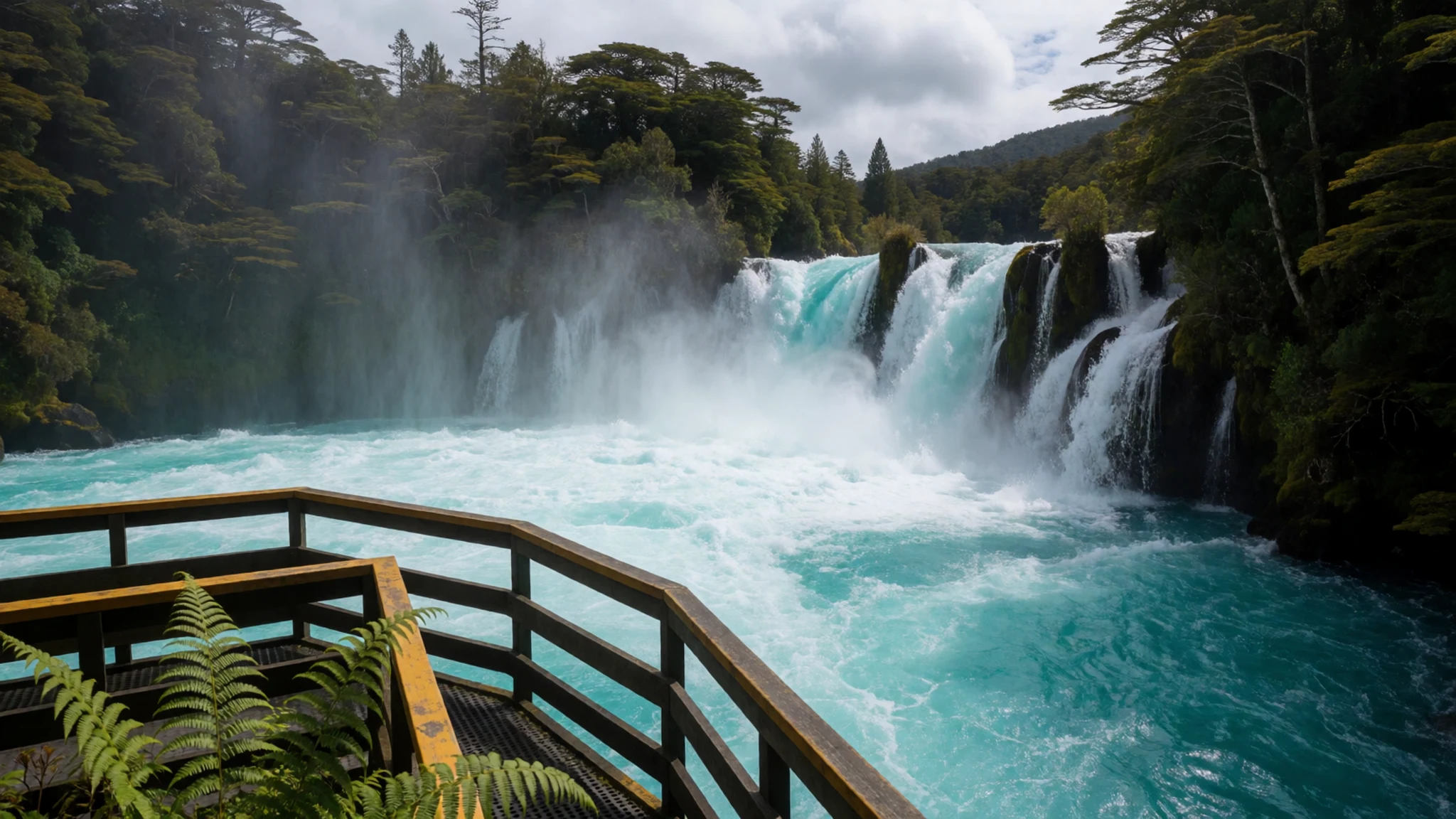
- The Red Crater — Volcano slopes
A fascinating flank crater on the side of Osorno Volcano that displays striking reddish hues. This geological feature offers a closer look at the volcanic materials and the intense heat that formed the mountain's structure.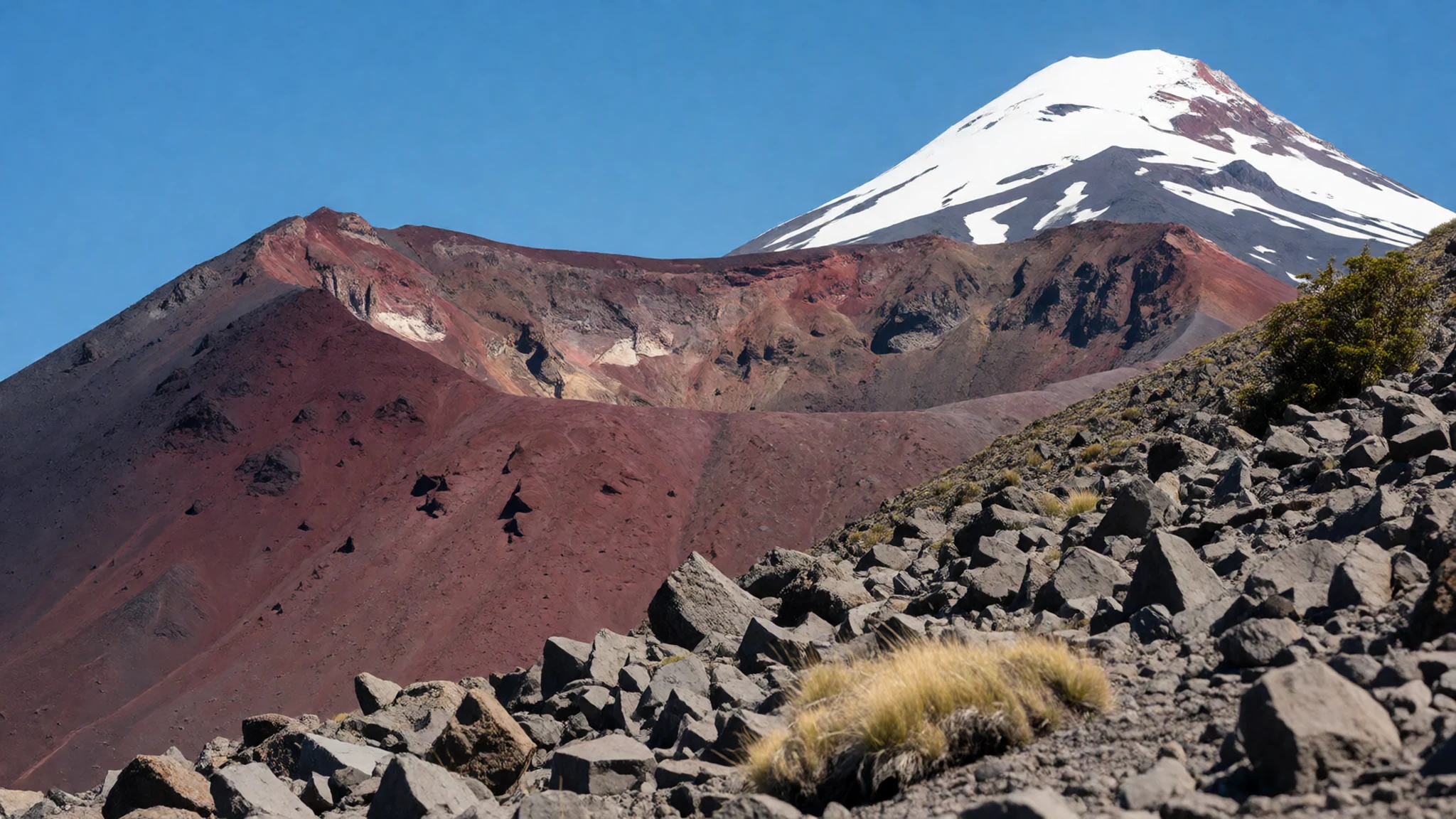
- Todos los Santos Lake — Lake district
A serene, high-altitude lake that mirrors the peak of Osorno Volcano. It is an ideal spot for kayaking and appreciating the stillness of the Andean landscape away from the main tourist crowds.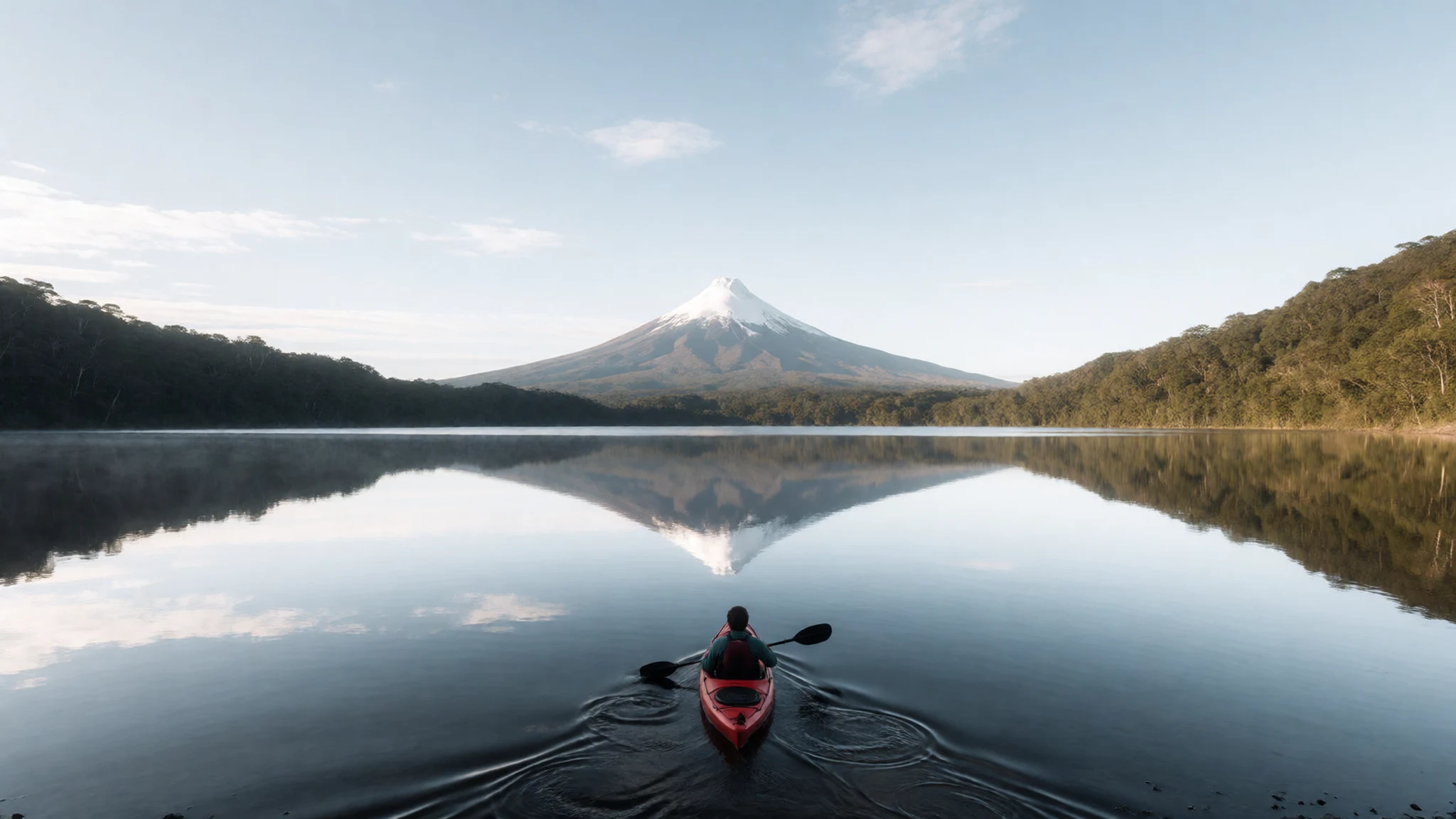
- Llanquihue Lake — Llanquihue shore
One of the largest lakes in the region, offering wide-angle vistas of the volcano across the water. The shores are dotted with small villages and provide the most classic photographic views of the peak.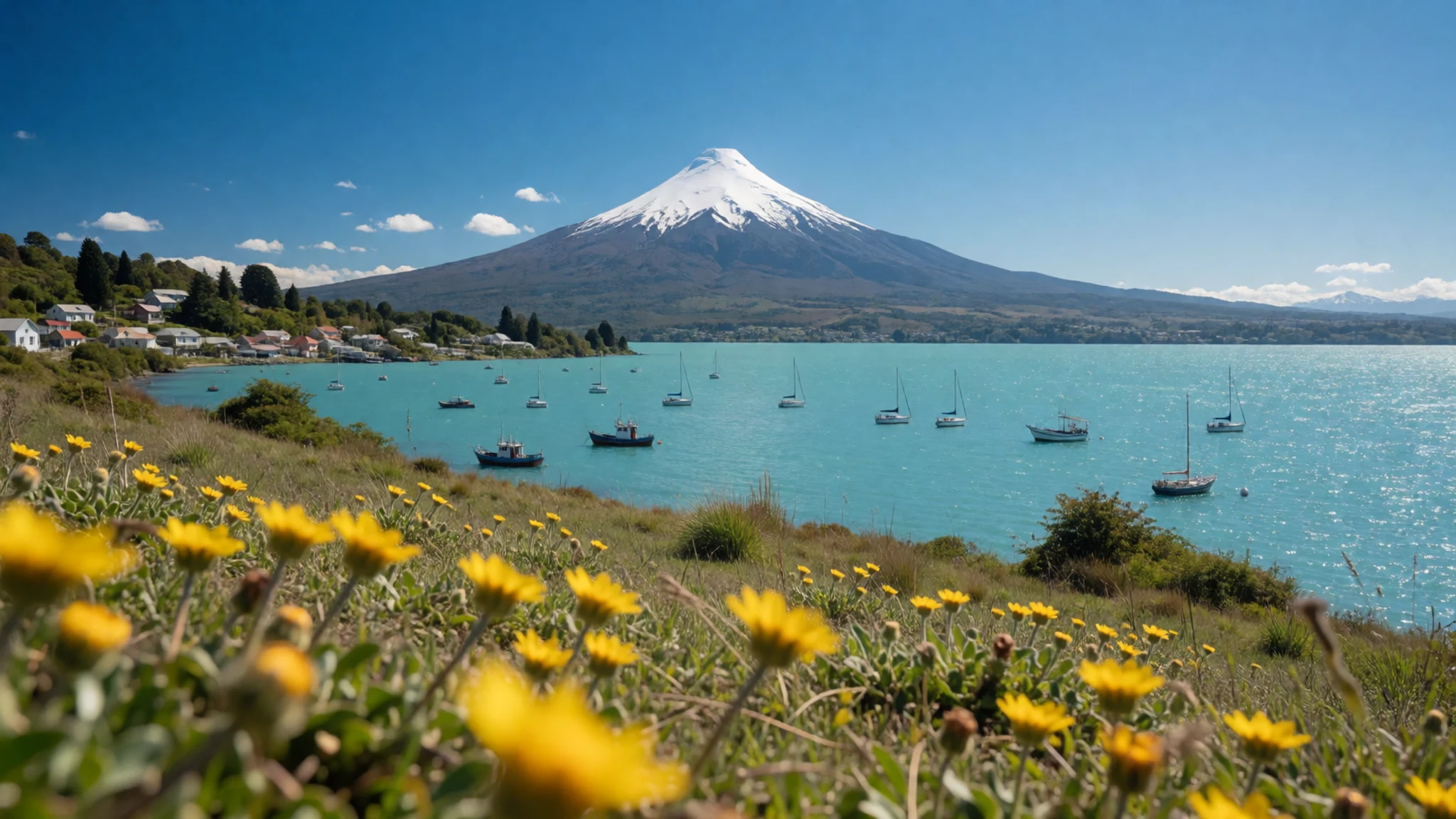
- Ski and Mountain Centre — Volcano base
A base for winter sports and summer hiking. During the colder months, it operates as a ski hub, while in summer it serves as the primary jumping-off point for those attempting to ascend the slopes.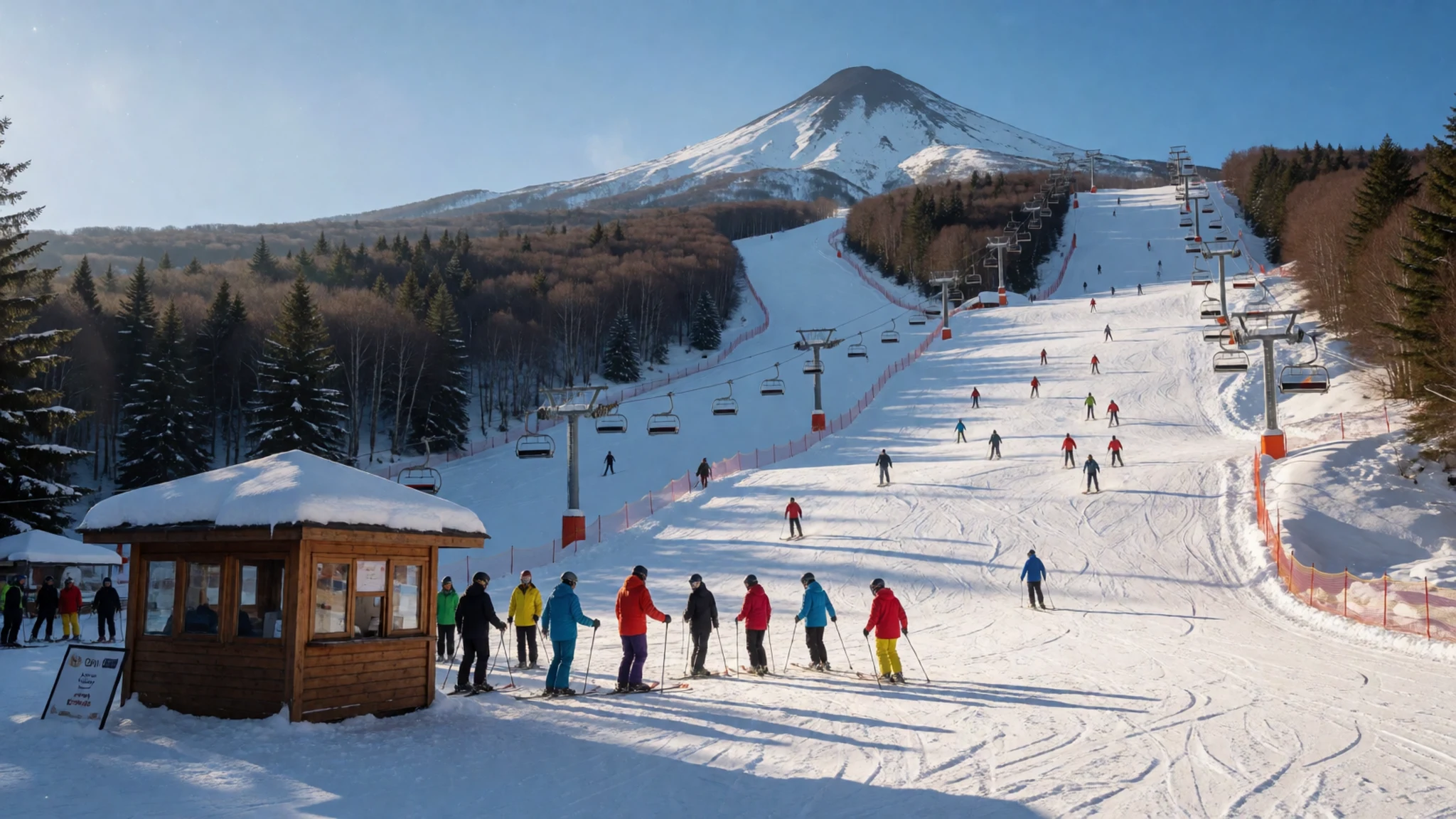
Culture
The culture surrounding Osorno Volcano is a tapestry of indigenous Huilliche roots and European immigrant legacies. This blend is most evident in the local economy, which balances traditional livestock farming and forestry with a modern service sector geared toward ecotourism. There is a profound respect for the natural world here, reflected in the abundance of protected wild areas. Local life moves at a slower pace than in Santiago, with a strong emphasis on community and the rhythms of the seasons. The people are generally warm and proud of their regional identity, which is deeply tied to the landscape's dramatic geography. Whether it is through the preservation of traditional cooking methods or the maintenance of colonial-style architecture in the villages, the region maintains a strong sense of continuity. The relationship between the people and the volcano is one of reverence, as the peak serves as a constant geographical and spiritual anchor for the community. Please ensure you stay on marked trails to protect the fragile volcanic soil and native flora.
What to wear
Fashion around Osorno Volcano is defined by the necessity of dealing with unpredictable Andean weather. Traditionally, the region's textiles were influenced by the Huilliche people, using heavy wools to ward off the damp chill of the south. In the colonial era, the arrival of German settlers introduced European styles of tailoring and heavy coats, which became staples of the rural highland wardrobe.
Nowadays, locals typically wear practical, casual clothing. In the towns, you will see a mix of modern urban wear and rugged outdoor gear. In the rural farming sectors, traditional boots and woollen ponchos are still common among the older generation of cattle farmers. For visitors, the key is layering. Even in summer, the weather can shift from sunny to freezing rain in minutes. Waterproof jackets, sturdy hiking boots with good grip for volcanic ash, and warm thermal layers are essential. If you are visiting the local villages, modest casual dress is appropriate, but the priority is always functionality over fashion given the terrain and the moisture in the air.
What to eat
- Curanto en hoyo — Traditional eateries in the Chiloé and Llanquihue areas
A communal feast where seafood, meat, and potatoes are cooked over hot stones in a pit covered with leaves. This ancestral method is a highlight of the local gastronomic heritage.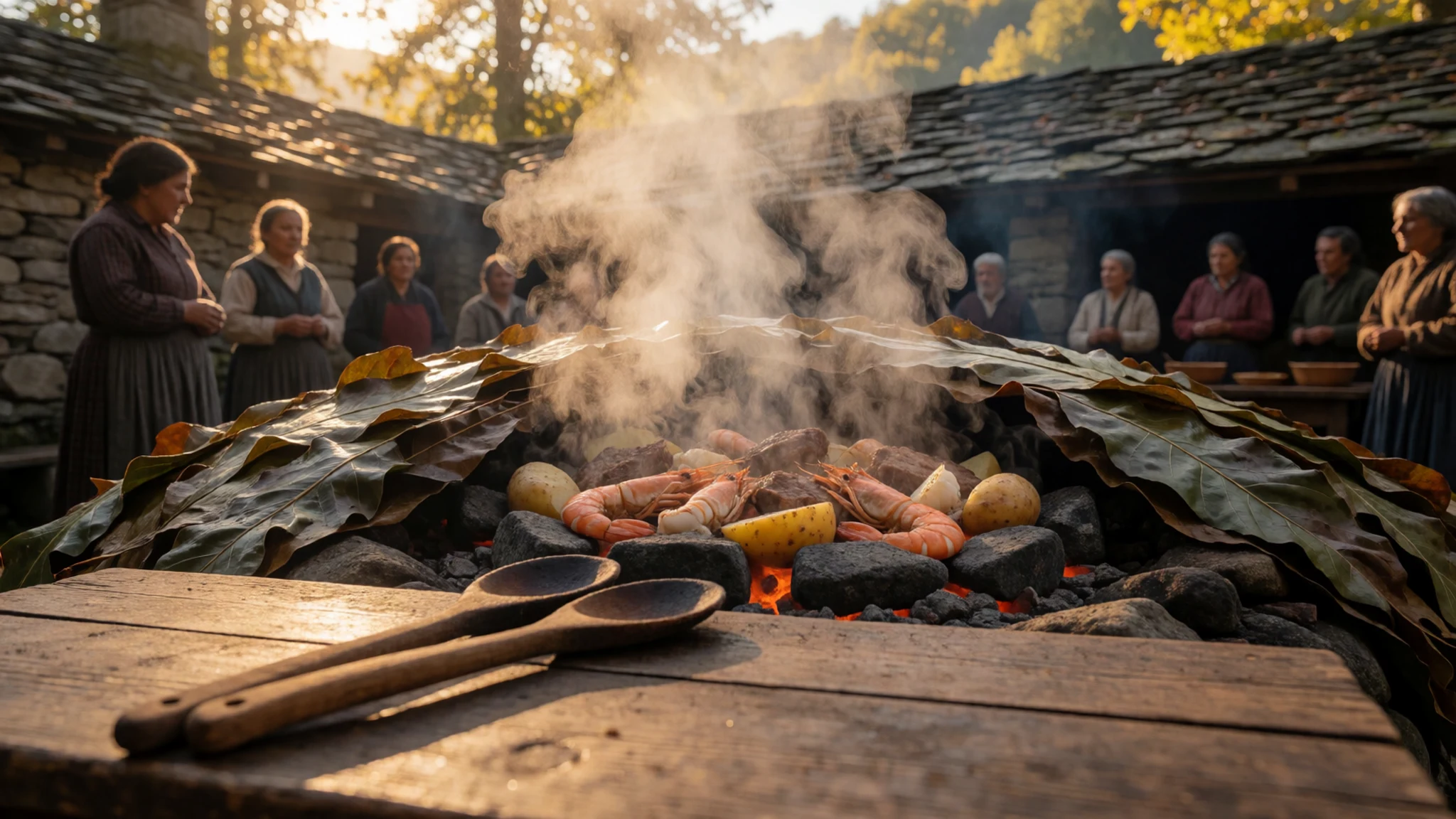
- Milcao — Local markets and village bakeries
A hearty, traditional potato-based bread that is fried or baked, reflecting the region's deep reliance on the potato as a dietary staple across the southern provinces.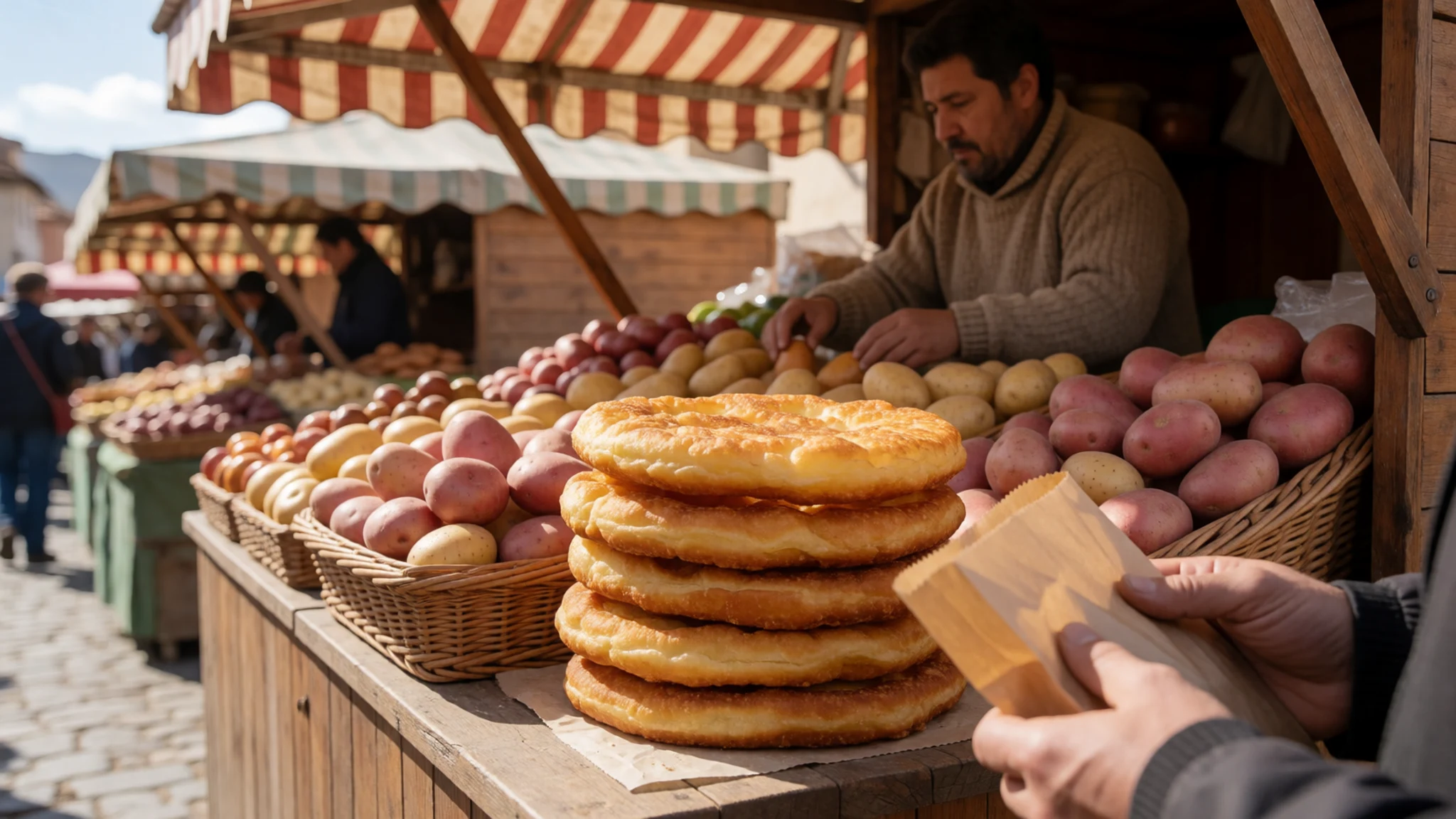
- Cancato — Lakeside restaurants and fish markets
Fresh local fish roasted over an open fire, often seasoned simply to highlight the quality of the catch from the surrounding lakes and the Pacific coast. - Chochoca — Rural farmhouses and traditional fairs
Potatoes that are grated raw, squeezed of their liquid, mixed with cooked mash, and then roasted over a fire for a smoky, dense texture. - Tortilla de papa — Local cafeterias and village diners
A thick, satisfying potato omelette that is a common comfort food served in homes and small eateries throughout the Los Lagos Region. - Pan con chicharrones — Street food stalls and village bakeries
Freshly baked bread stuffed with crispy fried pork rinds, providing a salty, rich snack that is popular among hikers and locals alike.
Plan it
Best time. December to February for the warmest weather and clearest views of the peak; winter is ideal for skiing but brings heavy rain.
How long. 2–3
Getting there. Fly into El Tepual Airport near Puerto Montt or Cañal Bajo Carlos Hott Siebert Airport near Osorno, then rent a car for the final leg to the volcano.
Budget. mid
Tips
- Pack a high-quality waterproof jacket regardless of the season
- Visit the Petrohué Waterfalls early in the morning to avoid the tour buses
- Carry cash for small village eateries and craft markets
- Check local weather reports before attempting a climb, as conditions change rapidly
- Use a 4x4 vehicle if you plan to explore the smaller dirt roads around the lakes
Etiquette
- Always use designated waste bins to keep the protected wild areas pristine
- Respect the privacy of rural farmers when passing through private land
- Keep noise levels low when kayaking on the serene lakes
Nearby
Sources
- Wikidata Q858808 (CC0)
- Wikipedia (CC BY-SA 4.0)
- Wikivoyage (CC BY-SA 4.0)