Ordesa y Monte Perdido National Park
Ordesa y Monte Perdido National Park, Spain
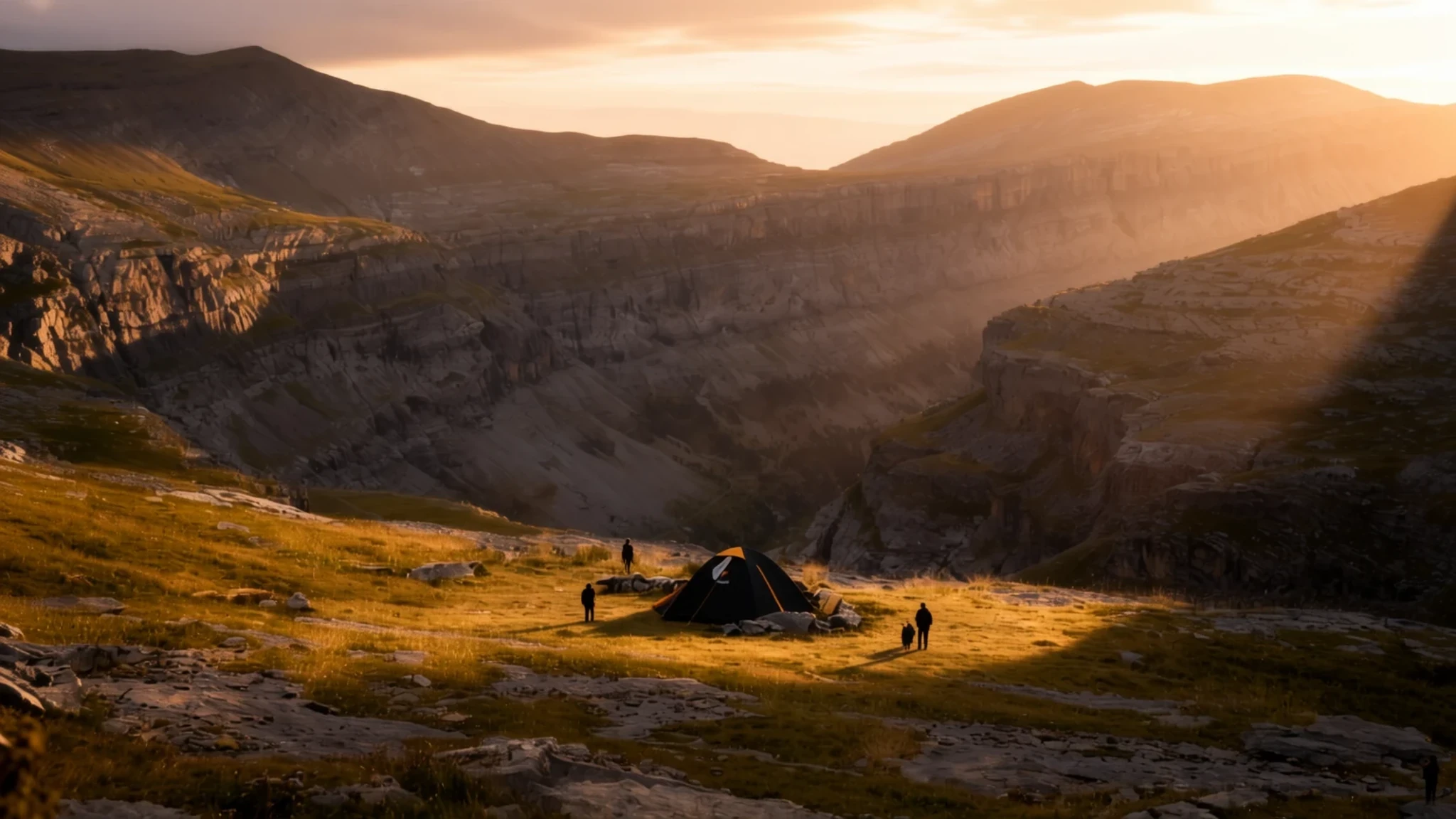
Ordesa y Monte Perdido National Park offers magnificent limestone canyons, dramatic glacial cirques, and soaring Pyrenean summits across a protected mountain landscape.
The place
Ordesa y Monte Perdido National Park sits within the rugged high-mountain terrain of the central Pyrenees in northern Spain, protecting a sweeping landscape of deep limestone canyons, hanging valleys, and soaring limestone peaks. Established initially as a modest protected zone in the early twentieth century and later expanded significantly, the park encompasses various distinct valleys such as Añisclo, Escuaín, and Pineta. The underlying geology is dominated by ancient limestone formations shaped by prolonged tectonic forces and intense Quaternary glaciation, which carved out massive U-shaped valleys and dramatic semicircular rock amphitheatres known as cirques. At the heart of this dramatic terrain stands the great limestone massif of Monte Perdido, anchoring a network of towering ridges and precipitous drops that attract hikers and naturalists from across Europe. The park's wide elevation range creates distinct ecological tiers, shifting from dense lower-altitude forests of beech, silver fir, and Scots pine up to sparse alpine meadows and permanent snowfields where hardy high-altitude flora thrives. Water is a constant presence throughout the valleys, plunging over sheer precipices in roaring waterfalls and feeding clear rivers that carve through the valley floors. Despite the growing popularity of its main trails during the peak summer months, much of the park remains a wild, remote sanctuary where visitors can experience the raw, untamed character of the Pyrenean highlands.
Its story
Ordesa y Monte Perdido National Park has long been shaped by the interplay between wild mountain forces and the resilient pastoral communities that settled its margins centuries ago. For generations, local shepherds navigated the treacherous limestone cliffs and steep grassy slopes, driving their flocks to high summer pastures along traditional drovers' tracks that still crisscross the high ridges. The isolation of these mountain valleys fostered a distinct regional culture in Upper Aragon, where folklore remained deeply intertwined with the natural environment and the perceived magic of the high wilderness. Local traditions preserved stories of forest spirits, ancient remedies, and ethnobotanical knowledge passed down orally through families who depended entirely on native plants for survival and healing. In nineteen eighteen, growing recognition of the unique landscape prompted royal decree to establish formal protection over the core Ordesa Valley, making it one of Spain's earliest environmental preserves. Over the decades, conservation boundaries were broadened to safeguard adjacent canyons and fragile ecosystems from commercial encroachment, culminating in international recognition as both a Biosphere Reserve and a joint cross-border World Heritage Site with France. Today, this protected status balances the preservation of rare raptors like the bearded vulture with the demands of modern tourism, ensuring that the ancient pastoral heritage and striking geological wonders of the Pyrenees remain intact for future generations.
What to see
- Tella Mill and Visitor Centre — Tella sector
Tella Mill and Visitor Centre serves as a restored historic gateway to the park, housing comprehensive exhibitions on the region's natural history, traditional folk culture, and local ethnobotany.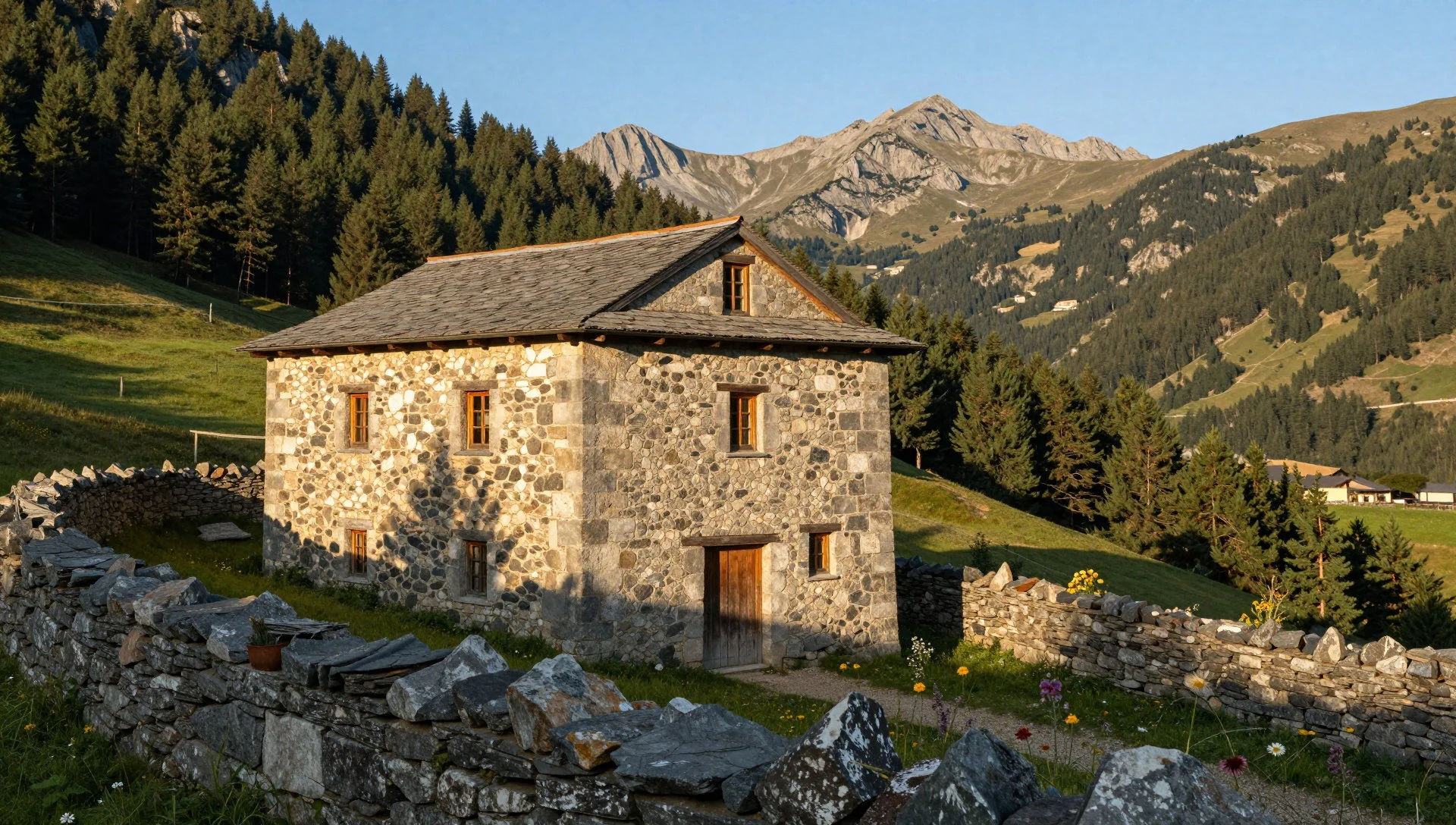
- Valle de Escuaín — Escuaín sector
Valle de Escuaín is a remote, deeply incised limestone canyon where rushing waters have exposed dramatic geological strata and sheer cliffs that provide prime nesting sites for soaring mountain birds of prey.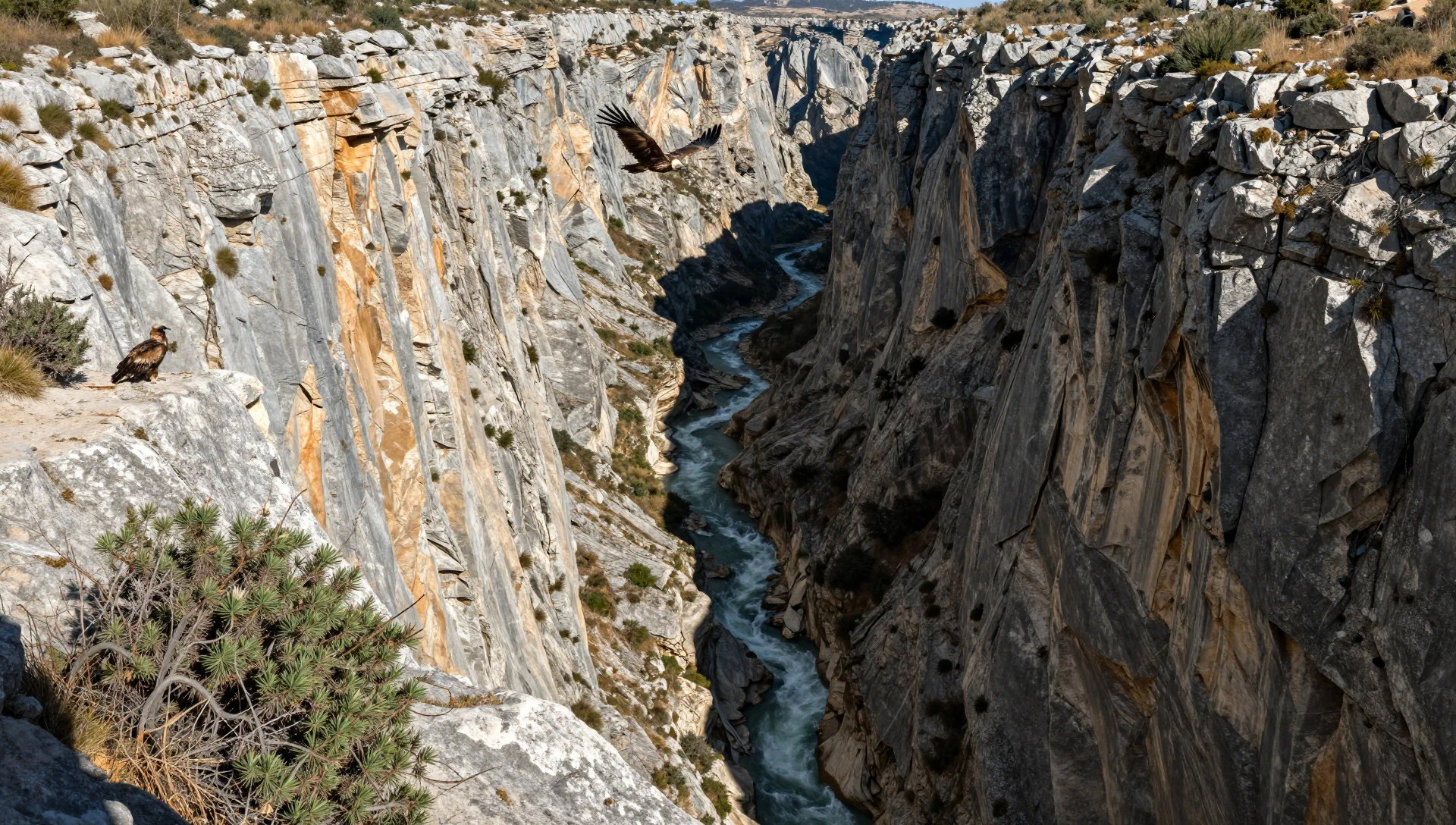
- Ermita de la Virgen de Pineta — Pineta Valley
Ermita de la Virgen de Pineta is a quiet historic sanctuary positioned near the dramatic glacial headwall of the Pineta valley, offering a reflective space amid towering forested mountain slopes.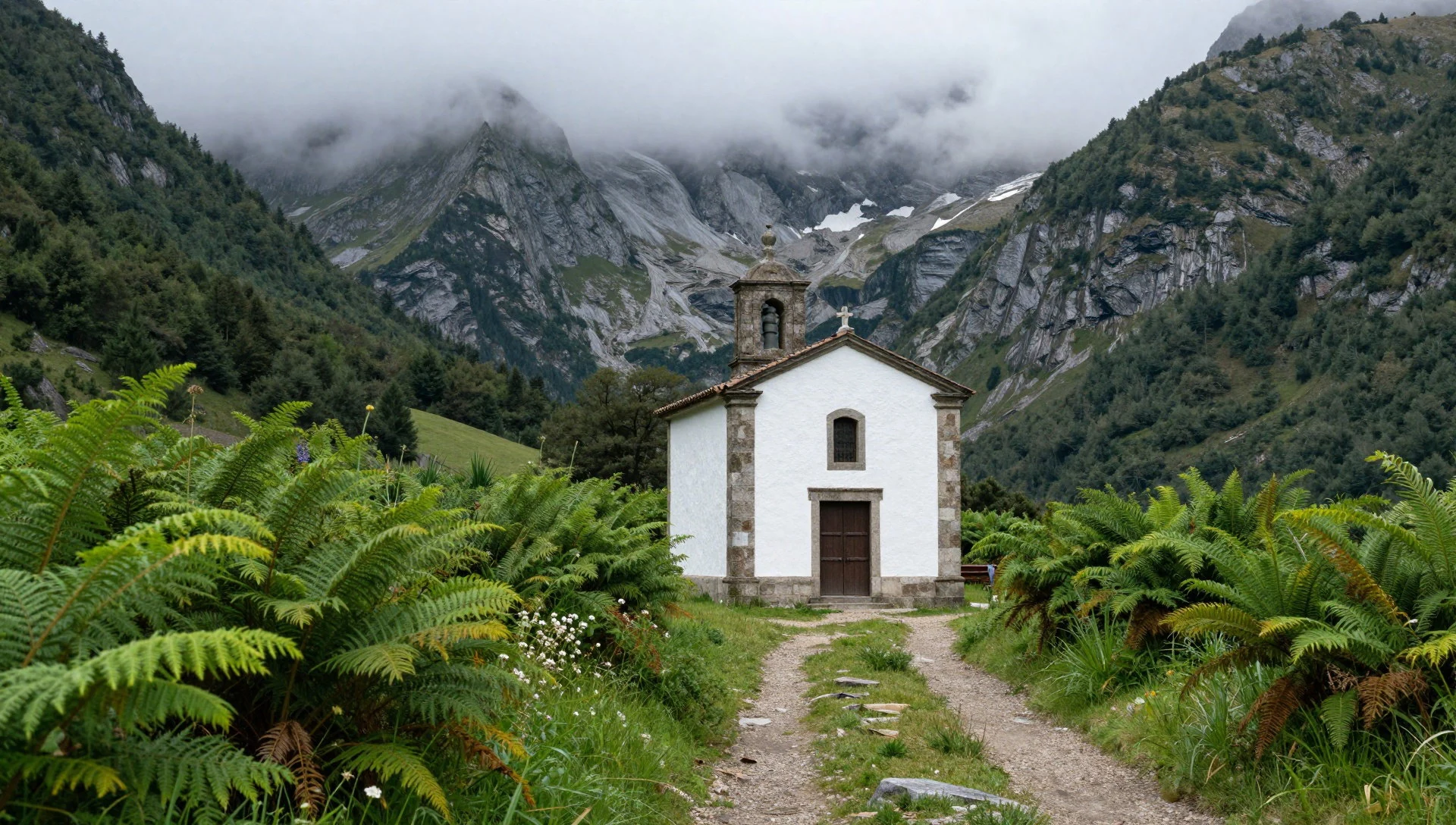
- Escuaín Viewpoint — Escuaín sector
Escuaín Viewpoint offers sweeping panoramas across deep river gorges and rugged limestone walls, functioning as an ideal observation point for spotting griffon vultures and golden eagles riding thermal drafts.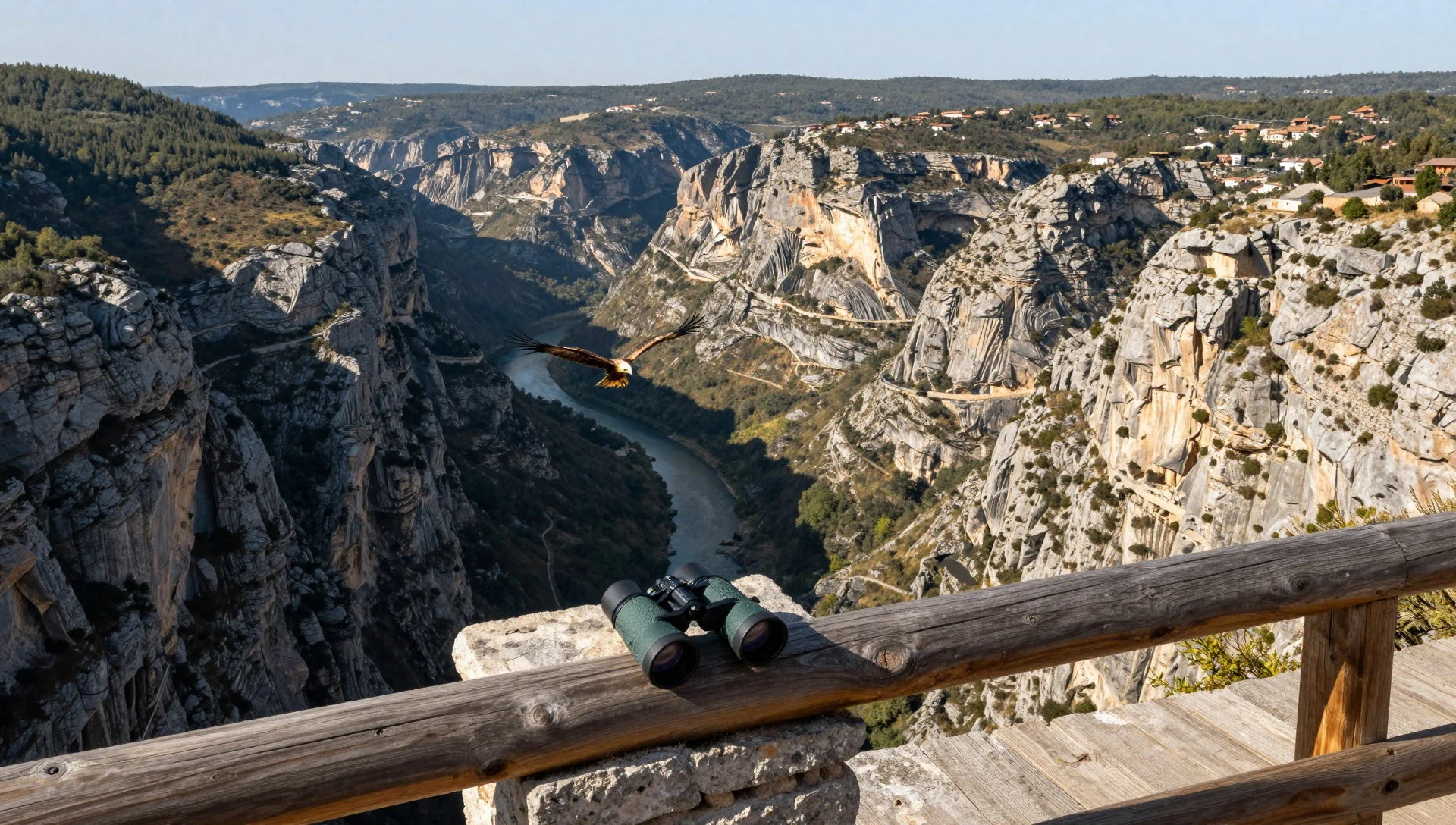
Culture
Ordesa y Monte Perdido National Park reflects the resilient spirit of Upper Aragon, where mountain isolation fostered tight-knit communities deeply connected to pastoral rhythms and traditional folklore. Local heritage is preserved through community gatherings, traditional Pyrenean music, and enduring craft practices that celebrate rural life against a harsh alpine backdrop. Ethnographic exhibits across the local villages highlight ancient remedies, local agriculture, and historical mountain survival skills that have been handed down across generations. Visitors will find that rural Aragonese communities appreciate polite greetings and a respectful attitude toward quiet village life and protected natural habitats. Always close pasture gates behind you when walking through grazing land to prevent livestock from wandering off.
What to wear
Ordesa y Monte Perdido National Park has historically demanded practical, heavy-wearing attire tailored for demanding weather and hard mountain labor. Traditional Pyrenean dress featured sturdy woollen garments, heavy linen shirts, woven waistcoats, and leather footwear designed to insulate against freezing winter temperatures and sharp limestone rocks. Today, locals and visiting hikers dress in modern technical outdoor apparel, including waterproof shells, moisture-wicking layers, durable trekking trousers, and high-traction hiking boots suitable for uneven mountain terrain. Visitors exploring the park must prioritize functional gear, packing sturdy footwear with ankle support, layered clothing to combat rapid weather shifts, and sun protection for high-altitude UV exposure. Even during the warmest months, mountain conditions can turn cold and wet very quickly, so waterproof jackets and warm fleeces are essential parts of any visitor wardrobe.
What to eat
- Migas a la Aragonesa — Local mountain taverns throughout the surrounding valleys
Migas a la Aragonesa is a traditional shepherd dish made from leftover bread crumbs pan-fried with garlic, olive oil, and bits of pork or chorizo, often served hot in rustic country inns.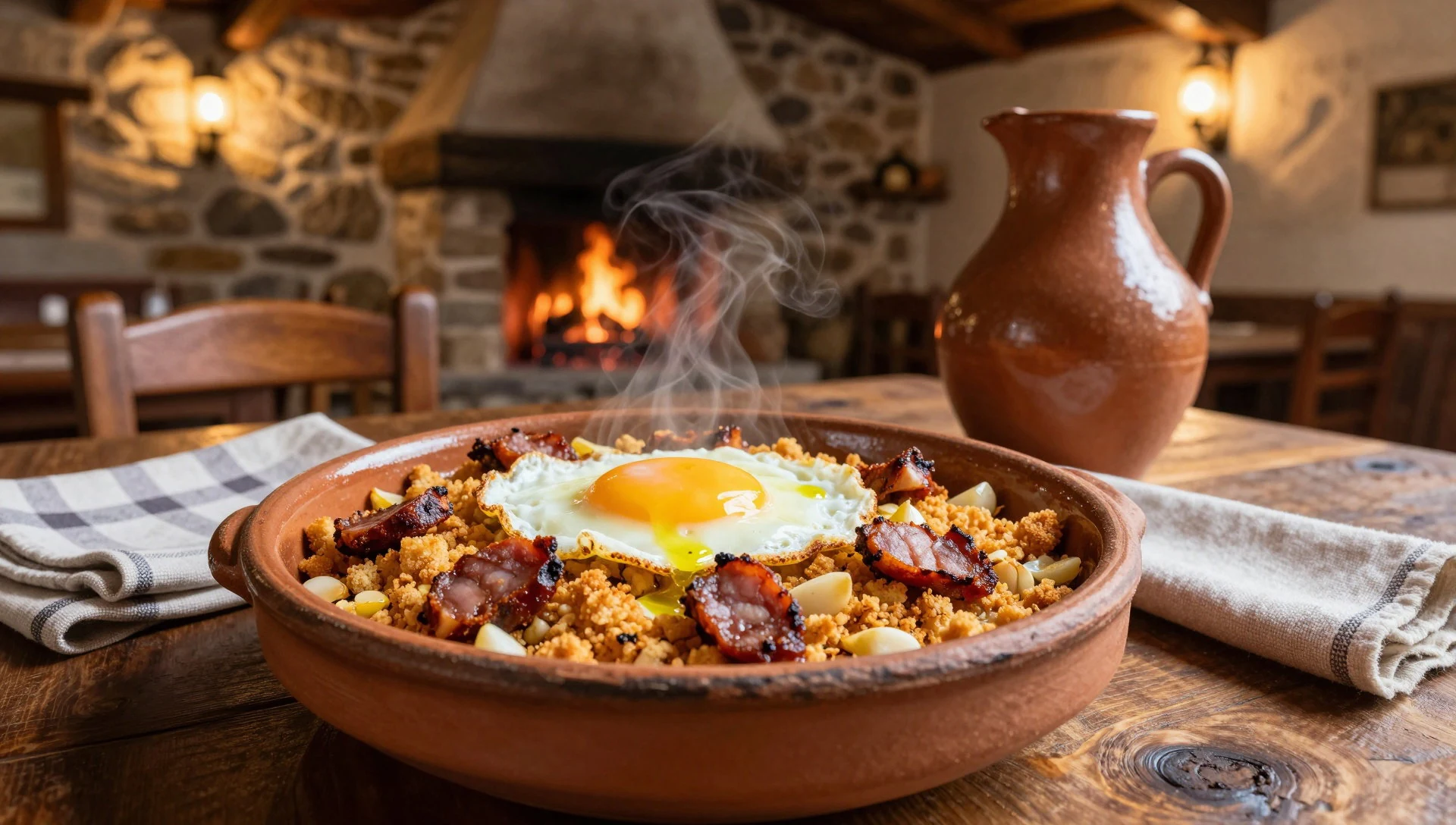
- Ternasco de Aragón — Traditional restaurants in Torla and Bielsa
Ternasco de Aragón is the celebrated regional roast lamb, prized for its tender texture and delicate flavour, typically prepared simply with garlic, rosemary, and white wine in local village eateries.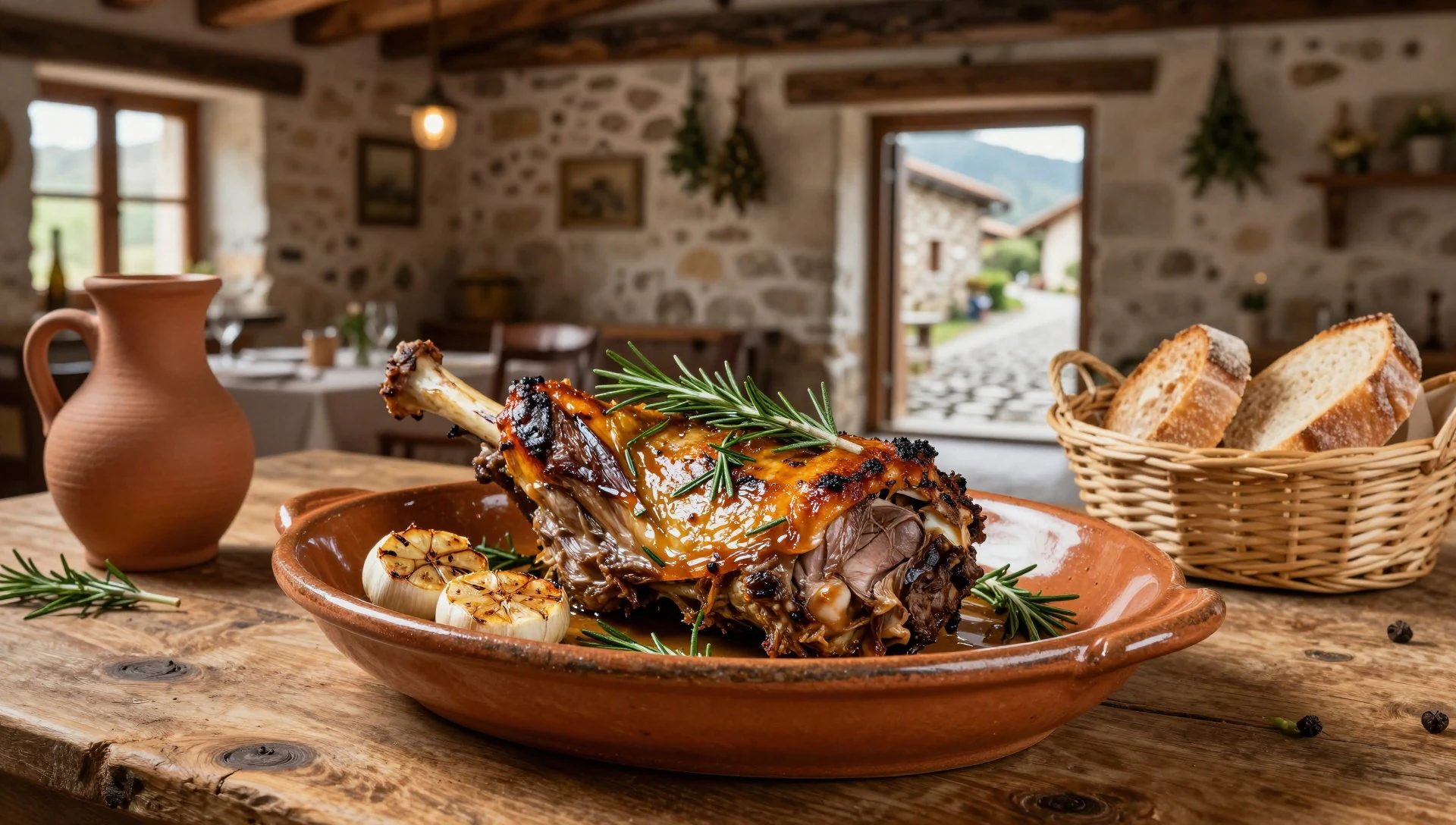
- Pyrenean Cheeses — Local valley cheese shops and weekly markets
Pyrenean Cheeses are artisanal goat and sheep milk cheeses crafted in small mountain dairies, offering rich, earthy flavours that reflect the high-altitude pastures where the animals graze. - Chiretas — Family-run local restaurants in the Pyrenean foothills
Chiretas are a traditional Aragonese specialty consisting of seasoned lamb entrails stuffed with rice, ham, parsley, and garlic, simmered slowly in rich broth across village kitchens.
Plan it
Best time. June to September offers the most reliable weather for high-altitude hiking, while autumn brings striking golden beech forests and spring sees rushing snowmelt waterfalls.
How long. 3–4
Getting there. Fly into Zaragoza or Barcelona, then rent a car to drive north towards the Pyrenean foothills and the park entrance roads.
Budget. mid
Tips
- Check local weather forecasts and trail conditions before setting out on high mountain routes.
- Arrive early at main parking areas during peak summer months to secure a space.
- Wear sturdy, broken-in hiking boots with reliable ankle support for rocky terrain.
- Carry sufficient drinking water and high-energy snacks for long valley treks.
Etiquette
- Take all of your litter back out with you to protect the pristine natural environment.
- Keep noise levels low on walking trails to avoid disturbing native wildlife.
- Respect grazing livestock and maintain a safe distance from working farm animals.
Nearby
Sources
- Wikidata Q741610 (CC0)
- Wikipedia (CC BY-SA 4.0)
- Wikivoyage (CC BY-SA 4.0)