Ooty
Ooty, India
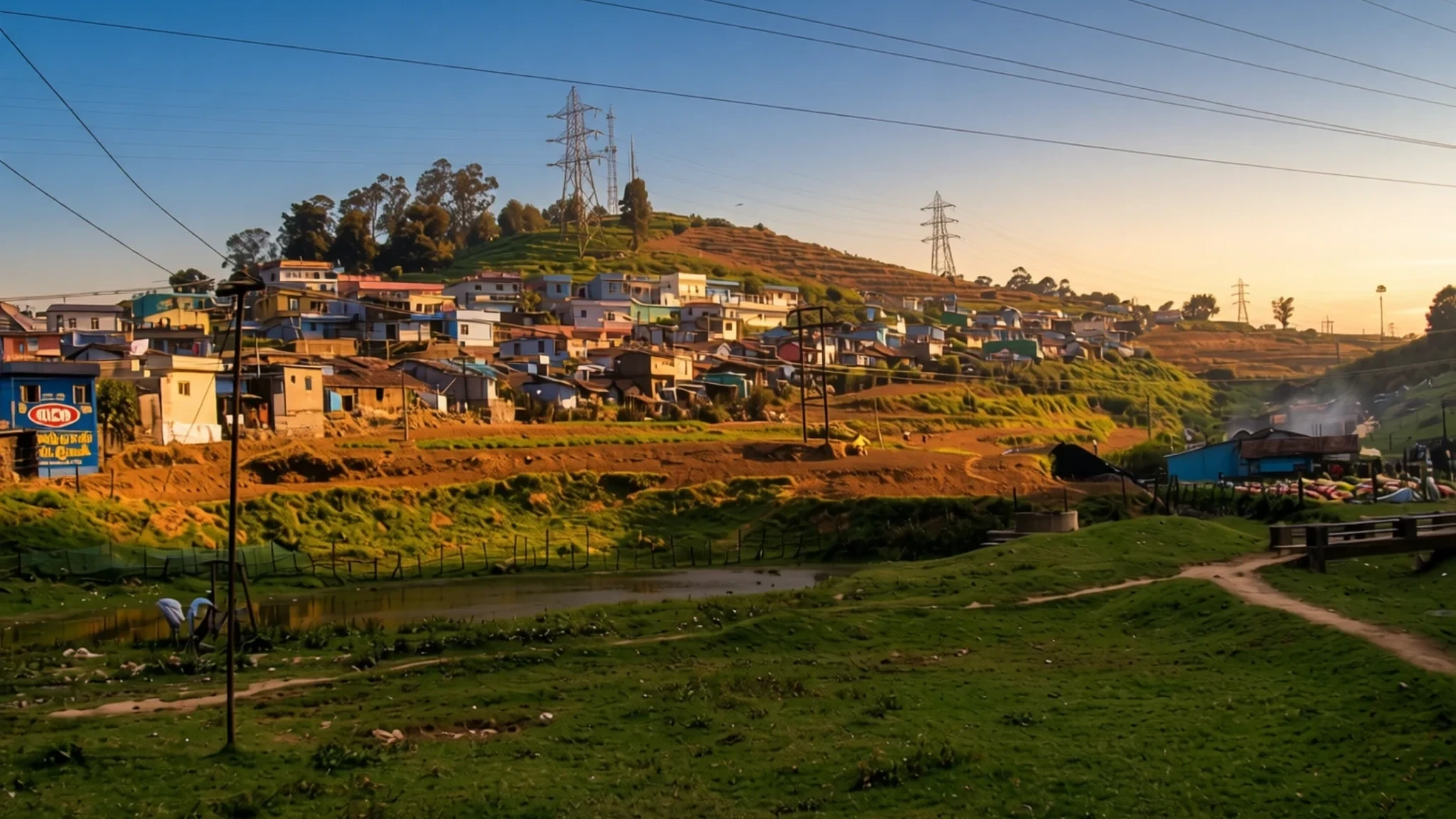
Go for cool air, tea-garden hillsides and a slower pace than the plains, and plan around the monsoon rains and the weekend crowds.
The place
Ooty sits at about 2,240 m in the Nilgiri Mountains, part of the Western Ghats in Tamil Nadu. It is the seat of the Nilgiris district and home to roughly 88,000 people, so it feels more like a lively market town than a village. The centre has shops, bus stands and a steady flow of traffic, while residential streets climb the slopes around an artificial lake. The air is much cooler than in the plains below. Summer days are mild and evenings can turn chilly, so a warm layer is worth packing at any time of year. Rain arrives with both monsoons, which brings green hillsides in the wet months and mist that can linger until late morning. Tea estates cover many of the slopes, and shola forest survives in the valleys. Much of the surrounding land lies within the Nilgiri Biosphere Reserve, a large protected landscape of meadows, grassland and forest. Tourism and tea are the two main sources of income, and the hill-station character shows in the old bungalows, the boating on the lake and the slow, winding roads that rarely allow fast driving.
Its story
Ooty's story begins with the wider Nilgiri hills, which appear in early Tamil literature in the epic Silappathikaram. Several communities lived on the hills, including the Badaga, Toda, Kota, Irula and Kurumba peoples, and the Toda in particular have a long connection to the plateau. Over the centuries the region passed among the Tamil kingdoms of the Cheras, Cholas and Pandyas, and later among other South Indian dynasties, including the Vijayanagara Empire. Tipu Sultan took the Nilgiris in the eighteenth century, and the British gained control of the area in 1799, placing it within Coimbatore district of the Madras Presidency. In 1819 John Sullivan, the collector of Coimbatore, reported that the cooler hills could serve as a summer retreat. He built a residence nearby and began a road from Sirumugai, which reached Coonoor in the early 1830s. Governor Stephen Lushington encouraged the hills as a sanatorium, and the town grew around an artificial lake. The Government Botanical Garden was laid out in 1842. Ooty became a municipality in 1866, and reservoirs at Marlimund and Tiger Hill brought roads, drainage and water supply. Its summer role grew from there.
What to see
- Doddabetta Peak — Upper Nilgiris, above Ooty town
Doddabetta, whose name means the big mountain, rises to 2,623 m and is the highest point in the Nilgiris, and the second highest peak in South India. The road up is steep and the summit can be cold and windy, so take a warm layer. On clear mornings the view reaches across the surrounding ridges and valleys. Go early, because cloud often rolls in by midday and hides the view.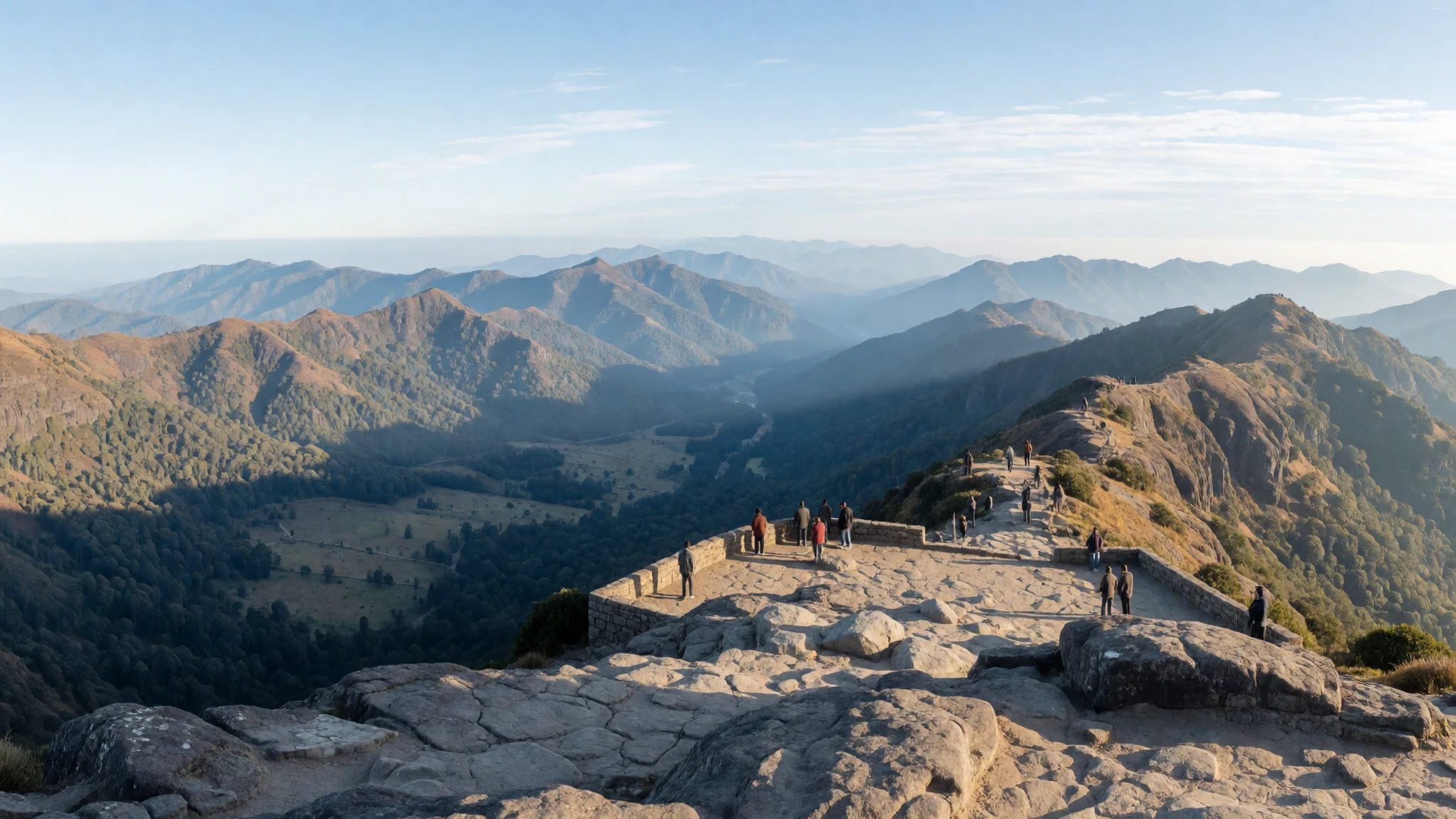
- Ooty Botanical Gardens — Town centre, near the lake
The Government Botanical Garden was laid out in 1842 and covers a sizeable area of terraced lawns, old trees and flowerbeds. It holds many indigenous and exotic plant species, and the glasshouse and lawns suit a slow, unhurried morning. The garden is busy at weekends and during holidays, so arriving at opening time gives you more space to wander.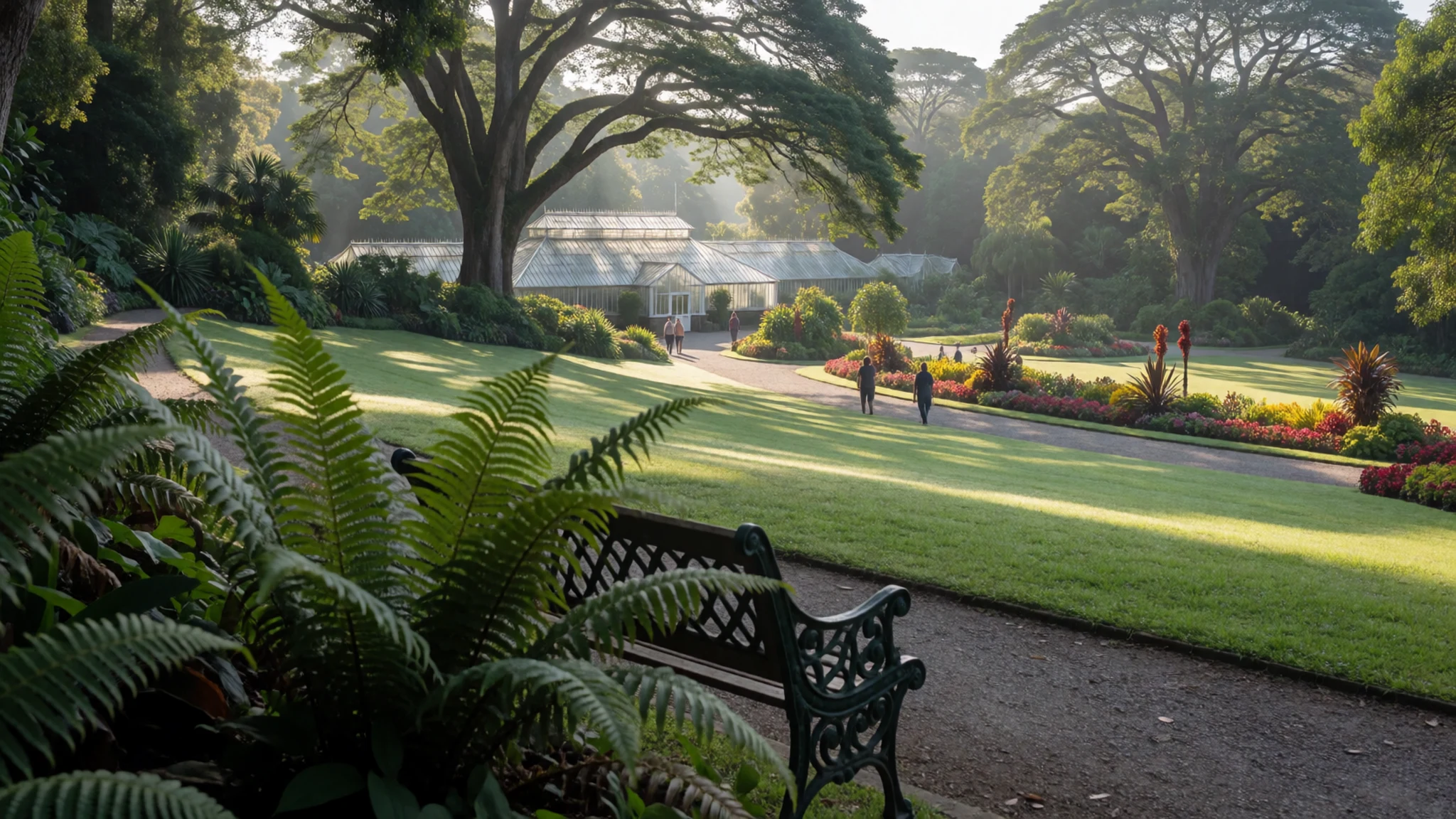
- Ooty Rose Garden — Town centre, on the hillside above the lake
The rose garden is laid out across several terraces on the hillside and holds thousands of rose bushes in hundreds of varieties. It is one of the best-known gardens in the town and is at its colourful peak in the warmer months. The paths are steep in places, so wear comfortable shoes. It is a pleasant spot for an hour before the crowds arrive.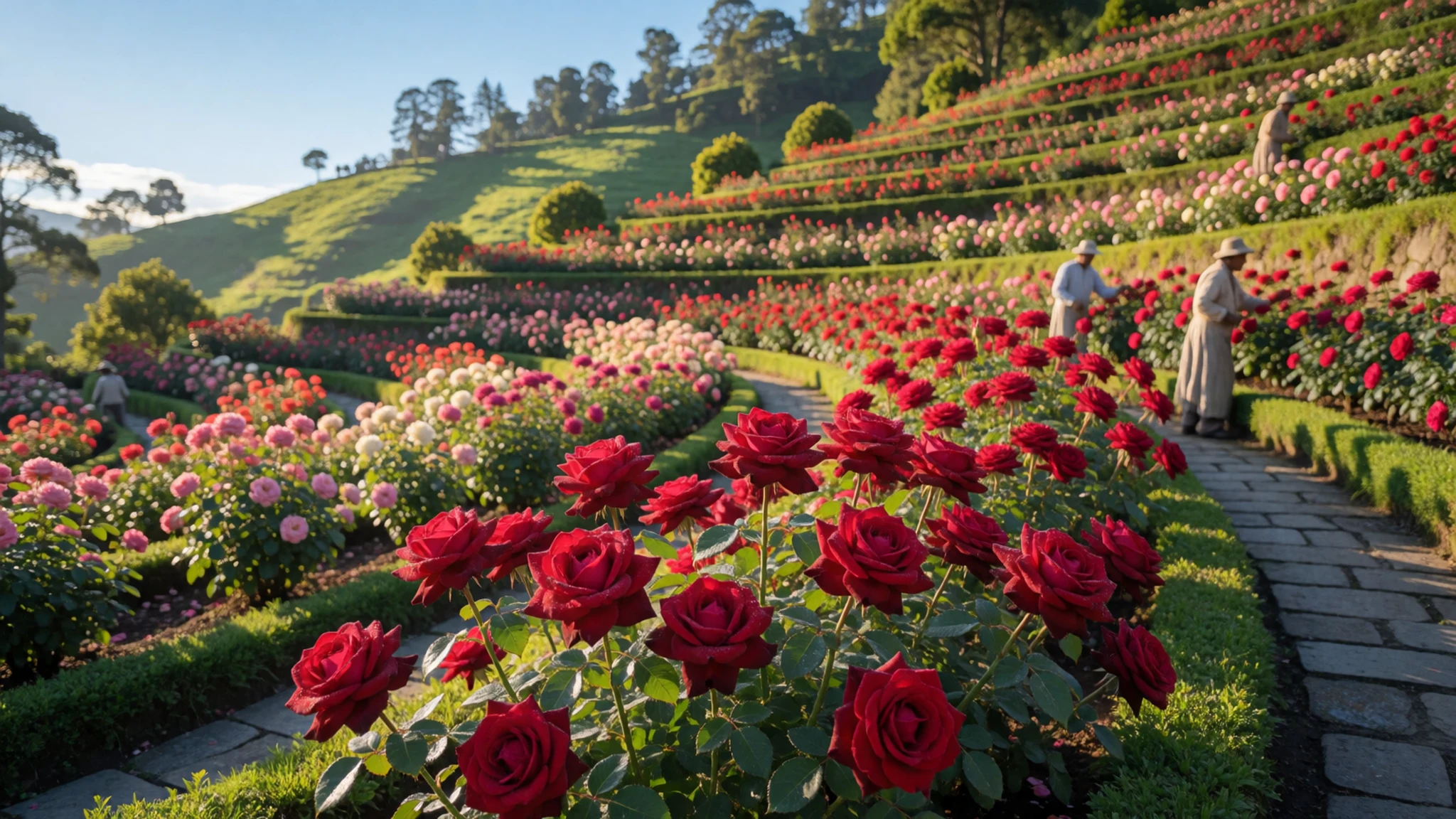
- Toda Temple — Toda settlement near the town
The Toda people were among the original inhabitants of the Ooty region, and their temple is a simple structure built from bamboo in an inverted U-shape. It reflects a community whose traditions are distinct from the Hindu temples of the plains. Visits are best made with respect, keeping voices low and asking before taking photographs of people.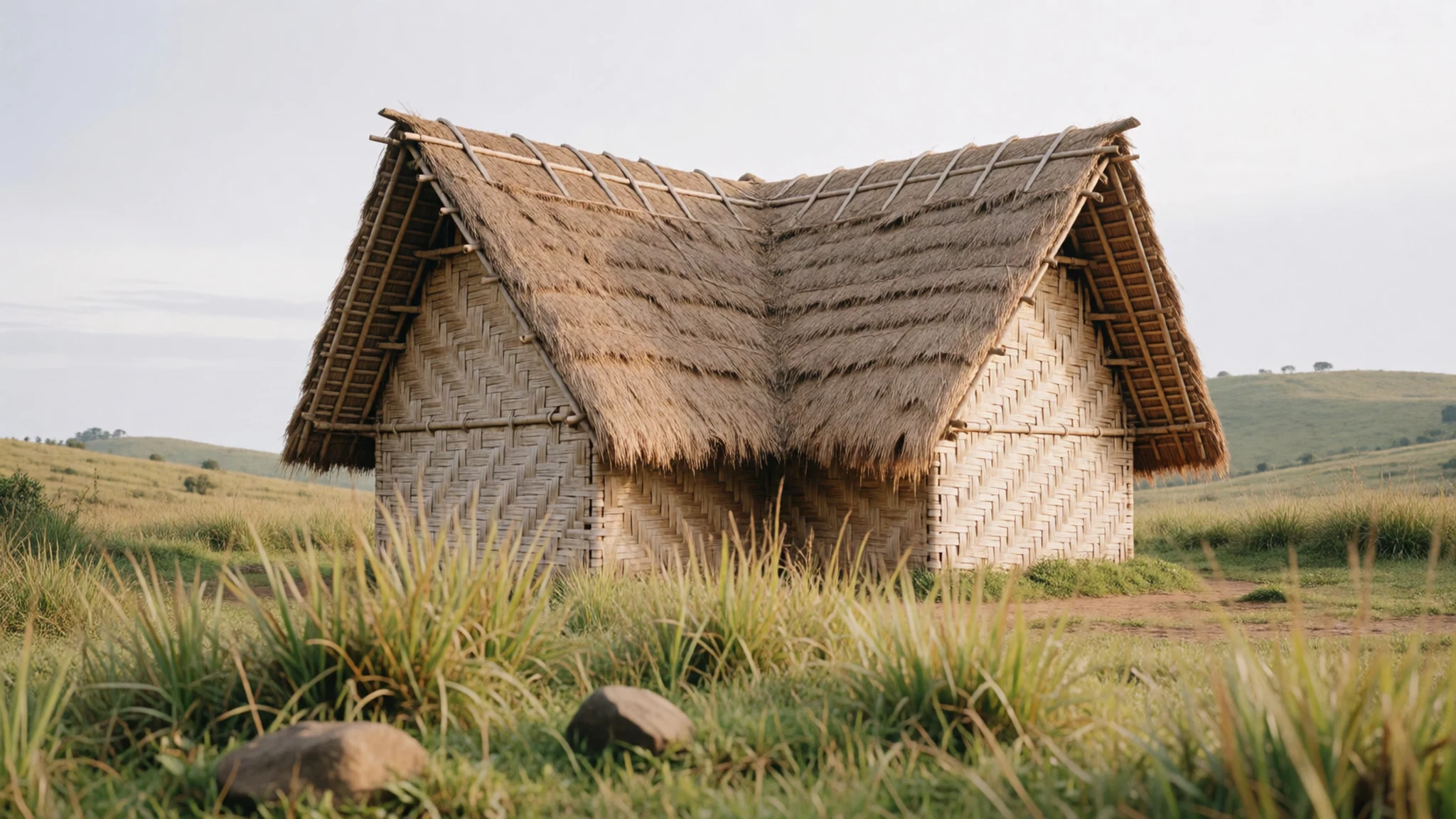
- Fern Hills Palace — Fern Hills, south of Ooty town
This former residence of the Mysore Maharaja now operates as a hotel, set among gardens above the town. Non-guests can often stop for a cup of tea and a snack, which is good value. A buffet dinner costs more, so check the official site or ask at reception before you go. The grounds are calm and make a restful afternoon stop.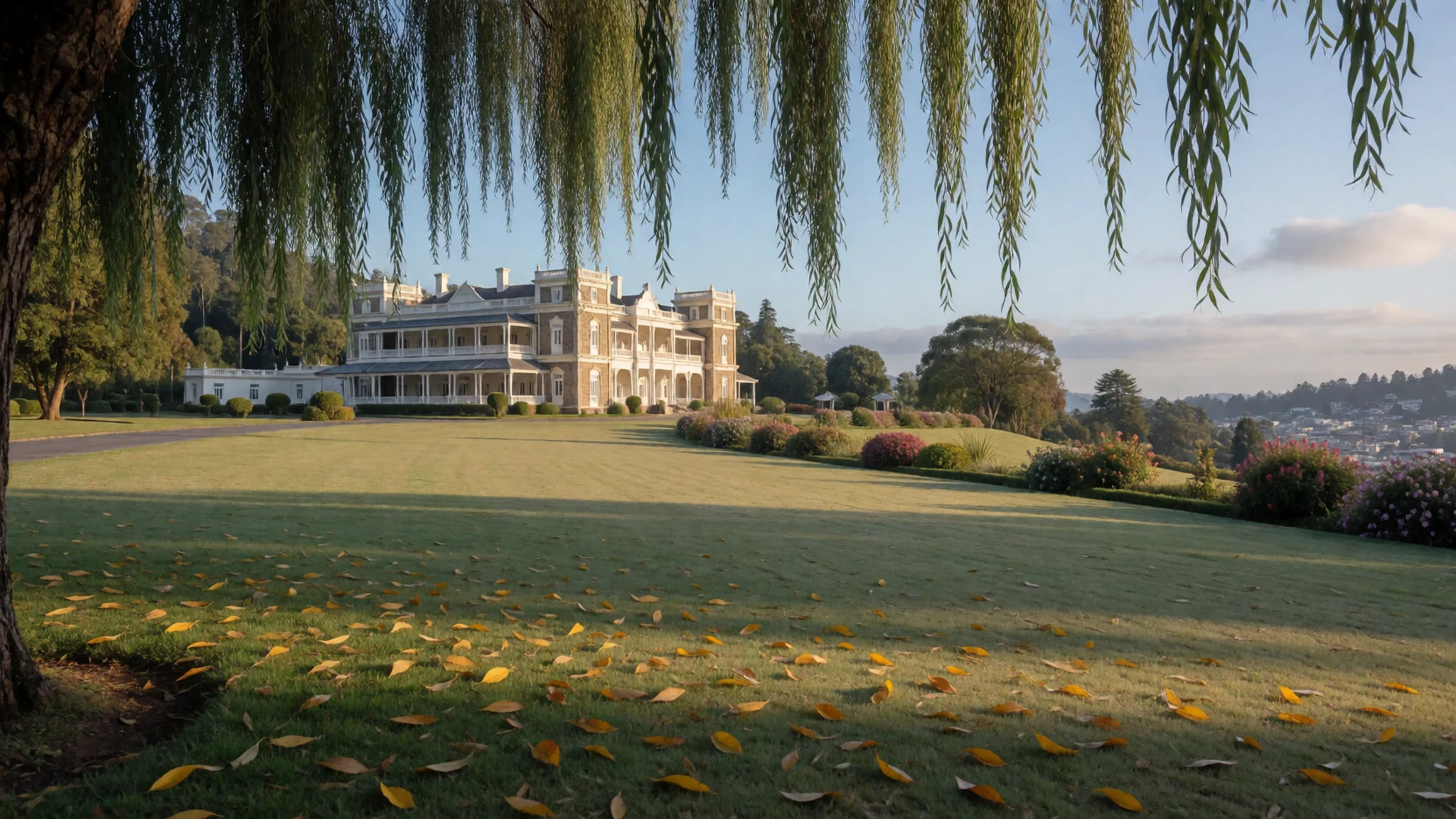
Culture
Ooty's culture blends Tamil traditions with the older customs of the Toda, Badaga and other hill communities, and with the colonial-era hill-station habits of the past two centuries. Temples across the district follow the rhythms of Tamil Hindu worship, with regular festivals and processions. Much of daily life runs on tea, with estate workers, shopkeepers and families gathering in small eateries through the day. Visitors are welcome in most public places, but the hills also have villages where people value privacy. Modest dress is expected at temples, and the common greeting is a polite namaste or a nod. Many shopkeepers and drivers speak Tamil first, with English and some Hindi, so a few courteous words of Tamil are appreciated. Bargaining is normal at small stalls but not at fixed-price shops. Ask before photographing villagers, religious ceremonies or anyone at work on the estates, and remove your shoes before entering any temple or shrine.
What to wear
Traditional dress in the Nilgiris reflects the mix of Tamil and hill communities. Tamil women wear the sari, usually in cotton or silk, often in bright borders and plain bodies, while men wear the veshti, a white or cream cotton cloth wrapped at the waist. The Toda are known for their own distinctive shawls with bold embroidered borders, traditionally worn by both men and women in cool weather. Badaga women have worn sarees and jewellery shaped by their own customs, and older women still favour them at festivals. In everyday life, most people wear cotton shirts, trousers, salwar kameez and jeans, with sweaters and shawls for the evening chill. Younger people in town dress much like those in other Indian cities. Visitors should pack layers, because mornings and evenings are cool and rain can arrive suddenly. A light waterproof jacket, a warm fleece and closed shoes with grip suit the steep, wet paths. At temples, cover the shoulders and knees, and avoid shorts and sleeveless tops.
What to eat
- South Indian tiffin — Small South Indian eateries near the bus stand
Breakfast in Ooty often means idli, dosa or vada, served with sambar and coconut chutney. The dishes are light, filling and cheap, and they suit the cool mornings. Simple South Indian eateries open early and serve hot plates quickly.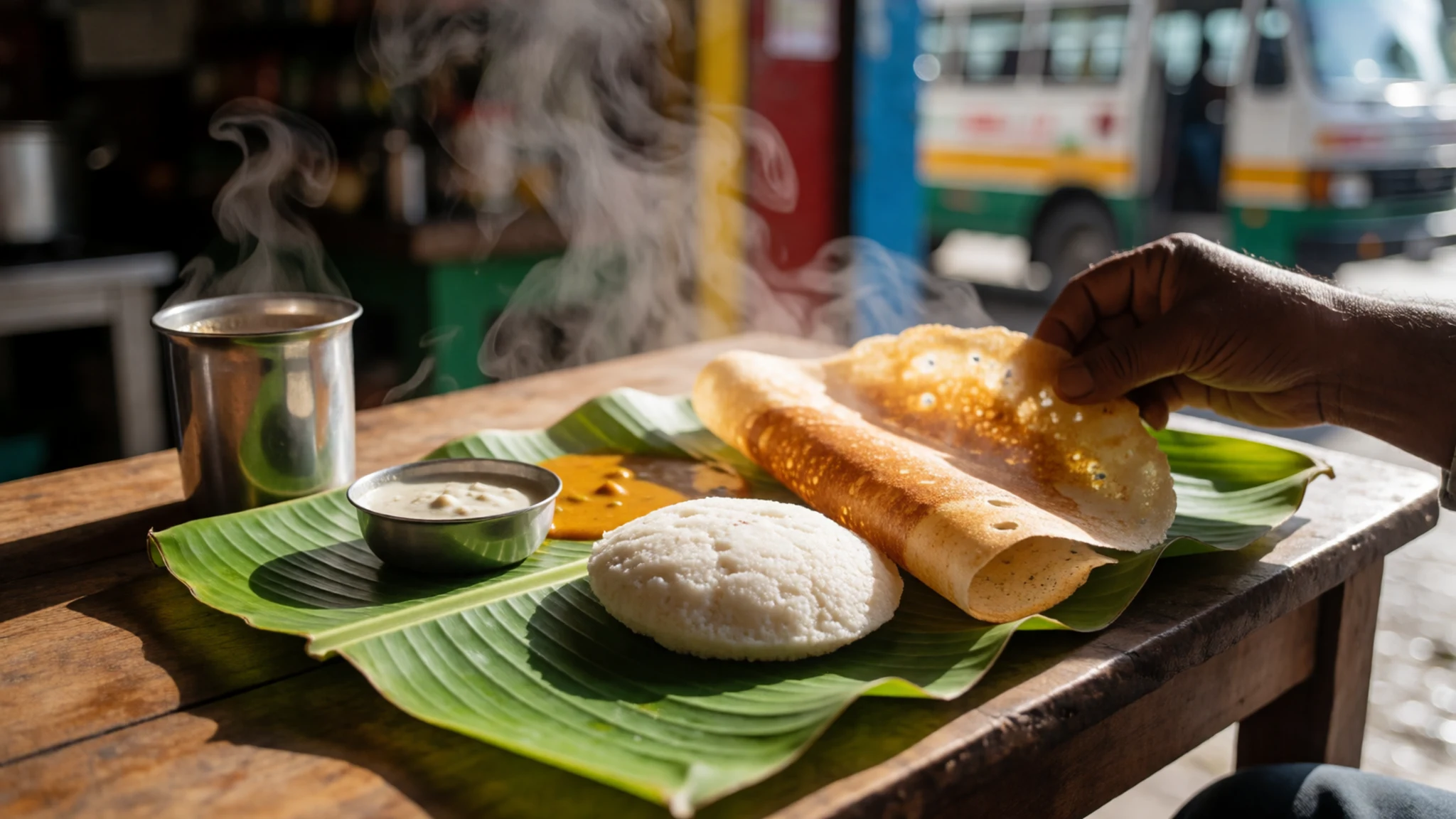
- Malabar-style fish and meat — Non-vegetarian eateries in the lower bazaar
Restaurants in the town serve meat and fish cooked in the Malabar style, with coconut, curry leaves and gentle spice. The flavours are rich but not fiery. Non-vegetarian eateries are common in the lower bazaar.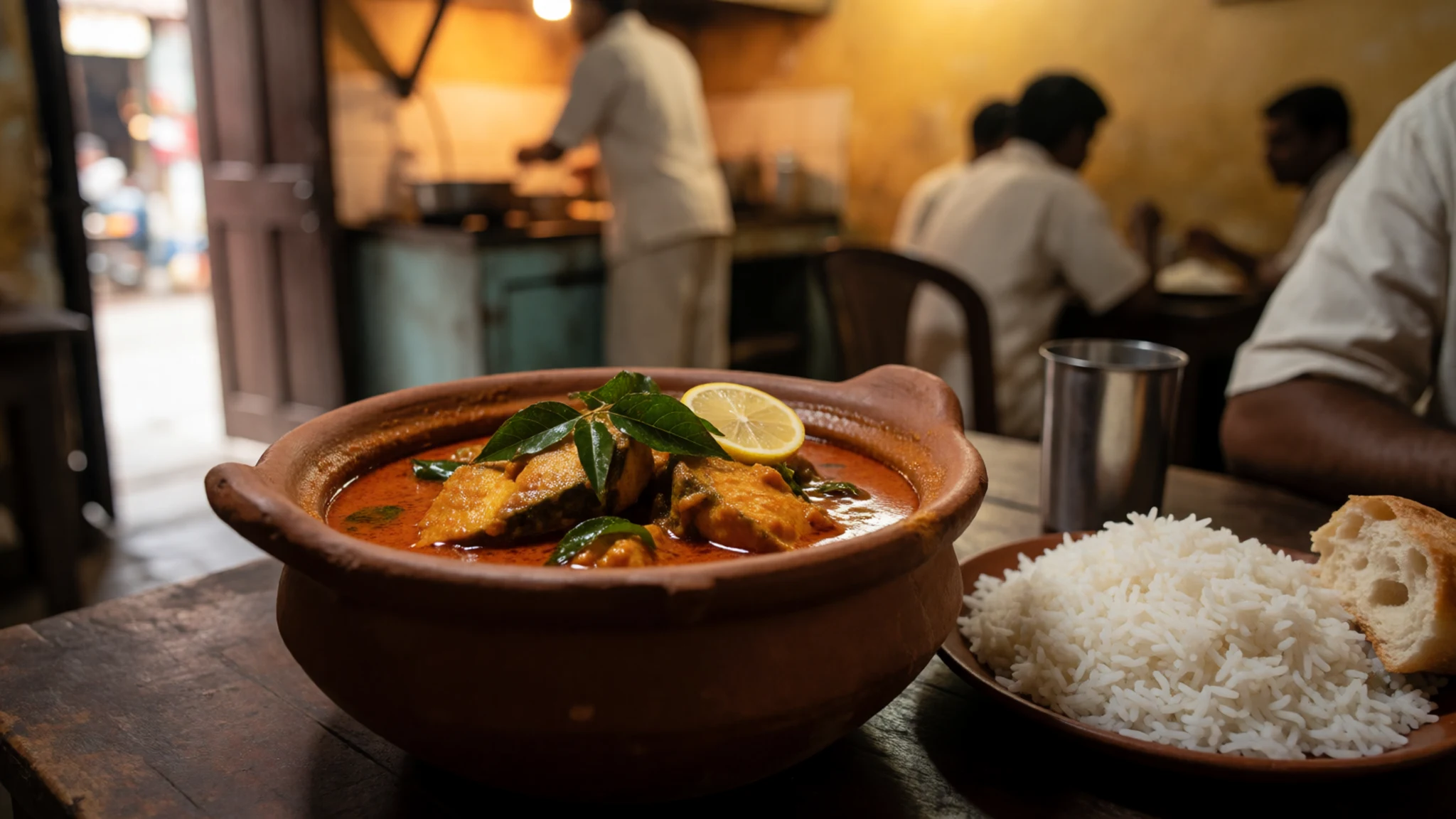
- Biryani — Non-vegetarian restaurants along the main roads
Biryani is widely served across the town, usually with chicken, mutton or fish and a spiced rice cooked with saffron and herbs. Local versions are often mild, with a generous portion. It makes a satisfying lunch after a morning walk.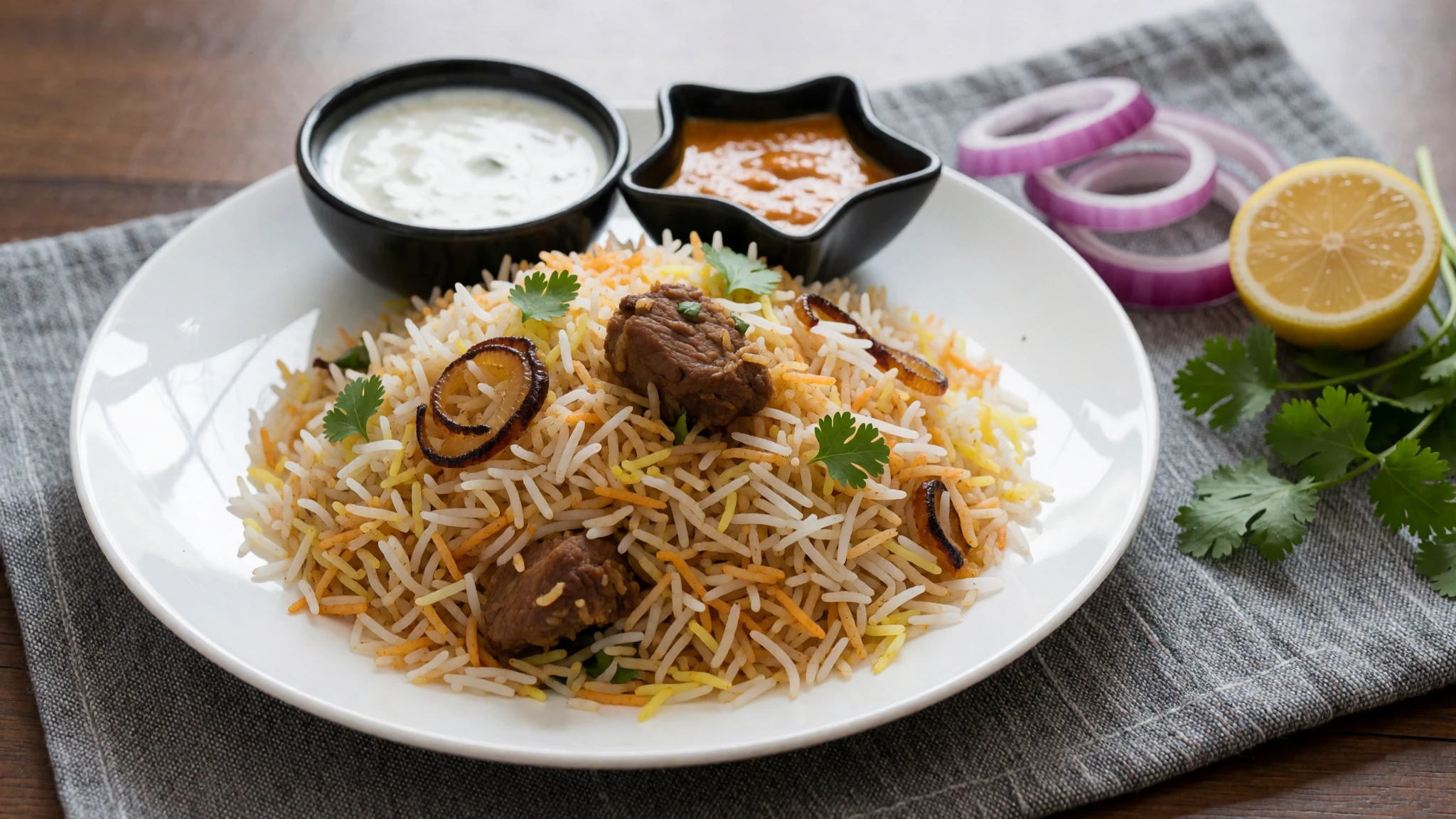
- Vegetarian meals and maggi — Vegetarian cafes and eateries in the town centre
Many eateries serve full vegetarian thalis, with rice, dal, vegetables and pickle. Instant noodles, known locally as maggi, are a popular snack, especially in cafes that cater to students and families. Both are easy options for a quick, inexpensive meal. - Nilgiri tea — Tea shops in town and estate outlets on the hill roads
The Nilgiris are famous for their tea, grown on estates across the hills. Strong black tea is served in small glasses at roadside stalls, and estate-grown leaves are sold in shops. Visiting a tea estate or factory gives a clear picture of the local economy.
Plan it
Best time. January to March suit most visitors, with the driest weather, clearer skies and cool nights. The south-west monsoon brings heavy rain from June to September, October is the wettest month of the year, and December is comparatively dry, while the mornings can be misty and damp.
How long. 2–3
Getting there. Ooty has no airport, so fly into Coimbatore and take a taxi or bus up the winding hill road, which takes a few hours. The Nilgiri Mountain Railway runs from Mettupalayam up to Ooty, so the train can take you all the way up the hill.
Budget. low
Tips
- Book accommodation early for weekends, holidays and the summer season
- Start walks and viewpoints early, because cloud often covers the hills by midday
- Carry cash for small eateries and stalls, and use cards only at larger hotels
- Pack a warm layer and a waterproof jacket, even in the warmer months
- Keep a water bottle with you, and avoid tap water unless it has been boiled or filtered
Etiquette
- Remove your shoes before entering any temple or shrine
- Ask before photographing villagers, ceremonies or people at work on the estates
- Keep your voice low and dress modestly at religious sites
Nearby
Sources
- Wikidata Q9888 (CC0)
- Wikipedia: Ooty (CC BY-SA 4.0)
- Wikivoyage: Ooty (CC BY-SA 4.0)
- Ooty aerial view (CC BY 3.0)
- A view of the Ooty lake (CC BY 3.0)
- Pykara Falls (CC BY-SA 2.0)
- Government Botanical Garden Ooty (CC BY-SA 4.0)
- Ootacamund map 1903 (Public domain)
- Beautiful view of Ooty (CC BY-SA 4.0)
- Tiger drinking water, Mudumalai (CC BY-SA 4.0)
- Rows of tea bushes below Monarch, Ooty (CC BY-SA 4.0)


