Old Town of Lviv
Old Town of Lviv, Ukraine
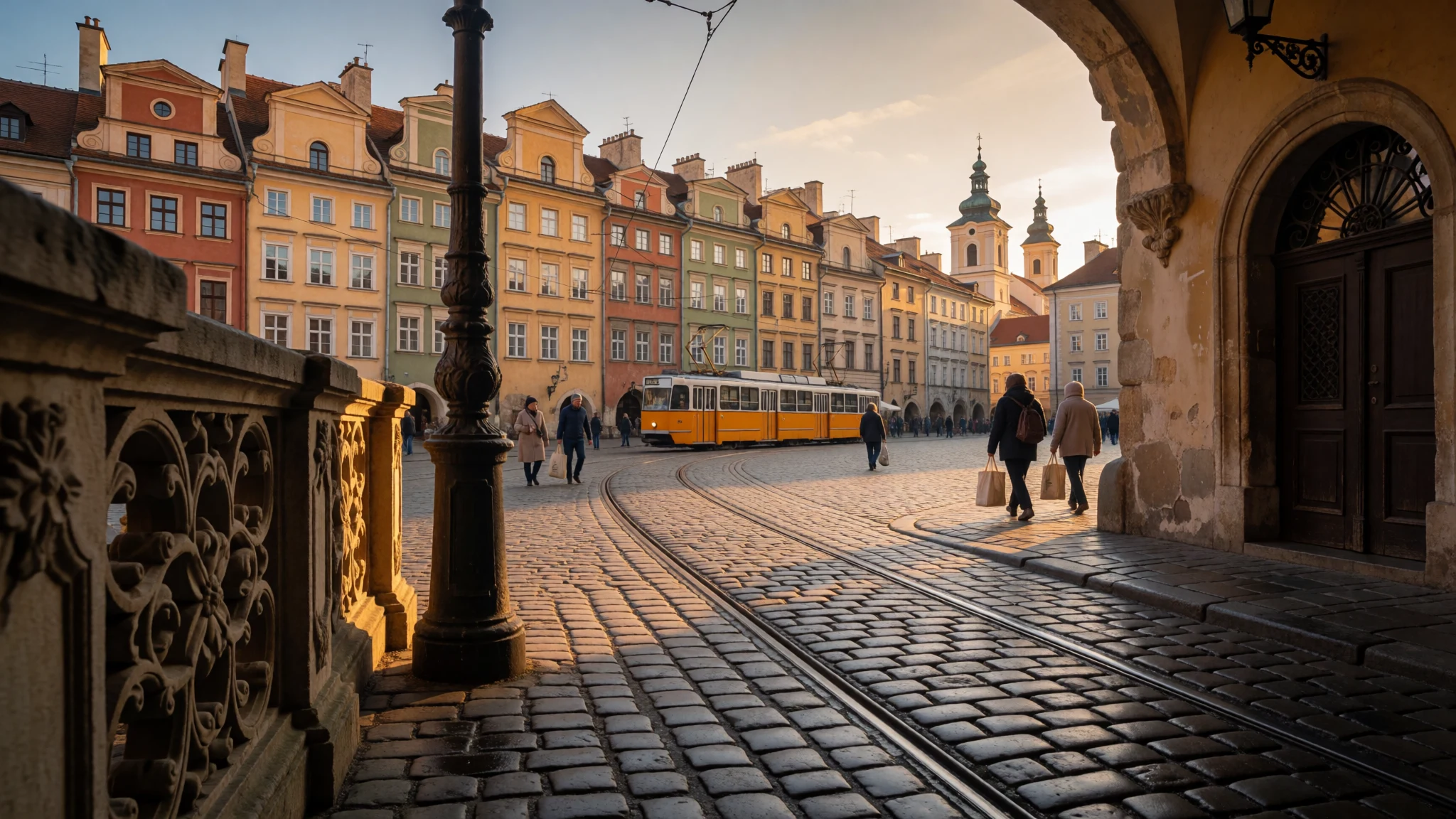
Old Town of Lviv is a compact historic centre where architecture, courtyards and churches tell layered stories you can walk through in a day.
The place
Old Town of Lviv is the historic centre of Lviv, in western Ukraine, and it’s officially recognised as a State Historic-Architectural Reserve since 1975. The vibe is distinctly “city-centre alive”: not a theme park of replicas, but a working neighbourhood where cafés, churches and apartment blocks sit shoulder-to-shoulder.
The streets feel braided rather than straight. Look up and the architecture does most of the talking—gothic silhouettes, baroque details, and the kind of stonework that makes even an ordinary side street feel composed. Many sights cluster around small courtyards and church complexes, so the day naturally becomes a sequence of short walks and sudden reveals: a façade behind an archway, an interior courtyard tucked between older buildings, or a church space that feels quiet even when the street outside is busy.
Crowds are usually manageable if visits start early. Lviv does get popular with European weekend visitors, and in peak seasons the main squares can tighten up—especially around the most photographed buildings. The good news is that Old Town is walkable and full of alternate routes; when one lane is crowded, the next turns the experience back into something slower.
Seasonally, spring and autumn tend to be the easiest for long strolls. Winter can be crisp and slippy on cobbles, while warmer months bring more people into the open-air squares and terraces—so plan for busier pockets and a bit more pacing. The best “strategy” is simple: pick a few anchors, then let the streets between them do the exploring.
Its story
Old Town of Lviv carries a multicultural past that still shows up in everyday details, even if history has been rewritten more than once. The centre formed around the medieval city of Lviv, founded in 1256, and over centuries it shifted under different powers, from Polish influence to periods of other rule. That back-and-forth matters because buildings survive differently than communities do.
In practice, the result is a place where you can stand outside a church complex and feel multiple traditions braided into the urban fabric. Catholic churches, older city institutions, and monuments tied to different communities create a patchwork of styles. Some traces are visible on façades and in the way buildings group around courtyards; others are more subtle—like the feeling that different languages, liturgies and cultural habits once lived on the same streets.
War and post-war upheaval changed the population dramatically, and many personal stories ended abruptly. What remained has been repurposed, restored, or kept alive through institutions that continue to anchor the centre today. That’s why Old Town doesn’t feel like a single “era.” It feels like a layered city: one layer peeks through another.
A walk through Old Town is also a walk through the present. On any given afternoon, it’s common to see visitors photographing, residents chatting in cafés, and guided groups moving between landmarks. It’s a reminder that history here is not just something you read on plaques—it’s something you pass through, negotiate with crowds, and absorb by lingering.
What to see
- Jesuit Roman-Catholic Church (incl. underground space) — Old Town centre
Jesuit Roman-Catholic Church is a strong anchor in Old Town, and it’s worth seeking out the underground space beneath the church. There’s an entrance from the back side, and a guided visit can help connect the architecture to local history. Go earlier to avoid long queues.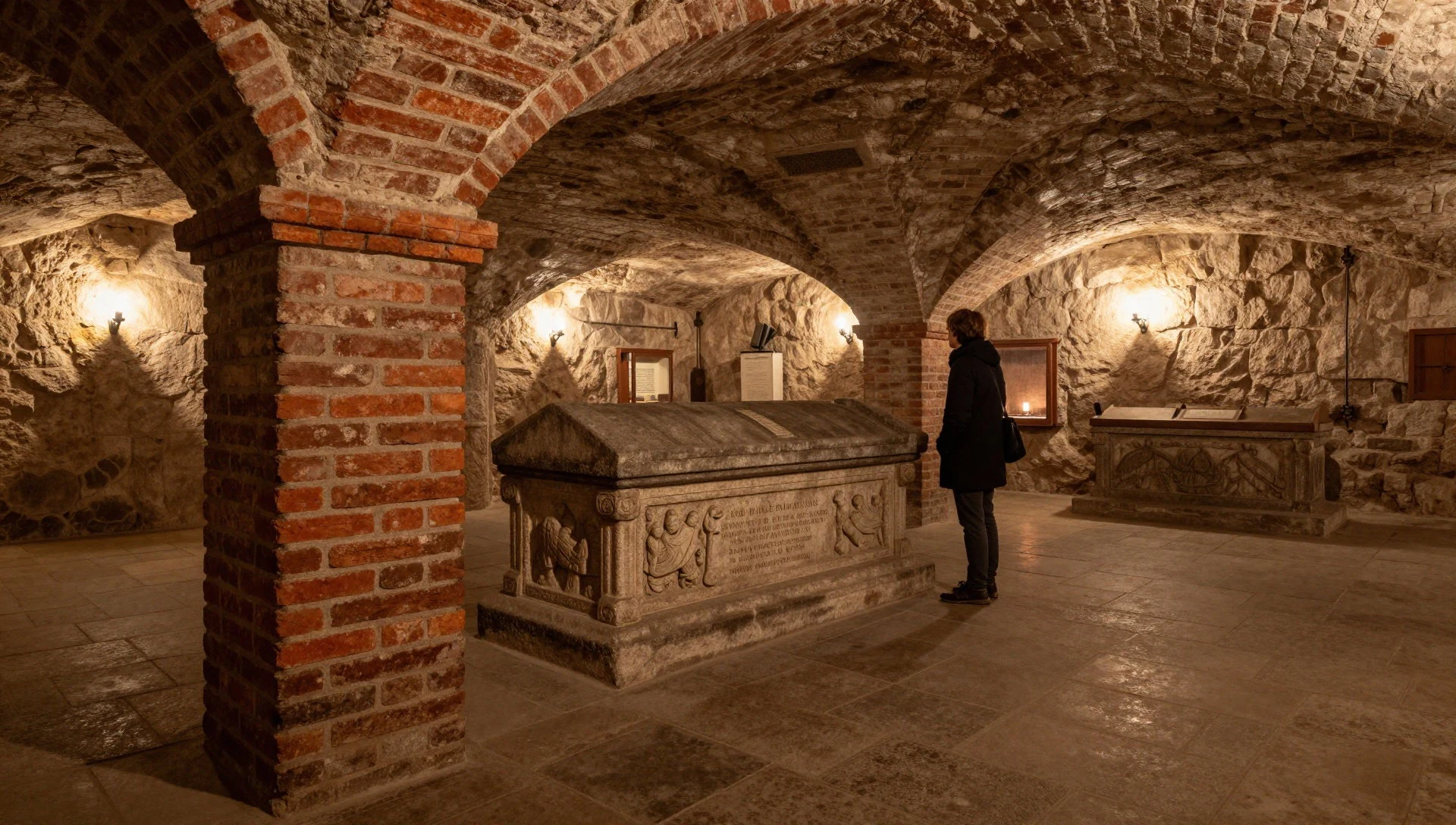
- Armenian Cathedral — central courtyards
The Armenian Cathedral sits within an architectural complex that organises nearby buildings around three small enclosed courtyards. The exterior holds its own, but the real payoff is the interior, which feels detailed and carefully kept. It’s a calmer stop when you time it between busier square viewpoints.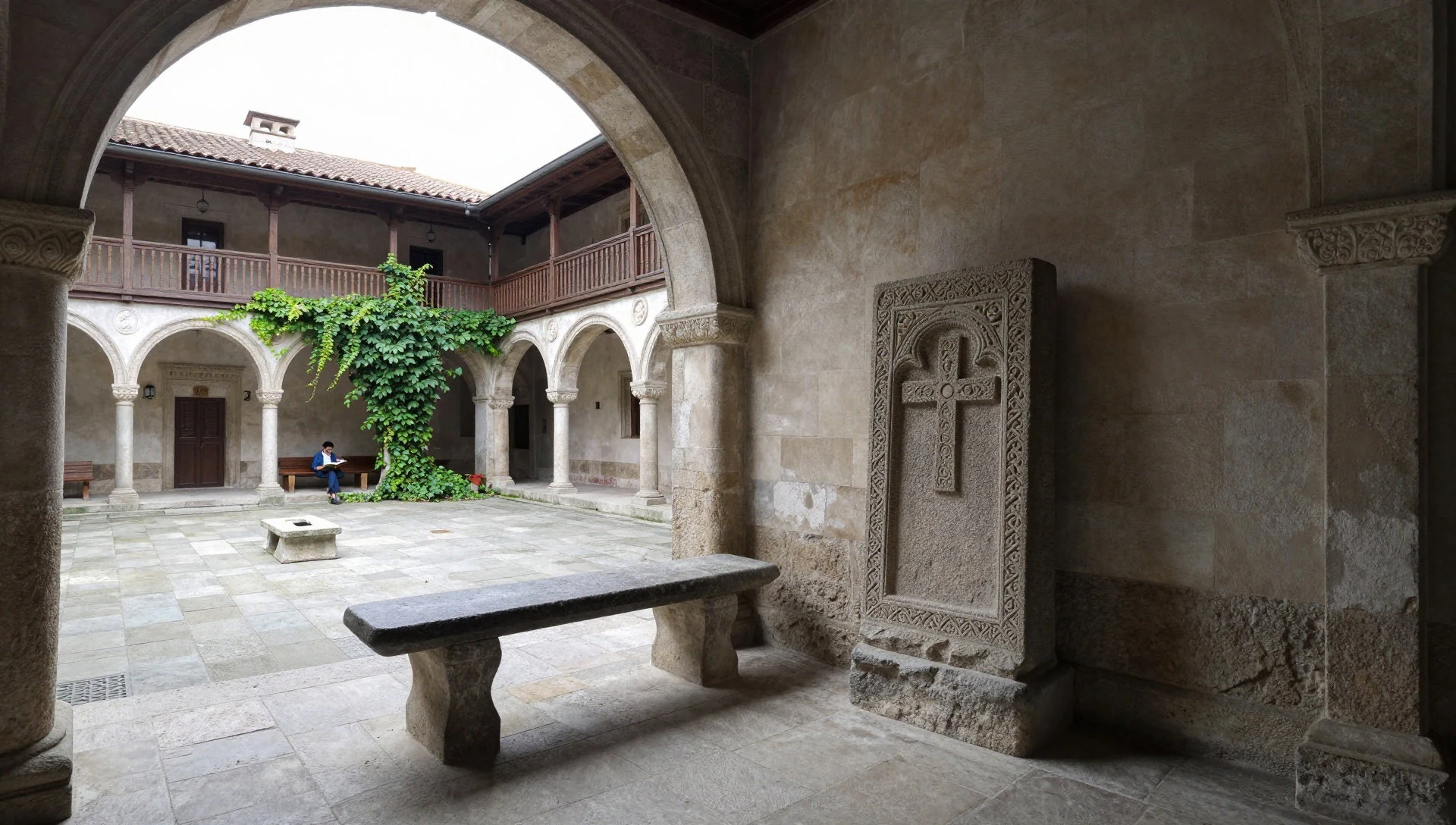
- Assumption Church (Dormition/Uspenska complex) — church-quarter area
Assumption Church is visually commanding in Old Town. The surrounding history connects the site to printing and education traditions tied to the Dormition brotherhood. Inside, expect a strong sense of place and religious symbolism—plan for a slower visit if the day is hectic outside.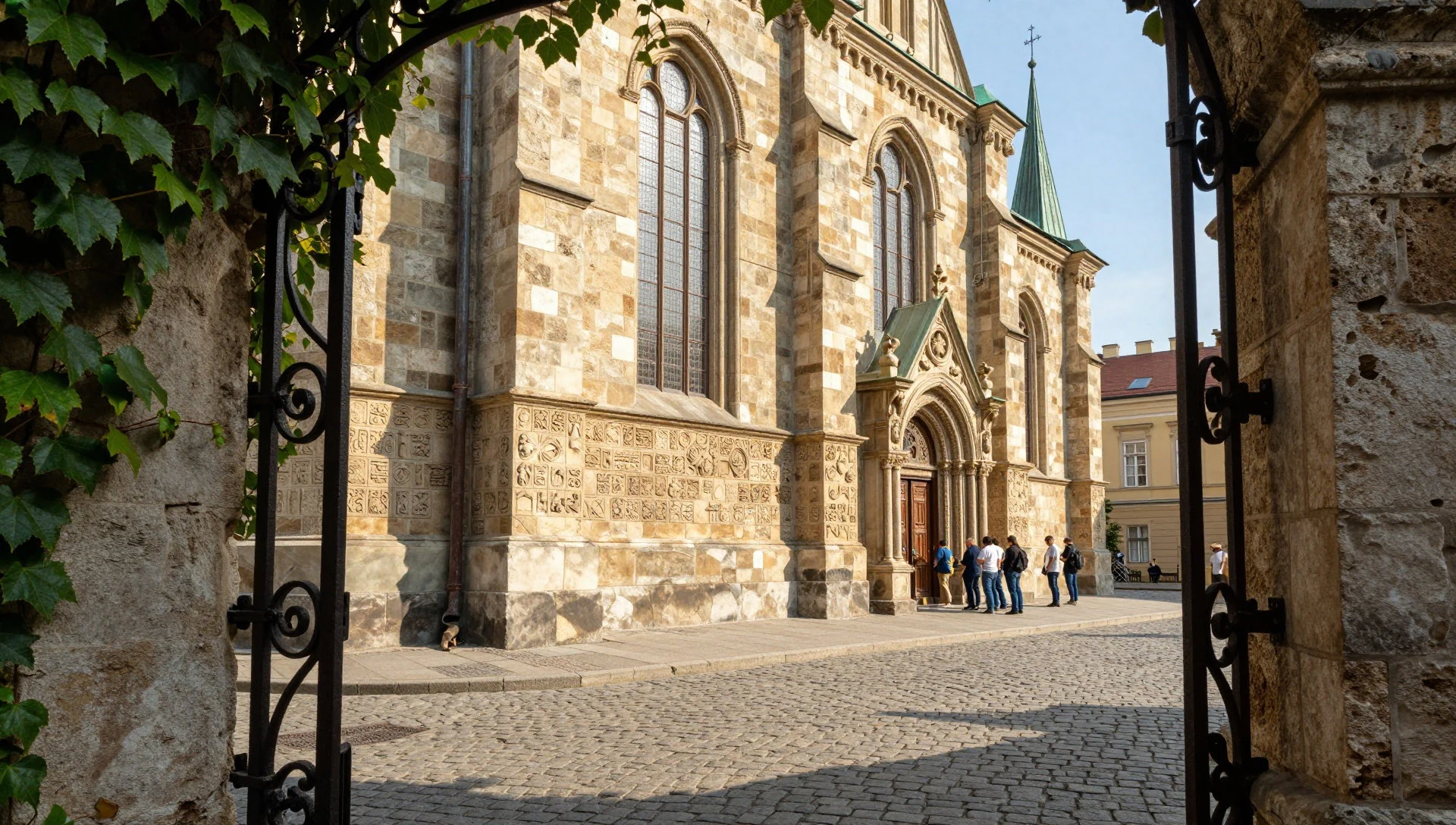
- Cathedral (Latin) — Old Town centre
The Cathedral (Latin) has the feel of a long project: it was founded in the 1360s and built over an extended period up to 1481. Gothic styling dominates, and the result reads like a timeline in stone. Pair it with nearby church stops for an efficient walking loop.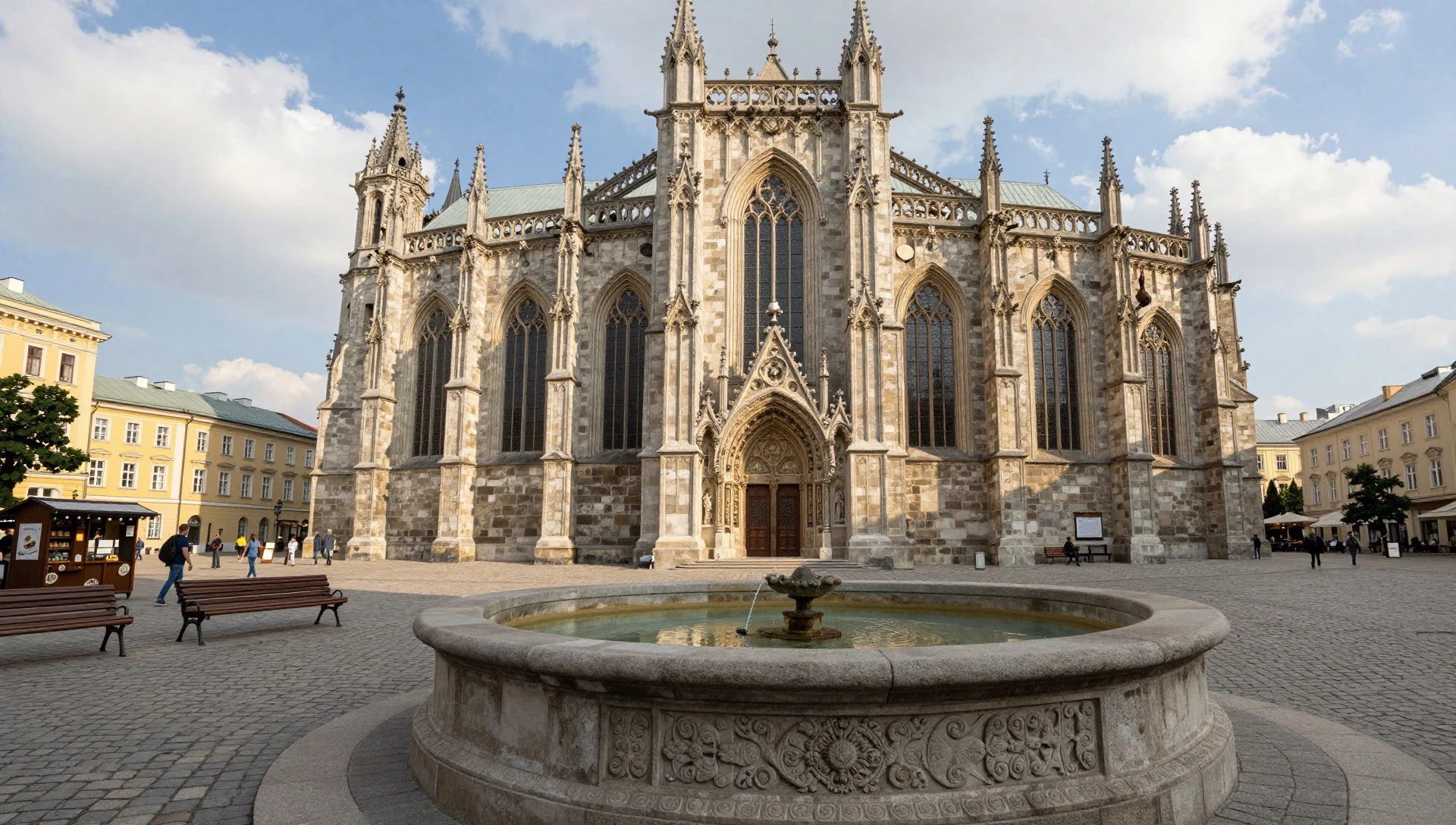
- Church of the Transfiguration of the Lord (library and assembly spaces) — southern Old Town streets
Church of the Transfiguration of the Lord stands where earlier monastic structures were present, and the current interior includes a library and an assembly hall. It’s the sort of stop that rewards quiet attention rather than rushing. Keep it as an “indoor breather” during a busy day.
Culture
Old Town of Lviv is a place where faith, daily life and tourism overlap—sometimes smoothly, sometimes not. Churches and courtyards can be active even when streets look calm, so it helps to treat religious spaces with an “arrive, pause, respect” rhythm. Keep voices down near entrances and avoid blocking doorways where people come and go.
Photographs are part of the experience here, but people are not props. If you’re taking pictures of individuals, wait for a natural moment; if someone is attending a service or event, step aside. When you’re inside, follow any instructions from staff or guides about where to stand and when to move. In Old Town, cobbles and uneven steps are common—rushing can turn a respectful moment into a clumsy one.
For daytime visiting, a light plan beats a tight checklist: pick a few buildings, then leave room for detours, warm drinks, and slower courtyard walks. In peak periods, the central viewpoints get busy, so expect short bottlenecks and be ready to step aside politely to let others pass.
Visitor etiquette: keep voices low in church spaces and don’t photograph people up close without giving them space to opt out.
What to wear
Old Town of Lviv sits on cobbles and uneven steps, so shoes matter more than fashion trends. Traditional dress in the region is often rooted in embroidered shirts, woven fabrics, and layered looks—especially when communities dress up for festivals or weddings. You’ll sometimes see folk-style outfits during events, and textiles with prominent embroidery are a key visual cue.
What people wear day-to-day now ranges from casual city clothing to smart-casual layers, but Old Town evenings often call for something warmer than you’d expect if you’re used to milder climates. Spring can be changeable, and autumn can feel sharper; winters are colder, with slippy surfaces.
For a visitor, practical choices win: comfortable walking shoes with grip, long trousers or skirts for easier movement, and a light-to-warm layer you can adjust as church interiors and street temperatures vary. If you’re entering religious buildings, dress modestly—covered shoulders and clothing that doesn’t feel too revealing is the safe approach. Also, bring something that works on stone steps: sandals and thin soles can make a “quick church stop” feel exhausting.
What to eat
- Ukrainian-style smörgåsbord — Puzata Hata (fast-food chain)
For a straightforward way to taste Ukrainian staples, try a cafeteria-style eatery that builds plates from a range of hot and cold options. The point is variety—pick a mix, eat slowly, and expect filling comfort food rather than something light.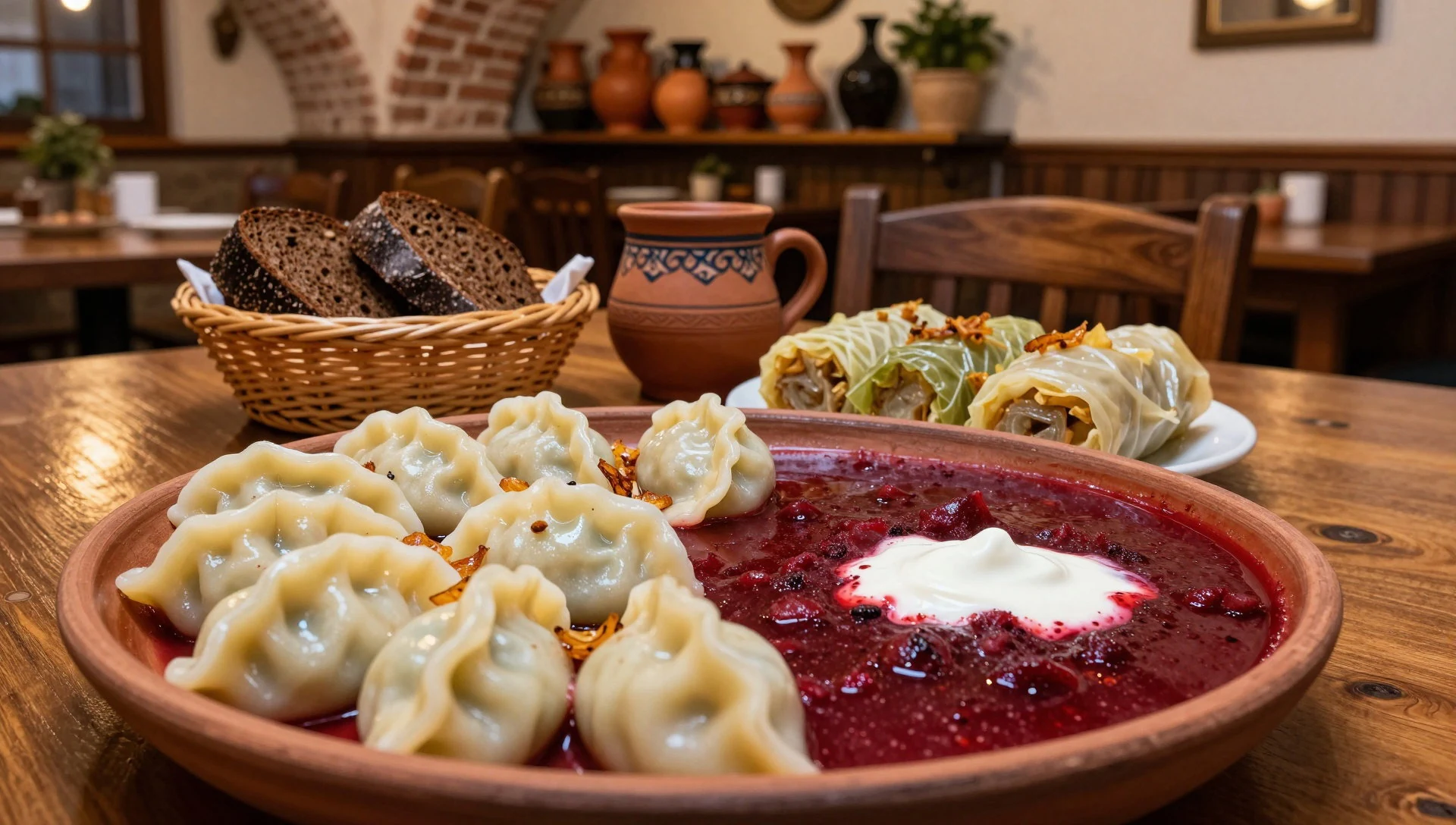
- Potato-focused fast food — Potato House (fast food restaurant chain)
Lviv loves potatoes, and you’ll find quick, budget-friendly options built around them—ideal when the Old Town crowds make longer meals feel unrealistic. Look for places serving potato-based dishes as a core theme and go for a meal you can eat on the move.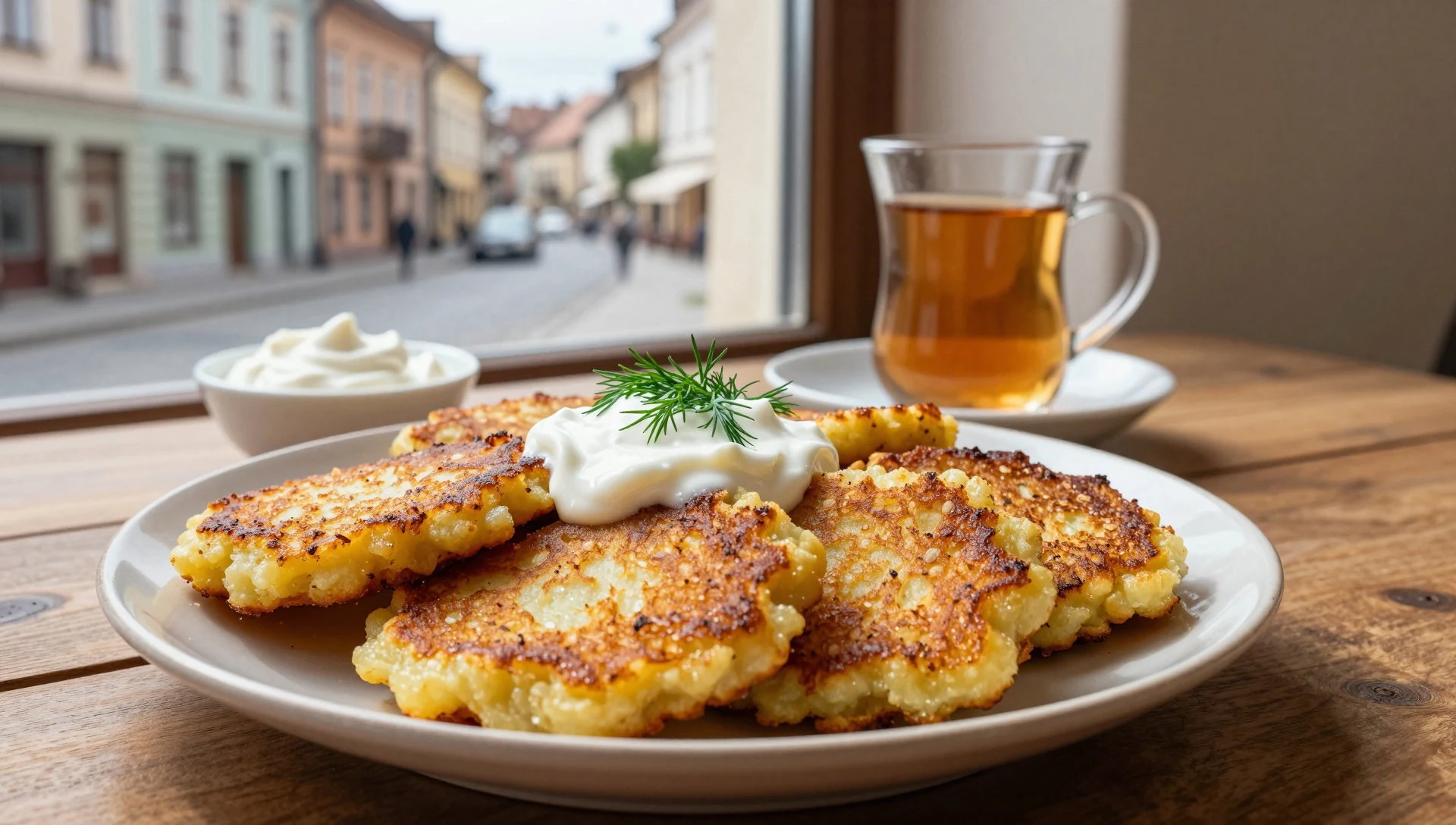
- Bistro-style Ukrainian plates — Bistro (central eateries)
If there’s time for a sit-down break, choose a bistro format where you can order a full meal without overthinking. It’s a good option for recharging between churches and squares, especially when the weather turns or the day gets busy. - Greek casual diner comfort food — Acropolis Tavern (Greek casual diner)
Lviv also has Greek-leaning casual spots where the menu feels approachable and filling. These are the kind of places where conversation and atmosphere are part of the meal, so it’s a nice contrast to the quiet, reverent church visits. - Market-style Ukrainian ingredients — Idalnia #1 Gurman (Ukrainian product cooking)
Some eateries emphasise cooking from Ukrainian products, which can make the food feel more locally rooted. It’s a solid choice if you want a straightforward meal that tastes like it belongs to the region rather than a standard international menu.
Plan it
Best time. March–April and October–November for comfortable walking temperatures; the spring months help for long daytime strolls, while autumn is great before the busiest crowds and chill sets in.
How long. 2–3
Getting there. By plane, civil aviation into Ukraine is affected by the Russia-Ukraine war; the closest operating airports are in Poland, then take a train or bus to Lviv for the border crossing. By train, buy international tickets online ahead of time and consider overnight trains for longer routes. By road from Poland, follow the E40 towards the city centre; expect border formalities and possible truck queues.
Budget. mid
Tips
- Start with one big cluster of sights (churches around the centre) to reduce backtracking on cobbles
- Build in an early-morning slot for the most photographed spots to avoid tightening crowds
- Check how you’ll get across the border and allow extra time—formalities can take at least one hour
- Plan your meals between indoor visits; church stops can be a good “pause” when streets get crowded
- Keep a light layer for indoor air and outdoor temperature shifts, especially in shoulder seasons
Etiquette
- In churches, keep voices low and follow any guidance from staff or guides
- Avoid blocking entrances or stepping into photo lines—move aside if someone is trying to pass through
- Ask before photographing people up close in busy church areas
Nearby
Sources
- Wikidata Q2592613 (CC0)
- Wikipedia (rev 1381729493) — Old Town (Lviv) (CC BY-SA 4.0)
- Wikivoyage (rev 5409945) — Lviv (CC BY-SA 4.0)
- Photo photos/01-cables-lviv.jpg (CC BY 2.5)
- Photo photos/02-lw-w-widok-z-wie-y-ratuszowej-01.jpg (CC BY-SA 2.5)
- Photo photos/03-lw-w-cerkiew-uspie-ska.jpg (CC BY 3.0)
- Photo photos/04-.jpg (CC BY 3.0)
- Photo photos/05-panoramic-view-of-lviv-center.jpg (CC BY 2.5)
- Photo photos/06-.jpg (CC BY-SA 4.0)
- Photo photos/07-wlm-2020-01.jpg (CC BY-SA 4.0)
- Photo photos/08-2019-08-25-1442-04.jpg (CC BY-SA 4.0)


