Ojców National Park
Ojców National Park, Poland
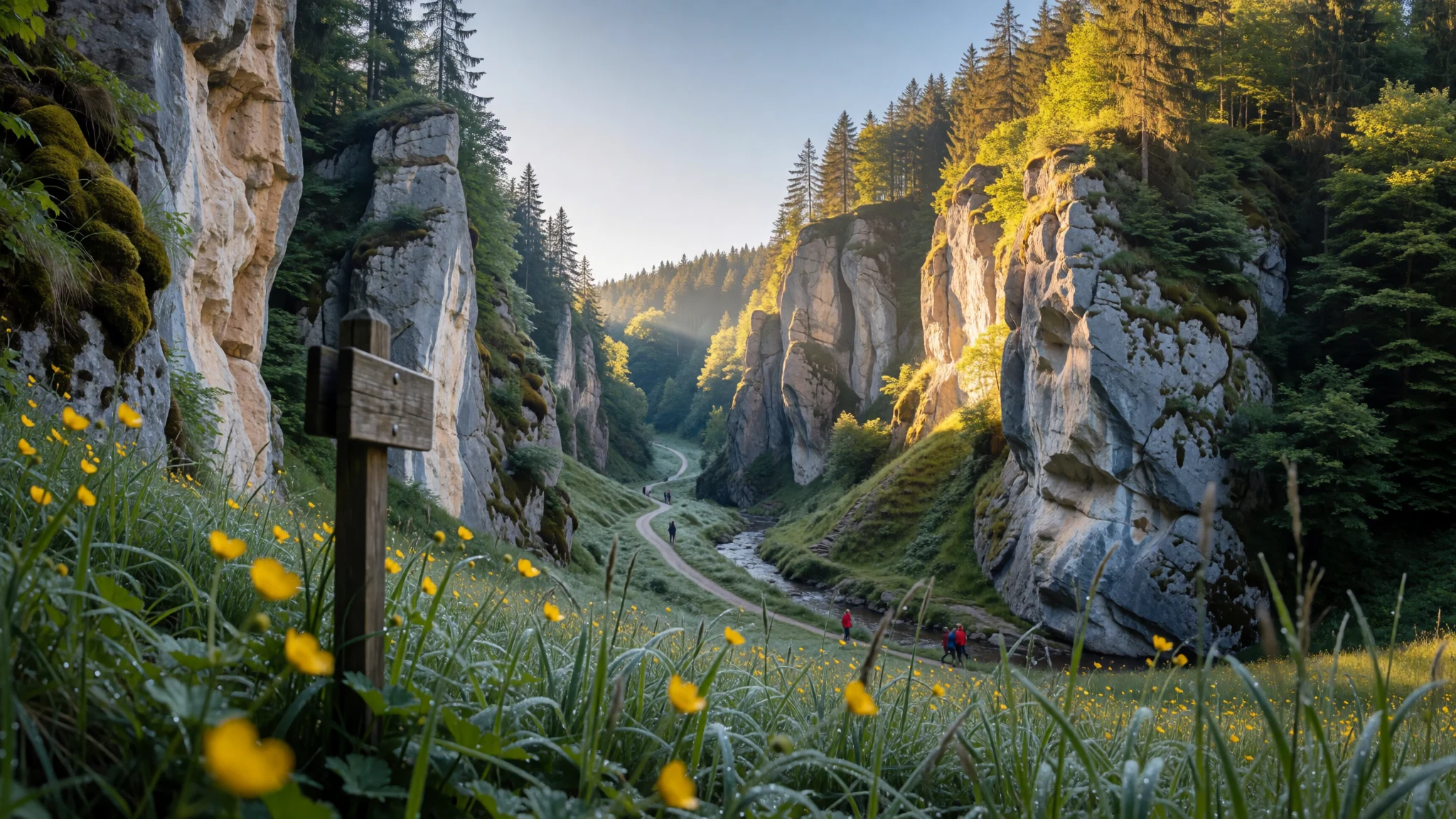
Ojców National Park is a compact karst landscape of cliffs, caves and rock formations—easy to explore, big on atmosphere.
The place
Ojców National Park (Ojcowski Park Narodowy) sits just north of Kraków in southern Poland, in a small Jurassic upland that feels geological rather than “big countryside”. The whole place is shaped by karst: soluble limestone has been carved into narrow valleys, limestone cliffs and ravines, with hundreds of caves and overgrown rock faces that look sculpted.
The Prądnik and Saspówka valleys are the backbone of the park. Follow the water down, and the landscape keeps changing—from forested slopes to exposed limestone. A walk here is rarely “one kind of scenery”; it’s a sequence: viewpoint, cliffside, shaded hollow, then a sudden rock feature that looks like it was placed on purpose. That’s where formations like Hercules’ Club come in, plus the smaller, oddly named shapes such as the glove-like Rękawica and the gate-like Kraków Gate.
Ojców is also a history-minded park. There’s a famous cluster of heritage buildings at Pieskowa Skała Castle, and a small hermitage (Blessed Salomea) tucked into the rock above the valley. It’s not only outdoor exploring—there are caves where the geology meets human story, and trails that link these highlights.
Because it’s small, planning is simple, but timing matters. Weekends can bring crowds to the main rock stops and the castle area, and the valley trails can feel warmer and damp in settled weather. The upside: even a short visit can feel full, as long as you build in time for slow walking, not just “checking off” viewpoints.
Its story
Ojców National Park has an underdog feel: it’s Poland’s smallest national park, but it punches well above its size with caves and limestone theatre. The park’s character comes from two forces—rock and people. Limestone has dissolved into a maze of ravines, and for a long time local activity leaned into what that rock could provide: logging and, later, extraction connected to caves.
Protection didn’t arrive instantly. In the 19th century, efforts to keep the landscape intact gathered momentum as land was bought back to prevent further damage. A regional museum in Ojców helped anchor the area’s identity, and the park was then officially established in 1956. If you’re the kind of traveller who likes places with layers, you can feel that shift: from working landscape to protected one.
The geology is the main cast. The park’s caves include Łokietek’s Cave, linked in tradition with Władysław I Łokietek, and the limestone features are dramatic even when you’re just walking past them. Hercules’ Club is the kind of landmark you notice before you “arrive”, because it dominates the route towards the castle area.
There’s also a quieter thread: biodiversity. Ojców supports thousands of species, including many insects and bird species. In winter, caves become important places for bats to hibernate. So the park isn’t only for daytime views; it’s part of a living cycle.
Most visitors come for the rocks and castles, and that’s fair—just don’t rush. The real story is how quickly the view changes when the trail dips into the valley, then rises again to a new perspective on the same limestone world.
What to see
- Pieskowa Skała Castle — castle area near Pieskowa Skała
This castle complex is where the park shifts from pure nature to built heritage. It’s associated with Old Polish culture and European art, and you’ll also find castle history and English interiors. The approach makes the fortress feel like part of the limestone setting.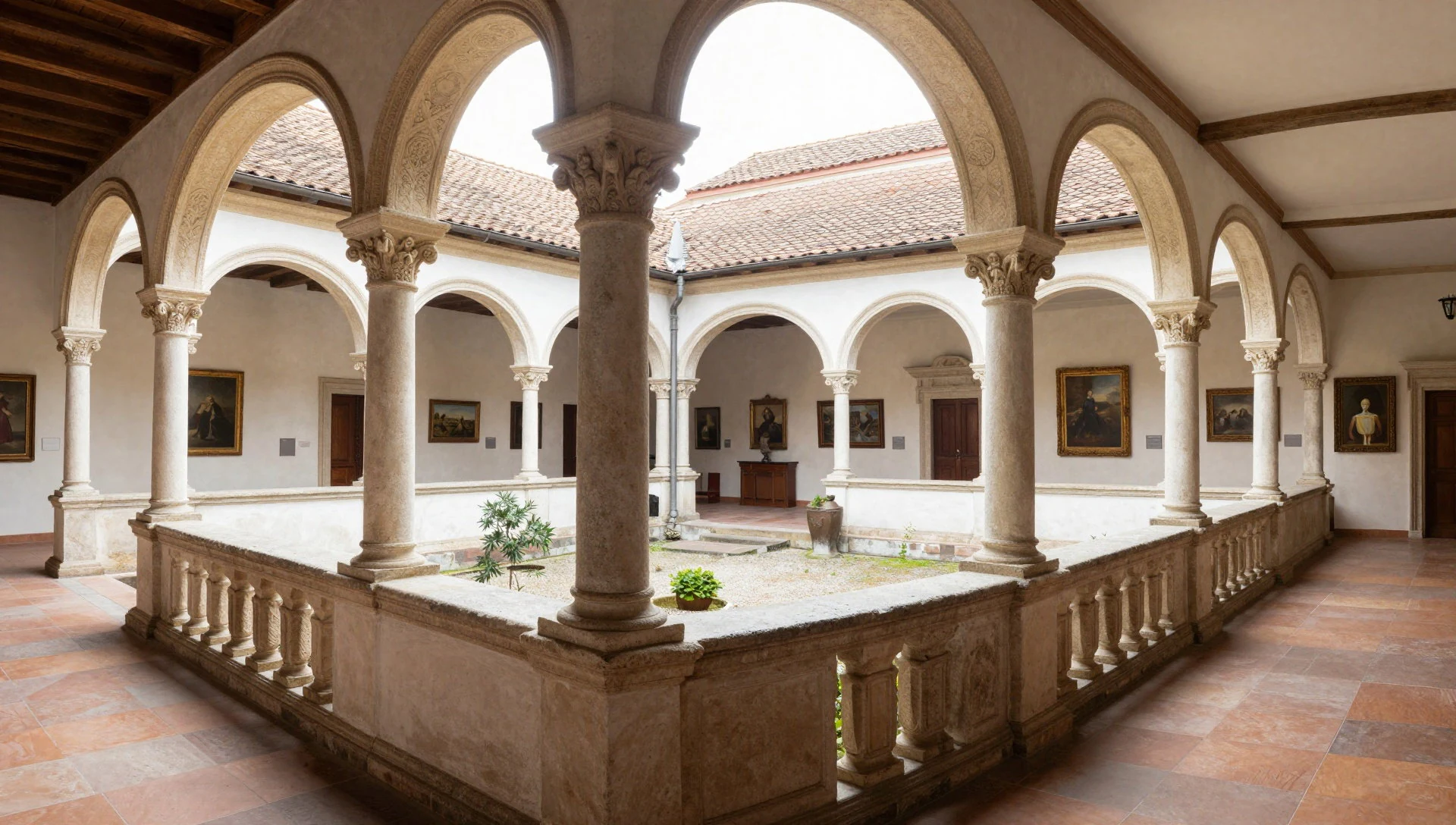
- Maczuga Herkulesa (Hercules’ Club) — on the approach towards the castle
Hercules’ Club is the rock feature you’ll notice first—an unmistakable limestone column that stands out on the way to the castle. It’s a great “orientation” stop: once you’ve seen it, you understand the park’s scale and how the limestone rises from the valleys.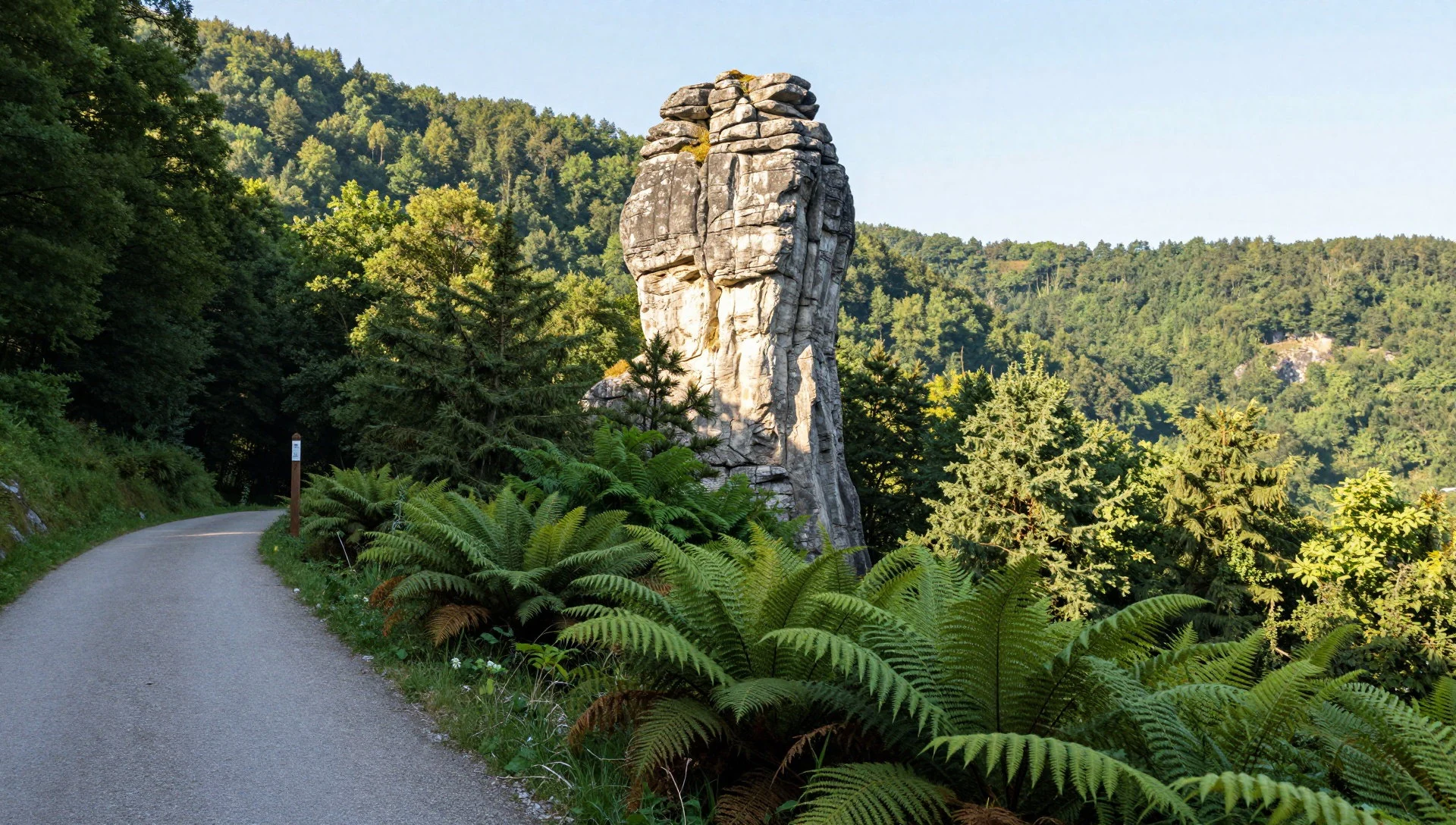
- Łokietek Cave — valley area near the Prądnik
Łokietek’s Cave is a visitor-accessible cave in the park, and it’s one of the most compelling geology stops. Even before you get deep inside, you can sense how karst creates sheltered spaces here—then the cave experience adds that extra layer of atmosphere.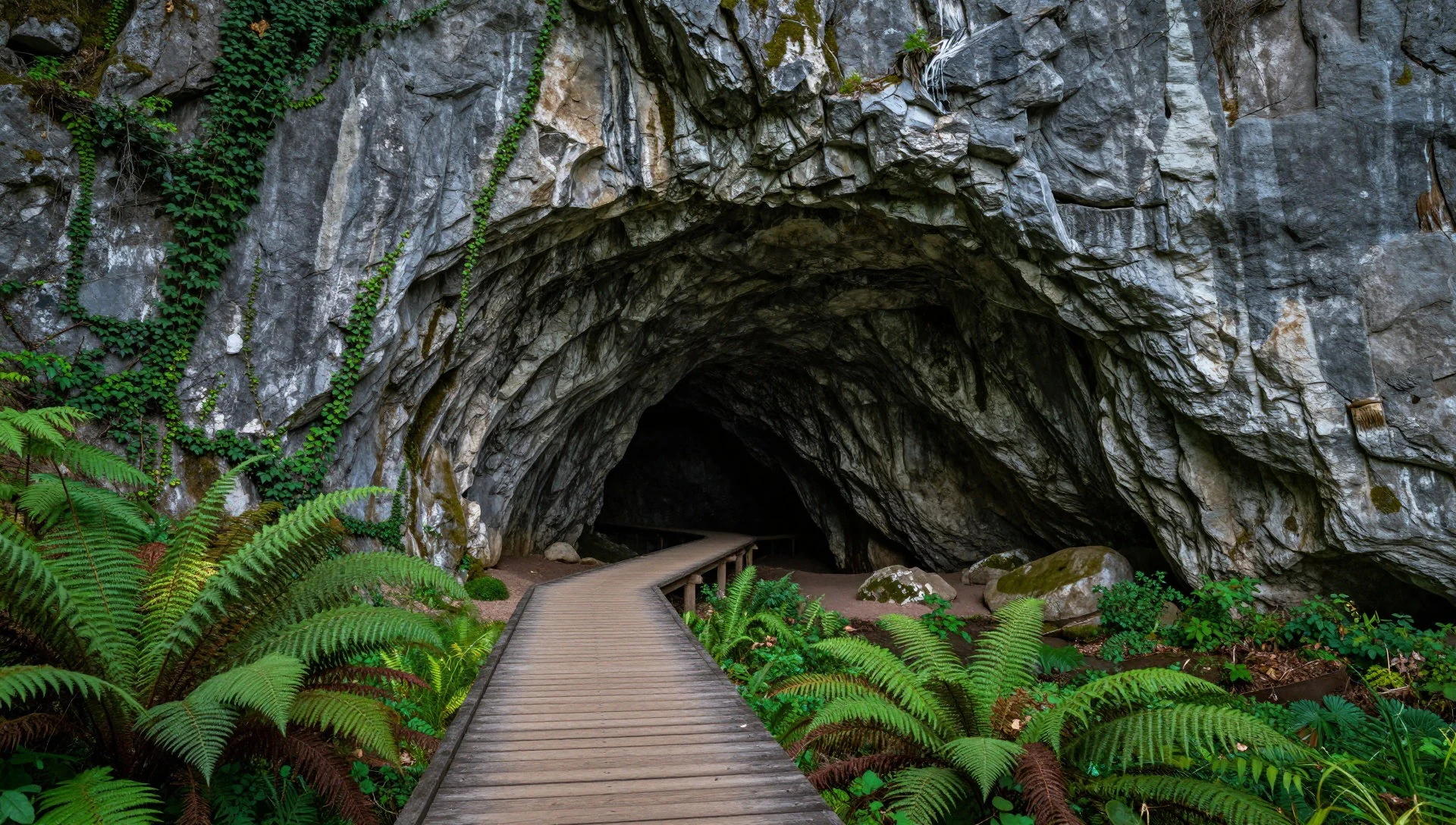
- Hermitage of Blessed Salomea — rock above the valley
This small hermitage sits on top of a rock in Romanesque style and is known for a simple, intimate setup—altar, a connection to Christ, and the story of Salomea. It’s the sort of stop that makes you slow down, because the view and the stonework feel linked.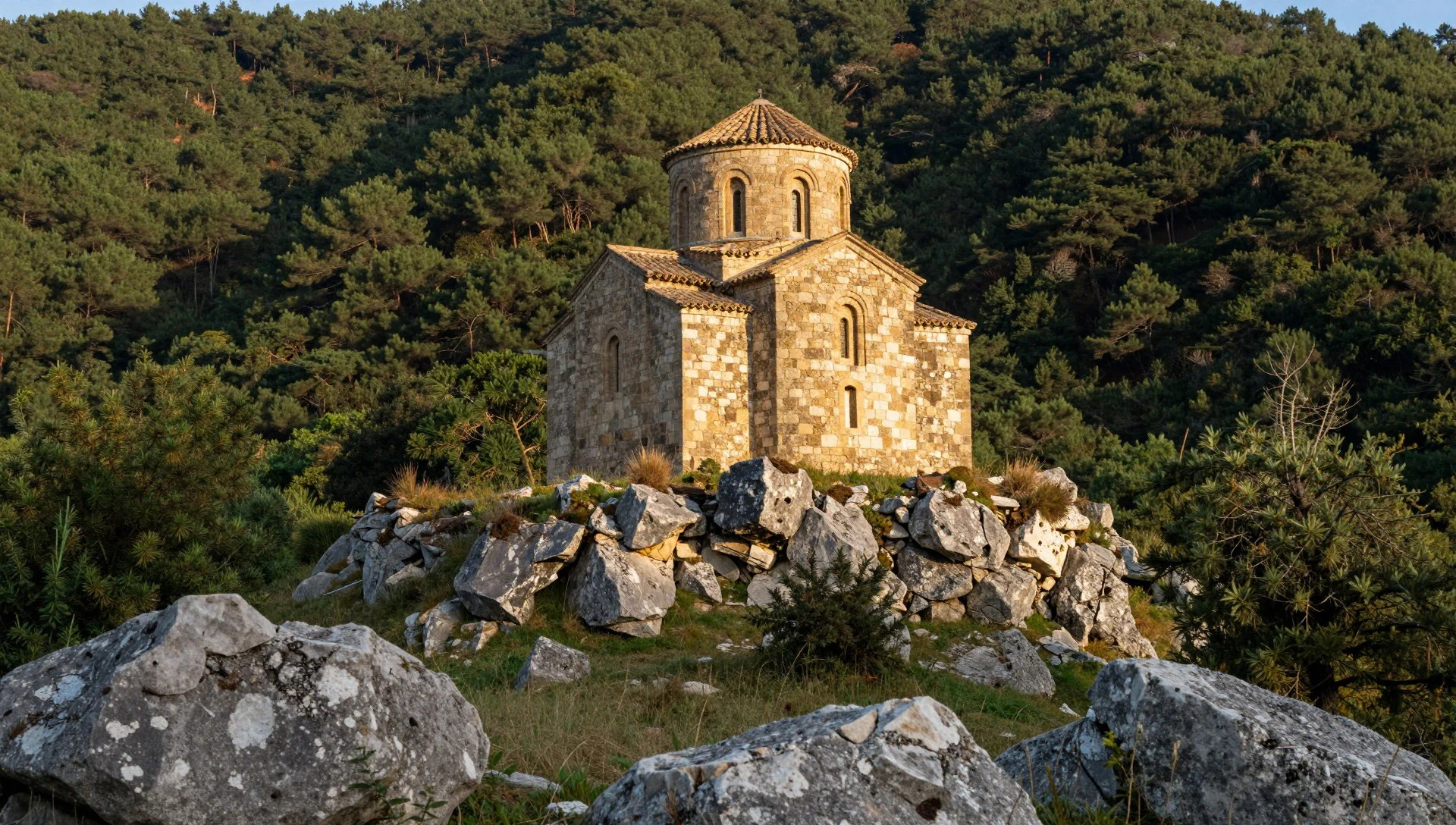
- Kraków Gate — limestone formations along the Prądnik corridor
Kraków Gate is a limestone rock formation shaped like a gate, with the “top arch” missing, which makes it look slightly more natural than a built structure. It’s a good photo stop when the light is angled—especially if you’re walking the main limestone viewpoints along the valley.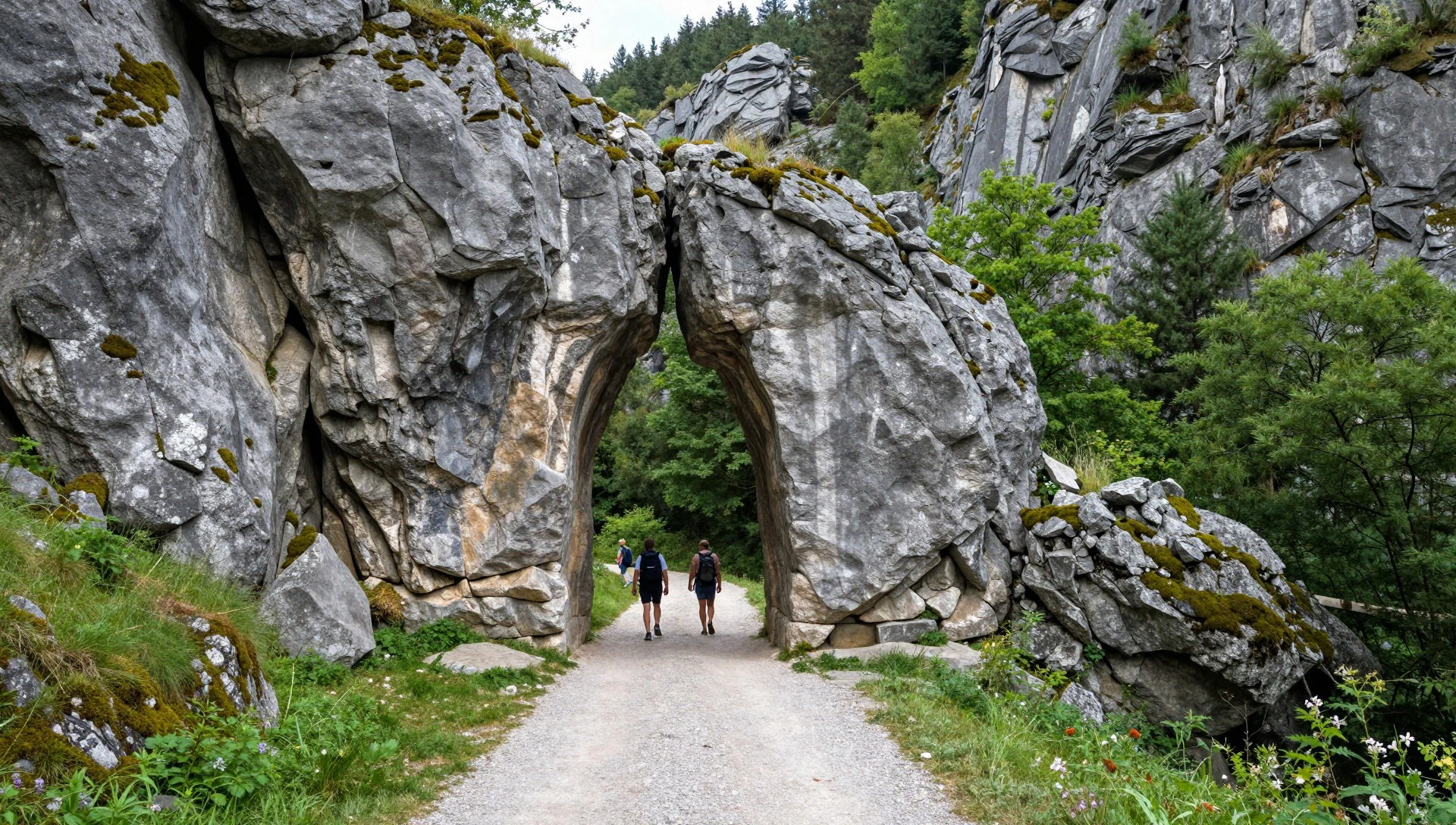
Culture
Ojców National Park isn’t a “museum day out”—it’s a walking landscape with heritage points tucked into it. The park’s identity mixes nature, geology and Polish history, and the easiest way to meet it is to treat the trails as part of the experience rather than just a way to reach sights. If you’re visiting the castle area at Pieskowa Skała, expect you’ll be surrounded by other walkers who also want the same viewpoints.
Inside heritage spaces (like the castle and the hermitage), keep your pace calm. Temperatures can shift quickly between open limestone edges and shaded valley sections, so layering helps—particularly in shoulder seasons when you can get cool mornings and warmer afternoons. Photography is usually fine outdoors, but keep an eye out for signs and for the feel of the place: these are not staged ruins, they’re active sites.
The park also sits in a living ecosystem, and caves and rock faces matter to wildlife. Don’t linger in sensitive spots for long, and keep to marked paths where they exist.
Visitor etiquette: keep voices low and, where you see a step-up or entry boundary, remove shoes and use any provided slippers.
What to wear
Ojców’s clothing works best on “valley walking + occasional heritage entry”. The park is limestone country, so footwear matters. Wear trainers with grippy soles—wet limestone can be slippery, and the terrain can be uneven even on popular routes. In cooler months, bring a warm layer for mornings in the valley; in autumn, the rock colours and vines look great but the air can feel crisp.
Traditional dress here isn’t the main draw, but you’ll see Polish cultural references connected to places like Pieskowa Skała Castle. If you’re visiting in winter or during formal events in Kraków, you may spot regional styles, often built around wool textures, layered garments and boots—more practical for cold weather than for “summer outfits”. A visitor shouldn’t try to replicate traditional dress; aim for comfort.
For religious or chapel-like stops (such as the hermitage), go with modest, neutral clothing—cover shoulders and keep clothing reasonably non-revealing. Light rain protection is useful in Poland’s changeable weather.
What to wear: grippy walking shoes, socks you’re happy to get muddy, a warm mid-layer, and a compact waterproof jacket; dress modestly for hermitage interiors and skip strappy sandals.
What to eat
- Pstrąg Ojcowski (Ojców-style trout) — restaurants and local eateries in and around Ojców
Pstrąg Ojcowski is a traditional trout you’ll find served smoked or grilled, with a strong local identity. Look for it in eateries and seasonal menus in the Ojców area, often as a straightforward, hearty plate after time on the trails.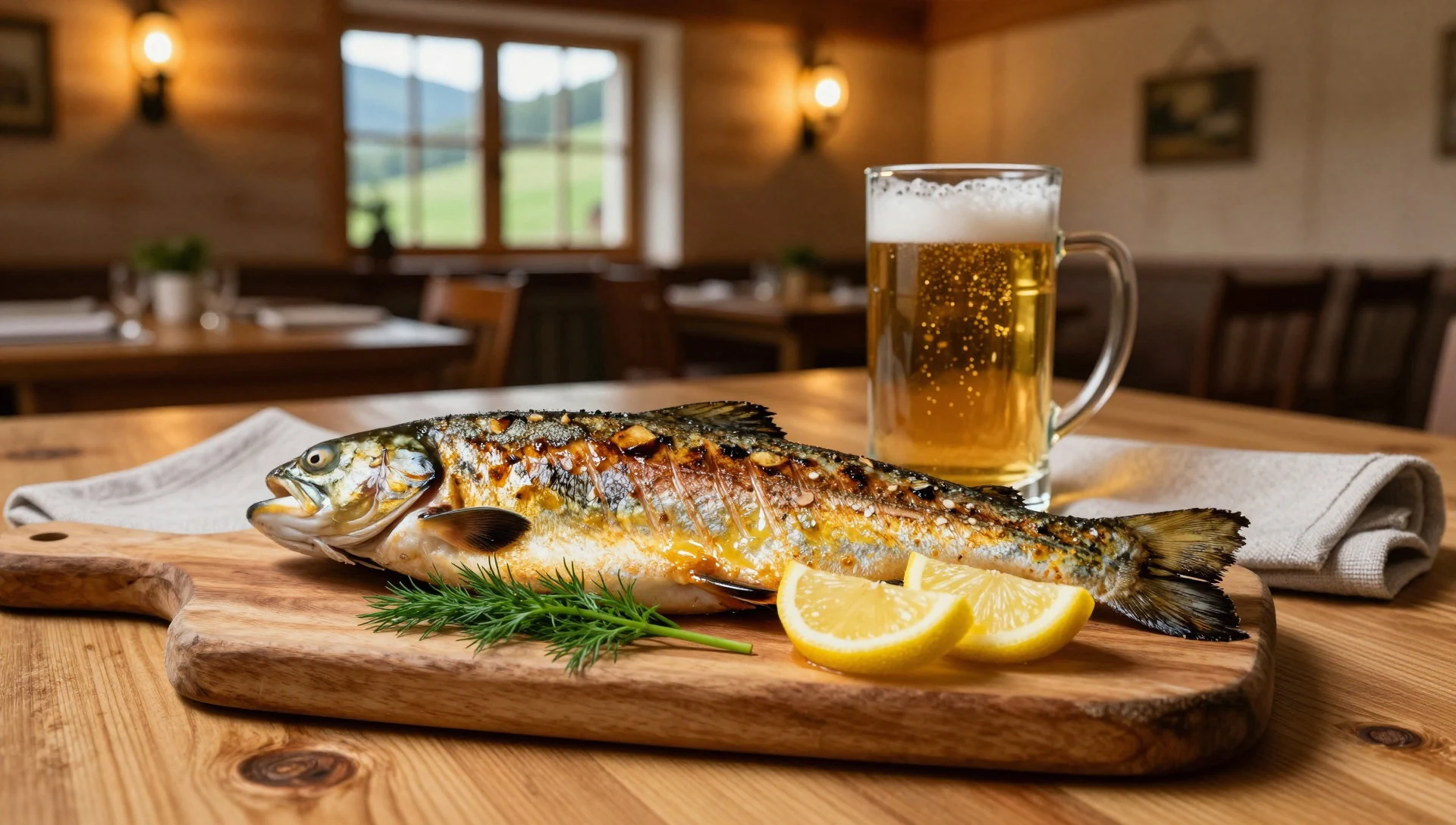
Plan it
Best time. March–April for blossom, late October–November for maple colour; May to July bring the most rain, while July to September are the hottest months, with highs around 36 °C.
How long. 3–4
Getting there. Fly into Kraków (Kraków–John Paul II International Airport), then take local transport towards Kraków County; from Kraków, minibuses run to Ojców, typically starting from the car park and bus station on Worcella street near the station.
Budget. mid
Tips
- Start early from Kraków-side departure points to get ahead of weekend crowds at the main rocks and castle area
- Pack water and a light snack; valleys can feel warm even when the day isn’t hot
- If you’re relying on minibus return services, plan for gaps and know you may need to call to check departures
- If driving, park outside the park and avoid trying to drive into the valley itself
- Bring cash for smaller stops where payments may be less reliable, and keep your phone charged in case reception is patchy
Etiquette
- Follow shoe rules where you see a step-up or a clear entry boundary
- Stay on marked paths around caves and rock features—wet limestone can be slippery
- Be mindful that mobile reception can be poor in the valley, so don’t count on last-minute navigation
Nearby
Sources
- Wikidata Q619007 (CC0)
- Wikipedia (rev 1364140179) (CC BY-SA 4.0)
- Wikivoyage (rev 5283354) (CC BY-SA 4.0)
- Photo photos/01-dolina-pr-dnika-widok-z-okolic-r-mi-o-ci.jpg (CC BY-SA 3.0 pl)
- Photo photos/02-bia-a-r-ka-ojcowski-pn.jpg (CC BY-SA 2.5)
- Photo photos/03-polska-ojcowskipn-008.jpg (CC BY 3.0)
- Photo photos/04-hdr-00191-1.jpg (CC BY-SA 3.0 pl)
- Photo photos/05-eagles-nests-trail-01.jpg (CC BY-SA 4.0)
- Photo photos/06-brama-krakowska-dolina-pr-dnika.jpg (CC BY-SA 3.0 pl)
- Photo photos/07-pieskowa-skala-castle.jpg (CC BY-SA 4.0)
- Photo photos/08-zamek-w-ojcowie-wie-a-bramna-03.jpg (CC BY-SA 4.0)


