Nuestra Señora de Loreto
Nuestra Señora de Loreto, Argentina
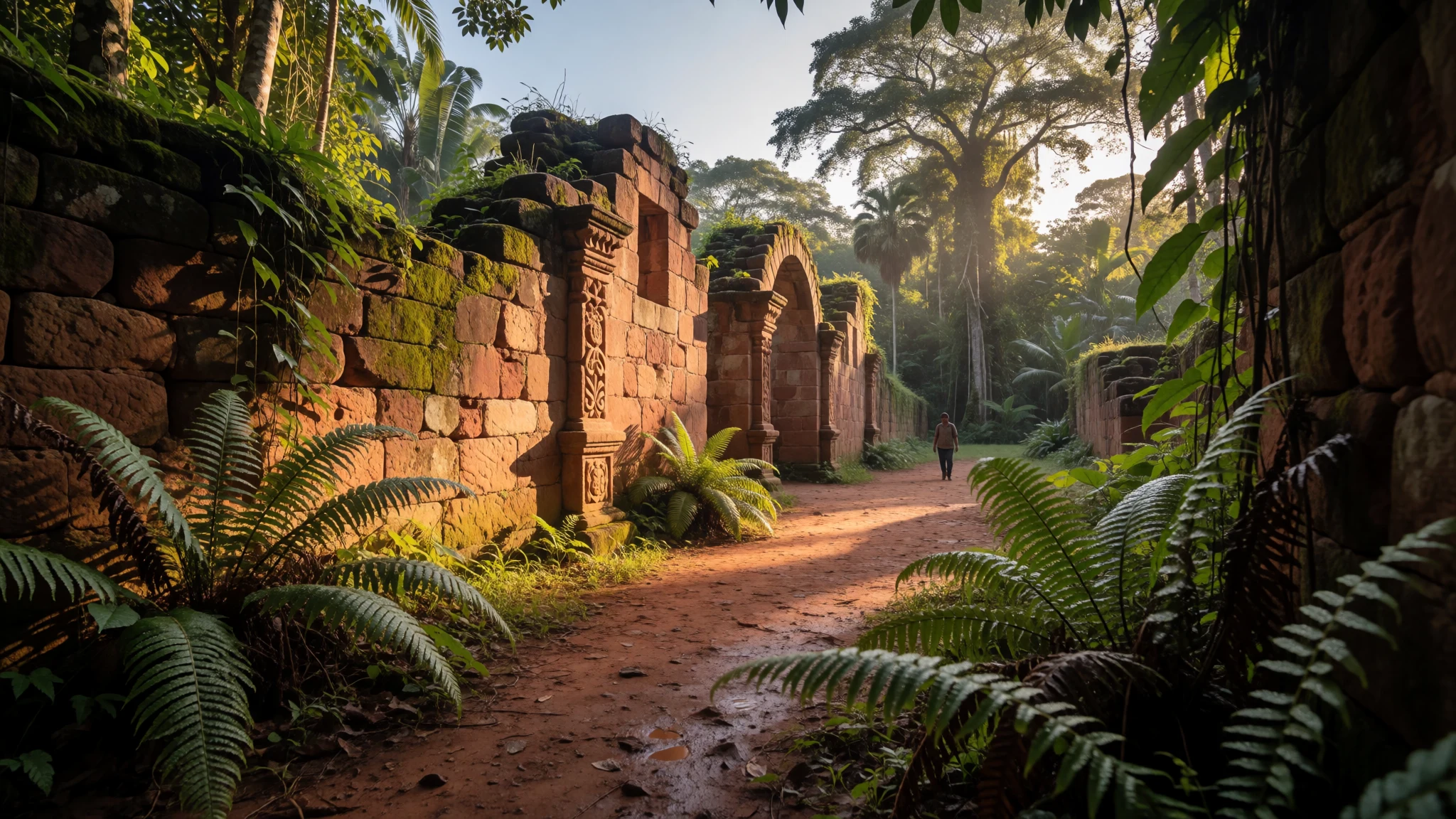
Explore the atmospheric, forest-reclaimed stone ruins of a pioneering seventeenth-century Jesuit reduction in Argentina's verdant Misiones Province.
The place
Nuestra Señora de Loreto sits quietly within the Candelaria Department of Misiones Province in Argentina, tucked deep inside a landscape shaped by red earth and dense subtropical vegetation. Founded in the opening decade of the seventeen-hundreds—specifically, in the early seventeen-hundreds following initial establishment phases—this historic reduction forms part of the extraordinary network created by the Society of Jesus among the Guaraní people. Unlike pristine urban museums or meticulously polished archaeological parks, Loreto wears its age with raw honesty. Vigorous jungle growth has crept over the remnants, wrapping ancient masonry in tangled vines and sheltering quiet, shaded courtyards where stone meets soil.
Visitors arrive to find an evocative open-air site rather than a complete settlement. The remnants include fragments of the main church, living quarters, and workshop foundations, all constructed from local materials that weather continuously under the humid South American climate. Walking through the quiet grounds gives a strong sense of isolation and time passing, far removed from the heavy tourist footfall found at larger regional hubs. The surrounding province itself is threaded by major asphalt corridors like National Road 12, running parallel to the majestic Paraná River, making the approach straightforward for those willing to venture off the primary tourist tracks. Here, the atmosphere is defined by the heavy scent of eucalyptus and damp earth, punctuated by birdsong echoing through the canopy that now reclaims the historical footprint.
Its story
The historical journey of Nuestra Señora de Loreto began as a bold colonial experiment in cultural exchange and administration. Established initially in the seventeenth century in the Province of Paraguay, the reduction served as a communal sanctuary where Jesuit priests lived alongside indigenous populations. Rather than merely imposing European structures, the missionaries undertook the monumental task of learning local indigenous languages, eventually devising methods to transcribe them using the Roman alphabet.
This linguistic dedication transformed Loreto into an intellectual lighthouse of the frontier. The mission housed a functioning printing press—a rare and remarkable technological achievement for the region at the time. Fathers operating the press produced works not only in Latin and Spanish for liturgical purposes, but also printed translated biblical texts, catechisms, and dictionaries in native tongues, bridging two vastly different worlds through the printed word. Among its notable figures was Father Antonio Garriga, a Spanish Jesuit who served as mission superior and contributed significantly to regional linguistics.
However, the golden age of the reductions came to a dramatic halt with the expulsion of the Jesuits from Spanish territories. Abandoned and left exposed to the elements, the buildings gradually surrendered to the surrounding forest. Recognition of its profound historical importance finally arrived when UNESCO designated the site as a World Heritage Site, acknowledging the unique cultural synthesis and tragic narrative preserved within these crumbling stone walls.
What to see
- Capilla de la Virgen — Main archaeological zone
Wander through the evocative stone remnants of the chapel area, where surviving masonry arches and weathered walls hint at the architectural scale of the original mission complex. Thick vegetation frames the carved stone blocks, creating striking contrasts between human history and the advancing subtropical forest.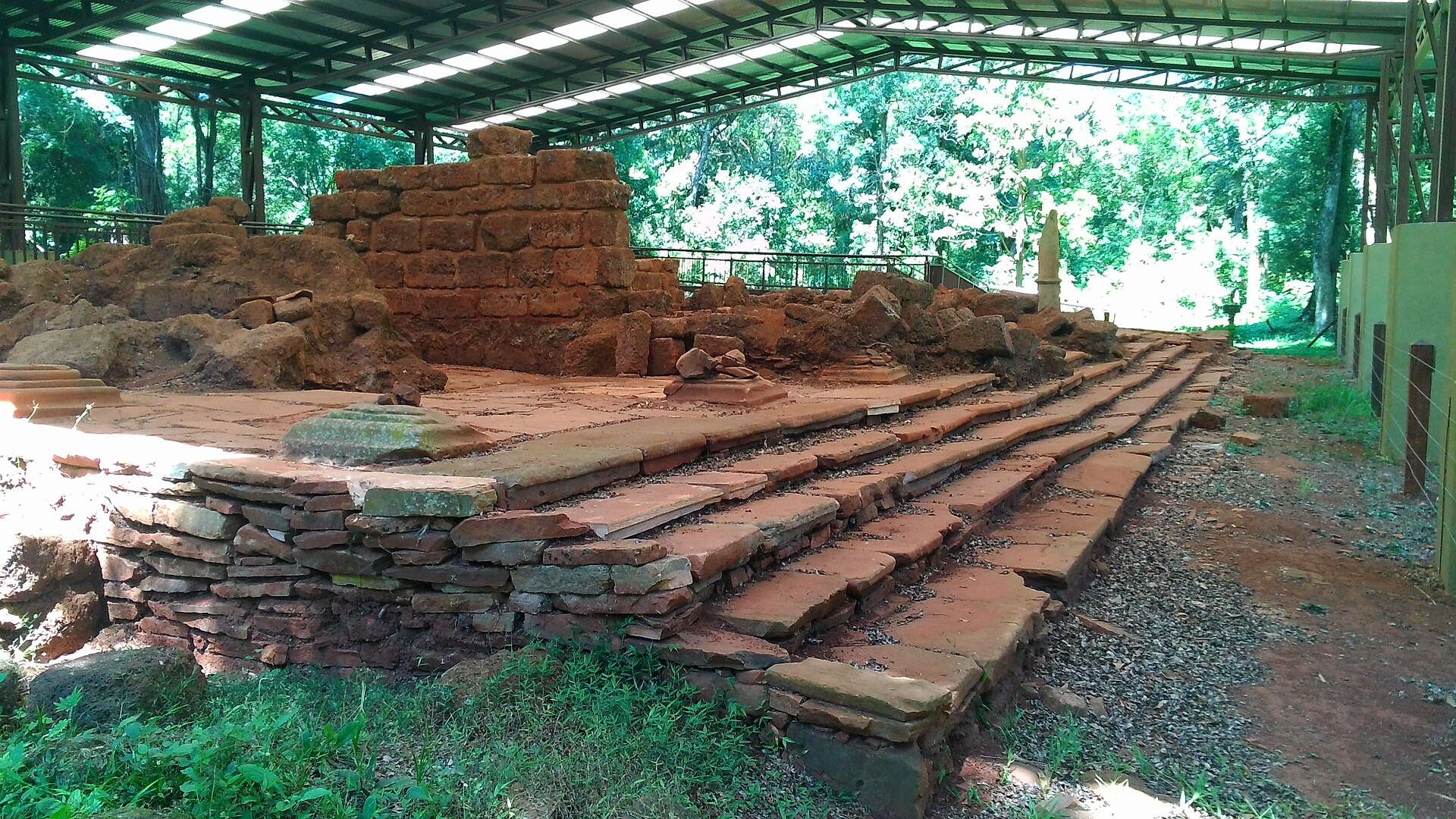
- The Church Ruins — Central plaza area
Stand amidst the skeletal remains of the primary mission church, once the spiritual heartbeat of the reduction. While less structurally intact than neighboring sites, these walls offer a solemn, meditative atmosphere where visitors can appreciate the sheer ambition of colonial-era construction in remote South America.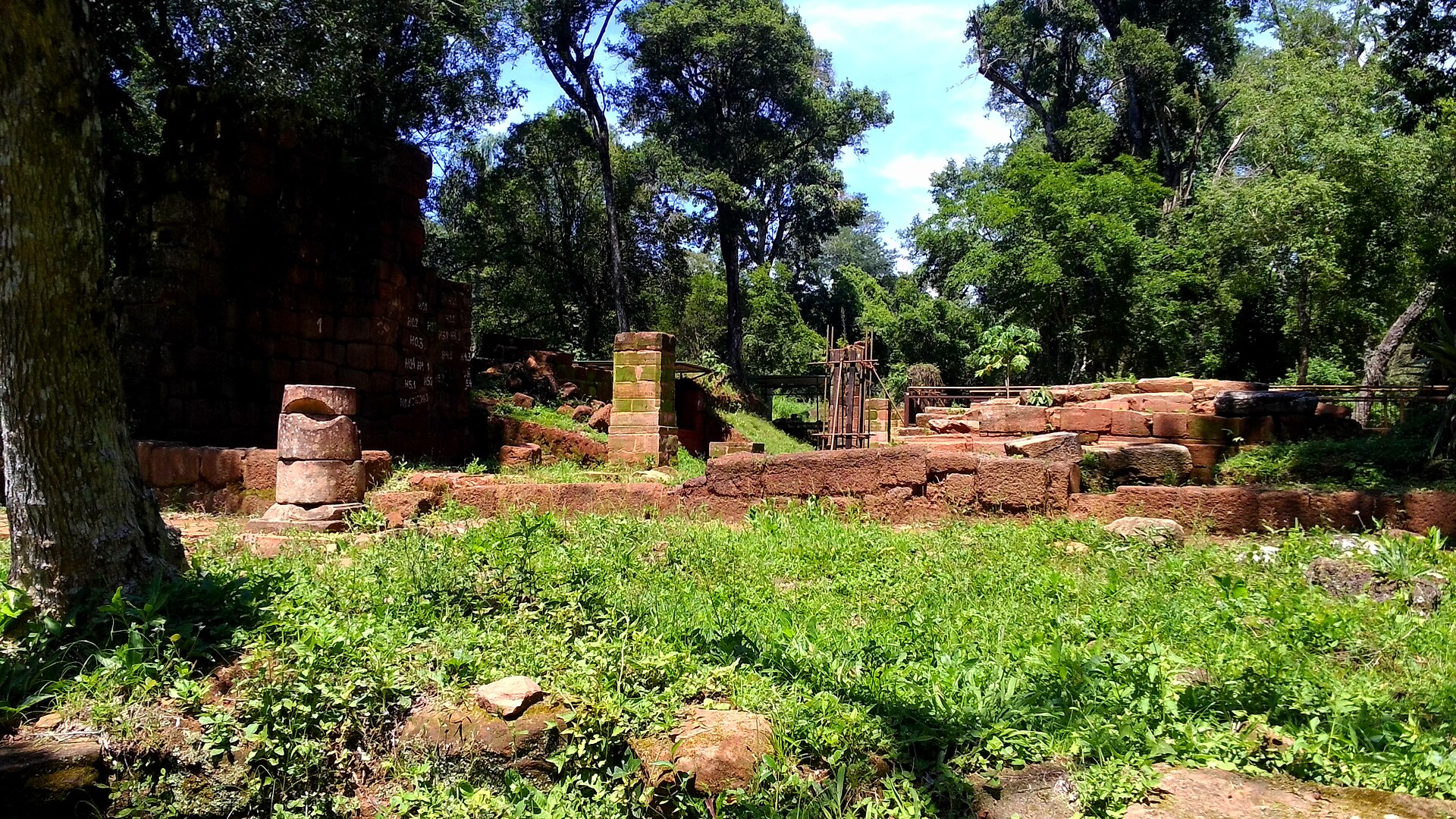
- San Ignacio Miní — Misiones Province
Journey a short distance away to explore the sister reduction of San Ignacio Miní. This site provides a striking comparison to Loreto, featuring some of the best-preserved red sandstone carvings, ornate Baroque facades, and residential quarters in the entire Misiones mission circuit. - Iguazu Falls — Northern Misiones
Travel north toward the border to witness one of the planet's most thunderous natural wonders. A network of dramatic waterfalls plunges through lush rainforest cliffs, where wooden walkways and thrilling boat excursions bring travellers right into the mist and roar of the cascades.
Culture
The cultural fabric of Misiones Province is a living mosaic born from the convergence of Guaraní heritage, Spanish colonial history, and subsequent waves of European immigration. Unlike the bustling metropolitan rhythm of Buenos Aires, life here moves at a measured, rural pace deeply connected to the land and the surrounding river systems. Local communities take immense pride in their unique regional identity, which is openly shared through hospitality, traditional music, and daily social rituals. Gathering to share mate is not merely a refreshment break but an essential social custom that bridges generations and welcomes strangers into conversation. Catholicism remains deeply ingrained in local traditions, sitting comfortably alongside ancient folklore tied to the subtropical forest spirits and rivers. Visitors will find people remarkably warm, conversational, and eager to explain their local history. Always greet shopkeepers and guides with a polite handshake or nod before launching into questions, as acknowledging people personally is considered a basic courtesy here.
What to wear
Everyday attire across Misiones is practical, casual, and adapted to a humid subtropical climate. Locals generally wear lightweight cotton shirts, durable trousers, and comfortable walking shoes or sandals suitable for uneven terrain and red clay dust. Traditional gaucho elements—such as wide leather belts, sturdy boots, and the occasional poncho—still make appearances during rural festivals and traditional celebrations, reflecting the enduring influence of Argentine pastoral life.
For visitors exploring open-air archaeological sites like Nuestra Señora de Loreto, comfort and sun protection are paramount. Pack breathable, lightweight layers that shield against both intense sun and persistent mosquitoes. Sturdy walking shoes with good grip are essential, as the paths around the ruins can be uneven, slick after rain, and scattered with loose gravel. Modest dress is appreciated when visiting local churches or rural community spaces, though standard casual travel wear is perfectly acceptable throughout the region.
What to eat
- Mate & Tereré — Local roadside stalls, bakeries, and town plazas
Taste Argentina's iconic herbal tea made from dried yerba mate leaves. Enjoy it hot in the traditional gourd with a metal straw, or try the refreshing cold-water version known as tereré, which is widely popular across the warm Misiones region. - Chipa — Morning markets and local bakeries
Savour these small, chewy baked rolls made from cassava flour, eggs, and rich local cheese. They are sold fresh and piping hot in nearly every neighbourhood bakery and by street vendors across the province. - River Fish (Surubí & Dorado) — Traditional eateries along National Road 12
Sample freshwater delicacies caught from the nearby Paraná and Uruguay rivers. Prepared grilled or baked, fish like dorado and surubí offer a rich, distinctive flavour central to local river gastronomy. - Papaya Jam with Cheese — Regional roadside food stands and traditional restaurants
Experience a classic regional pairing of sweet tropical fruit preserves served alongside fresh local cheese, offering a delightful balance of sweet and savoury flavours at the end of a meal.
Plan it
Best time. March to May and September to November offer pleasant temperatures and lower humidity, avoiding the intense summer heat of January and February.
How long. 2–3
Getting there. Fly into Posadas or Puerto Iguazu, then travel south or north via frequent long-distance bus services or rented car along National Road 12.
Budget. mid
Tips
- Wear sturdy, closed-toe walking shoes to handle uneven stone paths and red clay terrain.
- Bring effective insect repellent and sunscreen for outdoor exploration among the ruins.
- Carry cash in Argentine pesos for smaller entry fees, local buses, and artisanal market stalls.
- Start your site visits early in the morning to beat the midday tropical heat.
Etiquette
- Always greet locals politely before asking for directions or making purchases.
- Refrain from climbing on fragile stone walls or removing fragments from the archaeological site.
Nearby
Sources
- Wikidata Q681861 (CC0)
- Wikipedia (rev 1367032527) (CC BY-SA 4.0)
- Wikivoyage (rev 5385240) (CC BY-SA 4.0)