Nubra Valley
Nubra Valley, India
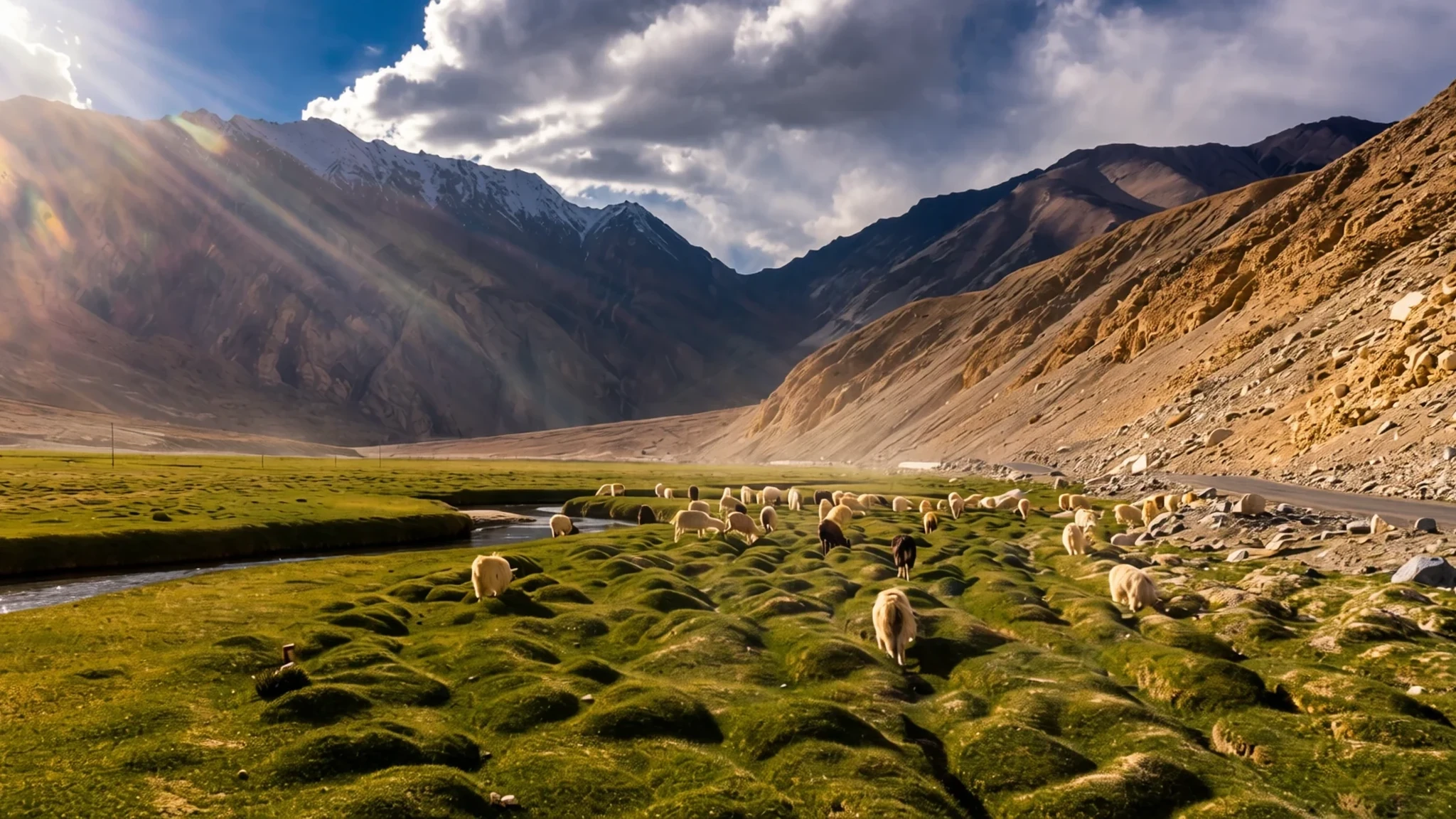
Experience a surreal high-altitude desert where white sand dunes meet jagged peaks and double-humped camels roam.
The place
Nubra Valley is a high-elevation cold desert located in the Ladakh region of India. Known as Dumra, which means valley of flowers in Tibetan, it is a starkly beautiful landscape carved by the Nubra and Shyok rivers. The valley acts as a dramatic wedge between the Ladakh and Karakoram mountain ranges, creating a tri-armed geography of river valleys and arid plateaus. Because it is a rain-shadow region, precipitation is rare, and vegetation is mostly confined to the riverbeds, leaving the surrounding slopes a raw, mineral grey.
Accessing Nubra Valley usually requires a journey over the formidable Khardung La pass from Leh, a trip that underscores the extreme nature of the terrain. For foreign travellers, a Protected Area Permit is a mandatory requirement before entering the region. The populated areas are split between the northern Diskit Nubra and the southern Darbuk region, with the landscape shifting from the sandy plains of Hunder to the greener, lower-altitude orchards of Turtuk. It is a place of intense contrasts, where the silence of the cold desert is occasionally broken by the fluttering of prayer flags and the distant chime of monastery bells. The atmosphere is thin and crisp, making every colour appear more vivid against the deep blue Himalayan sky.
Its story
The story of Nubra Valley is inextricably linked to the ancient Silk Route, the network of trade paths that once connected Central Asia to the Indian subcontinent. Centuries ago, caravans of traders and pilgrims traversed these high passes, bringing silk, spices, and precious stones across the mountains. The presence of the double-humped Bactrian camels seen today is a living legacy of those ancient journeys, as these animals were better suited to the freezing temperatures of the Central Asian steppes than the single-humped varieties of the south.
In more recent history, the valley has been a site of geopolitical tension and shifting borders. The village of Turtuk serves as a poignant reminder of this; it only became part of Indian-administered territory after the conflict of 1971. For decades, it remained isolated from the rest of Ladakh, preserving the unique Balti culture and language that differ from the Tibetan-influenced traditions of Leh. The opening of the region beyond Hunder to tourists in 2010 transformed the valley from a military frontier into a destination for explorers. Today, the narrative of Nubra Valley is one of transition, moving from a secretive strategic outpost to a sanctuary for those seeking spiritual stillness in the monasteries or the raw, unvarnished beauty of the high-altitude wilderness.
What to see
- Hunder Sand Dunes — Hunder
These silver dunes create a surreal desert landscape amidst the mountains. Visitors can ride Bactrian camels, a nod to the valley's history as a trade route, or try quad biking across the sand. It is the most popular spot in the valley for those wanting a glimpse of the high-altitude desert.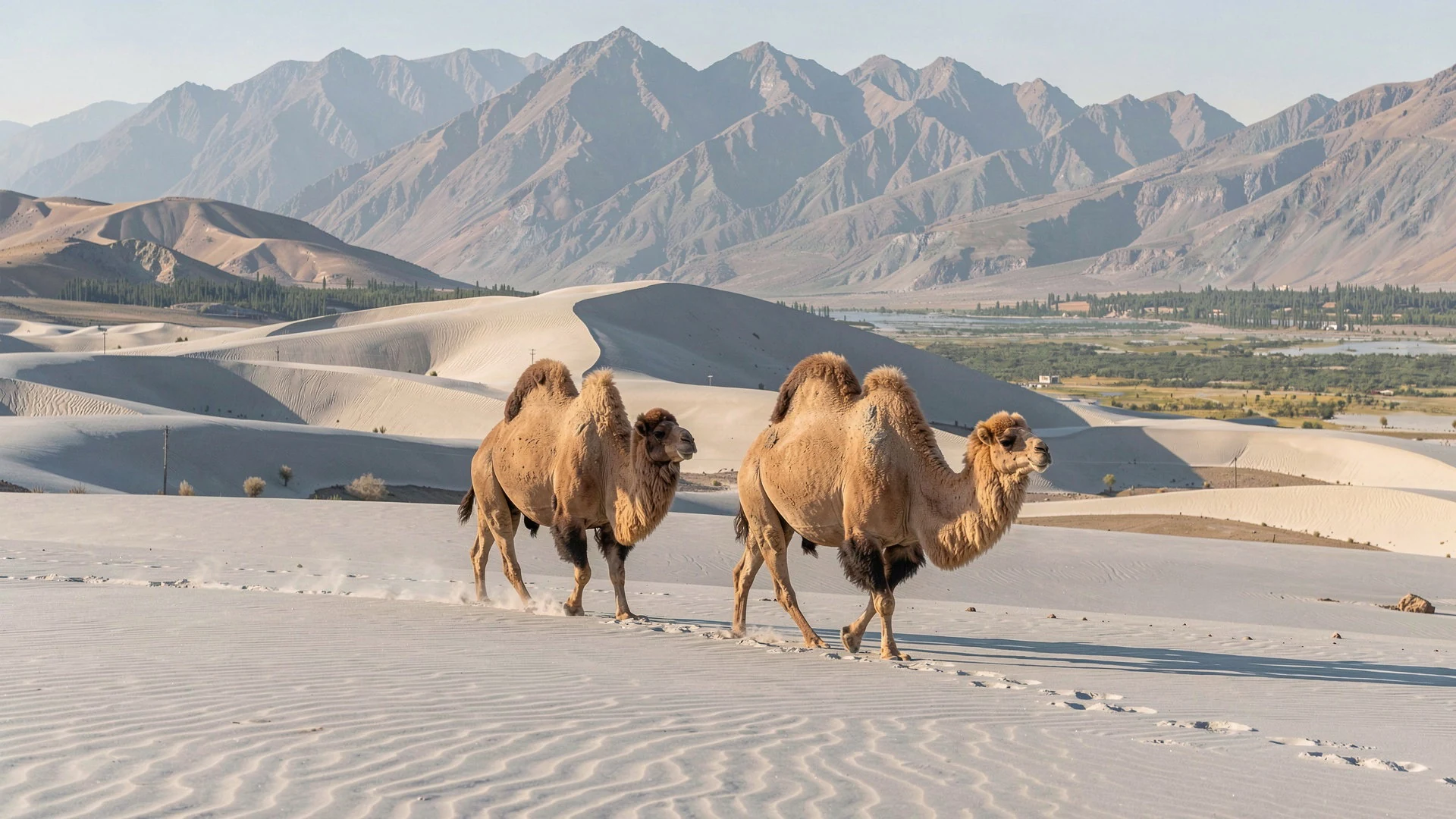
- Diskit Monastery — Diskit
As the largest and oldest gompa in the region, this monastery sits on a hill overlooking the valley. It is famous for its peaceful atmosphere and the massive statue of Maitreya Buddha, which looks out across the landscape as a symbol of protection and peace.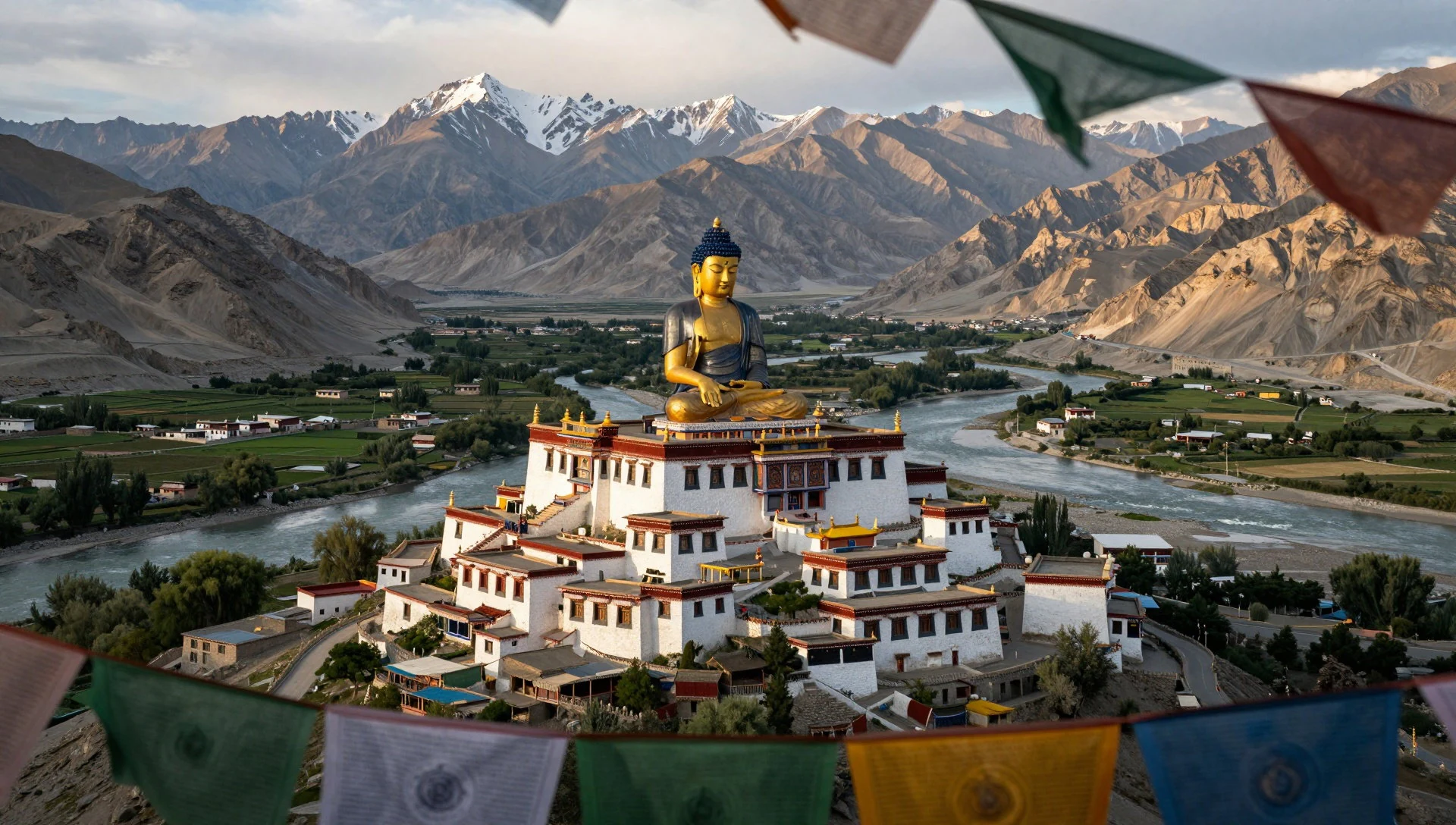
- Panamik Hot Springs — Panamik
In this remote village, natural hot springs provide a relaxing contrast to the biting cold of the mountains. While some pools are more rustic, the main tourist facilities offer a more sophisticated experience for those looking to soak in the mineral-rich waters.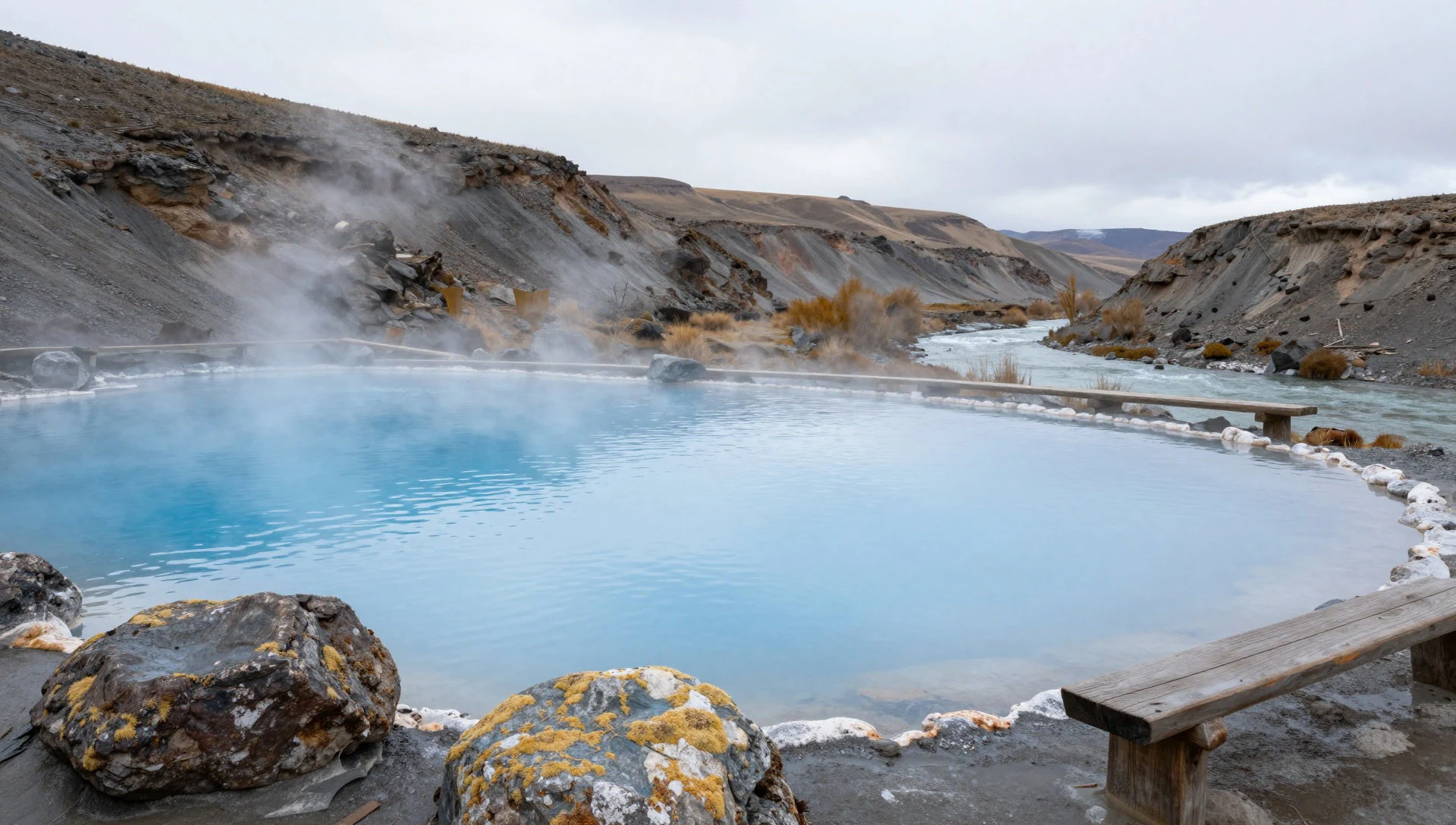
- Turtuk Village — Turtuk
Located near the Line of Control, this village is home to the Balti people. It is noticeably greener than the rest of the valley, with terraced fields and apricot orchards, offering a unique glimpse into a culture and lifestyle distinct from the rest of Ladakh.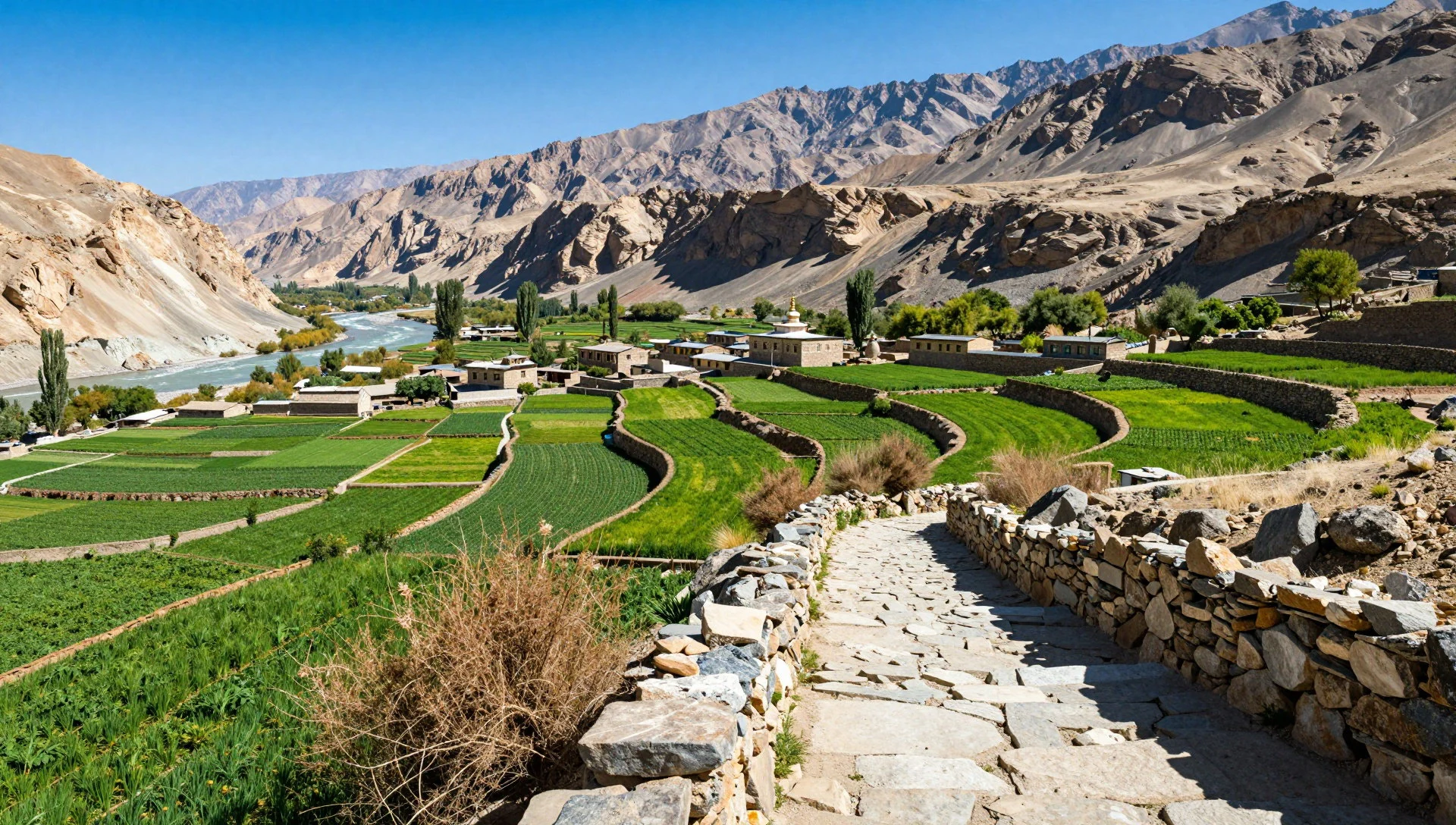
- Tso Luvan — Near Sumur
This holy Buddhist lake is tucked inside a minor mountain, providing a serene spot for a stroll. The trail begins at a small parking area with a tea stall, leading to a location that feels disconnected from the world, perfect for quiet reflection.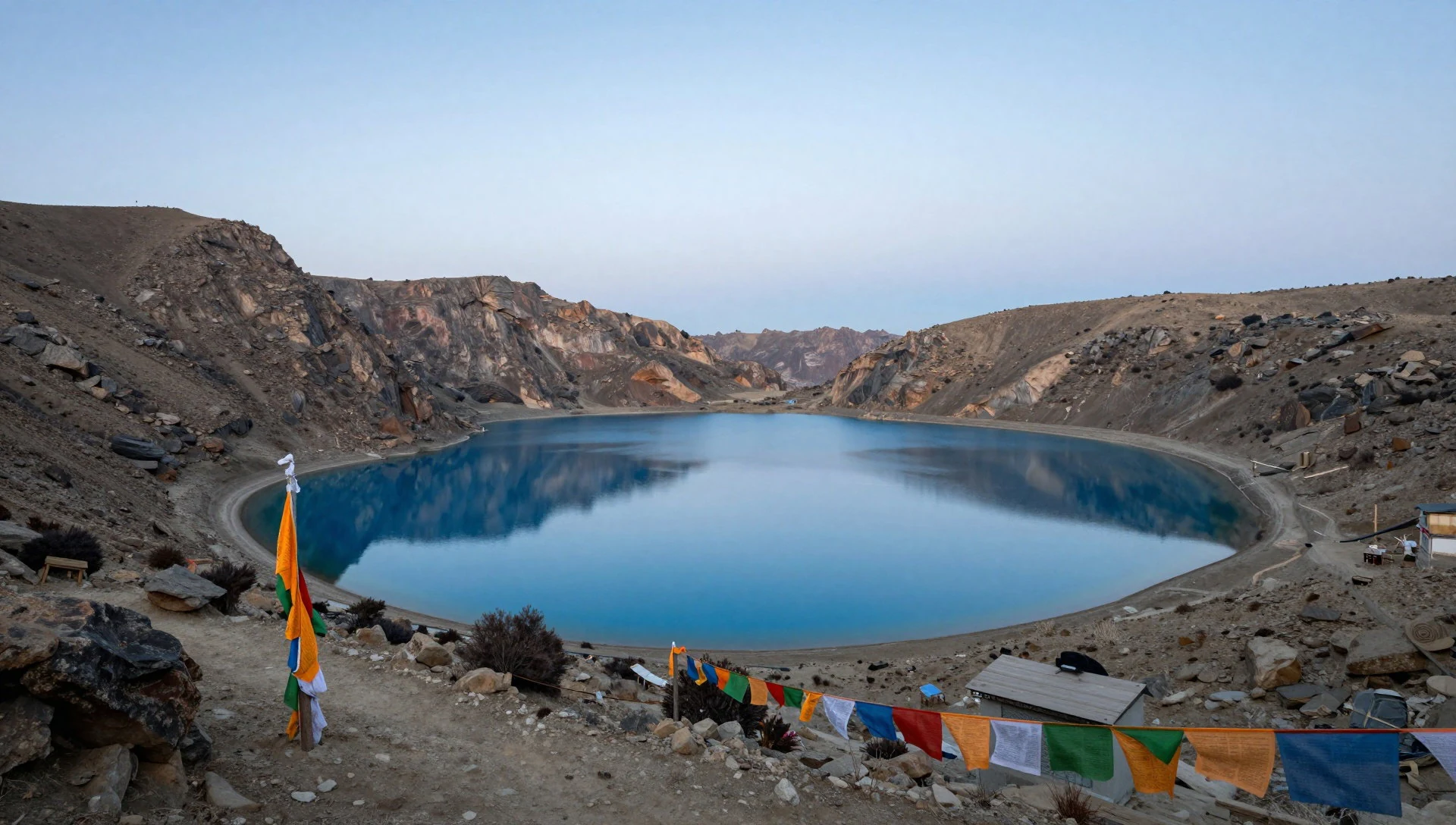
Culture
Culture in Nubra Valley is a blend of Tibetan Buddhism and the distinct Balti traditions found in the western reaches. The rhythm of life is dictated by the seasons and the religious calendar, with monasteries serving as the spiritual and social hubs of the villages. You will find Mani-walls—stone structures carved with Buddhist mantras—dotted throughout the valley, where locals and visitors walk clockwise around them as a form of prayer. In the village of Turtuk, the influence is Islamic, and the local Balti community maintains a heritage that links them to the wider Karakoram region. The hospitality is warm but modest, often centered around a cup of salty butter tea in a homestay. During the holy month of Ramadan, residents in the Balti areas fast from sunrise to sunset, and visitors are encouraged to be mindful of this practice. Please remember to always walk clockwise around stupas, prayer wheels, and Mani-walls.
What to wear
Traditional dress in Nubra Valley is designed for survival in an extreme climate. Locals often wear the goncha, a thick, woollen robe tied at the waist with a sash, which provides essential warmth against the high-altitude chill. Textiles are typically heavy wools, often in natural earthy tones, though ceremonial dress may feature brighter colours and intricate embroidery. Today, you will see a mix of these traditional robes and modern practical wear, such as fleece jackets, trekking trousers, and sturdy boots, especially among the younger generation and those working in the tourism sector.
For visitors, dressing in layers is the only way to manage the temperature swings. Even in summer, the wind can be freezing, so a windproof outer shell and a warm fleece are necessary. When visiting monasteries, modesty is key; shoulders and knees should be covered. Footwear must be sturdy and broken-in for the sandy and rocky terrain. A wide-brimmed hat and high-SPF sunscreen are essential, as the thin atmosphere offers very little protection from the intense mountain sun.
What to eat
- Mutton Momos — Local eateries in Hunder
These steamed dumplings are a regional favourite. The best versions in the valley use pure mutton meat without adding fillers like onions to bulk out the filling.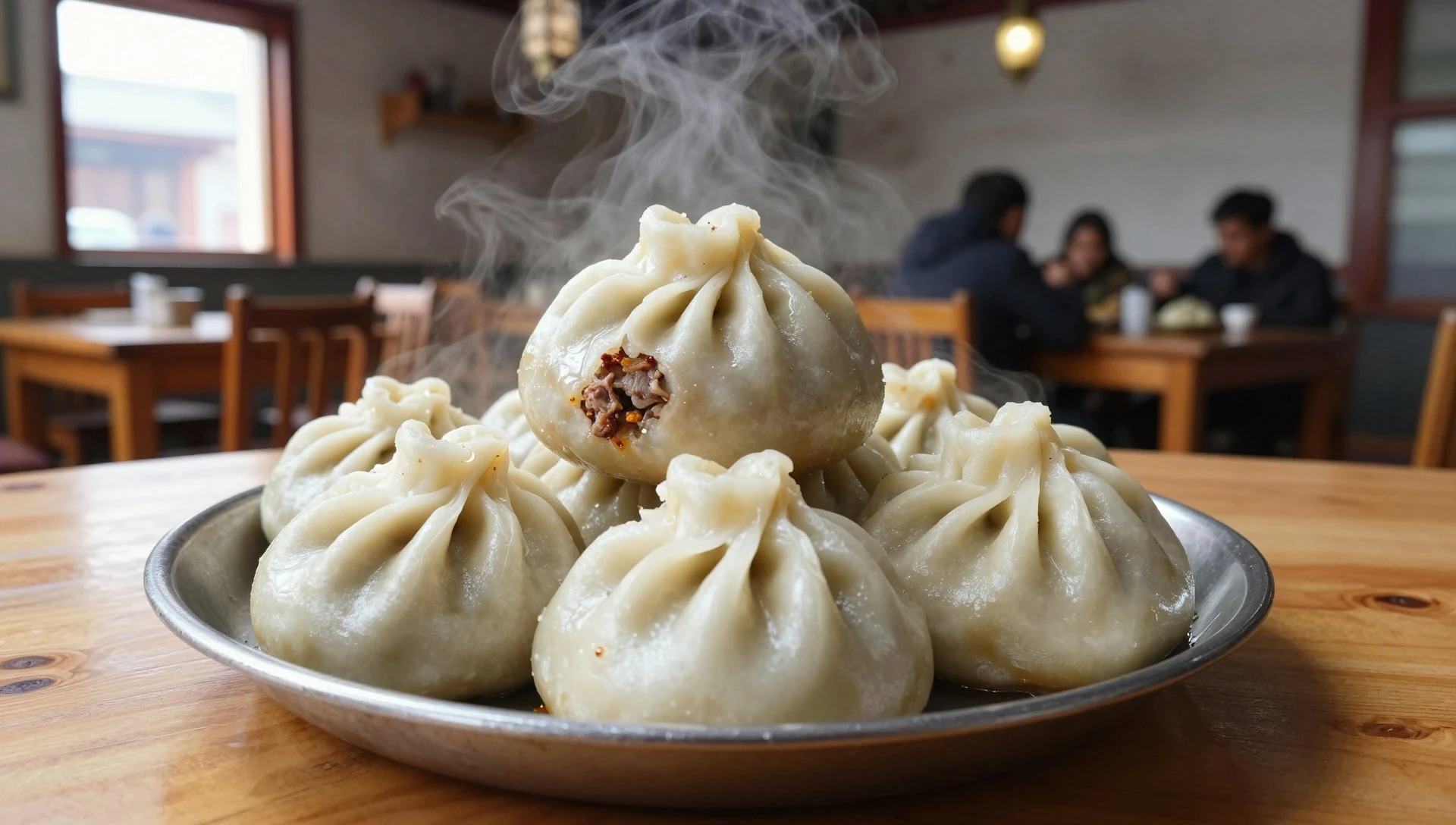
- Butter Tea — Any local guesthouse or homestay
A salty, creamy brew made from tea leaves, yak butter, and salt. It is essential for staying hydrated and warm in the thin mountain air.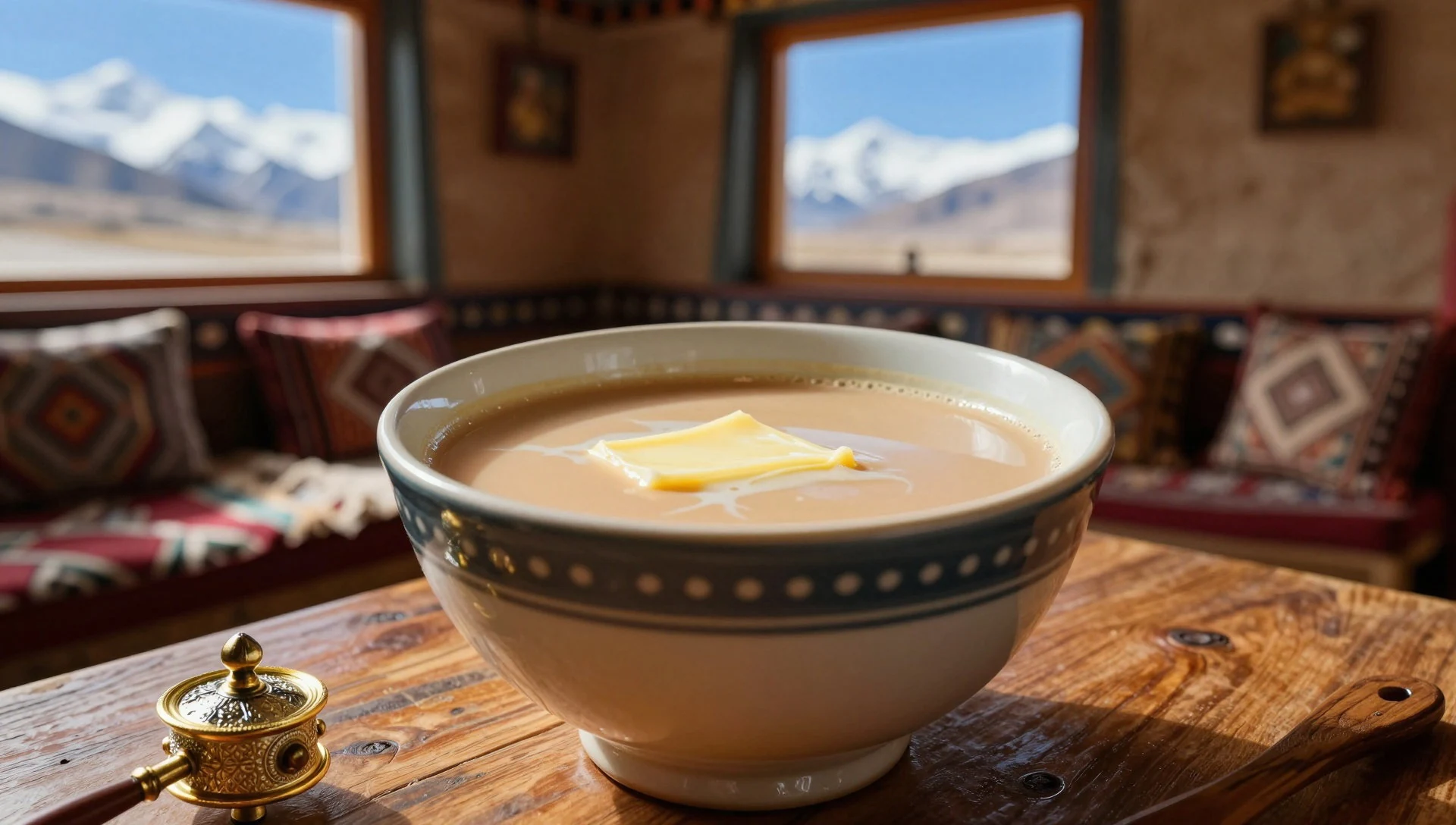
- Chang — Village homestays
A traditional Ladakhi barley beer or ale. This local brew is often served in wooden bowls and is a staple of village social life. - Fresh Apricots — Guesthouses with apricot trees
The main harvest of the valley, especially in September. These are eaten fresh or dried and are particularly sweet in the orchards of Turtuk.
Plan it
Best time. April to June and September to October are ideal; the weather is mild enough for travel and the mountain passes are open.
How long. 2–3
Getting there. From Leh, most travellers take a taxi or motorbike over the Khardung La pass. There are also daily private and government buses leaving Leh at 8 am.
Budget. mid
Tips
- Acclimatise in Leh for a few days before attempting the pass to avoid altitude sickness
- Carry plenty of cash as ATMs are rare once you leave Leh
- Book accommodation via WhatsApp or Google Maps in advance during peak summer
- Bring a reusable water bottle and tablets to purify water
- Prepare for sudden temperature drops even in the middle of summer
Etiquette
- Avoid loud noise near monasteries and prayer sites
- Ask for permission before photographing local people, especially in Turtuk
- Do not litter in the fragile cold desert ecosystem
Nearby
Sources
- Wikidata Q2004108 (CC0)
- Wikipedia (CC BY-SA 4.0)
- Wikivoyage (CC BY-SA 4.0)