Newport, Rhode Island
Newport, Rhode Island, United States
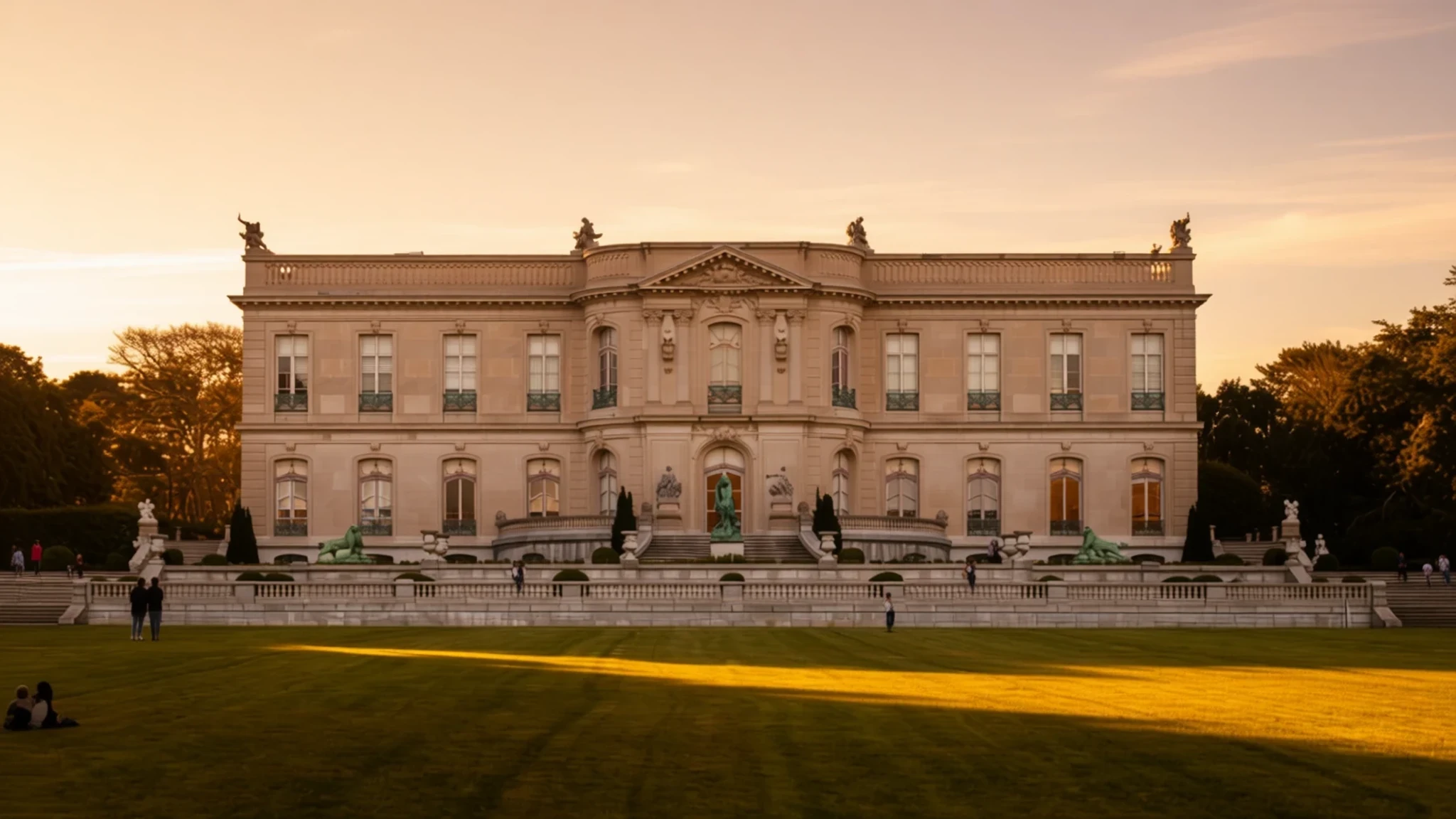
A harbour city of colonial streets, grand seaside houses and sailing, best suited to a slow summer visit with a few walks along the coast.
The place
Newport is a city of about 25,000 people on Aquidneck Island, in Narragansett Bay, and it is the most populous place on the island. It lies a short drive from Providence and a longer one from Boston, which explains why so many visitors arrive for a day and stay for a week. The old town is compact enough to walk, and the waterfront, the historic lanes and the main shopping streets sit close to one another.
The city has always been tied to the sea. Sailing runs through its history, from the yachting seasons of earlier generations to the racing that still brings boats into the harbour. For a long stretch of the twentieth century, Newport was the venue for America's Cup challenges, and that sporting reputation still shapes the look of the waterfront.
The navy is the other big presence. Naval Station Newport is a working base, and the Naval War College and a Navy training centre are part of daily life, which gives the town a steadier population than its summer image suggests. Salve Regina University adds a younger crowd to the streets during the academic year.
The architecture is the real draw. Newport has a notable concentration of colonial-era buildings, and the historic district is protected as a National Historic Landmark. Near the centre, clapboard houses, wharf buildings and churches stand on streets laid out long before the Revolution.
Honest caveats: in July and August the waterfront and the main roads crowd up, parking gets tight and room prices climb. Come in the shoulder months, when the cafés and sailing are still busy but the lines are shorter.
Its story
Newport was founded in 1639 by settlers who had split from the nearby Portsmouth community on Aquidneck Island. Anne Hutchinson and her followers had been part of that earlier settlement, and the new town took root at the southern end of the island, where the harbour offered shelter. Its founders had disagreed with the Portsmouth leadership, and that independent streak stayed with the town.
Newport grew to be the largest of the original settlements that came together as the colony of Rhode Island and Providence Plantations. Many early residents were Baptists, and a Baptist congregation formed under John Clarke's leadership soon after the town was established. The colony's royal charter arrived later in the century, giving the scattered towns a legal footing they had long sought.
Toleration was another defining feature. A group of Jewish settlers, who had fled the Inquisition in Spain and Portugal, was welcomed to Newport at a time when they were barred from most other places. Their community became Congregation Jeshuat Israel, which worships at Touro Synagogue, now among the oldest synagogues in the country.
Trade made the town rich. Newport became a major colonial port, and merchant money paid for the wharves, warehouses and timber and brick houses that still line its streets. Its later reputation rested on a different kind of wealth, when summer residents from New York and Boston built large seaside houses and presidents later chose the town for summer stays. Sport added another layer: the town hosted the first U.S. Open tournaments in both tennis and golf.
What to see
- Newport Cliff Walk — Eastern shore
The Newport Cliff Walk is a public walkway that follows the rocky shore past the great estates on the eastern side of the island, and it has been open to walkers for decades. Roughly two-thirds of the route is easy going, so families and older walkers manage it comfortably, while the rougher sections reward a steady pace. Go early or late in the day for softer light and fewer people, and wear shoes with good grip on the wet rock.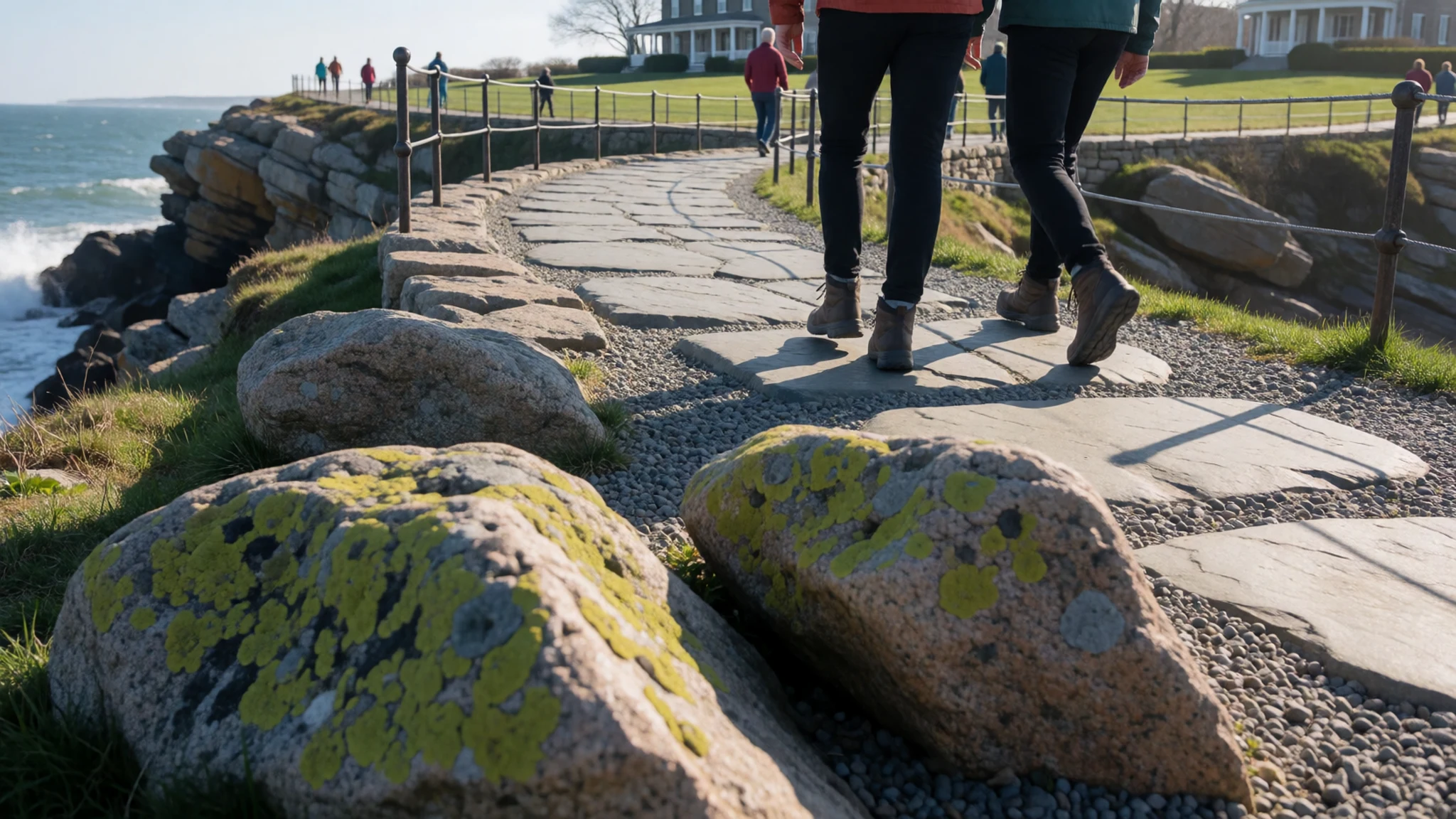
- Fort Adams — Harbour entrance
Fort Adams is the largest coastal fortress in the United States, and it guards the entrance to the harbour with a long military history behind it. Seasonal guided tours show the soldiers' quarters and the Naval War College Museum, which suits anyone curious about the navy's presence in town. The grounds now form Fort Adams State Park, with open lawns and water views for a picnic.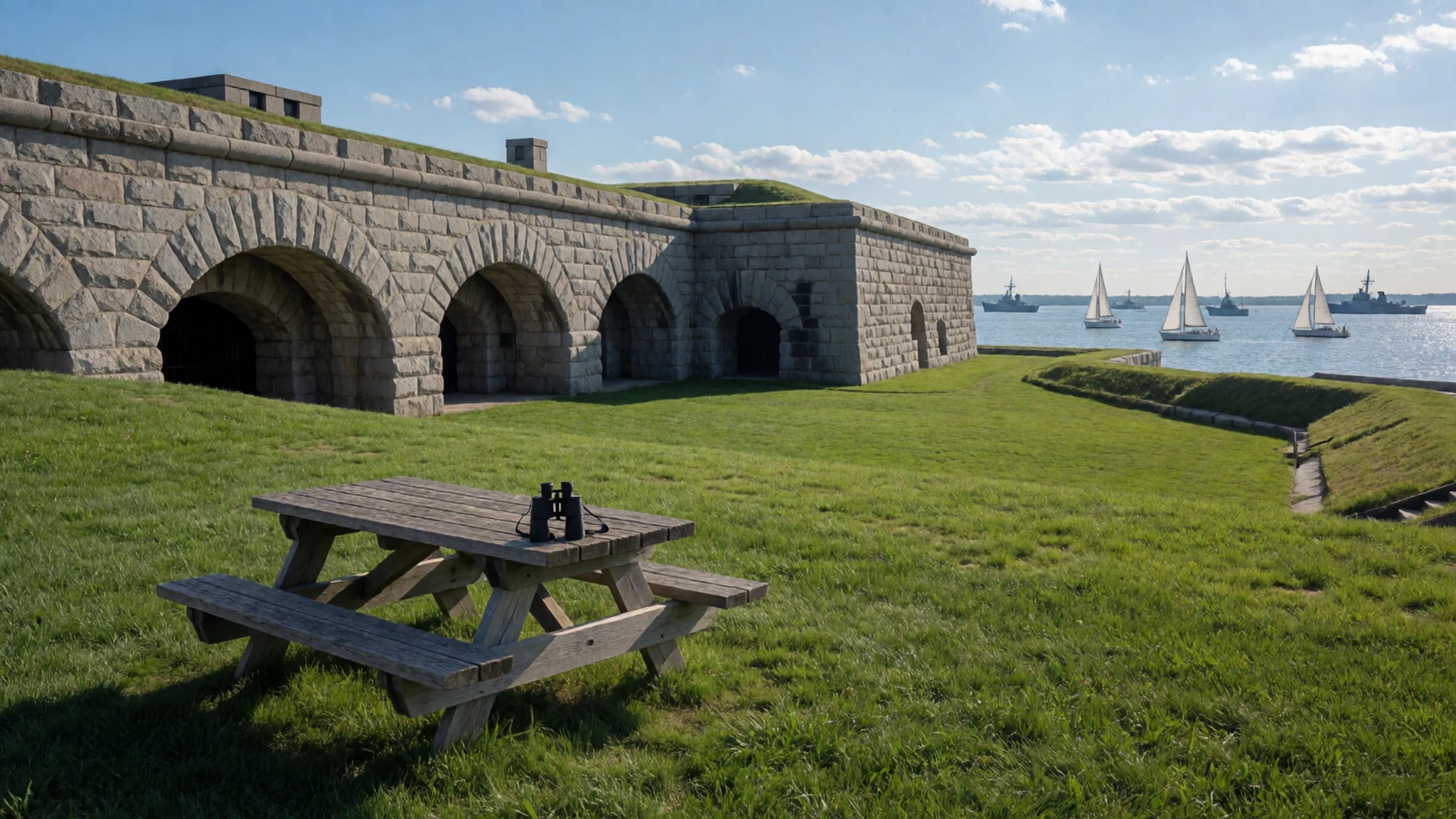
- Castle Hill Lighthouse — Castle Hill, southeast coast
Castle Hill Lighthouse stands on a headland on the island's rocky coast, a granite tower dating from the late nineteenth century. The short walk around the point gives wide views across the Atlantic and out toward the mouth of the bay, and it is one of the quieter corners of the coast. Check the official site before going, since arrangements for visiting the tower can change.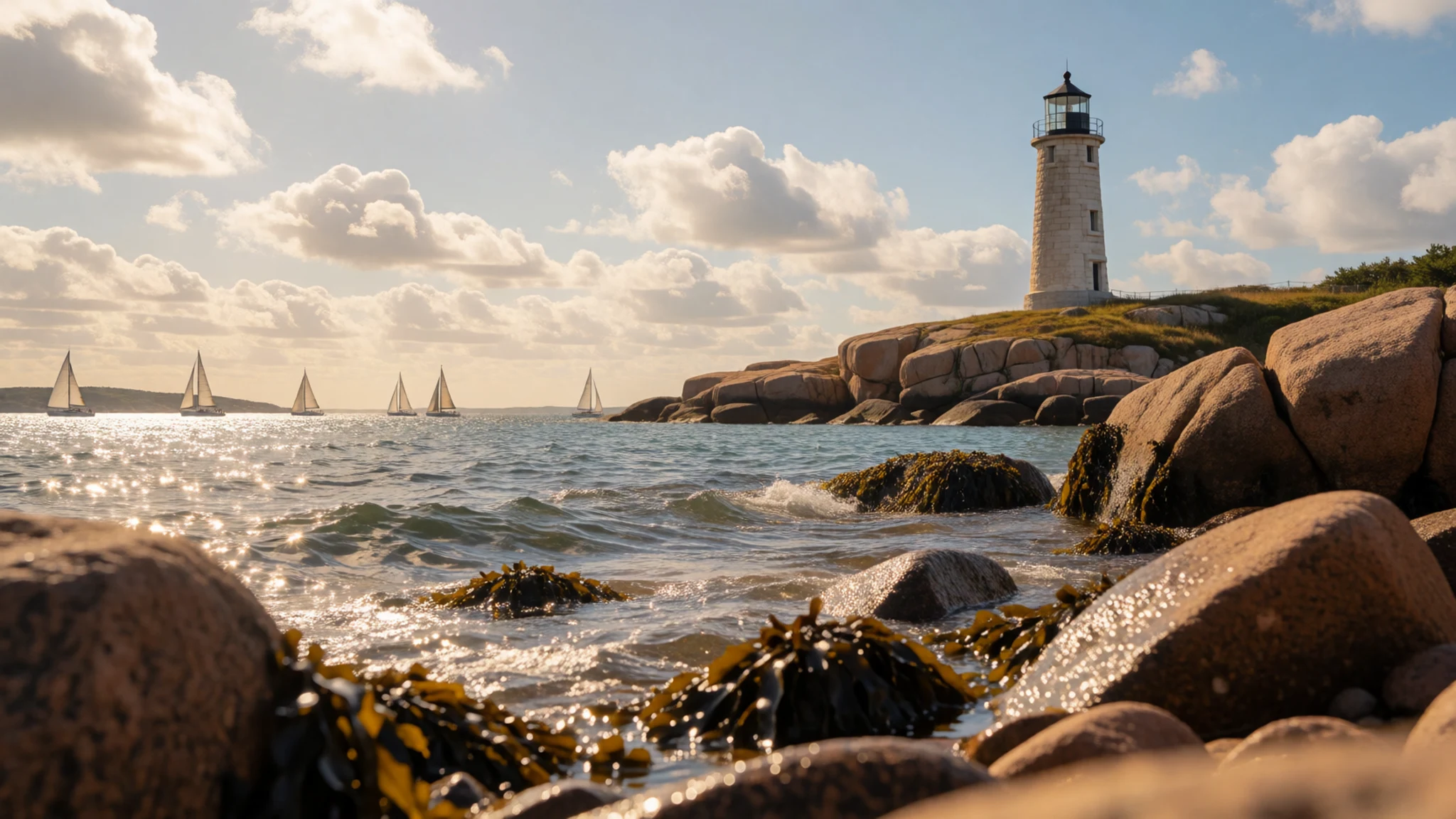
- Touro Synagogue — Historic core
Touro Synagogue is the home of Congregation Jeshuat Israel, the second-oldest Jewish congregation in the United States, and it is the oldest synagogue in America. Its interior reflects a community that has been part of the town since its early years. It is an active place of worship, so visits depend on service times. Check the synagogue's website for opening times and dress guidance before you go.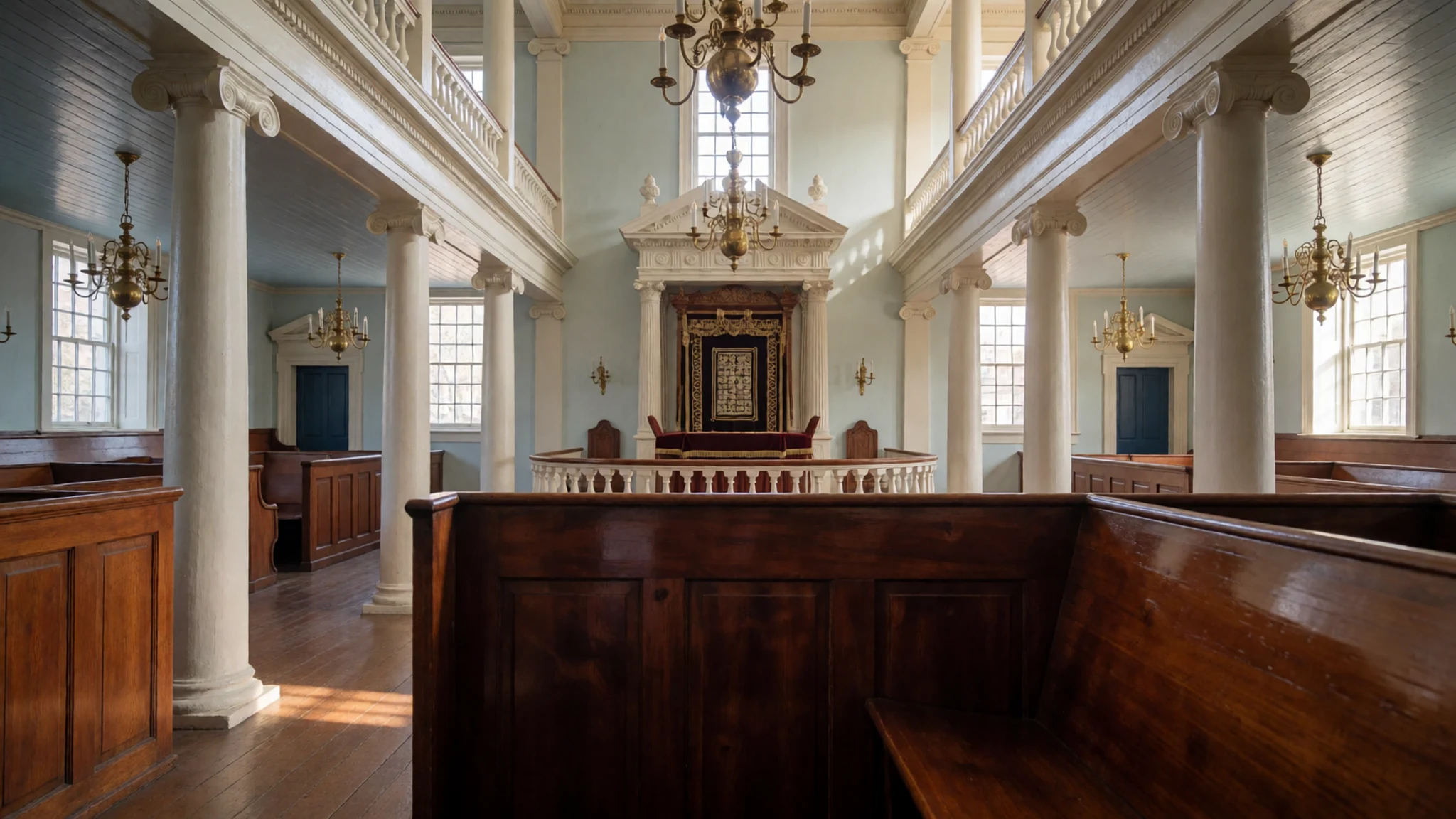
- Ballard Park — Within the city
Ballard Park is a well-kept green space in the city, popular with walkers, dog owners and families who want lawns and shade. Its paths and open areas make it a good place for a break between museum visits and harbour walks. Locals use it through the year, so it rarely feels empty on a fine afternoon.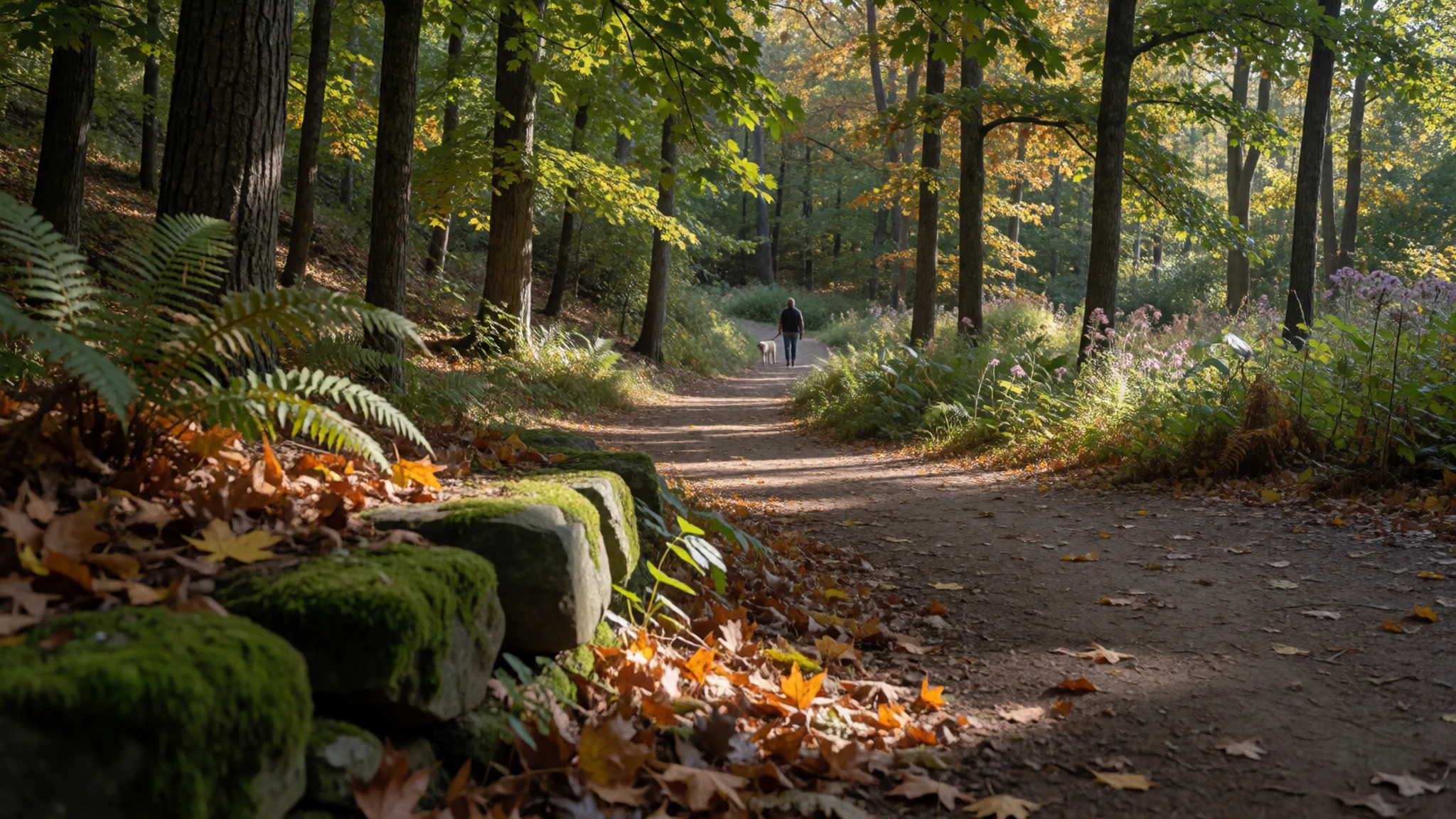
Culture
Newport takes its heritage seriously, and much of the old town's character comes from one determined private effort. Doris Duke, heir to a tobacco fortune, founded the Newport Restoration Foundation and spent the rest of her life saving colonial houses that were falling into decline. Her work restored dozens of buildings in Newport and neighbouring Middletown, and many remain in the foundation's care. Residents now expect old streets to be renovated with period detail rather than modern cladding, so the historic district feels like a living neighbourhood rather than a museum set. Newport's Jewish heritage is part of this story too. Touro Synagogue is an active congregation, not only a historic site, so its services and quiet interior deserve respect. Summer brings many visitors to the sailing and waterfront areas, while the rest of the year is calmer. At Touro Synagogue, dress modestly, keep your voice low, and ask before photographing anyone at prayer.
What to wear
Newport has no costume of its own, but its dress history runs through the colonial merchant world and the seafaring trade. Clothing in the colonial town was built from wool, linen and cotton, with heavy woollen coats for the harbour and plain linen for summer. Sailing gave the town a second tradition, with oilskins, woollen jumpers and deck shoes that still appear along the waterfront. Today the look is relaxed. Locals wear chinos, deck shoes, fleece and sailing sweaters, and in summer the streets fill with shorts and sundresses, with smarter shirts and jackets for dinner. Visitors should pack in layers, since sea air can turn cool after sunset even in warm weather. Bring a windproof jacket for the Cliff Walk, closed-toe shoes with grip for uneven rock and steps, and a hat and sunscreen for the open paths. Modest clothing is the safe choice at churches and at Touro Synagogue, where covered shoulders and knees are sensible, and men should check whether a head covering is expected before entering.
What to eat
- Fried clams — A clam shack close to the beach
In Newport, fried clams are the classic seaside order. Clam shacks near the beach serve them with chips and tartar sauce, and the best seats are at the counter facing the water. Expect a queue at peak hours, and carry a napkin for the batter.
- Chouriço omelette — A breakfast café in the centre
In Newport, the chouriço omelette is a popular breakfast order, with the Portuguese-style sausage folded through the eggs. Stuffed waffles are another favourite at breakfast cafés in the centre. Arrive before the late-morning rush, when waits lengthen.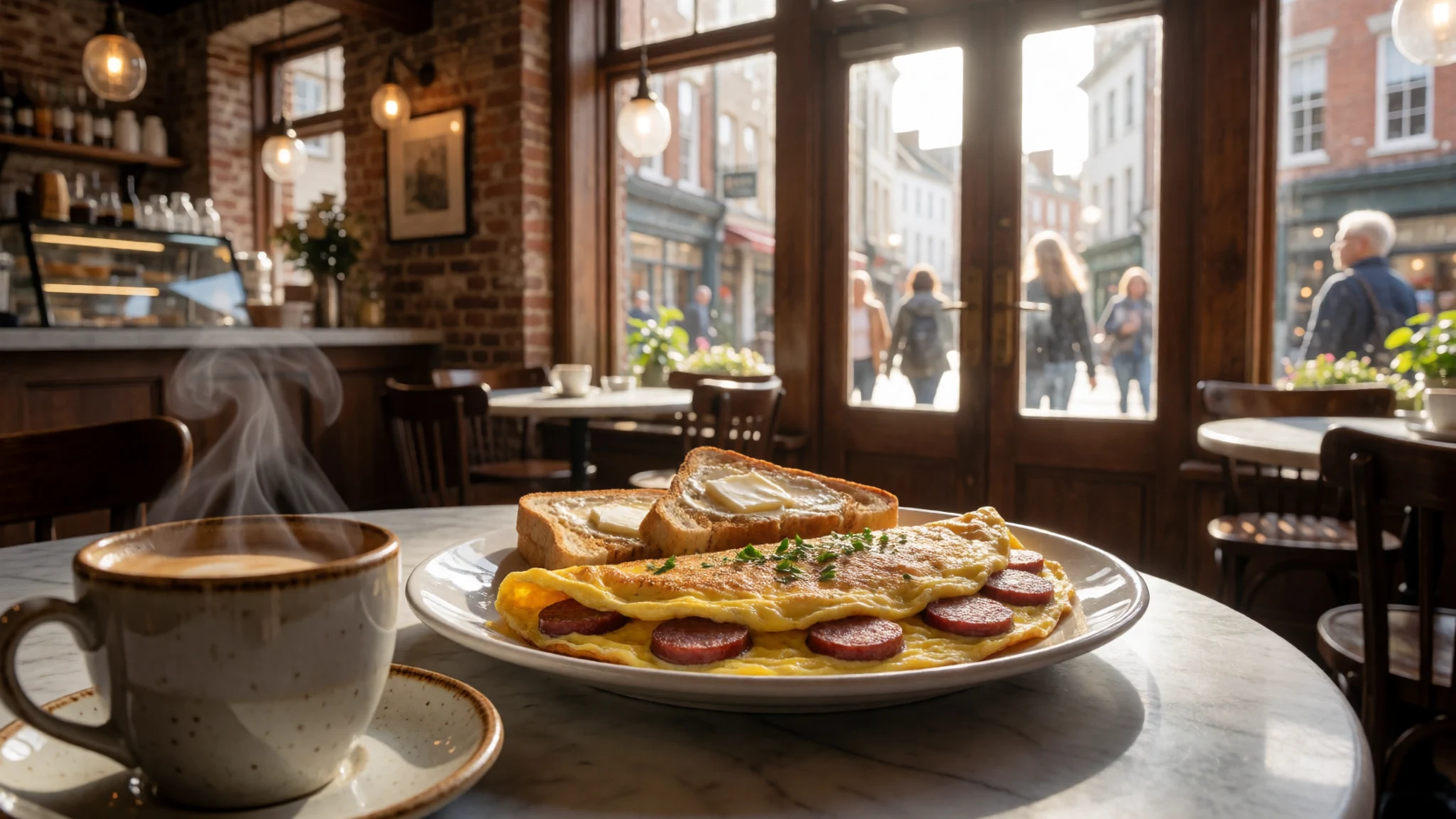
- Classic diner breakfast — A neighbourhood diner
In Newport, a classic diner breakfast with eggs, potatoes and toast on a big plate is the easiest way to start a day of walking. Early-bird specials at neighbourhood diners can make a substantial meal, so check the morning menu board. Sit at the counter if you are alone and want to watch the kitchen. - Farmers market produce and seafood — The Wednesday farmers market
In Newport, the Wednesday farmers market brings vendors from across Rhode Island, selling fresh produce, coffee, fish and the occasional craft item. Go early for the best produce, and bring a bag because stalls can sell out of popular items by late morning. - Irish fry-up — A café on Broadway with outdoor seating
In Newport, a café on Broadway serves an Irish fry-up as its signature breakfast. Expect eggs, sausage and potatoes on one big plate, a filling start before a day of walking. Outdoor tables along the street make it a good place to watch the morning pass.
Plan it
Best time. Late spring and early autumn suit a visit best, when the harbour is busy but not crowded and the sea breeze keeps the air comfortable. Summer brings the most visitors and the highest room prices, and late autumn and winter can be grey and windy.
How long. 2–3
Getting there. Fly into T.F. Green Airport near Providence, a regional airport with many low-cost and regular flights, then drive or take the express bus that RIPTA runs from Providence. Boston's Logan Airport is larger and handles most international flights, but the road journey from there is considerably longer. Cars reach Aquidneck Island over one of three bridges, and ferries from Providence and Block Island also serve the harbour.
Budget. mid
Tips
- Book summer rooms well ahead, since weekends in July and August fill quickly
- Walk the Cliff Walk early or late in the day, when the light is softer and the path is quieter
- Check the official city website for event and tour times before you travel
- Carry some cash for small cafés and market stalls, and use cards for most restaurants
- Pack a windproof layer, since coastal evenings can turn breezy
Etiquette
- Keep to marked paths on the Cliff Walk and respect private property along the edge
- Dress modestly for church and synagogue visits, and check posted notices on arrival
- Ask before photographing people, especially at services
- Keep noise down in residential streets after dark
Nearby
Sources
- Wikidata Q54264 (CC0)
- Wikipedia: Newport, Rhode Island (CC BY-SA 4.0)
- Wikivoyage: Newport (Rhode Island) (CC BY-SA 4.0)
- Photo: Newport Rhode Island Aerial View (CC BY 3.0)
- Photo: The Breakers, Newport RI USA (CC BY 2.5)
- Photo: The White Horse Tavern, Newport Rhode Island (CC BY-SA 4.0)
- Photo: Cliff Walk, Newport, Rhode Island, USA (CC BY 4.0)
- Photo: Old Colony House, Newport, Rhode Island (CC BY-SA 4.0)
- Photo: Touro Park, Newport, Rhode Island (CC BY-SA 4.0)
- Photo: Washington Square, 1818 (Public domain)
- Photo: Spring and Mary streets, Newport RI (CC BY 3.0)


