Naracoorte Caves National Park
Naracoorte Caves National Park, Australia
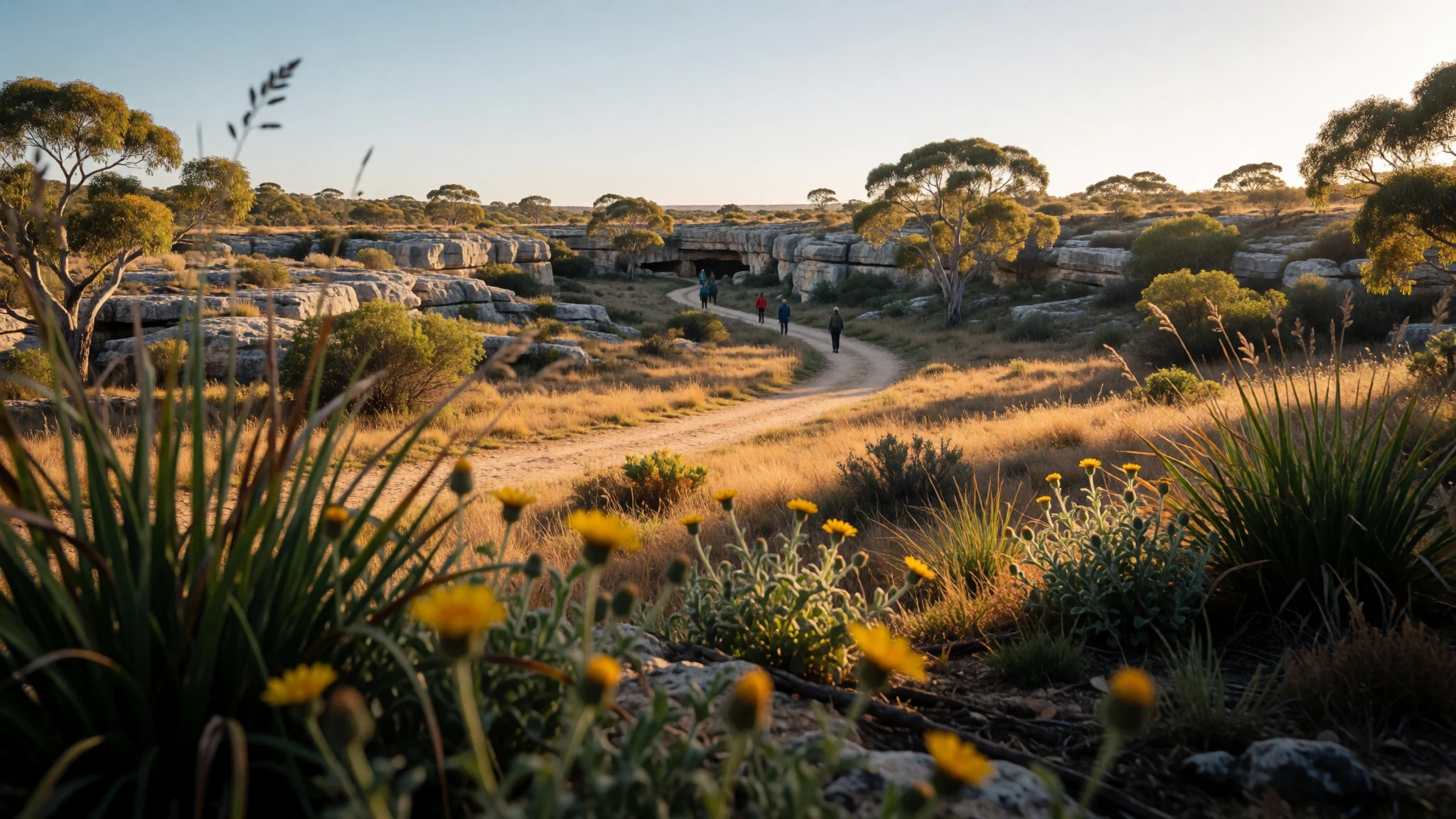
Naracoorte Caves National Park turns geology into drama, with public caves and fossil records that explain deep time in plain sight.
The place
Naracoorte Caves National Park sits near Naracoorte on South Australia’s Limestone Coast. It’s a park where the main attraction isn’t a view over a valley, but what’s tucked under it: limestone caves holding fossil remains, stalactites, and stalagmites. The whole area is known for its fossil record, formally recognised in 1994.
What makes Naracoorte feel different from many cave stops is how much is arranged for visitors. Within the park there are numerous caves, but only a handful are open to the public; the rest are kept away to protect sensitive scientific contents. That means the atmosphere inside the show caves is typically controlled, with tours or guided access rather than wandering off into darkness.
The landscape around the park is also part of the story. Even when it’s warm and bright outside, the caves feel cooler once you step in. In good conditions, Naracoorte can be done as a straightforward day trip from nearby towns, or stretched into a slower couple of days if cave time includes the fossil-centre side of the visit.
Crowd levels are usually manageable compared with major city attractions. Pack for shifting conditions: a warm day outside, then cooler cave interiors.
Its story
Naracoorte Caves National Park’s story starts with discovery. European explorers first encountered the caves in 1845, with Blanche Cave singled out as the first cave to be found. From there, the caves became a local attraction, and the park’s management history follows that pull.
By 1885, the Department of Woods and Forests had appointed a caretaker because popularity was rubbing up against vulnerability—an important early reminder that caves are fragile places. Fossils then became the focus in a different way. A first recorded collection of Pleistocene megafaunal fossils was made in 1908 at Specimen Cave, reported by William Reddan. That collection, carried out without close attention to stratigraphic context, limited how useful it could be for later scientific work.
Tourism and preservation kept tugging in opposite directions. In 1916, control of the portion of the forest reserve containing many caves moved to the Immigration, Publicity and Tourist Bureau, managed as a national pleasure resort under the National Pleasure Resort Act 1914 until 1972. Even without the modern cave-visitor infrastructure, the idea was clear: share access, but do it through management.
Recognition came much later. The caves were officially recognised in 1994 for their extensive fossil record, cementing Naracoorte’s reputation as a place where natural history can be visited—not just read about.
What to see
- Victoria Fossil Cave — Victoria Fossil Cave area
Victoria Fossil Cave is the anchor for many visits, because the cave’s fossil record is the reason Naracoorte’s caves earned major international recognition. Expect guided cave time and a sense of moving through deep history, not just pretty stone.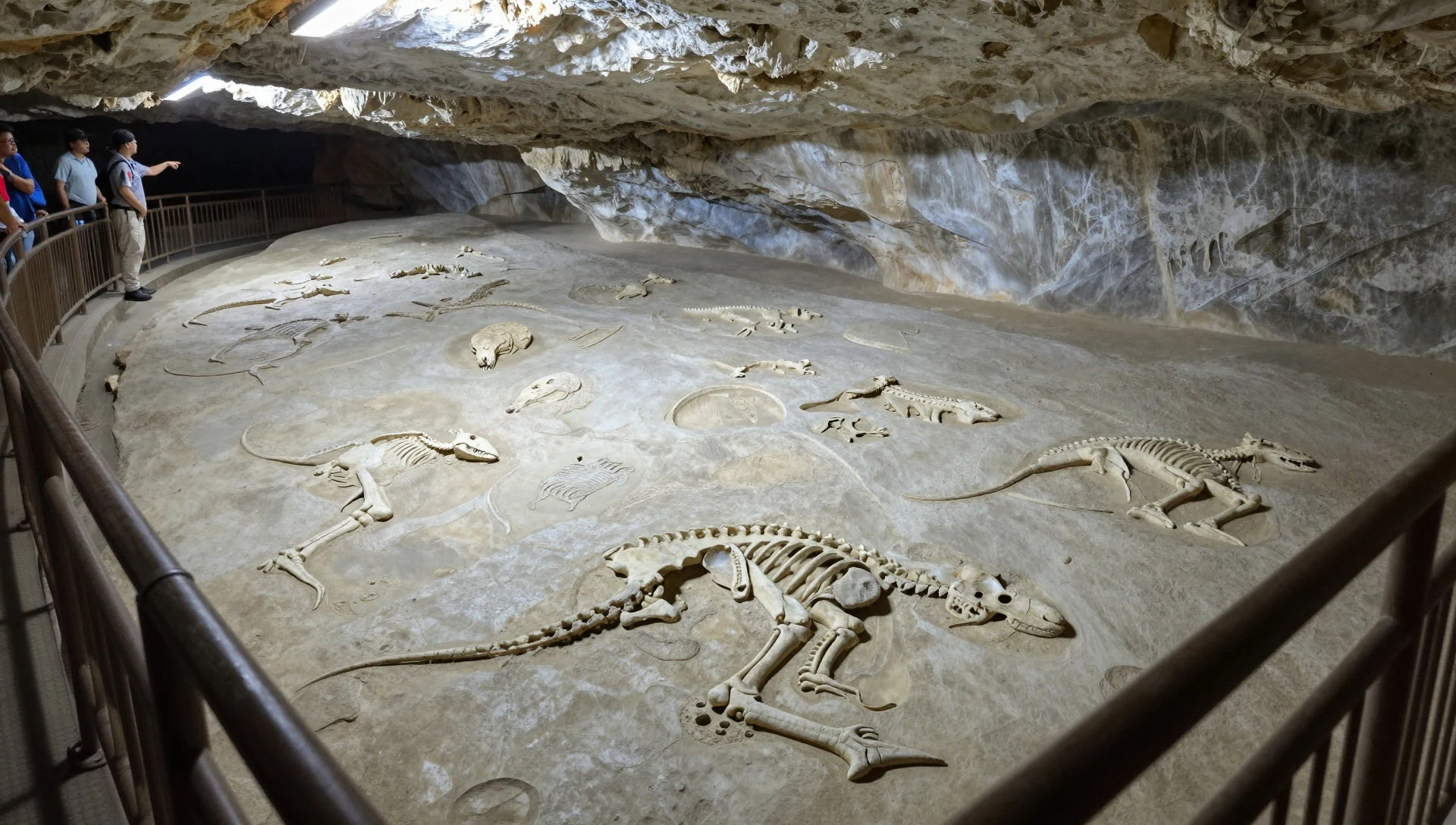
- Wonambi Fossil Centre — Fossil centre precinct near Naracoorte
Wonambi Fossil Centre gives context for what the caves preserve, focusing on how the cave environments worked over long periods. It’s a helpful stop when cave descriptions start to blend together, and it supports the fossil story without needing specialist geology knowledge.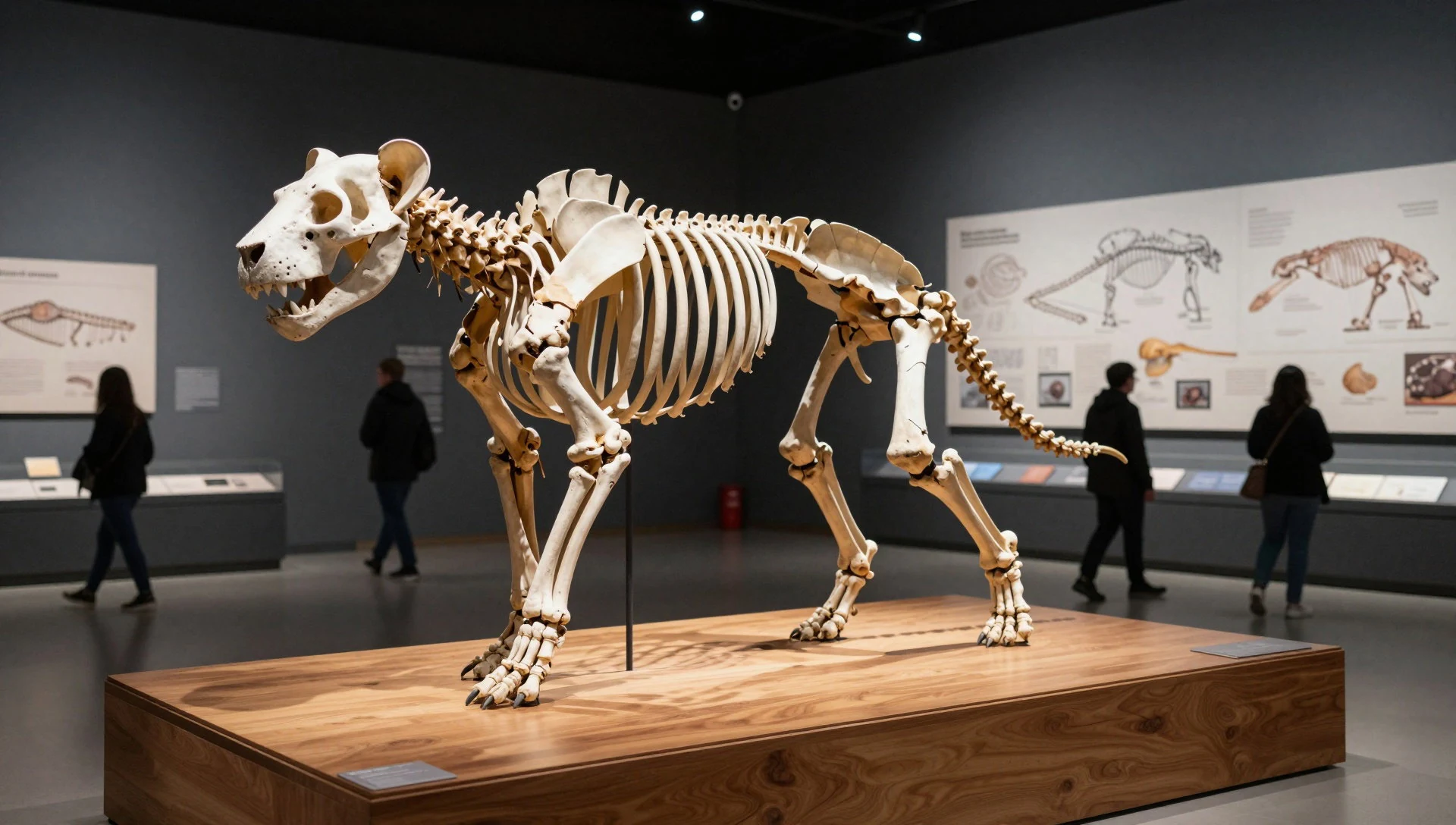
- Alexandra Cave — Alexandra Cave area
Alexandra Cave is known for its cave formations, including stalactites and stalagmites. The result is a dense display of mineral shapes, with the tight cave space making the details feel close and tactile.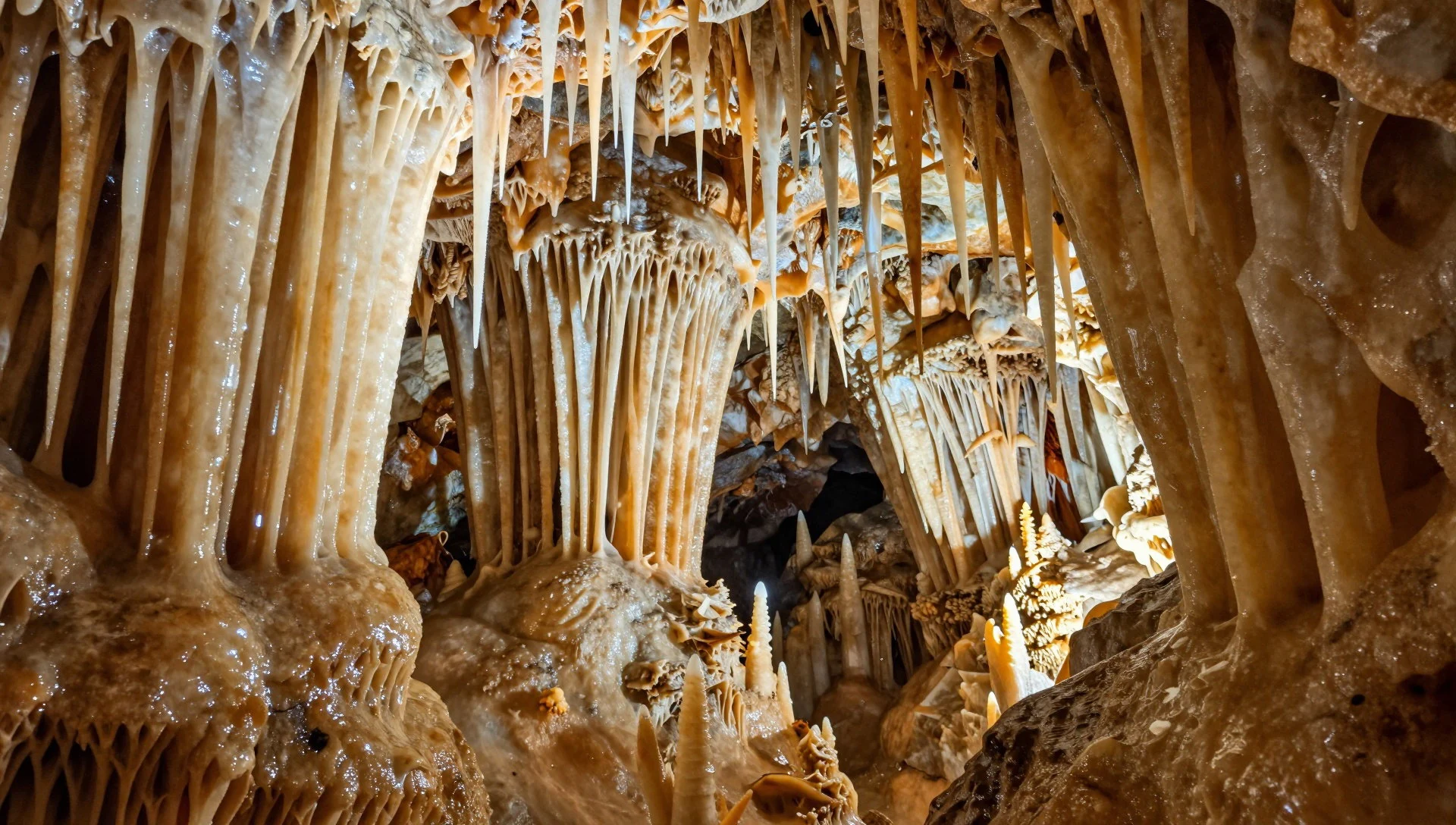
- Bat Centre and Blanche Cave — Bat Centre & Blanche Cave area
The Bat Centre and Blanche Cave work well as a pair: the Bat Centre frames how bats fit into the wider ecosystem, then Blanche Cave delivers the classic cave interior experience. It’s a solid choice if the aim is a rounded “animals plus stone” tour.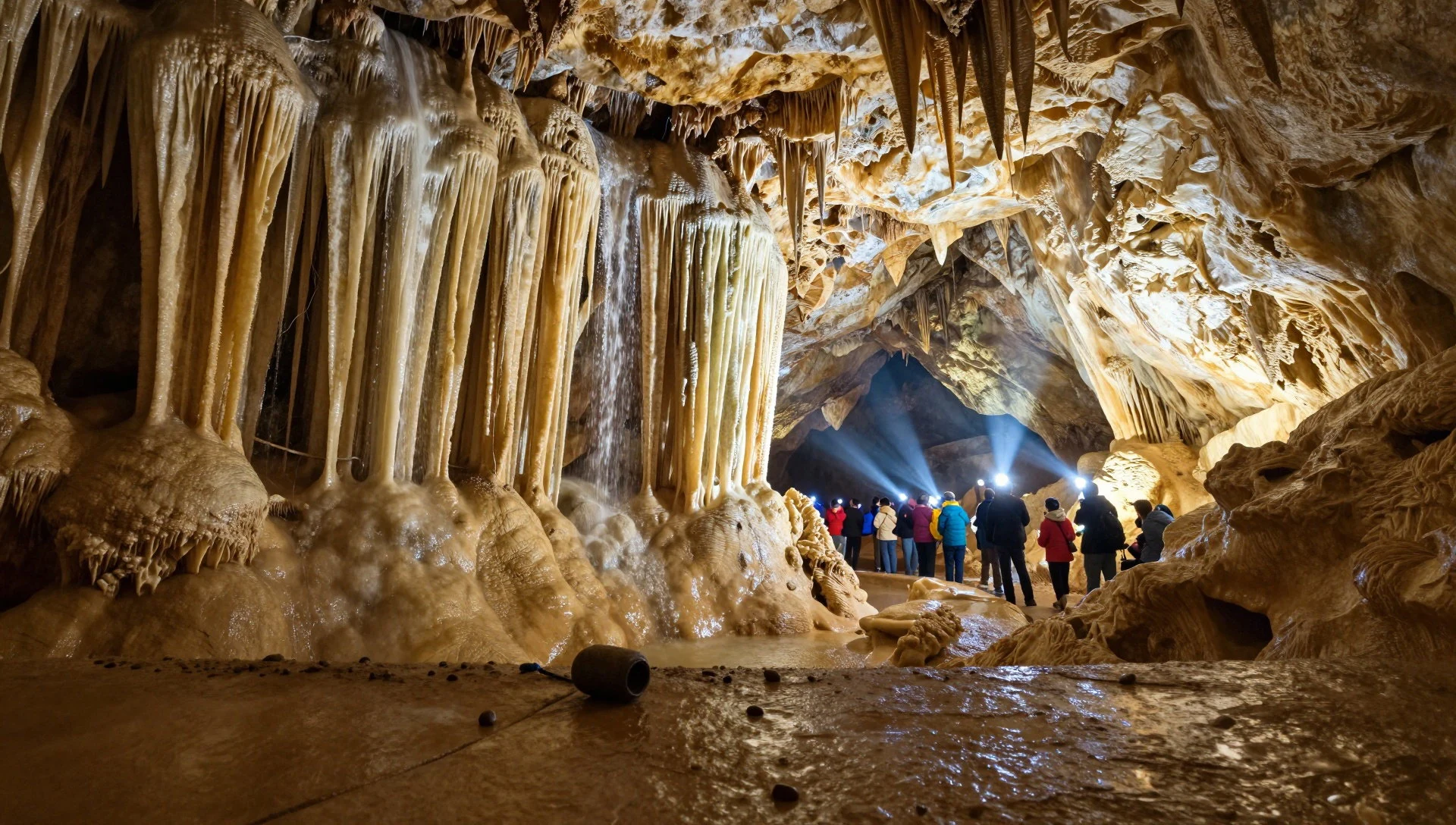
- Stick-Tomato Cave — Stick-Tomato Cave area
Stick-Tomato Cave is a popular option when time is tight. The walking route is straightforward compared with deeper or more structured tours, making it a practical way to experience cave atmosphere with less scheduling pressure.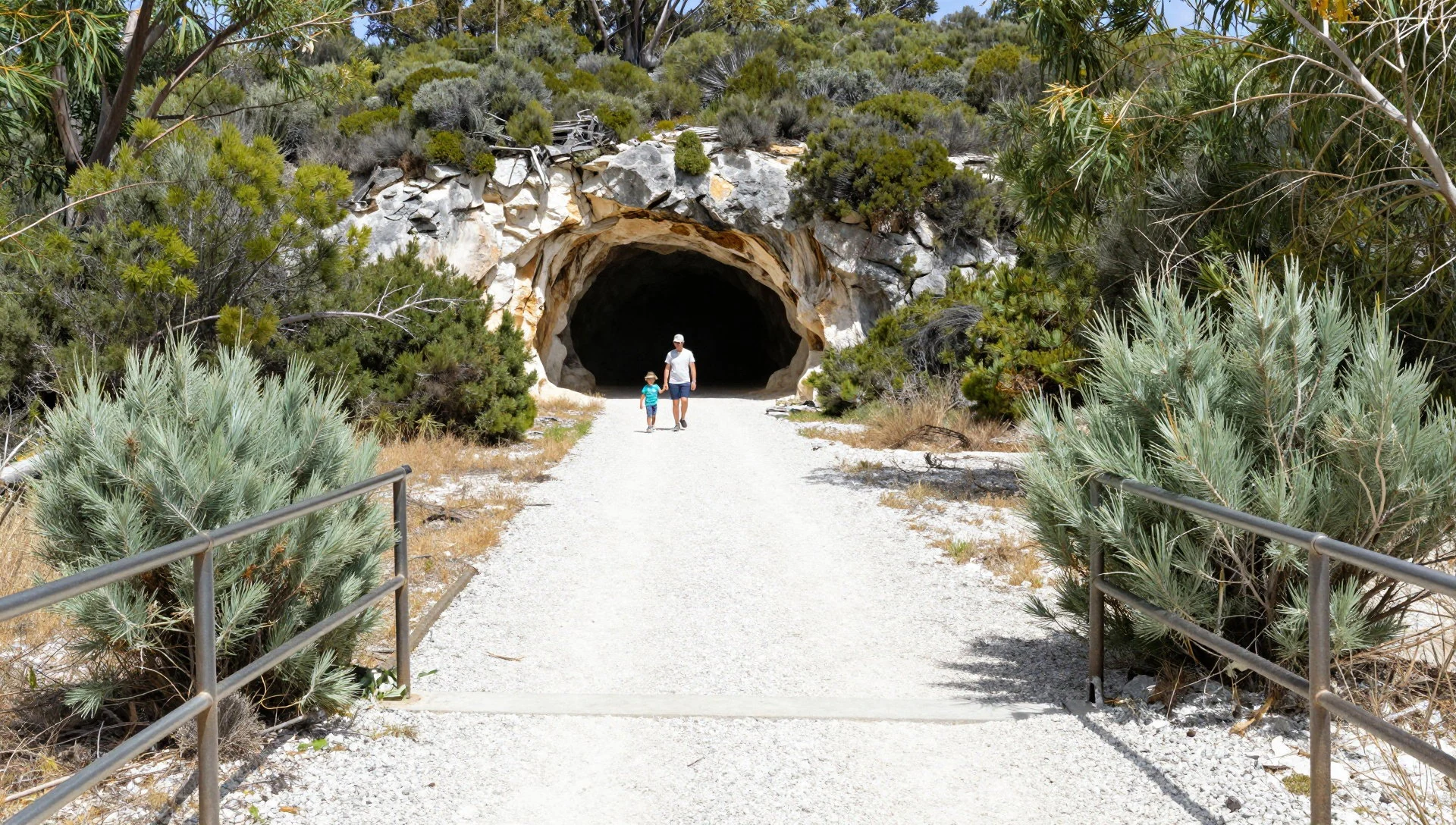
Culture
Naracoorte Caves National Park is all about respecting a delicate environment that’s still actively studied. Because only some caves are open to the public, it’s clear the park is balancing visitor access with protection for scientific research and for what the caves contain. Inside show caves, the rules tend to be simple: listen to the guides, stay on the marked path, and avoid touching formations.
Photography is usually possible, but lighting conditions can make camera use feel different from “normal sightseeing”. Expect low light and occasional glare, and be ready to pause if staff are guiding the group through narrow sections.
Outside the caves, the park sits in a rural region, so plan around heat and sun—then take the brief change of temperature in stride once inside. If travelling during busier periods, patience helps: cueing can happen around tour entry, and it’s worth treating the schedule as part of the experience rather than a nuisance.
Visitor etiquette: stay on the designated walkways, don’t touch formations, and keep voices low so others can hear the guide in tight cave spaces.
What to wear
At Naracoorte Caves National Park, the dress code is practical rather than formal. Traditional dress isn’t a feature of cave visiting here, but the key clothing decisions are about temperature swings and footing. Even when it’s hot outside, caves can feel cool and damp, so bring a light layer that’s comfortable to wear during a cave walk.
What people wear now is usually everyday travel clothes: shorts or light trousers in warm weather, a T-shirt or breathable top, and a thin jumper or overshirt for inside. Footwear matters because cave paths can be uneven and you may be walking more than expected between stops.
For visitors, closed-toe shoes with solid grip are the safest choice, and socks help for comfort. If there are any bat- or education-centre stops, plain, modest casual clothing works well. Avoid bulky bags that won’t fit under a seat or during guided movement; a small daypack is easier to manage.
In colder months, add a warmer layer so the temperature shift doesn’t catch people unprepared—cave interiors don’t behave like outdoor viewpoints.
What to eat
- Caves Café — Near the caves
Caves Café is close to the cave precinct, making it the easiest option for a snack or a simple lunch after a cave session. It suits “eat and regroup” moments when the body is cool from inside and energy drops between tours.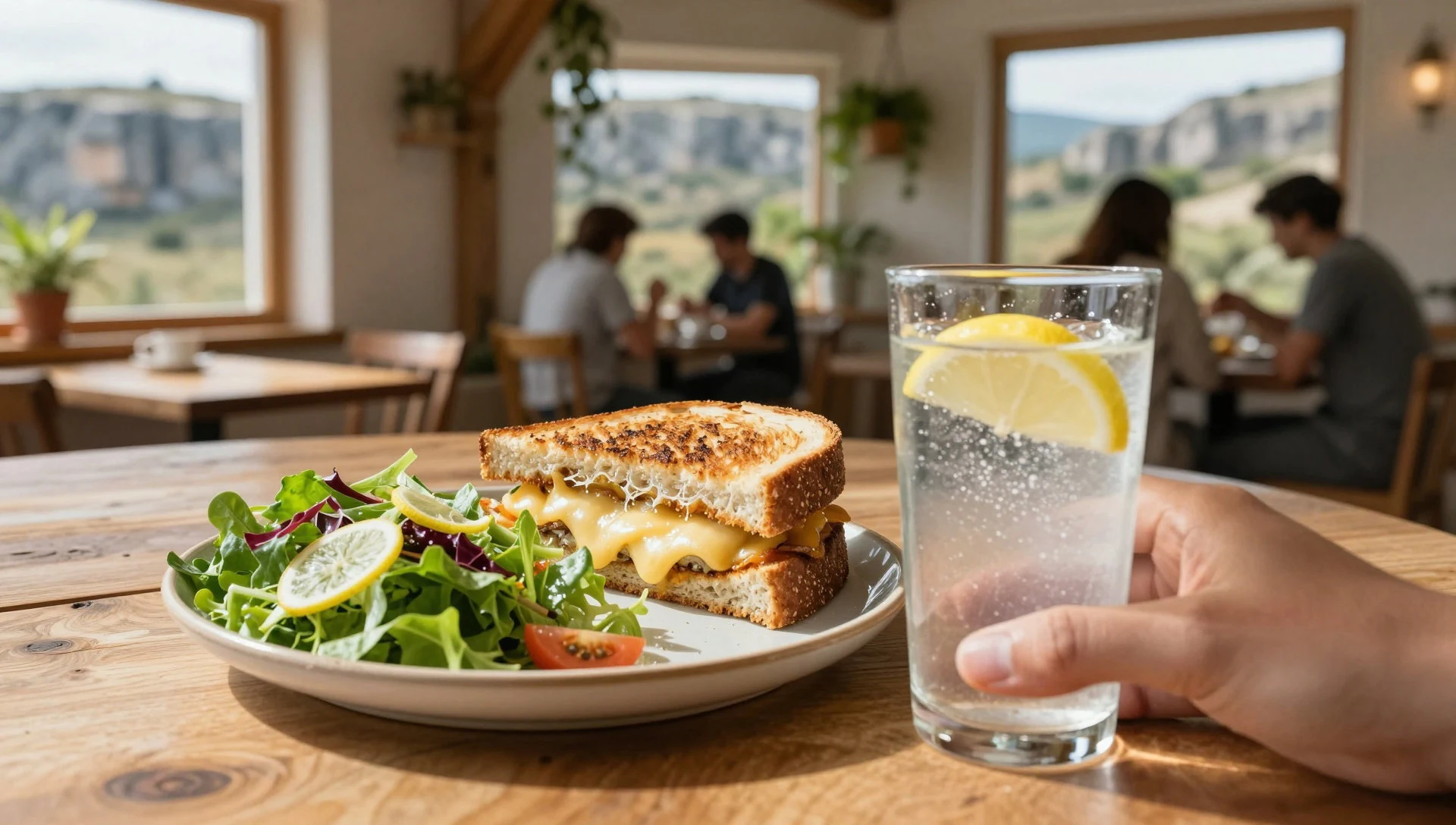
- Wrattonbully wine area — Wrattonbully wine region (near Naracoorte)
Wrattonbully is a wine-producing region and a good food-and-drink detour around the wider Limestone Coast area. It’s less about a quick bite and more about tasting in the landscape, especially if the plan includes a relaxed evening before heading back to Naracoorte.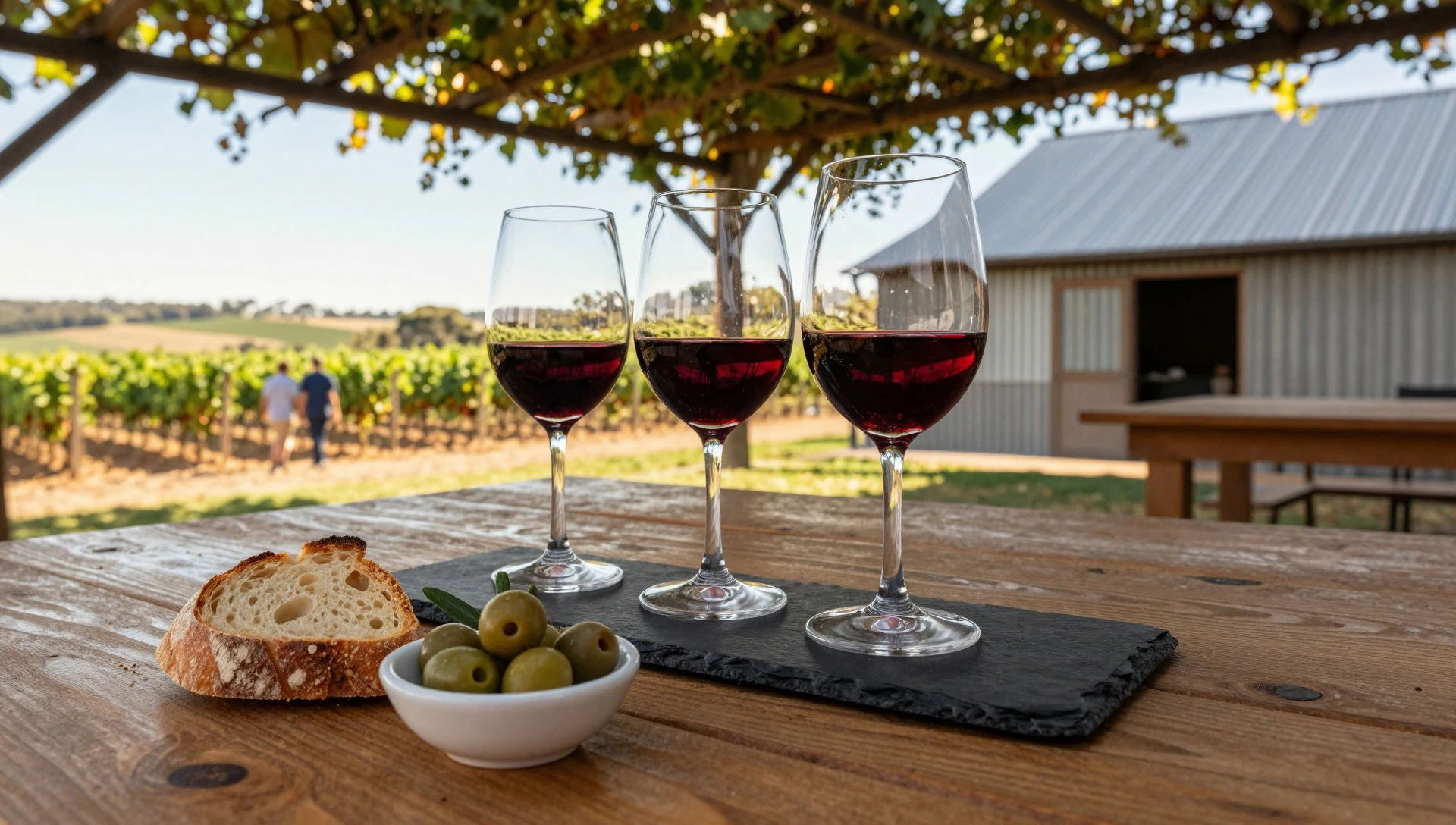
Plan it
Best time. December–February are the warmest months, while June–August are the coldest and wettest; April and October offer milder temperatures. June can be cooler.
How long. 2–3
Getting there. Naracoorte is reached by road from Adelaide or Mount Gambier: it’s about a four-hour drive from Adelaide CBD and about a one hour drive from Mount Gambier. By bus, Stateliner runs from Adelaide to Mount Gambier and stops in Naracoorte; from there, reaching the park involves arranging onward transport from Mount Gambier or Keith.
Budget. mid
Tips
- Start with the cave that drives the schedule, then use the fossil centre to connect the dots between fossils and cave formation.
- Plan for a temperature shift: pack a light layer for cave interiors even on warm days.
- If travelling by bus, budget time for the last leg from Naracoorte town to the park via Mount Gambier or Keith.
- Keep the self-guided Stick-Tomato Cave for when energy is lower, so the guided caves can be fully absorbed.
Etiquette
- Stay on marked paths and avoid touching stalactites or stalagmites.
- Follow guide instructions quickly in narrow cave sections.
- Be mindful of noise levels so others can hear explanations.
Nearby
Sources
- Wikidata Q1135796 (CC0)
- Wikipedia (rev 1370246577) (CC BY-SA 4.0)
- Wikivoyage (rev 5354133) (CC BY-SA 4.0)
- Photo photos/01-naracoorte-caves-national-park-1.jpg (CC BY 2.5)
- Photo photos/02-thylacoleo-skeleton-in-naracoorte-caves.jpg (Public domain)
- Photo photos/03-44-entrance-to-naracoorte-caves.jpg (CC BY-SA 4.0)
- Photo photos/04-57-skeleton-shadow-victoria-fossil-cave-naracoorte.jpg (CC BY-SA 4.0)
- Photo photos/05-alexandra-cave-at-naracoorta-caves.jpg (CC BY-SA 4.0)
- Photo photos/06-alexandria-caves-naracoorte-south-australia-interior-view-gn.jpg (CC0 1.0)
- Photo photos/07-australia-s-world-heritage-sites-display-naracoorte-fossil-c.jpg (CC BY-SA 2.0)
- Photo photos/08-cave-entrance-naracoorte-south-australia.jpg (Public domain)


