Nagasaki
Nagasaki, Japan
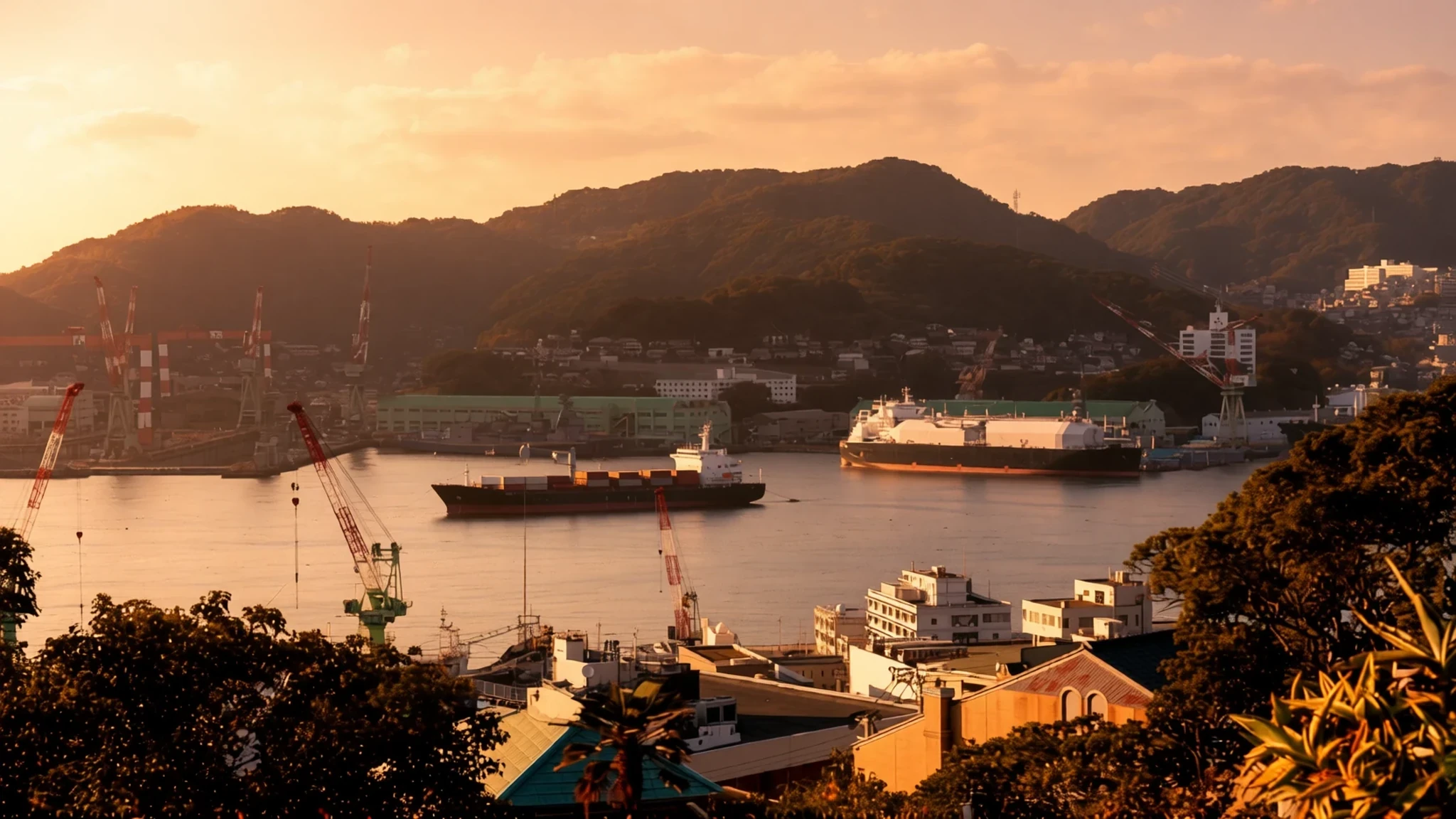
Nagasaki is a remarkably resilient harbour city where steep green hills embrace centuries of layered maritime history, Christian heritage, and Portuguese-influenced cuisine.
The place
Nagasaki occupies a dramatic setting on the island of Kyushu, spilling down steep, verdant hillsides into the arms of a long, protected bay that forms an exceptional natural harbour. Two rivers descend from the surrounding peaks, carving out the main residential and commercial valleys where the city breathes and thrives. The geography dictates the rhythm of daily life here: narrow streets wind up steep slopes, connected by thousands of stone steps and sloping alleys rather than grid-patterned avenues. Every turn reveals glimpses of the harbour glinting below through gaps in the dense timber and concrete houses. Unlike the flat expanses of Tokyo or Osaka, Nagasaki feels intimate and vertical, rewarded by panoramic viewpoints at nearly every turn.
The municipal boundaries encompass the Nagasaki and Nishisonogi Peninsulas, anchoring a population that lives closely interwoven with the surrounding sea and hills. Trade and international exchange have defined the character of the settlement for centuries. Because foreign ships sought shelter in its deep waters long ago, the urban fabric retains a distinctly cosmopolitan air found nowhere else in Japan, blending European architectural relics with traditional shrines and temples. The maritime air carries a lingering sense of adventure, shaped by centuries of sailors, merchants, and missionaries arriving from across the seas. It is a place that invites slow exploration on foot, where getting lost among the hillside pathways and unexpected pocket parks is part of the charm.
Its story
The story of Nagasaki shifted profoundly when Portuguese explorers and traders arrived in the mid-sixteenth century, seeking a secure port to anchor their vessels and conduct commerce. Before this direct contact, Japan had fractured its commercial ties with mainland China due to piracy troubles in the South China Sea. The Portuguese stepped into the breach as indispensable commercial intermediaries, linking Japanese lords with Chinese markets and introducing European firearms along with Christianity.
Jesuit missionaries followed the merchant fleets, converting thousands of local people and establishing a vibrant Christian community. However, the Tokugawa shogunate later grew suspicious of foreign religious and political influence, leading to harsh persecutions, the crucifixion of martyrs, and the eventual enforcement of a strict national seclusion policy. For centuries, Nagasaki remained the sole authorized window to the outside world, where a controlled group of Dutch merchants was confined to the artificial island of Dejima.
The modern era brought profound tragedy and reinvention. Following decades of industrial growth and naval importance, the city suffered the catastrophic atomic bombing near the end of the Second World War. Rather than succumbing to devastation, the community rebuilt itself with remarkable determination. Today, the municipal landscape honours its tragic past while cultivating a steadfast message of peace, forgiveness, and international reconciliation, preserving the multilayered heritage left behind by centuries of global contact.
What to see
- Atomic Bomb Museum — Urakami district
A deeply moving commemoration documenting the tragedy of the twentieth century. Exhibits guide visitors through the historical context, the immediate devastation, and the ongoing global advocacy against nuclear proliferation, offering a powerful, reflective experience for anyone seeking to understand the resilience of the local community.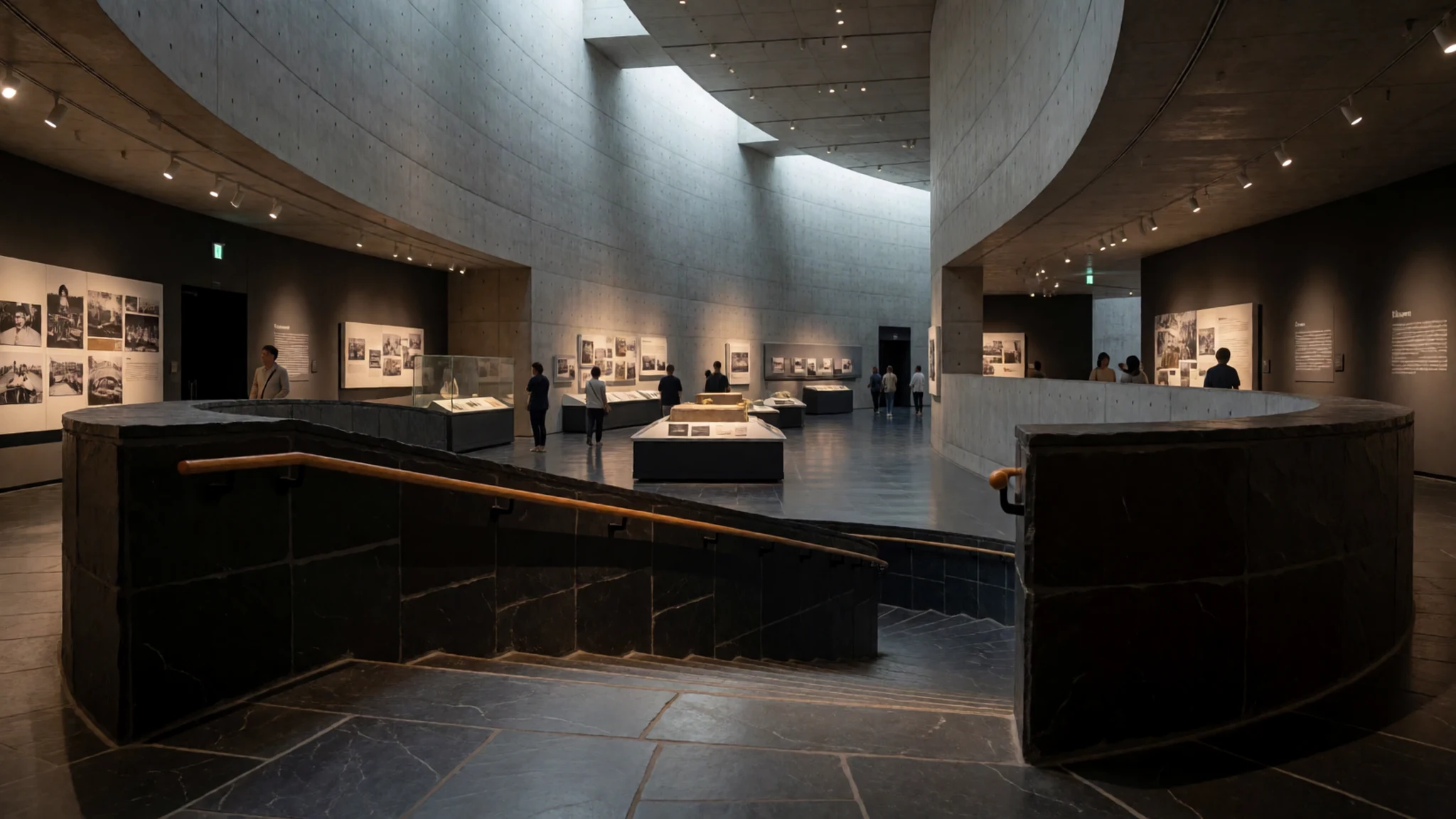
- Nagasaki Peace Park — Northern hills
A solemn memorial complex established near the hypocenter of the wartime blast. Dominated by the iconic bronze Peace Statue pointing skyward and offering wishes for safety, the landscaped grounds draw pilgrims and travellers from across the globe to reflect on the importance of international harmony and lasting peace.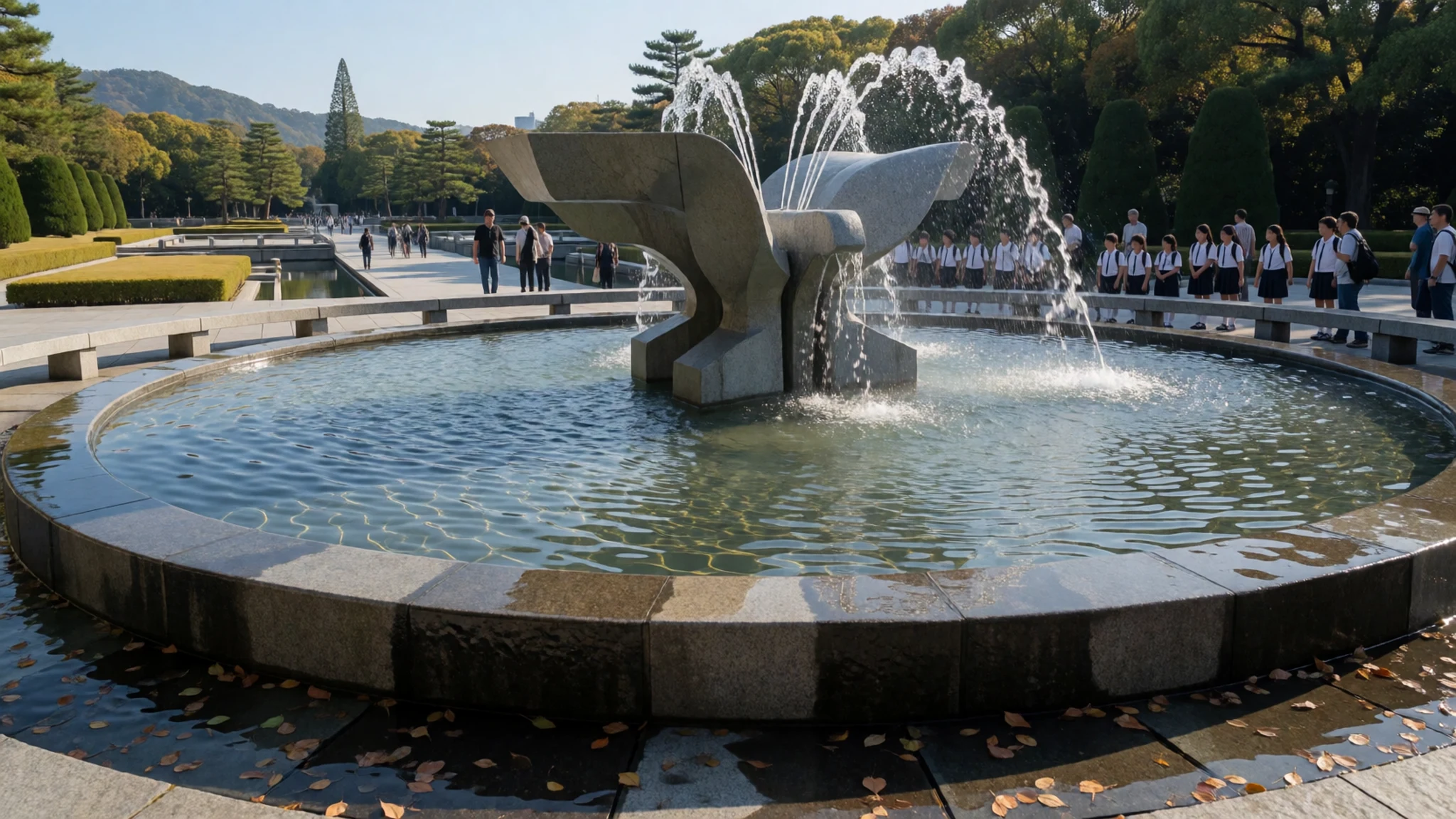
- Glover Garden — Minamiyamate hillside
An open-air hillside estate featuring meticulously preserved European-style residences built for foreign merchants and diplomats following the Meiji Restoration. Strolling along the brick paths provides wonderful sea vistas, blooming seasonal flowers, and a fascinating glimpse into the domestic lives of nineteenth-century expatriates who settled here.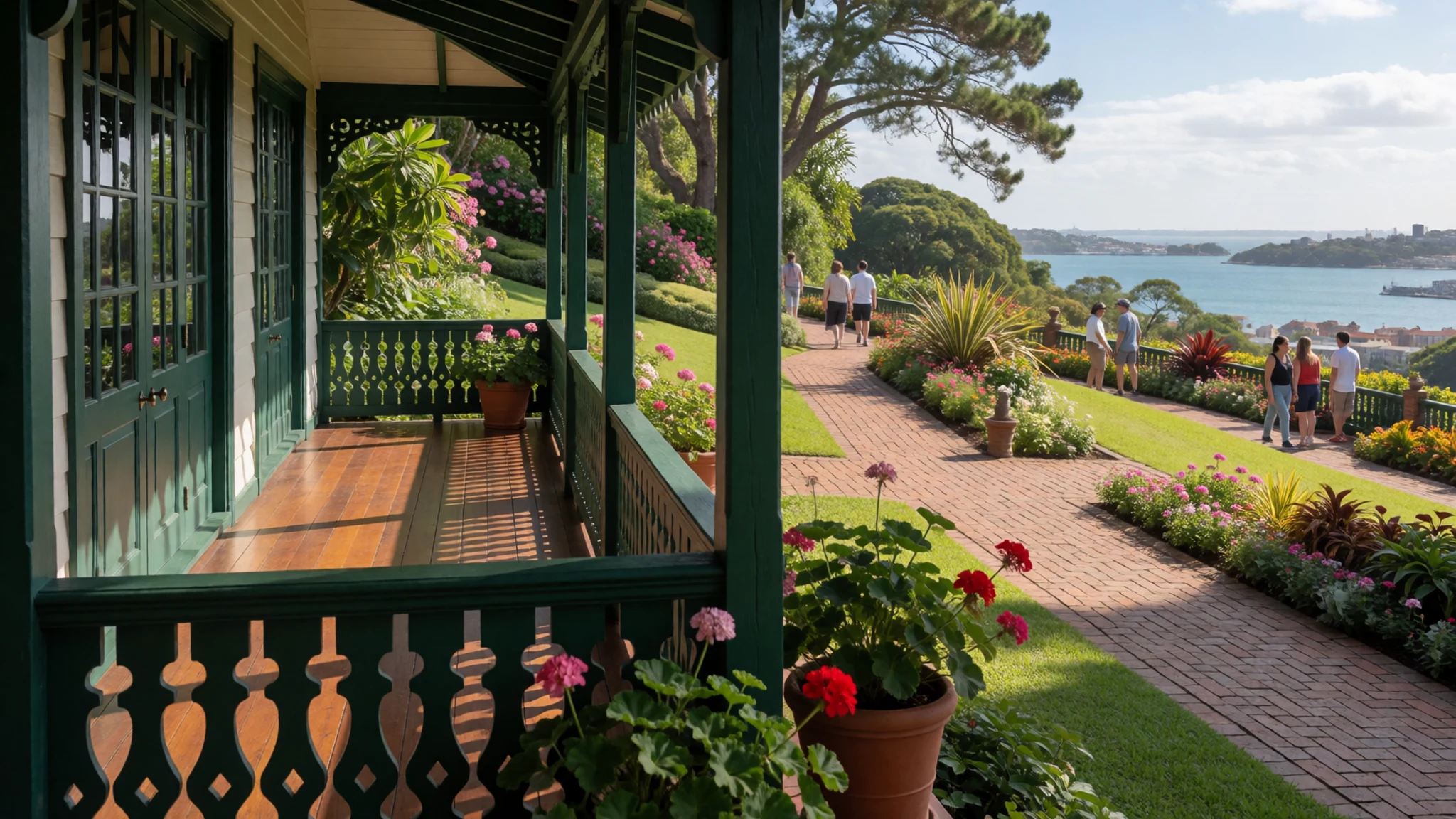
- Museum and Monument of the 26 Martyrs — Nishizaka hill
A poignant cultural site perched on a quiet hill, marking the spot where Japanese Christians and European missionaries were executed in the late sixteenth century. The adjacent museum chronicles the endurance of the Hidden Christians who kept their faith alive in secret during centuries of severe government persecution.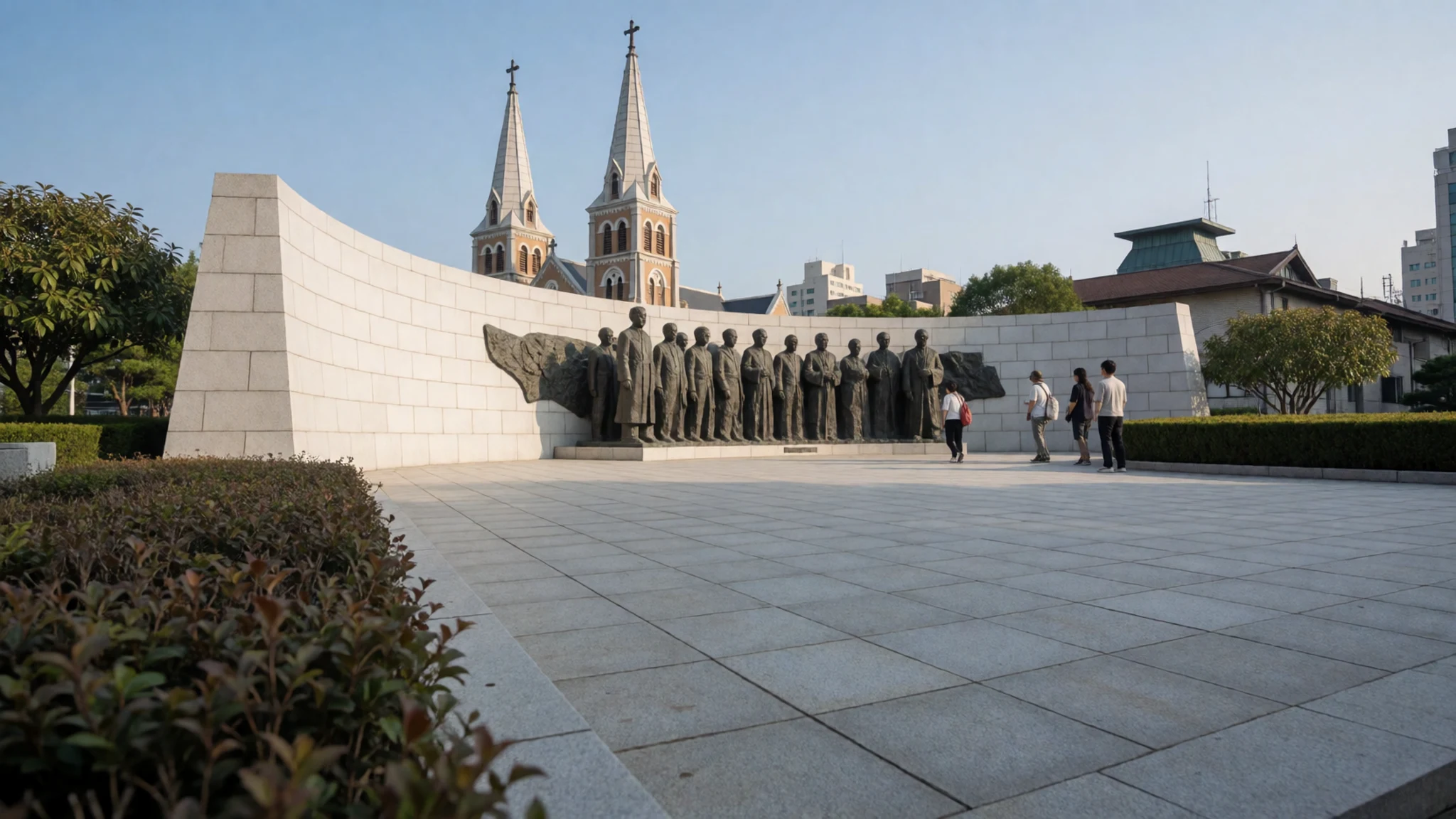
Culture
The cultural fabric of Nagasaki is woven from distinct historical threads that set it apart from the rest of Japan. Centuries of maritime trade infused local traditions with Portuguese, Dutch, and Chinese influences, creating a welcoming spirit toward outsiders that persists today. Festivals such as the autumn Kunchi celebration blend Chinese dragon dances with European-inspired floats and ancient Shinto rituals, drawing enthusiastic crowds to neighbourhood shrines.
Beneath this festive exterior lies a profound reverence for peace, born from the city's wartime history. Residents maintain a strong collective memory of the atomic bombing, passing stories through generations and welcoming international visitors with solemn warmth. Etiquette here mirrors Japanese social norms of politeness and consideration, combined with a relaxed regional warmth characteristic of Kyushu islanders. When entering historical residential homes or traditional temple buildings, always remove your footwear at the designated step and slip into the provided indoor slippers.
What to wear
Traditional attire in Nagasaki reflects its rich cosmopolitan history, where imported fabrics and southern designs occasionally merged with classic Japanese garments. During regional festivals like the autumn celebrations, performers and participants often wear elaborate silk happi coats, colourful yukata, and vibrant festival garb influenced by centuries-old Chinese and European trade motifs.
In daily life, residents dress in contemporary, practical styles suited for an active urban environment. Because the city is built across steep hillsides and winding staircases, comfortable footwear is the absolute foundation of any wardrobe here. Locals favour smart, versatile clothing that transitions easily from breezy seaside promenades to humid summer afternoons.
Travellers should pack reliable walking shoes with good grip for exploring the uneven stone steps, steep slopes, and gravel paths of hillside gardens. Layering is advisable during spring and autumn when sea breezes can turn chilly, while lightweight, breathable fabrics are essential for the warm, humid summer months. Modest dress covering shoulders and knees is appreciated when visiting sacred memorial sites, churches, and temples.
What to eat
- Champon — Chinatown district
Nagasaki's signature noodle dish features thick, hearty noodles simmered in a rich pork-based broth loaded with crisp vegetables, pork, shrimp, squid, and scallops. Head to the bustling Chinatown district near the Tsuki-machi tram stop to sample authentic bowls. - Sara Udon — Central commercial streets
A delicious variation of champon that serves the same savoury meat, seafood, and vegetable stir-fry over a bed of crispy, fine deep-fried noodles on a plate. You can find excellent plates at traditional noodle shops throughout the central commercial streets. - Castella — Dutch Slope bakeries
A light, fluffy sponge cake introduced by Portuguese traders centuries ago, perfected with a delicate Japanese sweetness and crumb texture. Stroll down the historic Dutch Slope whenever you visit to try different flavours from traditional bakeries. - Turkish Rice — Local Western-style cafes
A wonderfully hearty local comfort dish featuring a crispy pork cutlet, dry curry mixed into seasoned rice, and a small portion of spaghetti served together on a single plate in neighbourhood Western-style eateries.
Plan it
Best time. March to April for cherry blossoms and pleasant walking weather, or October to November for clear autumn skies; June brings heavy rain, and August is hot and humid.
How long. 3–4
Getting there. Fly into Nagasaki Airport and take the limousine bus to JR Nagasaki Station (about 45 minutes); or arrive from Fukuoka via the limited express and Kamome shinkansen connection.
Budget. mid
Tips
- Wear comfortable walking shoes with good grip to tackle the steep hillside staircases.
- Carry cash for small shops, trams, and temple admission fees.
- Start early at major sights to enjoy the quiet morning atmosphere before crowds arrive.
- Use the convenient tram network for navigating between downtown sights and the harbour.
Etiquette
- Remove your shoes when stepping into traditional buildings, temples, and historical homes.
- Maintain a quiet, respectful tone when visiting peace monuments and memorials.
Nearby
Sources
- Wikidata Q38234 (CC0)
- Wikipedia (rev 1380966750) (CC BY-SA 4.0)
- Wikivoyage (rev 5412093) (CC BY-SA 4.0)
- Photo 01 (CC BY-SA 4.0)
