Mykonos
Mykonos, Greece
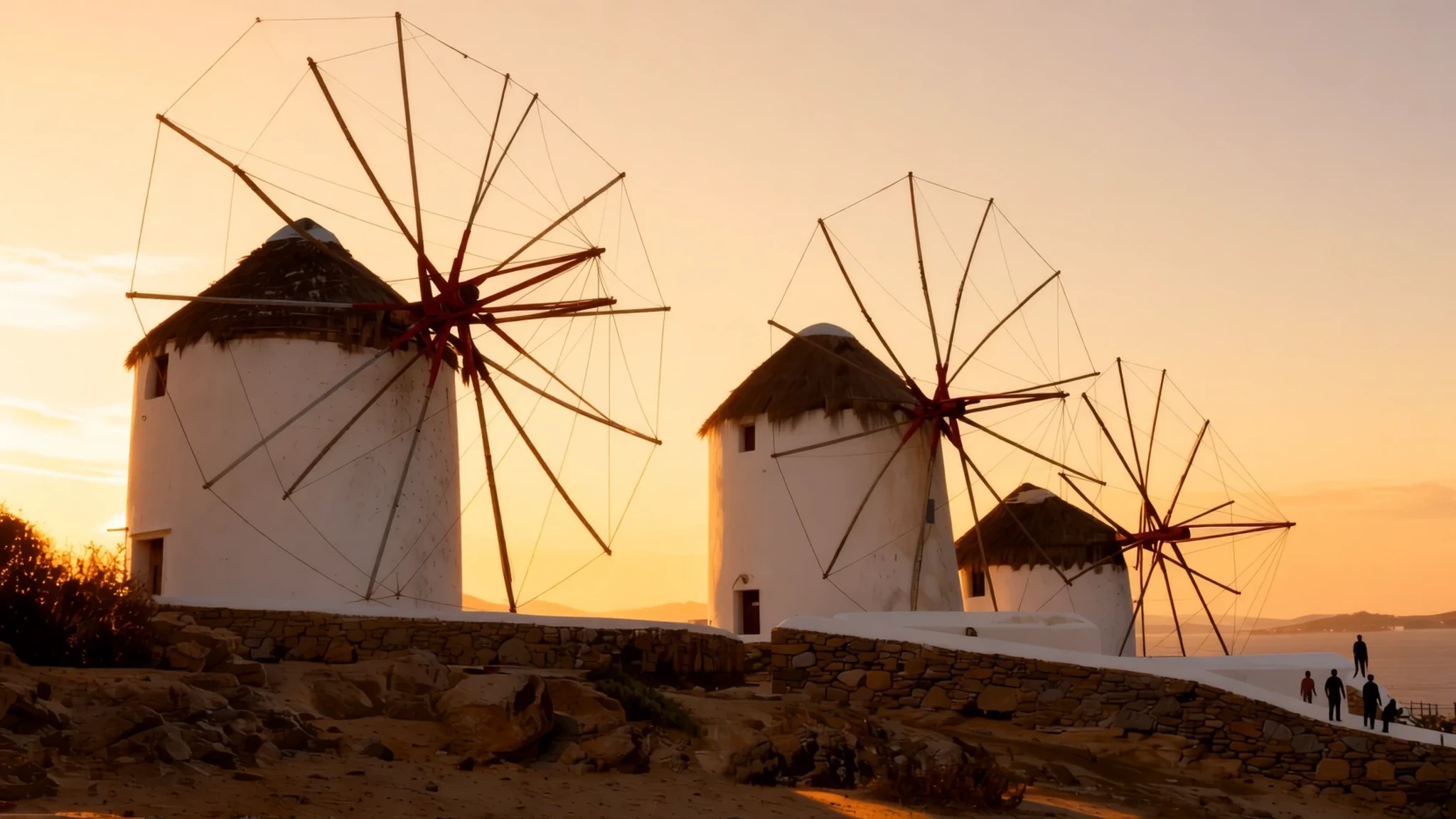
Mykonos offers dramatic Cycladic landscapes, deep maritime history and legendary island nightlife beneath sweeping Aegean winds.
The place
Mykonos sits proudly in the Aegean Sea as a striking part of the Cycladic island group, positioned closely between Tinos, Syros, Paros and Naxos. The island terrain is remarkably rocky, formed mostly of resilient granite and worn down by steady weather patterns that earned the territory its famous windy reputation. People inhabit the land primarily along the western coast, where the principal settlement stands. This main hub is widely called Chora, following a common Greek tradition of naming the primary town after the island itself. Beyond this lively harbour settlement, the landscape remains largely dry and undulating, featuring seasonal watercourses rather than permanent rivers. While the resident population stays modest year-round, the island swells significantly with visitors during warmer months who arrive to experience its striking coastal architecture, dramatic headlands and vibrant social scene. The dry climate and granite ridges create a raw, sun-bleached beauty that defines the entire region. Walking through the narrow pathways reveals whitewashed stone buildings, winding lanes designed to confuse ancient raiders, and sparkling blue waters framing the horizon at every turn. It is a place where traditional island life meets modern Mediterranean leisure, creating an atmosphere unlike anywhere else in the Cyclades.
Its story
Mykonos carries a deep history stretching back through millennia of Mediterranean trade and conflict. Ancient Greek historian Herodotus recorded that Carians were the original inhabitants here, before Ionians from Athens arrived in the early centuries. Because the neighbouring island of Delos served as a sacred sanctuary and political meeting ground for the Delian League, Mykonos naturally grew into a vital nearby hub for supplying ships and travellers. Despite this strategic positioning, antiquity treated the island as a relatively poor territory with sparse agricultural potential, forcing locals to rely heavily on the sea. Over subsequent eras, Mykonos shifted through various regional powers, falling under the control of Hellenistic rulers, the Roman Republic, and later the Byzantine Empire. A major turning point occurred after the Fourth Crusade, when Venetian nobles occupied the island, bringing new administrative structures and enduring architectural influences. Towards the end of medieval times, Ottoman forces established control under the famous admiral Hayreddin Barbarossa. This long period under Ottoman administration shaped local commerce and maritime traditions until the Greek War of Independence in the nineteenth century brought the island into the modern Greek state. Throughout these dramatic historical shifts, Mykonos maintained its seafaring spirit, transforming over generations from a modest transit stop into a globally recognised destination while keeping its ancient heritage alive in its stony soil.
What to see
- The Windmills — Mykonos Town ridge
Standing proudly on a ridge overlooking the water in Mykonos, these historic round structures date back centuries when the island functioned as a major regional producer of wheat and bread. Their stark white silhouettes against the blue sky make them one of the most celebrated and photographed landmarks across the entire Aegean.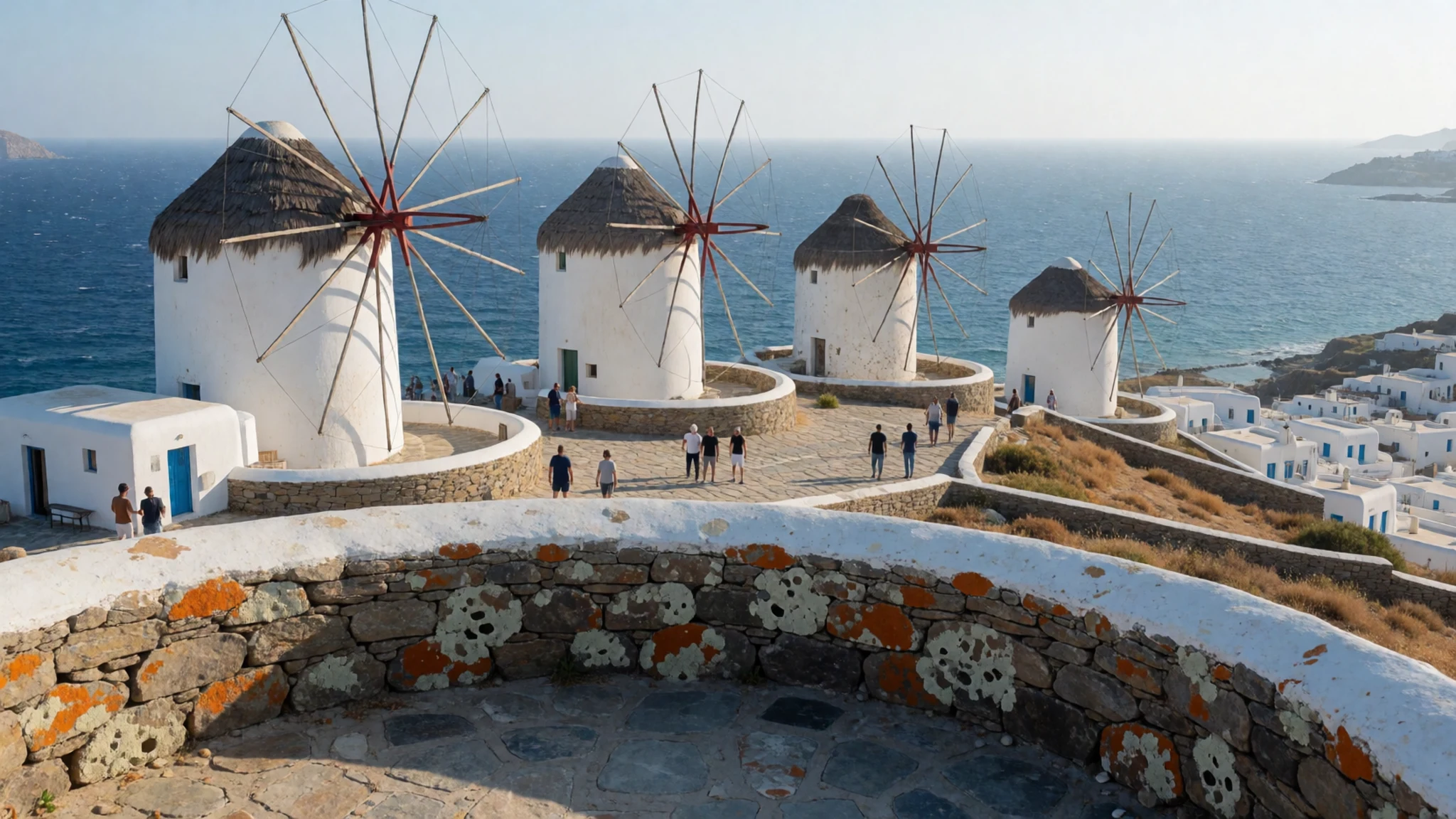
- Little Venice — Mykonos Town waterfront
This charming waterfront quarter features elegant fishing houses dating from the mid-eighteenth century, when wealthy merchants and sea captains made their homes along the shore. Their colourful wooden balconies overhang the water, creating a dramatic coastal tableau where visitors gather every evening to watch the sun sink below the horizon with a drink in hand.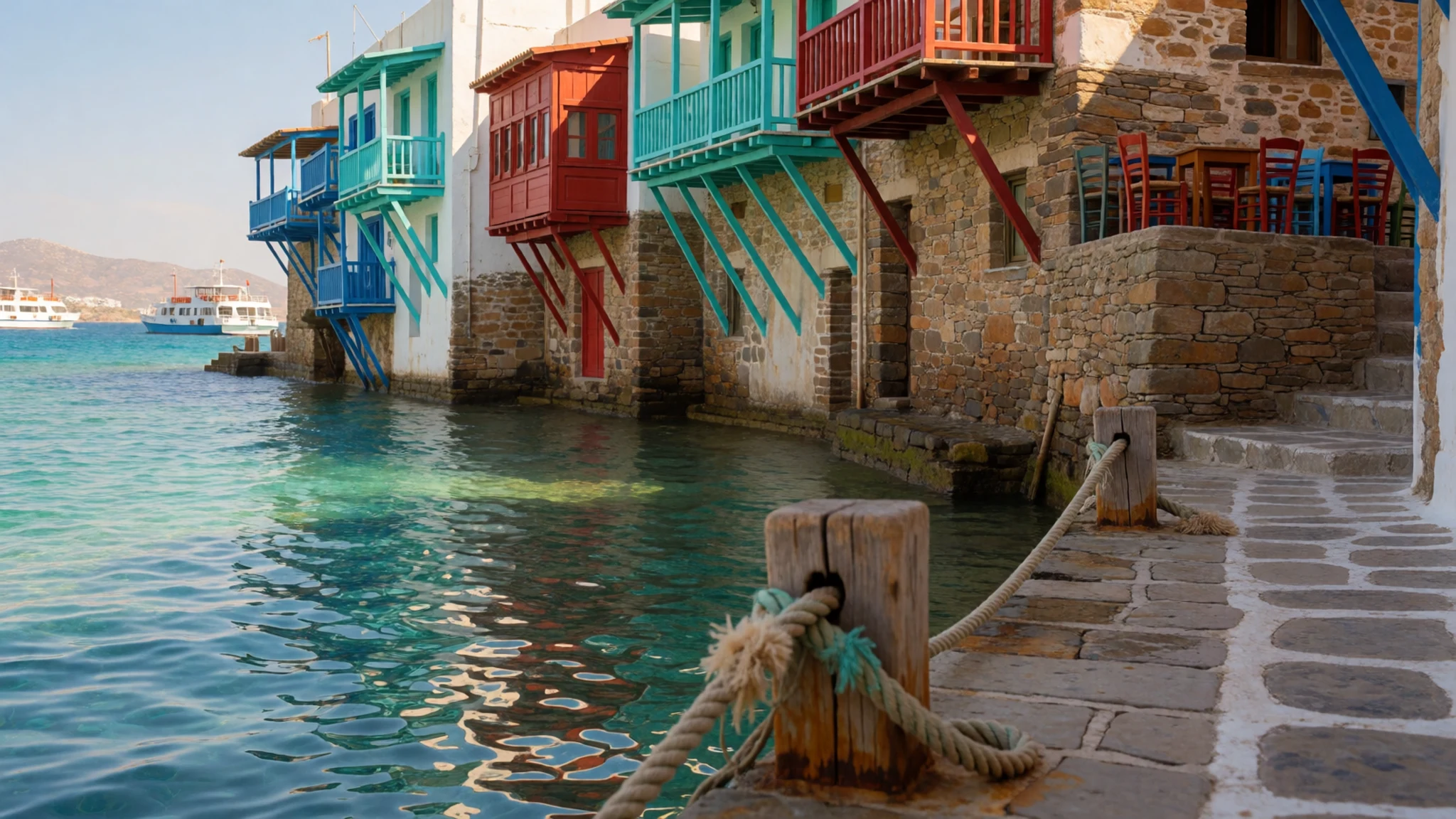
- Panagia Paraportiani — Kastro neighbourhood
Considered a true masterpiece of Byzantine architecture in Mykonos, this asymmetrical white church complex grew organically over centuries as separate chapels merged together. Its brilliant lime-washed exterior surfaces and sculptural form create an extraordinary architectural landmark right beside the old harbour edge.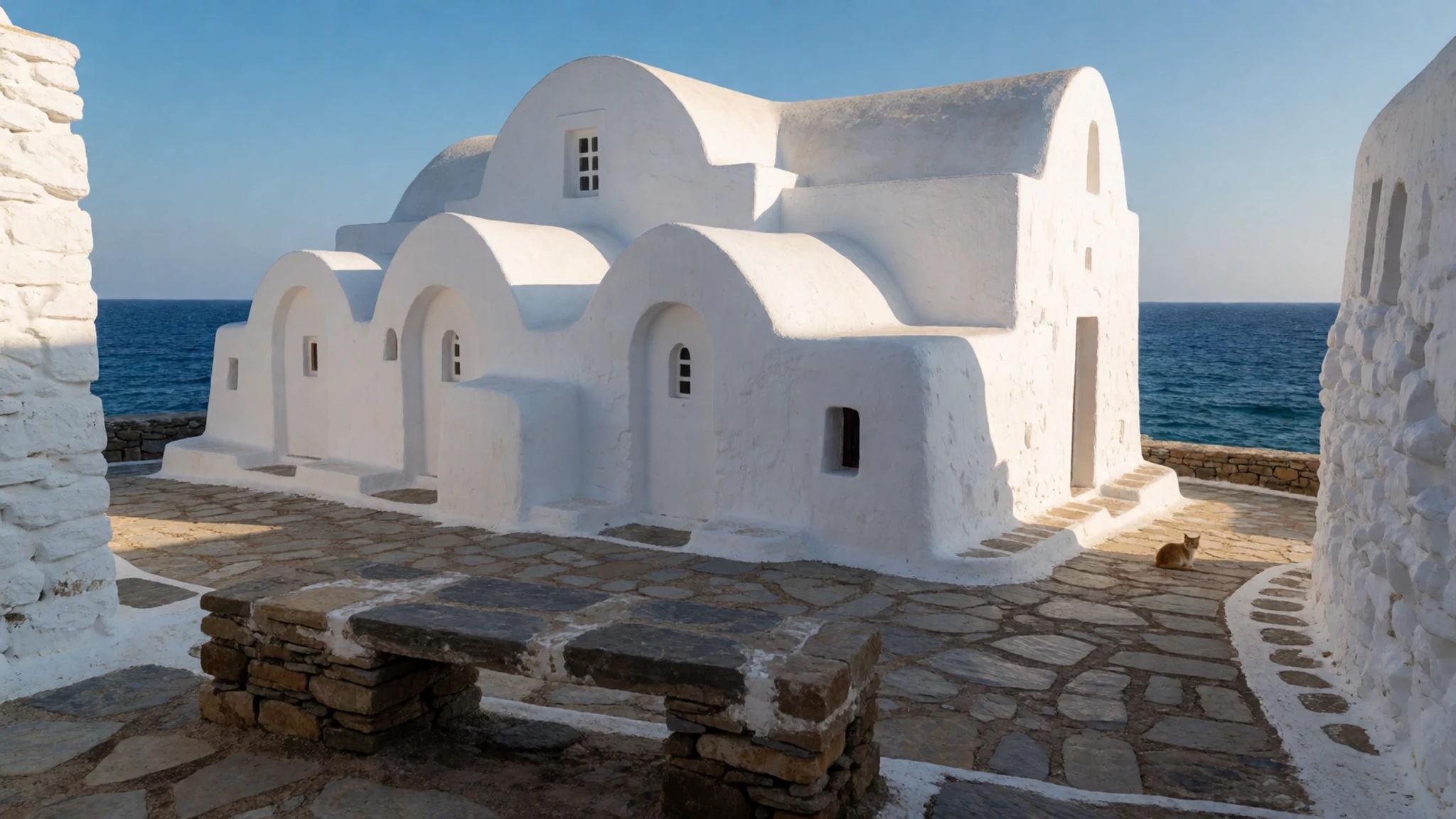
- Archaeological Museum of Mykonos — Port district
Established to preserve regional heritage, this cultural institution houses an extensive collection of ancient artefacts discovered across Mykonos and nearby sacred islands. Visitors can examine delicate prehistoric pottery, intricate funeral stelae, grave statues and Hellenistic vessels that trace centuries of Aegean civilisation.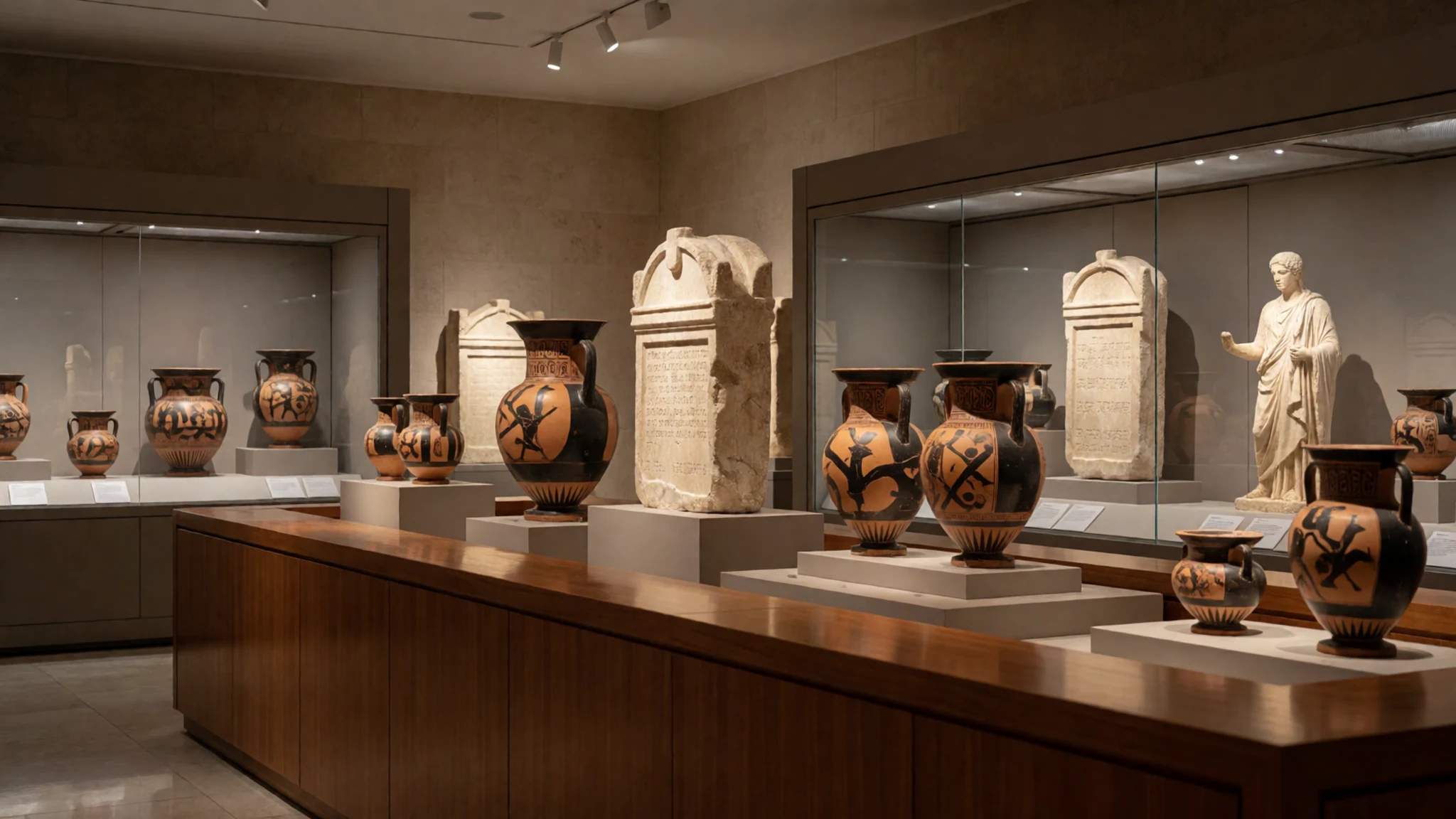
- Folklore Museum — Agios Nikolaos area
Housed within an authentic eighteenth-century sea captain's residence in Mykonos, this museum preserves the domestic heritage of the island. The rooms display historical furniture, rare religious icons, traditional costumes, maritime instruments and delicate textiles that vividly illustrate nineteenth-century island life.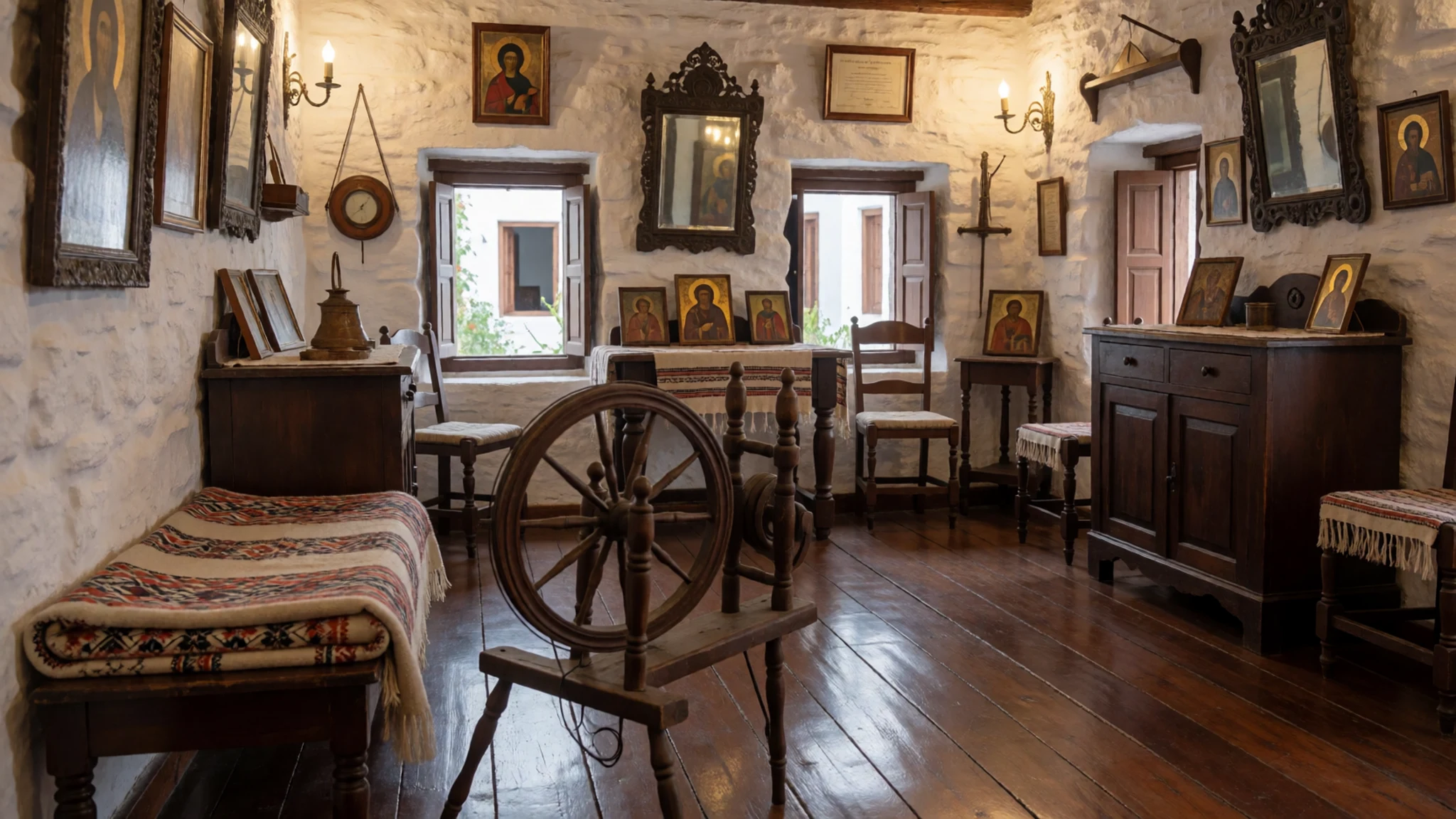
Culture
Mykonos maintains a proud maritime identity shaped by generations of sailors, traders, and craftspeople who learned to thrive despite the fierce seasonal winds. Kopanisti Mykonou and local cured meats like louza reflect a culinary heritage born from the need to preserve provisions in a rugged climate. Traditional hospitality remains central to island life, where family ties and seasonal rhythms have historically governed daily routines. While international tourism has transformed the economy, community celebrations and local saints' feast days still unite residents across the villages. Visitors should always dress modestly and respectfully when visiting monasteries and churches across Mykonos.
What to wear
Mykonos has long embraced a distinct blend of traditional island practicality and breezy Mediterranean style. Historically, local dress utilised sturdy homespun textiles suited for maritime labour, strong coastal winds and bright sunlight, with garments crafted from locally woven wool and linen. Today, everyday fashion on Mykonos balances relaxed resort wear with chic evening attire, reflecting the cosmopolitan character of the island during peak summer months. Visitors to Mykonos should pack lightweight, breathable natural fabrics such as cotton and linen to stay comfortable in the Mediterranean heat. Sturdy flat footwear is essential for navigating the uneven stone pathways of Chora, while a windproof layer or light jacket is highly recommended for breezy evenings by the sea.
What to eat
- Kopanisti Mykonou — Traditional taverns throughout Mykonos Town
A sharp, spicy local cheese with a soft, creamy texture that packs a rich punch. It is traditionally spread on barley rusks and served as a robust meze in local taverns across Mykonos.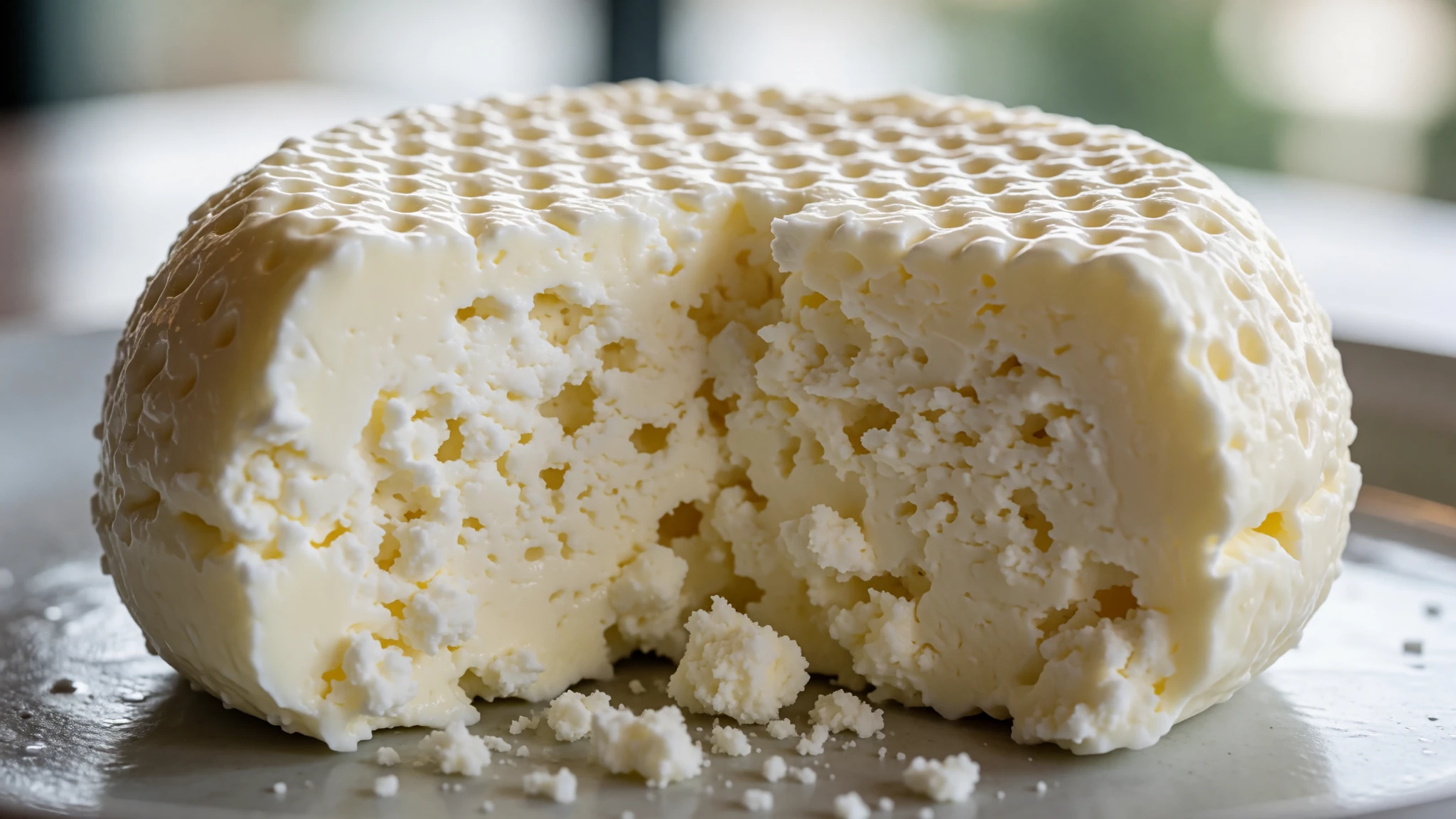
- Louza — Local delicatessens and traditional eateries
A prized cured pork delicacy seasoned with savory spices and red wine, then air-dried by the island winds. You can sample thinly sliced portions at family-run eateries across the island.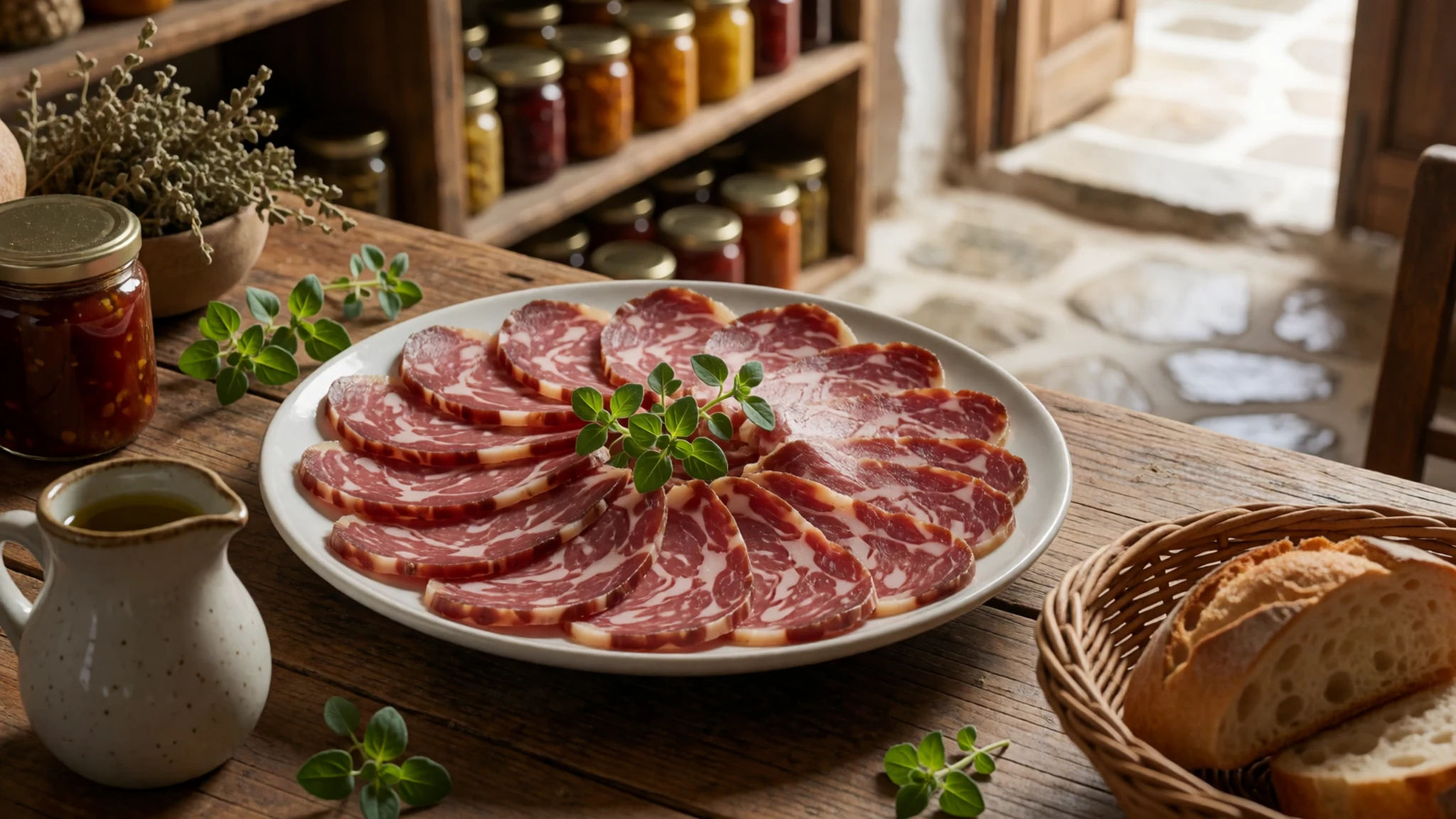
- Kremmydopita — Traditional bakeries in Mykonos Town
A savoury onion pie often prepared with local sour cheese and flaky pastry. It showcases the simple yet satisfying baking traditions found in village bakeries. - Amygdalota — Local sweet shops and bakeries
Sweet almond biscuits scented with rosewater and dusted with powdered sugar. These traditional pastries are frequently served at weddings, baptisms and celebrations across the island. - Fresh Seafood — Waterfront fish taverns in Mykonos Town
Locally caught fish and seafood prepared simply with olive oil, lemon and herbs. Enjoy these fresh catches at casual seaside taverns overlooking the harbour.
Plan it
Best time. May or October offers pleasant weather, manageable crowds and warm sea temperatures without peak summer intensity.
How long. 3–4
Getting there. Arrive by ferry or high-speed catamaran from the ports of Piraeus or Rafina near Athens, or fly directly into the island's airport.
Budget. high
Tips
- Book ferry tickets and accommodation well in advance if travelling during peak summer months
- Wear flat, sturdy shoes to navigate the slippery, uneven stone pathways of Chora
- Carry some cash for small purchases, bus fares, and independent shops
- Respect the strong island winds and pack a light windproof jacket for coastal walks
Etiquette
- Dress respectfully with covered shoulders and knees when visiting churches and monasteries
- Ask permission before photographing private homes and residents in narrow residential alleys
Nearby
Sources
- Wikidata Q190210 (CC0)
- Wikipedia Mykonos (CC BY-SA 4.0)
- Wikivoyage Mykonos (CC BY-SA 4.0)