Musandam Governorate
Musandam Governorate, Oman
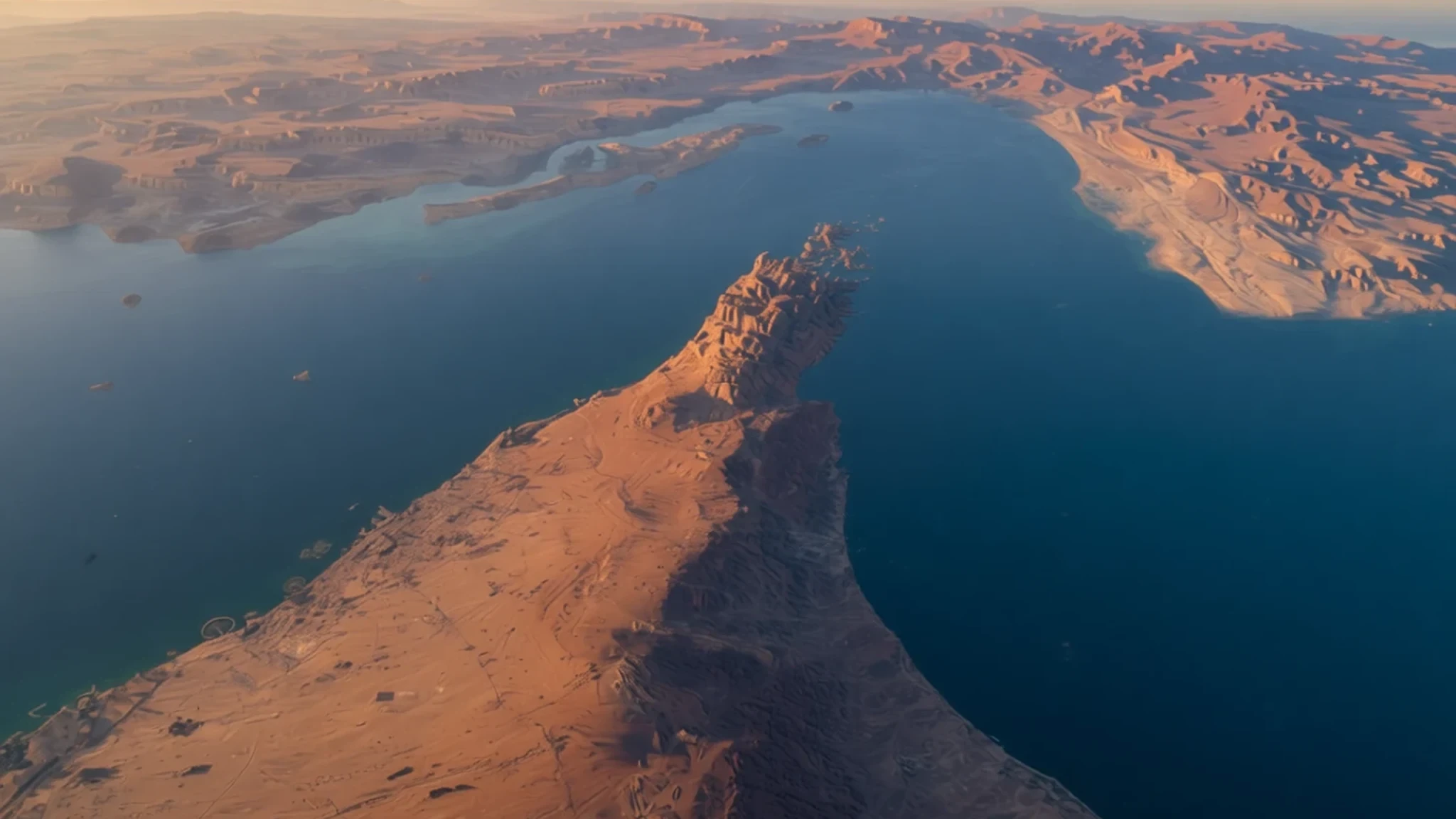
Musandam is Oman's fjord-cut northern tip, where mountains drop straight into the sea and a dhow is the best way to see it.
The place
Musandam Governorate sits on the Musandam Peninsula, which juts from the Arabian Peninsula into the Strait of Hormuz, the narrow mouth of the Persian Gulf. Most of the governorate is that peninsula, but the exclave of Madha lies apart from it, so Musandam is also cut off from the rest of Oman by the United Arab Emirates. That geography shapes everything. The landscape is steep, dry and rugged, with mountains falling into deep inlets. Fishing villages cling to narrow shores, and the sea is what connects them. Khasab, the main town, is the usual base, and small boats run out from its harbour into the fjords. Life here is quieter than in Muscat, and the rhythm of the coast still follows the tides. Kumzari, a southwest Iranian tongue closely linked to Larestani and Luri, is still spoken in the northern villages around Kumzar. It is a reminder that the peninsula has long looked across the water as much as inland. The pace suits slow days: a mountain drive, a boat trip at sunset, and a long lunch of grilled fish. Summer heat is severe, and mobile coverage thins once the main towns are behind.
Its story
For most of its history the Musandam peninsula was governed by its own tribes rather than by any central power. Its mountains and rocky coast made it hard for outside forces to reach, and tribes such as the Shihuh and the Habus managed the land and the sea in their own way. Through the early decades of the twentieth century the Sultan of Oman claimed the peninsula and placed a representative in Khasab, yet his authority stayed largely on paper. No tax was collected in any real sense and there was no garrison to speak of, so local rule carried on. The picture changed in 1970–71. Following a coup in Oman that was backed by Britain, British and Trucial Oman Scouts forces moved into Musandam, ended local rule and set up a permanent Omani military force. The strategic value of the place was obvious. The strait is the entrance to the Persian Gulf, and Oman now shares partial control of it with Iran. The governorate is firmly part of the Omani state today, but the older world of boats, villages and tribal identity has not vanished. Kumzari speakers in the north keep an older language alive, and the fjords that once made the peninsula so hard to govern still shape how people fish, travel and trade.
What to see
- Khasab fjords by dhow — Khasab and the surrounding fjords
A dhow trip is the classic way to see the fjords around Khasab. These traditional wooden boats, used for fishing and carrying goods along this coast, take visitors into narrow channels where the cliffs rise sharply on both sides. Trips usually run in the cooler months and are often arranged through hotels or harbour operators. Bring water and a layer for the breeze on the open water.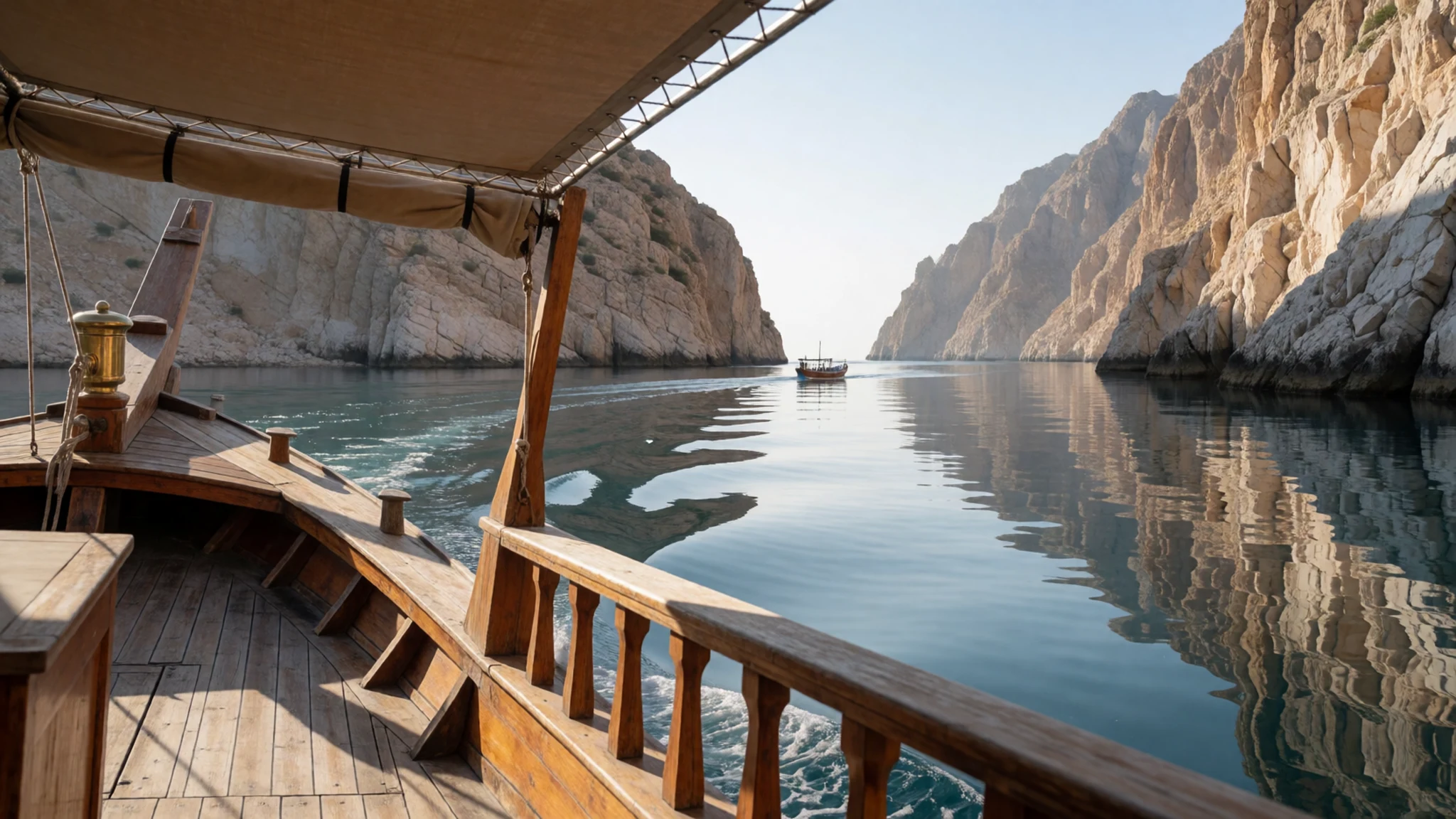
- Bukha village — West coast of the peninsula
Bukha sits on the west coast of the peninsula, a village where houses and small boats crowd a narrow strip between the mountains and the water. It is a good place to see how the coast was once lived in, with fishing gear, palm shade and quiet lanes. Walk slowly, ask before photographing people at work, and respect that this is a residential village rather than a set attraction.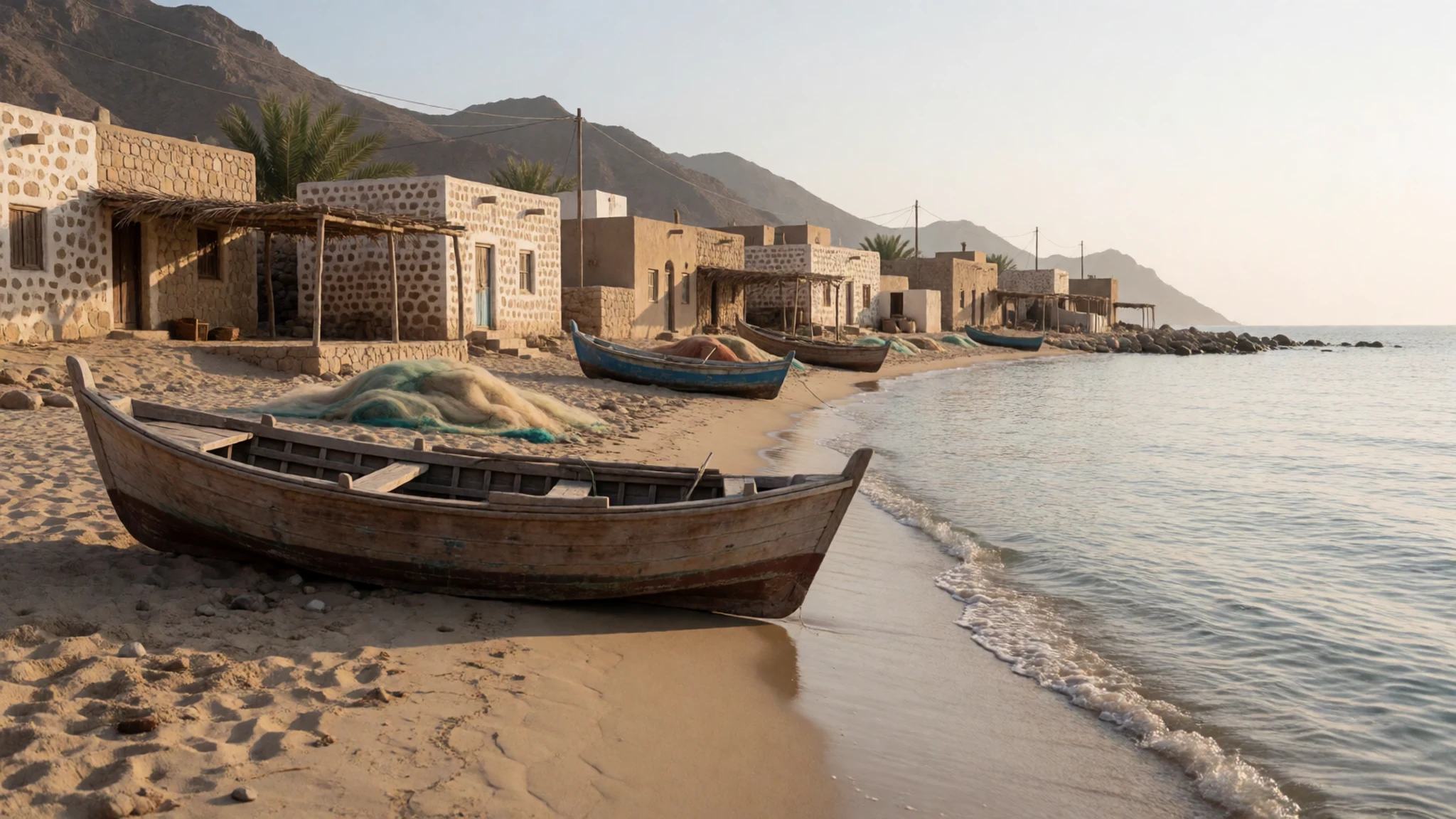
- Kumzar village — Northern tip of the peninsula, reached by sea
Kumzar is a small settlement at the northern tip of the peninsula, reached mainly by boat, where the Kumzari language is still spoken. The village is tightly packed around its harbour, and its isolation is part of its character. Visits are best made in the company of a boat operator who knows the local protocols. Keep noise low and avoid wandering into private courtyards.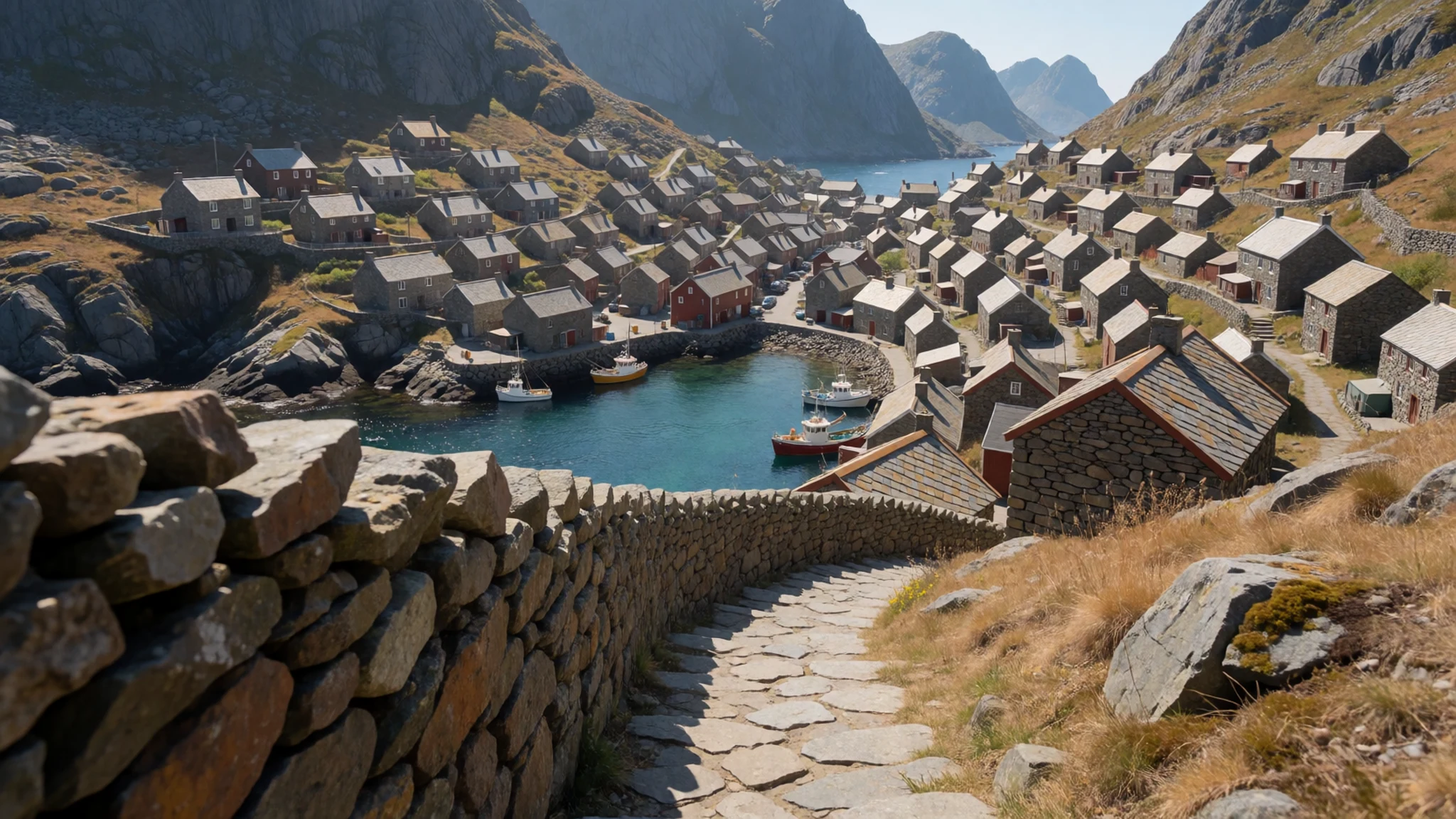
- Inland mountain canyons — Inland mountains above the coast
The mountains behind the coast are cut by canyons and rough tracks that offer some of the most dramatic scenery on the peninsula. Drives are best made in a four-wheel-drive vehicle with a driver who knows the route, because surfaces can be loose and signage is limited. Start early, before the midday heat builds, and carry more water than seems necessary.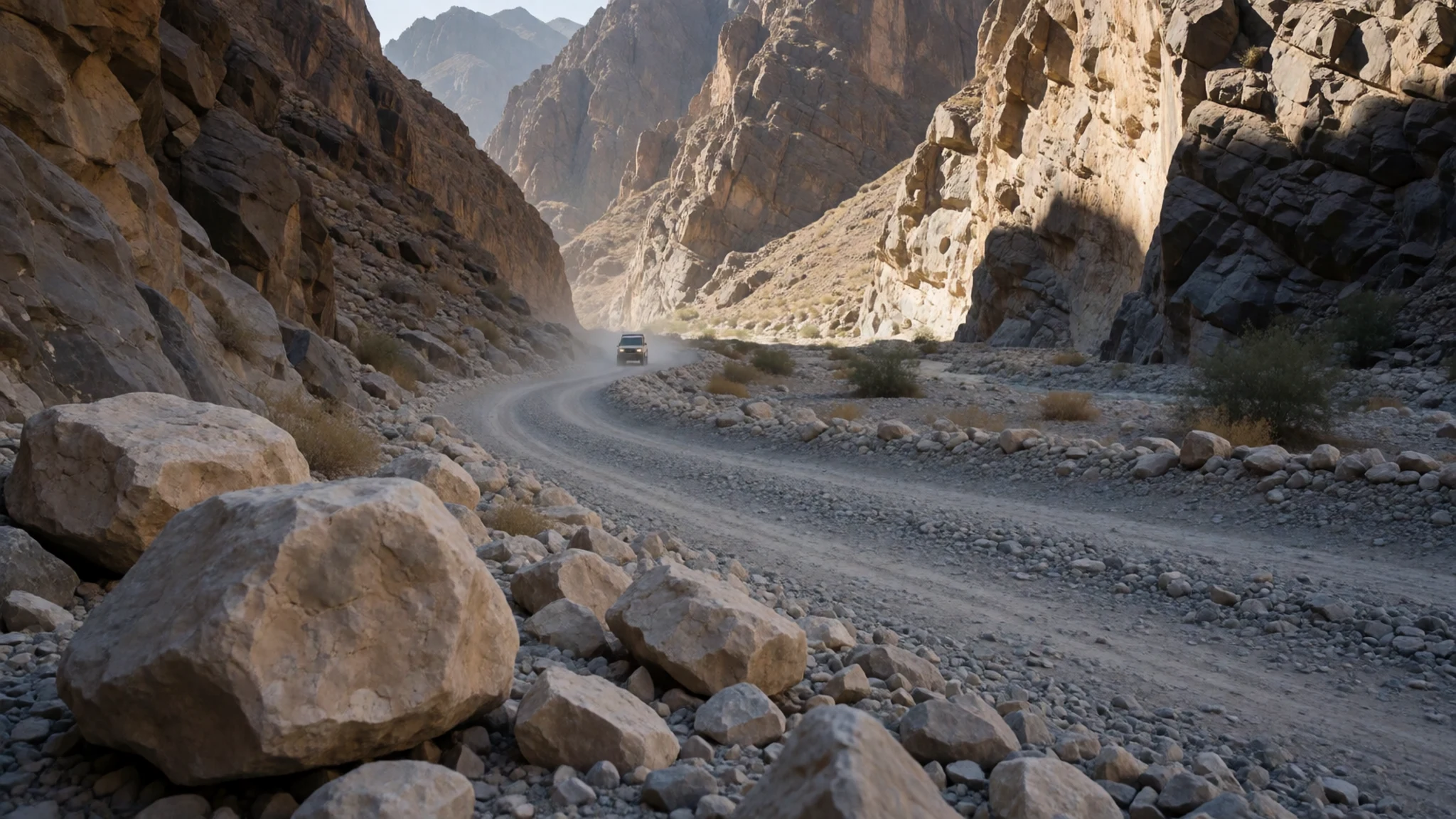
- Quiet shorelines and shore birds — Coves along the west and north coasts
Beaches on the peninsula are often small coves backed by rock rather than long sandy bays. They are quiet outside the weekend, and shore birds gather along the tideline in cooler months. Pack shade, because there is little cover on most beaches. Take your rubbish home, as there are few bins along the more remote shores.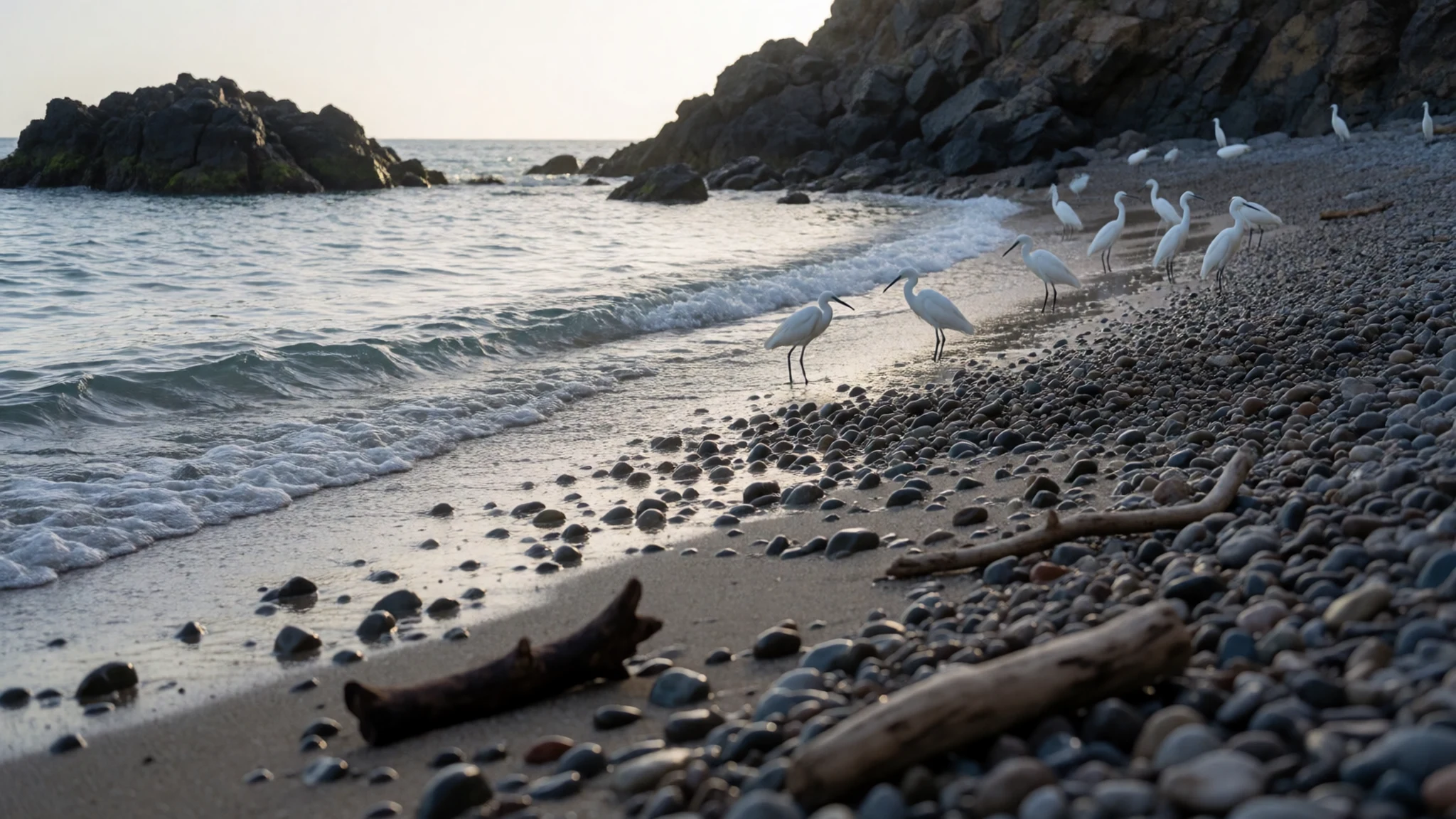
Culture
Musandam is part of Oman, where people are generally humble and down-to-earth, and where the late Sultan Qaboos is held in great regard by most Omanis. Visitors should avoid comments that could be taken as disrespectful toward him or the state. The usual courtesies for a Muslim country apply here, even though the coast can feel more relaxed than the cities. Homosexuality is illegal under Omani law, and although it is practised with discretion, it is best not to raise the subject. Modest dress matters in villages and public spaces. Women should keep shoulders, knees and midriff covered, and men should wear longer shorts only for outdoor activities such as boat trips or hiking. Greet people with a polite salutation before asking questions, accept hospitality with your right hand, and ask before taking photographs of people, especially women and children. Mosques are open only to Muslims except where signs say otherwise, so check before entering. In villages, take off your shoes before entering a home or a prayer room, and keep your voice low in residential lanes, because neighbours can be close.
What to wear
In Musandam, as across Oman, traditional dress centres on the dishdasha, a long, loose ankle-length robe for men, usually in white or pale colours and made from cotton or lightweight blends. Men typically wear a rounded embroidered cap called a kumma, and on formal occasions a khanjar, the curved dagger, may be worn at the waist. Women's dress traditionally includes long dresses with embroidered panels, often in bright colours, and a head covering known as a mussar or shawl. Gold and silver thread embroidery appears on collars and sleeves, and silk is used for special occasions. Today most people wear a mix of local dress and Western clothes. Men in towns often wear dishdashas for daily life, while younger people choose shirts and trousers. Women may wear abayas over other clothing, and many wear headscarves in public. A visitor should dress for heat and modesty: loose cotton or linen, covered shoulders and knees, and a light scarf to carry for mosques or village visits. For boat trips, bring a hat and sun protection, and choose closed shoes with grip for wet decks and rocky shorelines. Sandals work for towns, but sturdy trainers suit mountain tracks.
What to eat
- Qabuli — Lunchtime local restaurants in Khasab and other peninsula towns
Qabuli is Oman's national dish, a generous platter of spiced rice cooked with lamb or chicken, split peas and caramelised onions. It is the classic lunch in family restaurants and local eateries, and you can usually find it at a busy lunchtime restaurant in Khasab or any town on the peninsula. Portions are large, so sharing is common.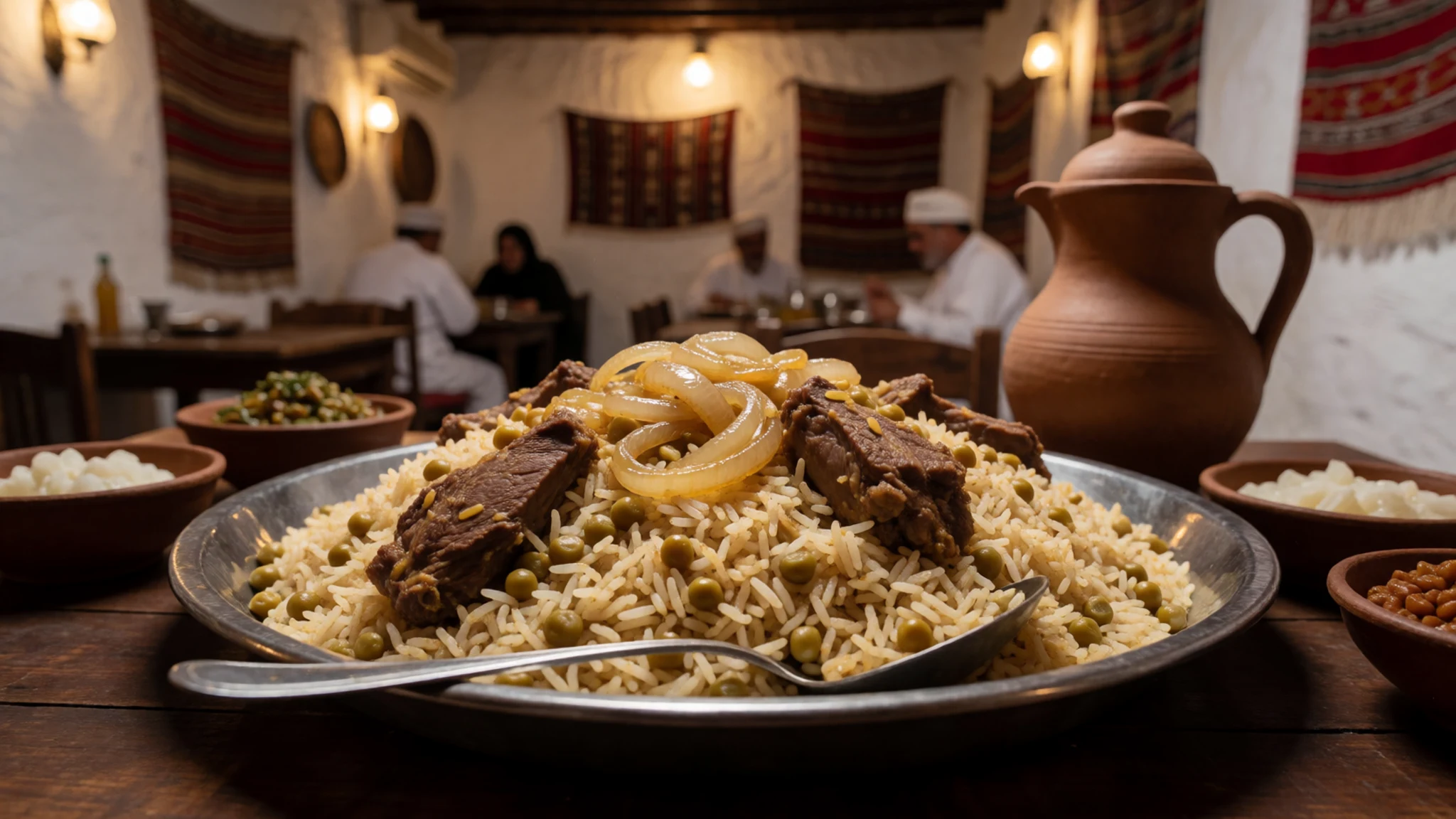
- Shuwa — Community kitchens and restaurants serving celebration food
Shuwa is a whole lamb marinated in a mix of spices, wrapped in banana or palm leaves, buried in the ground and cooked slowly overnight. It is a celebratory dish, usually served with plain rice. Ask at a community kitchen or a restaurant that serves it for gatherings, and expect it to be available mainly on special occasions or by advance order.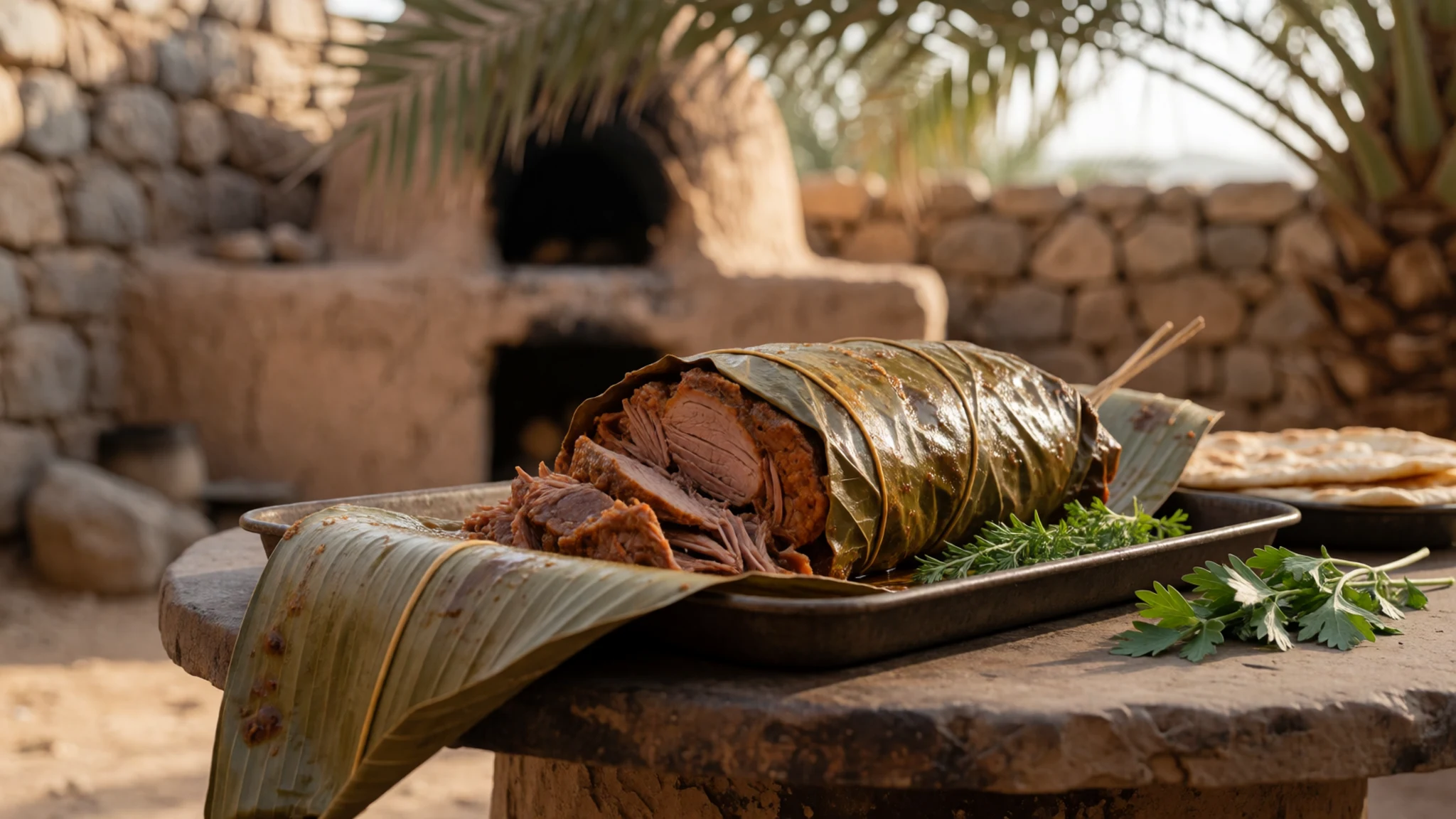
- Harees — Small eateries in older town neighbourhoods
Harees is a slow-cooked porridge of cracked wheat, ghee, meat and spices, with a soft, creamy texture. It is traditionally eaten during Ramadan and festivals. Many small eateries in older parts of towns serve it in the morning or evening, so ask for it locally when you find a place with a steady queue of regulars.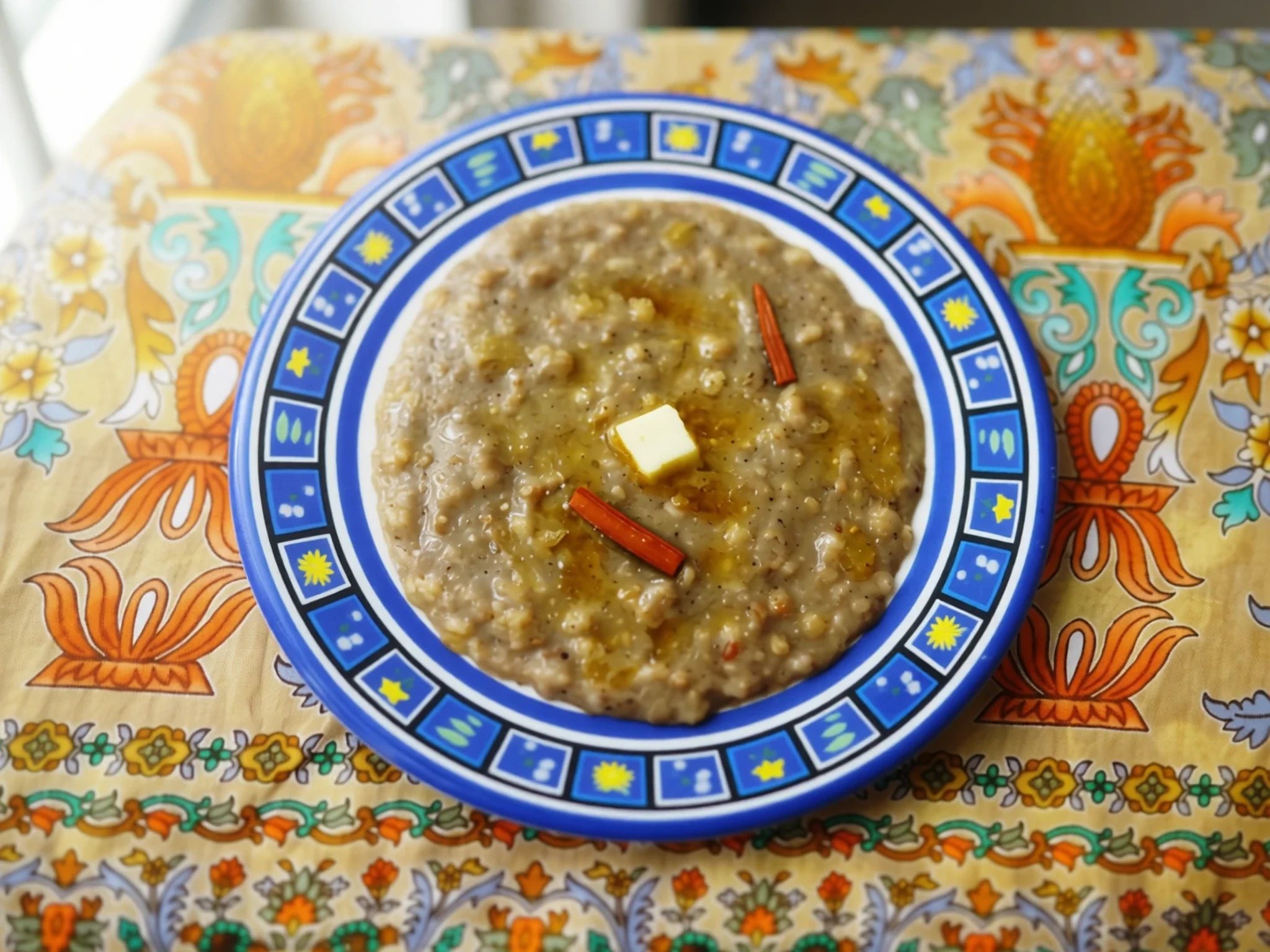
- Grilled fish with rice and salad — The fish market and seafront grills near the harbour
With a long coastline, the peninsula has a strong seafood tradition, and freshly caught fish is often grilled whole and served with rice and a fresh salad. Go to the fish market in the morning, when boats have landed their catch, and then take your purchase to a seafront grill to be cooked. Agree on the price before you order. - Shawarma and falafel from street stalls — Street stalls near town centres and bus stops
Street food is growing in popularity. Shawarma consists of lamb or chicken cooked on a spinning spit, then sliced and wrapped with vegetables, pickles and tahini or garlic sauce, frequently with chips included. Falafel, deep-fried balls of chickpeas and beans, is equally common. Stalls near town centres and bus stops are the easiest places to find them.
Plan it
Best time. November to March, when the days are mild and the sea is calm enough for boat trips; April and October are warm but workable, while summer is very hot and humid, making mountain drives and midday walks hard going.
How long. 2–3
Getting there. Take the Shinas fast ferry from Muscat, which has made the peninsula far easier to reach, or drive in through the United Arab Emirates. Ras Al Khaimah International Airport is the nearest airport, followed by a road transfer to Khasab.
Budget. mid
Tips
- Book boat trips through a licensed operator in advance, especially for weekend departures
- Start mountain drives early, before the heat builds
- Carry cash for small shops and village eateries, as cards are not always accepted
- Bring more water than you think you need, and a hat
- Check visa rules before you travel, as they differ by nationality and can be arranged on arrival or online
Etiquette
- Dress modestly in villages, with shoulders and knees covered
- Ask permission before photographing people, particularly women and children
- Take off your shoes before entering a home or prayer room
Nearby
Sources
- Wikidata Q372144 (CC0)
- Wikipedia: Musandam Governorate (CC BY-SA 4.0)
- Wikivoyage: Oman (CC BY-SA 4.0)
- Musandam fjord, Bukha Village (Eckhard Pecher) (CC BY 3.0)
- Dhow in the fjords of Khasab (Banja-Frans Mulder) (CC BY 3.0)
- Birds on beach, Musandam (Ryan Lackey) (CC BY 2.5)
- Canyon (Xiaotong Gao) (CC BY 3.0)
- Coast from Jezeerat Gunnum to Ras Sheik Munsoud (Michael Houghton, 1825) (Public domain)
- Coast from Ras Moosendem to Perforated Rock (Michael Houghton, 1825) (Public domain)
- Strait of Hormuz and vicinity (CIA) (Public domain)
- Cross-section of the Strait of Hormuz (CIA) (Public domain)


