Müritz National Park
Müritz National Park, Germany
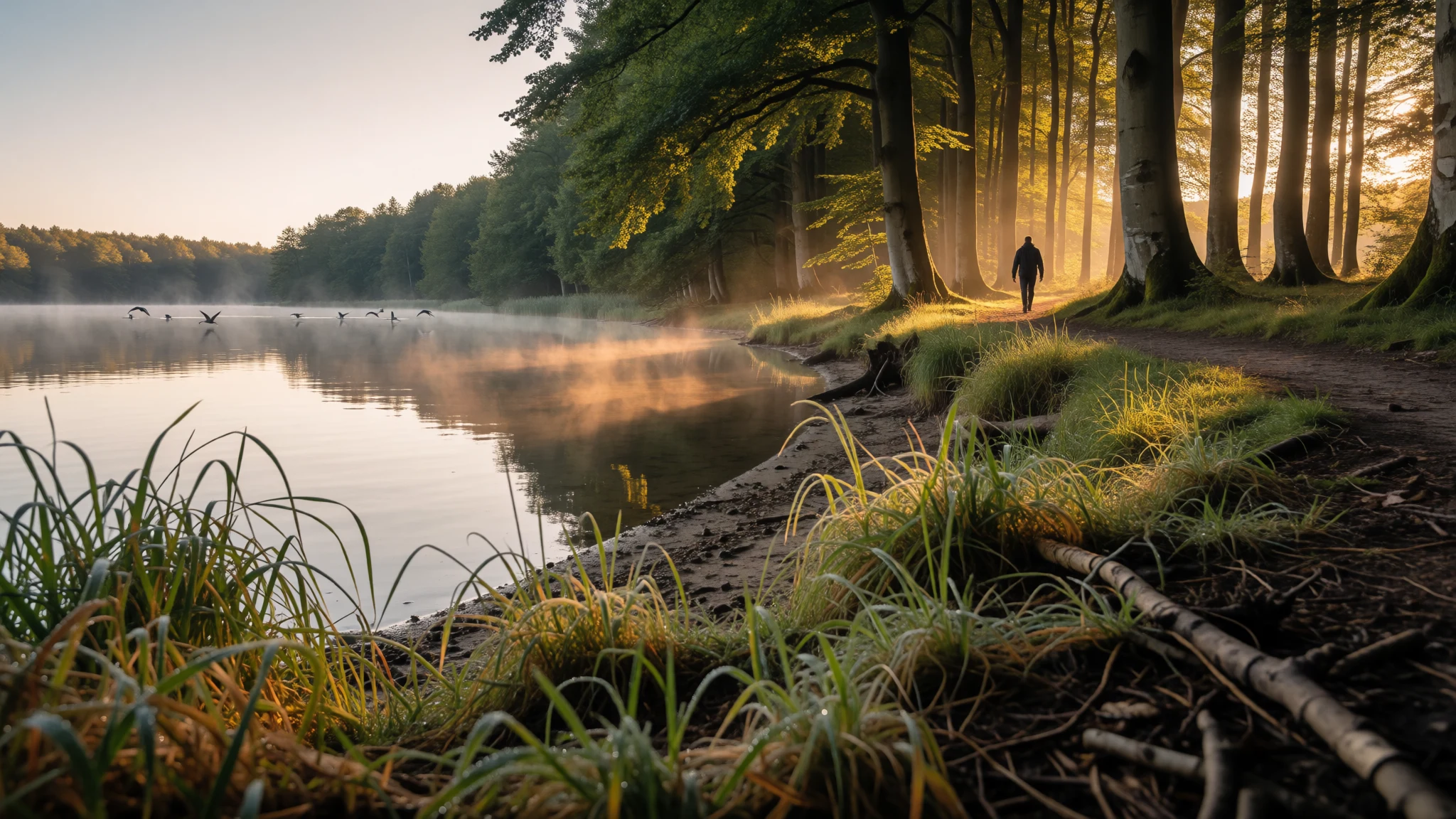
Müritz National Park is a quiet patchwork of lakes, forests and old beech woods—ideal for slow walks and calm boat time.
The place
Müritz National Park (Müritz-Nationalpark) sits in Mecklenburg-Vorpommern, in the south of the state, roughly midway between Berlin and Rostock. It covers the Müritz lake district around the towns of Waren and Neustrelitz, and it’s split into two separate areas: the larger Müritz section and a smaller Serrahn section to the east of Neustrelitz. That “two pockets” layout is why the park feels both spacious and surprisingly manageable—you can base yourself around one town and still get variety.
The scenery does the talking. Lake Müritz forms the heart of the Müritz section, while the park also has around 100 lakes, plus smaller water bodies such as brooks and ditches. Forest is the dominant habitat, with beech woods that you’ll notice through the shade and the uniform, steady look of the canopy on calmer days. The park’s landscape is shaped by glacial forms such as terminal moraine, sandur and lowlands, which is a fancy way of saying: you’ll find gentle relief rather than dramatic mountain drama.
For first-timers, the easiest way to understand the park is to imagine the waterline, then the green strip behind it. In many places, you’ll move from boardwalks, viewpoints or small paths right into tall trees, and then back out again towards open water. Expect damp air near the lakes and a “stillness” that feels different from busy city green spaces. Crowds are usually light compared with major German parks, but summer weekends can bring more cyclists and day-trippers to the popular lakeside stretches.
Its story
A day in Müritz National Park can be as simple as choosing a shoreline and sticking with it—at least at first. The park’s split layout (Müritz and Serrahn) nudges visitors into two different rhythms: one centred on Lake Müritz around Waren, and another more tucked-in feeling as you travel towards Neustrelitz and the Serrahn side.
What makes the park memorable is how quickly the “edges” change. One moment there’s open water colour and reed shadows; the next you’re under beech trees where the light becomes filtered and the ground stays cool. That contrast matters because it keeps walking interesting even when the trail is straightforward. There’s also the water network effect: brooks, ditches and smaller lakes turn a route into a chain of pauses—places to stop, read the landscape, and listen.
In 2011, the beech forests inside the park were recognised internationally as part of the UNESCO listing connected to the Primeval Beech Forests of Europe. That status doesn’t translate into loud attractions. Instead, it feels like a commitment to keeping the woods intact: you move through areas that look intentionally “left to be themselves”.
The closest visitor information hub is the Müritzeum near Waren, which helps you place what you’re seeing—why certain shorelines feel different, why forests look the way they do, and how the park’s habitats fit together. It’s one of those destinations where you’re not chasing a checklist; you’re gradually learning the pattern of water and forest, lake and wood.
What to see
- Lake Müritz shoreline viewpoints — Lake Müritz area (near Waren)
Müritz National Park’s Müritz section is anchored by Lake Müritz, so start with the water’s edge: short paths, viewpoints and lakeside stretches help you get oriented fast. On calmer mornings, reflections make the forest feel even closer than it is.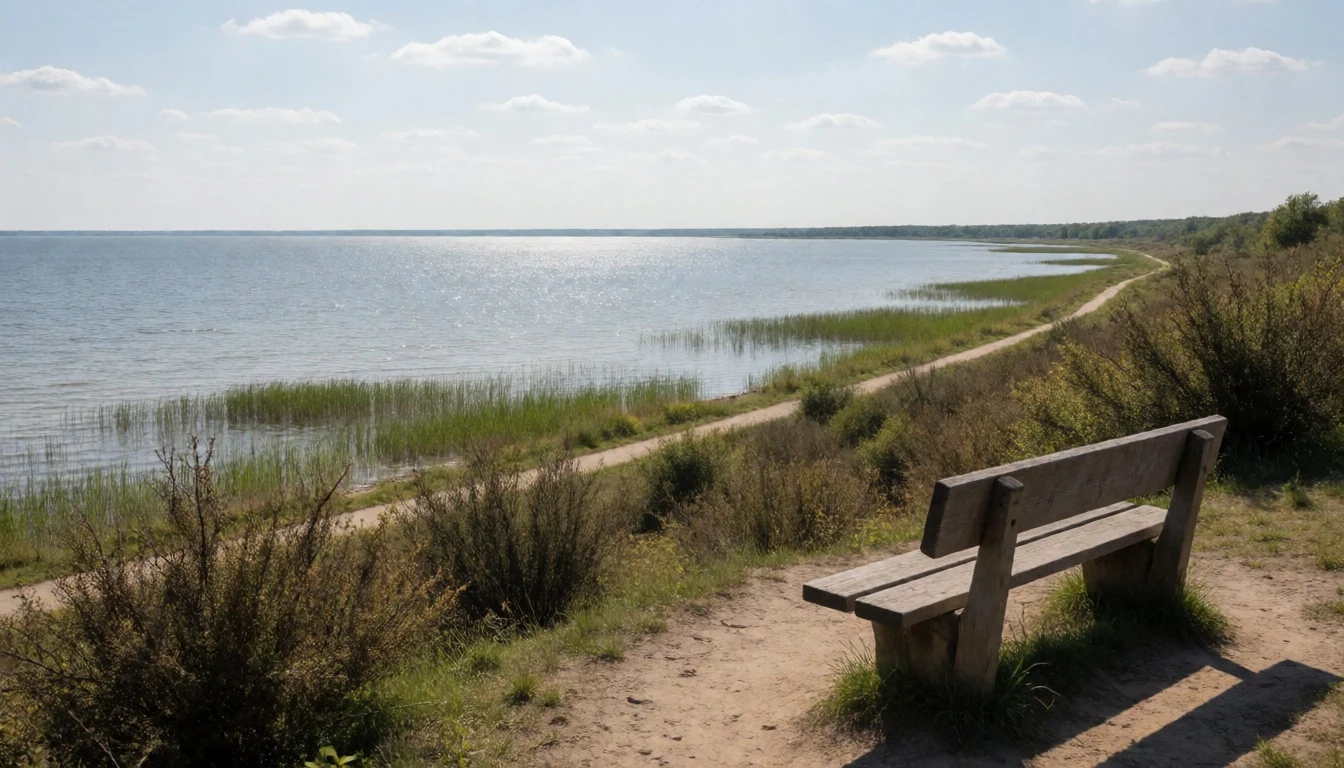
- Müritzeum visitor information near Waren — Waren
The Müritzeum is the practical starting point for the park—use it to match trails, habitat types and water landscapes to what you plan to do. Even if you only dip in briefly, it clarifies the park’s two-part layout and the way forests and lakes connect.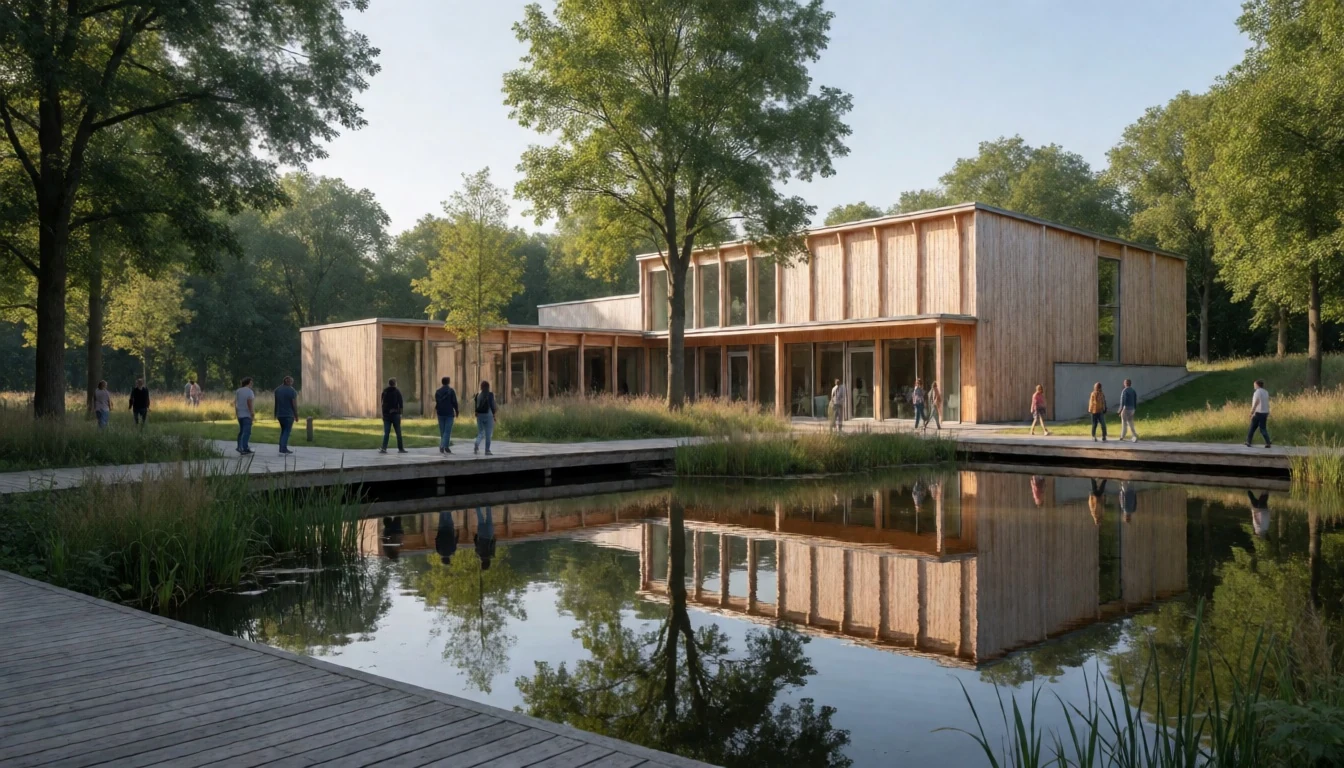
- Bolter Kanal waterways mood — Müritz and surrounding canal routes
The Bolter Kanal is a good “slow travel” segment: follow the canal feel for atmosphere and landscape rhythm rather than speed. It’s the kind of place where cycling or a relaxed walk works, because the route changes texture between water, banks and surrounding trees.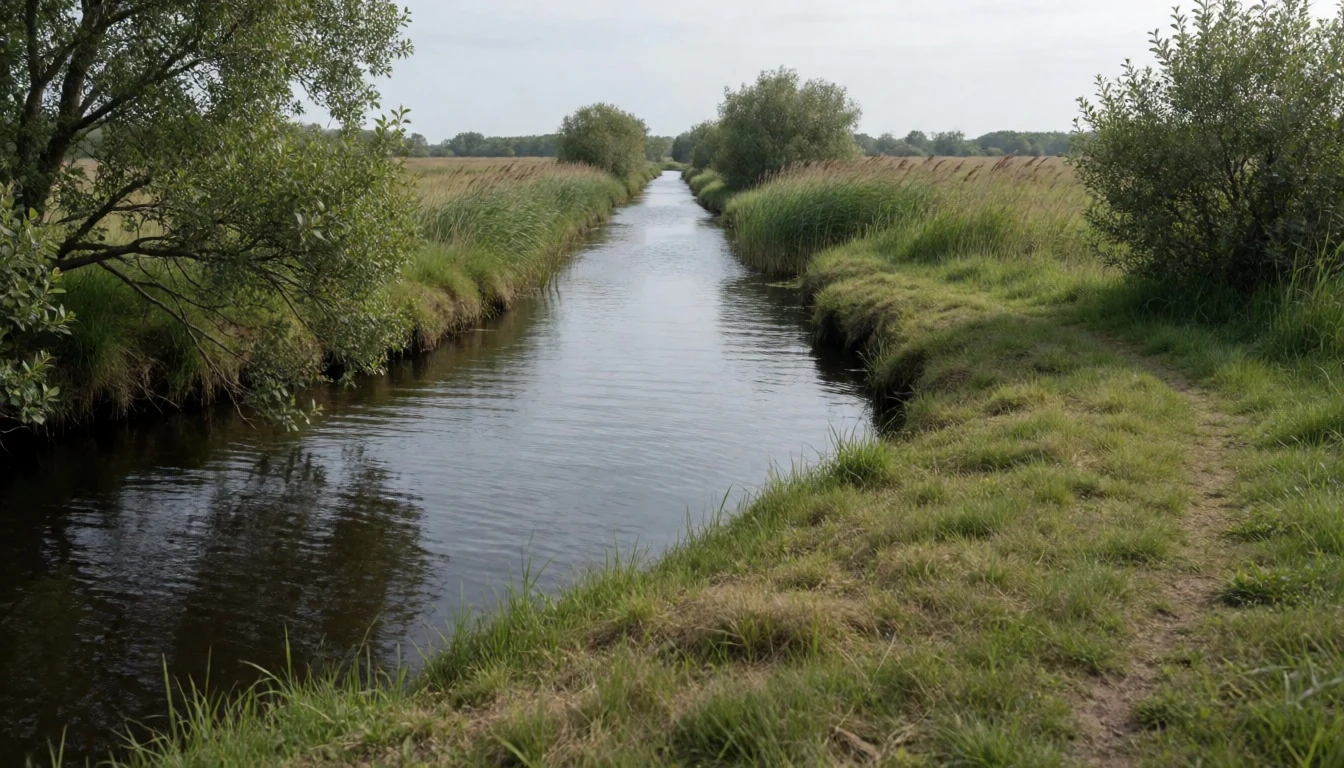
- Havel rises and the park’s water divide — Müritz section
The Havel rises in the Müritz section close to the line where waters separate, running between the Baltic Sea and the North Sea. This is one of those facts that becomes real when you look at how water systems flow—an easy topic to grasp once you’re out among lakes and small channels.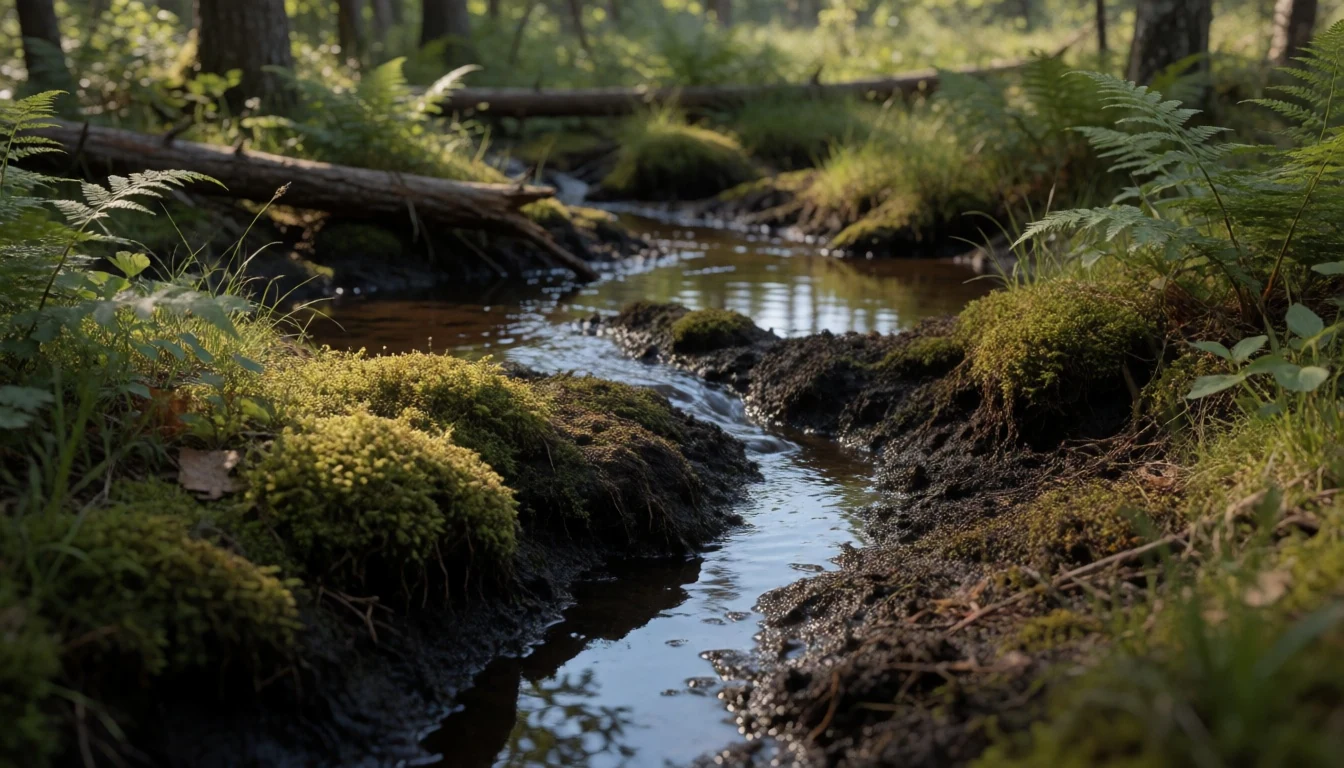
- Serrahn’s quieter forest-lake mix — Serrahn area (east of Neustrelitz)
Serrahn is the smaller, more separated part of the national park east of Neustrelitz. It suits travellers who want fewer interruptions and a more subdued landscape—think woodland walks tied to water glints and pauses rather than busy lake hubs.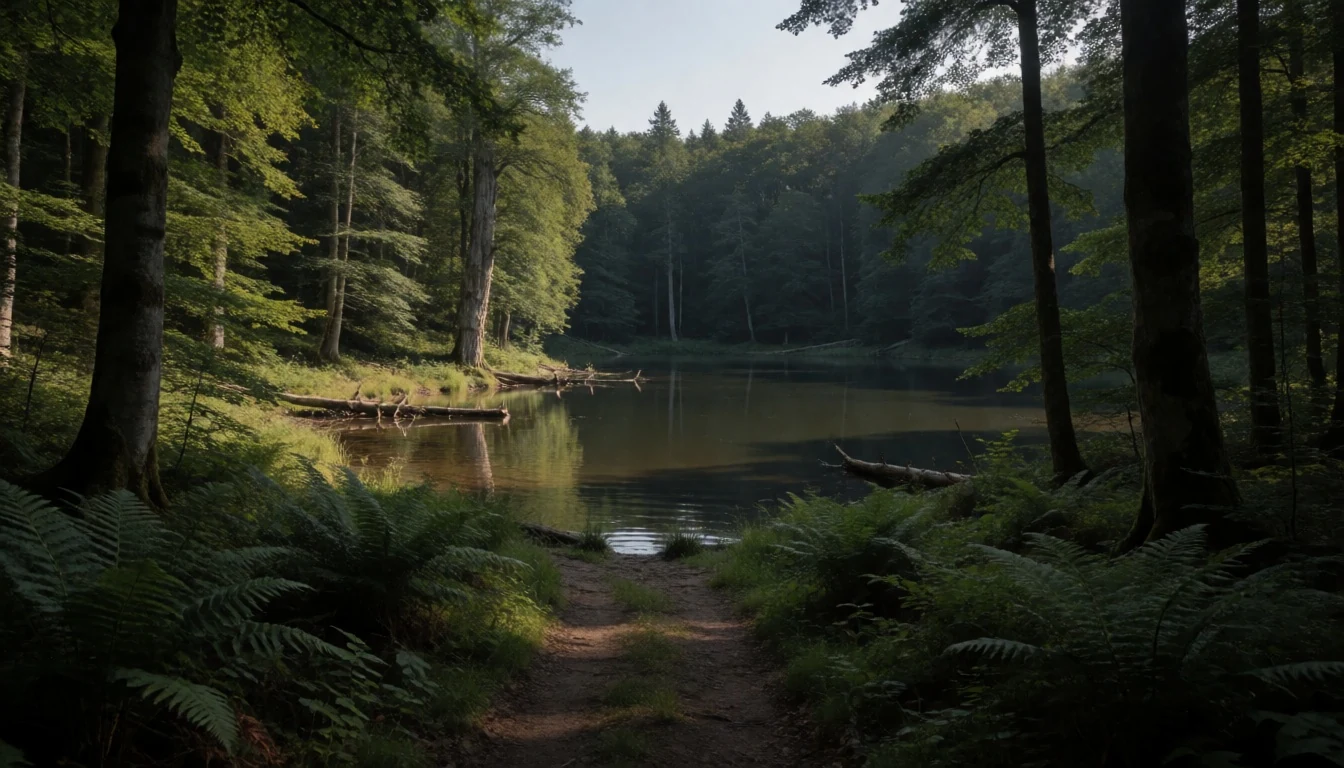
Culture
Müritz National Park sits inside Germany’s Mecklenburg-Vorpommern, so the local culture you’ll notice is less about big performances and more about “how people move through nature”. In the towns around the park, visitors blend into a rhythm of daily routines: cycling routes, lakeside walks and relaxed cafés between outdoor stretches. On good weather days, you’ll see more families and day-trippers; on overcast days, it often feels like the park belongs to walkers, bird-watchers and anglers.
The park’s UNESCO-linked beech forests recognition in 2011 adds a different kind of respect to the landscape. It’s not something you encounter as signage everywhere; instead it shows up as a general expectation that the woods stay calm and protected, with trails and observation points doing the guiding. When you’re near lakes, remember that water edges are part of the habitat, not just the backdrop for photos.
If you’re using the visitor information near Waren, approach it like a map for the senses: match what you learn about forest and lake patterns to the walk you’ll take next. That makes even a simple loop feel purposeful.
Visitor etiquette: stay on marked paths and keep noise low near shorelines and woodland areas.
What to wear
In and around Müritz National Park, traditional dress is mostly something you’ll see during festivals rather than on everyday paths. Mecklenburg-Vorpommern traditions often centre on regional textiles and classic folk styling, but day-to-day visitors typically wear practical clothing for walking and weather.
What people wear now is straightforward: breathable layers for changing lake air, long trousers for comfort in woodland shade, and a lightweight waterproof for sudden drizzle. Because the park is built around forests and water, footwear matters. Mud and damp patches can show up, especially around shorelines and after rain.
For a visitor, the safe kit is: walking shoes or trail trainers with grip, long sleeves or a light jacket for cooler tree shade, and a rain layer that can handle wind off the lake. If plans include longer walks between viewpoints, bring an extra layer—late autumn and early spring can feel colder once the sun drops behind the trees.
What to eat
- German-style bread and spreads — Bakeries and cafés in Waren and Neustrelitz
Müritz-area cafés and bakeries often serve simple breakfasts: rolls, sliced bread and a rotating set of spreads, perfect for fuel before a lake walk. Look for bakery counters in Waren and Neustrelitz.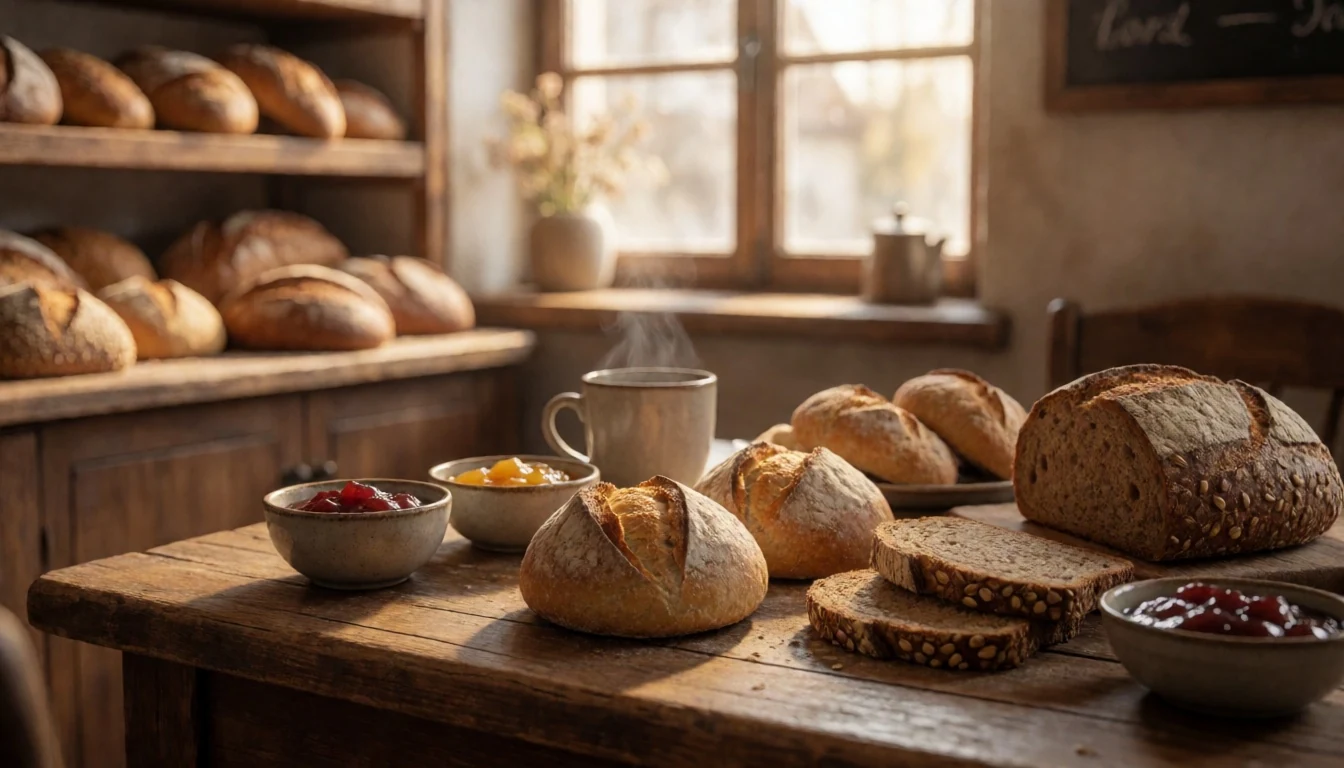
- Hearty regional soups — Town restaurants and cafés around the park
In cooler seasons, you’ll find warming soups at local eateries—often based on vegetables and regional stock. These are easy to fit between park routes when the weather turns grey.
- Fish dishes by the lake — Local restaurants in the Waren/Neustrelitz area
With lakes close by, fish shows up on menus in the region. When available, order a simple preparation that lets the flavour stand without heavy sauces—an easy match for a day spent near water. - Seasonal berry desserts — Seasonal bakery displays and café dessert menus
When berries are in season, desserts can shift towards local fruit—think sweet baked options or spoonable fruit mixtures. It’s a nice way to end an afternoon after a long walk. - Coffee and cake stops after cycling — Cafés along lakeside cycling routes
A classic rhythm around Müritz is stopping for coffee and cake between longer routes. Keep it flexible: choose whatever café looks busy but not chaotic, then continue your route when the weather allows.
Plan it
Best time. March–April for spring light and calmer trails, and late October–November for crisp air and softer, quieter days. July and August can feel warmer around the lake; June brings more changeable wet weather.
How long. 3–4
Getting there. Get to Berlin (airport or rail), then continue by regional train to the Waren area; from there, local buses or short taxi legs help reach the park approaches and the Müritzeum. For the Neustrelitz/Serrahn side, rail to Neustrelitz and then a final local transfer works well.
Budget. mid
Tips
- Plan at least one early start so the lake air is still and the forest feels cooler.
- Split days between the Müritz section and the Serrahn side to avoid constant back-and-forth.
- Use Müritzeum near Waren as a warm-up to understand the park’s habitat mix before heading out.
- Bring water-repellent layers and a compact rain cover—lake weather can shift quickly.
- If cycling, allow extra time for gentle detours near water where you’ll want to stop.
Etiquette
- Keep to marked trails and observation points near forest edges and shorelines.
- Leave reeds and wetland margins undisturbed—don’t trample for a “better” photo angle.
- Keep voices low in woodland areas; it helps wildlife and keeps the calm.
Nearby
Sources
- Wikidata Q702495 (CC0)
- Wikipedia (Müritz National Park) (CC BY-SA 4.0)
- Photo photos/01-20180611-m-ritz-nationalpark-blick-von-der-m-ritz-zum-nation.jpg (CC BY-SA 4.0)
- Photo photos/02-havel-kaebeliksee-11-vi-2007-205.jpg (Public domain)
- Photo photos/03-i-i-50535377083.jpg (CC BY-SA 2.0)
- Photo photos/04-bolter-kanal.jpg (CC BY-SA 4.0)
- Photo photos/05-2016-np-m-ritz-02.jpg (CC BY-SA 4.0)
- Photo photos/06-2016-np-m-ritz-03.jpg (CC BY-SA 4.0)
- Photo photos/07-2016-np-m-ritz-04.jpg (CC BY-SA 4.0)
- Photo photos/08-2016-np-m-ritz-05.jpg (CC BY-SA 4.0)
- Wikivoyage (CC BY-SA 4.0)


