Munich
Munich, Germany
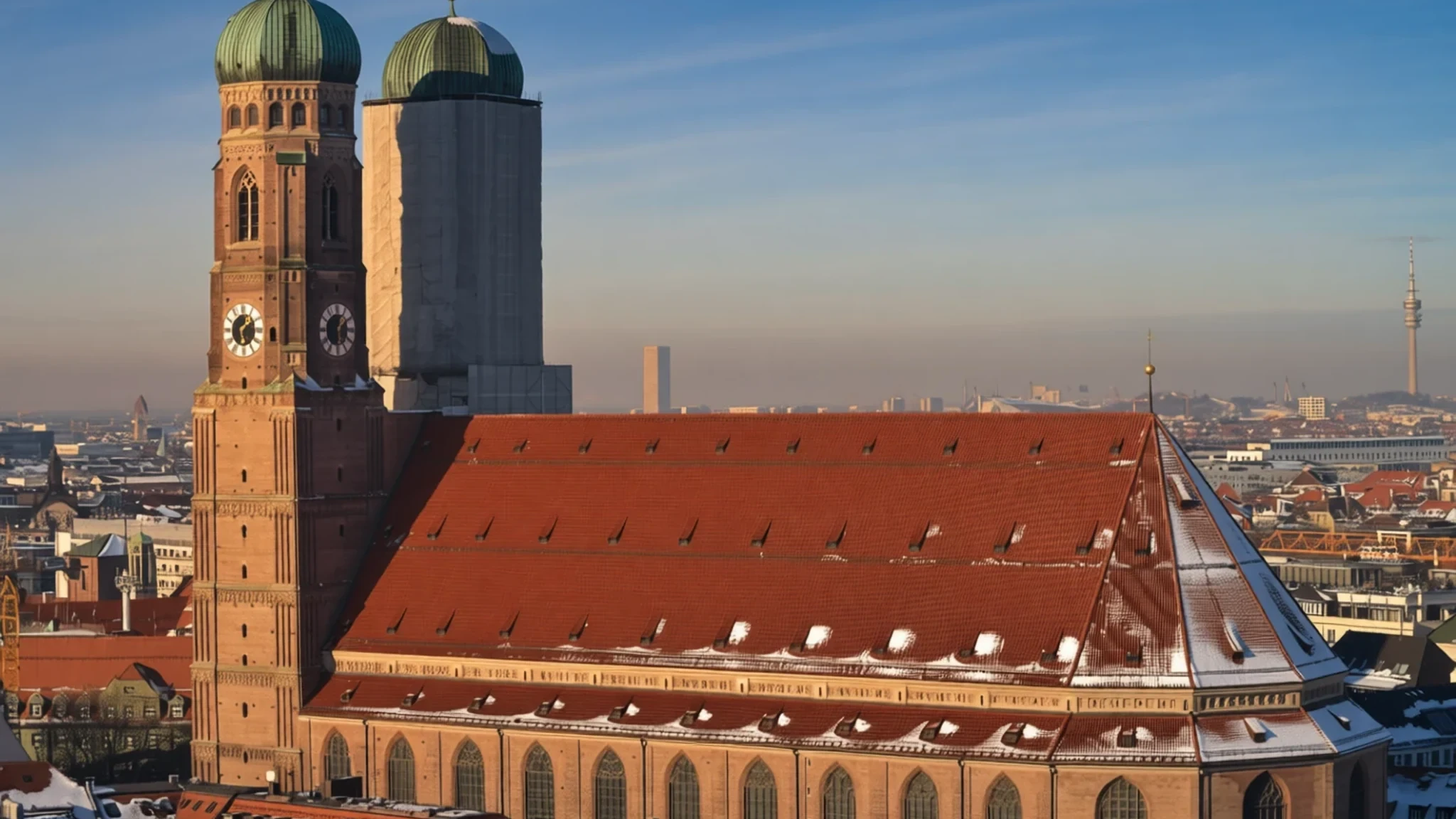
Visit Munich for its blend of royal Bavarian elegance, world-class museums, and a relaxed beer-garden culture beneath the shadow of the Alps.
The place
Munich is the capital of Bavaria and stands as one of Germany's most densely populated cities. Situated on the river Isar and sitting at an elevation of about 519 metres, the city serves as a bridge between the urban sophistication of northern Germany and the rugged beauty of the Alps to the south. It is a place where high-tech industry and historic royal tradition exist side by side, often within the same neighbourhood.
The city is famously spacious, with wide avenues and a layout that allows for a relaxed pace of life despite its status as a major economic hub. In the centre, the Altstadt retains the charm of a medieval market town, while the outer rings transition into trendy districts and residential greenery. The atmosphere is generally warmer and more traditional than in Berlin, with a strong local pride in Bavarian identity. Visitors will find that Munich manages to feel like a large metropolis while maintaining the intimate, welcoming spirit of a smaller town. The balance of parks, waterways, and cobblestone squares makes it an easy city to navigate on foot or by bicycle, though the crowds in the central squares can be significant during the summer months and during the autumn festival season.
Its story
The story of Munich begins not with kings, but with monks. The city's very name, München, is derived from the Old High German word for monks, reflecting its origins as a modest 10th-century monastic settlement. Long before the official founding in 1158, the area around the Isar river was a vital trade artery. Evidence suggests that during the Bronze Age, the region hosted some of Europe's largest raft ports, and Celtic settlements existed in the outlying areas, indicating a long history of human movement and commerce.
As the settlement grew into a city, it became a bastion of Catholicism during the Reformation, setting it apart from the Protestant north of Germany. For centuries, the House of Wittelsbach ruled the land, transforming Munich into a lavish centre for the arts, science, and architecture. This royal influence is still visible in the city's imposing palaces and planned avenues. The transition from a royal residency to a modern capital was marked by upheaval, including the short-lived Bavarian Soviet Republic following the revolution of 1918–1919. This turbulent period ended the centuries-long reign of the Wittelsbachs, clearing the way for Munich to evolve into the cosmopolitan city it is today, while still clinging to the folklore and customs of its monastic and royal past.
What to see
- The Residenz and Odeonsplatz — Altstadt
The Residenz was the former royal palace of the Bavarian monarchs and remains a sprawling complex of museums and courtyards. Nearby Odeonsplatz serves as a grand gateway to the city, featuring the Feldherrnhalle and the ornate Theatinerkirche, reflecting the city's deep architectural ties to the Italian Renaissance.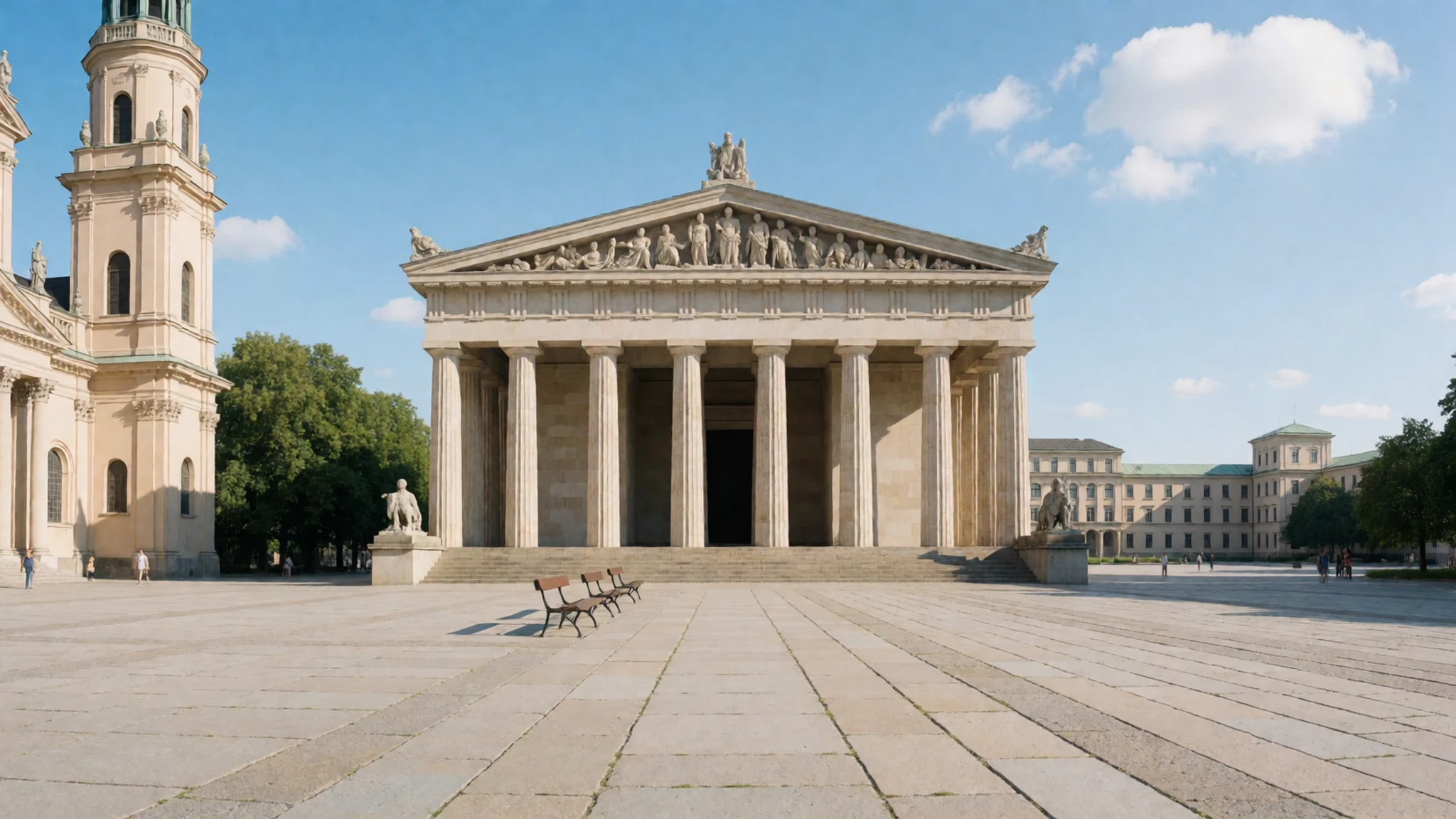
- Briennerstraße — Altstadt/Maxvorstadt
This royal avenue is a promenade of elegance, lined with high-end galleries, cafés, and boutiques. It leads visitors from the heart of the city toward the Königsplatz, passing monuments like the black obelisk that honours the Bavarian Army along its wide, tree-lined sidewalks.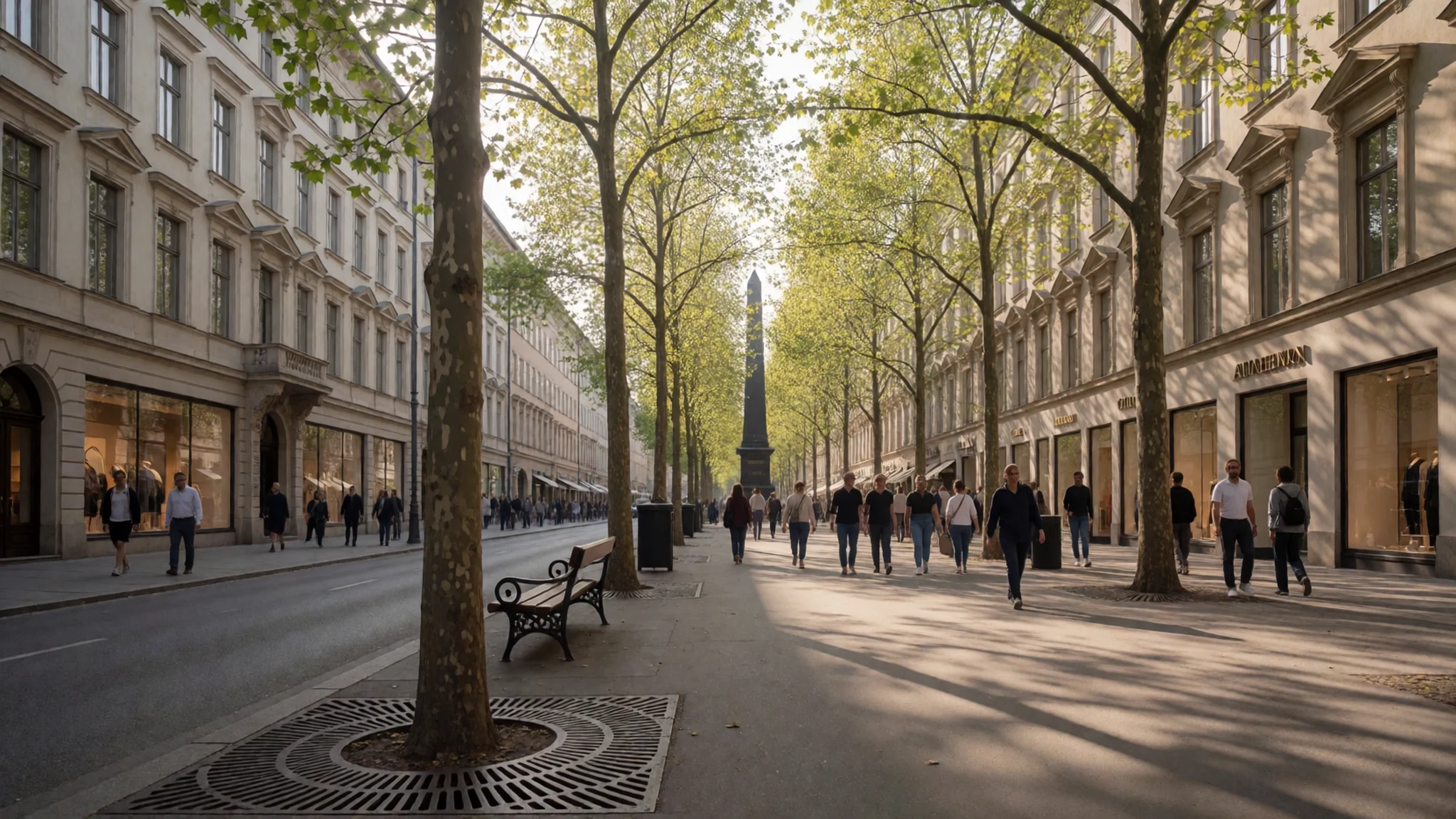
- Ludwigstraße — Maxvorstadt
Running north from the centre, this avenue is a showcase of Neo-Romanesque and Renaissance architecture. It is dominated by the imposing main campus of the Ludwig-Maximilians-Universität München and the beautiful St Ludwig's Church, creating a scholarly and stately atmosphere for a stroll.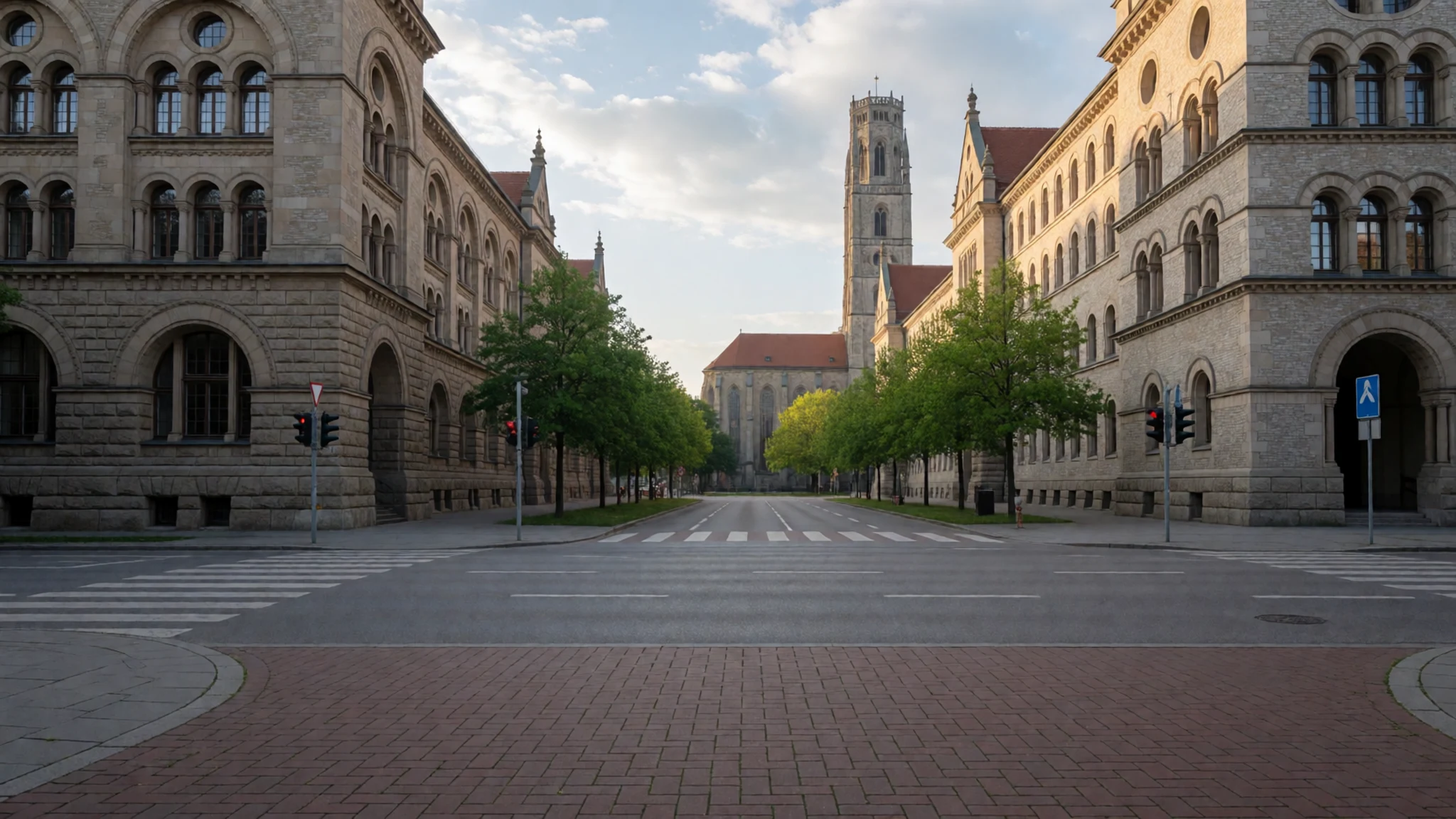
- Schloss Nymphenburg — Nymphenburg
This Baroque palace was once the summer residence of the Wittelsbach family. The main building is surrounded by vast, manicured gardens and canals, offering a peaceful escape from the city centre while showcasing the sheer scale of Bavarian royal ambition.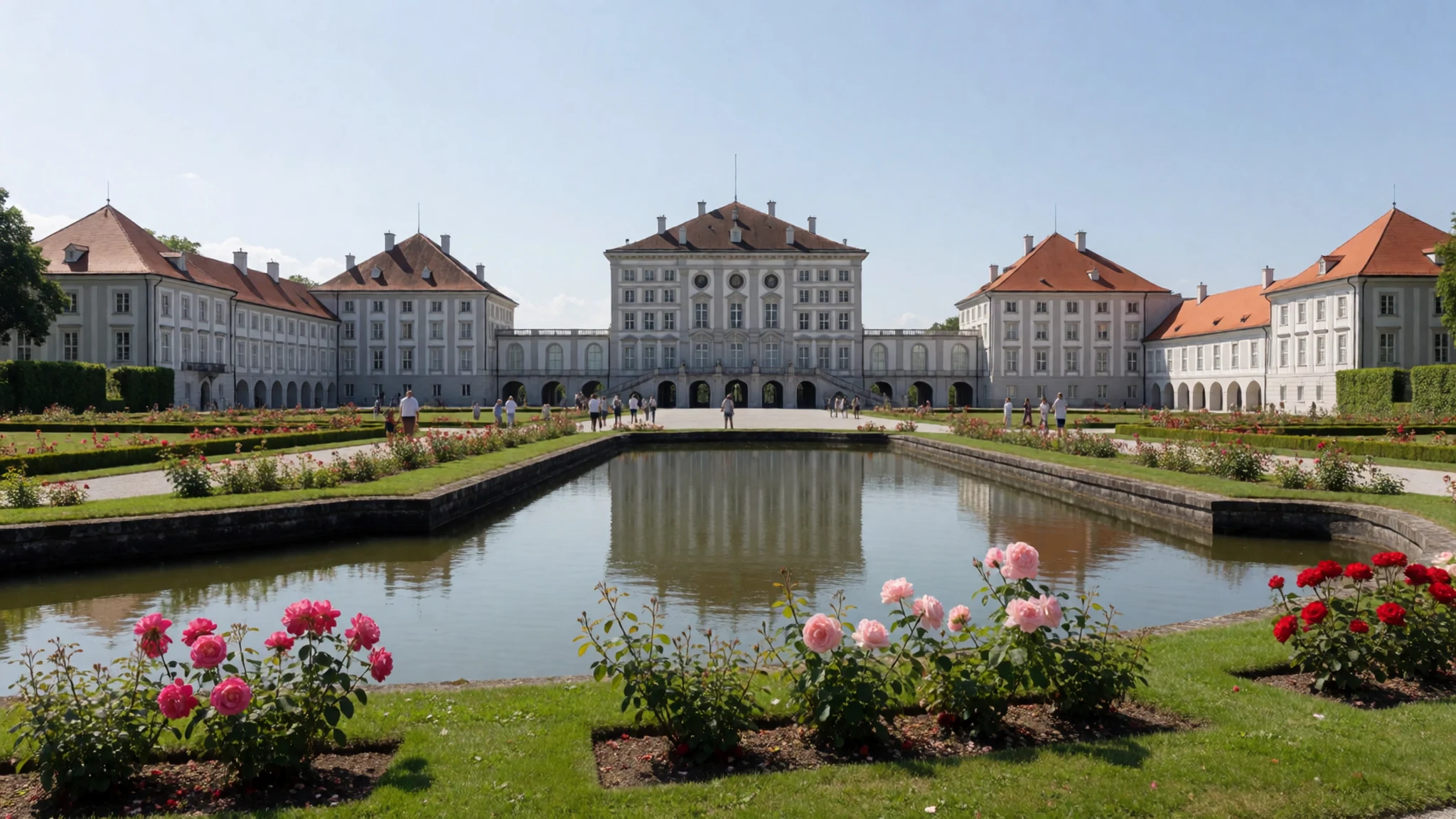
- Deutsches Museum — Au
Located on an island in the Isar, this is the largest museum of science and technology in the world. Its exhibits range from mining and shipping to aerospace and nanotechnology, making it a comprehensive journey through human ingenuity and industrial history.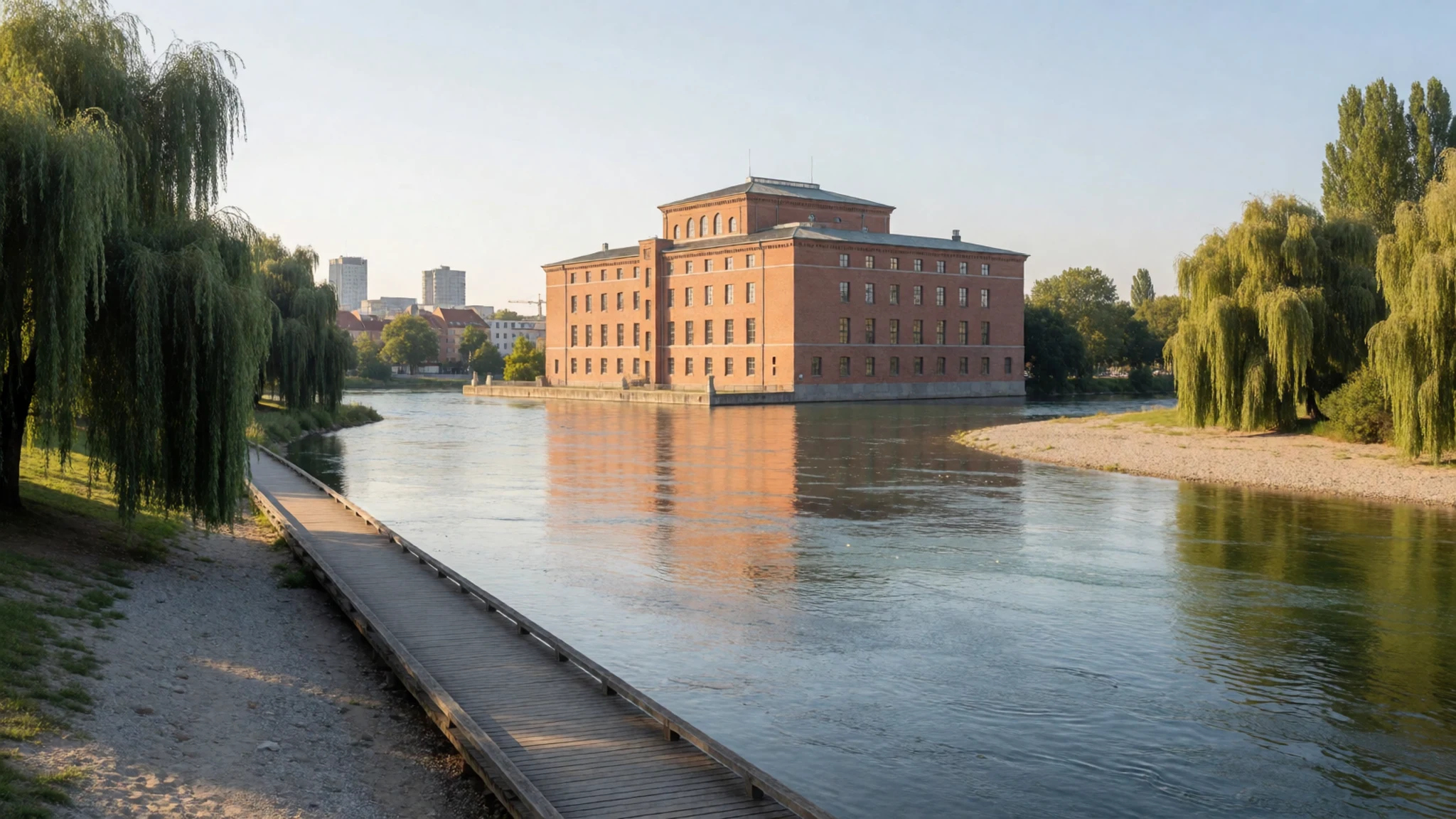
- Frauenkirche and Neues Rathaus — Altstadt
The Cathedral of Our Dear Lady, with its iconic twin domes, defines the city skyline. Just a short walk away is the New Town Hall, a Gothic Revival masterpiece famous for its glockenspiel that performs daily in the bustling Marienplatz.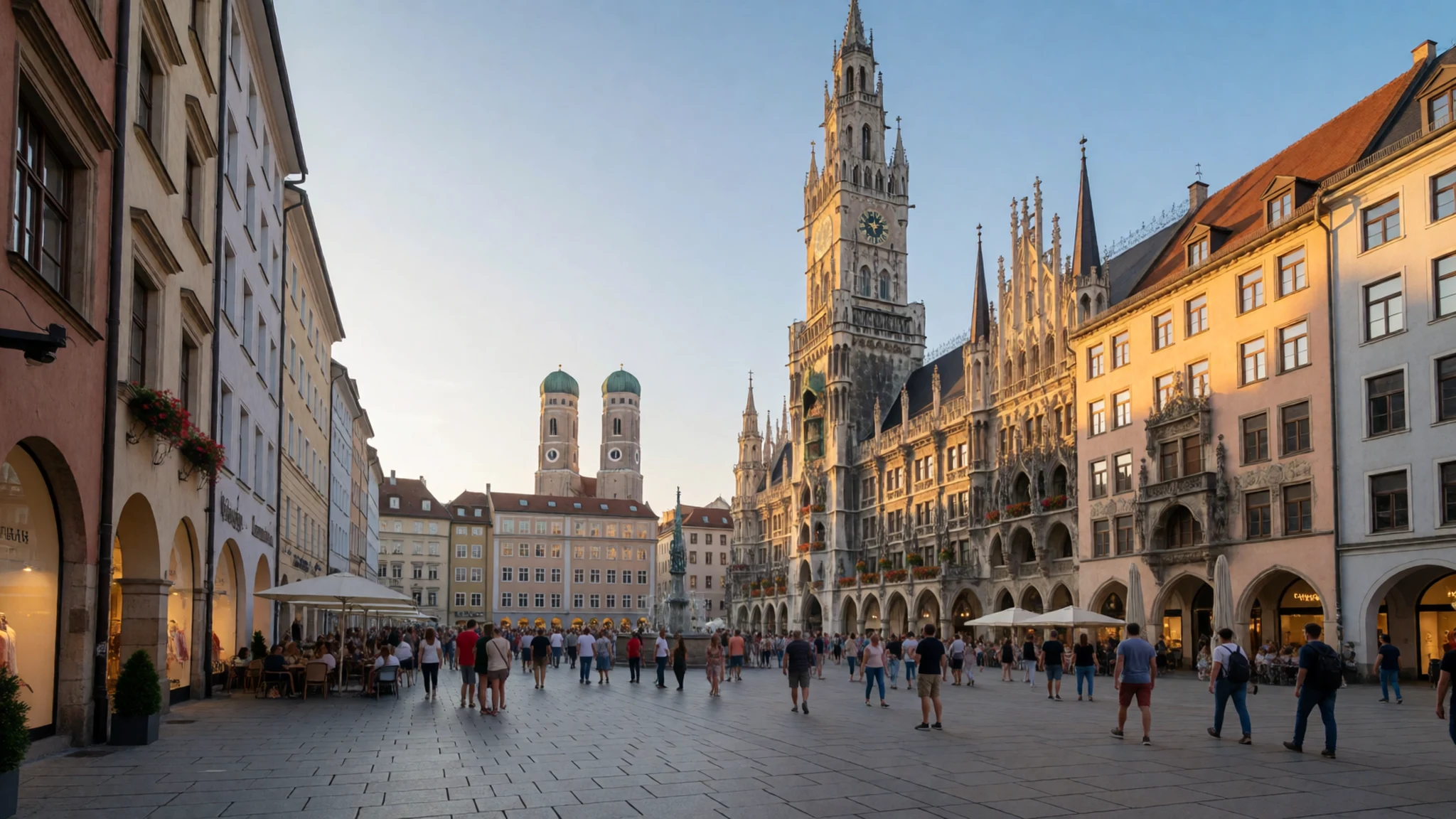
Culture
Culture in Munich is a proud duality between the formal and the rustic. While the city is a global hub for technology and art, the local identity is rooted deeply in Bavarian traditions. This is most evident in the language; while Standard German is the medium of education and business, the Bavarian dialect is spoken widely in daily life, lending a melodic, regional character to the streets. The city's love for the outdoors is reflected in its numerous parks and the social ritual of the beer garden, where communal tables encourage strangers to converse over a drink. Museums are highly valued, from the high-art galleries to the massive technical archives of the Deutsches Museum, reflecting a society that prizes both history and precision. The pace of life is generally slower than in the north, with a strong emphasis on 'Gemütlichkeit'—a feeling of warmth, friendliness, and good cheer. When visiting, please remember that punctuality is highly valued and noise levels in residential areas are kept low after 10 pm.
What to wear
Fashion in Munich blends modern European trends with deep-rooted regional heritage. The most iconic traditional dress is the Tracht, consisting of Lederhosen for men—leather breeches often intricately embroidered—and Dirndls for women, which are dress-style garments featuring a bodice, blouse, and apron. While once reserved for rural life, these are now worn with pride during festivals, weddings, and on Sundays. In everyday life, Munich's style is often described as 'sporty-chic'. You will see a lot of high-quality outdoor gear, tailored coats, and smart-casual attire, particularly in the upscale boutiques of Briennerstraße. For visitors, the key is versatility. In the summer, light linens are ideal, but in the winter, a heavy wool coat and waterproof boots are essential for the damp cold. For religious sites like the Frauenkirche, modest dress is appreciated. Because the city centre is highly walkable, comfortable footwear is the most important practical choice for any traveller exploring the cobblestone squares.
What to eat
- Weißwurst — Traditional beer halls or market stalls
A delicate white veal sausage traditionally served only for breakfast. It is peeled by hand and eaten with sweet mustard and a wheat beer before noon.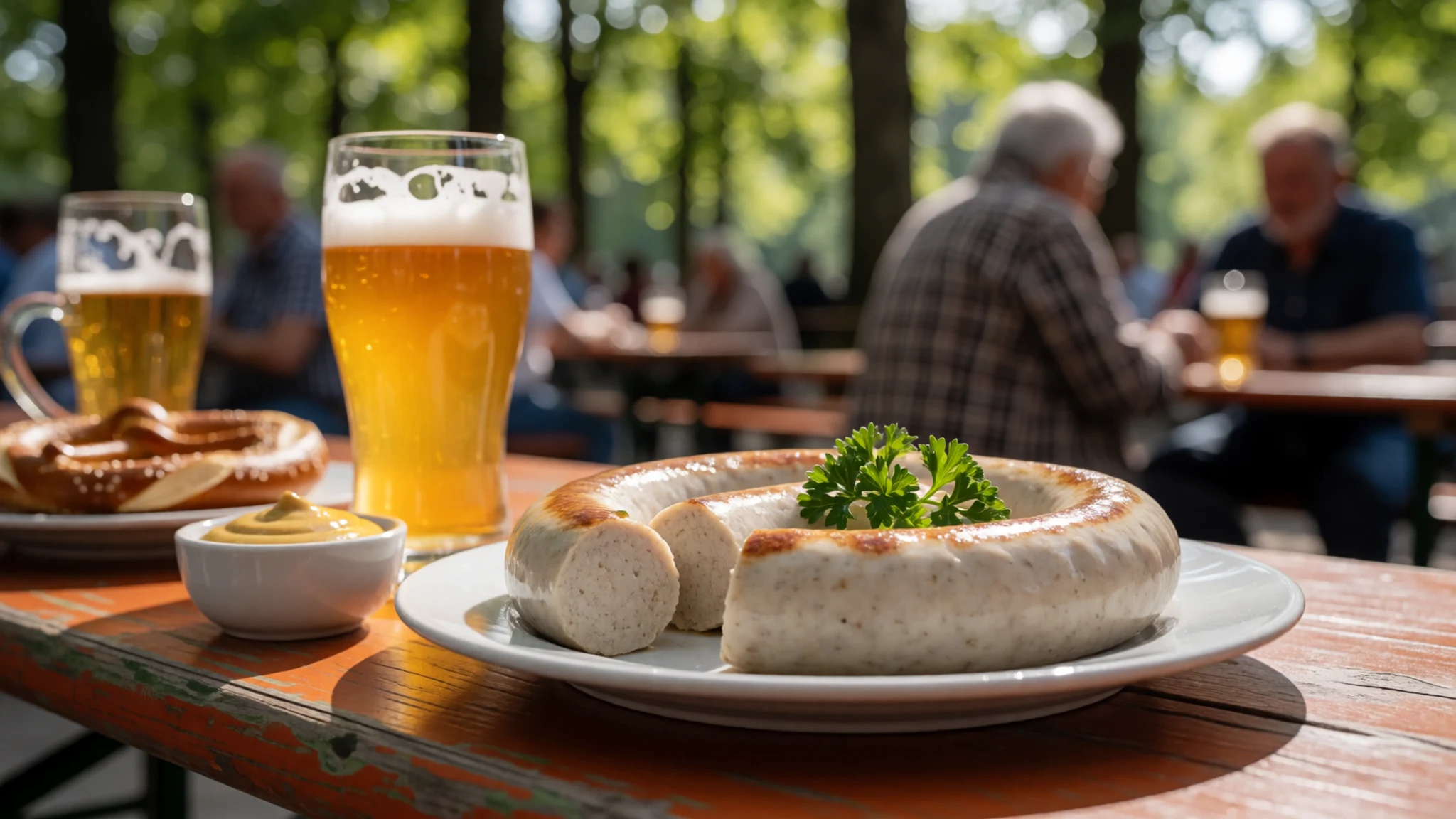
- Schweinsbraten — Any traditional Bavarian restaurant
A hearty roasted pork dish usually served with a rich brown gravy and accompanied by potato dumplings and sauerkraut for a filling Bavarian meal.
- Schweinshaxe — Beer gardens and rustic eateries
Roasted pig's knuckle with a salty, crispy skin. It is a substantial dish typically shared among friends in a beer garden setting.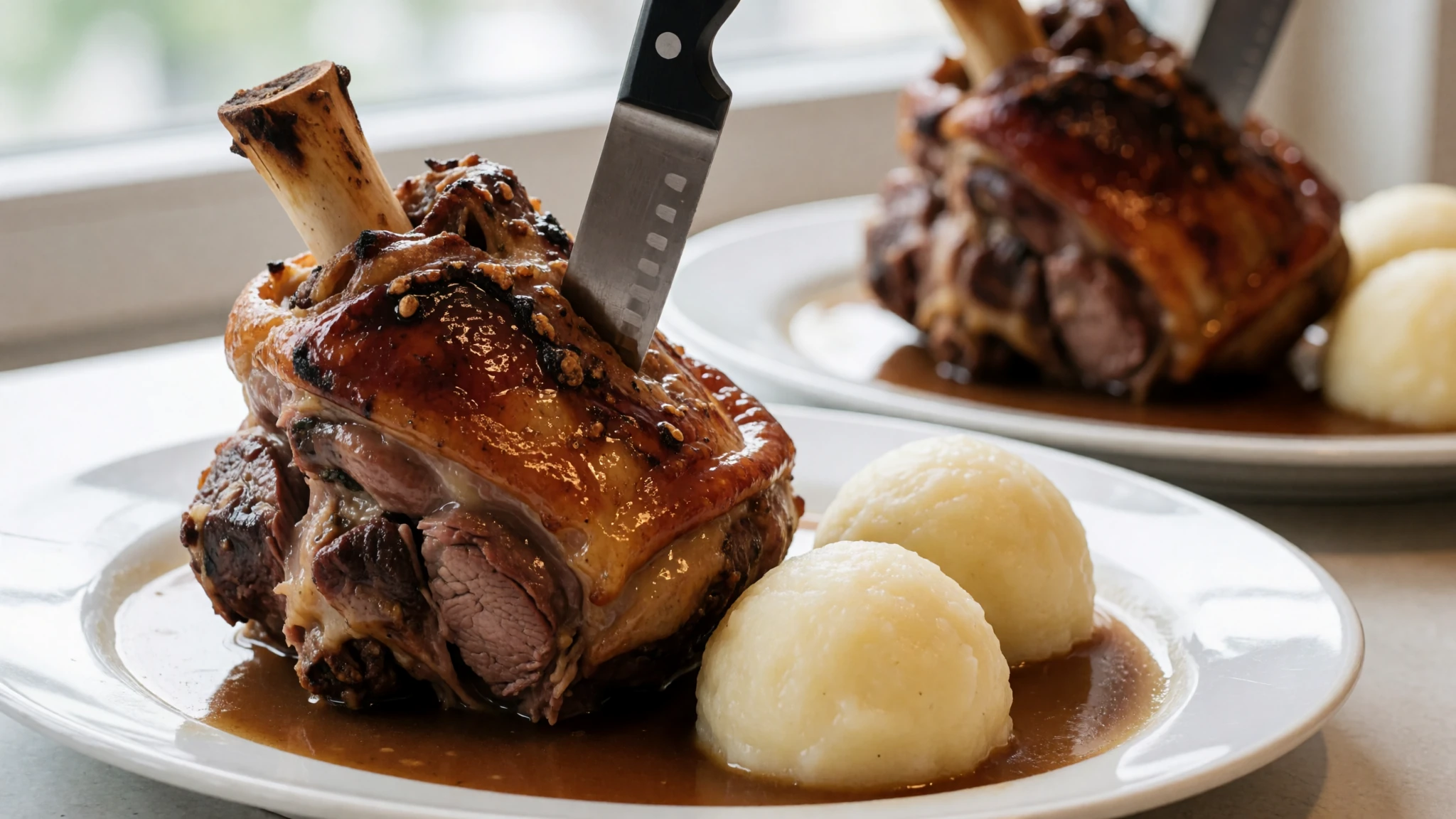
- Leberkässemmeln — Local butchers
A warm, thick slice of baked meatloaf served in a white crusty roll. It contains no liver or cheese despite the name. - Bavarian Tortes — Traditional bakeries and Konditoreis
Rich, layered cakes and cream tortes that are a staple of the city's coffee house culture, usually enjoyed with a strong espresso.
Plan it
Best time. May to June for pleasant weather and blooming gardens, or September to October for the autumn colours and the famous festival season.
How long. 3–4
Getting there. Fly into Munich Airport and take the S-Bahn train to the city centre. Alternatively, international trains arrive at Munich Hauptbahnhof from cities like Vienna and Budapest.
Budget. high
Tips
- Buy a day pass for the U-Bahn and S-Bahn to save on transport
- Visit the beer gardens in the afternoon to avoid the heaviest evening crowds
- Check the official city website for current event dates
- Carry a reusable water bottle as tap water is safe and high quality
- Book museum tickets online in advance during peak summer months
Etiquette
- Keep your voice down in residential neighbourhoods and on public transport
- Tipping is common in restaurants, usually rounding up to the nearest five euros
- Respect the 'quiet hours' in hotels and apartments
Nearby
Sources
- Wikidata Q1726 (CC0)
- Wikipedia (CC BY-SA 4.0)
- Wikivoyage (CC BY-SA 4.0)