Mount Sinai
Mount Sinai, Egypt
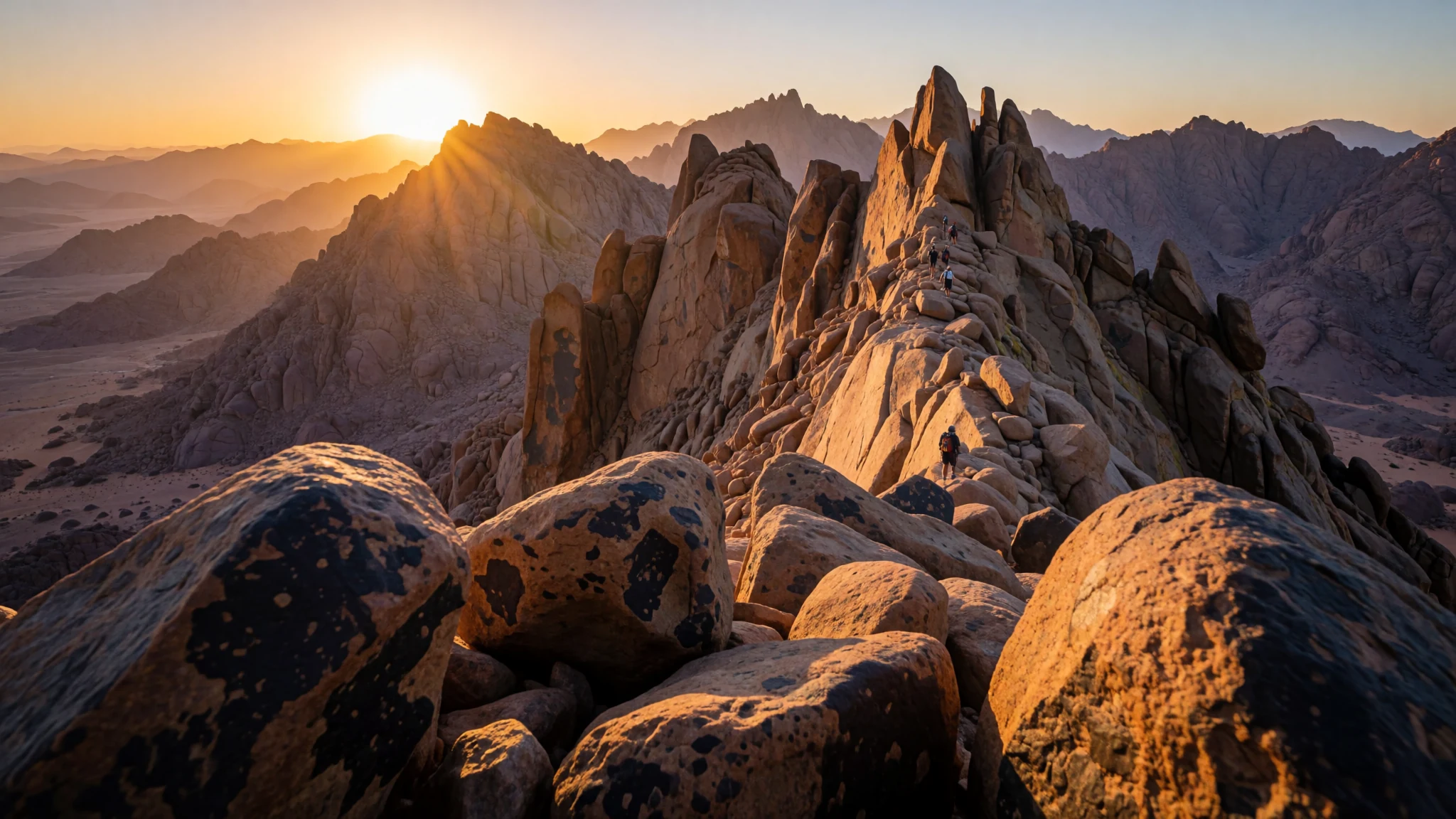
Sinai's granite mountain is one of several claimed as the place where Moses received the Ten Commandments, and the night climb is worth the cold.
The place
Mount Sinai, also called Jabal Musa, meaning Mountain of Moses, is a rocky peak of about 2,287 metres on the Sinai Peninsula of Egypt. It is one of several mountains proposed as the place where Moses received the Ten Commandments, a story shared by the Torah, the Bible and the Quran. Its neighbour Mount Catherine rises higher still and is Egypt's tallest peak. The rock is a mix of alkaline granite pushed into older formations, with volcanic flows and porphyry nearby. It dates from a late stage in the making of the Arabian-Nubian Shield, an ancient block of crust that underlies much of the surrounding desert. Geology is not needed to appreciate the view, which changes tone as the light moves across the ridges. Practically, the mountain is a climb rather than a stroll. The surrounding country is arid, and the village of St Catherine is the main base for climbers, with guesthouses, camps and a few hotels. Most groups go at night, reaching the foot in the small hours and walking up in the dark with head torches to watch the sunrise from the top. The summit is exposed and can be cold and windy even when the valley is mild, so pack layers. The monastery sits at the foot, and its grey walls and quiet courtyards are the calmest part of the visit.
Its story
The story of Mount Sinai is a story of shared scripture. Jewish, Christian and Muslim writers each place Moses on this range and link it to the law he received, and each tradition has left its mark on the slopes. The Arabic name Jabal Musa, the Mountain of Moses, is the label most used today. Archaeologists have found little firm evidence tying the biblical narrative to this peak, so the identification rests on belief and long custom rather than proof. That has not stopped pilgrims from walking here for centuries. The monastery of St Catherine rose at the foot of the peak in the 6th century. Its community holds that the Burning Bush grew on this spot, and a small museum holds Byzantine icons. The monks are mostly Greek, and they elect their own abbot and archbishop, who usually lives in Cairo; when he is away, a few caretakers carry out his duties. Today the monastery is also a busy stop. Visitors arrive in large numbers, so the short opening window in the morning can feel crowded, and the community's services come first. The Greek Orthodox calendar governs closures, and the monastery shuts at Christmas and Easter, so trip planning should allow for them. Mount Sinai remains a place where the story is still being told by people who live beside it.
What to see
- Monastery of St Catherine — foot of the mountain, St Catherine
The monastery sits at the foot of the mountain and looks more like a fortress than a church, behind high grey walls and a heavy gate. It is a Greek Orthodox house, founded in the 6th century and listed as a World Heritage Site. Visitors are admitted only in a short morning window, and it feels more like a working community than a museum.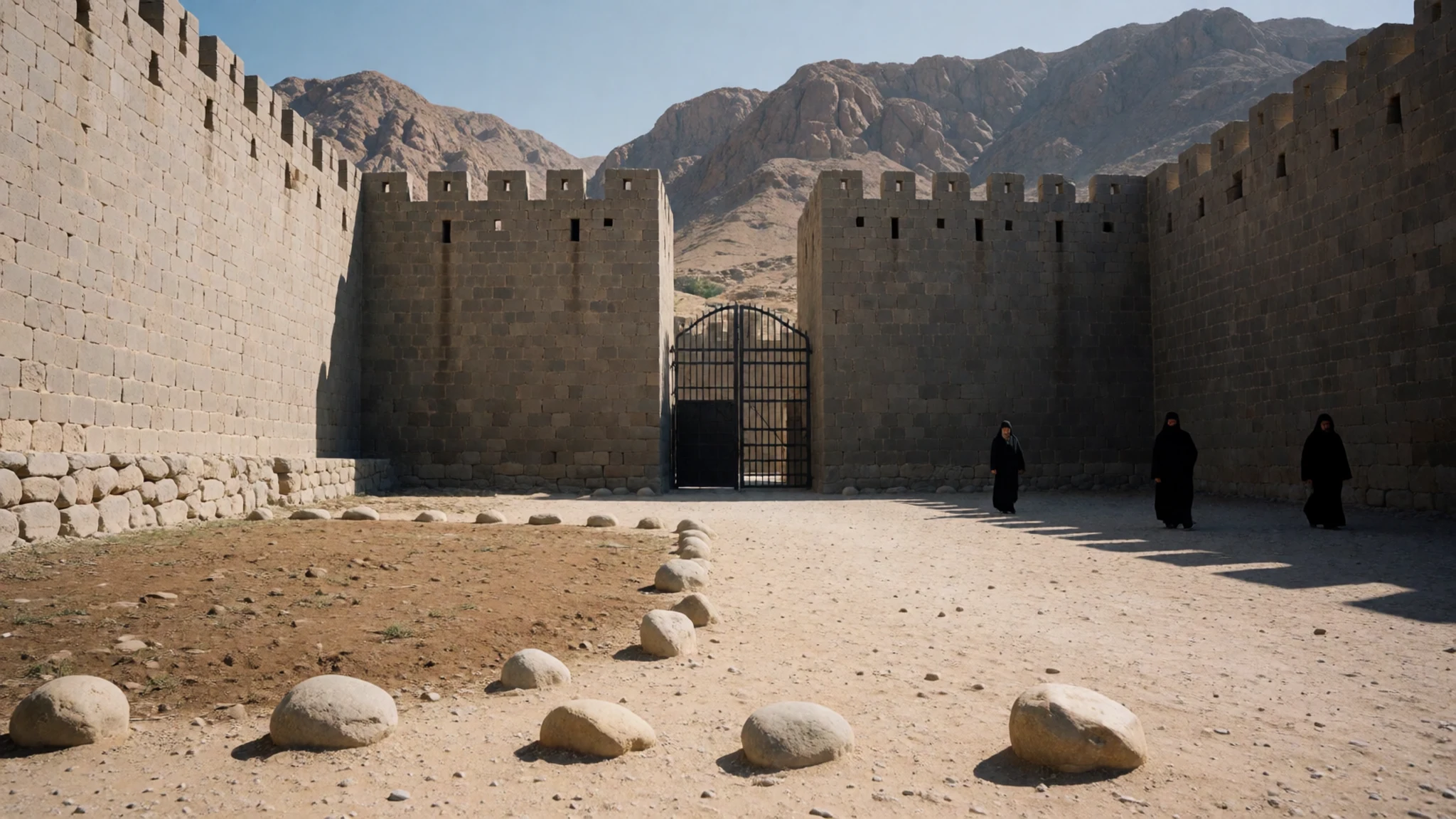
- The summit and the chapel — summit of Mount Sinai
The summit holds a small Greek Orthodox chapel and a mosque, which is why the top draws both Christian and Muslim visitors. Most people climb in the dark to see the sunrise from the peak. The summit is exposed, so a warm layer matters even when the valley is warm. The walk is long enough to need sensible shoes and water.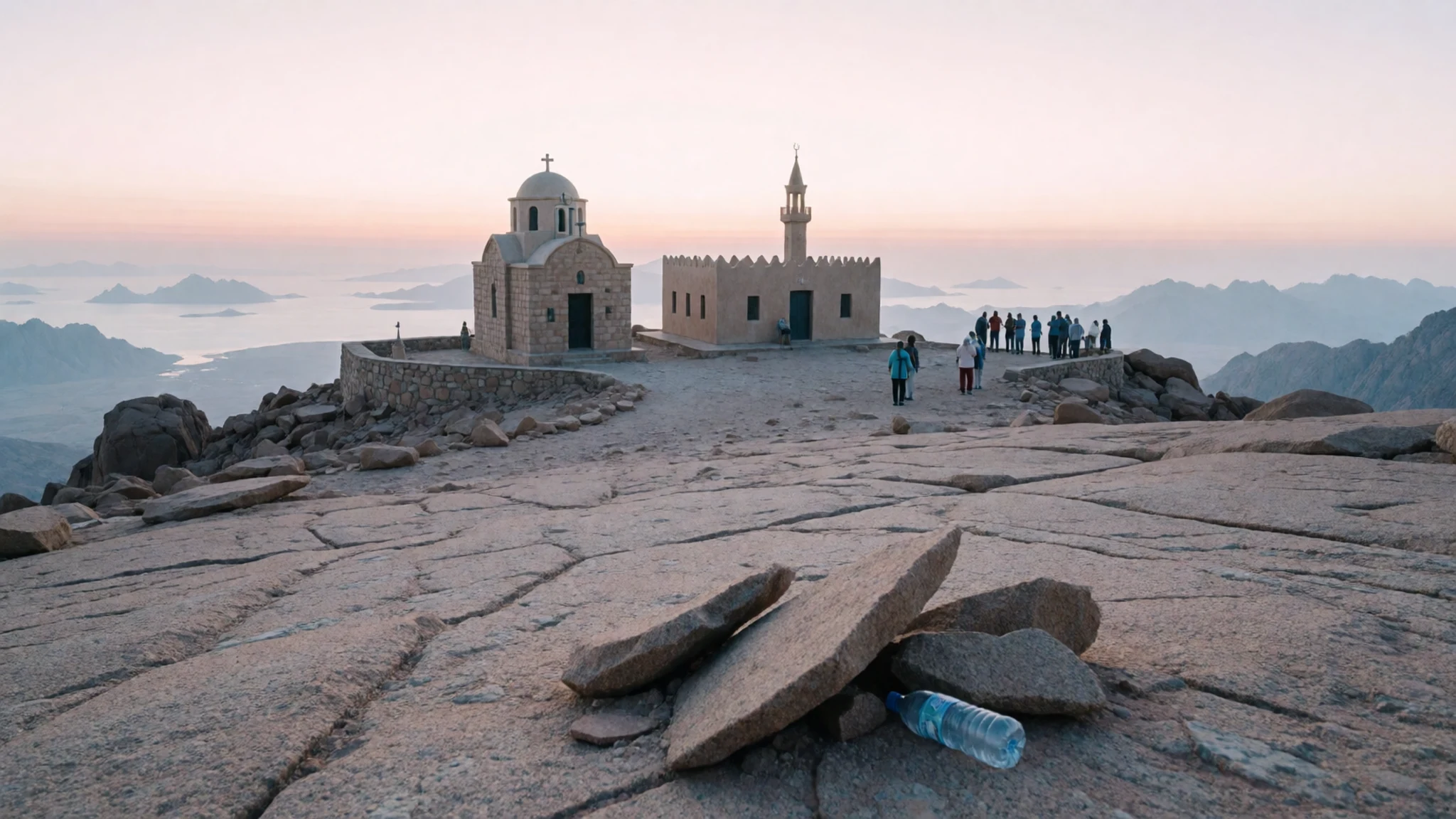
- The mosque by the village — St Catherine village
The mosque near the village is a useful landmark, close to the bus and minibus stops where the bakery and small eateries cluster. It is a handy place to get oriented before a night climb, and a good window onto how village life runs alongside the monastery. Photograph the building from outside, and ask before taking pictures of people.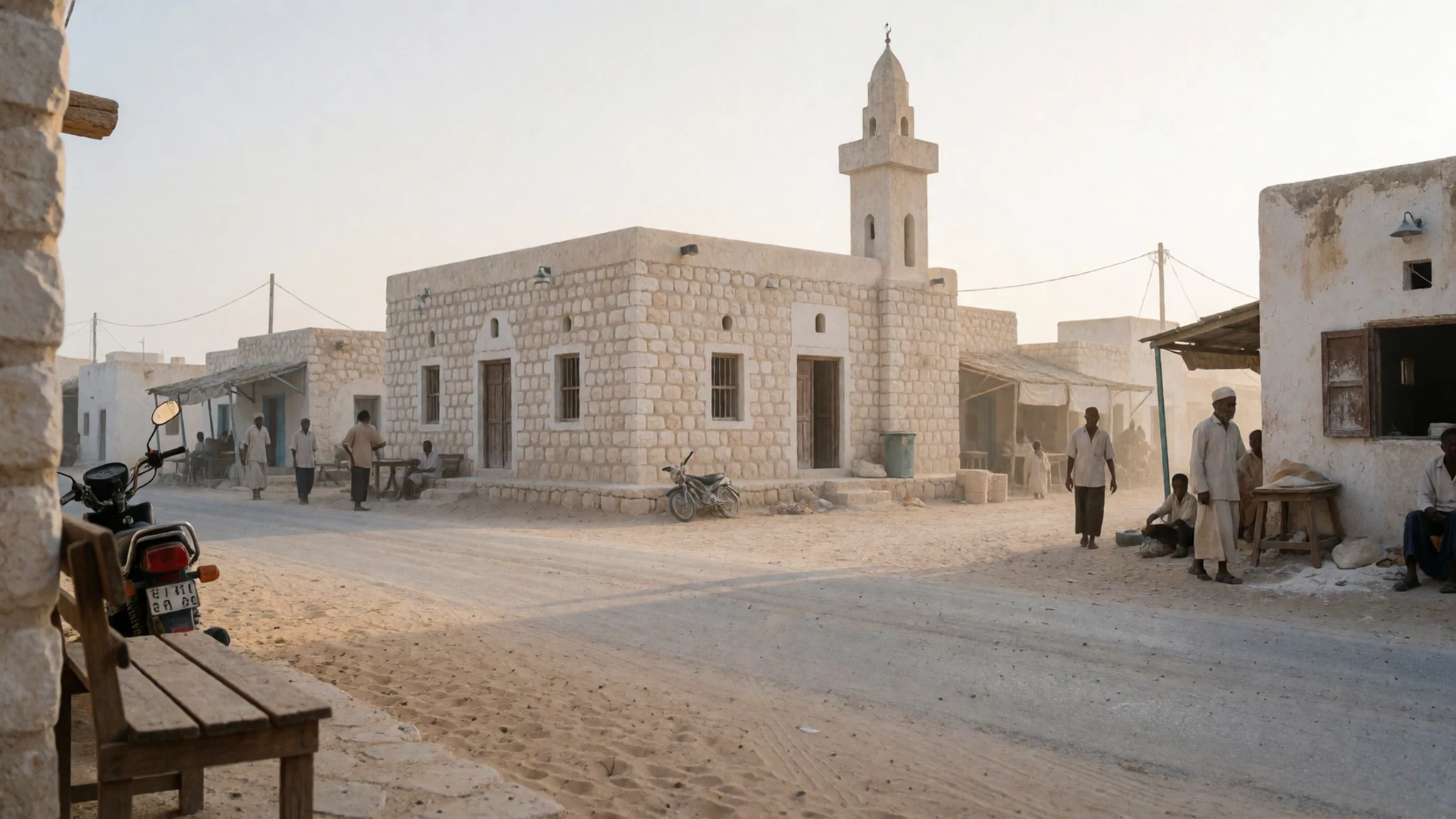
- The small icon museum — inside the monastery precinct
A small museum displays Byzantine icons and tempera paintings on wood, and it is one of the main reasons to slow down inside the monastery walls. The rooms are compact, so the visit moves quickly, but the faces and gold backgrounds reward a patient look. Check the day's arrangements on site, since visiting times are limited.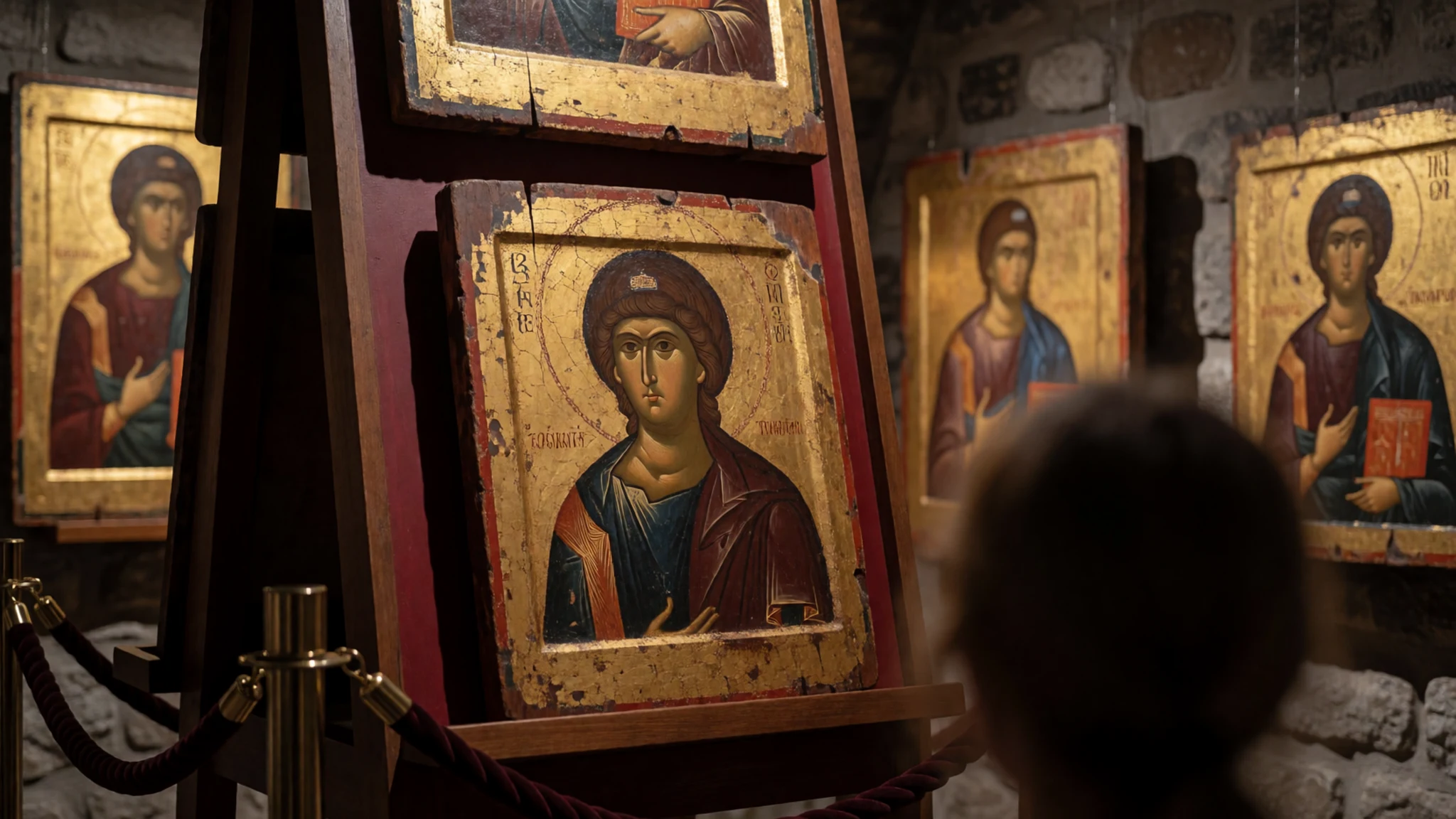
Culture
Mount Sinai is sacred to the three Abrahamic faiths, and the monastery of St Catherine is a working Greek Orthodox community as well as a place of pilgrimage. Dress modestly for the whole visit, covering shoulders and knees, especially inside the monastery grounds. If you arrive underdressed, robes are available to rent there, which is the simplest fix. Services run in the early morning and again in the afternoon, and visitors are admitted only in a short window between them. Keep conversations quiet in the courtyards and churches, and follow staff directions about where you may walk. The monks are members of a religious community, not exhibits. Guides are usually arranged through guesthouses in the village, and it is normal to haggle over the fee before you set off. Nights on the mountain are cold even when the day is warm, and access to the monastery can be cut at short notice, so check the current situation before you travel. Ask before photographing monks or pilgrims, and never use flash inside the chapels.
What to wear
Traditional dress around Mount Sinai is practical rather than ornamental: long, loose robes and head coverings suited to sun and wind, worn by Bedouin families of the peninsula in the past and still seen in villages. Heavier cloth, often wool or cotton, kept heat out in the day and held warmth at night. Today most people dress much as they would in any Egyptian town: jeans, long shirts and cotton trousers, with headscarves common among local women. Guides and workers prefer sturdy footwear and practical layers, and the climbing gear carried by tour groups is more common on the path than any fashion statement. The robes offered to visitors at the monastery are long and modest, a practical way to meet the dress rule. For a visit, dress in layers. Nights on the mountain are cold even when the day is warm, so bring a fleece or windproof jacket, a warm hat and gloves. Cover shoulders and knees for the monastery and mosque, and carry a scarf you can drape over your head. Closed shoes with grip suit the rocky path, and sandals are fine only in the village.
What to eat
- Breakfast at the monastery hostel — the monastery's own hostel at St Catherine
The monastery's hostel serves breakfast to visitors who are not staying the night. The plate is simple: an egg, some fig jam on bread, and a cup of tea. Go early and take your time, because the setting matters more than the menu.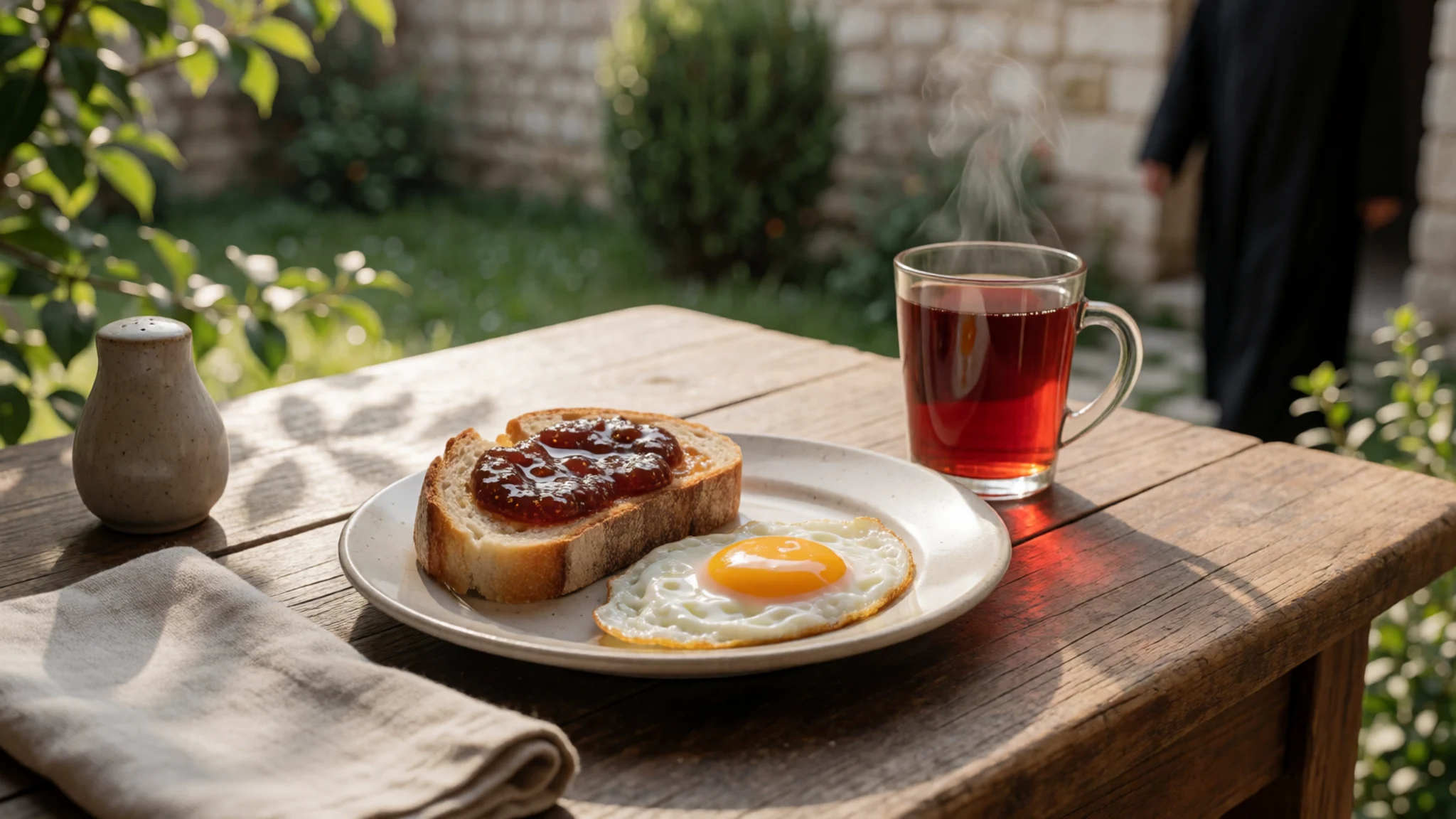
- Fresh bread from the village bakery — bakery opposite the mosque in St Catherine village, and in el-Milga
Bread is baked locally, and the bakery opposite the mosque in St Catherine is the simplest place to pick up a loaf. Another bakery serves the village of el-Milga. Carry a loaf for the climb, since a snack eaten at the summit tastes better than any packed lunch.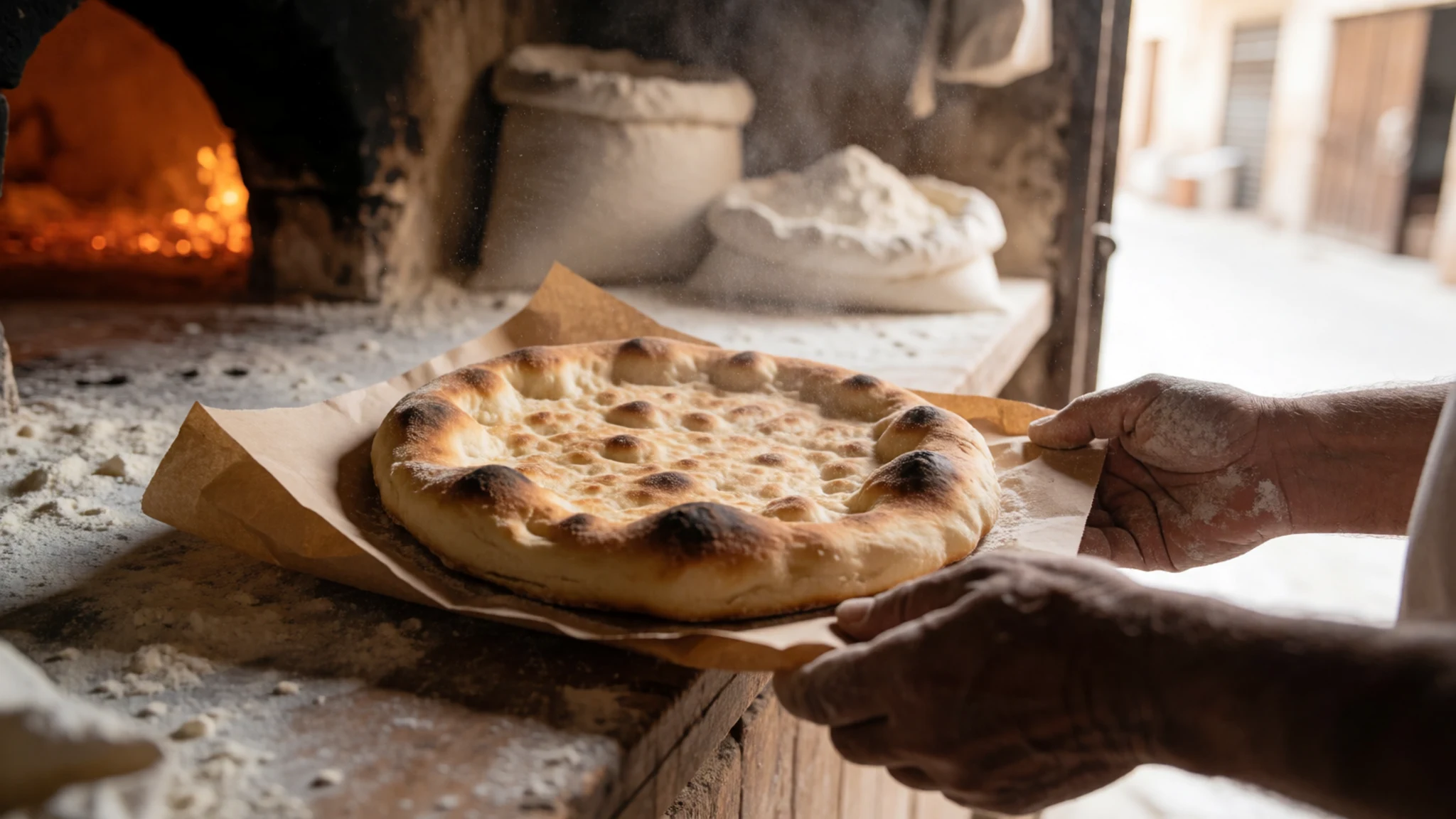
- Camp and guesthouse dinner — camps and guesthouses around St Catherine
Most evening meals are eaten where you sleep, in the camps and guesthouses around the village. Expect simple, filling dishes served to share, often with bread and rice. Ask in advance about vegetarian options, and eat before a night climb rather than after it. - Tea and snacks in the guesthouse garden — the garden café of a St Catherine guesthouse
A café in the garden of a guesthouse is open to the public, and it makes a pleasant place to wait out the hours between the morning visit and the afternoon. Order a pot of tea and a light snack in the shade. It is a calm contrast to the crowds at the monastery gate.
Plan it
Best time. Aim for spring, March–April, or autumn, October–November, when the days are warm and the nights are mild enough for a climb. Summer heat is intense in the lower country, and winter nights on the summit are very cold.
How long. 2–3
Getting there. Sharm el-Sheikh has the nearest airport with passenger flights, and from there the only way is by road. Dahab is about two hours away by road, and Sharm el-Sheikh is about three hours. Most visitors reach the foot of the mountain on a tour or by night minibus from Dahab.
Budget. low
Tips
- Arrange a night in St Catherine through a guesthouse, which can also book the climb
- Set off in the small hours with a head torch and water for the dark ascent
- Arrive at the start of the morning window, because the crowds build quickly
- Carry cash for guides, drivers and small eateries
- Check the security situation before setting off, as access can be cut at short notice
Etiquette
- Dress modestly, with covered shoulders and knees for the monastery and mosque
- Ask before photographing monks, pilgrims or villagers
- Keep voices low in the church and courtyards
Nearby
Sources
- Wikidata Q377485 (CC0)
- Wikipedia: Mount Sinai (rev 1380194058) (CC BY-SA 4.0)
- Wikivoyage: Mount Sinai (rev 5411635) (CC BY-SA 4.0)
- Photo 01: Sinai-Katharinenberg-162-Abstieg-Oase-2009-gje (Gerd Eichmann) (CC BY-SA 4.0)
- Photo 02: Mount Sinai from the southwest (Gerd Eichmann) (CC BY-SA 4.0)
- Photo 03: Jebel Musa in the 1869 Ordnance Survey of the Peninsula of Sinai (UK Government Ordnance Survey) (Public domain)
- Photo 04: St Catherines From Sinai (Wilson44691) (Public domain)
- Photo 05: MasjidMountSinai (FAH1223) (Public domain)
- Photo 06: Greek Orthodox Chapel at top of Mt Sinai (Mcstafford) (Public domain)
- Photo 07: Mount Moses (Mohammed Moussa) (CC BY 3.0)
- Photo 08: Monument in Egypt, Jabal Musa (Mohammed Moussa) (CC BY 3.0)


