Mount Robson
Mount Robson, Canada
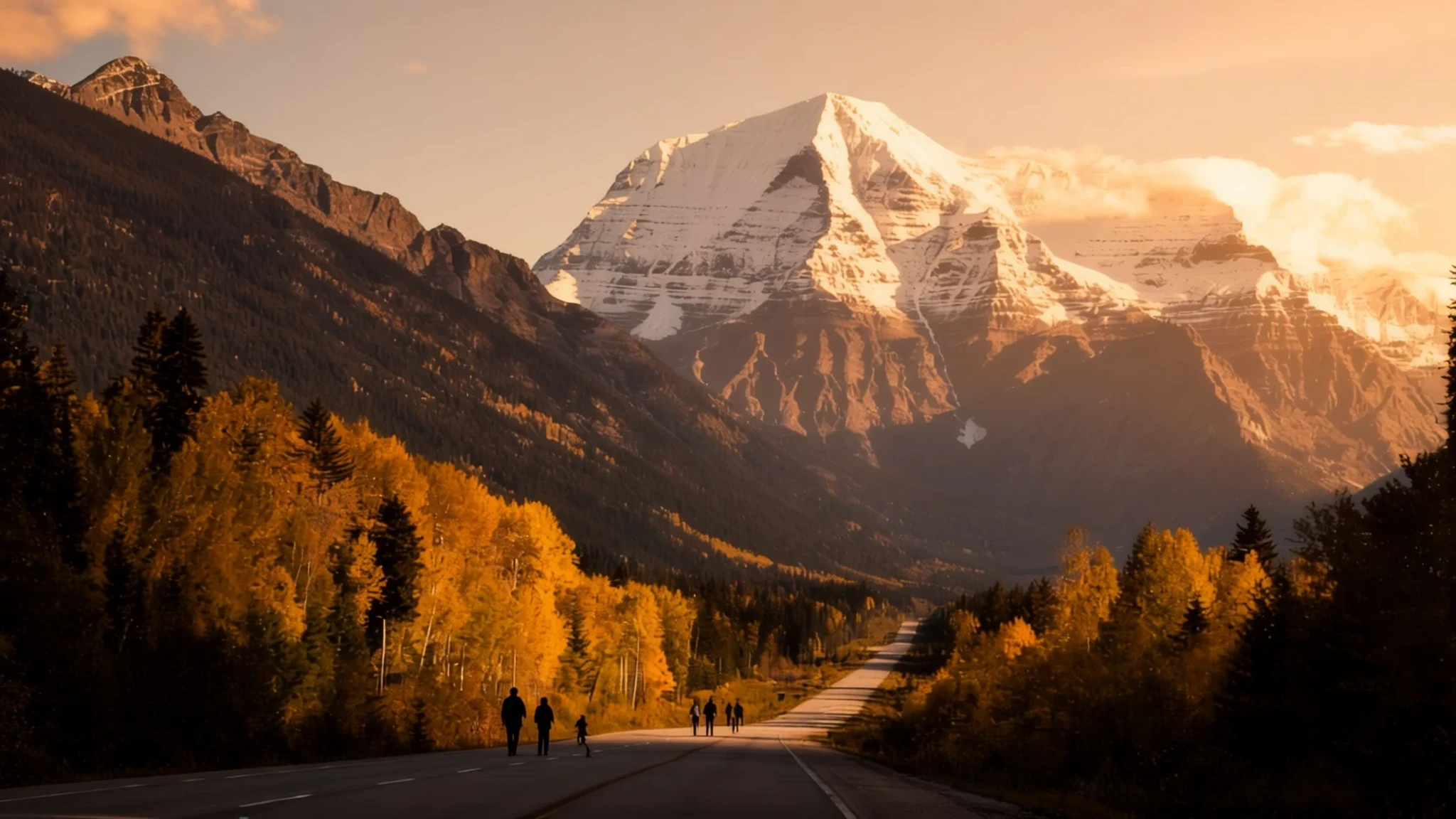
Experience the highest peak in the Canadian Rockies, where massive glaciers meet turquoise lakes in a rugged wilderness.
The place
Mount Robson is a towering presence in British Columbia, serving as the highest point within the Canadian Rockies. Situated entirely inside its own namesake provincial park, the mountain is a central feature of the Rainbow Range. It is known for its staggering vertical relief; when viewed from the shores of Kinney Lake, the mountain rises sharply from the valley floor to its summit. The terrain is a dramatic mix of steep rock faces and heavy glaciation, particularly on the north side where ice flows down toward the Berg Glacier. Visitors often first encounter the mountain from the road, where its south face dominates the horizon. For those willing to trek deeper into the park, the landscape shifts into a high-alpine environment of rocky passes and glacial lakes. The area is a sanctuary for wildlife and a challenging destination for mountaineers. Because of its height and the volatile weather patterns typical of the Rockies, the mountain often creates its own microclimate, with clouds clinging to the peak even when the surrounding valleys are clear. This atmospheric quality adds to the sense of isolation and grandeur that defines the park.
Its story
The history of Mount Robson is tied to early exploration and the ambition of early 20th-century climbers. It was first surveyed in 1893 by James McEvoy, who confirmed it as the tallest peak in the Canadian Rockies. For years, the summit remained elusive, as the approach required long pack train journeys from towns like Edmonton. The first documented successful climb happened in 1913, led by the guide Conrad Kain. At the time, the mountain's ice faces were considered some of the most difficult on the continent. Before this official victory, a man named George Kinney claimed to have reached the top in 1909 on his twelfth attempt. This claim sparked a long-running feud among the elite of the Alpine Club of Canada, as Kinney's described route seemed improbable and far too dangerous. While most now believe he only reached the high ridge before being turned back by the final ice dome, Kinney Lake was named in his honour. The mountain also holds deep significance for the Secwepemc people, specifically the Texqa’kallt, who refer to the peak as Yexyexéscen, meaning striped rock, or the Mountain of the Spiral Road.
What to see
- Berg Lake — North side of the park
A stunning glacial lake that offers the most intimate view of the mountain's north face. Reaching this spot requires a long hike, but the reward is a turquoise basin surrounded by towering cliffs and ice.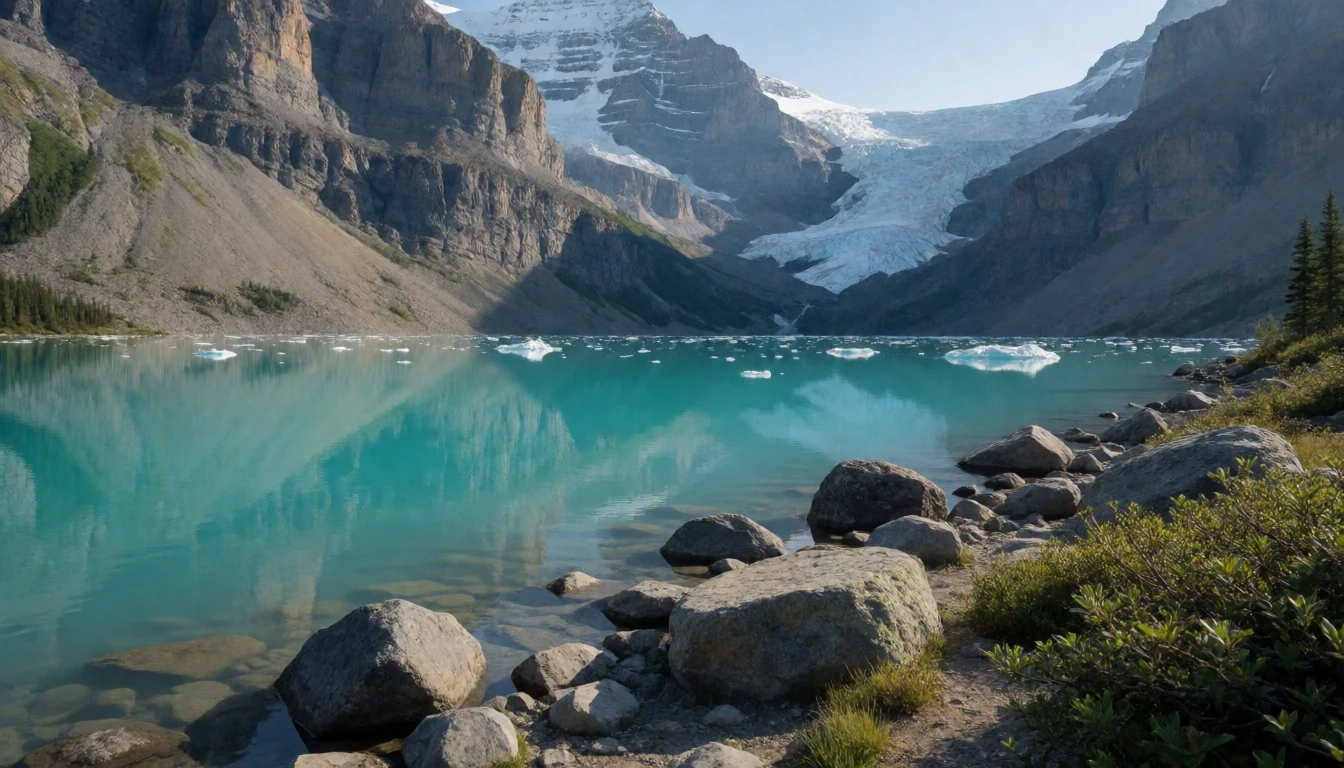
- Kinney Lake — South-west side of the park
A serene body of water providing a classic perspective of the mountain's south-west side. The contrast between the still water and the massive vertical rise of the peak is a favourite for photographers.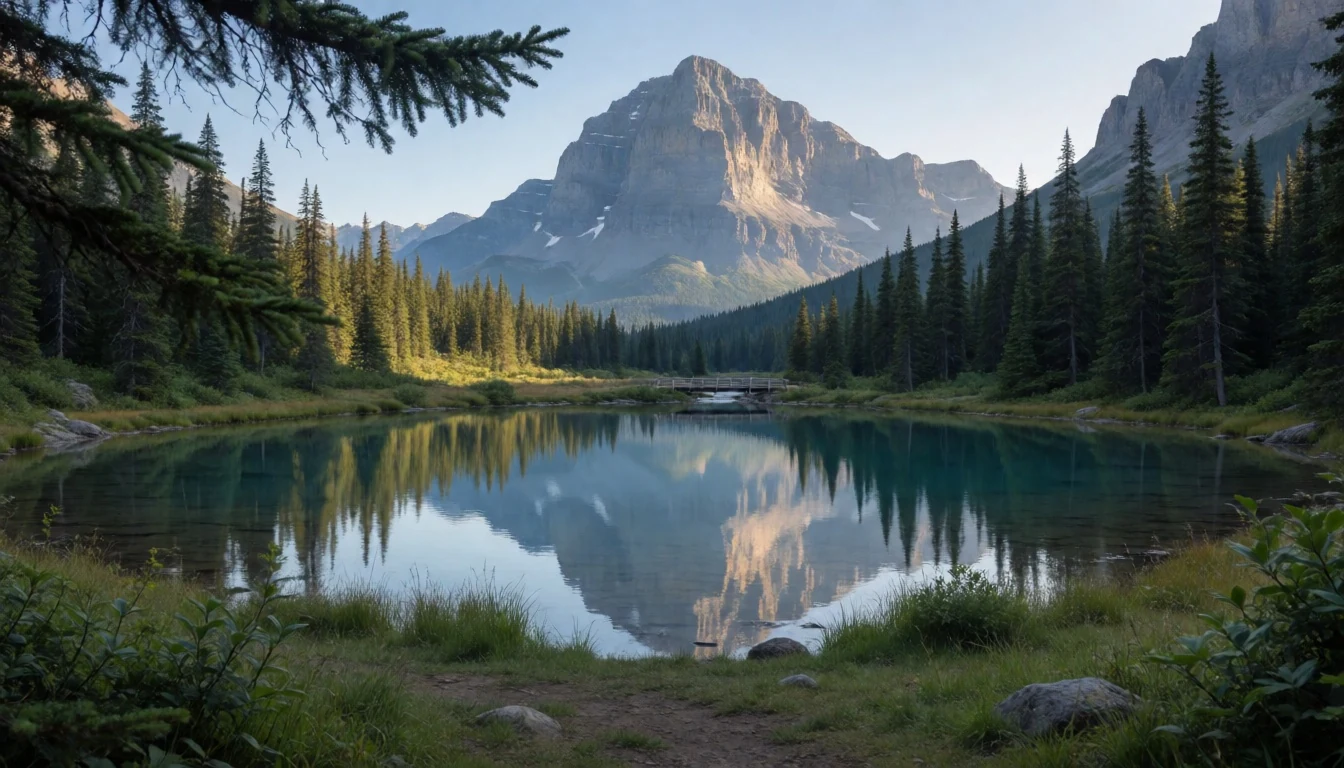
- The Emperor Face — North face area
This legendary sheer wall of rock and ice is one of the most imposing features of the mountain. It is best viewed from the Berg Lake area, where its verticality becomes truly apparent.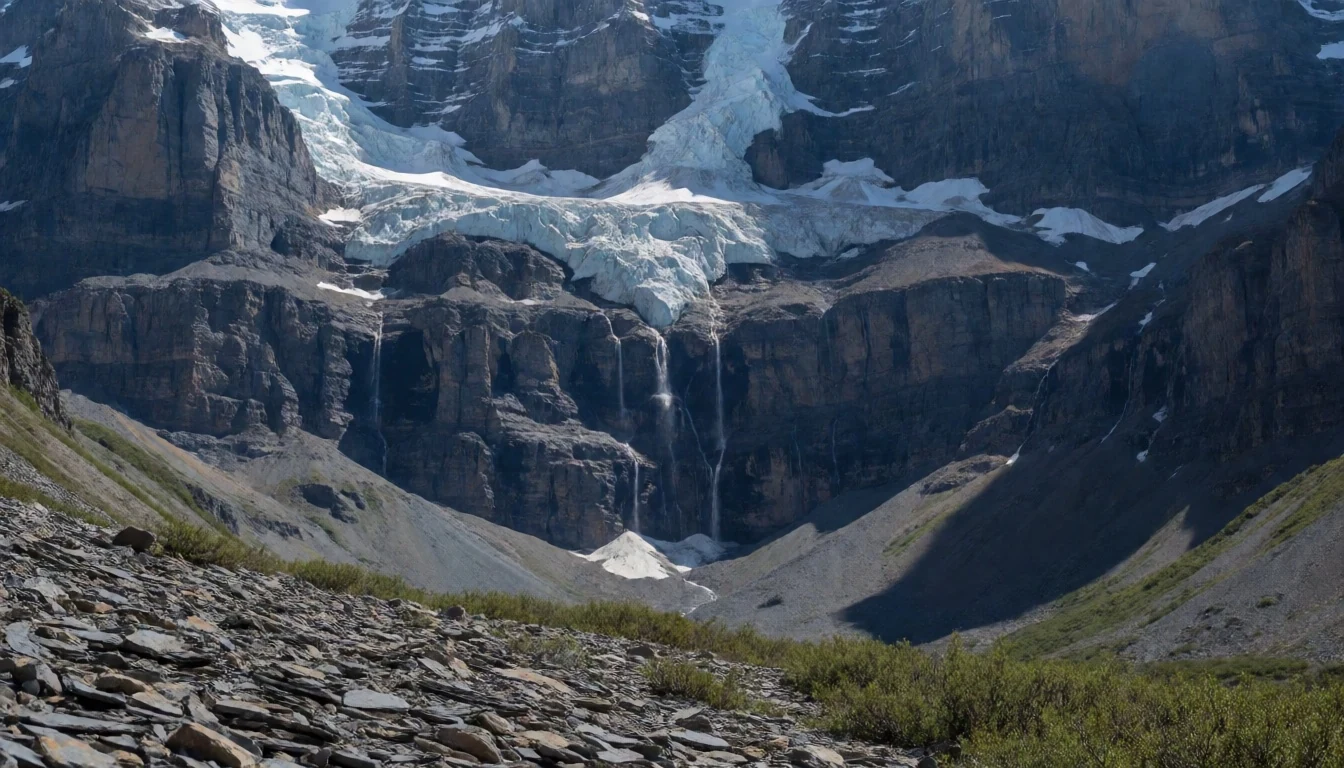
- Berg Glacier — North face base
A massive river of ice that feeds into the lake below. Visitors can observe the calving process, where huge chunks of ice break away and float in the water as shimmering bergs.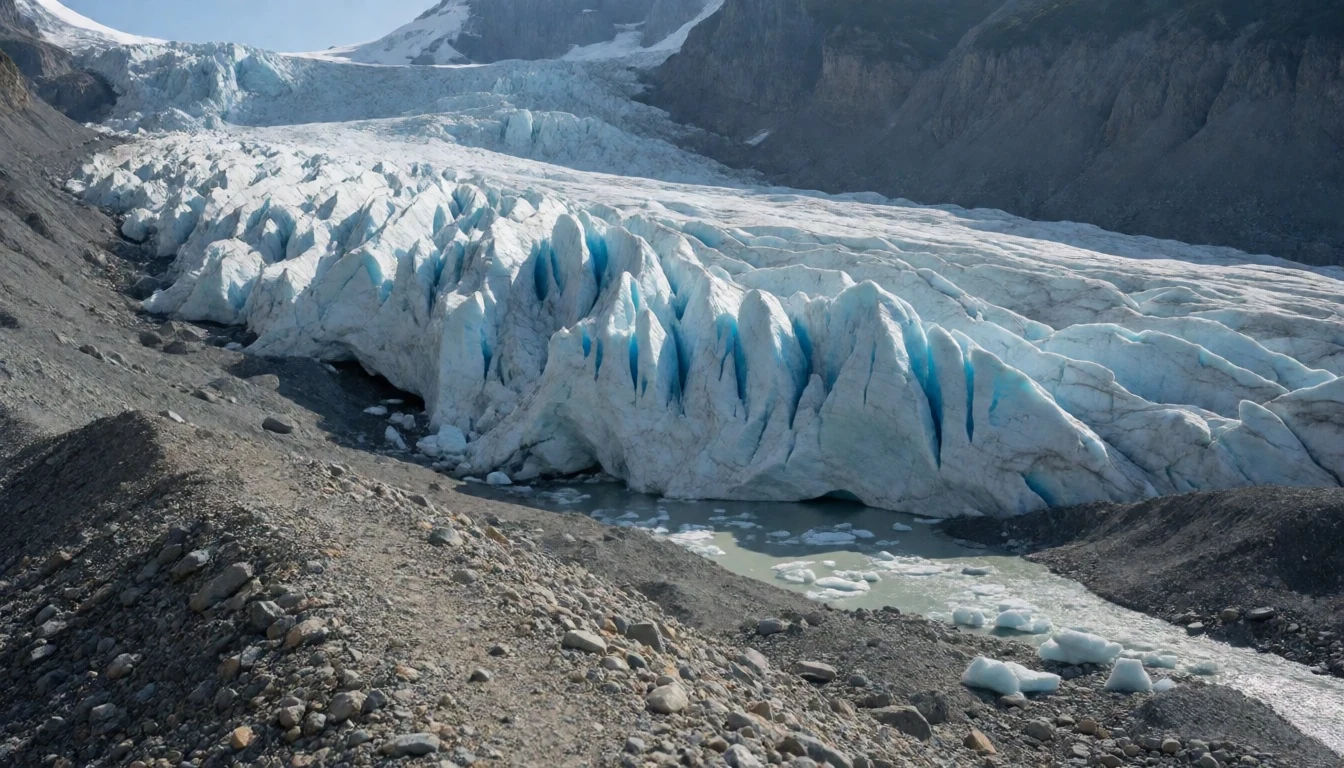
- Yellowhead Highway Overlook — Highway 16 corridor
For those who cannot trek into the backcountry, the roadside stops along the highway offer an immediate and humbling view of the south face towering over the valley.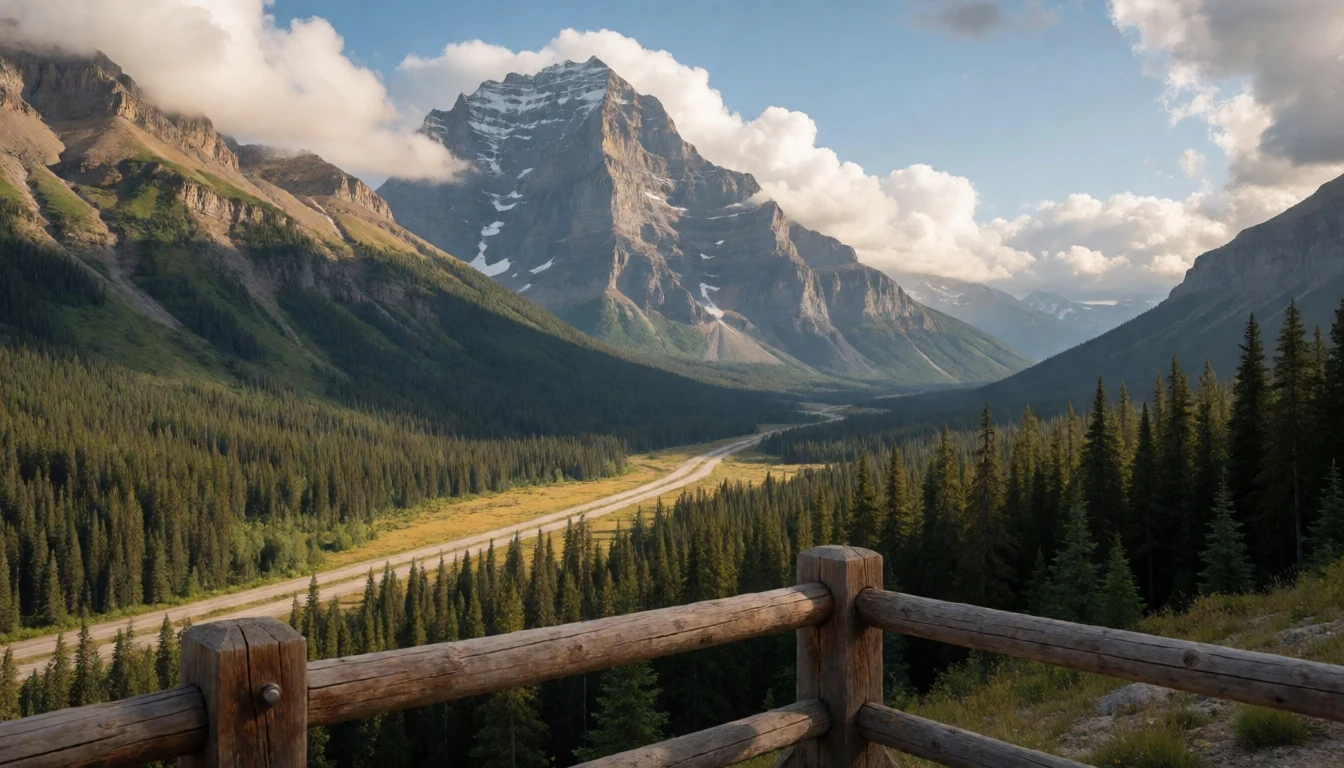
Culture
The culture surrounding Mount Robson is a blend of Indigenous heritage and the rugged spirit of early North American mountaineering. The Secwepemc people's ancestral connection to the land is reflected in the traditional names for the peak, which describe its physical appearance and the spiritual paths associated with it. In more recent times, the area has become a pilgrimage site for the Alpine Club of Canada, fostering a culture of endurance, technical skill, and a deep respect for the mountains. There is a strong emphasis here on the 'leave no trace' philosophy, as the fragile alpine ecosystem is easily damaged. This ethos is shared by the park rangers and the hikers who visit, creating a community focused on conservation and the preservation of the wilderness. Understanding the mountain requires acknowledging both the indigenous history and the daring, sometimes contentious, history of the explorers who first mapped its peaks. Please stay on marked trails to protect the delicate alpine flora.
What to wear
Mount Robson exists in a region where functional gear is the primary dress code. Traditionally, the indigenous peoples of British Columbia used textiles made from cedar bark, animal skins, and wool, designed for extreme temperature swings. Today, the local 'uniform' for residents and visitors consists of technical outdoor wear. This includes moisture-wicking base layers, fleece mid-layers, and waterproof GORE-TEX shells to guard against the sudden rain and snow common in the Rockies. Sturdy, waterproof hiking boots with ankle support are essential for the rocky terrain and muddy trails. For those venturing toward Berg Lake, trekking poles and wool socks are standard. In the nearby towns, you will see a relaxed, outdoorsy style: flannel shirts, denim, and fleece vests. When visiting the park, always pack layers, as the temperature can drop significantly the moment the sun dips behind the peak, regardless of the season. Modesty is not a concern here, but practicality is paramount for safety.
What to eat
- Wild Pacific Salmon — Local restaurants in the region
A staple of the province, often grilled or smoked. You can find high-quality versions in the eateries of nearby mountain towns or specialized seafood markets in the region.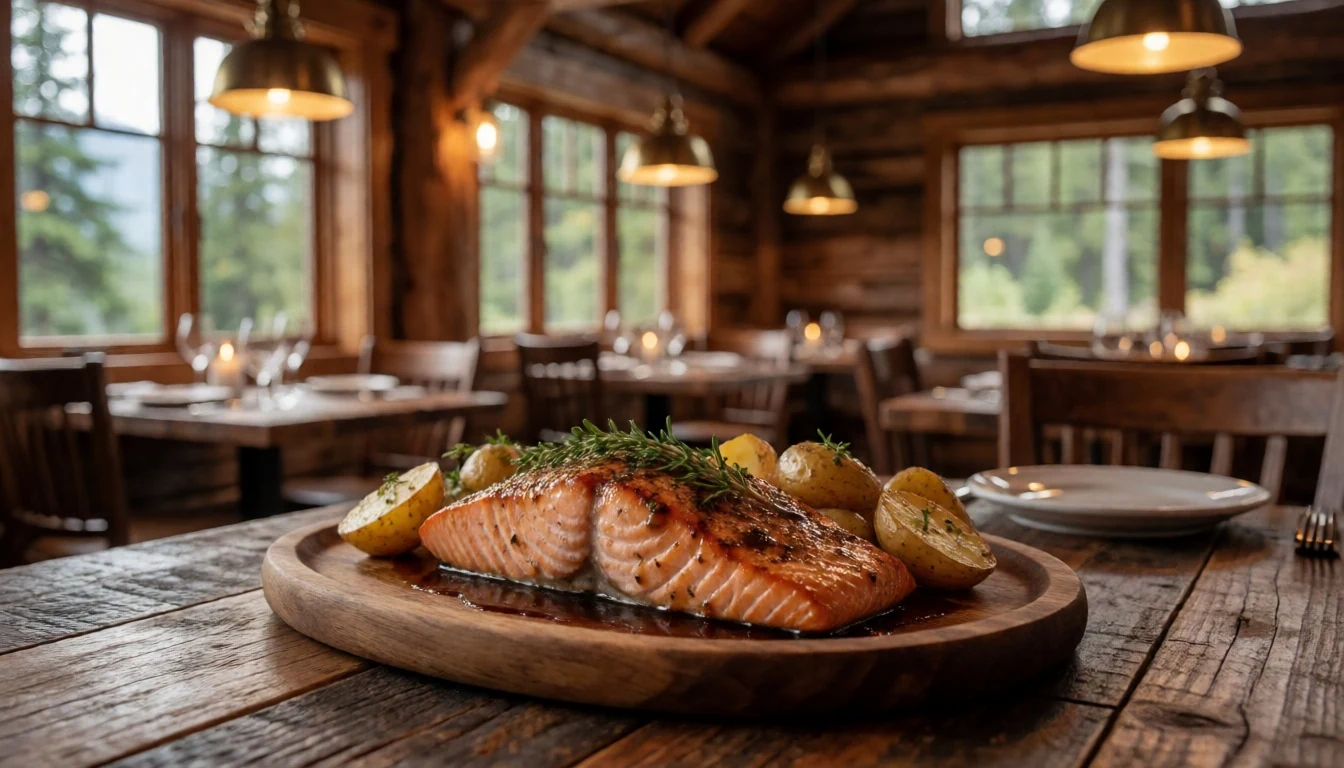
- Geoduck — Seafood restaurants in BC
A large, rare saltwater clam that is a delicacy in British Columbia. It is typically served raw as sashimi or lightly steamed in coastal eateries.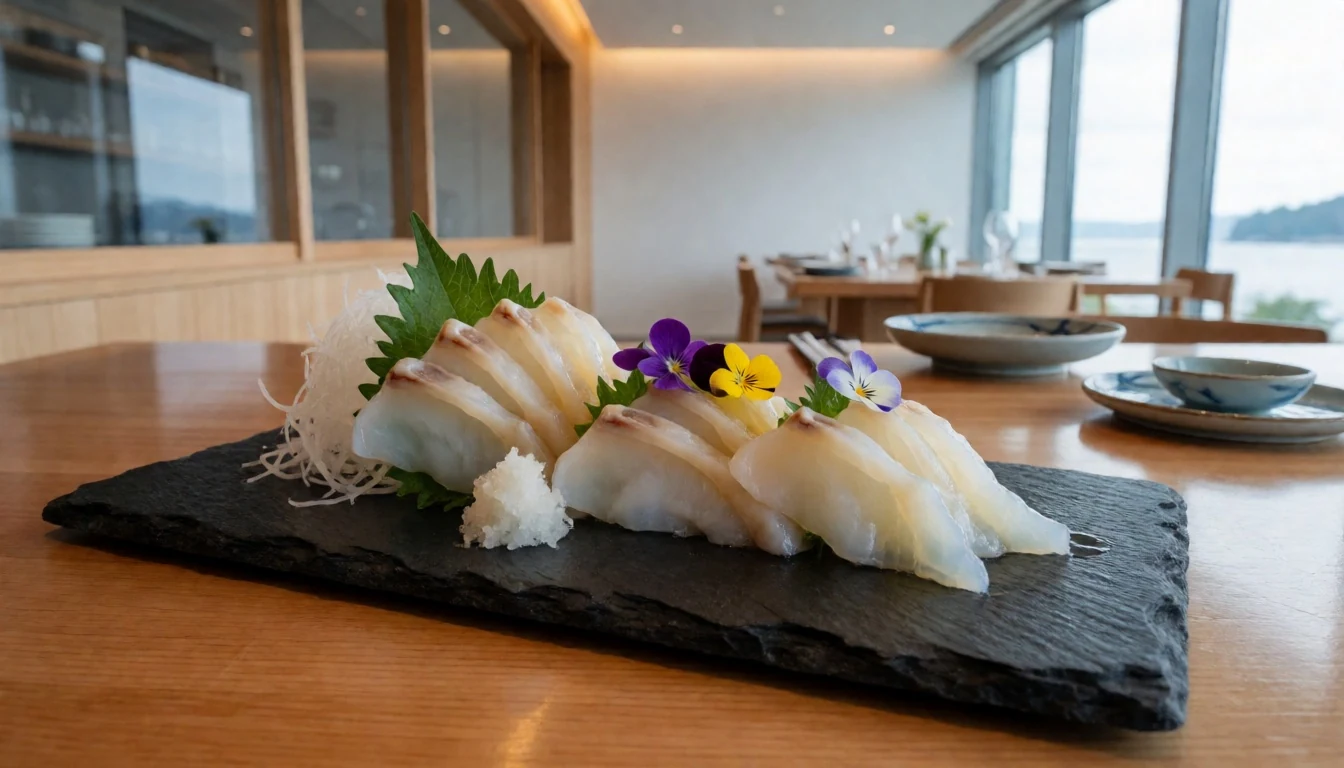
- Nanaimo Bars — Local bakeries and cafes
A rich, three-layered dessert consisting of a wafer-coconut base, custard icing, and chocolate ganache. These are found in almost every bakery and cafe across the province. - High-Energy Trail Mix — Park visitor centres
While not a culinary delicacy, a mix of dried fruits, nuts, and chocolate is the unofficial fuel of the Berg Lake trail, sold in park kiosks.
Plan it
Best time. June to September for hiking and accessibility; winter is for experienced mountaineers only due to extreme snow.
How long. 2–4
Getting there. Fly into Vancouver International Airport, then rent a car for the drive north via Highway 99 and Highway 16.
Budget. mid
Tips
- Book backcountry campsites months in advance
- Carry bear spray and know how to use it
- Start your hikes at dawn to avoid afternoon storms
- Pack a physical map as cell service is non-existent in the park
- Bring a high-quality water filter for stream water
Etiquette
- Pack out every single piece of rubbish you bring in
- Keep a safe distance from all wildlife, especially bears
- Keep noise levels low to preserve the wilderness experience
Nearby
Sources
- Wikidata Q1161258 (CC0)
- Wikipedia (CC BY-SA 4.0)
- Wikivoyage (CC BY-SA 4.0)