Mount Nyiragongo
Mount Nyiragongo, Democratic Republic of the Congo
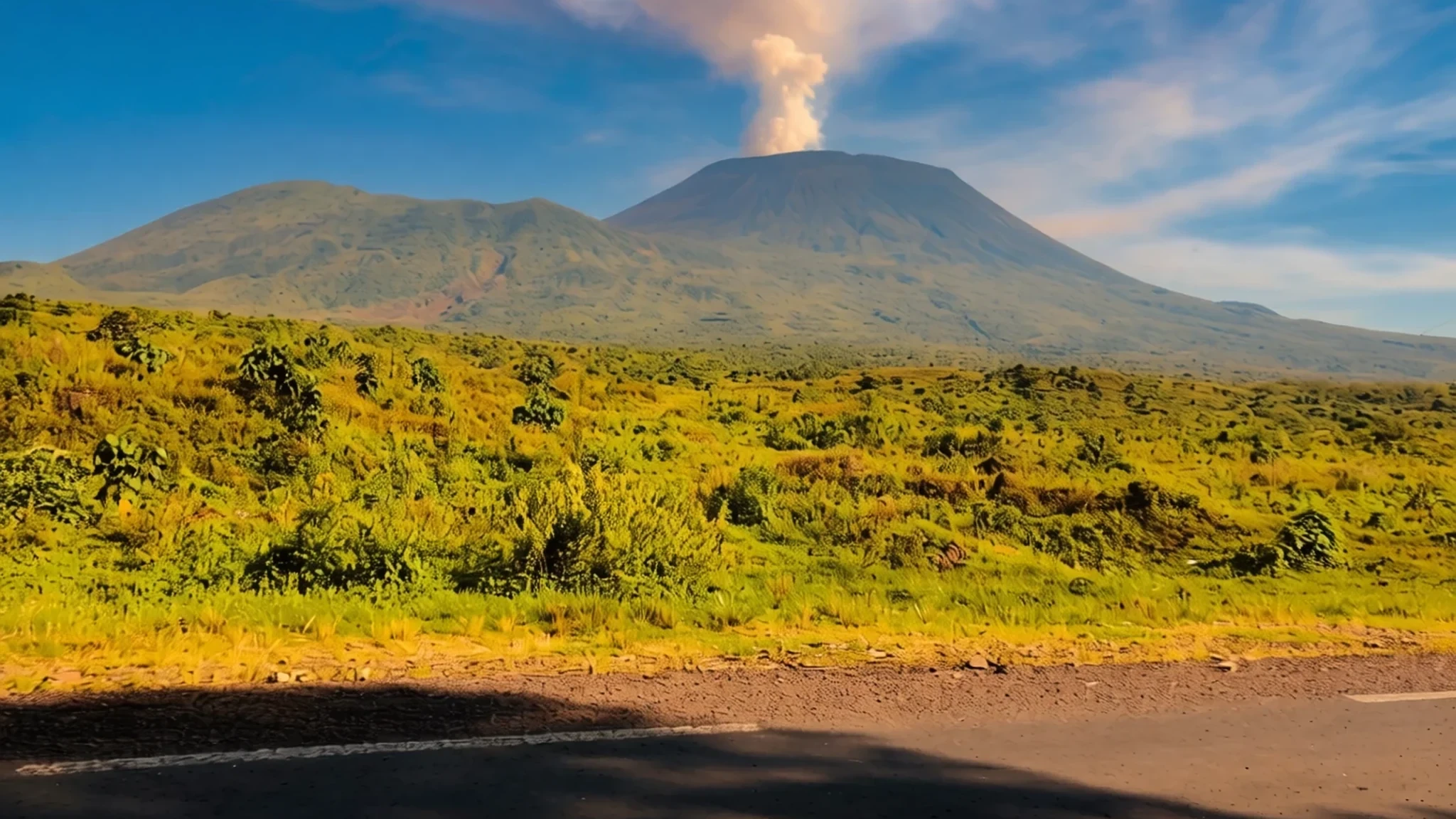
To witness one of the world's most persistent and voluminous lava lakes inside a towering stratovolcano.
The place
Mount Nyiragongo is an active stratovolcano located in the North Kivu province of the Democratic Republic of the Congo. Reaching an elevation of 3,470 m, it stands as a dominant feature of the Virunga Mountains, which are part of the Albertine Rift system. The volcano is situated within the borders of Virunga National Park, just a short distance north of Goma and the shores of Lake Kivu, and very close to the Rwandan border. The most striking feature of Mount Nyiragongo is its massive central crater, which spans roughly two kilometres across and typically holds a lake of molten lava. This lava lake is famous for its scale and depth, which fluctuates over time as the magma levels rise and fall. The geology of the mountain consists primarily of pyroclastic materials and ancient lava flows, with the surrounding landscape dotted by hundreds of smaller cinder cones created by flank eruptions. Together with the nearby Nyamuragira volcano, this site accounts for a huge portion of the historical volcanic activity across the African continent. The environment is a stark contrast between the lush tropical greenery of the national park and the blackened, desolate slopes of the volcano's upper reaches, creating a dramatic landscape for those brave enough to make the climb.
Its story
The story of Mount Nyiragongo is one of immense geological power and volatility. As a stratovolcano, it has built itself up through layers of hardened lava and ash over millennia, but it is the fluid nature of its magma that makes it unique. Unlike many volcanoes that erupt in explosive bursts, Nyiragongo is known for its low-silica lava, which flows much more easily and rapidly than typical magma. This characteristic has led to several events where lava streams moved quickly toward populated areas, including the town of Goma. The lava lake inside the crater acts as a window into the earth's interior, providing scientists with a rare opportunity to study the movement of magma in real-time. Over the decades, the lake's level has shifted dramatically; at certain points in the late seventies, it reached significant heights before dropping hundreds of metres following later eruptions. The mountain is not just a geological curiosity but a living entity that shapes the lives of the people in North Kivu. Its eruptions have forced mass migrations and reshaped the local topography, reminding all who live in its shadow of the fragile balance between human settlement and the raw forces of nature in the heart of Africa.
What to see
- The Lava Lake — Main Crater Rim
The primary draw of Mount Nyiragongo is the molten lake within the main crater. Visitors hike to the rim to look down into the glowing red depths, experiencing the heat and sulphur fumes of one of the most active volcanic vents on earth.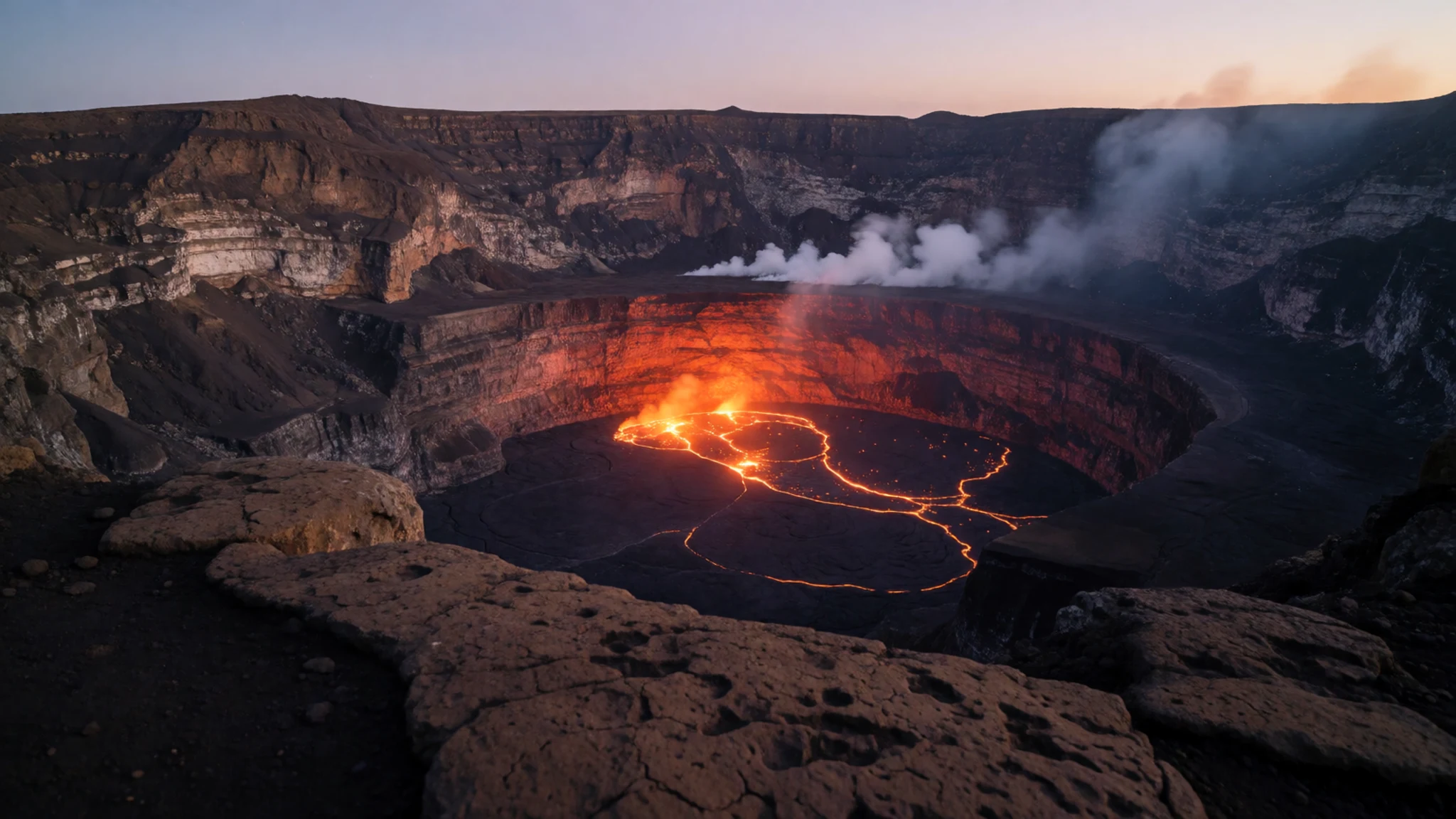
- Virunga National Park — North Kivu Province
The volcanic peak is housed within this expansive protected area. Beyond the volcano, the park offers diverse tropical landscapes, including dense rainforests and waterways that are home to a wide variety of endemic wildlife and captivating flora.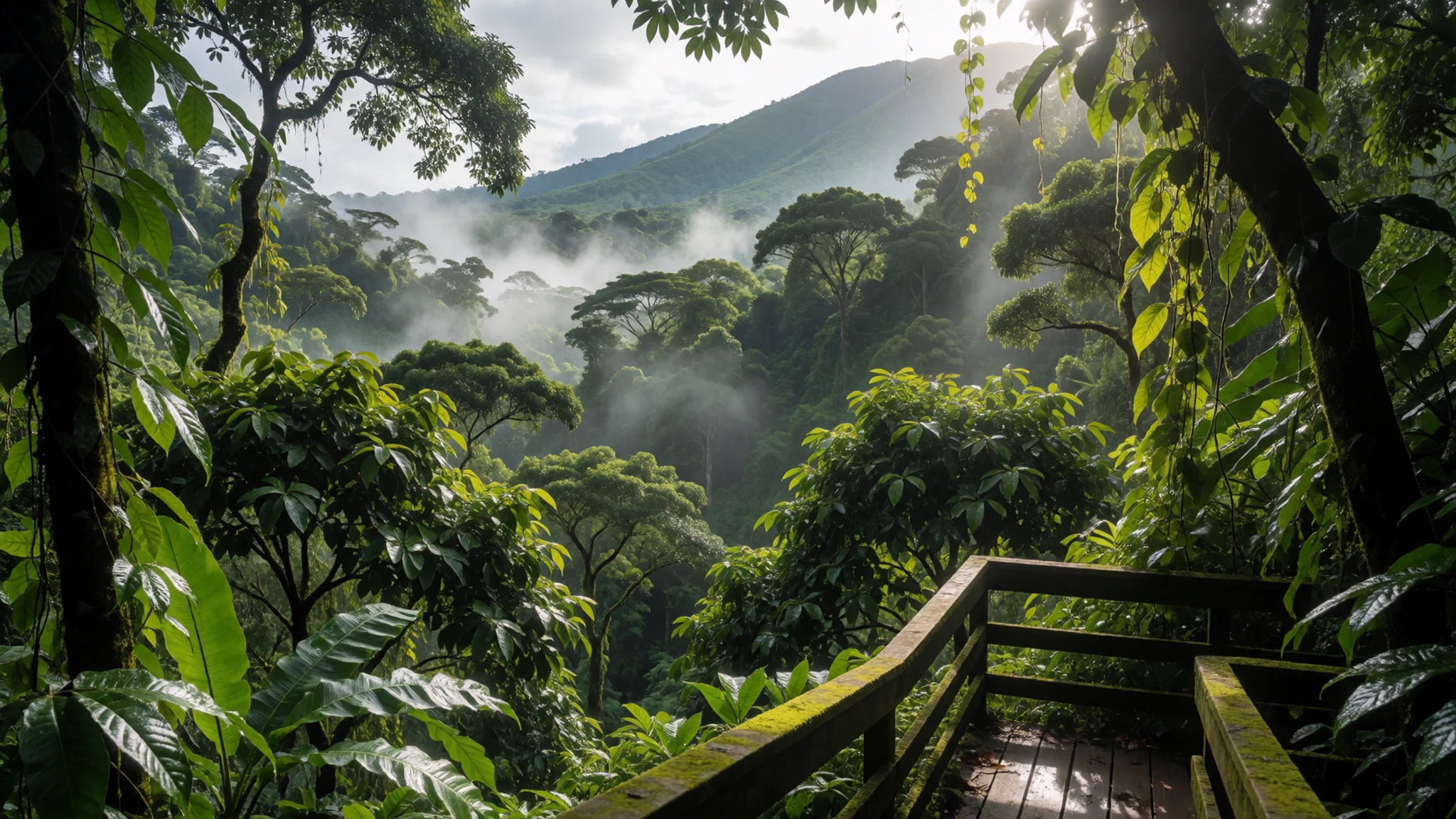
- Academie des Beaux-Arts — Goma town centre
For a change of pace, this institution serves as a cultural hub. Its gallery allows visitors to meet renowned Congolese artists and explore a range of styles, from traditional works to the abstract paintings of local masters.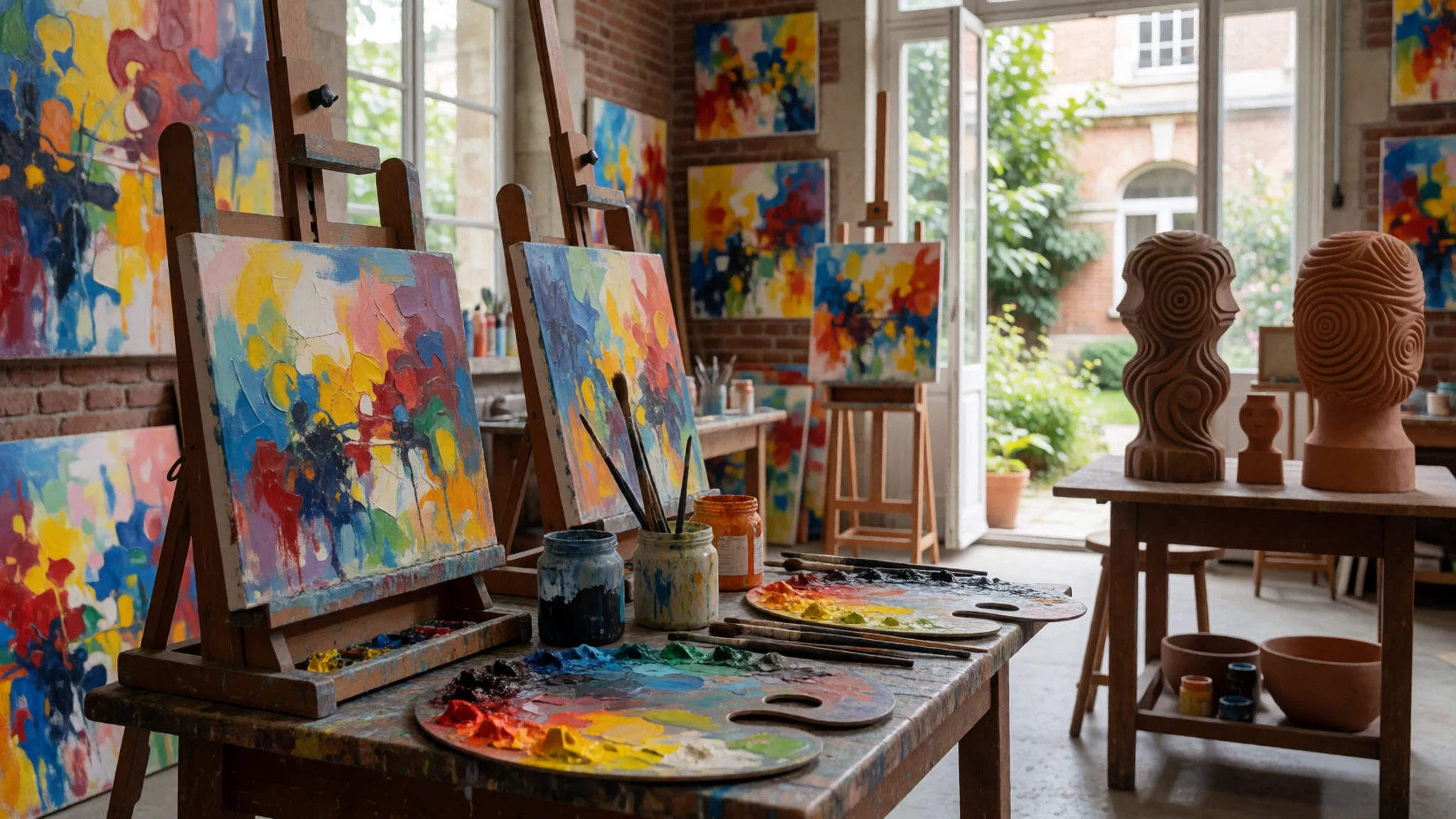
- Goma Waterfront — Lake Kivu shore
The edge of Lake Kivu provides a stark visual contrast to the volcano. The town's shoreline is where the volcanic rock meets the deep blue water, offering a place to observe the daily rhythms of the lakeside community.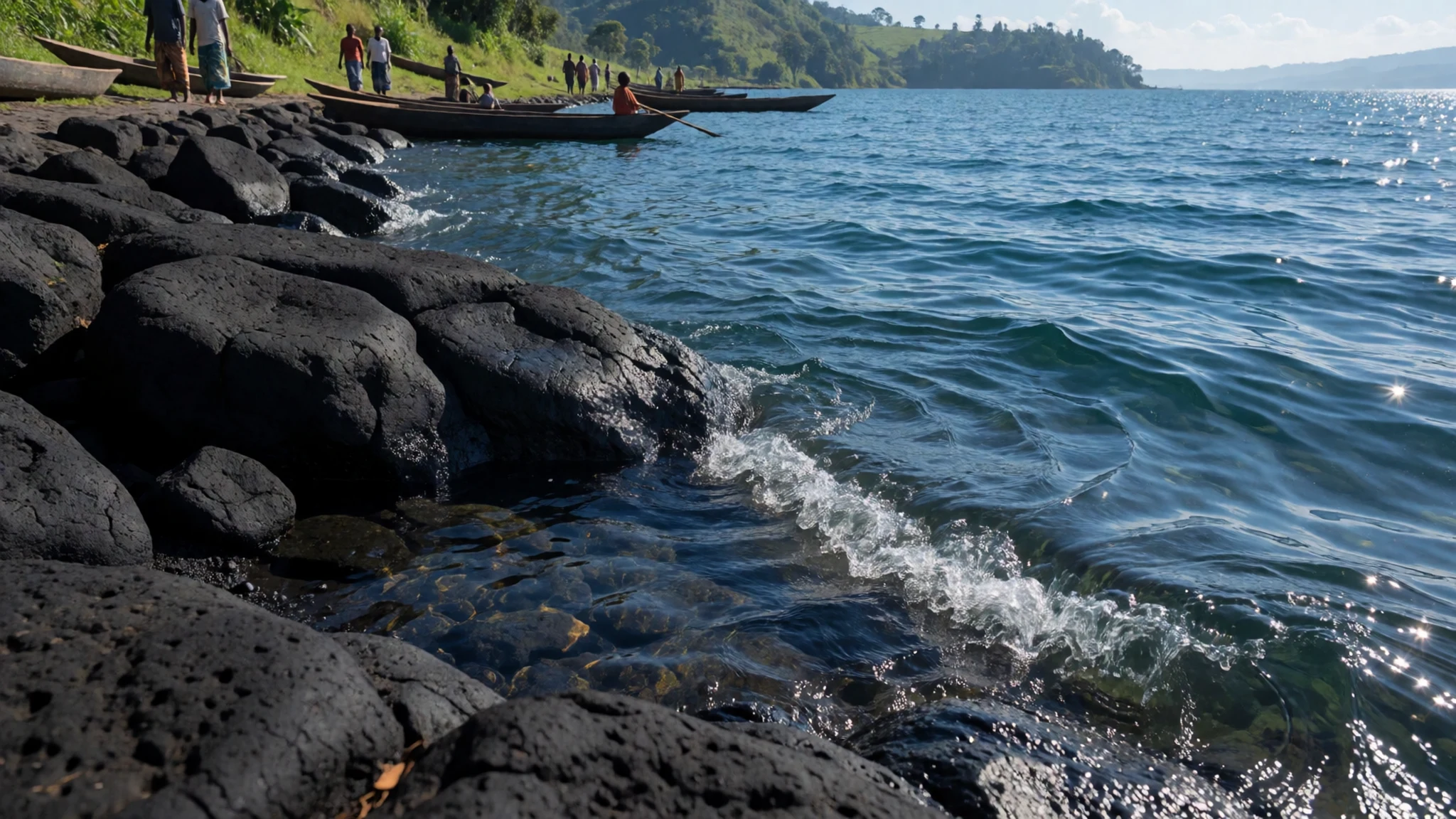
- Local Music Bars — Goma nightlife districts
The region is deeply connected to the wider Congolese music scene. Visiting a local spot to hear live soukouss music provides a window into the rhythmic heart of the country and the social vibrancy of the people.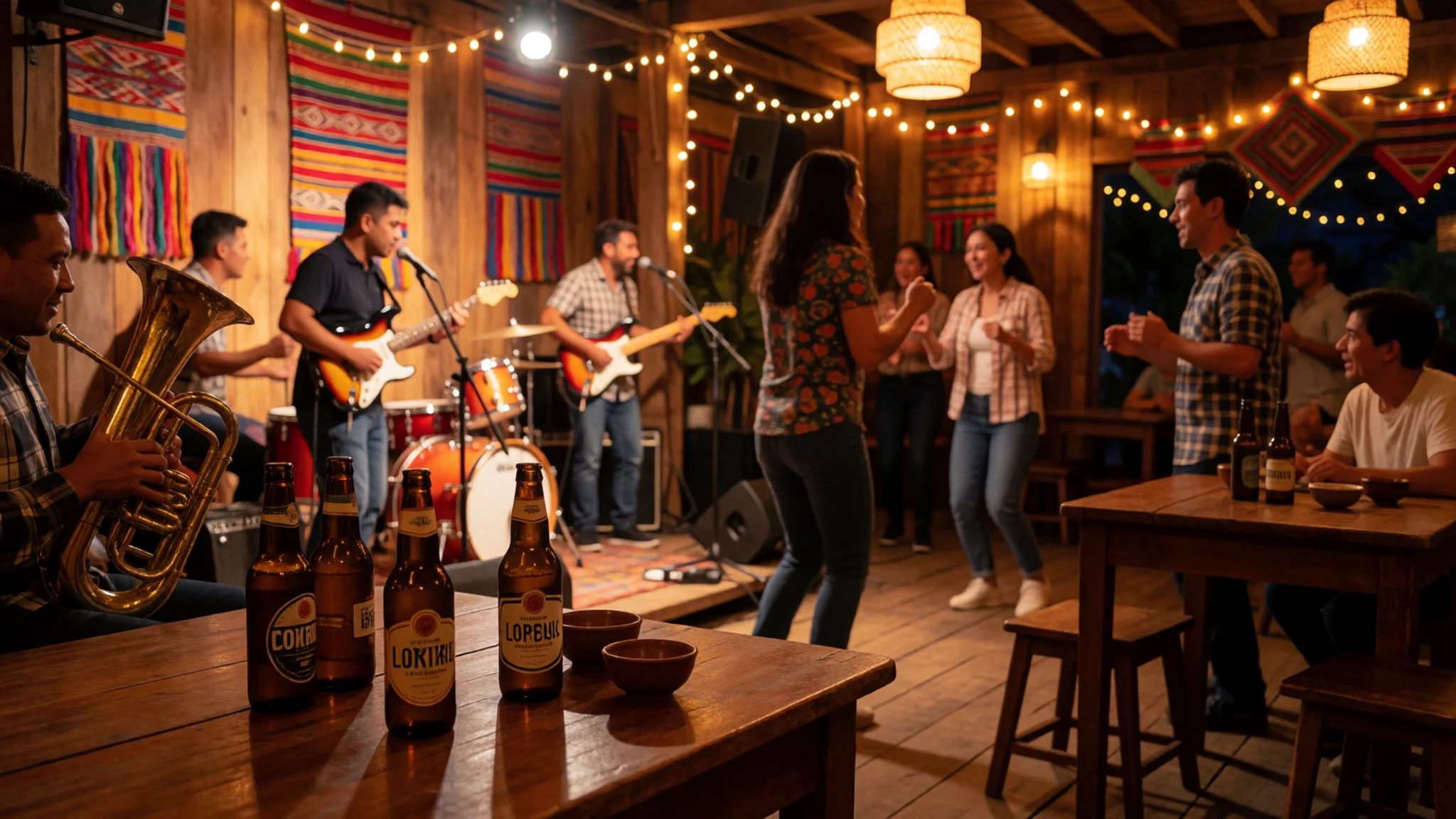
Culture
Culture around Mount Nyiragongo and the wider region is rooted in a strong sense of social hierarchy and respect. Deference to elders and authority figures is expected; it is customary to follow the guidance of those in charge without challenge. When addressing strangers, formal titles such as Monsieur, Madame, or Mademoiselle are used, as using first names prematurely can be seen as an overstep. There is also a deep-seated caution regarding certain spiritual beliefs; witchcraft is a sensitive and controversial topic that can lead to the marginalisation of vulnerable people, so it is best avoided in conversation. Privacy and consent are paramount when it comes to photography. Due to a history of instability and trauma in the region, taking photos of women and children without explicit permission can be interpreted as having malicious intent. Showing genuine respect and patience is the only way to build trust with the local community. You should always ask for explicit permission before photographing any person, especially women and children.
What to wear
Fashion in the region of Mount Nyiragongo reflects a blend of traditional African heritage and modern urban influences. Traditional dress often involves vibrant, patterned textiles and wraps made from cotton or synthetic blends, worn during ceremonies and community gatherings to signal status or ethnic identity. In the town of Goma, the attire is more contemporary, with people wearing a mix of Western-style clothing—such as t-shirts, trousers, and dresses—and tailored African prints. For the visitor, the terrain of the volcano dictates the wardrobe. Sturdy, waterproof hiking boots are essential for the rocky, uneven ascent to the crater. Because the mountain is high and the weather can shift rapidly from tropical humidity to biting cold at the summit, layering is key. A breathable base layer, a warm fleece, and a windproof jacket are recommended. In town, modest dress is preferred to respect local norms, and a light raincoat is useful for the unpredictable tropical showers of the North Kivu province.
What to eat
- Moambe — Traditional eateries in Goma
The national dish of the Congo, this rich stew combines palm nuts with chicken, fish, peanuts, rice, cassava leaves, bananas, and a spicy pepper sauce for a complex flavour.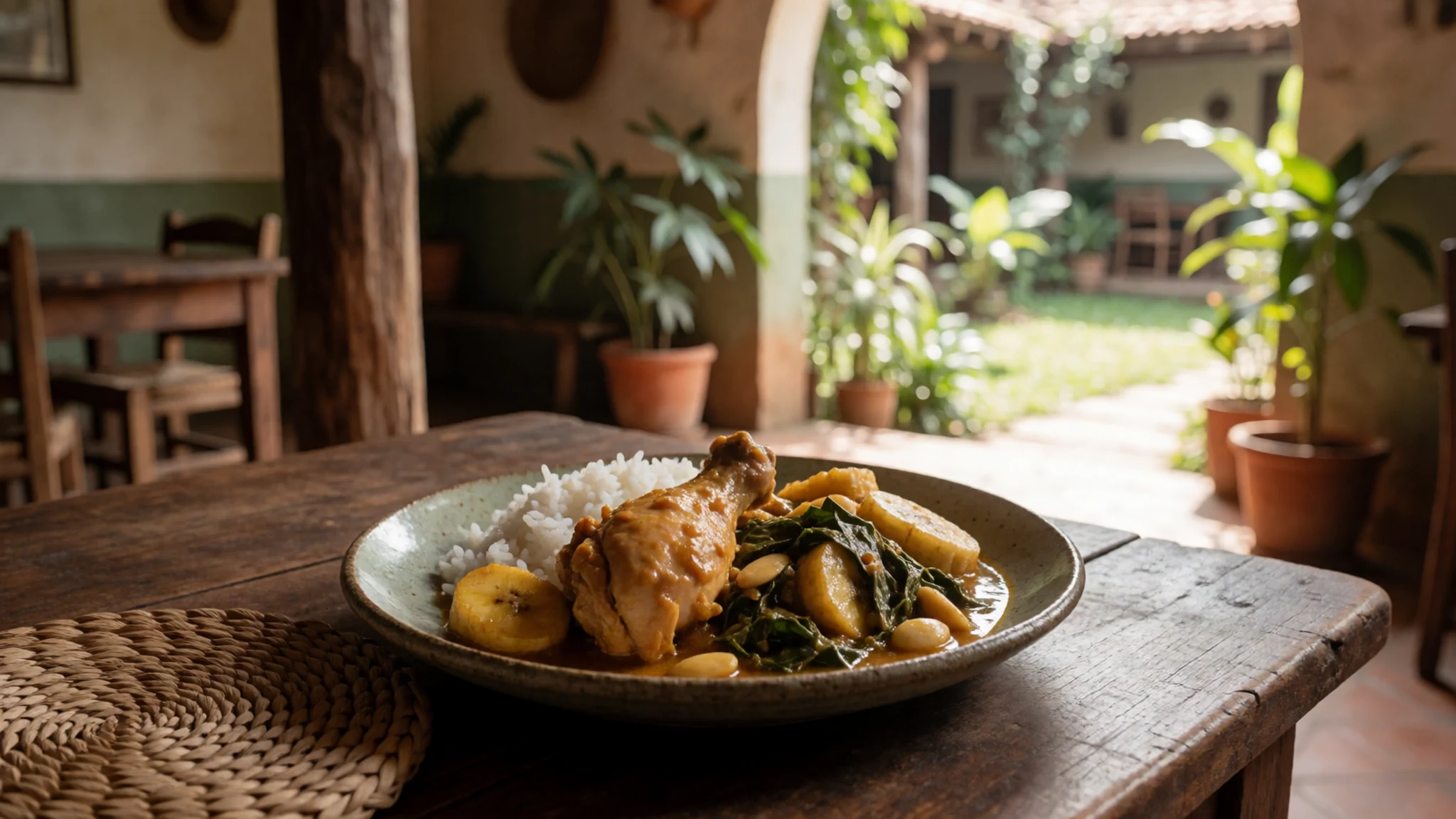
- Palm Wine — Rural villages near the park
A sweet, mildly intoxicating drink tapped from the sap of palm trees. It begins fermenting immediately, creating an aromatic beverage typically found in rural village settings.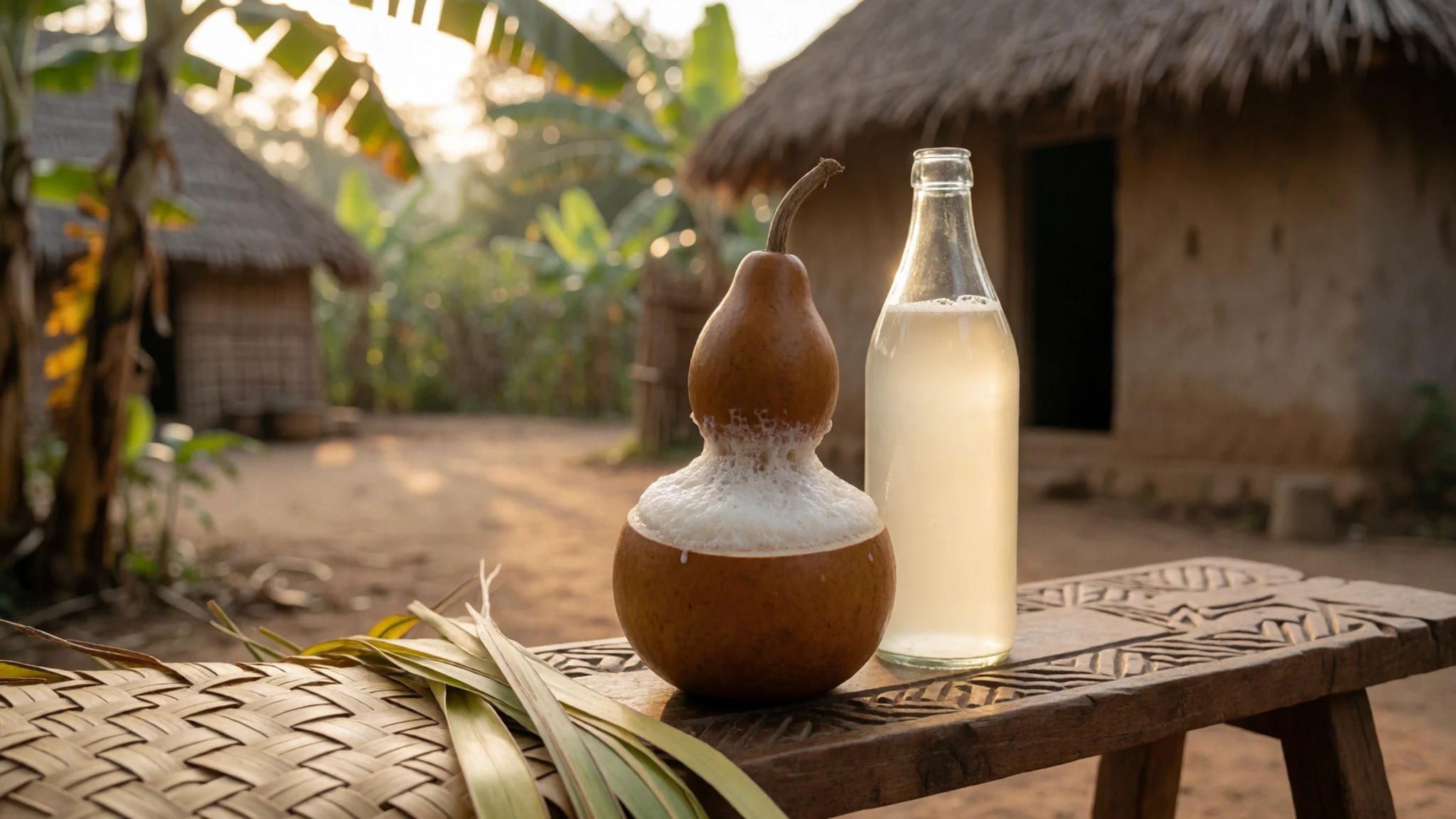
- Local Rice Beer — Local bars and kiosks
A refreshing regional brew based on rice. Common brands like Primus and Skol are ubiquitous, while Tembo and Doppel offer a richer, dark beer alternative. - Vitalo — Street vendors and small shops
A popular and refreshing local soft drink that is widely available and loved for its distinct flavour, often served chilled in glass bottles.
Plan it
Best time. June to August or December to January, when the weather is generally drier and hiking conditions are more stable.
How long. 2–3
Getting there. Fly into Goma International Airport, then arrange transport through the park authorities for the final leg to the volcano base.
Budget. high
Tips
- Secure a visa well in advance as the process is rigorous
- Ensure your yellow fever vaccination card is up to date
- Hire a certified guide through Virunga National Park
- Carry plenty of water and high-energy snacks for the climb
- Bring a headlamp for the early morning summit push
Etiquette
- Address elders as Monsieur or Madame
- Do not photograph people without their consent
- Follow all instructions from park rangers and guides
Nearby
Sources
- Wikidata Q214696 (CC0)
- Wikipedia (CC BY-SA 4.0)
- Wikivoyage (CC BY-SA 4.0)