Mount Kenya National Park
Mount Kenya National Park, Kenya
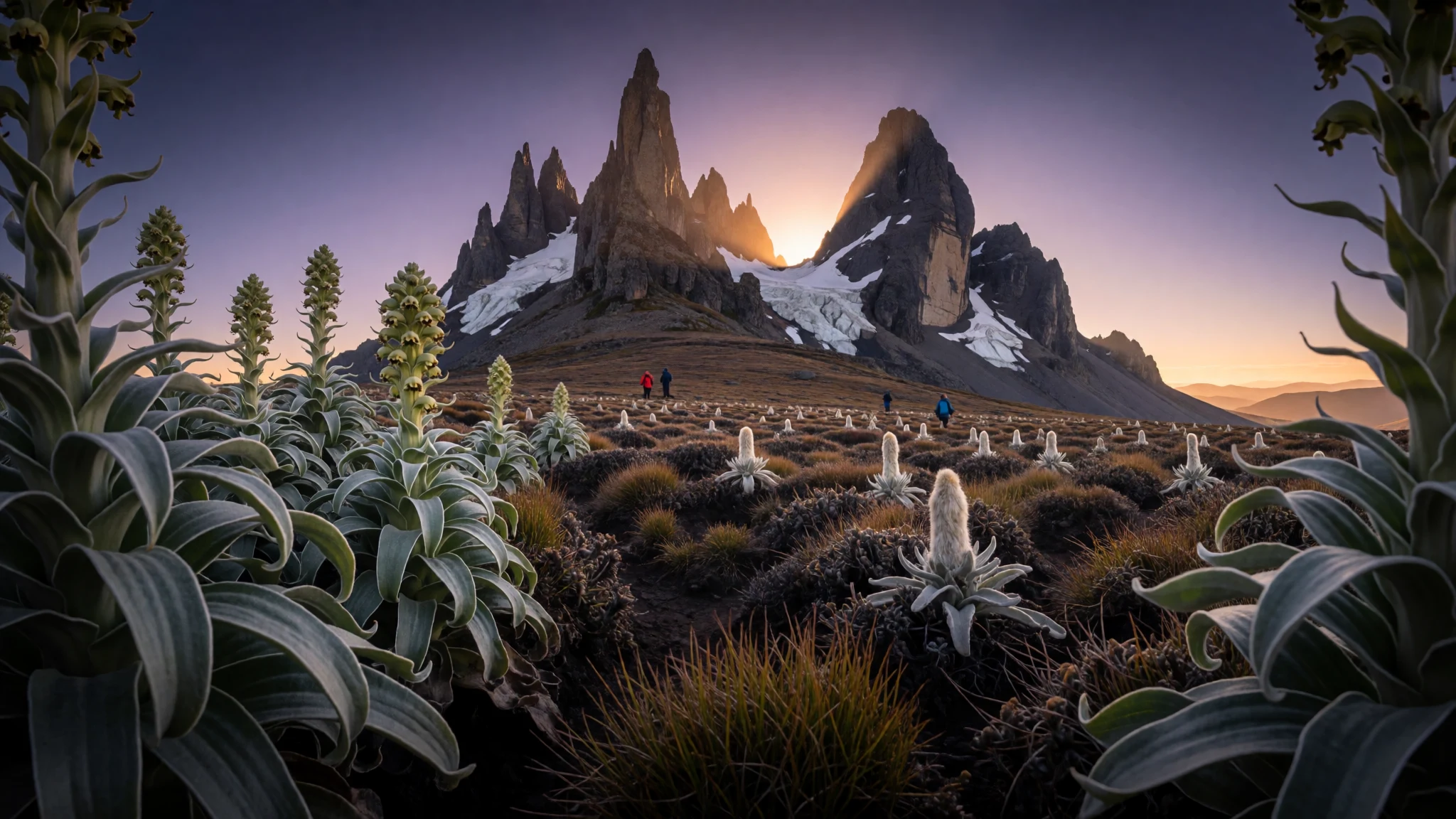
Mount Kenya National Park is for trekkers who want big altitude changes, alpine scenery, and serious peaks without needing to leave Kenya.
The place
Mount Kenya National Park (Hifadhi ya Taifa ya Mlima Kenya) sits in Kenya around Mount Kenya, a volcano that rises sharply from the central highlands near the Equator. Even with the mountain so close to the line, the experience is unmistakably high-country: steep rock towers, glacial valleys, and a patchwork of lakes and ridges that feel more like an expedition landscape than a park day.
What makes the place special is how fast the scenery shifts with height. As you move uphill, vegetation steps through different zones—forest and bamboo bands giving way to afro-alpine plants. The contrast can be striking on a single trek: cool, misty slopes lower down; colder, windier country near the ridgelines; and dramatic views from higher camps and outlooks.
The park is also a water source for the surrounding region, so the mountain matters beyond tourism. Historically, it moved from forest reserve status into a national park, and today it’s managed as part of a broader protected landscape around Mount Kenya.
Expect a mix of “hiking” and “mountaineering.” Point Lenana is often the standard trekking summit for fit travellers, while the highest points—Batian and Nelion—are in the technical climbing league. That means the park suits different styles: guided day walks around routes, multi-day treks for acclimatisation, and serious climbs for experienced teams. Crowds tend to cluster on the best-trodden routes and classic summits, so early starts help when you want quieter trail time and clearer morning views.
Its story
Mount Kenya National Park began life as forest reserve, then shifted into protected national park status to safeguard both wildlife and the mountain’s ecosystems. The management logic is practical and local: protecting an area of major scenic and ecological value, conserving biodiversity, and maintaining the water systems that serve communities in the wider region.
Geologically, the mountain tells the story of deep time. Mount Kenya is an ancient extinct volcano. Erosion and glaciation sculpted what we see now—jagged central peaks, steep rock faces, and valleys carved by ice. The result is a rugged interior where glaciers once played a bigger role and still influence how the landscape looks today, especially in the central cirques and named glacial areas.
On the ground, this history shows up in how routes are planned. Trekking on Mount Kenya isn’t simply about distance; it’s about moving through altitude bands and changing weather. The summit zone is ringed with steep rock towers and glacial valleys, plus moraines and tarns that feel like natural archives of past ice.
The park’s modern conservation role also has an international thread. In April 1978, the wider area was designated a UNESCO Biosphere Reserve. Later, the national park together with the surrounding forest reserve became part of a UNESCO World Heritage Site in 1997. For travellers, that translates into well-established routes and a landscape that’s protected as more than scenery.
In short: Mount Kenya is a mountain with a past written in ice and volcanic rock, and a present shaped by conservation decisions that protect habitats and water—so the trek feels meaningful, not just scenic.
What to see
- Batian — Central peaks area
Batian is the highest point of Mount Kenya at 5,199 m. Its steep rock faces put it firmly in technical climbing territory rather than a walk-up summit. If you’re trekking, it’s the skyline reference point you’ll keep seeing from lower camps and viewpoints.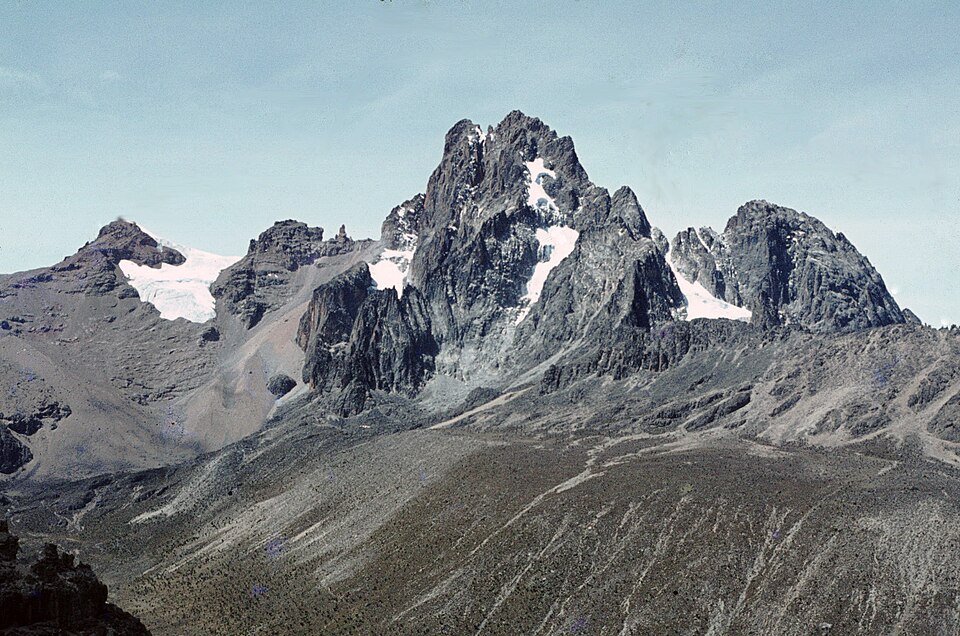
- Nelion — Central peaks area
Nelion rises to 5,188 m and forms a rugged southern summit tower. The normal ascent involves multi-pitch rock climbing, so it suits experienced climbers rather than standard trekking itineraries. Expect dramatic rock walls and a “route-dependent” feel to any attempt.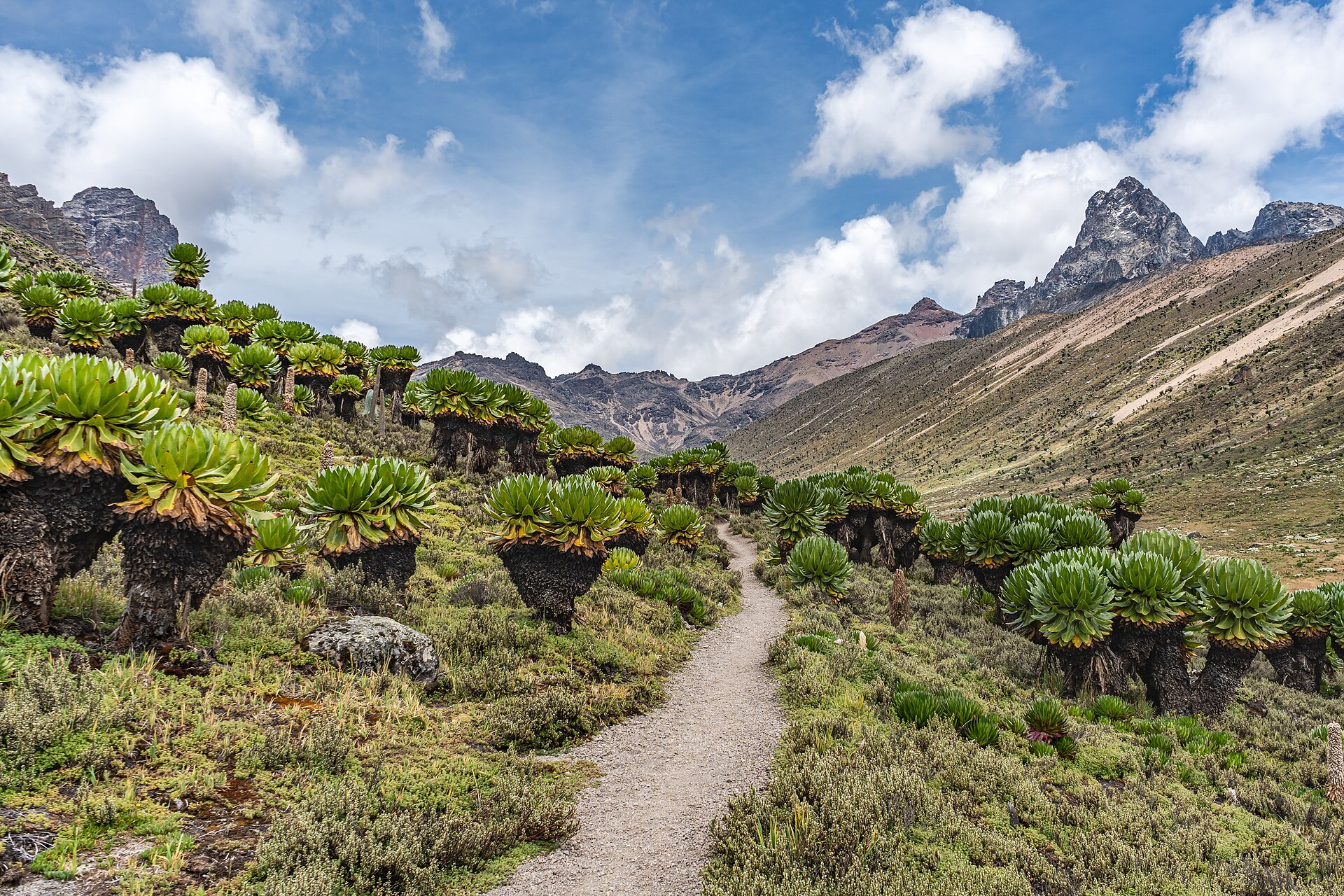
- Point Lenana — Trekking routes to the central peaks
Point Lenana reaches 4,984 m and is the common trekking summit. Most parties aim for pre-sunrise starts to catch views across the central peaks and, when conditions align, far over the Kenyan highlands. Even then, altitude, cold, and steep ground make it demanding.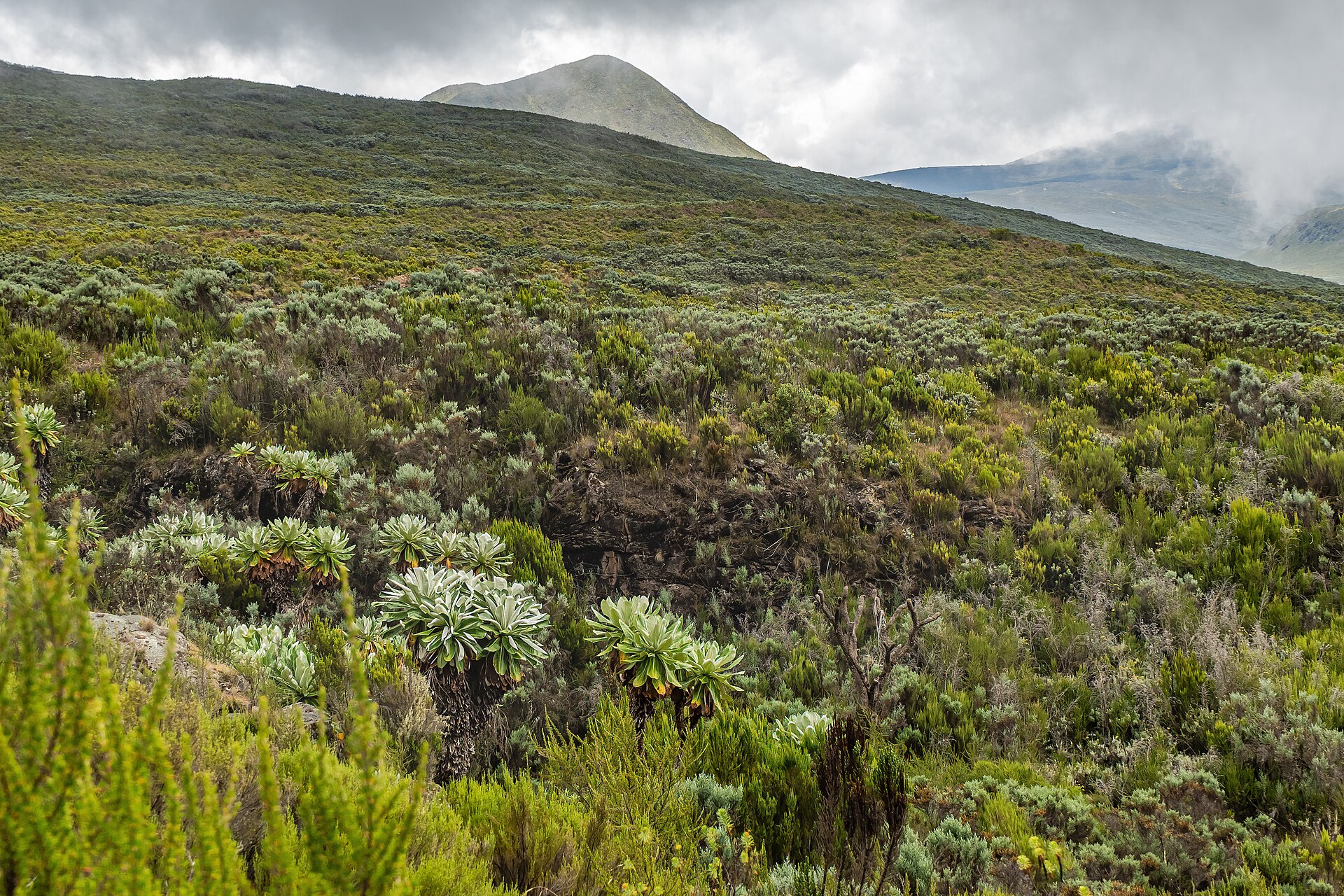
- Gorges Valley — Chogoria Route
Gorges Valley is a highlight along the Chogoria Route, with cliffs and volcanic formations shaping the corridor-like landscape. As you walk, the terrain feels enclosed, and the rock walls frame the views back toward the peaks. It’s the kind of scenery that makes even steady days feel busy.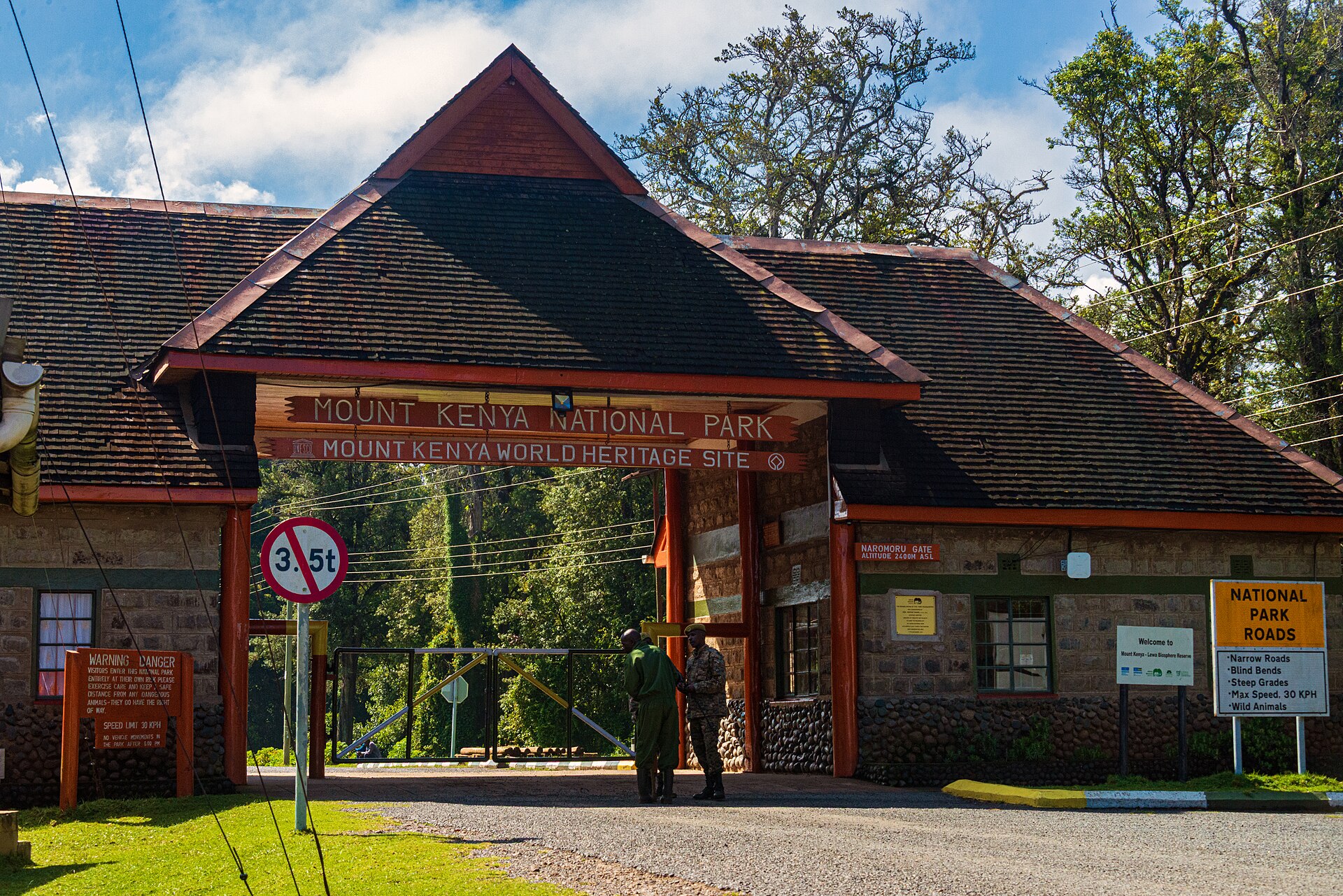
- Lake Michaelson — Chogoria side
Lake Michaelson sits high beneath the cliffs on the Chogoria side. The setting is dramatic: cold, high-altitude air plus a camping landscape that’s visually tied to the surrounding rock walls. It’s one of those places where the scenery stays loud even when the trail gets quiet.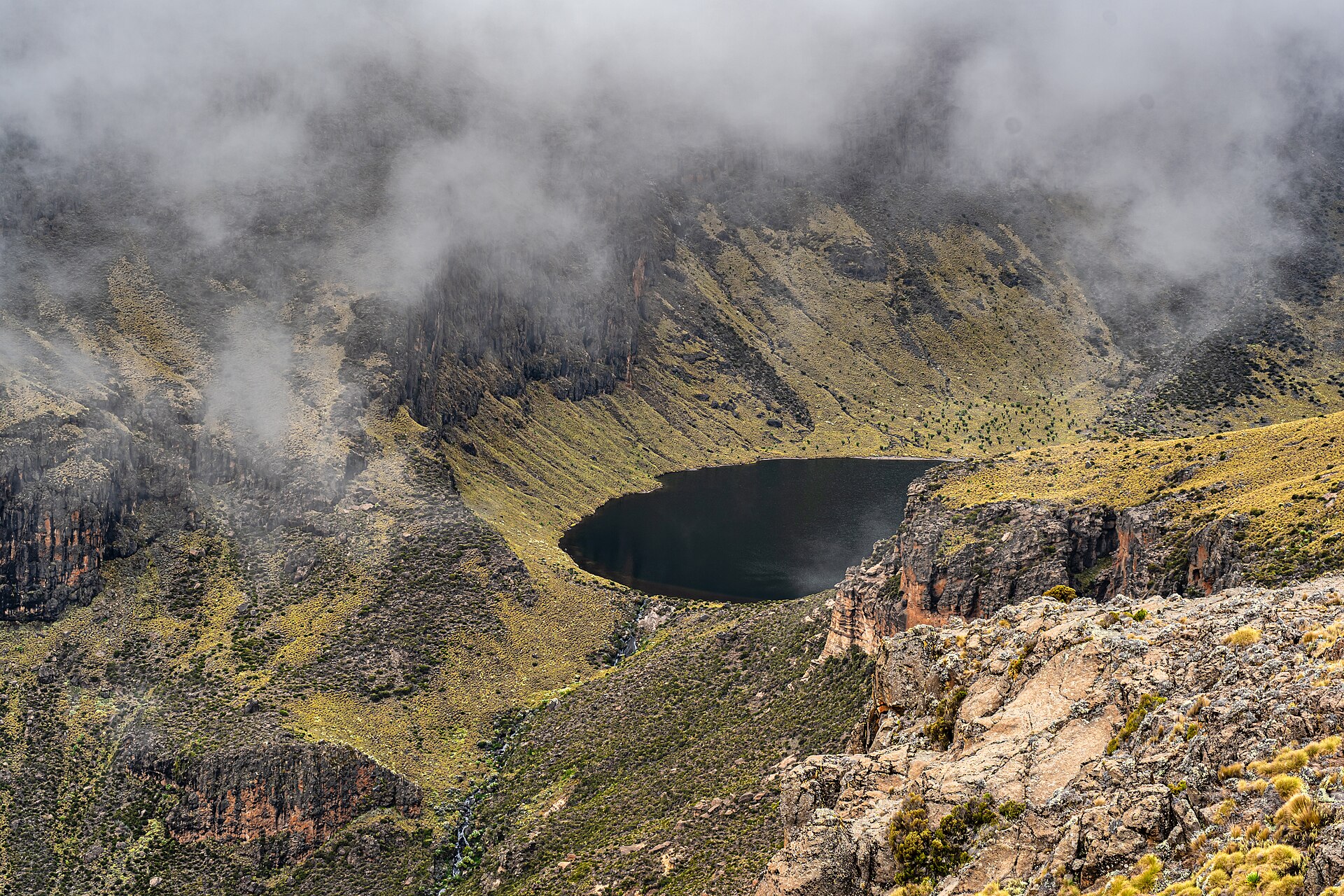
Culture
Mount Kenya National Park is deeply about the trek culture: guided teams, staged camps, and shared trail discipline. Food and logistics are expedition-style, not a “grab a meal on the way” setup—so the cultural rhythm is largely about planning supplies before you enter the park and sticking to a steady routine once you’re up in the high country.
Respect the mountain’s waste rules. On Mount Kenya, you must carry out all packaging and food waste because the camping sites and set paths are damaged by the cold and the ecosystem there recovers very slowly.
Another cultural element is how people handle water and hydration. Streams can be present along routes, but mountain water shouldn’t automatically be treated as safe—so travellers rely on their own safe-water plan rather than “it looks clean, so it must be fine.”
Wildlife curiosity is also part of the experience around camps: hyraxes and other animals may investigate unattended supplies, so secure food rather than leaving it out “just for a minute.”
Visitor etiquette: Keep food sealed and pack out all waste; don’t rely on untreated streams as drinking water.
What to wear
In Mount Kenya National Park, clothing is about layers and traction more than style. The traditional clothing of the surrounding Kenyan communities varies by group, but most visitors won’t need it for the trek itself. On the mountain routes, what matters is the practical mix of insulating fabric, wind protection, and footwear that can handle steep, rocky terrain.
What people wear now on treks usually looks like proper hiking gear: base layers for warmth, mid-layers like fleece or insulated tops, and a weatherproof outer layer for wind and mist. Trekking trousers and gloves are common, especially as temperatures drop with altitude.
For a visitor, aim for a layered system and don’t forget warmth near the summit. Even without technical climbing gear, you can face freezing temperatures and cold winds. Choose boots or sturdy trail shoes with good grip; flimsy soles feel risky on uneven ground. If you’re visiting any facilities near the gates before the trek starts, modest, comfortable clothing also helps you blend in and move easily through community spaces.
Bring a hat and sun protection too—at altitude, exposure can be intense, and clear mornings often tempt long photo stops.
What to eat
- Breakfast with the expedition team — At huts or camps along the trekking routes
Most guided trekking packages include breakfast before the day’s walk starts. It’s typically part of the camp routine, designed to be eaten efficiently before colder hours kick in at altitude. - Packed or cooked lunch — In the middle of the trek route (on-trail or at camps)
Lunch is usually either packed or cooked depending on the itinerary. It’s prepared to keep well on the trail and to give you energy when the air gets thin and chilly. - Dinner at huts and camps — At huts or camps
Dinner is part of the guided package rhythm, with food prepared by cooks at huts or camps. After a long climb, it’s when warm meals and hot drinks typically bring the temperature back down from the day. - Hot drinks on the trail — At huts or camps during breaks
Hot drinks are commonly included with trekking packages to help you recover from cold conditions. They’re often served in the camp routine, giving you a break from wind exposure and early morning chill. - High-energy snacks in cold conditions — Carried on you during the trek (trail rations)
Because high altitude can dull appetite, trekkers often lean on small, high-energy snacks. The goal is food that stays edible even when temperatures drop and your body wants fewer bites.
Plan it
Best time. March–April and late October–November are the calmer, clearer trekking windows; June is the rainy season and August tends to be hot and humid, which can make altitude days heavier.
How long. 4–6
Getting there. Fly into Nairobi, then continue by road towards the park gateways. The main official approaches are Sirimon Gate (from Nanyuki) and Naro Moru Gate (approaching via Naro Moru on the Nyeri–Nanyuki road); KWS places Sirimon at about 200 km by road from Nairobi and Naro Moru at about 188 km by road from Nairobi. The final leg is usually a guided transfer to the chosen gate and trailhead.
Budget. mid
Tips
- Pick your route entrance in advance: Sirimon (north-west), Naro Moru (west), or Chogoria (east) shape the scenery you’ll see.
- Start early when you’re aiming for sunrise views near Point Lenana so clouds don’t steal the morning light.
- Carry high-energy snacks that remain easy to eat in cold conditions and don’t count on big appetites at altitude.
- Buy or pack supplies before entering the park; supplies aren’t something you can assume will be available on the upper mountain.
- Use a reliable water plan—don’t assume mountain streams are automatically safe to drink untreated.
Etiquette
- Keep food secured at camps so wildlife doesn’t investigate your supplies.
- Take all packaging and food waste with you when you leave the park—don’t leave anything behind.
- Don’t treat untreated stream water as automatically safe; follow your purification approach.
Nearby
Sources
- Wikidata Q1639468 (CC0)
- Wikipedia (Mount_Kenya_National_Park) (CC BY-SA 4.0)
- Wikivoyage (Mount Kenya National Park) (CC BY-SA 4.0)
- Photo: Mount_Kenya_and_the_Gregory_Glacier.jpg (CC BY-SA 4.0)
- Photo: Naro_Moru_Gate,_Mount_Kenya_National_Park.jpg (CC BY-SA 4.0)
- Photo: Anscht_im_Mount_Kenya_Nationalpark_1.jpg (CC BY 2.5)
- Photo: Ansicht_im_Mount_Kenya_Nationalpark_in_Kenia_(54245692267).jpg (CC BY 2.5)
- Photo: Ansicht_im_Mount_Kenya_Nationalpark_in_Kenia_2.jpg (CC BY 2.5)
- Photo: Ansicht_im_Mount_Kenya_Nationalpark_in_Kenia_3.jpg (CC BY 2.5)
- Photo: Ansicht_im_Mount_Kenya_Nationalpark_in_Kenia.jpg (CC BY 2.5)
- Photo: Ansicht_Lake_Michaelson_im_Mount_Kenya_Nationalpark_(54244787).jpg (CC BY 2.5)


