Mount Kenya
Mount Kenya, Kenya
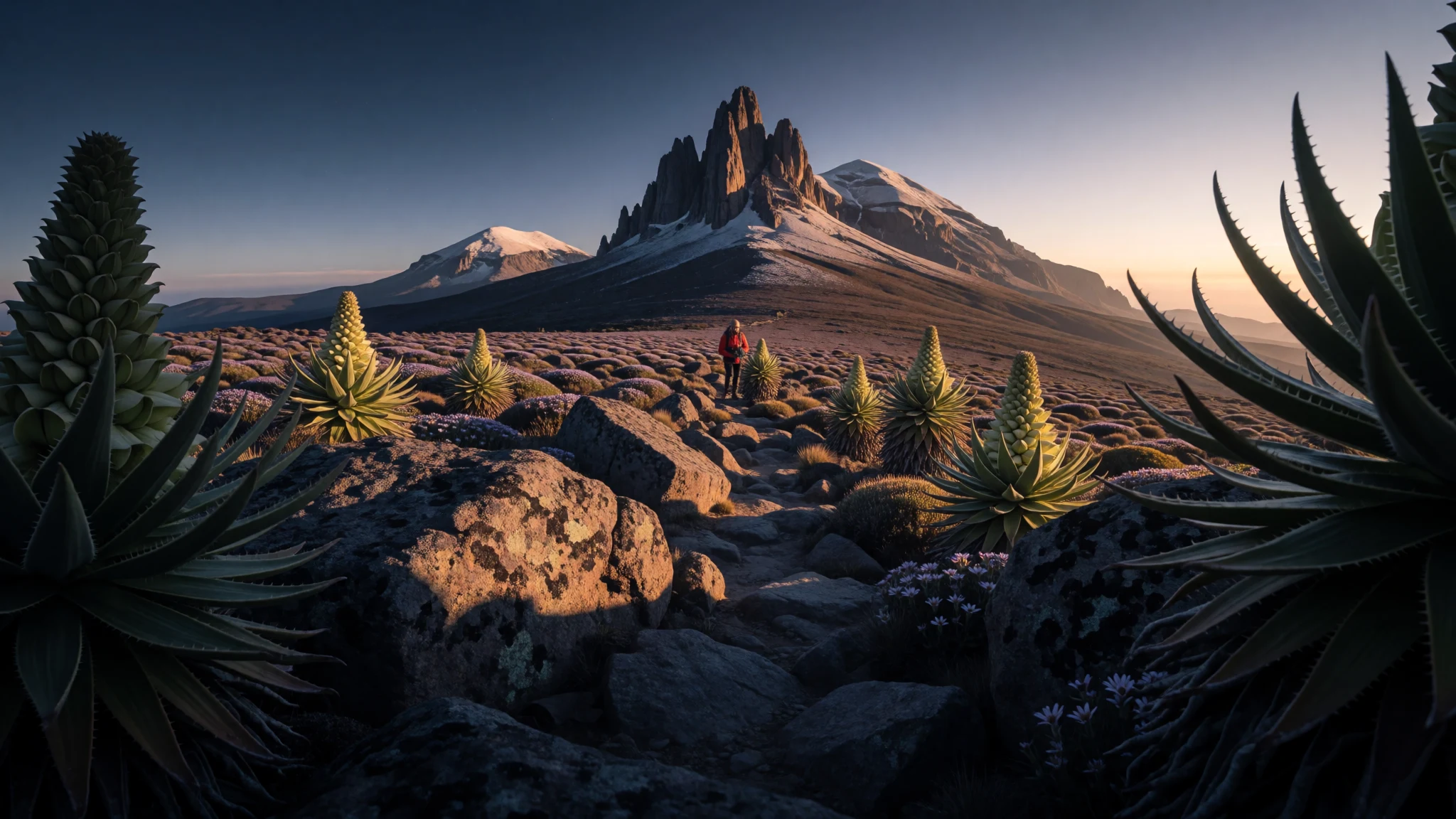
An equatorial stratovolcano offering diverse alpine ecosystems and a spiritual ascent for those seeking Africa's second highest peak.
The place
Mount Kenya is a massive stratovolcano that anchors the landscape of central Kenya. Standing just south of the equator, it creates its own weather system, acting as a vital water tower for the surrounding region. The mountain is defined by its dramatic verticality, rising from lush montane forests up through bamboo zones to a stark, alpine desert before reaching its jagged peaks. Batian is the highest point, followed closely by Nelion and Point Lenana.
The landscape is a study in ecological contrasts. Lower slopes are draped in dense greenery, while the higher reaches are home to rare, endemic species such as giant lobelias and senecios that look like something from another planet. Glaciers still cling to the highest ridges, though they are retreating rapidly. For visitors, the mountain is a sanctuary of silence and scale. Most people enter through the National Park or the surrounding forest reserves, where the Kenya Wildlife Service manages the delicate balance between tourism and conservation. It is a place of intense physical challenge, where the thin air and shifting temperatures test the endurance of every climber. Whether one is trekking for several days to reach the summit or taking a shorter hike through the bamboo forests, the mountain imposes a sense of humility through its sheer size and the diversity of its biological zones.
Its story
The story of Mount Kenya is written in both volcanic fire and ancient ice. Millions of years ago, the mountain formed as a stratovolcano during the Plio-Pleistocene epoch. It was once far taller than it is today, but millennia of glaciation have carved away its bulk, leaving behind the eroded slopes and deep, radiating valleys that define its current silhouette. These ice caps sculpted the rugged peaks of Batian and Nelion, turning a volcanic cone into a jagged crown of rock.
Beyond the geology, the mountain is a profound spiritual anchor. For the Central Bantu peoples, including the Kikuyu, Meru, and Embu, Mount Kenya is Kirinyaga—the mountain of brightness—and is revered as the dwelling place of the deity Ngai. This spiritual connection makes the mountain more than just a geographic feature; it is a sacred site of pilgrimage and prayer. Over the centuries, the slopes have also served as a crossroads for Nilotic groups like the Maasai and Samburu, who used the highlands for grazing and ritual. From the earliest hunter-gatherers like the Gumba to the modern agricultural communities, the mountain has remained a constant, providing water, protection, and a sense of cosmic order to the diverse mosaic of peoples who have called its foothills home.
What to see
- Point Lenana — High alpine zone
The most accessible of the three main summits, Point Lenana provides a rewarding vista of the surrounding Kenyan highlands. Reaching this peak requires a trek through several vegetation zones and is the primary goal for most non-technical climbers visiting the mountain.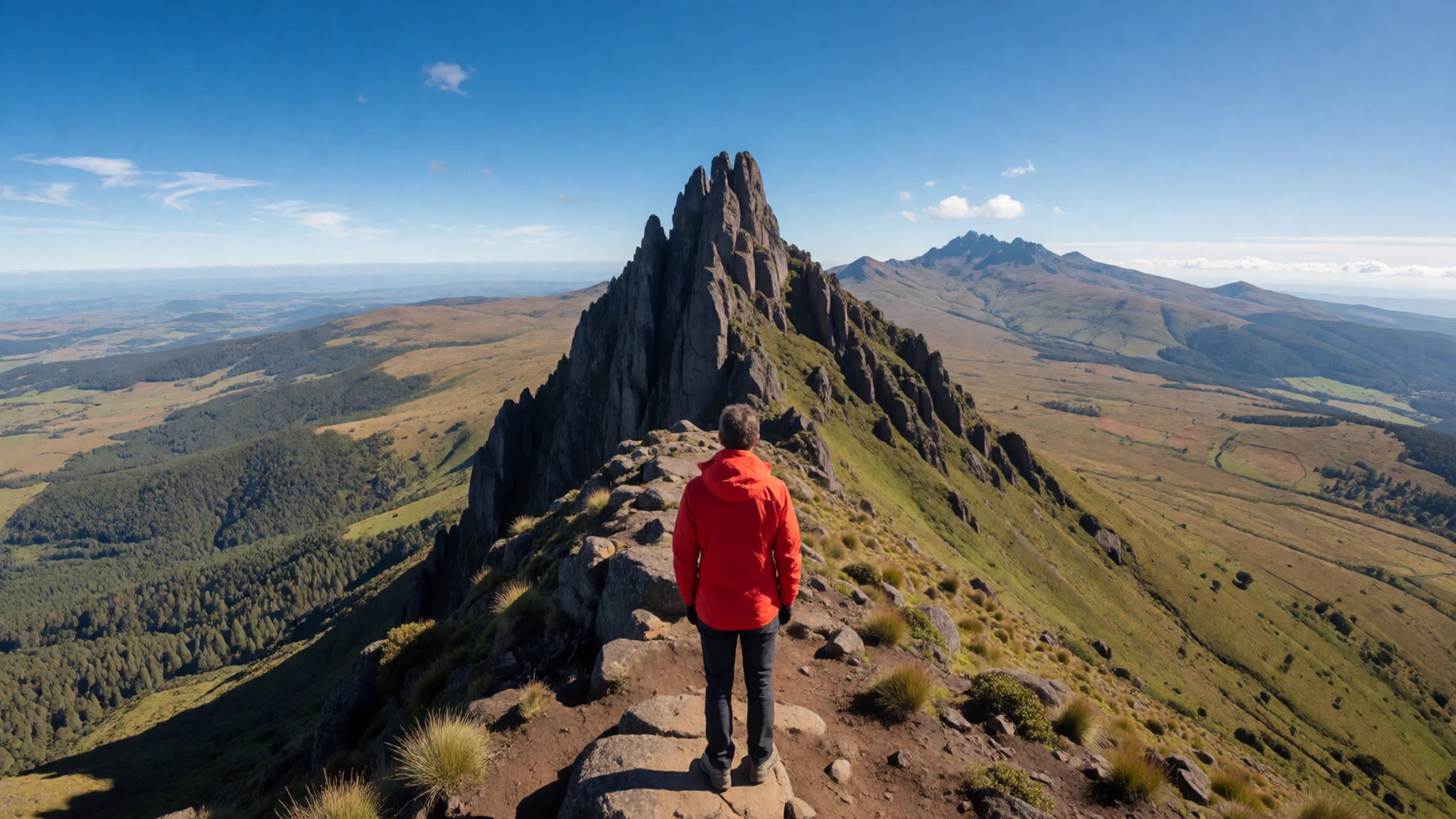
- Ol Pejeta Conservancy — Laikipia Plateau
A vital sanctuary located on the plains below the mountain, this conservancy is famous for its efforts to save the northern white rhino. Visitors can see the Big Five and learn about critical conservation work in a vast, protected wilderness.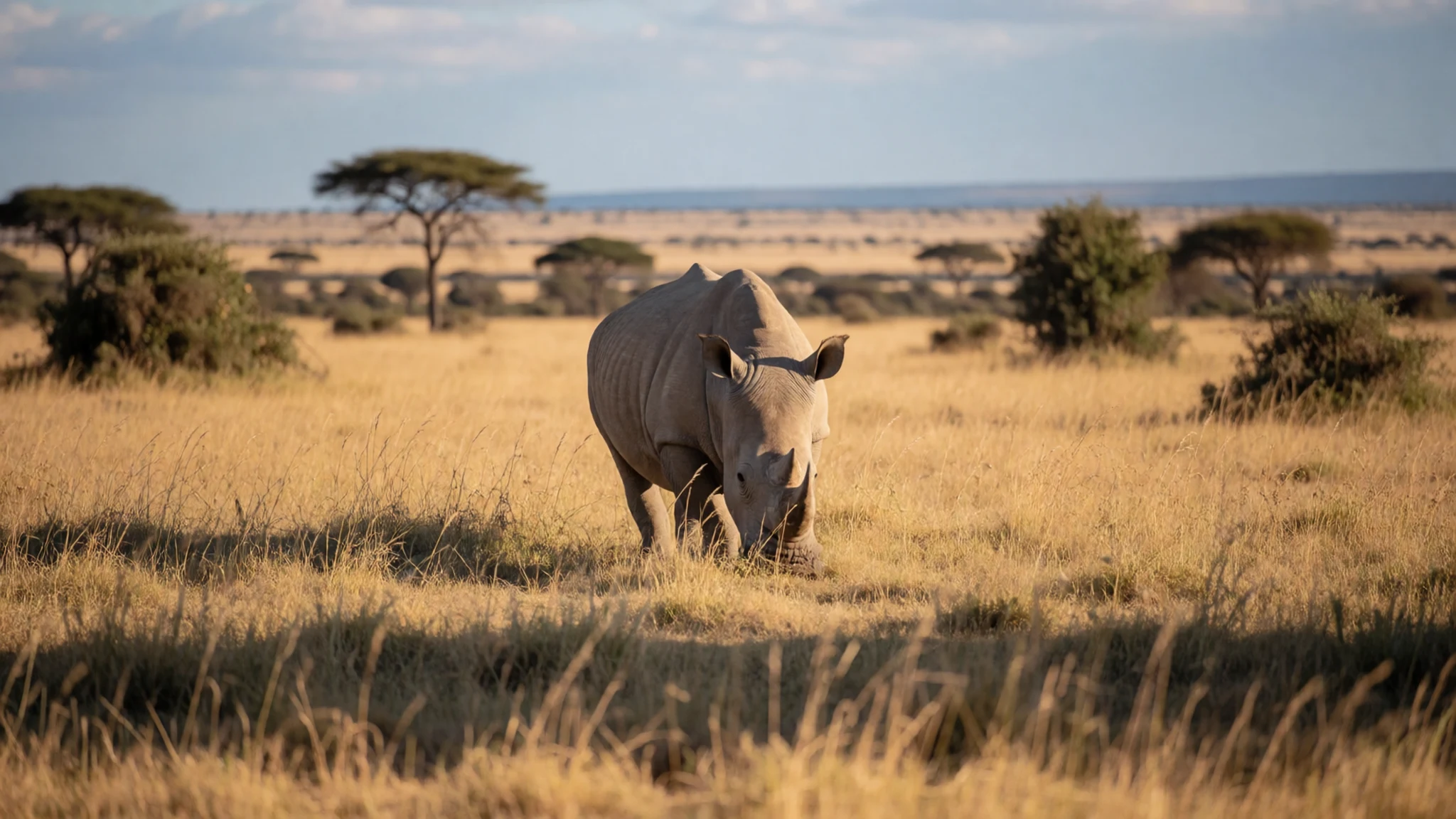
- Ngare Ndare Forest — Eastern slopes
This lush forest reserve is celebrated for its striking blue pools and cascading waterfalls. Because of the presence of wild animals, visitors must be accompanied by a guide to safely navigate the trails and reach the water features.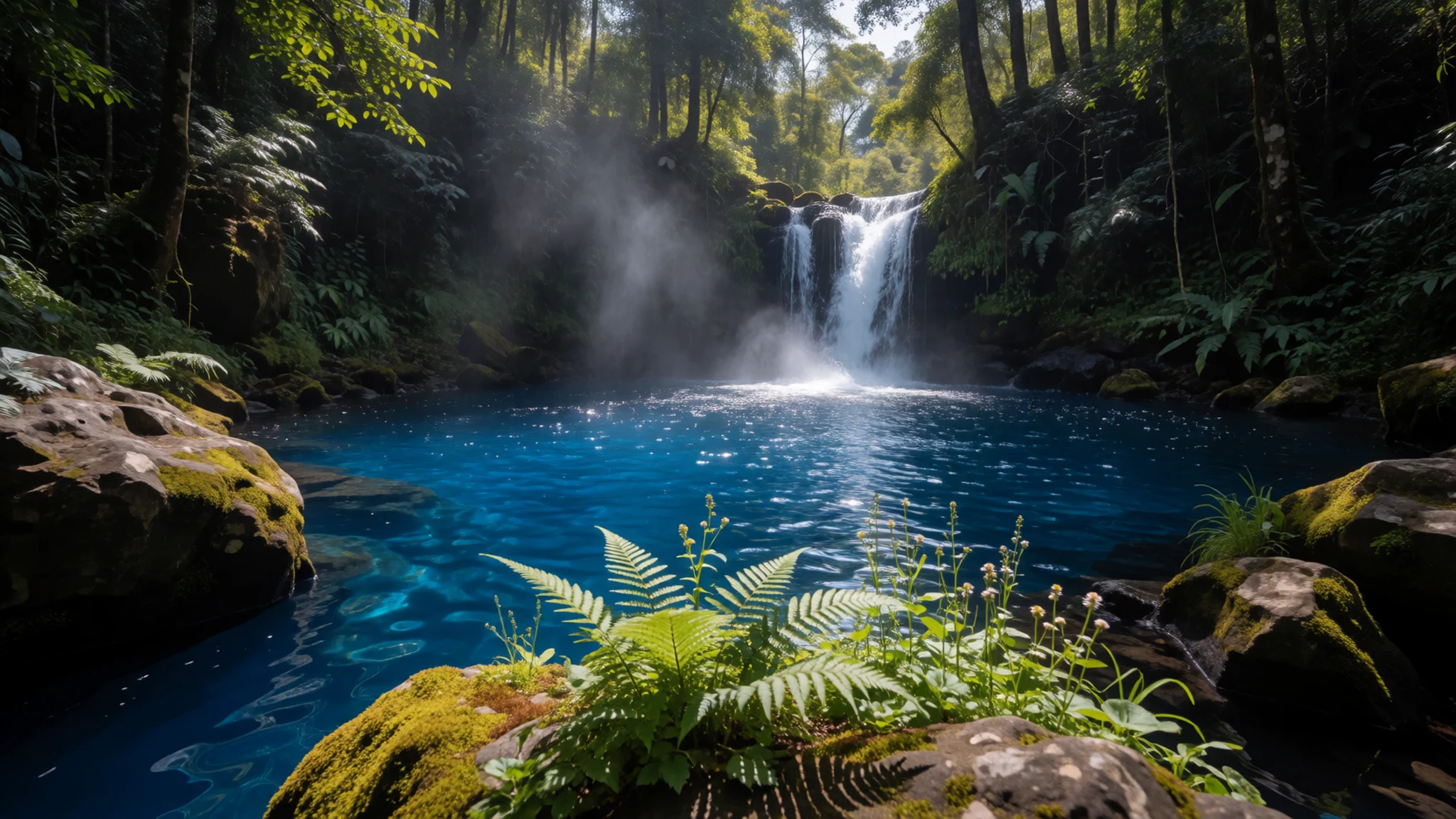
- Naro Moru Gate — Western slopes
The starting point for many expeditions, this area is a paradise for botanists. The trails leading from the gate offer a chance to see the strange Afro-Alpine vegetation, including the towering Dendrosenecio, once the climber passes the tree line.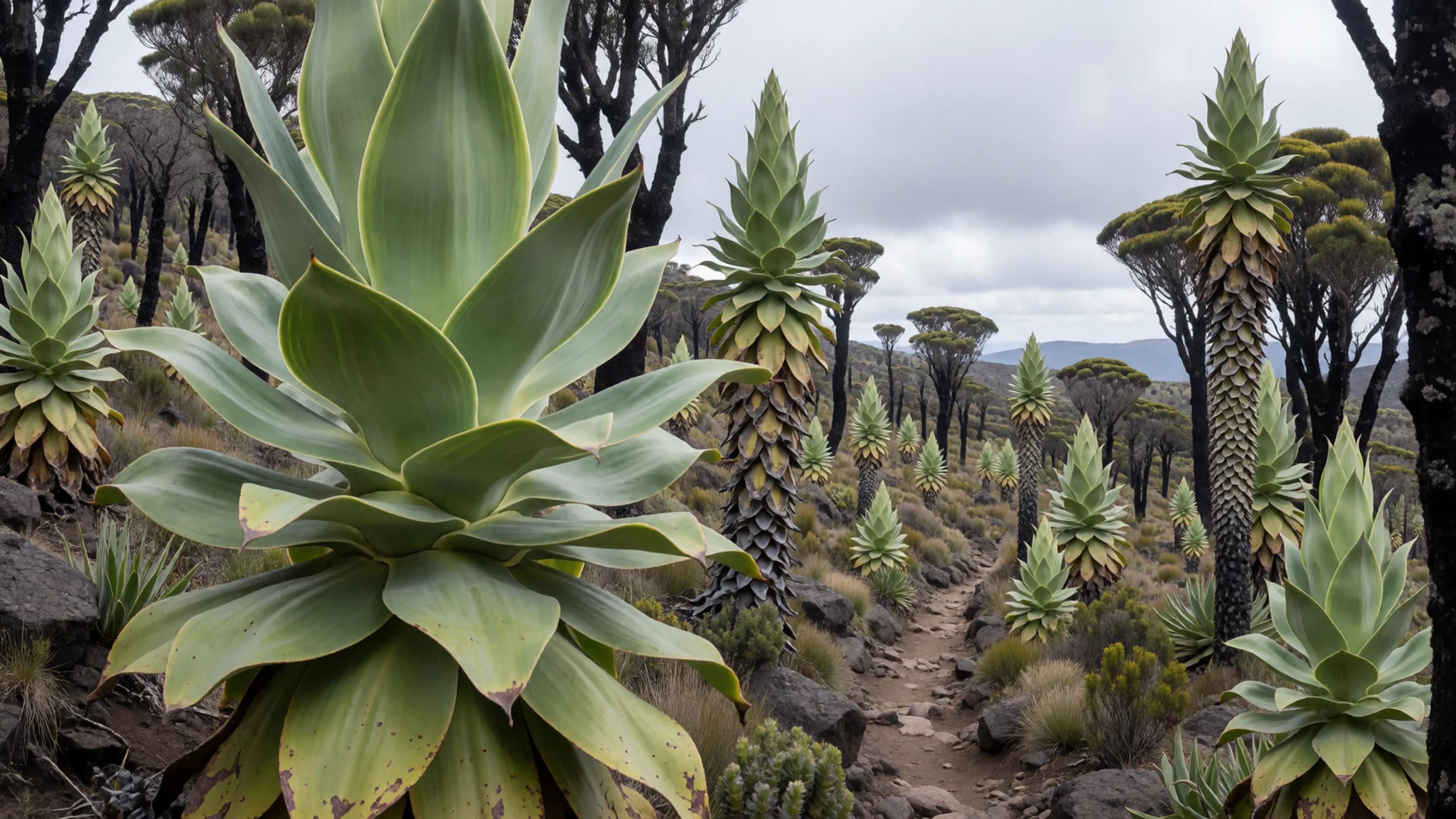
- Mount Kenya Wildlife Conservancy — Nanyuki region
A dedicated center focusing on the rescue and rehabilitation of indigenous species. It serves as an educational hub where visitors can learn about the mountain's unique biodiversity and the threats facing its endemic flora and fauna.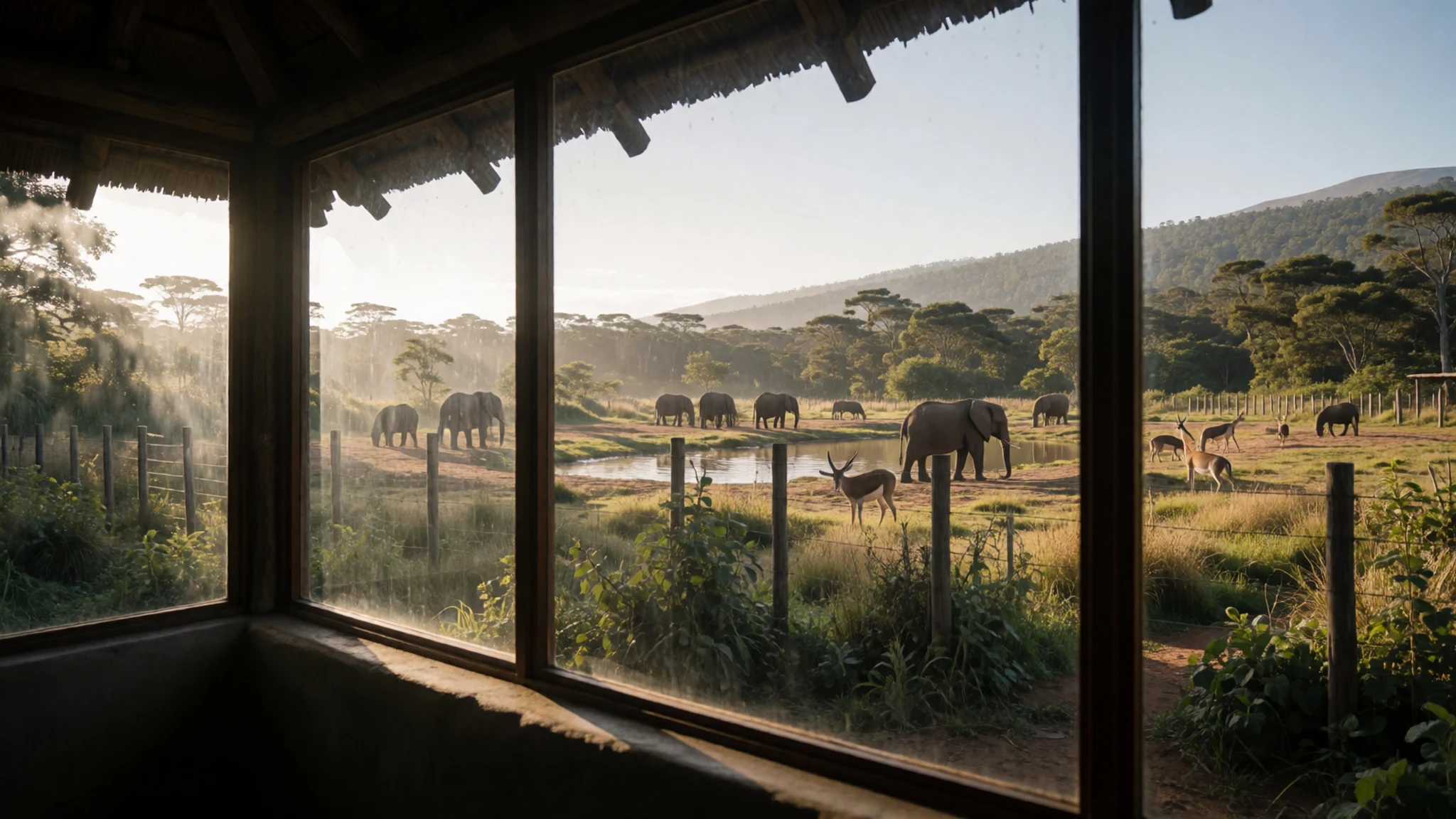
Culture
Culture around Mount Kenya is a blend of deep spirituality and pastoral traditions. The mountain is a central pillar of identity for the Kikuyu, Meru, and Embu people, who view the peaks as the home of the creator. This reverence manifests in a profound respect for the land and the water that flows from the heights. Alongside these agricultural communities, the pastoralist traditions of the Maasai and Samburu persist, with a lifestyle centred on livestock and a nomadic relationship with the lower slopes. In the towns at the mountain's base, such as Nanyuki, this traditional heritage meets a modern, international community of conservationists and adventurers. The intersection of these worlds creates a unique social atmosphere where ancient beliefs about the mountain's sanctity coexist with modern ecological science. Visitors will find that the local guides often share stories that weave together the geological history of the volcano with the ancestral legends of the people who have lived in its shadow for millennia. Please ensure you ask for permission before photographing local community members or their livestock.
What to wear
Traditional dress in the Mount Kenya region reflects the diverse ethnic groups inhabiting the slopes. The Maasai and Samburu are renowned for their vibrant red shukas—thick cotton wraps—and intricate beadwork that signifies age and social status. In the Central Bantu communities, traditional attire has historically featured skins and woven fabrics, though these are now primarily reserved for ceremonial events. In daily life, most locals wear a mix of practical modern clothing and traditional wraps. For the visitor, fashion is entirely dictated by the mountain's erratic climate. Because the weather is said to be like summer by day and winter by night, layering is essential. A sturdy pair of waterproof hiking boots is non-negotiable for the rocky terrain. Base layers should be moisture-wicking, topped with a warm fleece and a high-quality down jacket for the freezing temperatures at higher camps. A waterproof shell and a wide-brimmed hat are necessary to protect against the intense equatorial sun and sudden, heavy rainfall.
What to eat
- Ugali — any local eatery
A dense, starchy maize porridge that serves as the primary carbohydrate for most meals. It is typically eaten by hand, used to scoop up stews or vegetables, and is found in every eatery from village kiosks to mountain lodges.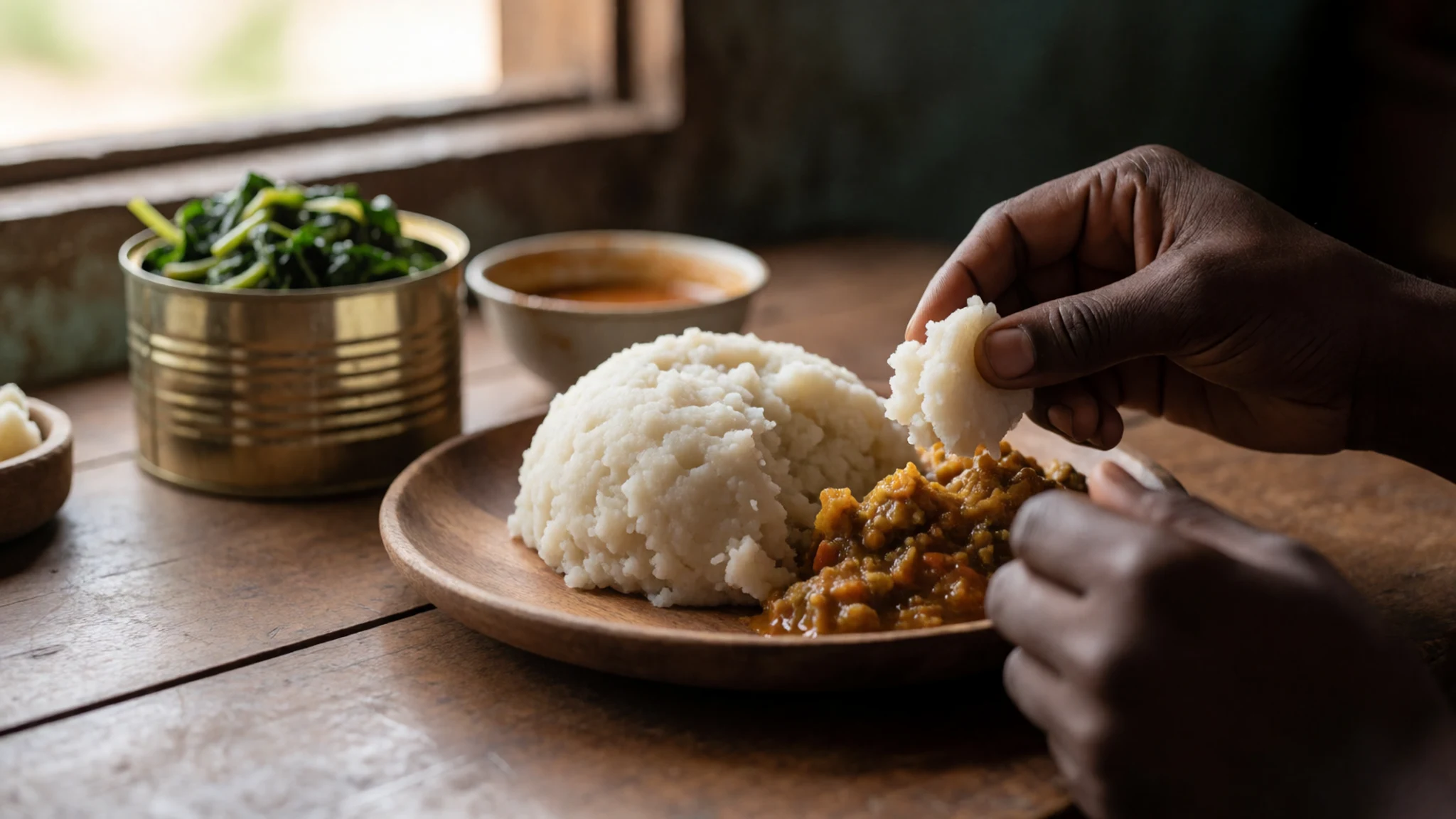
- Nyama Choma — roadside grills
Succulent roasted meat, usually goat or beef, grilled over an open charcoal fire. It is a social cornerstone of Kenyan dining, often served with a side of kachumbari salad at roadside grills and town restaurants.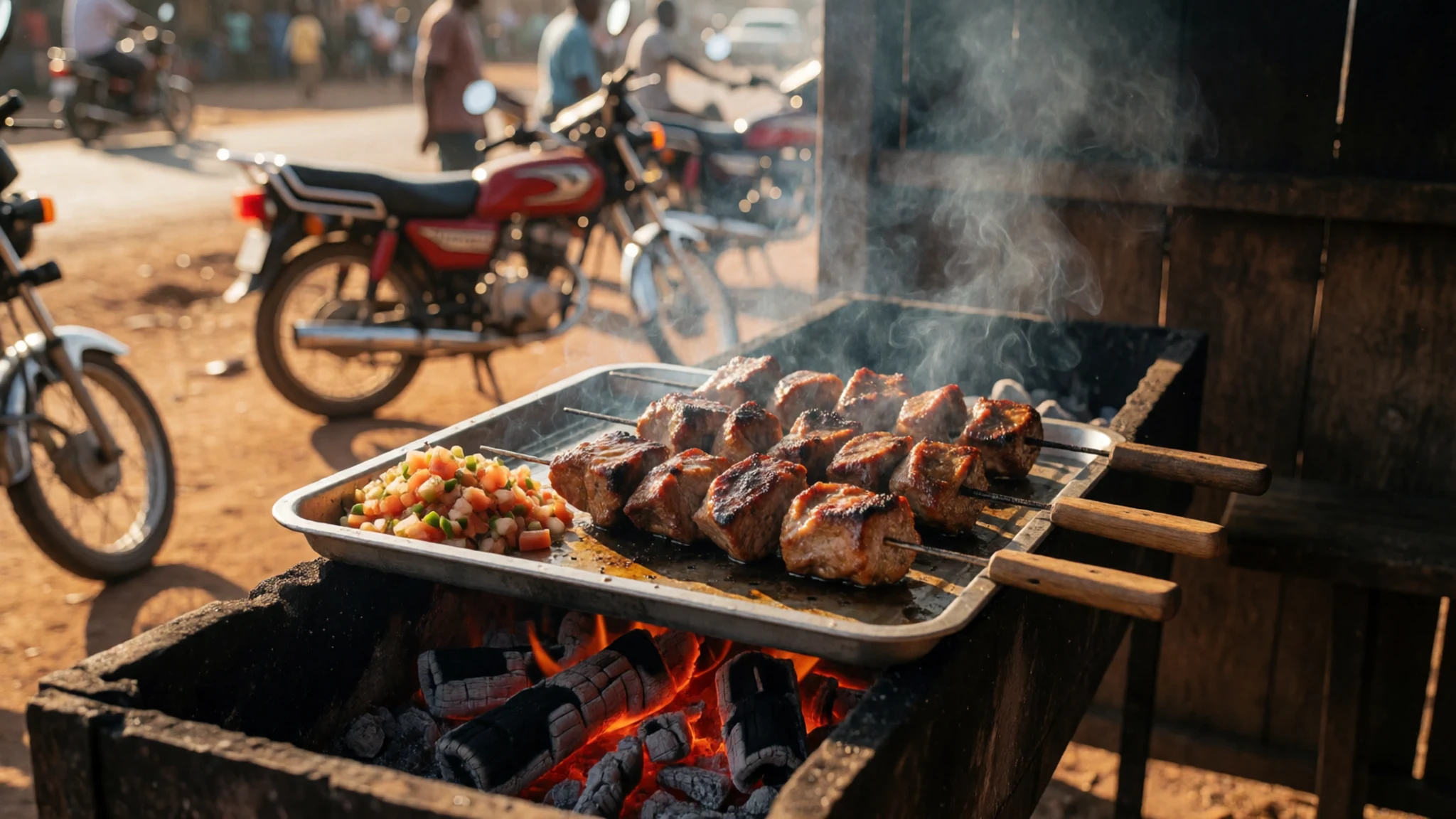
- Sukuma Wiki — local markets
Sautéed collard greens or kale, often cooked with onions and tomatoes. The name literally means 'push the week', referring to how this affordable vegetable helps families stretch their food budget until payday. - Githeri — village kiosks
A hearty, traditional mixture of boiled maize and beans, sometimes simmered with vegetables. This nutrient-dense stew is a staple of the Central Highlands and is commonly served as a filling lunch for hikers. - Kenyan Tea — mountain lodges
Strong, black tea brewed with milk and plenty of sugar. It is the universal welcome drink across the highlands, served hot throughout the day to combat the morning chill on the mountain slopes.
Plan it
Best time. January–February and June–July are the dry seasons, offering the most stable weather for climbing; March to December see rain, particularly in the two main wet seasons.
How long. 5–7
Getting there. Fly into Nairobi, then take a taxi or shuttle north to Nanyuki or the Naro Moru Gate.
Budget. mid
Tips
- Hire a certified guide for all summit attempts
- Allow a few days for acclimatisation to avoid altitude sickness
- Pack high-calorie snacks and plenty of water purification tablets
- Carry a headlamp with extra batteries for the summit push
- Check the official website for the latest park permits
Etiquette
- Stick to marked trails to protect fragile alpine flora
- Carry all your litter back down the mountain
- Respect the mountain as a sacred site for local communities
Nearby
Sources
- Wikidata Q172070 (CC0)
- Wikipedia (CC BY-SA 4.0)
- Wikivoyage (CC BY-SA 4.0)