Mosque City of Bagerhat
Mosque City of Bagerhat, Bangladesh
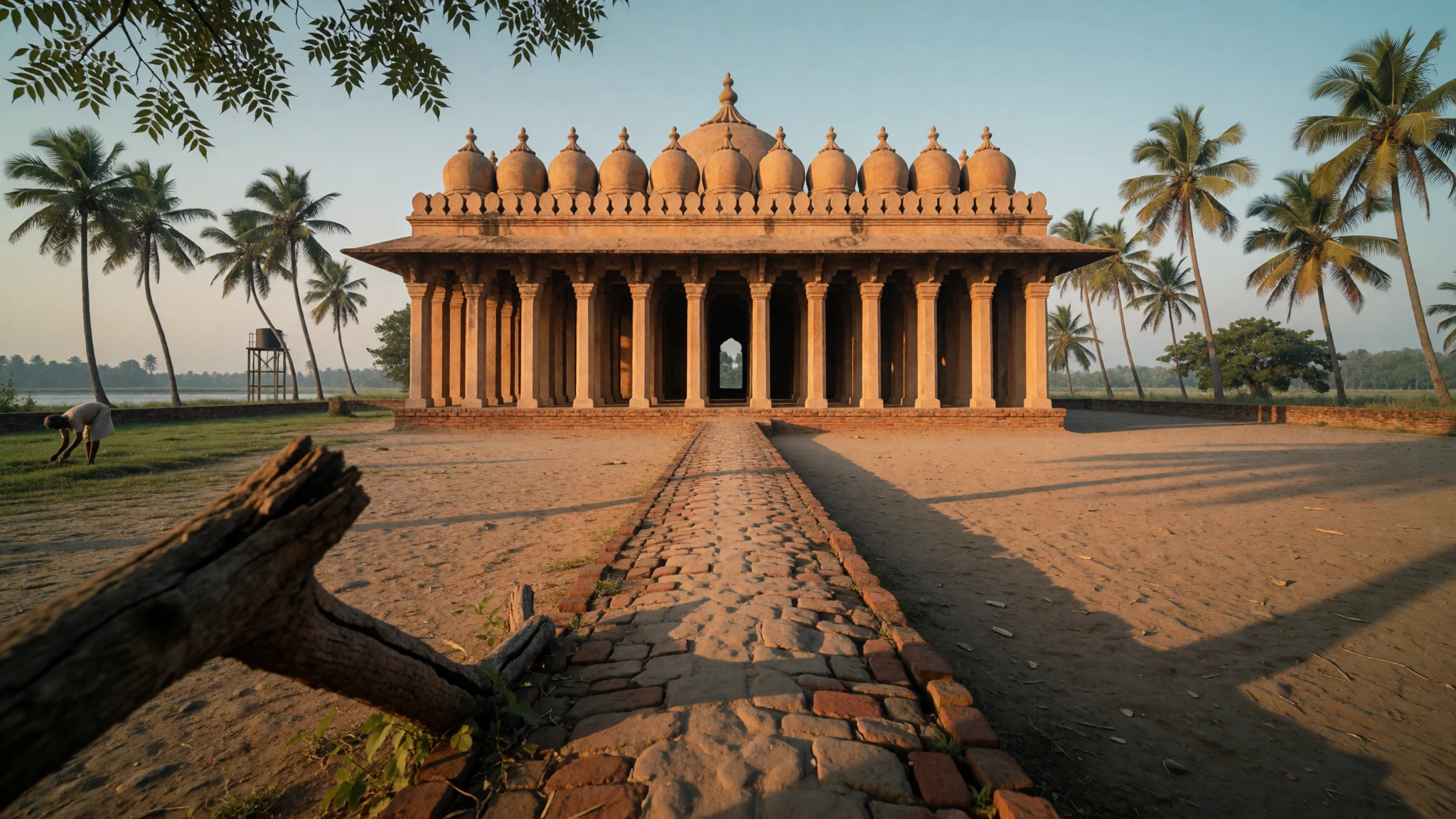
Mosque City of Bagerhat is a UNESCO-packed brick landscape where Bengal Sultanate Islam took architectural form at scale.
The place
Mosque City of Bagerhat (মসজিদের শহর বাগেরহাট; Môsjider Shôhôr Bagerhat) is a UNESCO World Heritage Site in Bagerhat District, southern Bangladesh, laid out around a dense cluster of mosques, mausoleums and other civic buildings. The headline number, according to the site story, is that the complex contains 360 mosques plus public works—bridges, roads, water tanks and more—made from baked brick.
What makes the place feel different from a “single monument stop” is how it reads across space. The historic city was developed in the Bengal Sultanate era as a planned “mint town”, with mosques and buildings tied to roads, water supply tanks and everyday infrastructure. As vegetation was cleared over time, structures that had been hidden for centuries became visible in what is now a quieter, farm-and-palm setting rather than a jungle corridor.
The architecture has a distinct local Indo-Islamic character often associated with a “Khan Jahan Style”. Visitors tend to remember the rhythm of domes, the warm brick surfaces, and the way terracotta detail and arabesque work show up on different scales—from whole mosque silhouettes to decorative bands.
The largest icon is the Sixty Dome Mosque, while other well-known stops include the Singar Mosque and the Nine Dome Mosque, along with mausoleums and tombs such as the Tomb of Khan Jahan, and Bibi Begni’s Mosque. It’s a heritage site where the journey between buildings matters as much as the buildings themselves—partly flat, partly spread out, and often visited with the heat of Bangladesh as a constant companion.
Its story
Mosque City of Bagerhat began with a 15th-century governor and the Bengal Sultanate’s reach into the Sundarbans region. The figure behind the planned township is Ulugh Khan Jahan (also known as Khan Jahan Ali), a Turkic-origin official appointed by the Bengal Sultanate. During his governorship, Islamic architectural ideas and skilled builders—fed by Middle Eastern and Central Asian connections—met local building traditions.
The result was not just a handful of religious buildings, but an organised cityscape. The site is described as a “mint town”, and inscriptions and historical accounts connect its mosque-building programme to the reign of Sultan Mahmud Shah of Bengal. Within the timeline given by the historical narrative, mosques in Bagerhat were built during that mid-15th-century period, with the city’s layout supporting community life.
Sufism and missionary activity are also part of the story. The high concentration of mosques is often explained as evidence of rapid conversion and community formation, with religious life anchored in architecture. Over time, the mosques and civic elements formed an ensemble—roads, bridges, water tanks and cisterns—that still shapes how the place is experienced today.
Later chapters include British-era surveying and restoration efforts on major structures, including the Sixty Dome Mosque. UNESCO created a master plan for the Bagerhat area, and the complex became a World Heritage Site.
If the past sounds layered, that’s because it is—brickwork, devotion, political administration, and restoration all leave marks. Standing among the domes, it’s hard not to think about how quickly a planned city can appear, and how long it can take for it to be rediscovered.
What to see
- Sixty Dome Mosque (Shat Gombuj Masjid) — Bagerhat District (Mosque City core)
The centrepiece of Mosque City of Bagerhat, known for its scale and its dome-and-pillar rhythm. It’s the easiest place to “start reading” the architecture: notice how the brickwork and decorative detail repeat across the structure, giving you a sense of order at walking distance.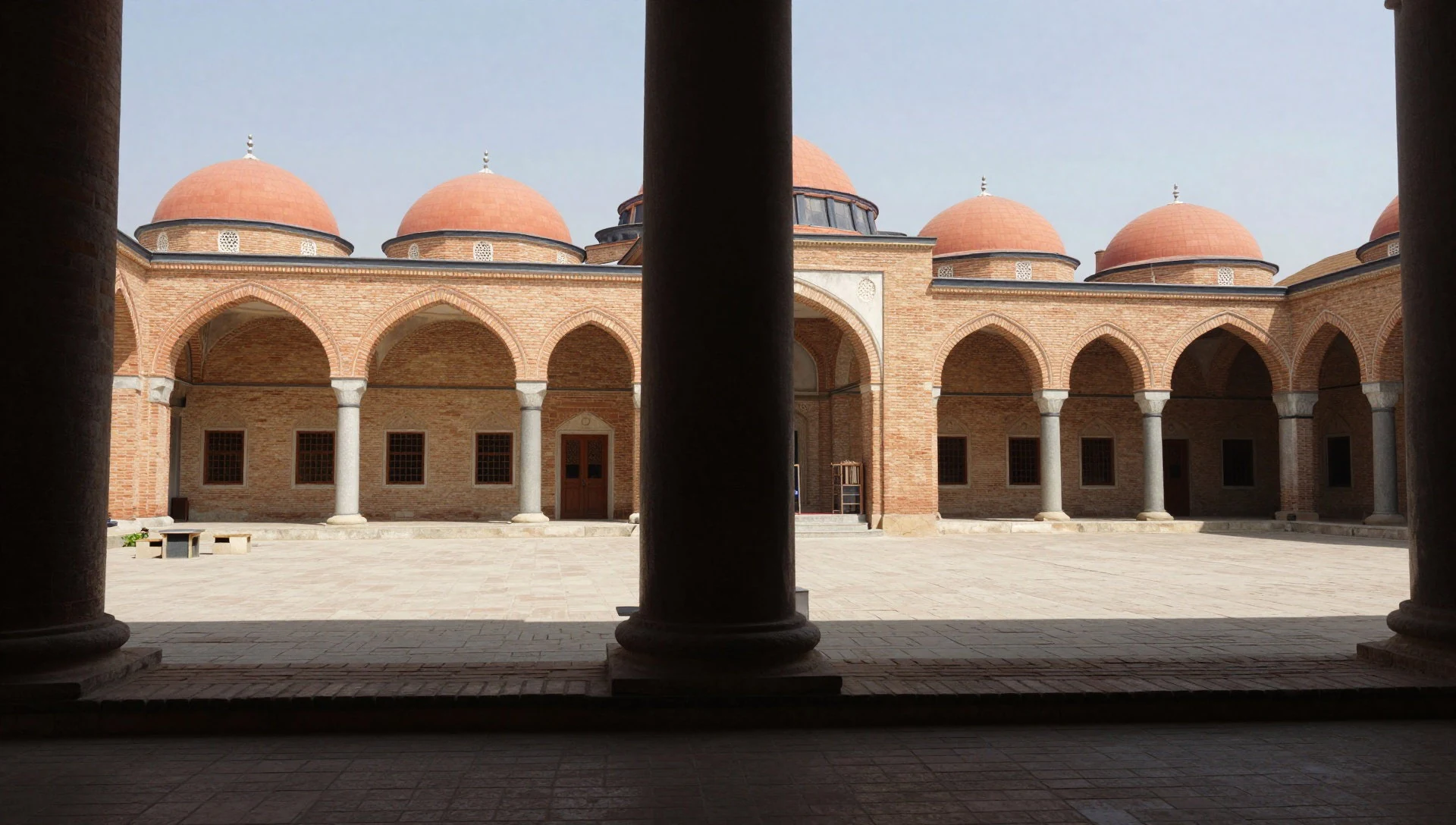
- Nine Dome Mosque — Western bank area near Thakurdighi (Mosque City)
A more compact but very readable stop: a multi-dome silhouette that sits close to water-adjacent landforms connected to the historic city’s layout. Look for the way the domes break the skyline and how terracotta and carved patterns can show up even on simpler lines.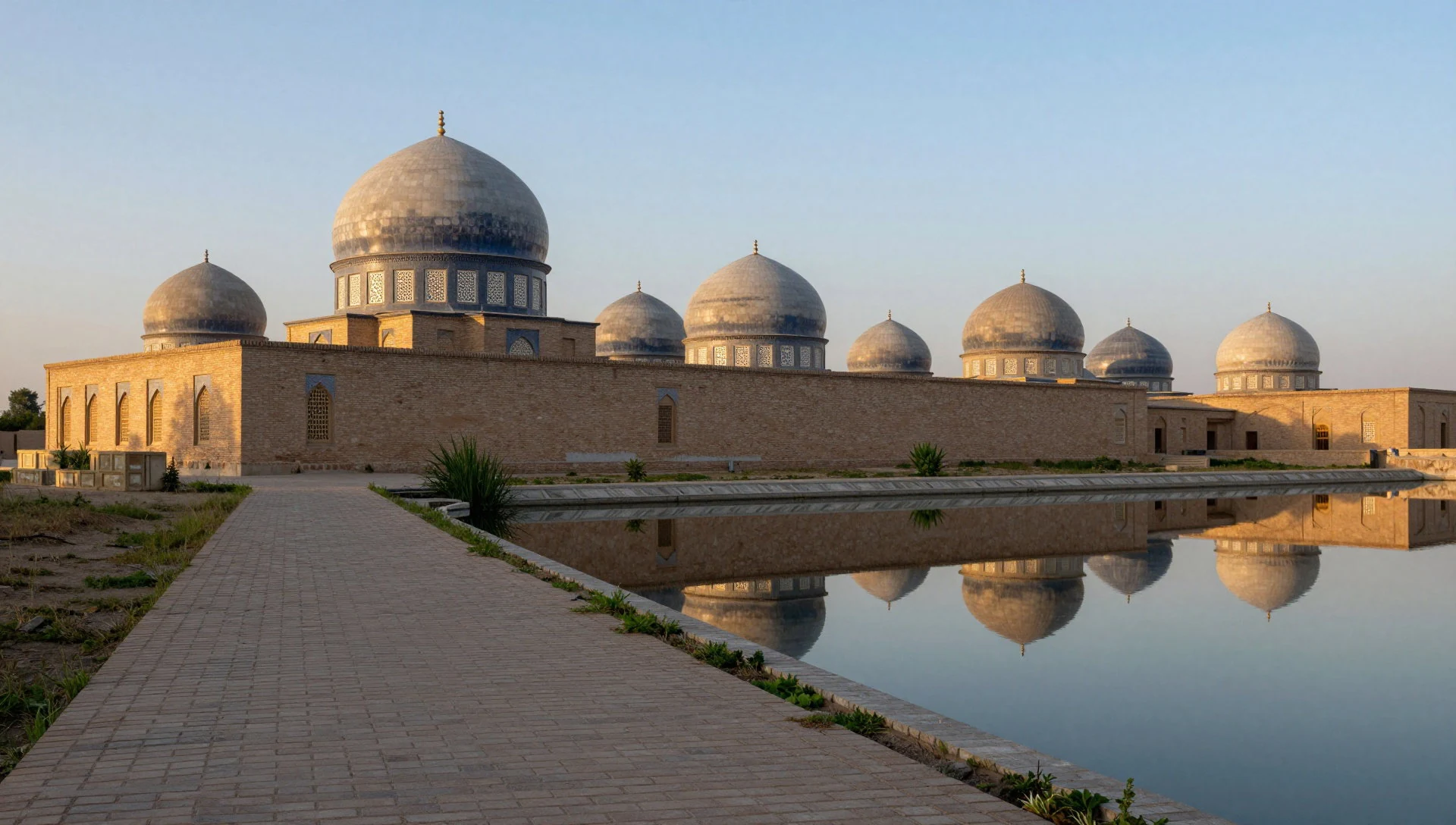
- Singar Mosque — Bagerhat District (Mosque City routes)
Another important mosque within the city ensemble, often visited as part of a “string of mosques” route. The appeal here is variation: compare its form and façade detail with the Sixty Dome and Nine Dome sites, so the overall “Khan Jahan Style” becomes easier to spot.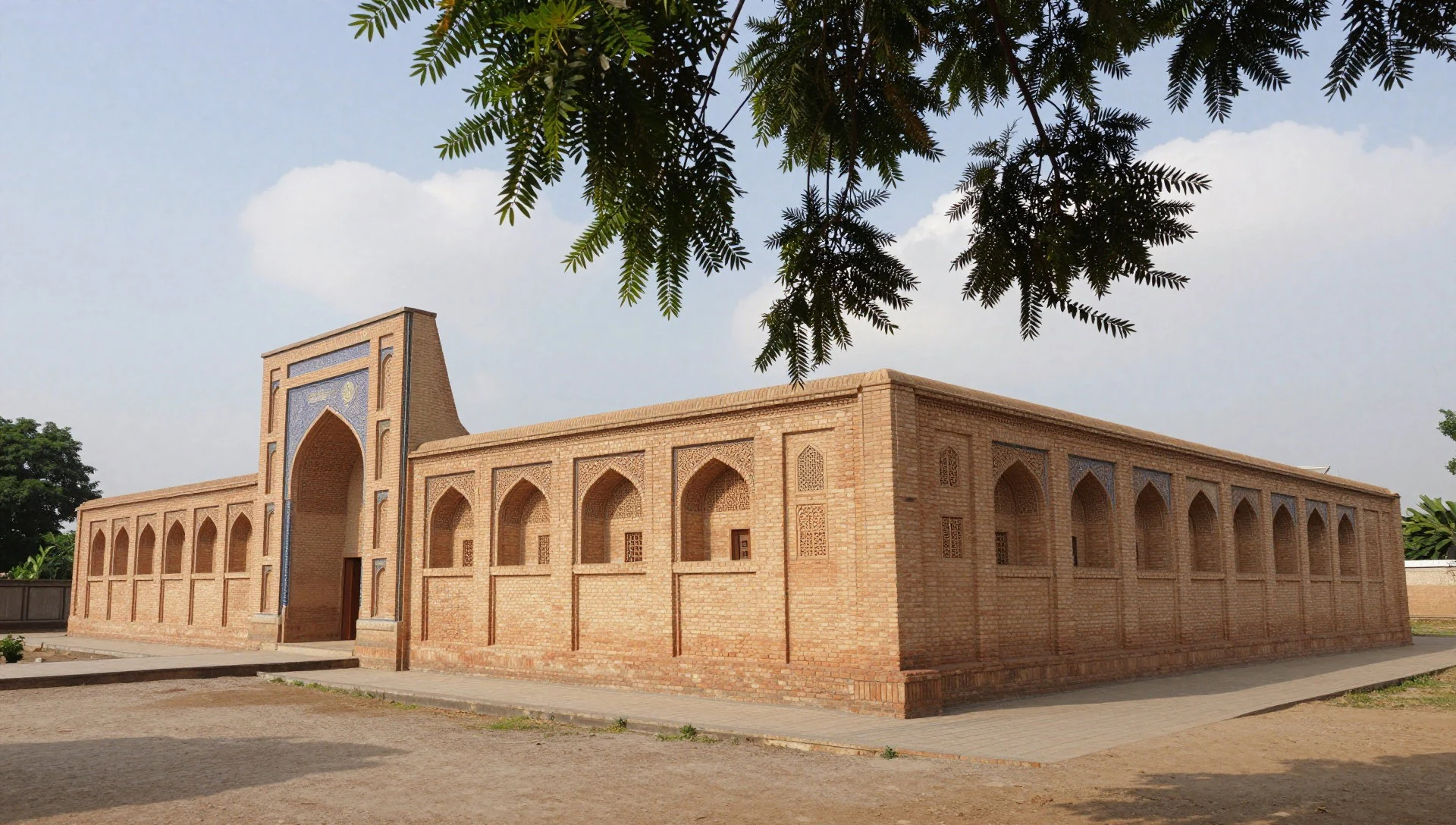
- Tomb of Khan Jahan (Khan Jahan Ali) — Mosque City (tomb cluster)
A mausoleum-style stop that adds a personal, human-scale layer to the city’s story. As you move from prayer halls to resting places, the same brick language feels more intimate—like an architectural record of governance, memory and faith.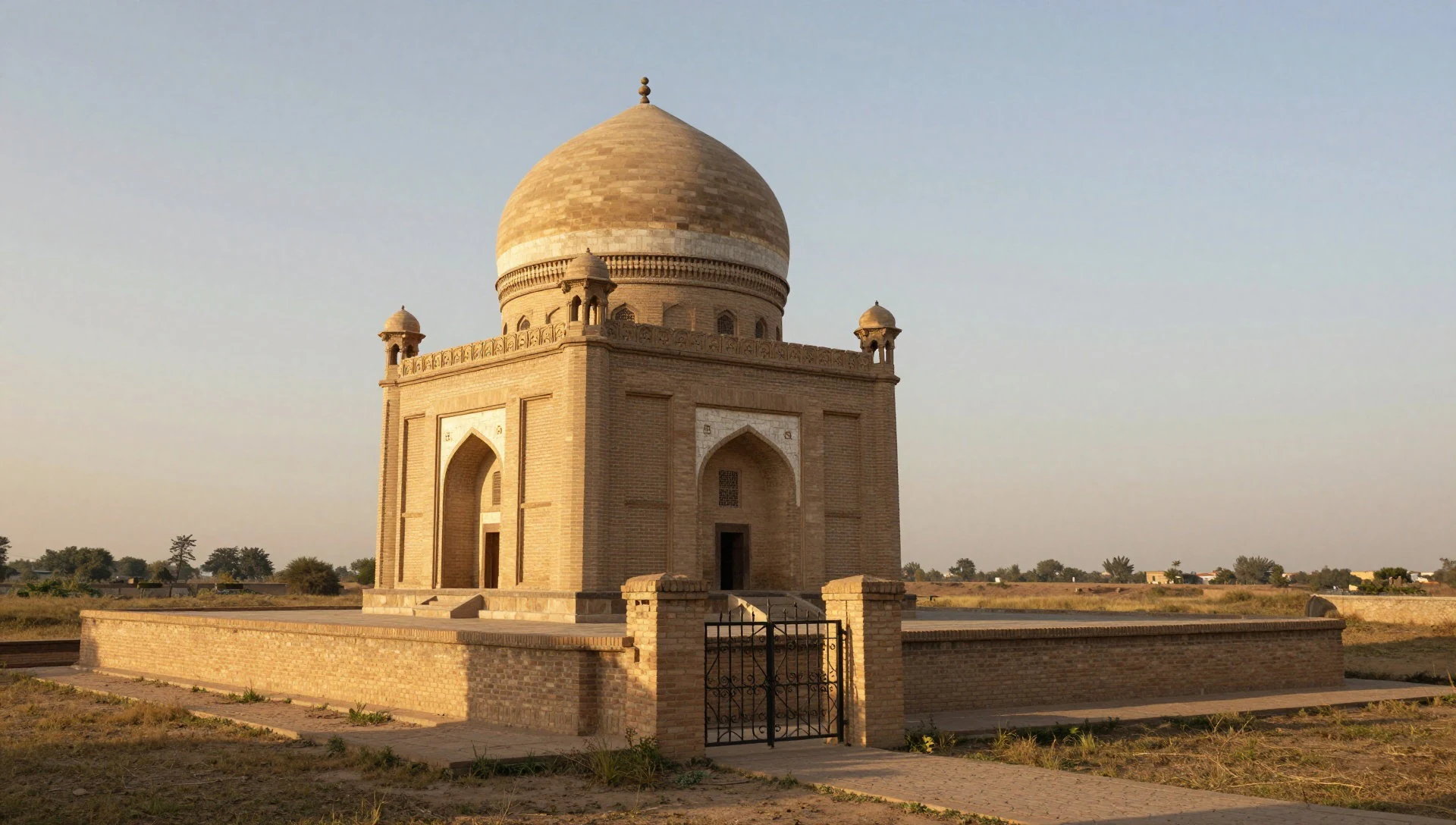
- Bibi Begni’s Mosque — Mosque City (heritage zone)
A distinctive mosque associated with Bibi Begni within the wider heritage zone. Visitors usually like this one for its difference in vibe—less about grand symmetry and more about the everyday feel of a place locals pass through on a routine basis.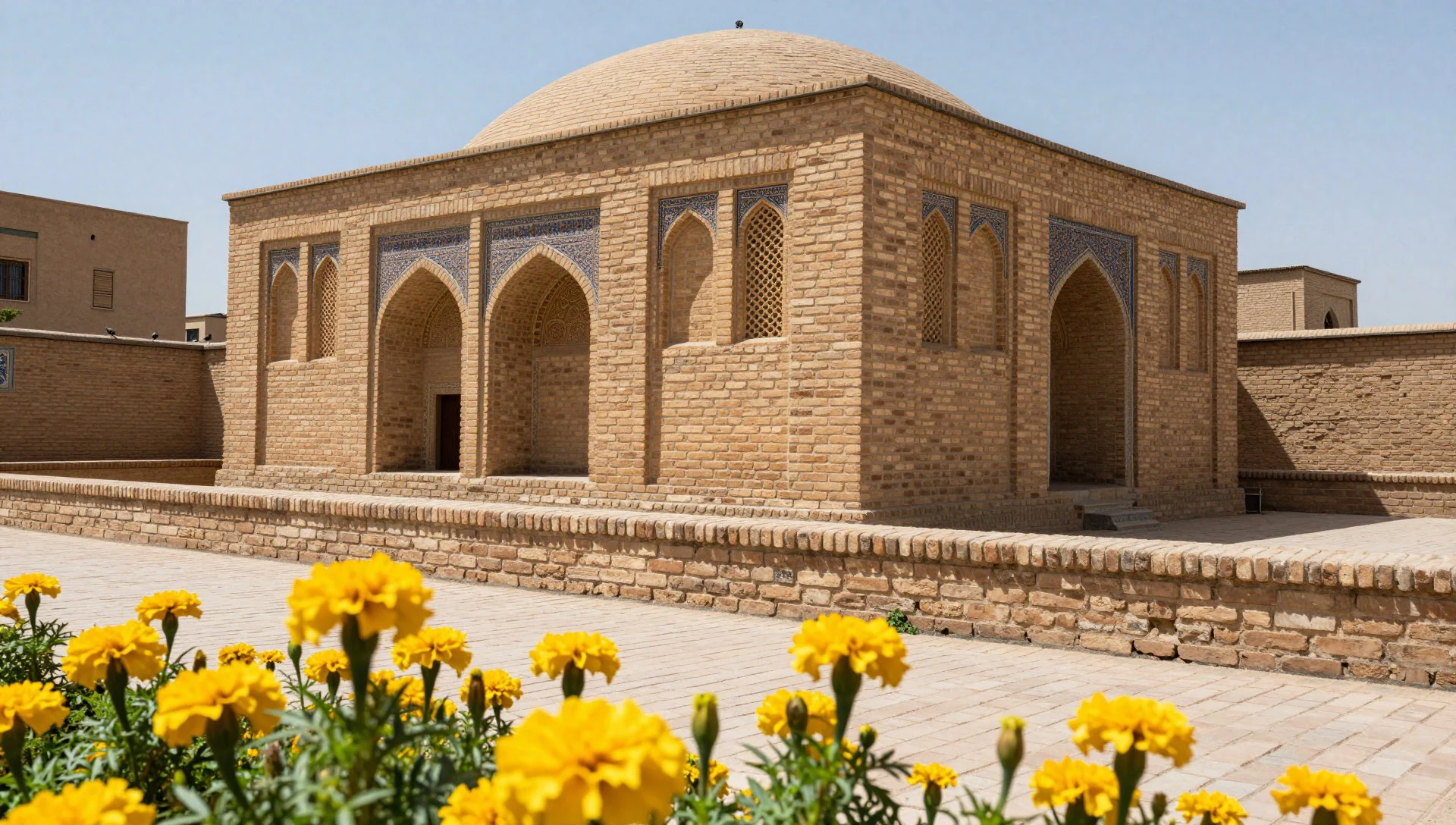
Culture
Mosque City of Bagerhat works best when approached slowly. This is not just a museum walk: mosques and mausoleums are religious spaces within a living community, so you’ll often see worshippers coming and going alongside sightseeing groups. The easiest way to enjoy it is to switch from “photo mode” to “architecture mode” for stretches—read domes, observe terracotta patterns, and accept that the brick surfaces can look different as the sun shifts.
Crowds are usually manageable compared with famous mega-sites, but timing still matters because Bangladesh heat can be quite direct. If visitors arrive in waves, the quietest moments tend to be earlier in the day or when the main tour rhythm moves on. Also, the heritage zone is spread enough that the physical effort is real; comfortable footwear helps because paths between monuments can be uneven and dusty.
Dress expectations are simple: cover up respectfully for a mosque complex, and keep behaviour calm inside prayer areas. If someone is praying or preparing, treat that as the main event, even when a monument looks “open for photos”. Terracotta and brick are sensitive to touch—stick to looking, not leaning or tapping decorative details.
Visitor etiquette: Dress modestly for mosque spaces and keep voices low; ask before photographing people.
What to wear
In Mosque City of Bagerhat, clothing is mostly about modesty and practicality in a warm, outdoor setting. For the traditional side, many visitors and locals are comfortable with long tunics and loose trousers, with head coverings used by some women depending on personal and religious preference. Indo-Islamic heritage here often shows up in everyday textiles—soft cottons that breathe are the norm rather than heavy fabrics.
What people wear now is a mix of everyday South Asian clothing and more Western-style items, but the mosque environment encourages conservative silhouettes. Expect breathable shirts or tunics, long trousers or ankle-length skirts, and shawls or scarves for head coverage. For men, lightweight long trousers are a safe default.
For visitors, pack for heat and for religious spaces: lightweight long sleeves or a light scarf, long trousers, and footwear that can handle dusty paths. Avoid anything too short or revealing, and consider bringing an extra layer for air-conditioned indoor rest stops during the day. If socks are worn, they can be useful for comfort around footwear rules—while sandals are often practical, keep them easy to remove when entering prayer areas.
What to eat
- Rice and dal (lentil curry) — Local eatery and lunch stops in Bagerhat town
A basic plate of rice with lentils cooked into a comforting curry. It’s common around town eateries and simple food stalls, and it’s a reliable choice when mosque-side walking builds hunger.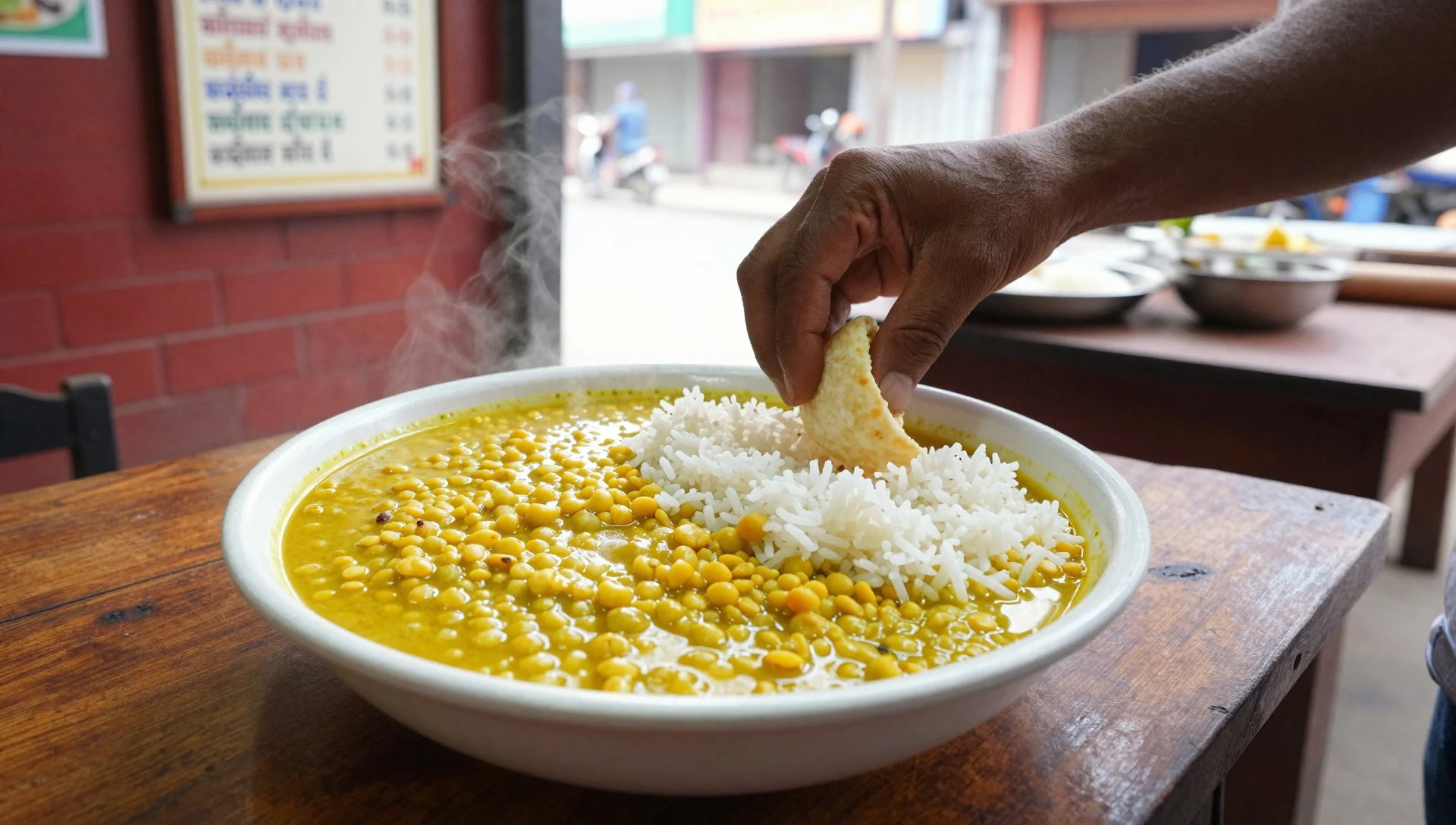
- Vegetable curry with rice — Everyday eateries and roadside stalls in the Bagerhat area
Vegetable curry served with rice—often a mix of seasonal greens and root vegetables. It’s a friendly, lighter option you’ll see at everyday eateries and roadside meal counters.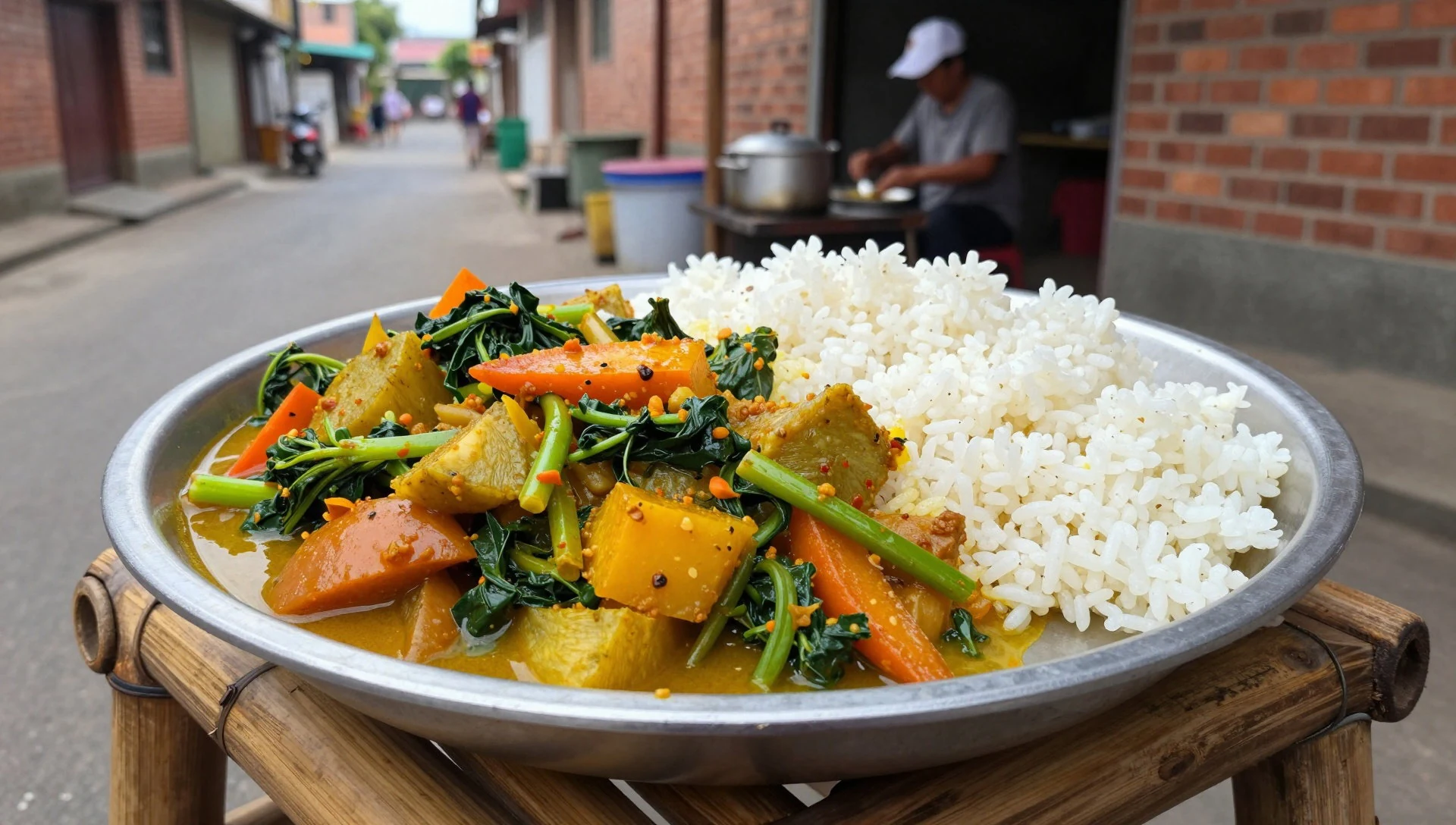
- Hilsa or other local fish curry — Local markets and neighbourhood eateries
Fish curry made with local varieties, usually cooked with onions and spices and served with rice. If ordering fish, ask what’s freshest at the stall and how spicy it tends to be that day. - Seasonal fruit — Roadside fruit stalls and local shops
Seasonal fruit varies by the month and can be a refreshing break from the heat. Look for fruit sold by the roadside or at small stalls near main roads. - Sweet yoghurt or milk-based dessert — Tea shops and small kiosks near main roads
Creamy, sweet dairy desserts show up in small kiosks and tea stops, often sold by the cup. It’s a good post-walk treat if you’re taking breaks between mosque clusters.
Plan it
Best time. March–April and October–November are usually the most comfortable months to walk around in Bangladesh, with less punishing heat than midsummer; the site is best enjoyed when you can move between mosques without overheating.
How long. 2–3
Getting there. Fly into Dhaka and take the onward road journey to Bagerhat District; for the last leg, use local transport to reach the Mosque City area where monuments are clustered.
Budget. mid
Tips
- Start early so mosque halls and courtyards are calmer and the light helps with brick-and-terracotta details
- Build a route that groups mosques by area, so walking between stops feels like a pleasant circuit rather than a slog
- Carry cash for small purchases at local stalls and bottled water
- Use a hat and sunscreen; even on cooler days, shade can be limited between monuments
- Plan one slower hour for standing still—this is where the architecture starts to make sense
Etiquette
- Remove shoes where required and follow any slipper placement arrangements
- Keep voices low and avoid blocking walkways in active mosque areas
- Ask before photographing people, especially during prayer or rituals
Nearby
Sources
- Wikidata Q799893 (CC0)
- Wikipedia (Mosque City of Bagerhat) rev 1366155433 (CC BY-SA 4.0)
- Photo photos/01-.jpg (CC BY-SA 4.0)
- Photo photos/02-sixty-dome-mosque-bagerhat.jpg (CC BY-SA 4.0)
- Photo photos/03-nine-dome-mosque-4.jpg (CC BY-SA 4.0)
- Photo photos/04-dg-75-09-singair-mosque-near-sat-gambus-mosque-bagerhat-img-.jpg (CC BY-SA 4.0)
- Photo photos/05-bibi-begni-mosque-2009-17210296971.jpg (CC BY-SA 2.0)
- Photo photos/06-.jpg (CC BY-SA 4.0)
- Photo photos/07-sixty-dome-mosque-38.jpg (CC BY-SA 4.0)
- Photo photos/08-nine-dome-mosque-bagerhat-7.jpg (CC BY-SA 2.5)
- Wikivoyage (CC BY-SA 4.0)


