Montserrat
Montserrat, United Kingdom
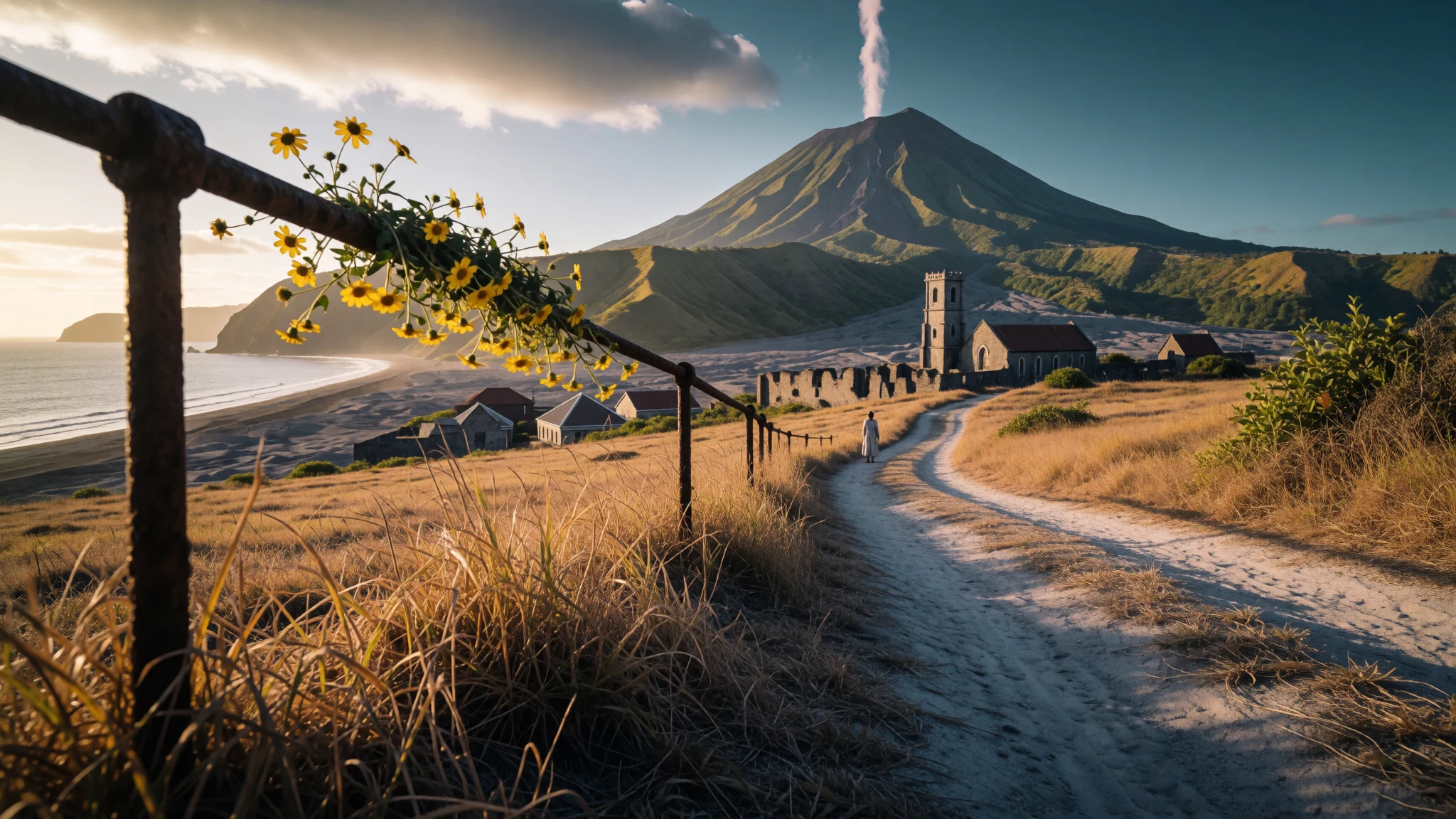
Montserrat is a green Caribbean island with a smoking volcano, dark-sand coves, Irish roots and almost no crowds.
The place
Montserrat is a small island in the Leeward Islands, the northern stretch of the Lesser Antilles, and it remains a British Overseas Territory. About five and a half thousand people live here, almost all of them in the north, where the land is gentler and the villages are strung along a quiet coast road. Volcanoes made the island: green ridges, deep wooded ravines that locals call ghauts, and beaches of dark sand rather than the pale kind found on postcards. Its nickname, the Emerald Isle of the Caribbean, nods both to the lush slopes and to the Irish ancestry of many families. The south tells a different story. The Soufrière Hills volcano became active in 1995 and still shapes daily life, so a large southern zone is closed to ordinary visitors, with the old capital, Plymouth, left under ash and mud. Coming here means accepting that the island is a working lesson in living beside a volcano. Days are slow and are spent walking in the Centre Hills, watching birds, diving, or sitting on the observatory deck with a view of the steaming summit. The weather is warm all year, with a drier season from winter into spring and heavier rain and hurricane risk later in the year. There are no big resorts, queues or tour-bus crowds. The trade-off is that flights, places to stay and restaurants are few, so planning ahead matters.
Its story
Montserrat's human story begins in the Centre Hills, where excavations point to hunter-gatherer communities long before farming peoples settled the coast. Later Carib-speaking islanders used the name Alliouagana, a word linked to spiny scrub. In recent years, walkers near Soldier Ghaut stumbled on carved stones that are thought to be a thousand years old or more, a reminder that much of the early record is still being found. European settlement came in 1632, when Irish colonists, many of them moving from nearby Saint Kitts under Sir Thomas Warner, established a foothold. Others followed from Virginia. Sugar and other plantation crops then tied the island to the Atlantic slave trade, and the African ancestry of most of today's islanders comes from that history. Irish names, a March festival and a few turns of speech remain from the early settlers. The great rupture came in 1995, when a volcano that had been quiet within living memory erupted. Over the following years ash, mudflows and pyroclastic flows destroyed Plymouth, the Georgian-era capital and main port. Most residents left, many for the United Kingdom, and the island was reduced to a tiny community in the north. Some people came home as the north was rebuilt, and the population has since recovered to a few thousand. The volcano is still monitored and still active, so the story is not finished.
What to see
- Montserrat Volcano Observatory — Salem, western side of the safe zone
The observatory sits on a ridge facing the Soufrière Hills, and its visitor centre explains the eruption with posters, interactive screens and displays of objects recovered from the ruins. The deck gives a clear view of the volcano and the valley of mud flows. Opening days change, so check before travelling. Go early for clearer skies.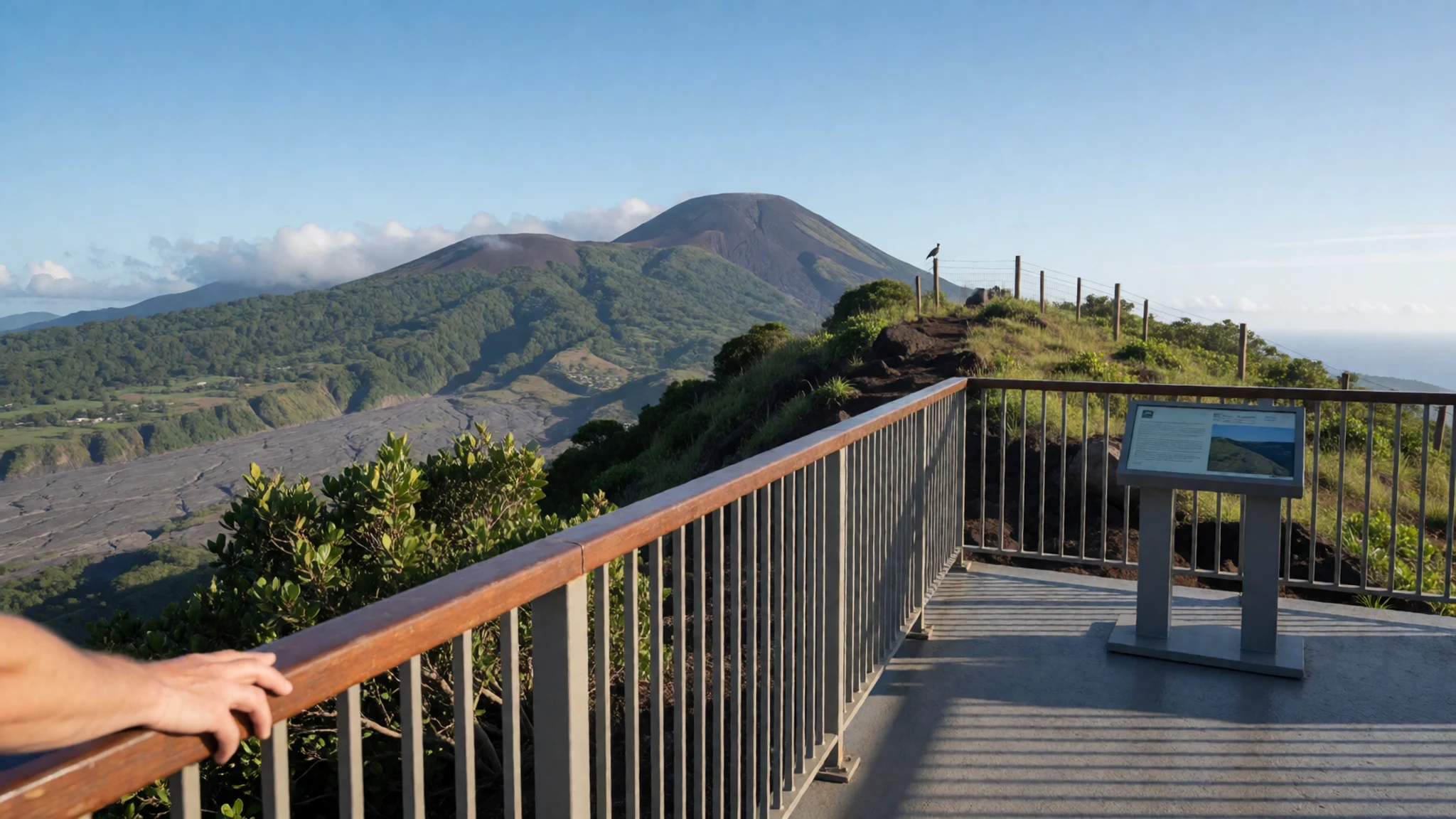
- Plymouth viewpoints — Edge of the exclusion zone, south-west coast
Plymouth, the former capital, is best understood from a distance. From viewpoints on the safe side, rooftops and church towers poke through grey ash and dried mud, with the volcano behind. It is sobering, and quiet. Entry to the zone itself is controlled, so go only with local guidance and follow the posted warnings.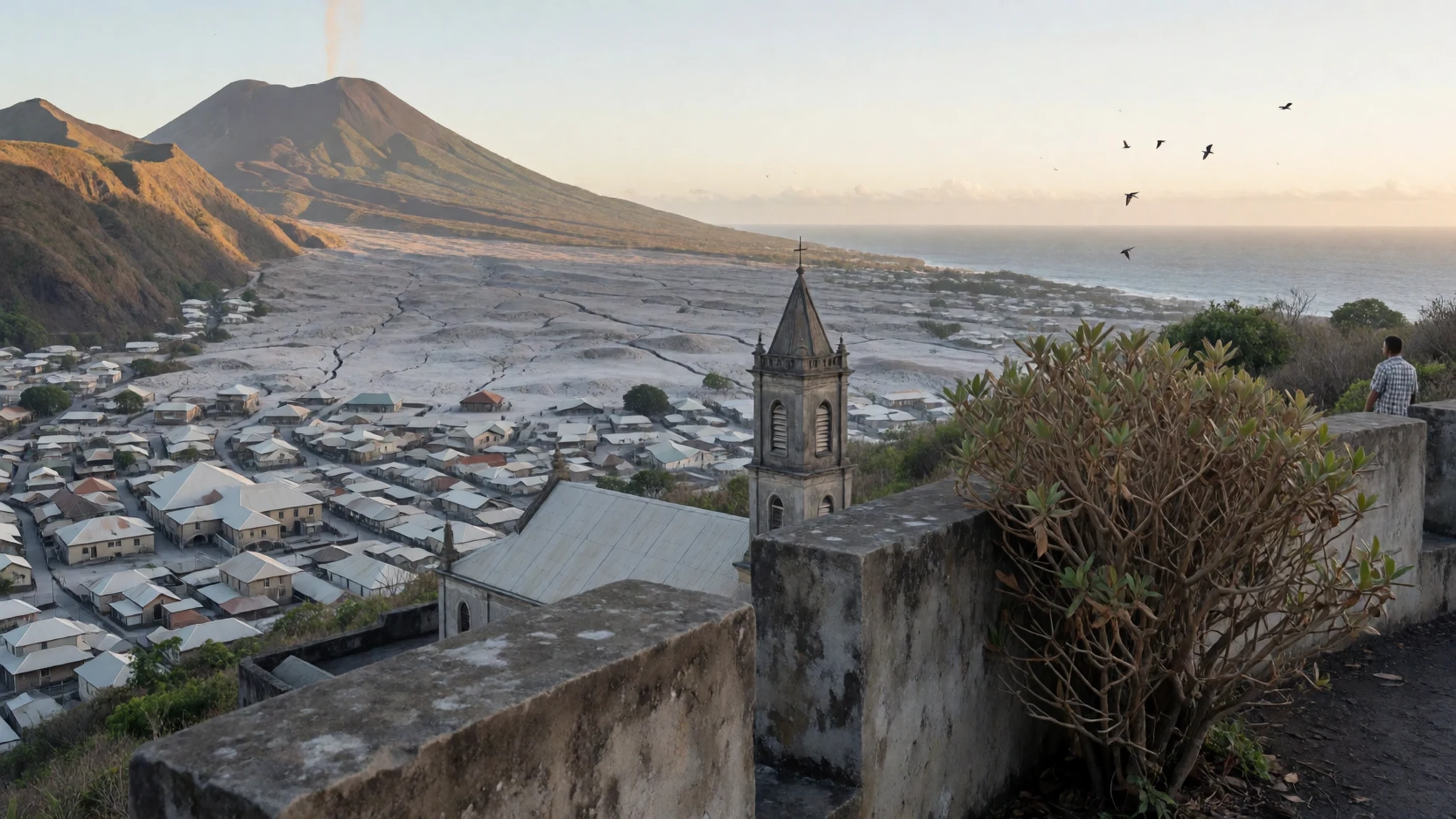
- AIR Studios ruins — South of the safe zone, near Old Towne
A famous recording studio was built here by the producer George Martin, and well-known bands worked in this quiet spot above the sea. It was abandoned as the volcano advanced. The site lies in a restricted area, so ask the observatory or the tourist office what access is currently allowed before planning a visit.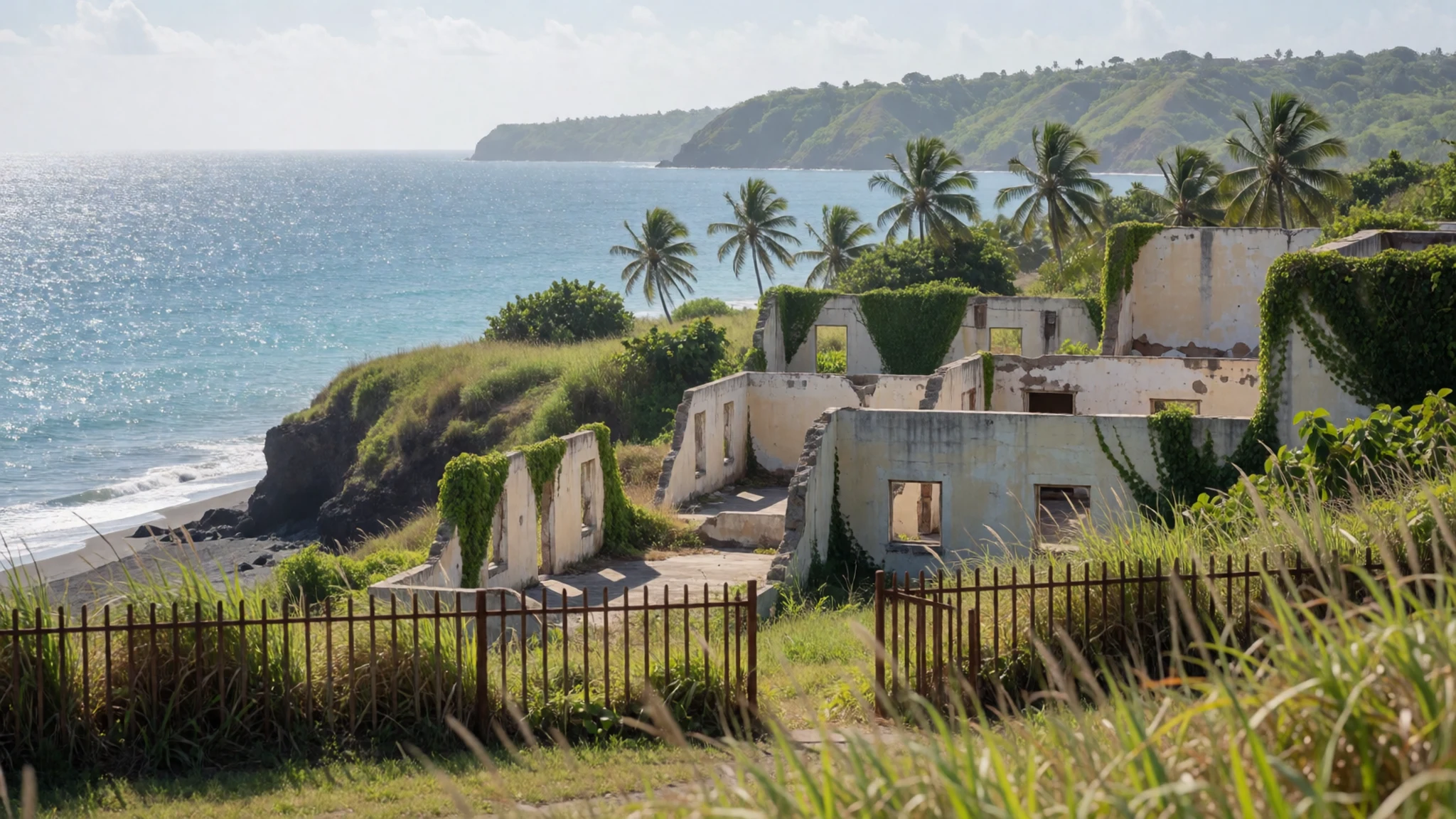
- Centre Hills — Central uplands, between the north and the volcano
The Centre Hills are the island's wooded green heart, with trails through forest, fern and ravine. Birdwatchers come for the resident land birds and visiting songbirds, including the Montserrat oriole, the national bird. Walk with a local guide if possible. Trails can be muddy and steep, and mornings are cooler and better for birds.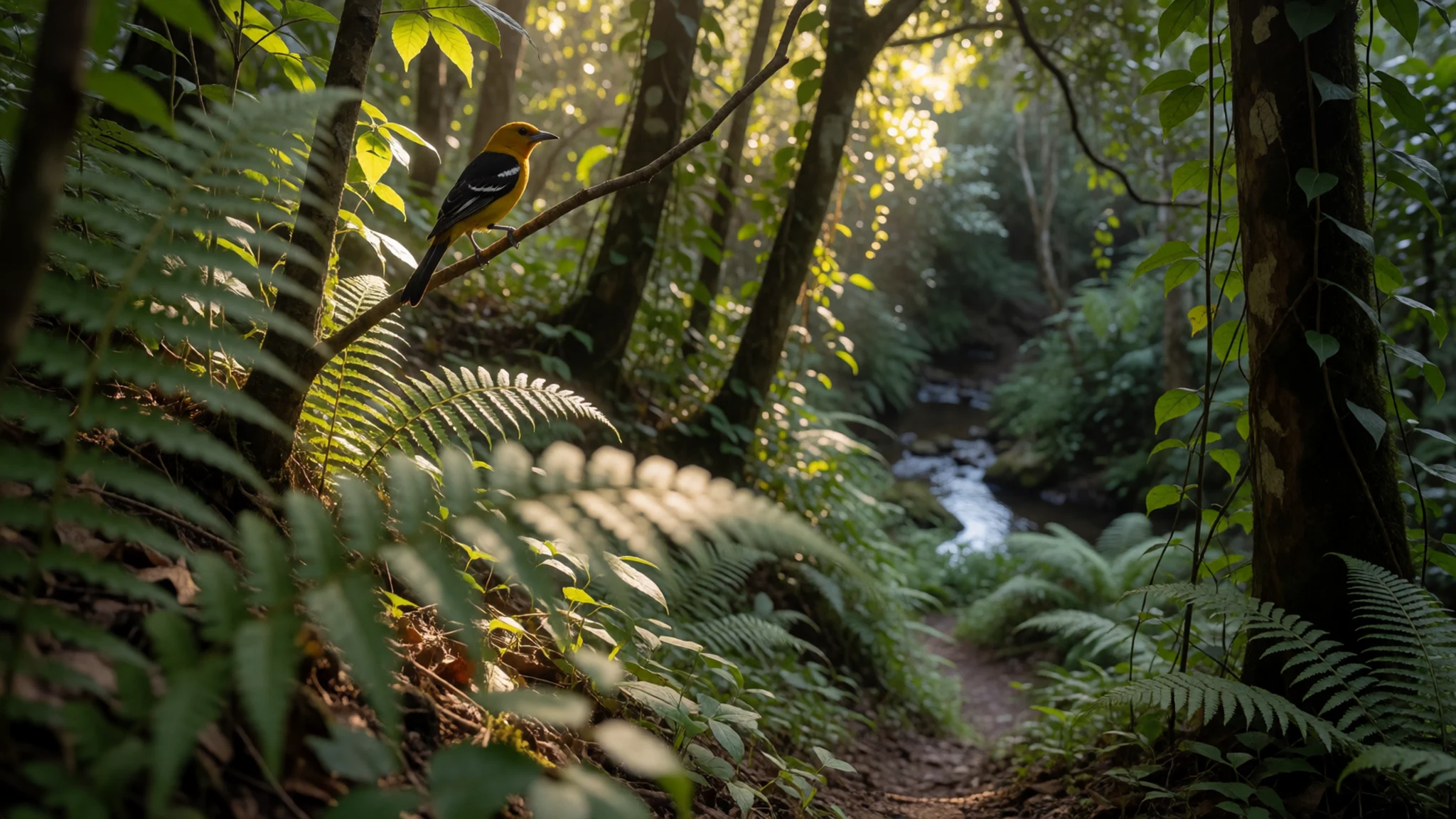
- Montserrat Museum and Little Bay — Little Bay, north-west coast
The museum covers the island's story from the earliest peoples to the present, and an archaeological dig on the neighbouring plantation site adds depth. Little Bay is the newer centre of island life, with a curving shoreline, beach bars and views along the coast. Check the opening days before heading out.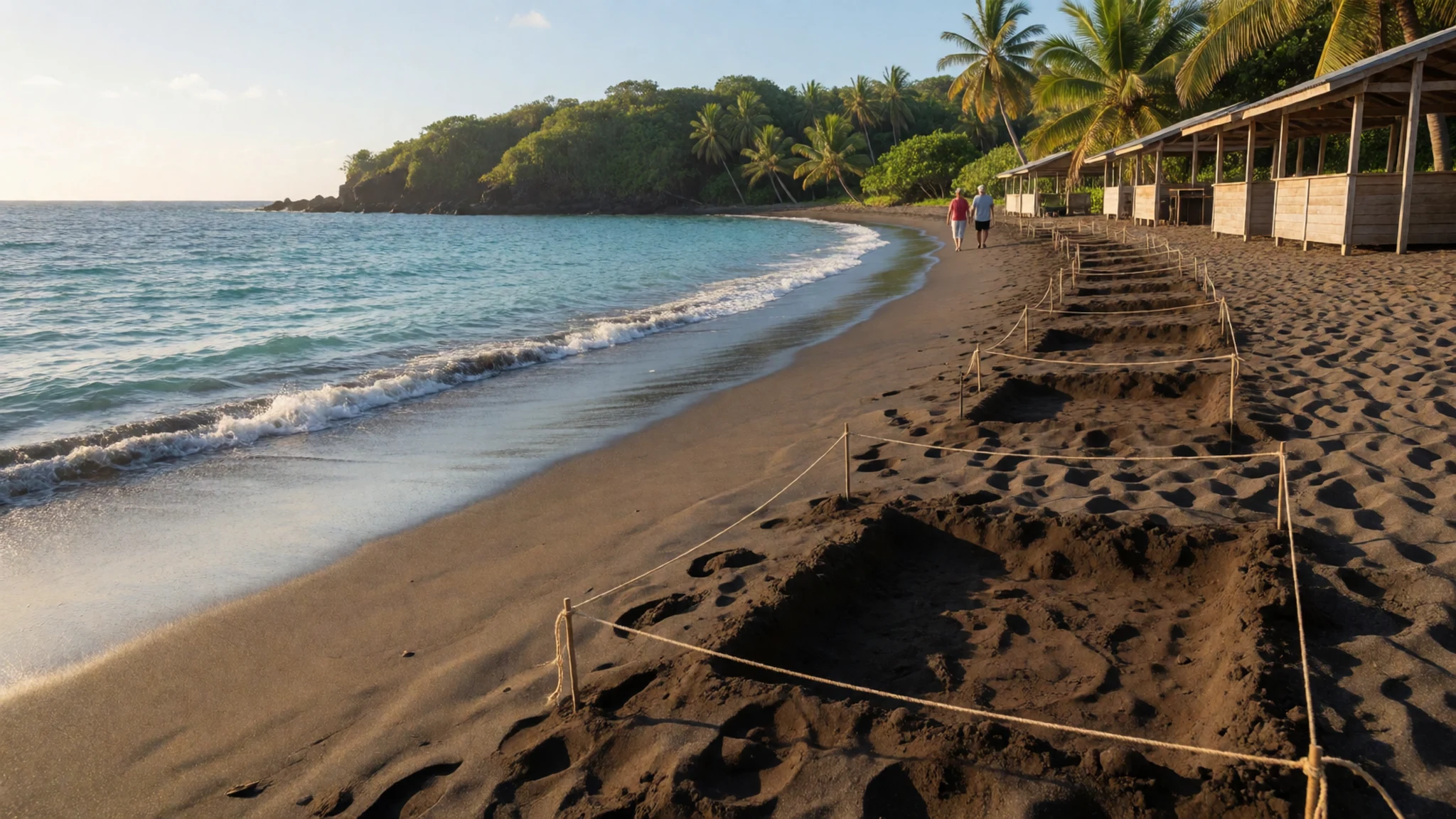
- Cultural Centre and St Patrick's Festival — Little Bay, north-west coast
The Cultural Centre hosts concerts, films and community events, and is a good place to ask what is on. The week of St Patrick's Festival in March celebrates both Irish heritage and the island's African history, with music, parades and food. Book a place to stay well ahead if travelling in that week.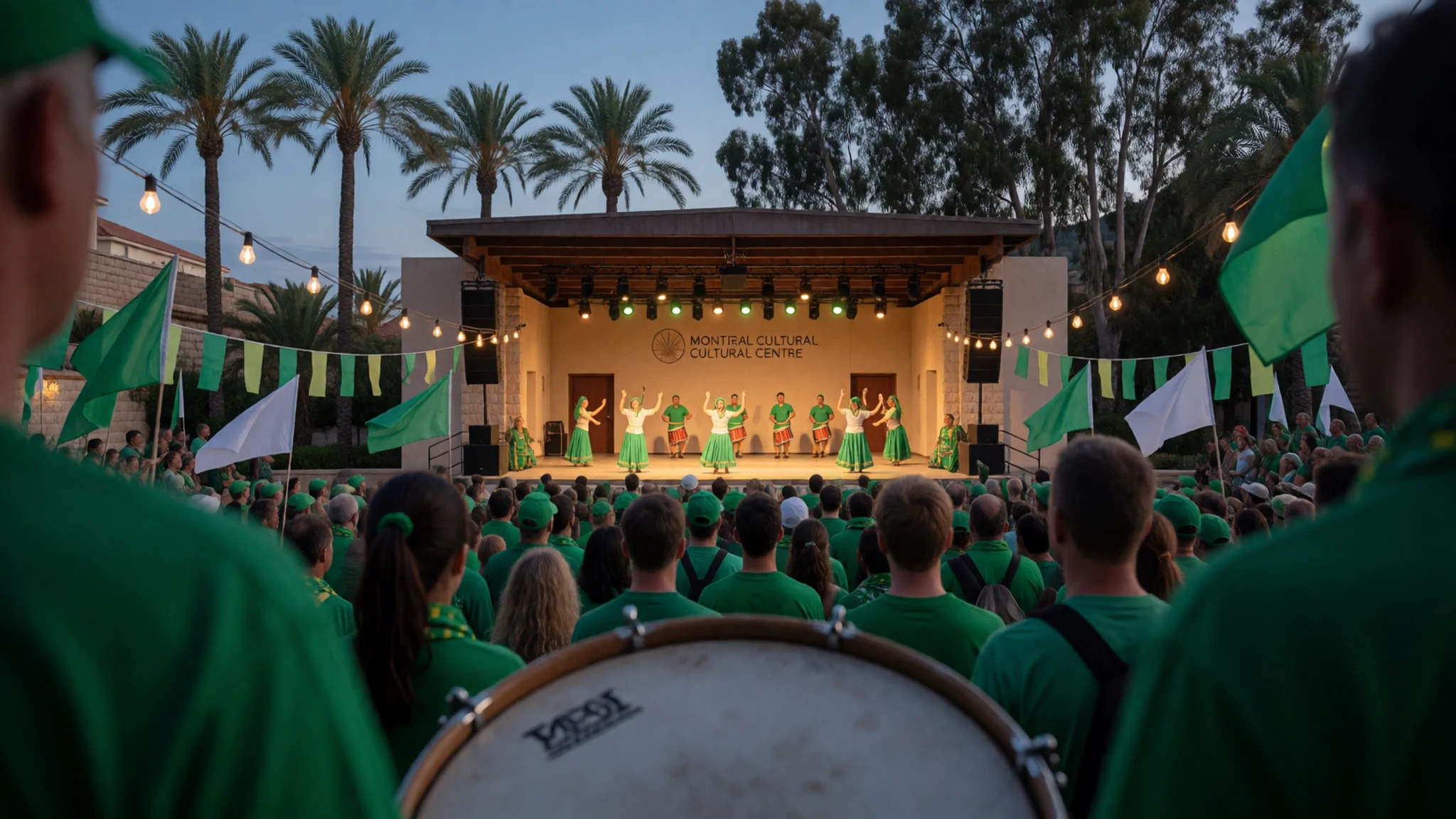
Culture
Montserrat's culture blends Irish, African and wider Caribbean threads, shaped further by British administration and by the shared experience of evacuation and return. The island's nickname and its March festival celebrate the Irish side, while music, church life and cooking carry the African and Caribbean inheritance. Community counts for a great deal. With such a small population, almost everyone knows someone who lost a house in the eruption, and many have relatives in the United Kingdom or elsewhere in the Caribbean. Radio Montserrat is still the shared source of news, announcements and music, and the volcano observatory's updates are a normal part of daily conversation. Music has a long local tradition, from calypso and masquerade to the recording sessions that once brought famous bands to the island. Sunday is quiet, with church services and family meals, and many places close or run on reduced service. Visitors tend to find the pace unhurried and the welcome genuine, especially if they take an interest in how the island has rebuilt itself. Talk about the volcano with sensitivity, because for many residents it is personal loss rather than a spectacle. Greet people you pass with a friendly good morning or good afternoon, and never enter the exclusion zone without authorised permission.
What to wear
Montserrat has no single everyday national costume. Traditional dress appears at cultural events, festivals and school performances, where bright checked cotton, long skirts, head-ties and shirts in the style of the wider Eastern Caribbean are worn, and green is common during the March Irish-heritage week. Local dress customs here are best confirmed with the cultural centre, as details vary by event. Day to day, people wear light cotton and linen, shorts and T-shirts in the heat, and noticeably smarter clothes for church on Sundays, with dresses, shirts and polished shoes. Office and government workers dress neatly but lightly. Visitors should pack for a hot, humid climate: breathable cotton, a sun hat, sunglasses and high-factor sun cream. Hikers in the Centre Hills need shoes with a good grip for muddy, steep trails, plus long trousers or light layers against scratchy undergrowth and insects. A thin waterproof is useful in the wetter months. Swimwear belongs on the beach, and a shirt or cover-up is polite in villages, restaurants and churches. Sandals are fine for sand and town, but closed shoes are better for volcano viewpoints, where the ground can be rough and covered with ash.
What to eat
- Goat water — Casual local eateries along the main road in the north
Goat water is the national dish, a thick, warmly spiced stew of goat meat, often served with crusty bread rolls. It is hearty rather than fiery. Ask at local lunch places whether it is on that day, as it often sells out.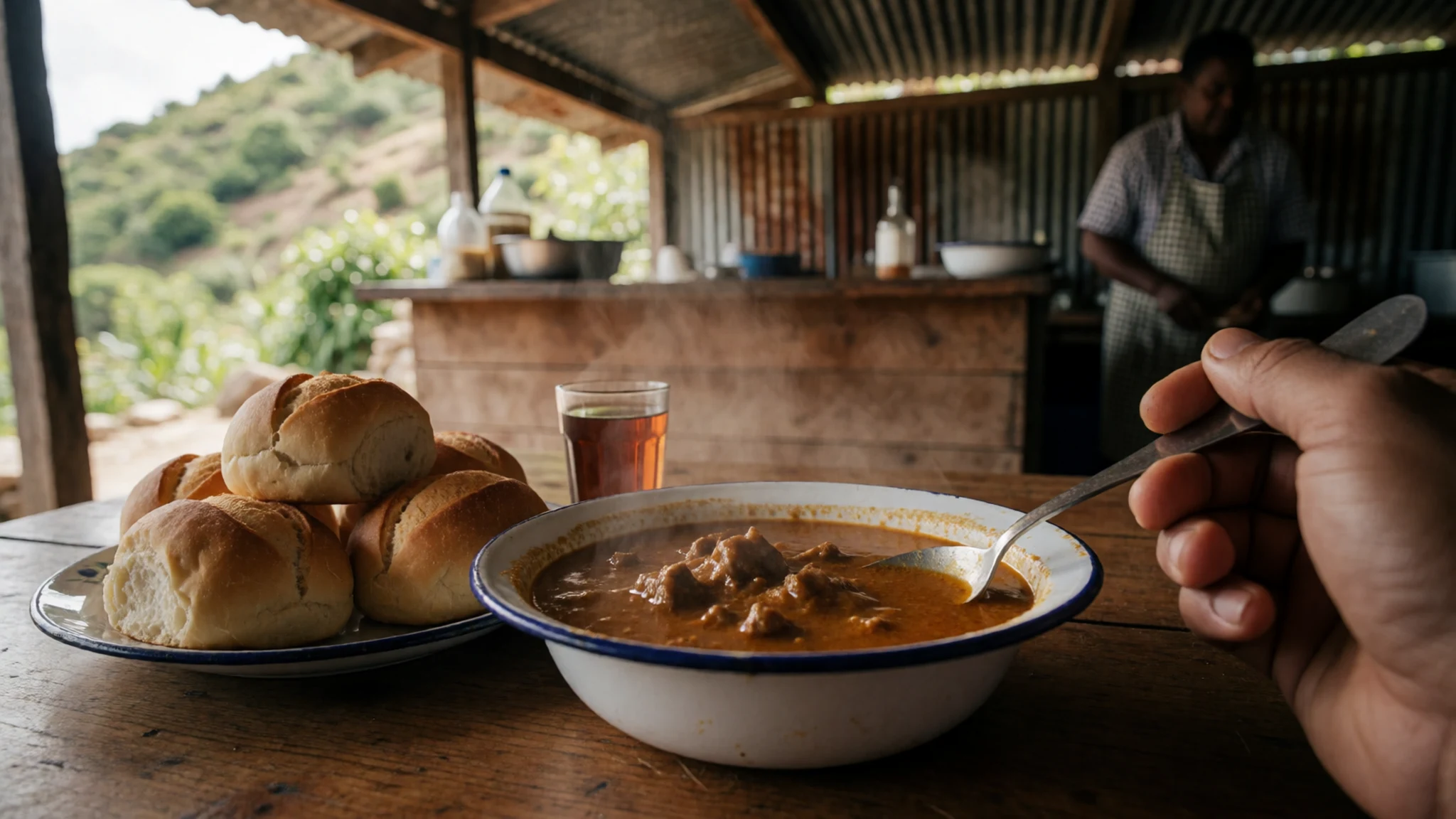
- Roti — Lunch counters and small eateries in the Salem and Brades area
Roti, a soft flatbread wrapped around curried filling, shows the Indian thread in Caribbean cooking and is a popular lunch. Fillings change with the day and the cook, so ask what is available and how hot it is.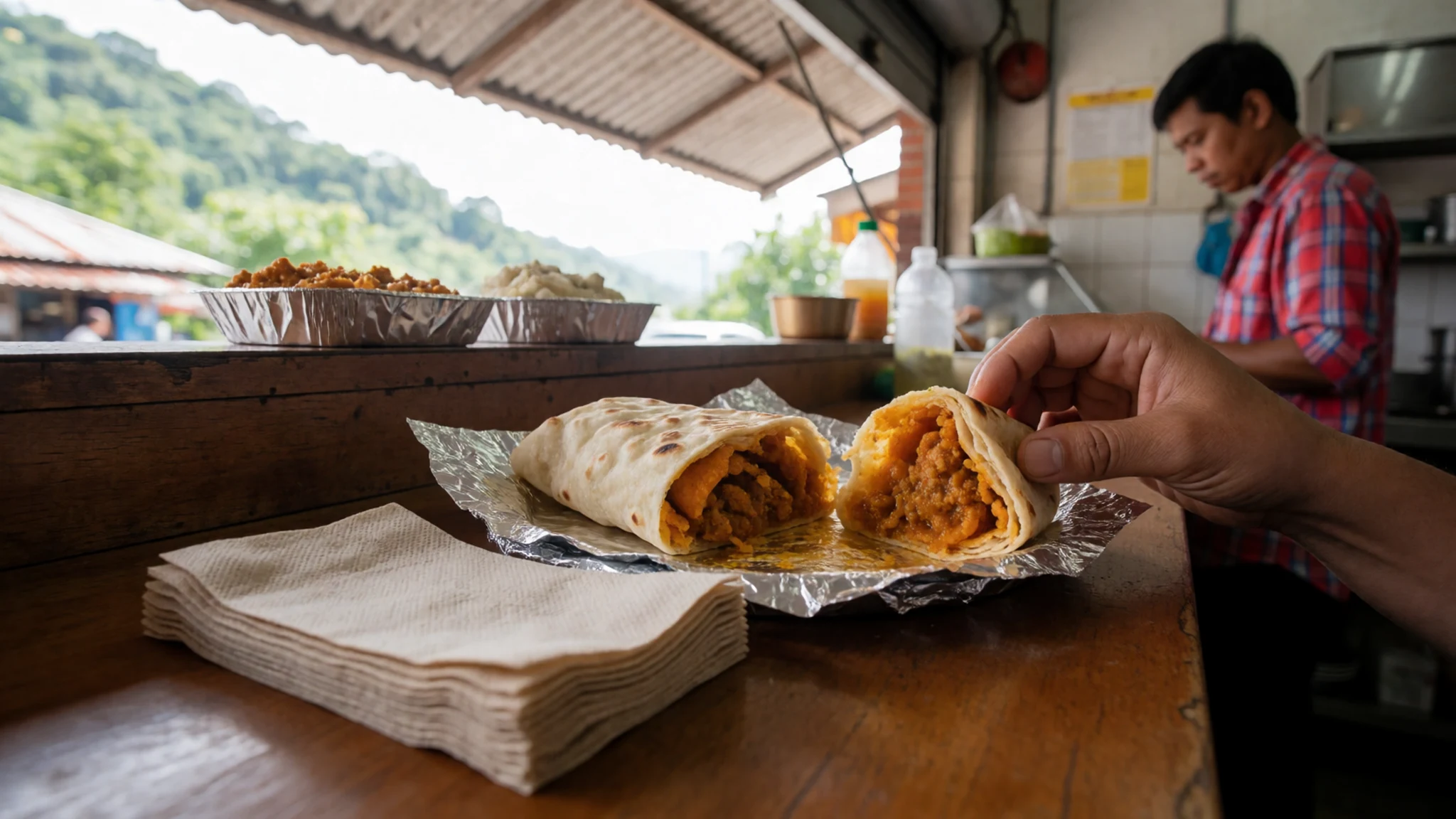
- Grilled fish and mahi-mahi — Beach bars and family-run restaurants around Little Bay
Fish and seafood are central to island meals, usually grilled or roasted with simple seasoning, often served with rice, vegetables or local provisions. Mahi-mahi appears regularly. Ask what was caught that day and choose the simplest preparation. - Rum-flavoured jerk shrimp — Restaurants and beach bars on the north-west coast
Jerk shrimp, sometimes flavoured with rum and warm spices, shows how British, Caribbean and other influences have mixed on the island's tables. It is usually quite spicy, so ask for the heat to be reduced if unsure. - Sunday barbecue and local baked bread — Beachfront bars, village bakeries and home kitchens
Sunday barbecues at beachside spots are a social occasion, with grilled meat and fish, salads and sides. Locally baked bread, soft or crusty, turns up at breakfast and with stews. Arrive hungry and early, as popular places can run out.
Plan it
Best time. December to April is the drier, slightly cooler and calmer part of the year, which makes it best for hiking, diving and clear volcano views. March adds the St Patrick's Festival, which is lively but books accommodation early. June to November is hotter and wetter and is Atlantic hurricane season, so check forecasts and travel insurance.
How long. 3–4
Getting there. Fly to Antigua, then take a short hop on a small plane or a ferry to Montserrat, with the last leg by taxi or hire car to your stay. Ferry and flight timetables change, so check the current schedule with the operators before booking. Entry needs a passport or accepted photo ID, an onward ticket, proof of accommodation and enough funds for the stay, and visa rules vary by nationality, so check before travel.
Budget. mid
Tips
- Book flights or ferries and places to stay early, as capacity is small and the festival week fills up
- Carry some cash, as not every small eatery or taxi takes cards
- Start hikes and volcano viewpoints early, before the heat and afternoon cloud
- Hire a local guide for the Centre Hills and ask the observatory about current zone rules
- Bring sun cream, insect repellent and a refillable water bottle
Etiquette
- Never enter the exclusion zone without authorisation, and follow all warning signs
- Greet people before asking for help or directions
- Ask before photographing people, and be sensitive about the eruption's losses
Nearby
Sources
- Wikidata Q13353 (CC0)
- Wikipedia: Montserrat (rev 1382247675) (CC BY-SA 4.0)
- Wikivoyage: Montserrat (rev 5411443) (CC BY-SA 4.0)
- David Stanley, From Garibaldi Hill (CC BY 2.5)
- Invertzoo, Little Bay from above, Montserrat (CC BY 3.0)
- United Kingdom Hydrographic Office, Admiralty Chart No 254, Montserrat, 1869 (Public domain)
- R.P. Hoblitt, Montserrat eruption (Public domain)
- Mike Schinkel, Plymouth City and Volcano (CC BY 2.5)
- P. Hughes, Panorama, Montserrat (CC BY-SA 4.0)
- David Stanley, Caribe Queen (CC BY 2.5)
- Aah-Yeah, Montserrat Island Sunset (CC BY 2.5)


