Monte San Giorgio
Monte San Giorgio, Switzerland
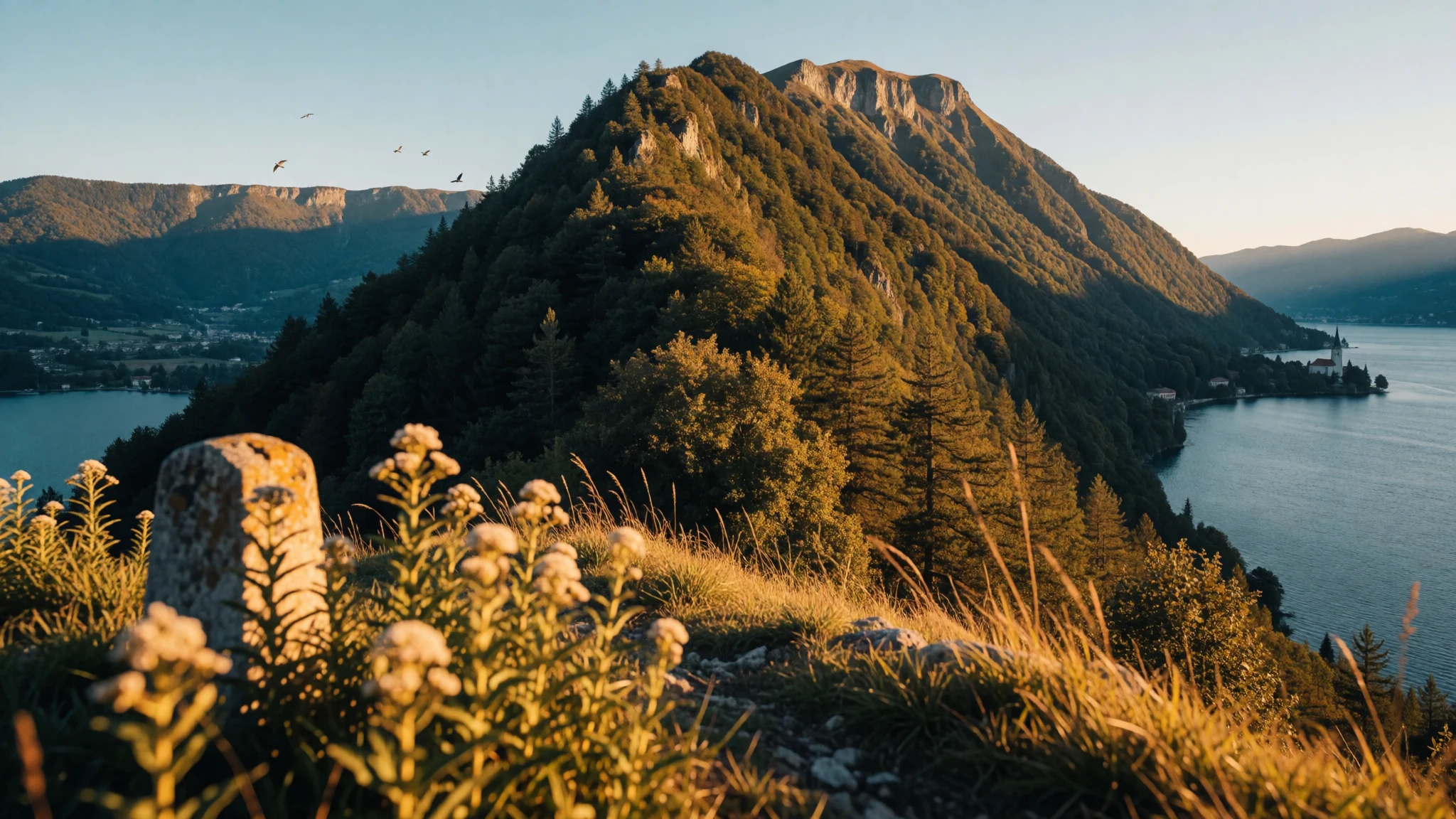
Monte San Giorgio mixes lakeside views with serious geology and marine fossils you can actually learn from on-site.
The place
Monte San Giorgio is a Swiss mountain in the Lugano Prealps, sitting close to the Switzerland–Italy border in the canton of Ticino. It rises to 1,097 m and looks characteristically wooded, with a shape that feels almost built by water and time: a steeper north side dropping towards Lake Lugano, and a gentler south slope stretching towards the Po Plain.
The part of the mountain on the eastern (Swiss) side—around the municipalities of Brusino Arsizio, Riva San Vitale and Meride—was listed as a UNESCO World Heritage Site in 2003, with an Italian extension added in 2010. The reason is not scenery alone. This mountain is well known for fossils from the Middle Triassic period, especially the record of marine life preserved in layers that geologists and palaeontologists treat like a reference library.
On the ground, it helps to think in layers. As you move across the mountain you encounter different rock ages: older volcanic basement material exposed on the steep north slope, then Triassic sediments and carbonates higher up, and later deposits nearer Meride and beyond. The protected areas focus on the most fossil-rich Middle Triassic layers to the north of Meride, while south of Meride the sequence changes.
In travel terms, Monte San Giorgio is best approached as a slow day out: viewpoints over Lake Lugano, short walks, and a museum stop that turns all that rock into stories about life from long before the Alps took their modern form.
Its story
Monte San Giorgio’s story starts long before the first visitors arrived with notebooks. The mountain's southern slope features Tremona-Castello. Layers of activity show up around the mountain too, including Roman and medieval traces, plus evidence that limestone quarrying mattered locally for centuries.
Fossils are the other big chapter. Mentions of fossil finds on Monte San Giorgio go back to the mid-19th century, when people began to point out what could be seen in the rocks. Research then broadened into papers dedicated specifically to the mountain’s fossil content. After that, small excavations by paleontological societies added detail, but the major push came with larger, systematic digs led by Bernhard Peyer and his associates. Their work expanded the number of known fossil sites and clarified which layers held what—knowledge that still shapes how scientists interpret the Triassic marine record today.
Economic history also left its mark through extraction. In the late 18th and early 19th centuries, mining attempts focused on bituminous shale linked to the search for furnace and lamp oil for Milan. Early efforts were short-lived, but interest increased when pharmaceutical properties were discovered. A processing plant for making an ichthyol-like ointment was built in the early 20th century, and exploitation continued for decades until operations wound down in the mid-20th century. Alongside the fossil record, this mix of scholarship, excavation and industry is why the mountain still feels like a working archive of deep time.
What to see
- Monte San Giorgio Fossil Museum — Meride
The fossil museum brings Monte San Giorgio’s Triassic marine life to life with collections and context. It’s the quickest way to understand why this mountain is protected: the rocks aren’t just pretty—they’re packed with meaningful evidence.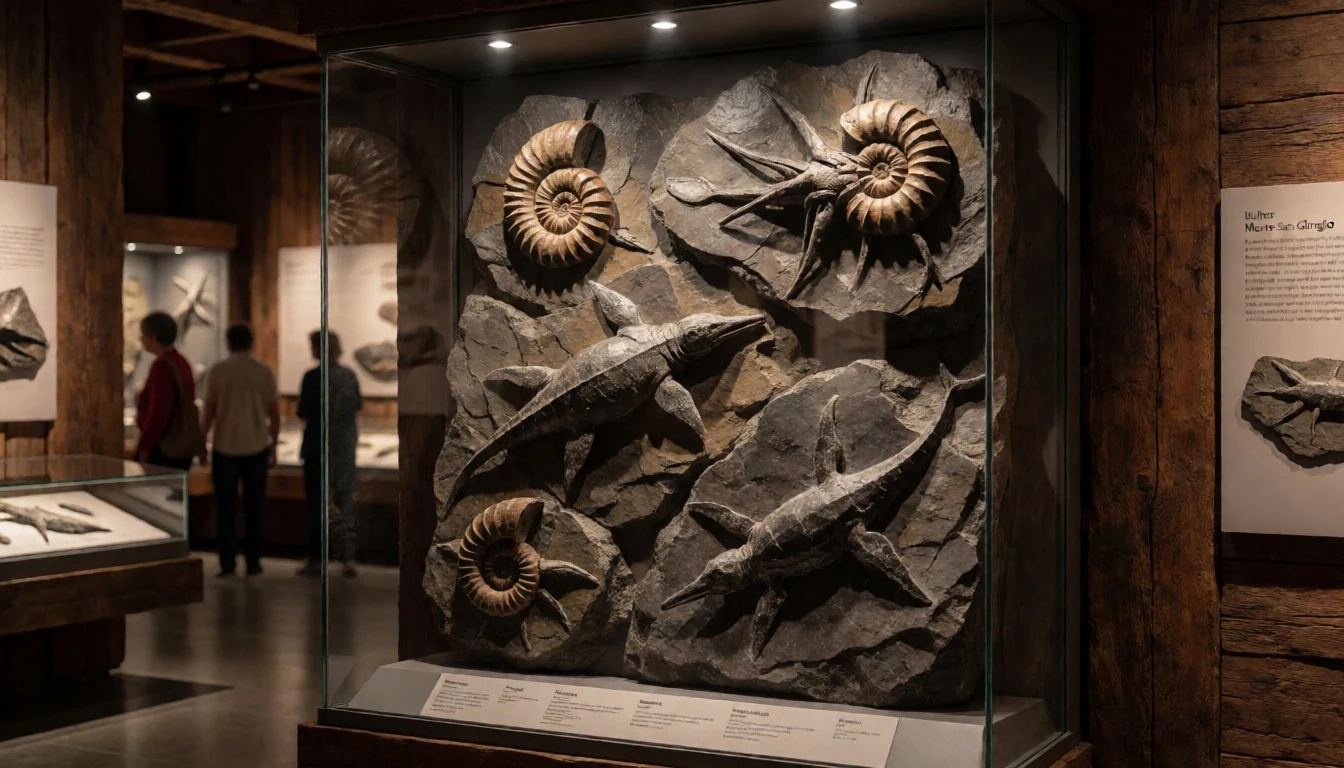
- Swiss-side UNESCO viewpoints — Brusino Arsizio to Meride
On the Swiss side, lookout points above the slopes frame Lake Lugano and the mountain’s wooded mass. These are useful for reading the landscape: steep north drop, gentler south spread, and how the protected zone sits along the eastern municipalities.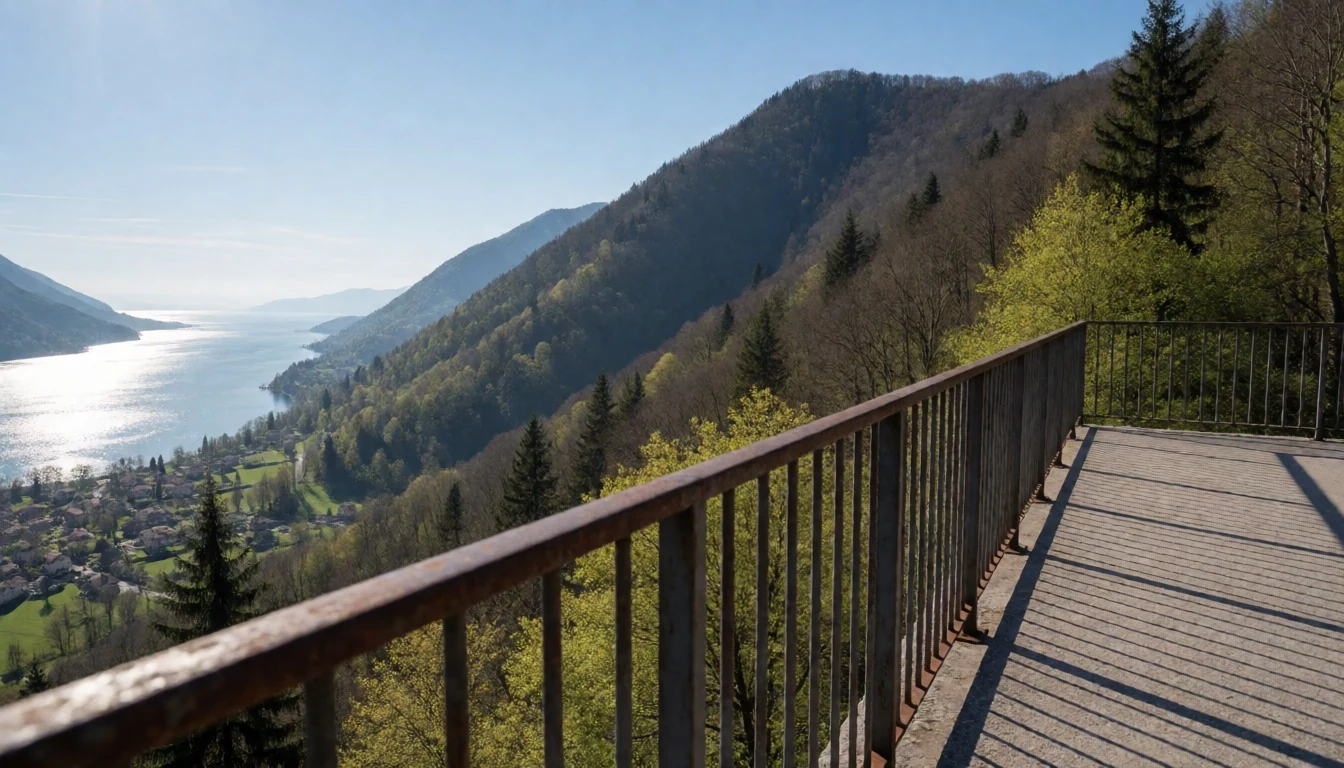
- Protected fossil layers around Meride — Meride (protected area)
Near Meride, the focus is on the Middle Triassic layers north of the town, the part of the mountain recognised for fossil significance. Walking routes help connect geology names to actual terrain—without needing a degree in stratigraphy.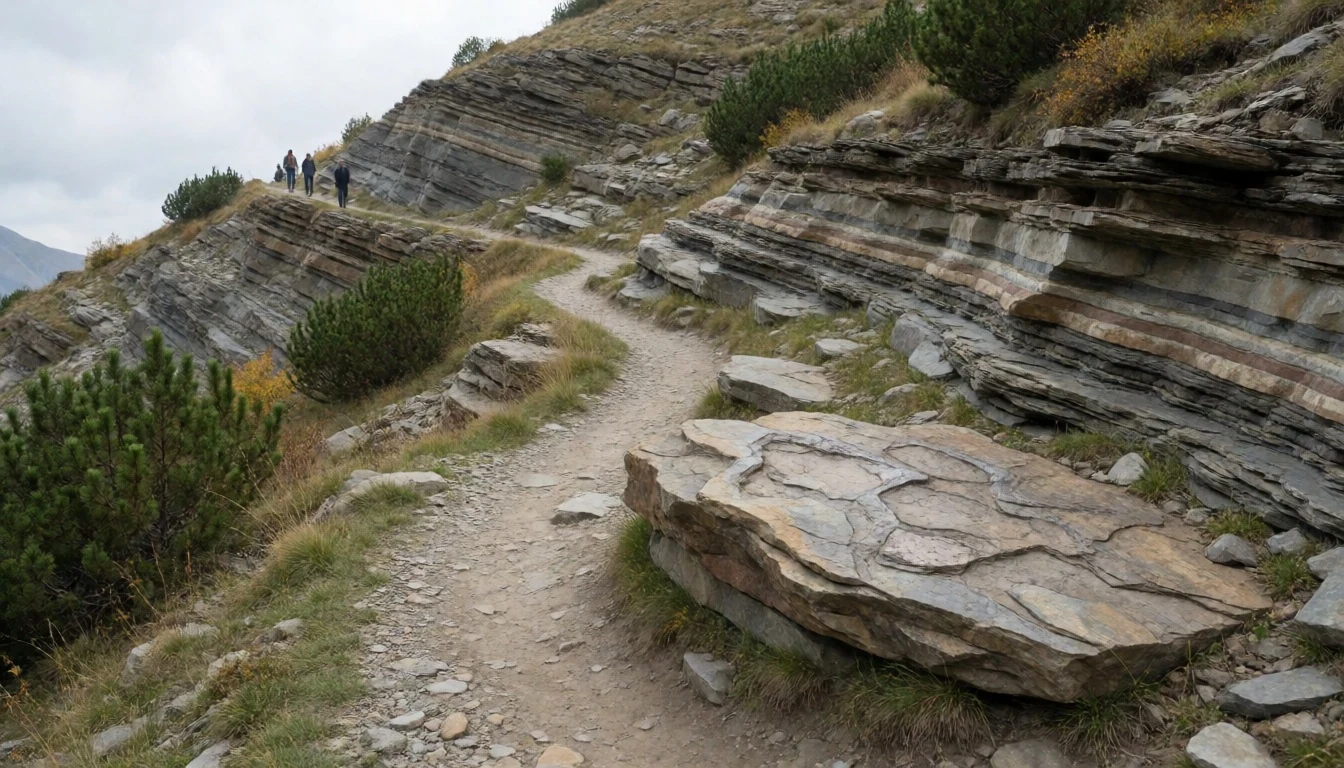
- Tremona-Castello Archaeological Park — South side (Tremona area)
Tremona-Castello sits on the south side as a fortress and settlement area with long occupation. The setting makes sense of the past: slopes suited to defending and working the landscape, from quarry activity to everyday craft life over many centuries.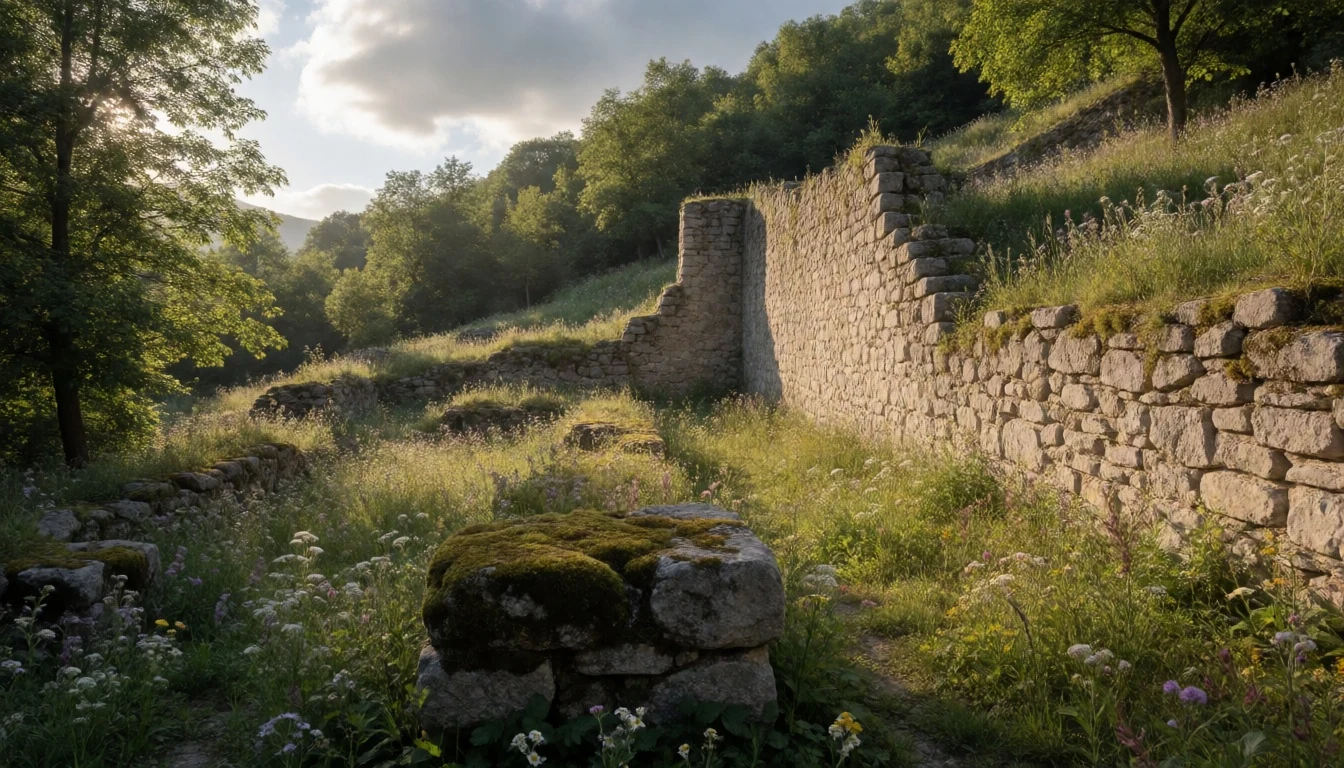
- Lake Lugano rim viewpoints from Brusino — Brusino Arsizio
Brusino Arsizio’s lake edges are a good match for a half-day, combining water views with the approach to the mountain. Expect photos, breezes, and the satisfying sense of being on the doorstep of a UNESCO site rather than staring at it from far away.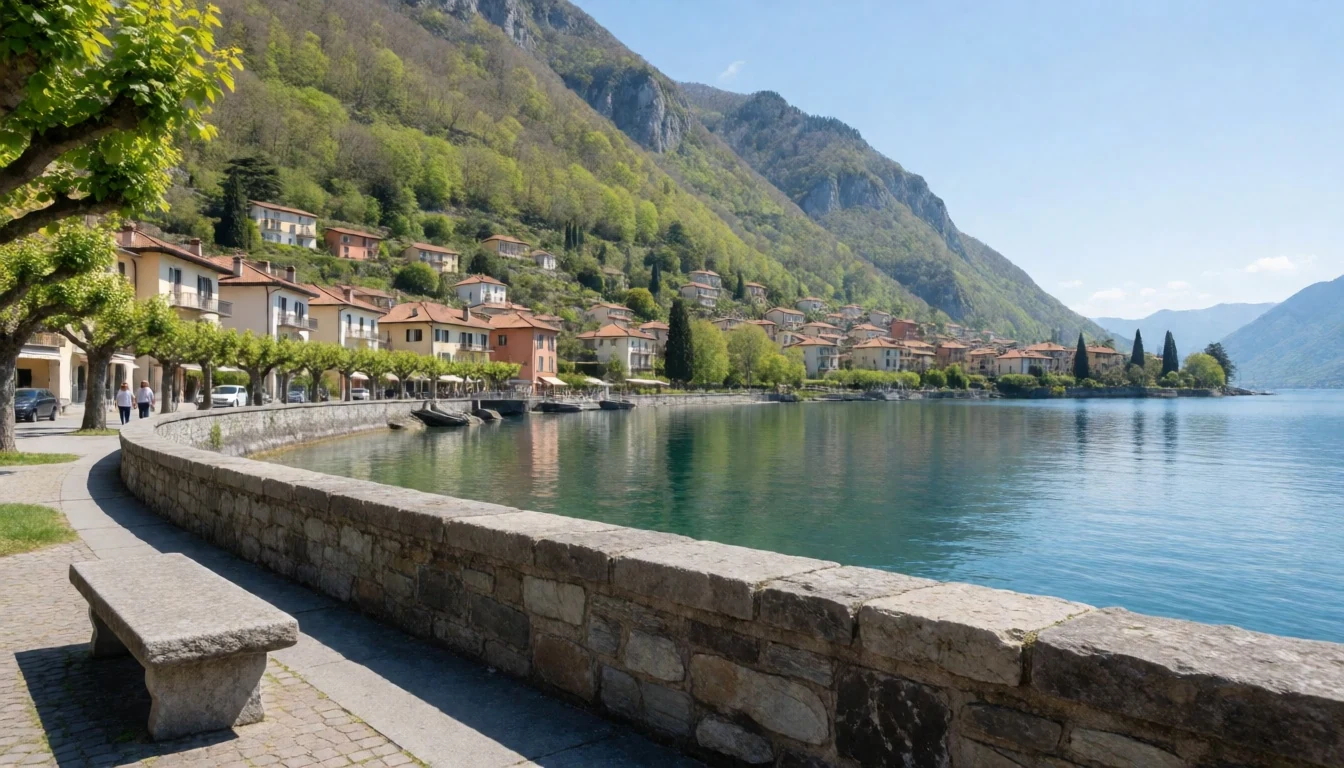
Culture
Monte San Giorgio sits in Ticino, an Italian-speaking corner of Switzerland, so the cultural rhythm feels Mediterranean even when the surroundings are Alpine. The mountain’s UNESCO story is built into the way locals talk about place: not as a single scenic peak, but as a landscape of layers—human occupation on the south side and scientific focus on fossil-rich strata around Meride.
In practice, visitors tend to move between three “modes”: calm lake strolling, short walks on the slopes, and museum time where the geology becomes concrete. Local food culture also leans towards classic Ticino comfort—polenta and local specialties—so it’s common to pair a walk with a relaxed meal rather than rushing from stop to stop.
When it comes to behaviour, the mountain isn’t asking for anything dramatic, but it does ask for care: stay on marked paths, because the value here is fragile rock and preserved layers. At archaeological areas, people are understandably protective of surfaces and edges, too.
Visitor etiquette: keep to marked trails, avoid climbing on exposed rock layers, and be quiet in archaeological and museum spaces.
What to wear
Monte San Giorgio is a mountain day that mixes wooded slopes with lake-level breezes, so clothing needs to cope with changes in temperature rather than just one “nice” forecast. Traditional dress in Ticino is rooted in the Italian-speaking cultural area, often seen in heritage contexts and community events—think of garments that are dressy, structured, and made to be worn with care.
What most visitors actually wear day-to-day is practical: breathable tops for the warmer hours, a light layer for mornings or evenings, and footwear with grip for uneven ground. In summer, the shade from trees helps, but sun and wind over Lake Lugano can still make conditions feel changeable.
For a visitor, the key is modest practicality. Covered legs and secure shoes help at archaeological areas and on hillside paths, and a small day bag for water and a jacket makes hikes more comfortable. If arriving in cooler months, warm layers matter because mornings and late-season air can feel crisp even when the sun is out.
What to eat
- Polenta with local accompaniments — Towns and restaurants across Ticino
Polenta shows up across Ticino, typically cooked with savoury toppings such as cheese, milk, or meat. Look for it at regional eateries and seasonal menus in towns around the lake and valleys connected to Monte San Giorgio.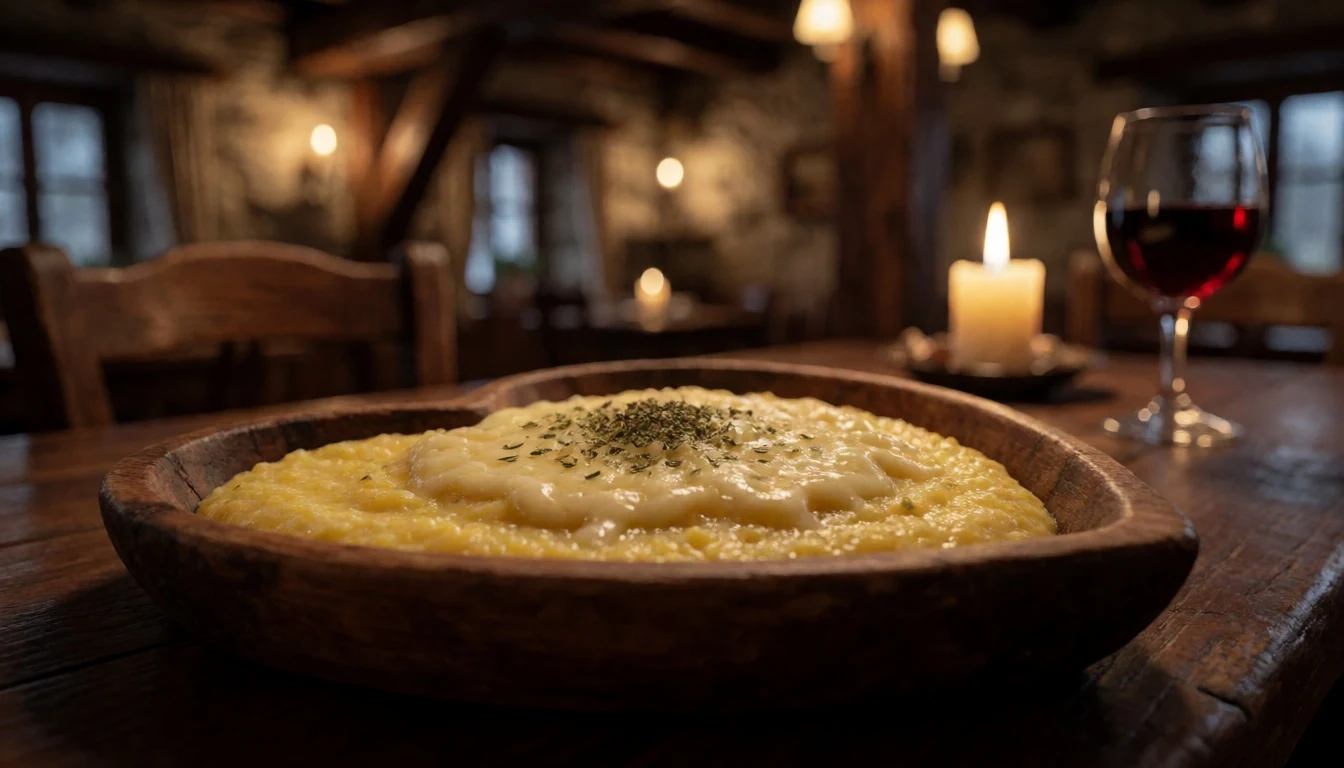
- Luganighe and luganighetta (local sausages) — Delis and local restaurants in Ticino
Ticino’s luganighe and luganighetta are common mountain-and-meal staples, often eaten alongside hearty sides like carnival risotto. For a taste, search for them in delis and local menu listings around Locarno and nearby towns.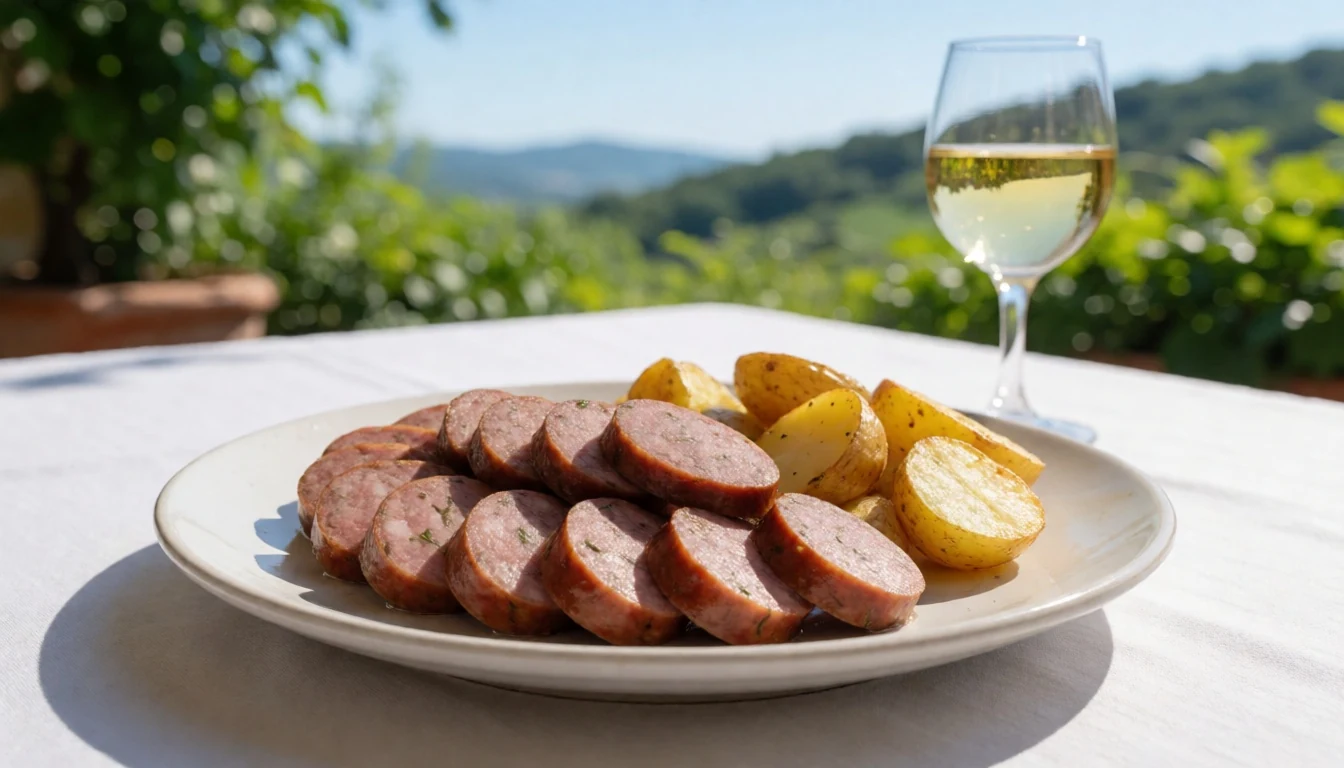
- Baked kid around Easter — Seasonal menus in Ticino
Baked kid is a regional specialty associated with Easter traditions. If visiting around that time, it’s worth looking for it on seasonal menus in Ticino towns that keep older festival recipes alive. - Game in autumn (salmì) — Autumn restaurants and grottoes in Ticino
In autumn, Ticino menus often lean into game dishes, including salmì-style preparations. The best way to find it is to watch for seasonal offerings at restaurants and grotto-style eateries serving local cuisine. - Panettone and amaretti — Bakeries and dessert counters in lake towns
Panettone and amaretti are classic regional sweet treats, with amaretti sometimes enjoyed with kirsch. They’re easy to track down through bakeries and dessert counters around the lake towns and market areas.
Plan it
Best time. March–April and October–November for comfortable hiking weather and clearer light; late autumn can feel crisp, and these months avoid the most intense summer conditions.
How long. 2–3
Getting there. Fly into Milan Malpensa Airport, then use the cross-border commuter rail links into Ticino; from there, continue by local trains and regional connections to the Meride/Brusino area. By train, services from the north pass through the Gotthard massif, improved with the Gotthard Base Tunnel.
Budget. mid
Tips
- Pair the fossil museum with a short walk so geology and landscape click together
- Plan around mornings for calmer conditions on lakeside paths and easier photo light
- Build a route that follows viewpoints plus one “anchored” area near Meride rather than trying to cover everything
- Bring cash for small purchases at local food places and markets (cards may not be everywhere)
- Pack a light layer: even in warmer months, shaded woodland can feel cooler
Etiquette
- Stay on marked trails, especially around protected fossil and archaeological areas
- Keep voices low near museum exhibits and at archaeological sites
- Respect any signage about sensitive ground—don’t step onto exposed rock layers
Nearby
Sources
- Wikidata Q16648 (CC0)
- Wikipedia (rev 1369546118) (CC BY-SA 4.0)
- Wikivoyage (rev 5420127) — Ticino (CC BY-SA 4.0)
- Photo photos/01-lago-di-lugano3.jpg (CC BY 3.0)
