Mont Mou
Mont Mou, France
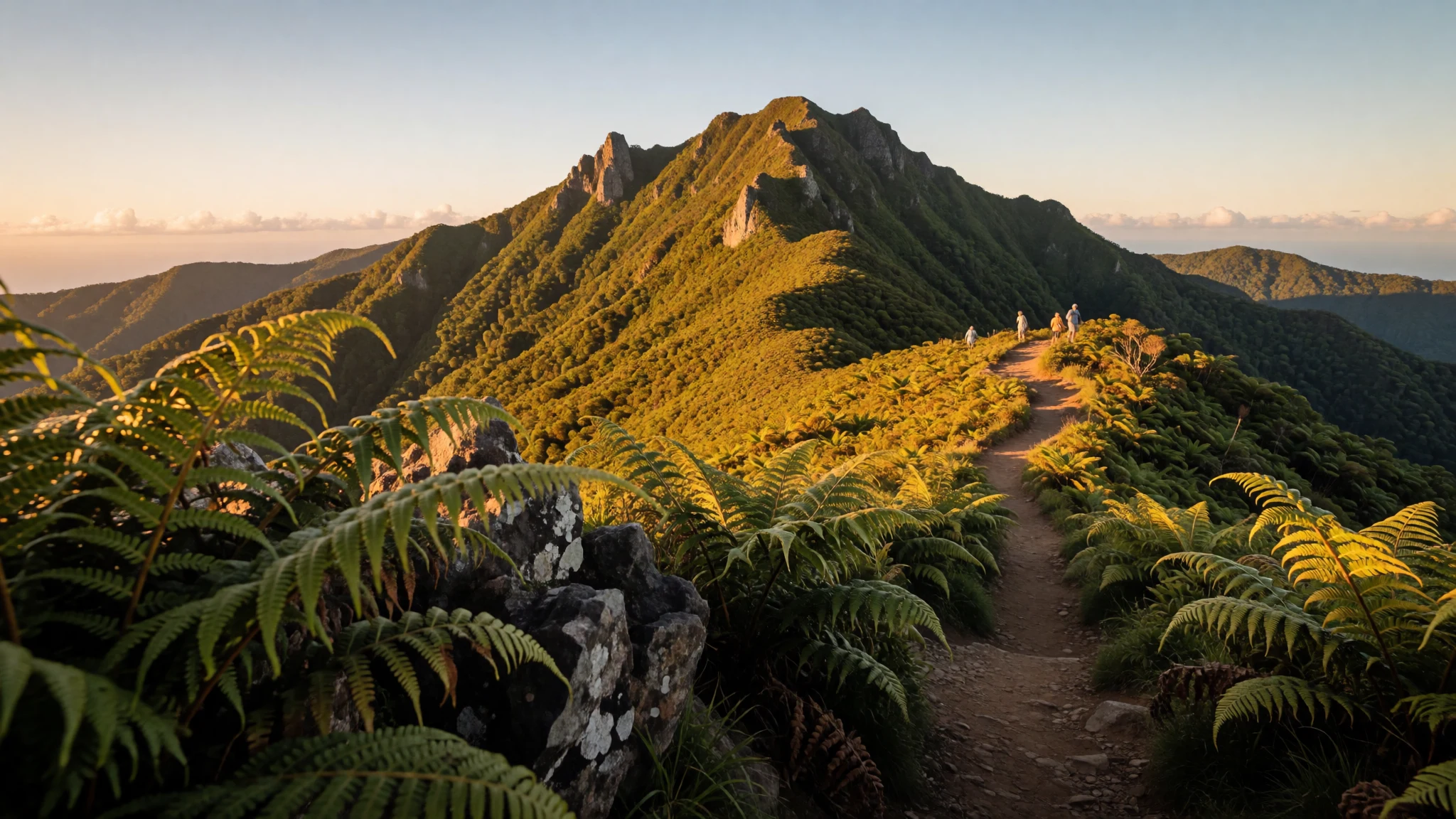
Mont Mou is for travellers who want a quieter mountain day in New Caledonia’s Pacific landscape, away from the resort bustle.
The place
Mont Mou is a mountain in New Caledonia (France), pinned at about 22° south on the island chain in the Pacific. It’s the sort of place that doesn’t need crowds or a famous postcard viewpoint to feel worthwhile: the main draw is the simple one—mountain air, green slopes, and time moving at walking pace.
New Caledonia has its own special status within the French Republic, with local laws and government that sit alongside national defence and foreign policy. On the ground, the population is a mix of several communities—Kanaks, people with European and North African ancestry, newcomers from metropolitan France (often called “zoreils”), and communities with Asian and Polynesian roots. That cultural blend shows up most in everyday life: languages you’ll hear around town, the pace of conversations, and how seriously people take respect and etiquette.
For a mountain stop like Mont Mou, the practical reality is that what you’ll actually do depends on routes, access, and conditions on the day—rather than a single “attraction” with a ticket desk. Expect a trip that rewards sensible planning: start early if you’re aiming for a good walk, bring water and sun protection, and build in time for rest in shaded patches. The best months for planning a visit align with New Caledonia’s more comfortable seasonal window: March–April and October–November, plus April and late spring/early autumn more generally.
Its story
Mont Mou sits in New Caledonia, a place whose history has shaped the way people live today. New Caledonia became a French possession in the mid-19th century, and it later served as a penal colony for decades. That long, difficult period is part of why the island’s landscapes feel layered—natural beauty over a past that involved disruption, resettlement, and changing power.
In the late 20th century, tensions between native Kanaks and French settlers flared, known as “Les Événements”. The political and social shifts that followed were formalised through the Matignon Accords, aimed at bringing autonomy and stability under French law. The island continues to debate its future through referendums held in later years, with a voting outcome that has so far favoured staying with France.
Why does this matter for a mountain like Mont Mou? Because it’s a reminder that travel here is more than scenery. A walk through the hills is also a walk through a place where identity, land, and community are deeply connected. Locals’ everyday habits—how greetings work, what clothing signals respect, how tribal lands are approached—flow from that reality. Even if Mont Mou is visited mostly for hiking and views, the wider context shapes the tone of the trip: quieter, more considerate, and attentive to the people sharing the island.
What to see
- Mountain trails and viewpoints — around Mont Mou
Spend time on the slopes around Mont Mou, stopping where the vegetation opens for broad sky views. The best moments tend to be short and calm: a pause, a look, then moving on before the heat gathers.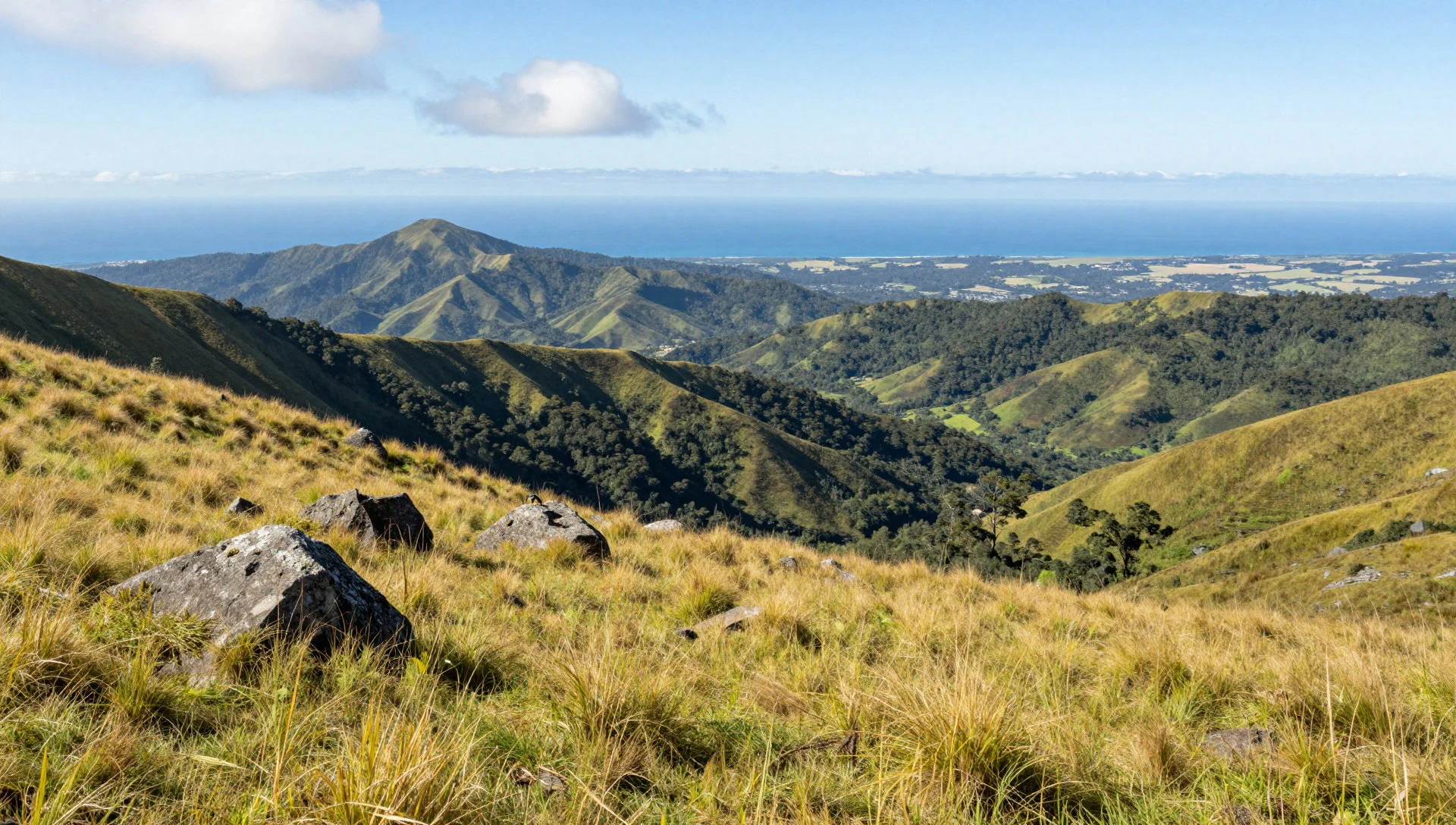
- Cool-start viewpoints — higher ground near Mont Mou
Start with an early walk on Mont Mou’s approaches so the light feels softer and the air less tiring. Pick a spot with a clear view, take a slow break, then continue once the surrounding shade thins.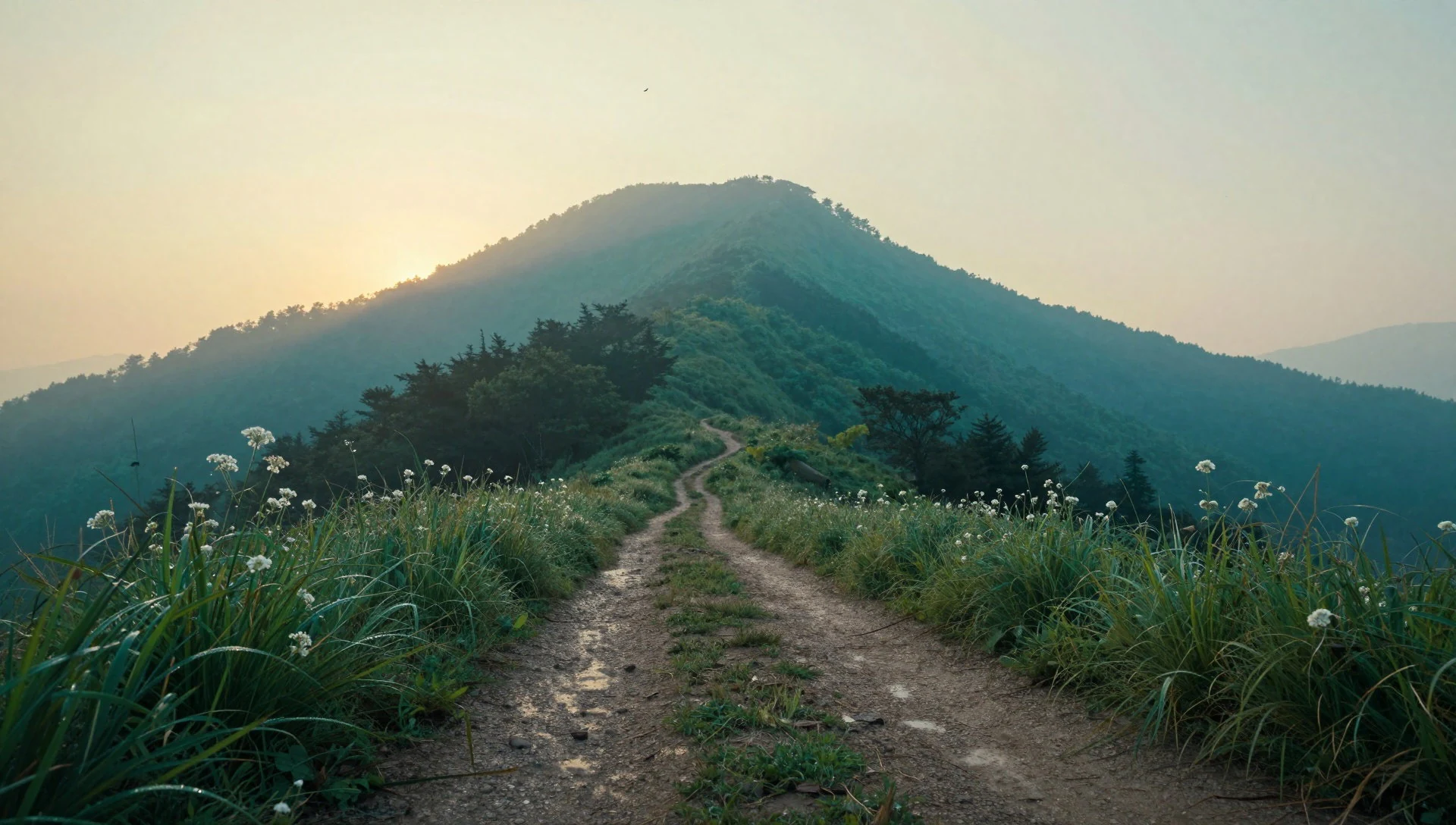
- Hiking routes around Mont Mou — trail network near Mont Mou
Choose a route that matches the time you’ve got—loops and point-to-point walks both work if the track is clear. Keep an eye on signage and avoid shortcuts; mountain paths are rarely forgiving.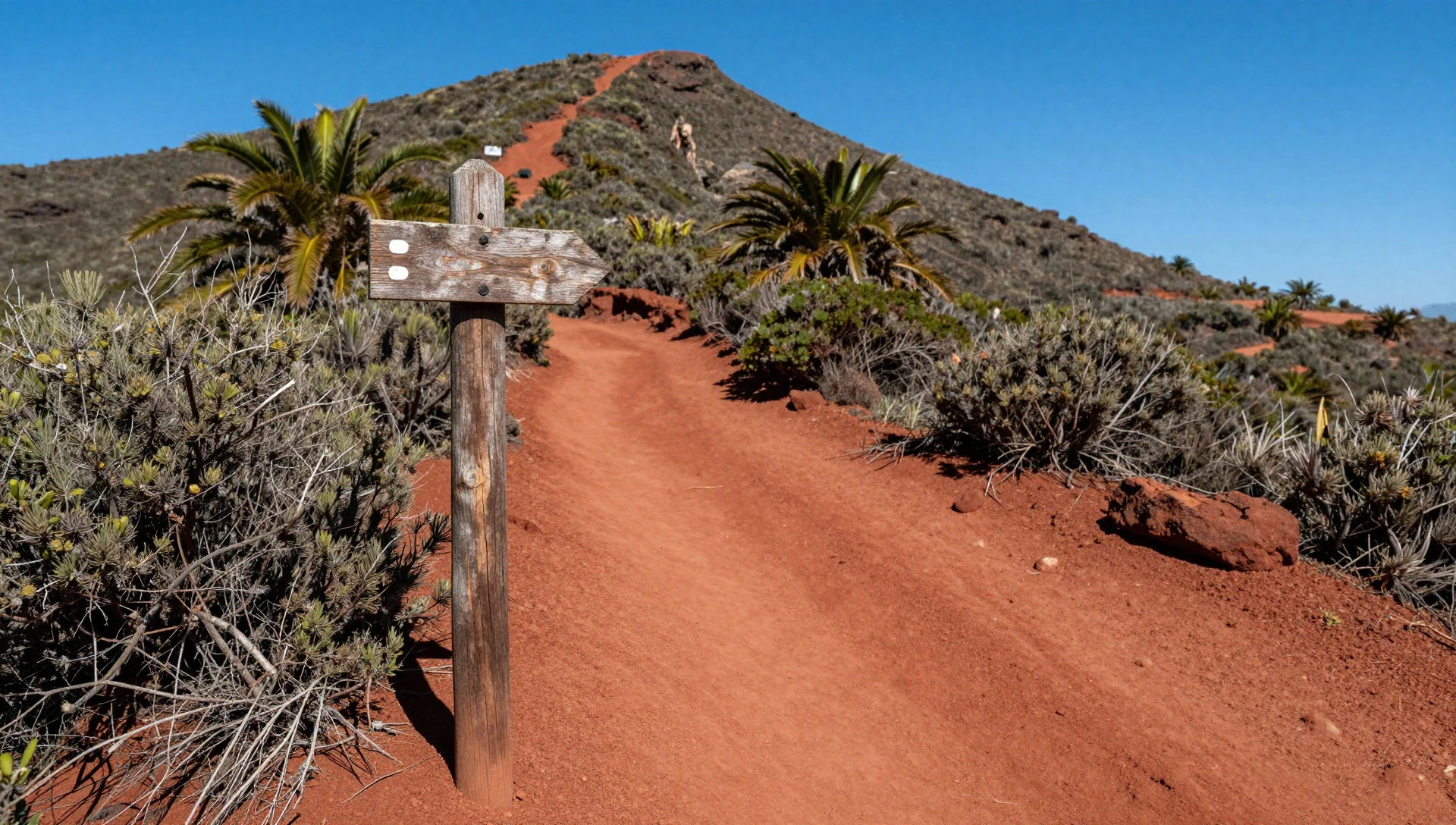
- Nature time in the shade — shaded slopes near Mont Mou
Use the island’s greenery as your guide: when the sun sits high, sit under cover and take in birdsong and leaf movement. Small pauses here make the walk feel longer without adding extra distance.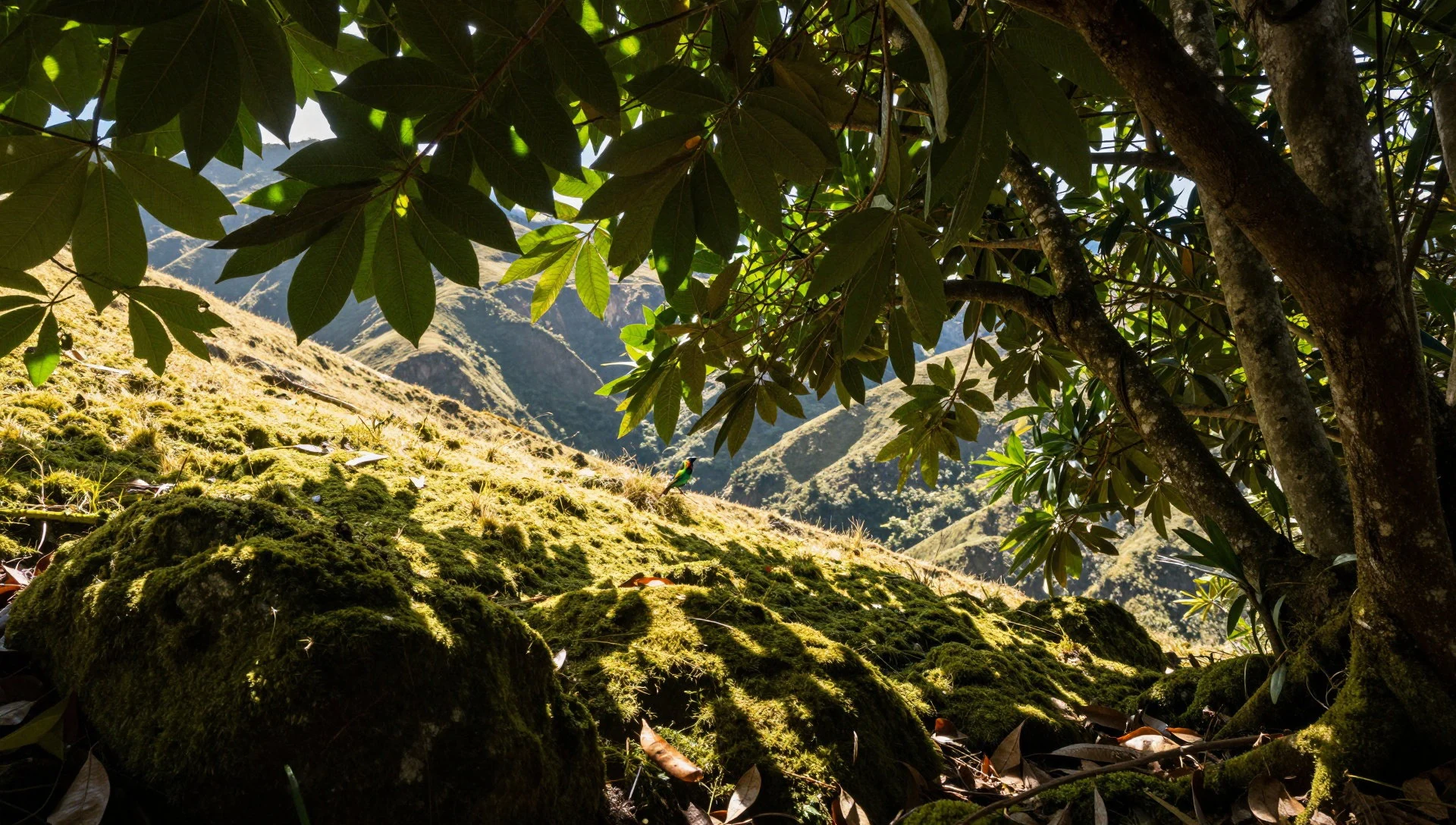
- Water-and-rest pacing — along the ascent/descent routes
On Mont Mou, pace matters. Plan for regular water stops, especially during warmer parts of the day, and build in a longer rest at any sheltered spot you find so fatigue doesn’t creep up late.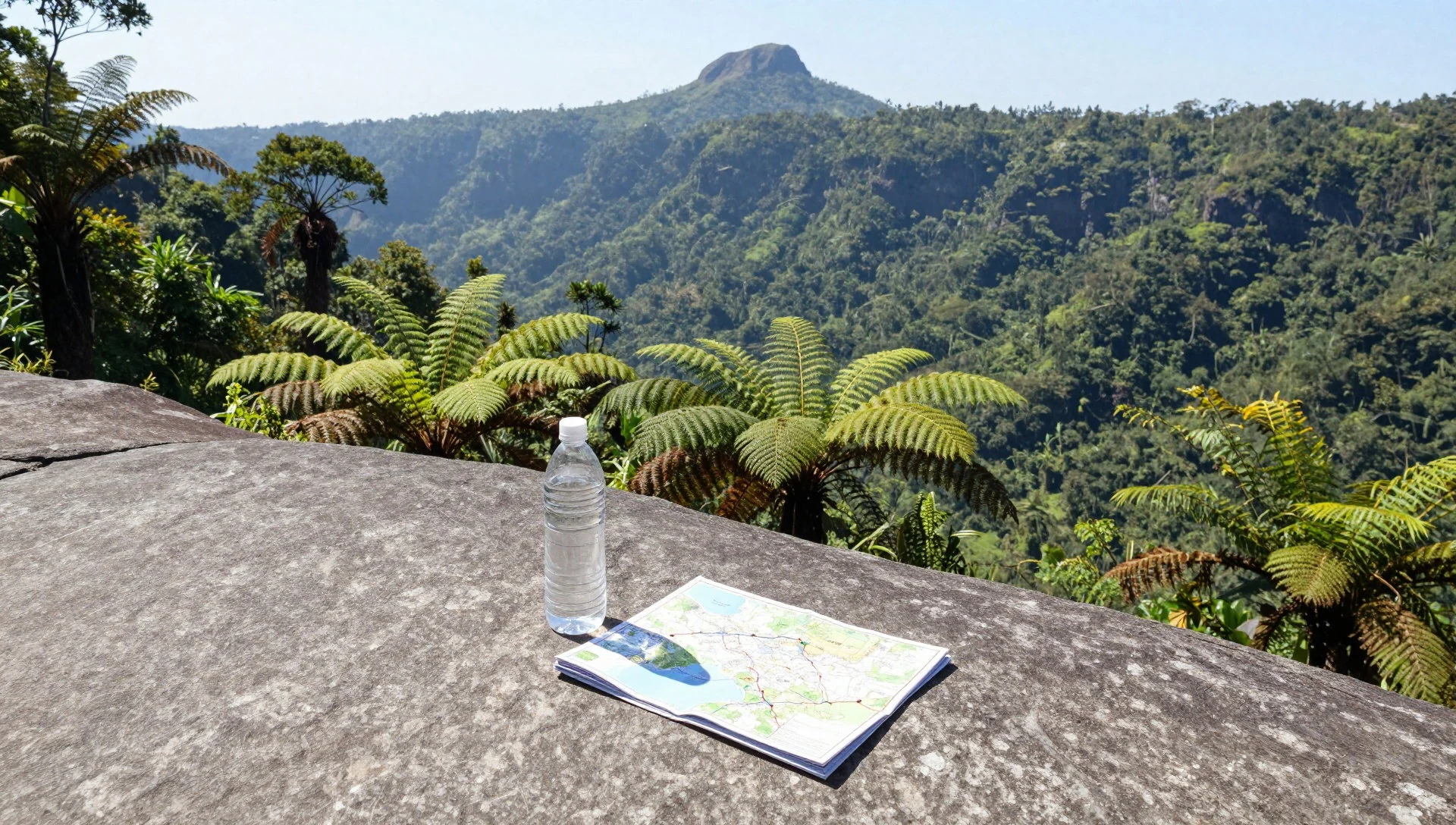
Culture
New Caledonia’s culture blends Pacific island traditions with a conservative Christian lifestyle influenced by Roman Catholicism. One clear day-to-day pattern is that Sundays typically bring closures for many shops and businesses, with many people at church.
In conversation, greetings matter. When approaching people, begin with “bonjour” in the day or “bonsoir” at night, and return the greeting—skipping it is seen as very rude. When talking face-to-face, keep a respectful distance roughly comparable to a handshake; leaning in too closely can make people uncomfortable.
Outside of tourist beaches, dress tends to be conservative, and revealing clothing can come across as disrespectful. If visiting tribal lands, follow la coutume—local tradition—because rules of access and behaviour are not just formalities.
Visitor etiquette: Start with a “bonjour/bonsoir”, keep a handshake-distance, and dress conservatively—especially away from the beaches—so your presence feels respectful.
What to wear
New Caledonia’s everyday style often reflects conservative norms shaped by its Christian majority. In towns and especially away from the tourist beaches, clothing that covers more of the body is a safer bet, and it’s worth avoiding anything that feels too revealing.
For a mountain outing like Mont Mou, practicality is the baseline: light layers that breathe for humidity, plus something that blocks sun. Wear footwear with grip for uneven paths and carry a hat. If rain or mist rolls in, quick-dry layers help you stay comfortable rather than cold.
Traditional dress isn’t something visitors can “wear” on demand, but you’ll often see it at cultural events and ceremonies. That traditional clothing is closely tied to local identity and craftsmanship, and it’s best respected as something worn by community members for specific occasions rather than treated like a costume. If you encounter a cultural setting, let your clothing support visibility of respect—simple, modest, and comfortable—so you’re not distracting from the occasion itself.
What to eat
- Bougna — traditional settings on the islands (often shared within communities)
Bougna is a traditional Melanesian meal cooked with meat, pork, chicken or crab, plus roots like yams and sweet potatoes. It’s wrapped in banana leaves and cooked beneath hot rocks in a fire.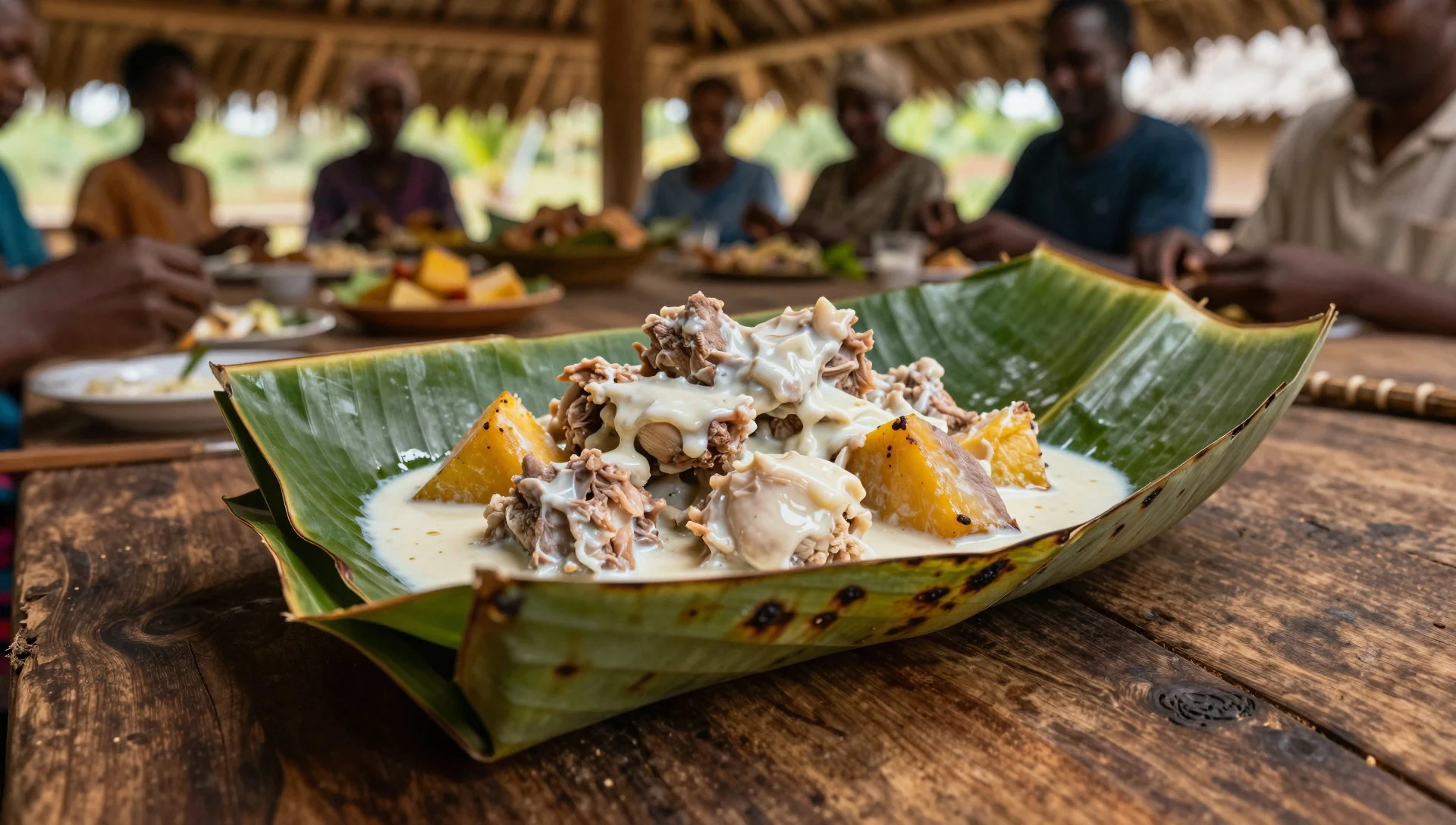
- Coconut crab — island eateries and places serving local specialities
Coconut crab is a local seafood treat, known for its distinctive taste and texture. If it’s on a menu, it’s usually treated as a special local dish rather than a standard everyday option.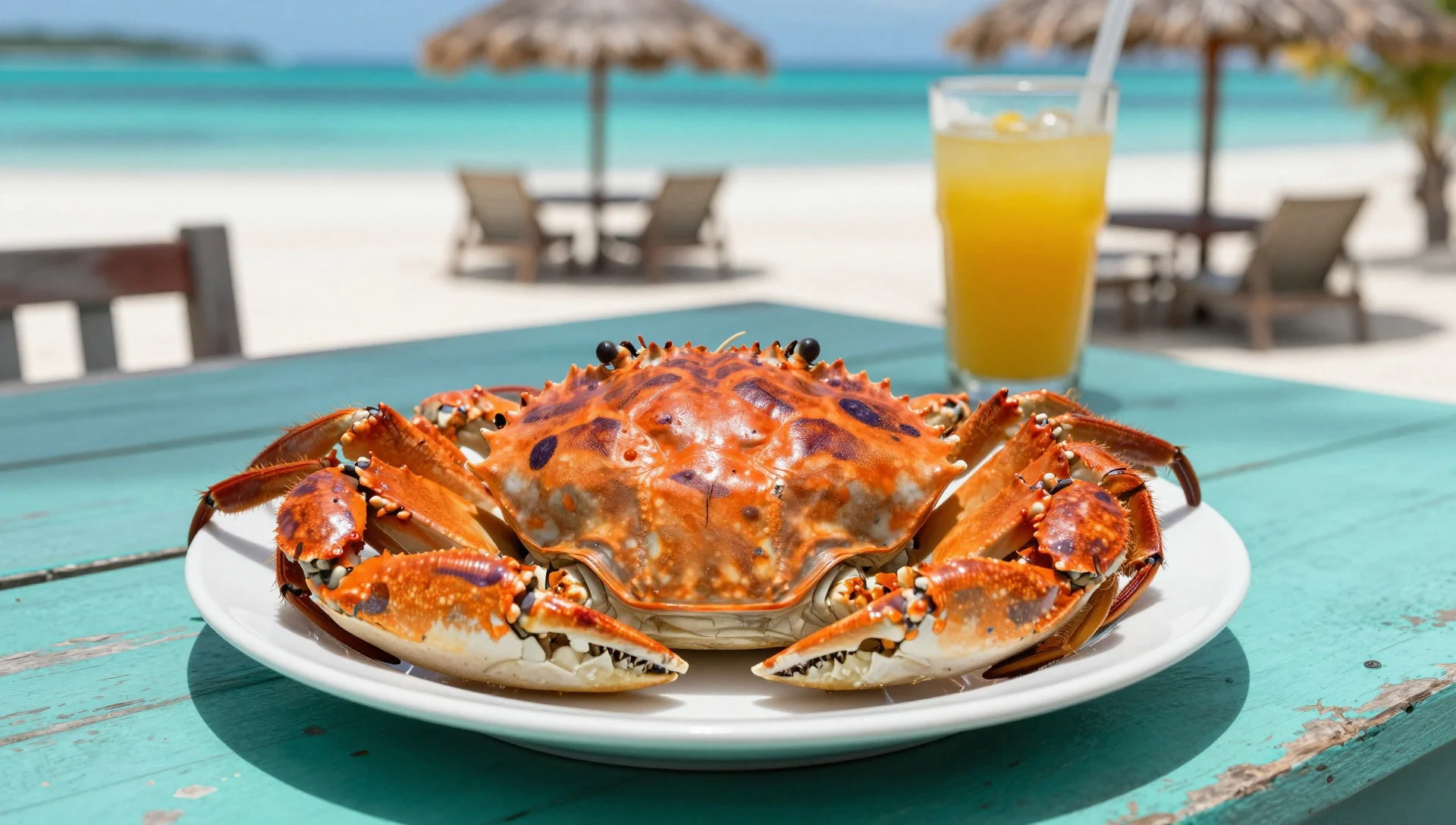
- Croque madame — budget restaurants (snack-focused places) in town
Croque madame is a hot sandwich-style snack commonly mentioned as a budget-friendly option. You’ll see it served with ham and cheese, often with an egg on top, in simpler eatery menus. - Porc au sucre with rice or in a baguette — snack/budget eateries and quick-service meals
Porc au sucre is a sweet soy-based pork dish served with rice or tucked into a half baguette. It’s an Asian-influenced favourite that shows up on limited, cheaper menus. - Crêperies and boulangeries snacks — bakeries and crêperies around Nouméa and tourist areas
For quick, cheaper eating on the go, local bakeries (boulangeries) and crêperies are handy. They fit well into travel days when you want something simple without booking a sit-down meal.
Plan it
Best time. March–April and October–November are good picks for a mountain visit, aligning with New Caledonia’s comfortable seasonal windows. Plan around heat and daylight so you can hike earlier and rest in shade.
How long. 2–3
Getting there. Fly into Nouméa (Nouméa is the main hub for New Caledonia), then use local transport to reach the general Mont Mou area and start your hike from the nearest practical trailhead.
Budget. mid
Tips
- Start early for the better light and a cooler pace on mountain slopes
- Bring plenty of water and stop often—mountain fatigue sneaks up
- If you’re hiking beyond easy walking routes, check access and any local guidance before setting off
- Pack sun protection and lightweight layers; shade breaks make a big difference
- Follow local rules if your route approaches tribal lands
Etiquette
- Begin interactions with “bonjour” (day) or “bonsoir” (night) and return greetings
- Keep a respectful handshake-distance when talking with people
- Dress conservatively away from tourist beaches
Nearby
Sources
- Wikidata Q31789468 (CC0)
- Wikivoyage — New Caledonia (rev 5399121) (CC BY-SA 4.0)
- Wikipedia (CC BY-SA 4.0)