Miramare Castle
Miramare Castle, Italy
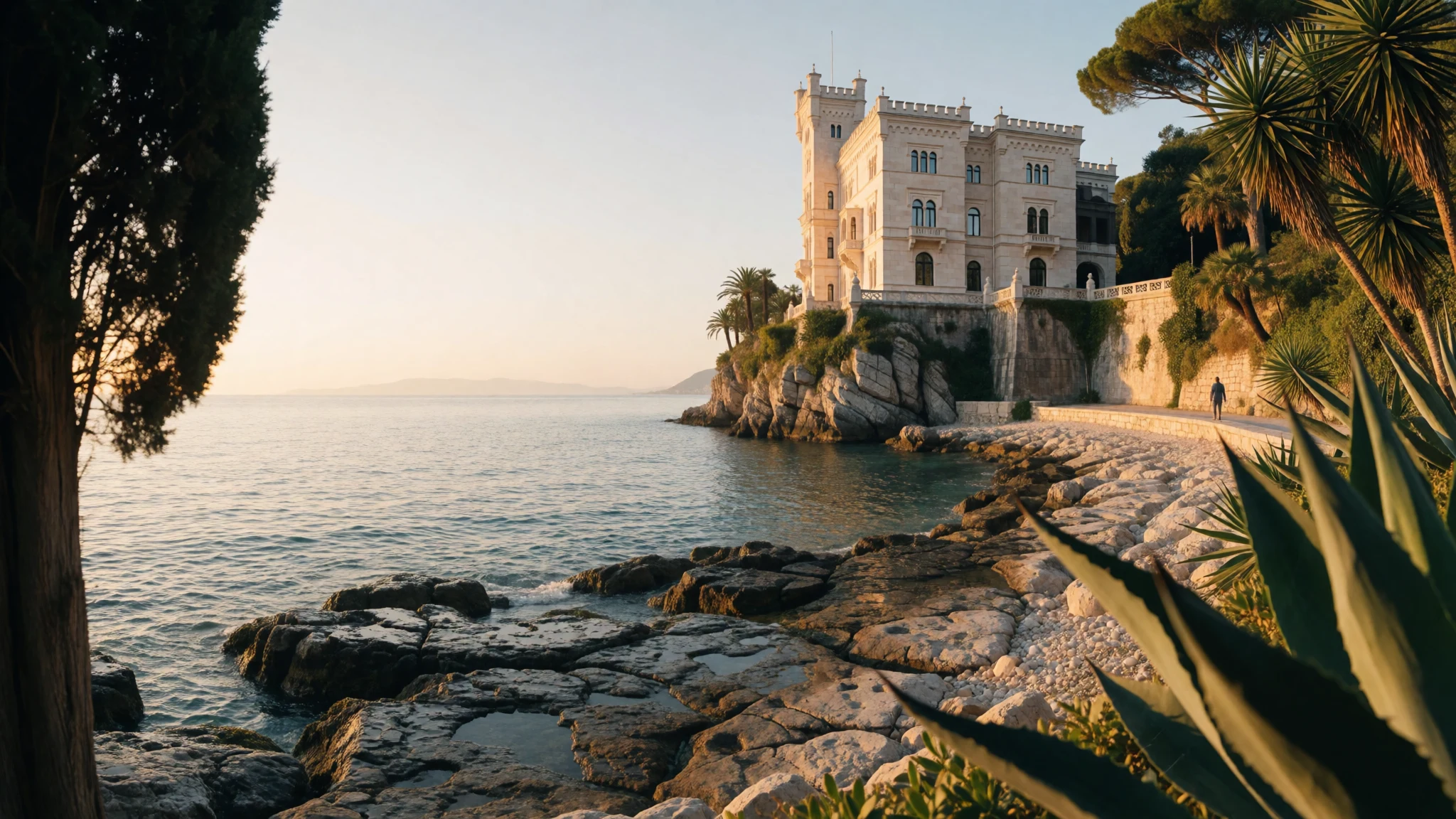
Miramare Castle is a white Habsburg-era house on a rocky spur above the Gulf of Trieste, with a sea-edge park to wander.
The place
Miramare Castle stands right at the water's edge on the northern shore of the Gulf of Trieste, on a small rocky point between the districts of Barcola and Grignano. From the coast road, or from a boat passing offshore, it looks like a pale, turreted house sitting almost on the waves, with dark trees climbing the slope behind it. It is run as a regional museum, and its rooms are kept as a record of how a Habsburg prince chose to live beside the sea.
The castle dates from 1860, so by European standards it is young: a romantic nineteenth-century design that borrows from several medieval and later styles rather than copying one. Around it lies a park of 22 hectares across cliff and shoreline, replanted with trees and shrubs from warmer climates. A walk here feels closer to a botanical garden than to a castle forecourt, and the paths give changing views back to the white walls.
Trieste, home to about 200,000 people, is the capital of the region of Friuli Venezia Giulia. It sits where Italian, Central European and Balkan worlds meet, and that mixture shows even in the castle's name: Castello di Miramare in Italian, Grad Miramar in Slovene, Schloss Miramar in German.
Most visitors give Miramare half a day, often combined with a swim or a shoreline walk. It gets crowded on summer weekends and the point is exposed to sun, so mornings are easier. In winter the bora, a strong cold wind off the hills, can make the shore feel much harsher than the sunny photographs suggest.
Its story
Miramare Castle owes its existence to Ferdinand Maximilian, a Habsburg archduke and the younger brother of the Austrian emperor Franz Joseph. A naval man who rose to command the imperial fleet, he made Trieste, the empire's main seaport, his base. He wanted a house looking out over the sea, set in grounds that suited a prince.
Local tradition supplies a tale for the choice of site. Caught by a storm in the gulf, he is said to have sheltered in the little harbour at Grignano and decided that a bare limestone point nearby would do for a home. Whether or not the weather really chose the spot, the land was bought in 1856, and the Austrian architect Carl Junker drew up the design in that same year. The building was finished by 1860.
Its look reflects what the archduke had seen in Austria, Germany and England rather than a single tradition. The interiors went to a Trieste craftsman, Franz Hofmann, and his son Julius, who were willing to adapt their work to the prince's frequent suggestions. The name Miramar may echo a residence at Pena in Portugal linked to a relative, though that origin is only a guess.
Maximilian and his wife, Charlotte of Belgium, later left their sea-view home when he accepted the crown of Mexico. His reign there ended badly, and his life ended in 1867. A painting by Cesare Dell'Acqua shows the offer of that crown, and it hints at why Miramare feels less like a finished family home and more like the first chapter of an interrupted story.
What to see
- The castle rooms — Miramare Castle
The furnished rooms of Miramare Castle hold woodwork and furnishings made by the Hofmann workshop of Trieste to the archduke's wishes. Expect dark panelling, heavy fabrics and a sea-minded owner's taste. Rooms are seen along a set route. Check the official museum site for opening days and ticketing before setting out.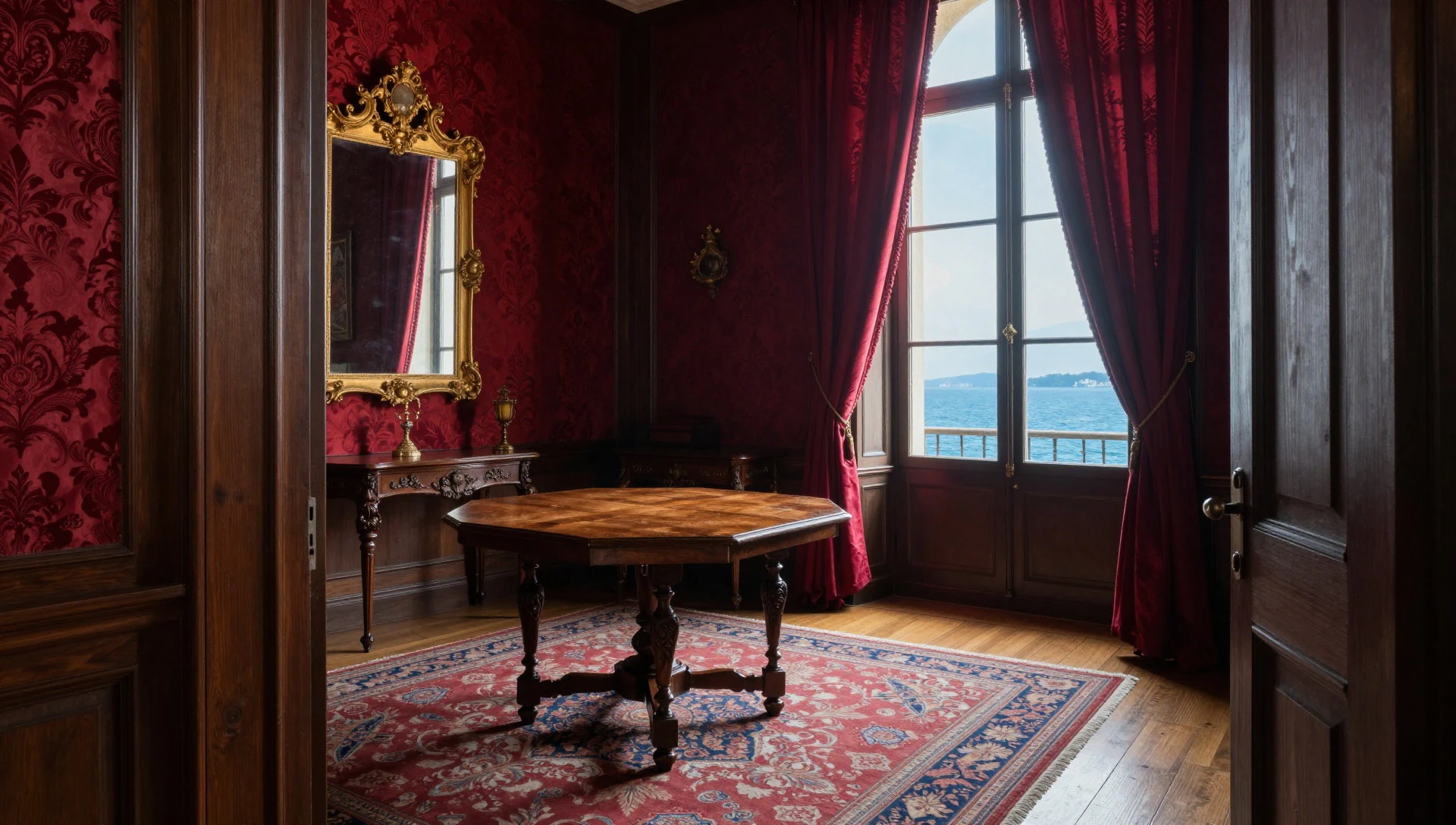
- The seaside park — Miramare Castle grounds
The park around Miramare Castle was laid out on cliff and shore and planted with species from warmer parts of the world. Paths wind between mature trees and open to sudden views of the water and the white walls. It suits an unhurried loop, and walkers benefit from a hat in summer.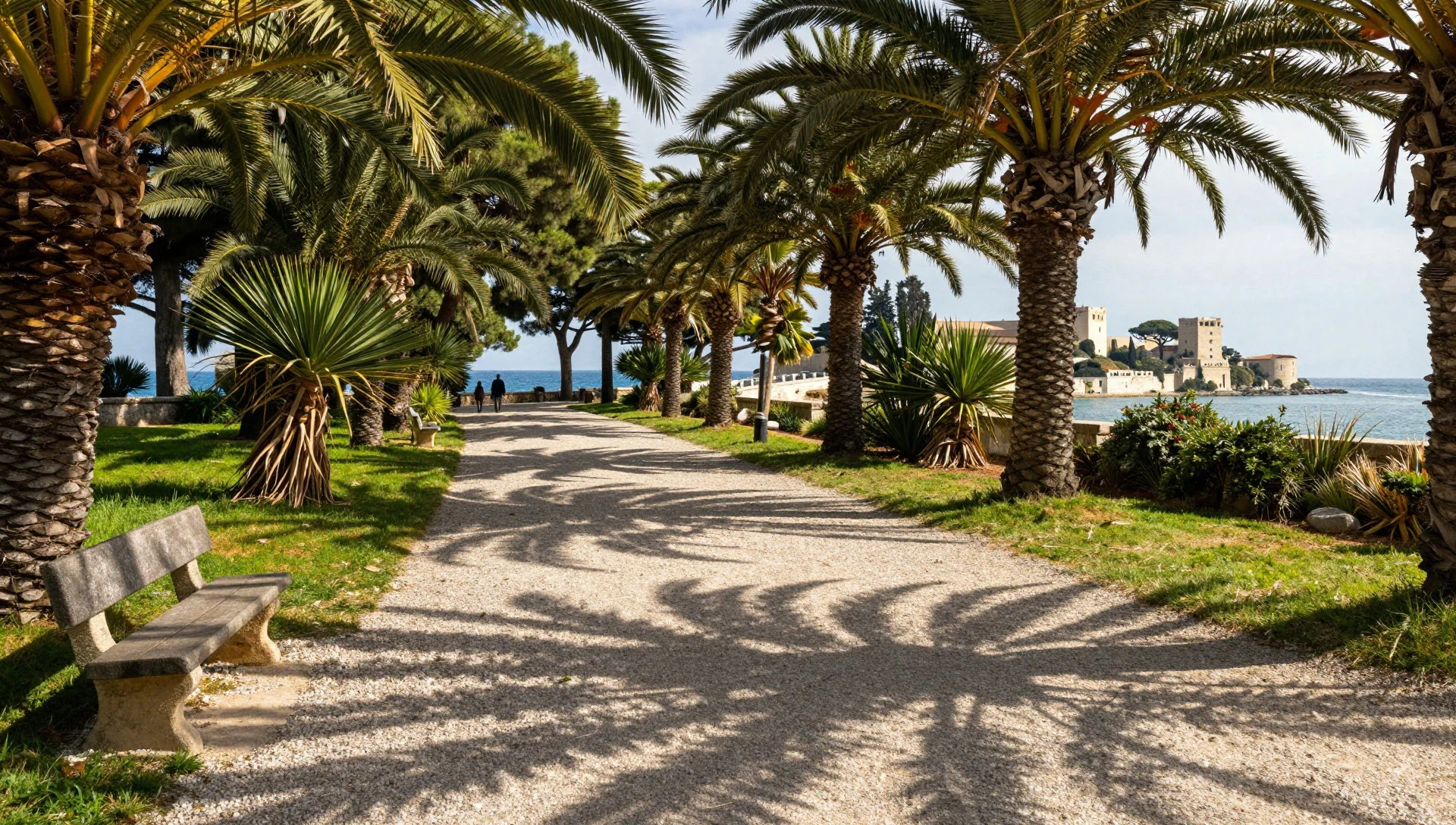
- The castle from the shore — Coast below Miramare Castle
Seen from the rocks and shoreline path near Miramare Castle, the building appears to rise straight out of the sea, which is the view the archduke designed for. Late afternoon light warms the stone and photographs well. Keep to marked paths, since wet rock near the water can be slippery.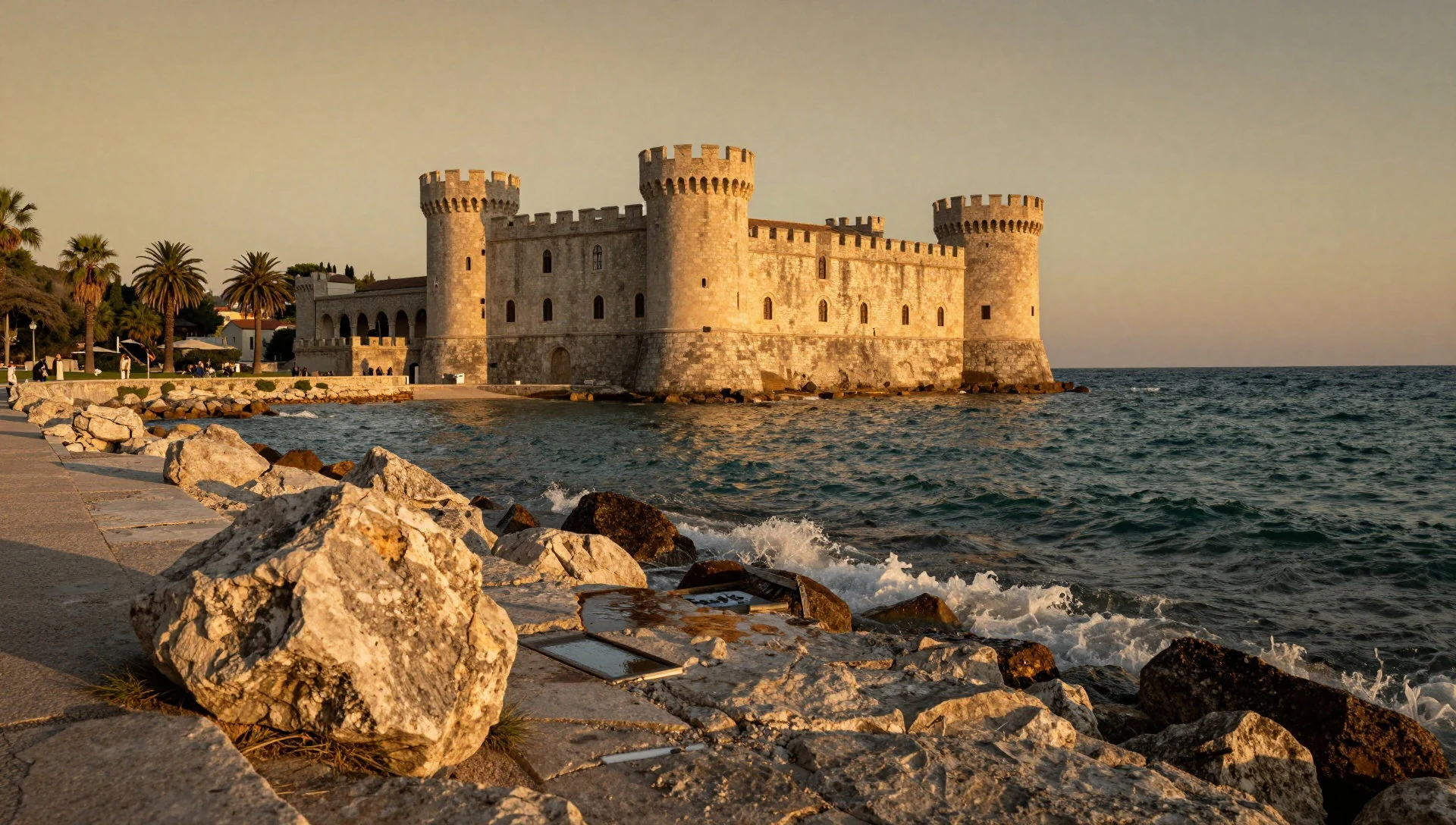
- San Giusto Cathedral and Castle — San Giusto hill, Trieste
San Giusto Cathedral and Castle sit on the hill above Trieste's old centre. Walking the ramparts gives a wide view over rooftops, hills and the gulf, and helps explain why Miramare lies so close along the same coast. The fortifications were raised by the Habsburgs to guard the city.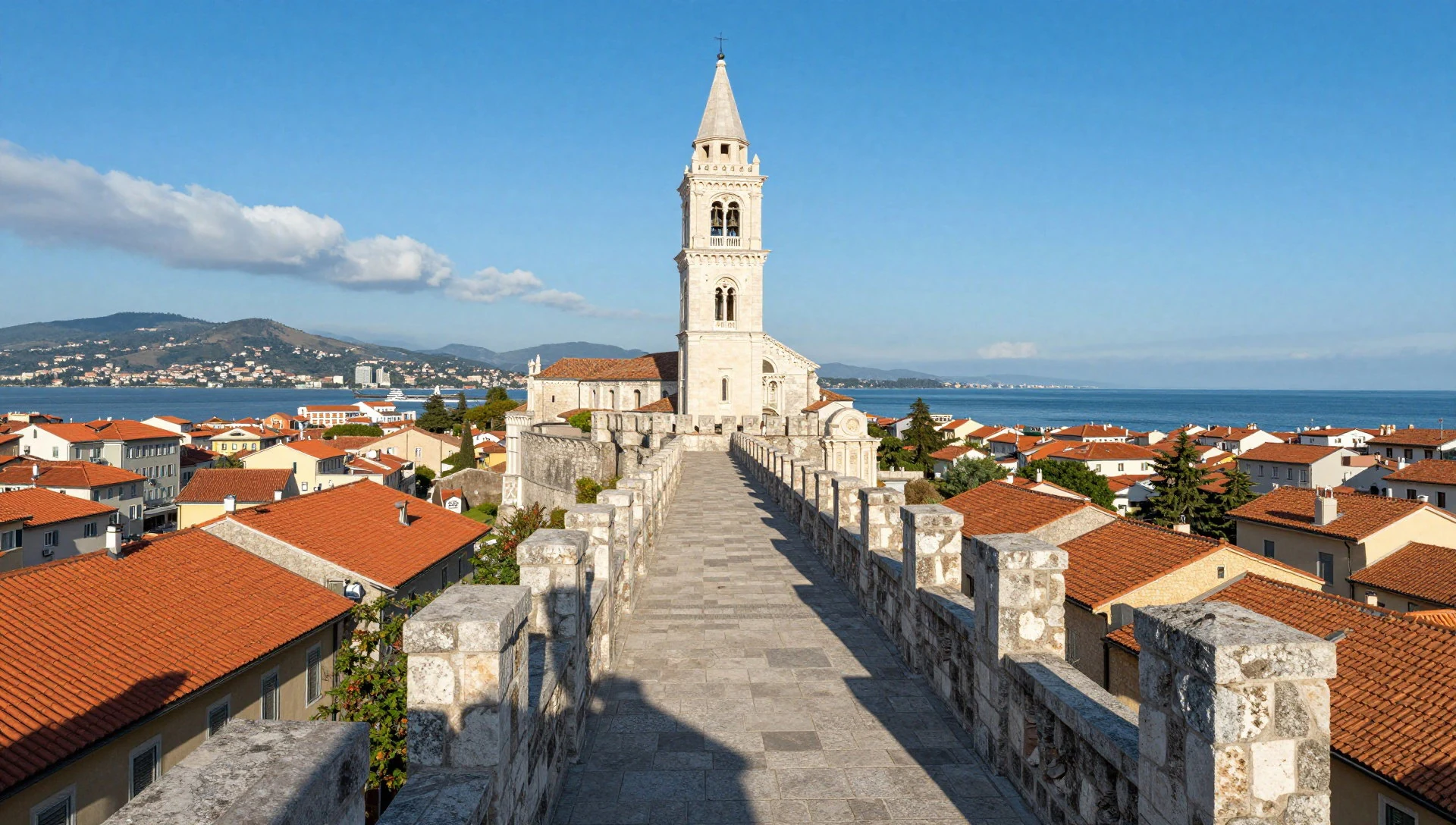
- The Austrian Quarter — Central Trieste
Much of central Trieste was built while the city belonged to the Austro-Hungarian empire, and the Austrian Quarter shows it in grand palaces and straight streets that recall Vienna. It is the natural urban companion to Miramare, since both belong to the same Habsburg chapter of the port's history.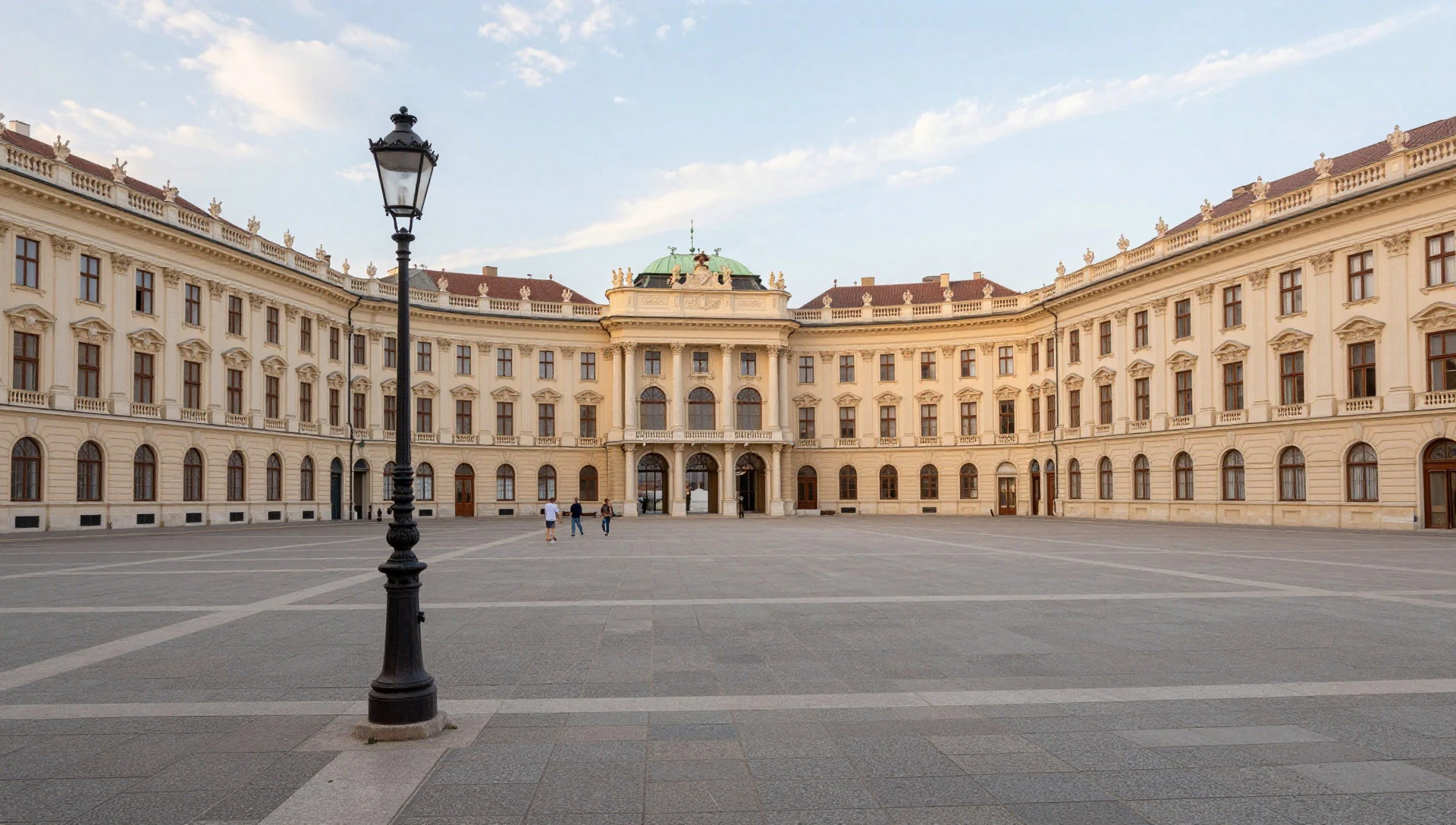
- The Roman Forum — Below San Giusto hill, Trieste
The Roman Forum marks the centre of ancient Tergeste, the Roman town that preceded modern Trieste. The remains are modest, but they show how old the city's trading role is, long before the Habsburg period that produced Miramare. A short stop works well alongside a visit to the cathedral hill.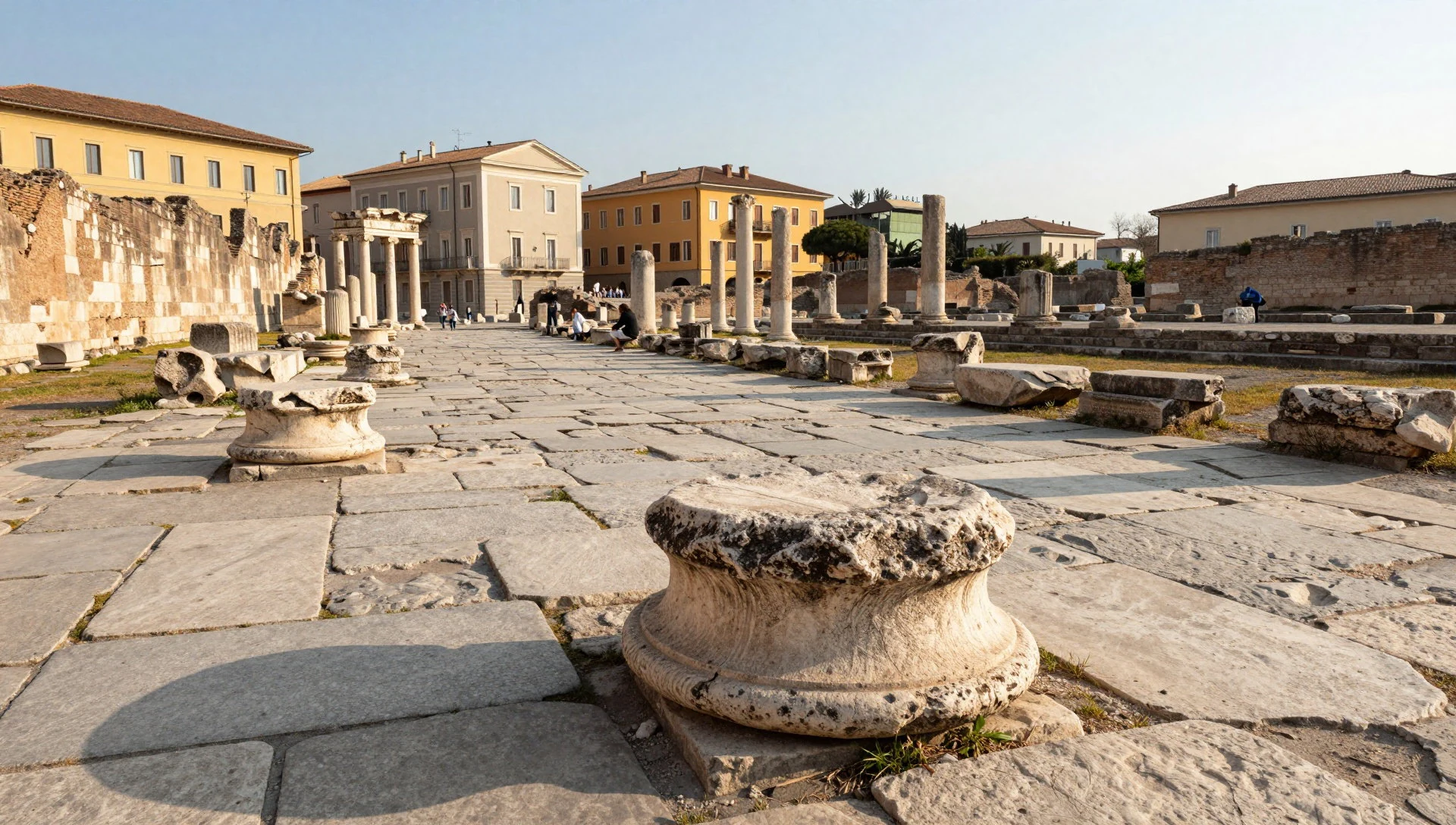
Culture
Miramare Castle belongs to the culture of Trieste, a border city whose character comes from being a crossroads. For generations it was the Habsburg empire's window on the Mediterranean, and traders, sailors and clerks from German-speaking, Slavic and Italian worlds settled here. Slovene and Italian are both heard in the region, and the castle's name appears in four languages for good reason.
That mixed inheritance shows in daily habits. Coffee is a serious subject in Trieste, taken standing at a bar or slowly in an old café, and conversation tends to move easily between languages and topics. The city's grand squares and palaces come from the Austrian period, while smaller streets keep Roman and medieval layers.
Miramare itself reflects the taste of a nineteenth-century prince who read widely and travelled by sea. Its furnishings and decoration borrow from several European traditions, and it has become a symbol of the city, much photographed and a favourite place for a weekend stroll. Many locals use the park and shore for walks, so the grounds feel lived-in rather than purely museum-like.
Visitors will find that Triestines are proud of this layered history and happy to talk about it, even if a few words of Italian help. The city is also known for its often fierce wind, which locals treat with a shrug.
Keep your voice low in the furnished rooms, follow the staff on where photography is allowed, and stay off the planted beds and cliff edges in the park.
What to wear
Dress around Miramare Castle reflects the Habsburg and Mediterranean worlds of the Gulf of Trieste. Historically, the court and bourgeois fashion of the Habsburg era favoured wool, silk and fine linen cut in Central European styles, with naval uniforms familiar in a port city. Rural communities in the hills behind Trieste kept their own folk dress, with embroidered bodices, aprons and woollen cloth, which tends to appear now only at festivals and folk events.
There is no single everyday costume in Trieste today. People dress in a relaxed Italian way: neat, simple clothes, good shoes and a light jacket or scarf for the wind. Locals swimming or sunbathing along the coast wear typical beachwear, but town streets and cafés call for slightly smarter dress than a seaside resort would.
Visitors to Miramare should plan for sun, wind and walking. In summer, light cotton or linen, a hat and sunglasses are sensible, because the point is exposed. In spring and autumn a windproof layer helps, and in winter the bora can be cold enough for a proper coat. Comfortable closed shoes with a good grip suit the park's paths and the damp rocks by the shore.
The castle is a museum, not a place of worship, so no special modesty rules apply to its rooms. For churches in Trieste, such as San Giusto, covered shoulders and knees are the safer choice.
What to eat
- Piadina — Takeaway counters and casual eateries around central Trieste
Piadina is a folded flatbread filled with cured meat, cheese or vegetables, and it makes a quick, filling lunch before or after Miramare. Several small chains and snack counters in the centre serve it, usually with generous fillings and a freshly cooked bread.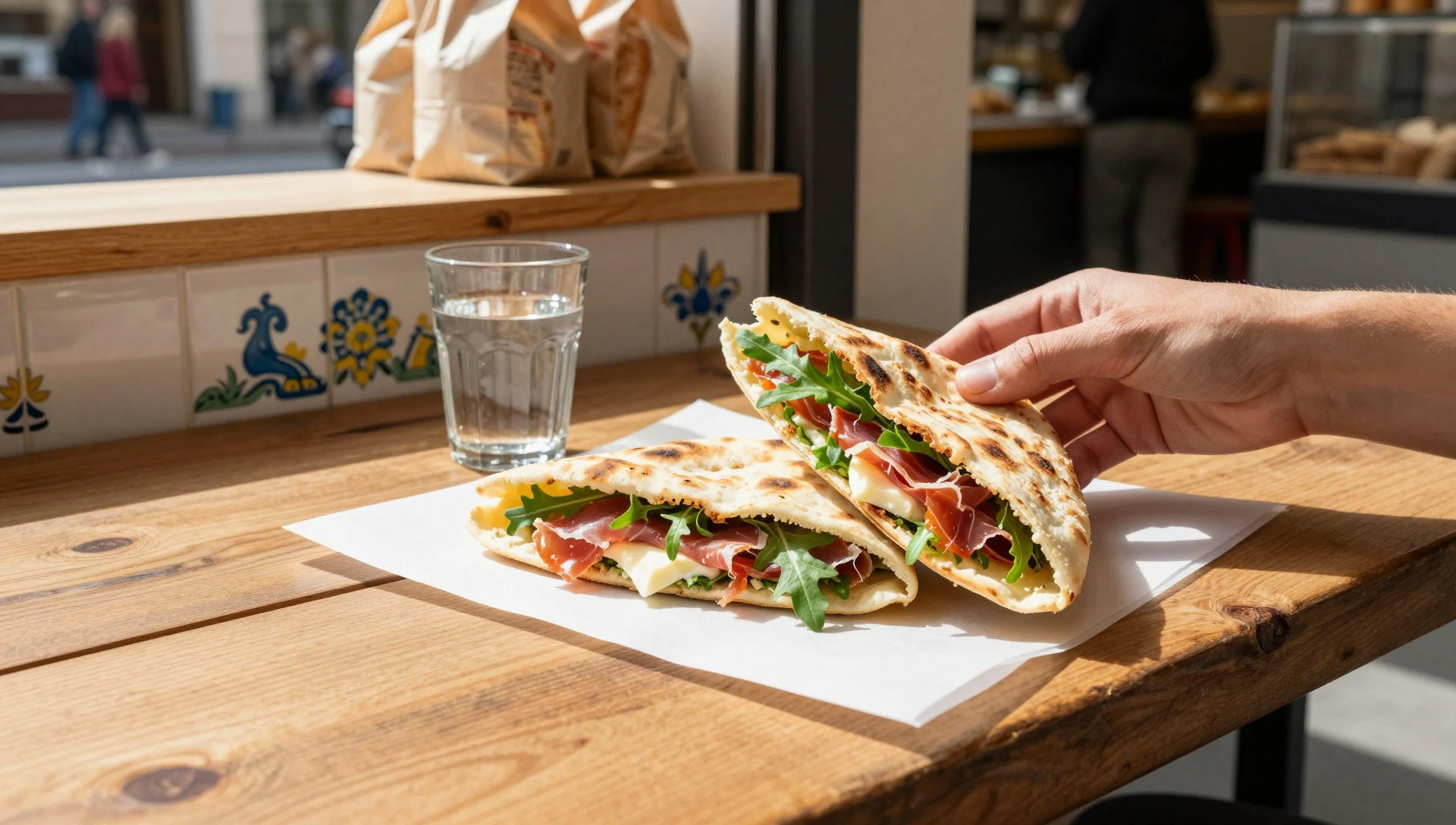
- Pizza by the slice — Takeaway bakeries and pizzerias in the city centre
Pizza in Trieste is often sold from small takeaway counters with a few tables, handy for a fast stop between sights. Choose a slice or a whole round and eat it on a bench or on the waterfront. Queues move quickly outside peak meal times.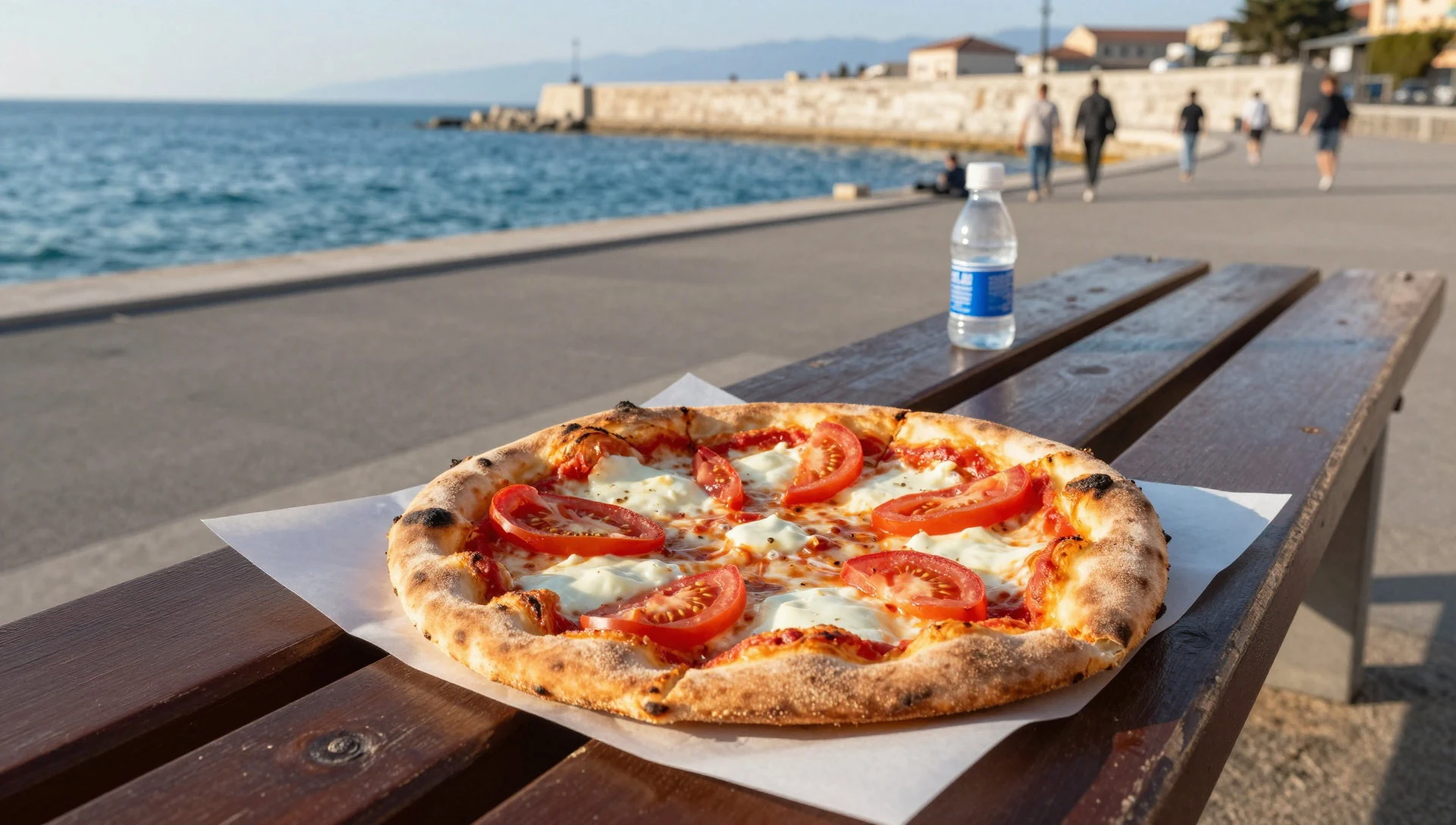
- Arancine — Snack shops near the central squares
Arancine are fried rice balls with a filling, borrowed from Sicily but now common in Triestine snack shops. They come in many fillings, from meat and tomato to cheese or vegetables, and they travel well in a bag for a picnic by the sea. - Fresh fish, simply cooked — Family-run trattorie in the old centre and along the waterfront
With the Adriatic at its doorstep, Trieste's traditional trattorie often serve fresh fish grilled or fried, with little more than oil, lemon and herbs. Ask what came in that day. Family-run places tend to keep their menus short and seasonal. - Buffet-style boiled meats — Traditional buffet eateries in the old town
Trieste has a tradition of old-fashioned buffet eateries serving boiled pork cuts with mustard and grated horseradish, a taste that comes from the city's Central European past. A plate with bread and a glass of local wine makes a hearty lunch.
Plan it
Best time. May, September and October are the most comfortable months: mild weather, good light for the park and manageable crowds. July and August are hot and busy with swimmers and day-trippers. Winter can bring the cold, gusty bora wind.
How long. 1
Getting there. Trieste Airport (Ronchi dei Legionari) has a railway station in front of it, with trains into Trieste in about 25 minutes. Venice Marco Polo and Venice Treviso are the nearest large airports. From central Trieste, Miramare is a short ride along the coast by local train, bus or taxi; check current routes before travelling.
Budget. mid
Tips
- Go early on summer weekends, when the castle and park are at their busiest.
- Check the official museum site for opening days and ticketing, and book ahead in peak season if the site allows it.
- Bring water, a hat and sun cream in summer, as the point is open to the sun.
- Wear shoes with grip for the park paths and rocks by the shore.
- Pair Miramare with a half-day in the centre of Trieste to see the Habsburg quarter and the old town.
Etiquette
- Follow the staff's guidance on photography inside the rooms.
- Keep to marked paths in the park and away from cliff edges and planted beds.
- Cover shoulders and knees when stepping into churches in Trieste.
Nearby
Sources
- Wikidata Q165069 (CC0)
- Wikipedia: Miramare Castle (rev 1366166126) (CC BY-SA 4.0)
- Wikivoyage: Trieste (rev 5420511) (CC BY-SA 4.0)
- Castello di Miramare (Trieste) (7), Michał Bulsa (CC BY-SA 4.0)
- Trieste - castello di Miramare, Gmarell (CC BY-SA 4.0)
- Ernennung Maximilians zum Kaiser Mexikos, Cesare Dell'Acqua (Public domain)
- Miramare Castle, general view, Sebastianutti & Benque (Public domain)
- Miramare Castle, ca. 1880, Sebastianutti & Benque (Public domain)
- Miramare Castle interior, Aconcagua (CC BY 3.0)
- Castello Miramare interior, MatthiasKabel (CC BY-SA 2.5)
- Panorama of Miramare castle, Mihael Grmek (CC BY-SA 4.0)


