Miami
Miami, United States
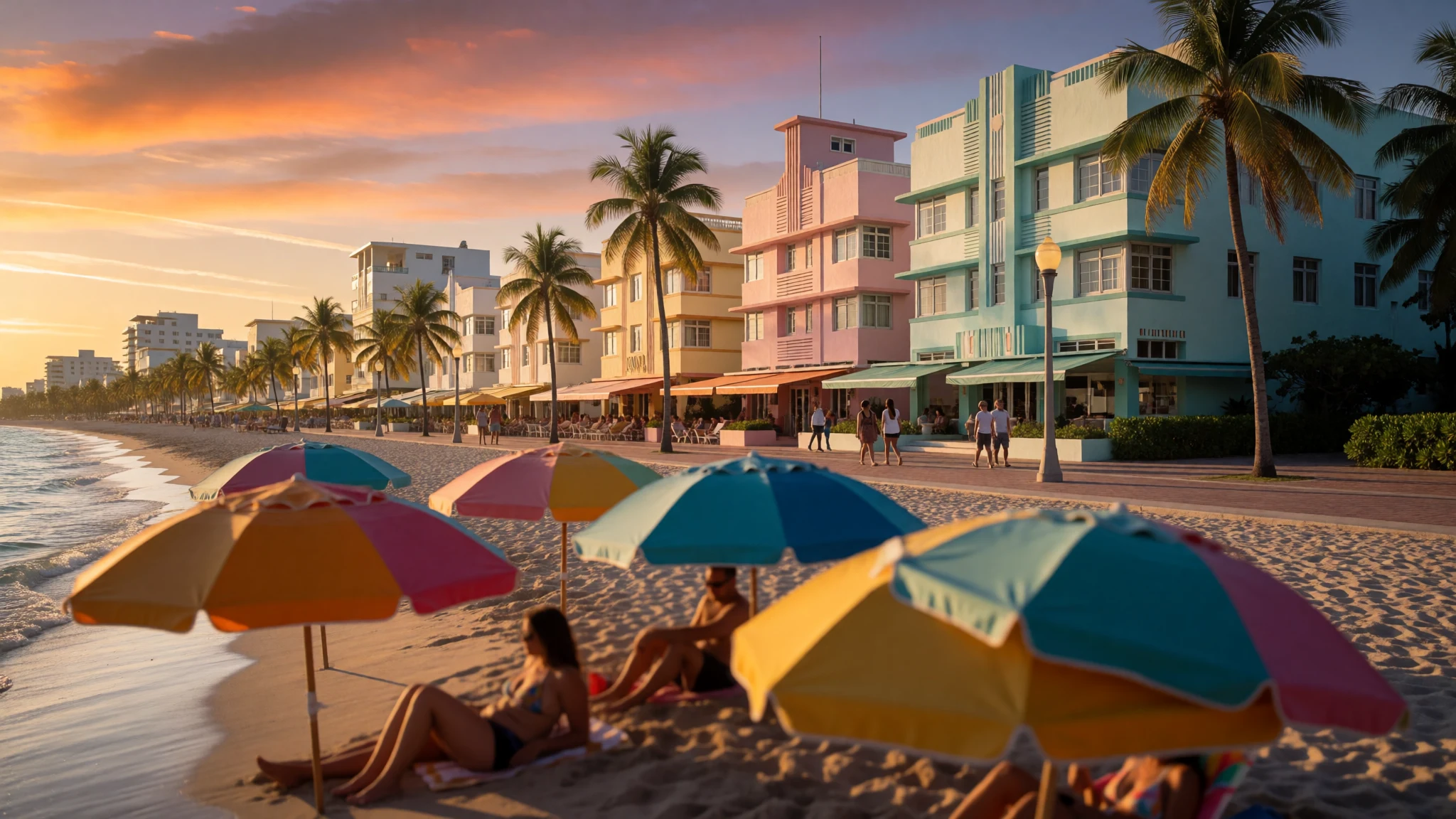
Miami blends Caribbean warmth, rapid cultural layers, and electric city rhythms into a tropical urban experience.
The place
Miami sits on a low-lying coastal plain where Biscayne Bay meets the Atlantic, shaping a landscape defined by water, heat, and openness. The city’s built environment reflects its coastal setting, with elevated roadways, seawalls, and extensive beachfront development accommodating the shoreline. Within the central district, the urban fabric is dense and vertically oriented, featuring a concentration of high-rise residential and commercial towers in Downtown and Brickell. Across the bay, Miami Beach’s hotel district is characterised by pastel-coloured façades, rounded corners, and streamlined architectural details typical of the 1930s and 1940s. West of the bay lies the metropolitan core, where financial institutions, hotels, and mixed-use developments create a distinct indoor-outdoor commercial climate. The surrounding districts extend into subtropical vegetation and residential neighbourhoods, with narrow street grids that facilitate pedestrian movement in cooler hours. Miami’s physical layout is heavily influenced by its vulnerability to hurricanes and rising tides, resulting in strict building codes and infrastructure designed to withstand storm surges. The interplay between the natural shoreline and the engineered urban grid creates a dynamic environment where public spaces, such as promenade parks and beach access points, serve as critical buffers between the city and the sea. The metropolitan area encompasses diverse ecosystems, including wetlands and barrier islands, which contribute to the region’s ecological identity alongside its cultural and economic activity. Visitors often notice how the city’s architecture responds to the intense sun, with large overhangs, light-coloured materials, and open-air design elements that promote ventilation. The coastal geography also dictates the city’s orientation, with much of the daily life facing eastward toward the ocean, while the bayside areas provide a calmer, more sheltered interface for water-based transport and recreation. This dual exposure to open ocean and protected bay defines the city’s spatial character and informs its approach to tourism, commerce, and residential development.
Its story
The history of the Miami area begins with indigenous Tequesta people, who inhabited the region for centuries before European contact. Spanish explorers claimed the territory in the sixteenth century, establishing early missions that marked the beginning of formal colonial presence. The region remained under Spanish administration for centuries, experiencing only a brief period of British control before returning to Spanish sovereignty. In the early nineteenth century, the United States acquired the territory, leading to the establishment of military outposts and the subsequent development of the Florida Territory. Fort Dallas, constructed on the banks of the Miami River, became a focal point for settlement and conflict during the Seminole Wars. The city’s modern founding is attributed to Julia Tuttle, a northern socialite and citrus grower who purchased lands around the river mouth and advocated for the extension of the railroad to the area. Her efforts were instrumental in attracting infrastructure investment and establishing the community that would become the county seat. The late nineteenth and early twentieth centuries saw a shift from a small river town to a tropical resort destination, driven by the arrival of rail connections and the discovery of phosphate deposits nearby. This initial growth laid the groundwork for the rapid urbanisation that characterised the mid-twentieth century. The post-war era brought an influx of residents from across the United States and, increasingly, from Latin America, transforming the city’s cultural and demographic profile. The rise of international trade and financial services further solidified Miami’s status as a global hub, connecting the Americas through commerce and culture. Today, the city’s narrative is shaped by its layered history of indigenous resilience, colonial transition, and multicultural convergence, all played out against the backdrop of a changing coastal environment.
What to see
- Little Havana — Little Havana, western Miami
This neighbourhood serves as the primary cultural hub for the city’s Cuban community, offering a concentrated experience of Latin American traditions. The streets are lined with cafés, tobacco shops, and live music venues that reflect the daily rhythms of local life. Visitors can observe domino games in the plazas and sample fresh pastries from bakeries that remain open late into the night. The area’s vibrant street art and festive atmosphere provide a distinct contrast to the polished architecture of the downtown core, making it a essential stop for understanding the city’s demographic diversity and social fabric.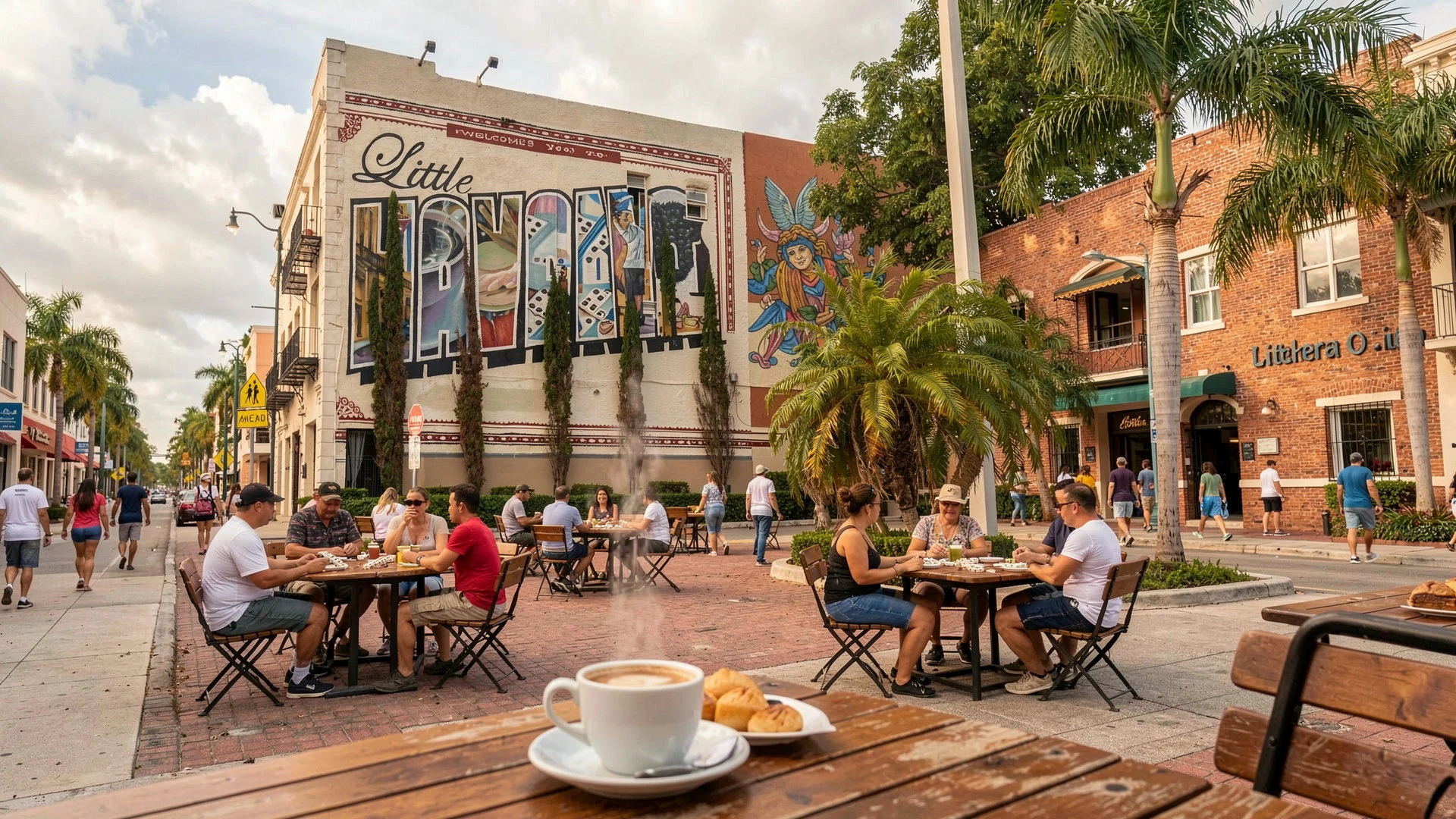
- Wynwood Walls — Wynwood, Mid-County
Located in a formerly industrial district, this open-air street art gallery features massive murals that cover entire building facades. The area has evolved into a creative centre, drawing artists and tourists with its bold, colourful expressions. Walking through the streets allows for an immersive encounter with contemporary visual culture, where local and international artists contribute to a constantly changing landscape. The surrounding blocks host galleries, studios, and casual dining options, creating a lively atmosphere that contrasts with the city’s more traditional commercial zones. It is a popular spot for photography and social gatherings, particularly in the late afternoon when the light enhances the visual impact of the artwork.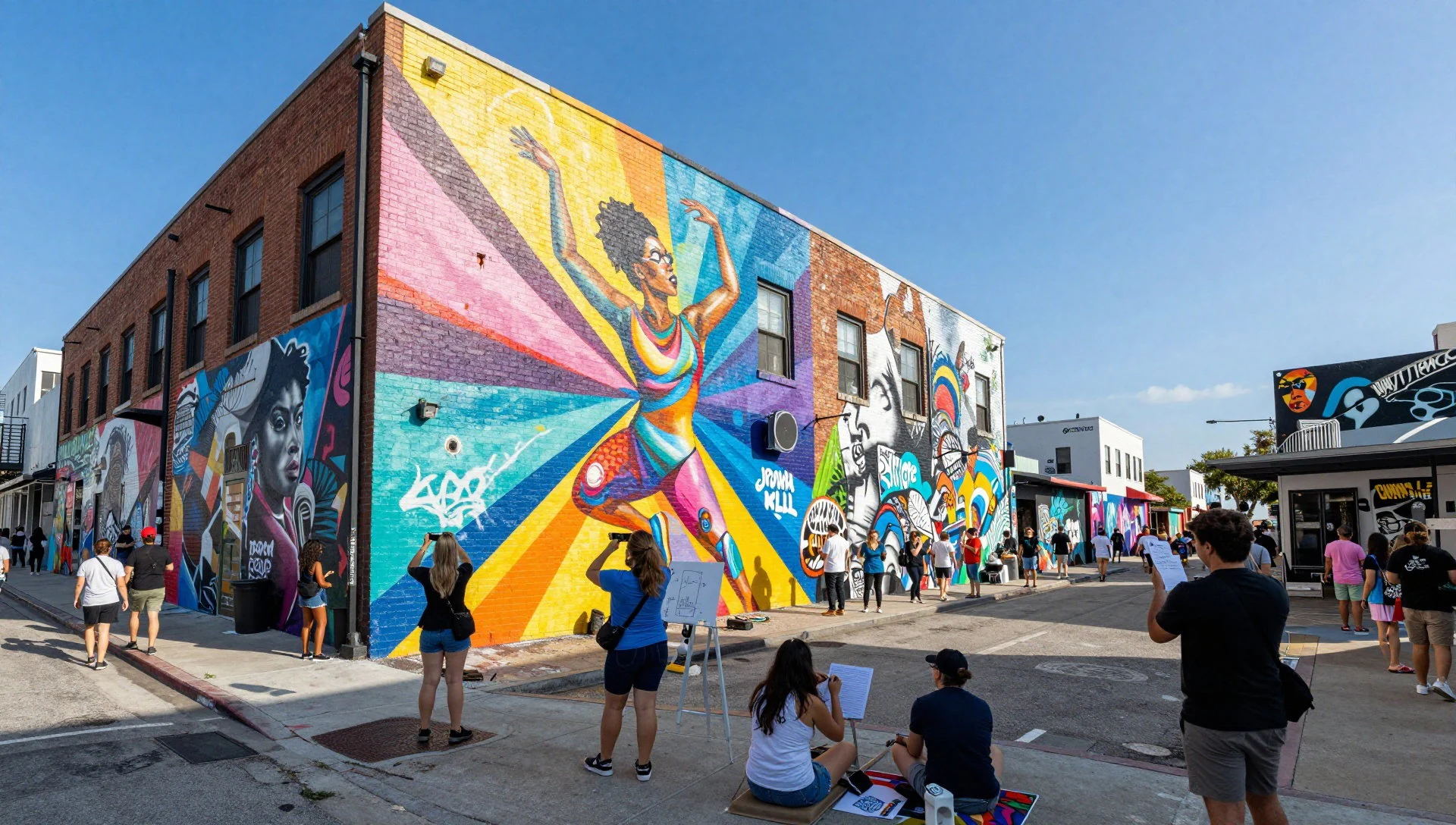
- Bayfront Park — Downtown, South Bay
This waterfront park offers direct access to the bay and provides panoramic views of the downtown skyline. The promenade is a popular spot for walking, cycling, and watching the sunrise or sunset. During festive periods, the park serves as a gathering place for community events and musical performances. The open green spaces offer a respite from the urban density, with landscaped gardens and seating areas that encourage relaxation. It is a common starting point for ferry rides to the nearby islands, making it a strategic location for those planning to explore the water-based transportation network of the metropolitan area. The park’s accessibility and central location make it a simple yet effective vantage point for observing the city’s daily pulse.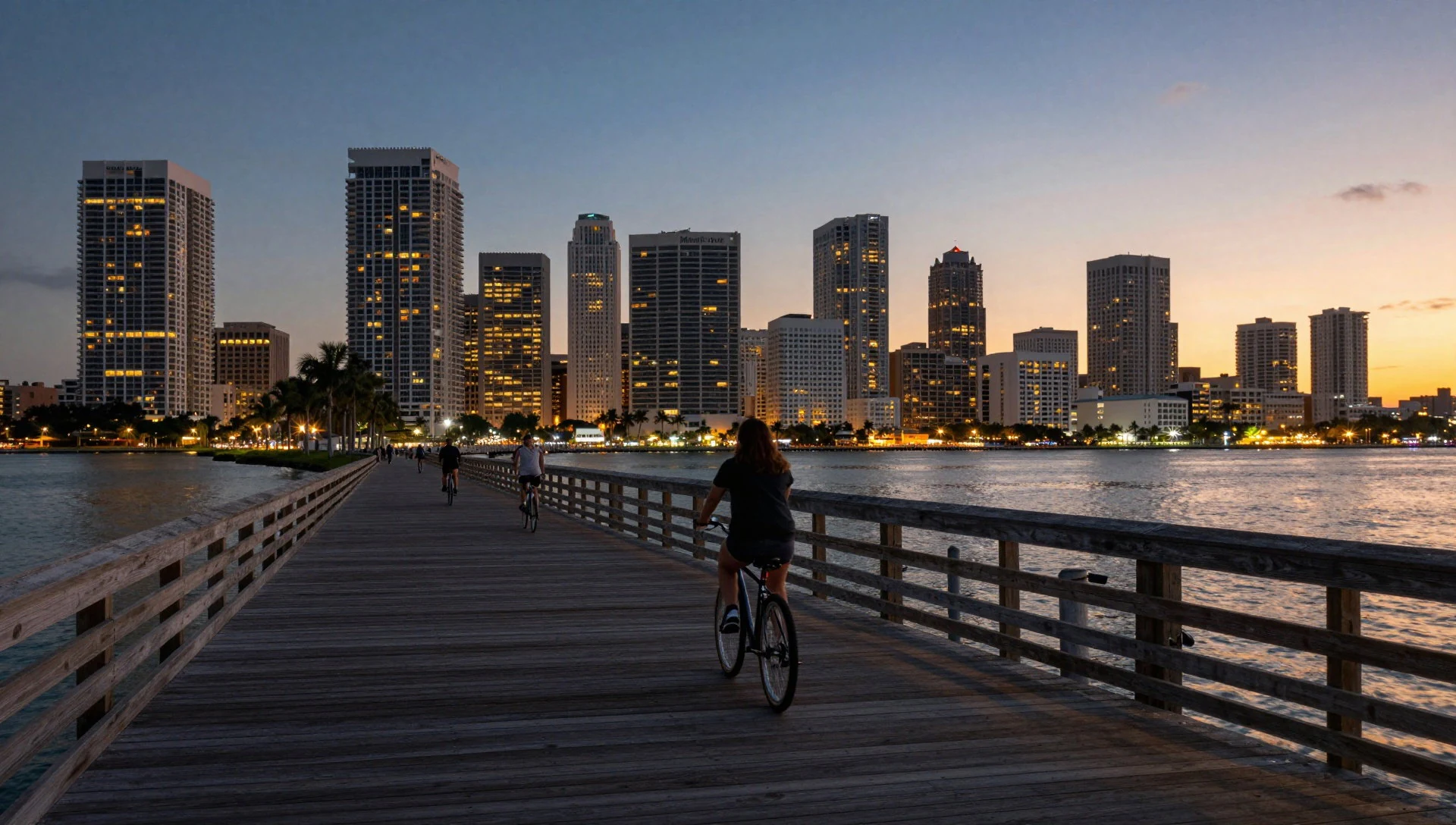
- Villa Vizcaya — Vizcaya Drive, City
Set within a large botanical garden, this historic estate features a grand villa with European-inspired architecture and extensive grounds. The collection of art and antiques inside the building reflects the owner’s taste and the era of its construction. The surrounding parkland is designed to showcase tropical and subtropical plant species, creating a lush, immersive environment. Visitors can explore the lake via docent-led boat tours, which provide insights into the garden’s history and ecological features. The estate serves as a cultural landmark, offering a glimpse into the early twentieth-century lifestyle of the city’s elite. Its tranquil setting provides a stark contrast to the high-energy surroundings, making it a suitable stop for those seeking a more contemplative experience amidst the urban sprawl.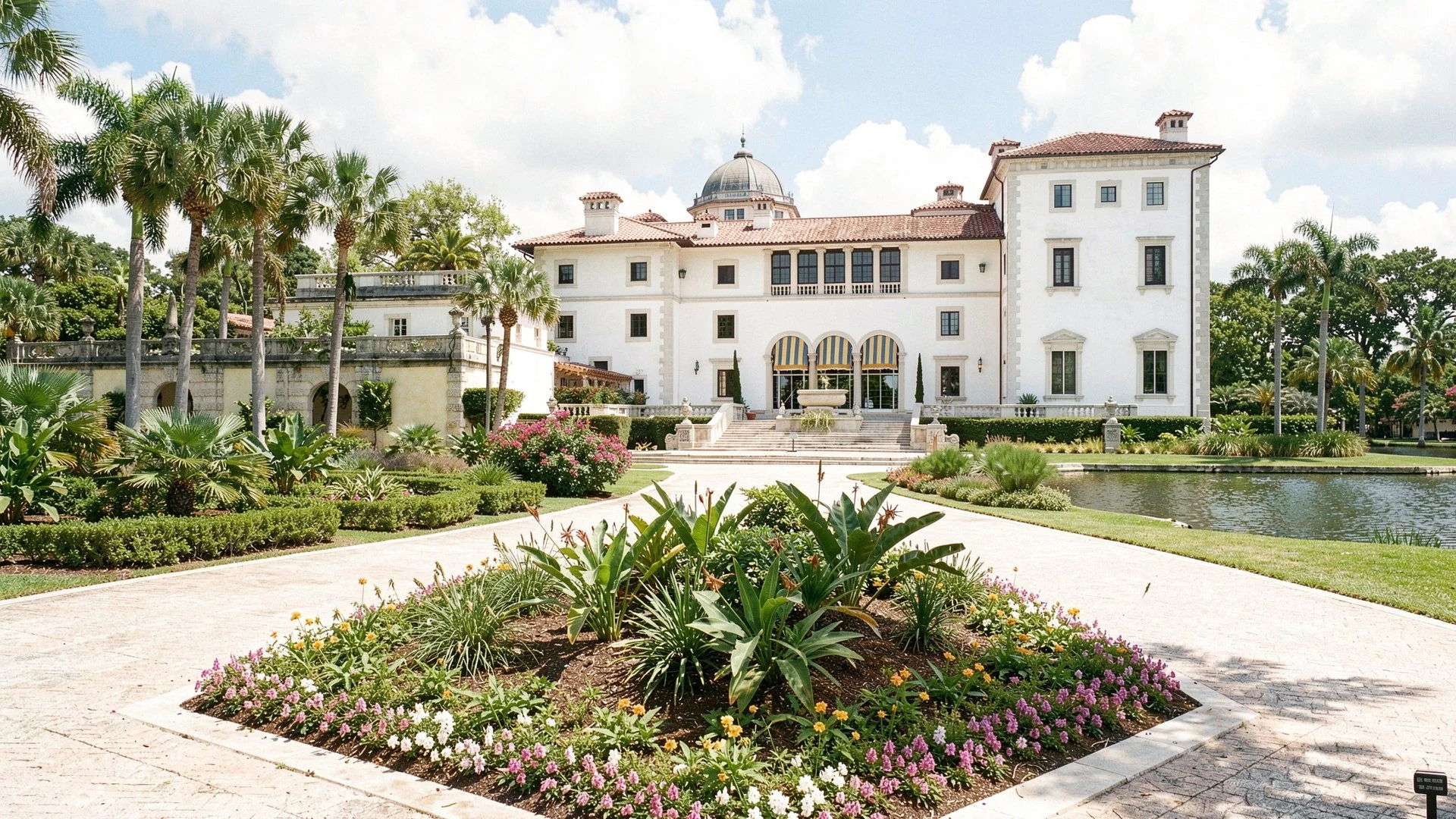
- Downtown Skyline — Business District
The cluster of high-rise towers in the central business district offers a striking visual representation of the city’s modern economic strength. Viewing areas on upper floors or from across the bay provide clear perspectives on the architectural density and glass-clad structures. The skyline changes noticeably between day and night, with lighting transforms the buildings into illuminated landmarks. This area is central to the city’s financial and commercial activities, housing major corporate offices and luxury hotels. For visitors, the view serves as a reminder of the city’s rapid growth and its role as a regional hub. The juxtaposition of historic low-rises inland and the soaring towers on the bayfront illustrates the layered development of the urban landscape over decades.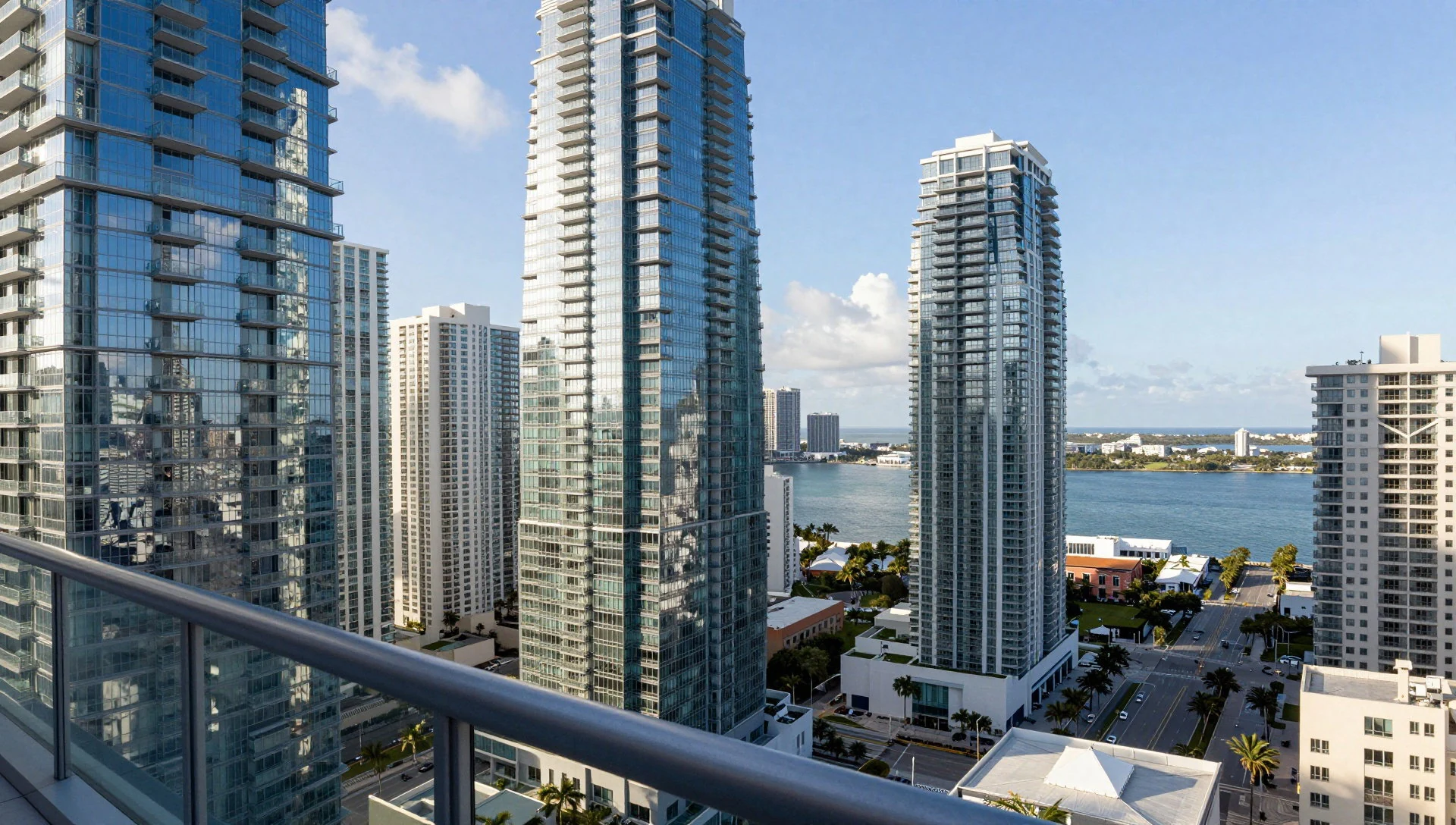
Culture
Miami’s cultural identity is shaped by its extensive Caribbean and Latin American connections, which permeate the city’s music, food, and social customs. The Spanish language is widely spoken in public spaces, commerce, and media, creating a bilingual atmosphere that distinguishes it from other North American cities. This linguistic and cultural exchange influences the local arts scene, with a vibrant calendar of festivals, concerts, and exhibitions celebrating diverse heritage. The city’s nightlife is particularly renowned for its electronic music culture and beach clubs, which operate late into the night. Social interactions are generally warm and informal, with a strong emphasis on community and family ties. The presence of numerous international communities adds layers of complexity to the social fabric, resulting in a dynamic cultural mosaic. Visitors should be aware that the fast pace of life can be intense, particularly in commercial districts. To respect local norms, it is advisable to learn a few basic phrases in Spanish, as this is often appreciated in service industries. Additionally, being mindful of noise levels in residential areas and respecting personal space in crowded venues are important considerations for a positive experience in this vibrant urban environment.
What to wear
Traditional dress in this region is not rigidly codified in the same way as in some other parts of the world, but the warm climate has historically influenced garment choices. Lightweight, breathable fibres such as cotton and linen have long been preferred to cope with the humidity and heat. In more formal or ceremonial contexts, bright colours and flowing fabrics are common, reflecting Caribbean and Latin American sartorial influences rather than a single national costume. Contemporary Miami fashion is defined by resort wear, athleisure, and street, with a strong emphasis on comfort and style. Residents and visitors often wear shorts, t-shirts, and sandals, particularly in the afternoons and evenings. The fashion scene is influenced by major fashion events held annually, which bring global trends to the forefront. For visitors, the most practical approach is to dress in layers to accommodate the shift from hot, humid outdoors to heavily air-conditioned indoors. Sunglasses, hats, and sun-protective clothing are essential for daytime activities. Footwear should be suitable for walking on smooth pavement and, if heading to the beach, sandal-friendly terrain. Modesty is not strictly enforced in public spaces, but it is advisable to dress respectfully when visiting religious sites or formal dining establishments.
What to eat
- Cuban Café Con Leche — Neighbourhood cafés and bakeries
A strong, sweet coffee drink served in small cups, traditionally made with equal parts espresso and steamed milk. It is a staple of the morning routine and is often enjoyed with a sweet roll. The preparation time is quick, and it is commonly found in casual cafés and bakeries throughout the city.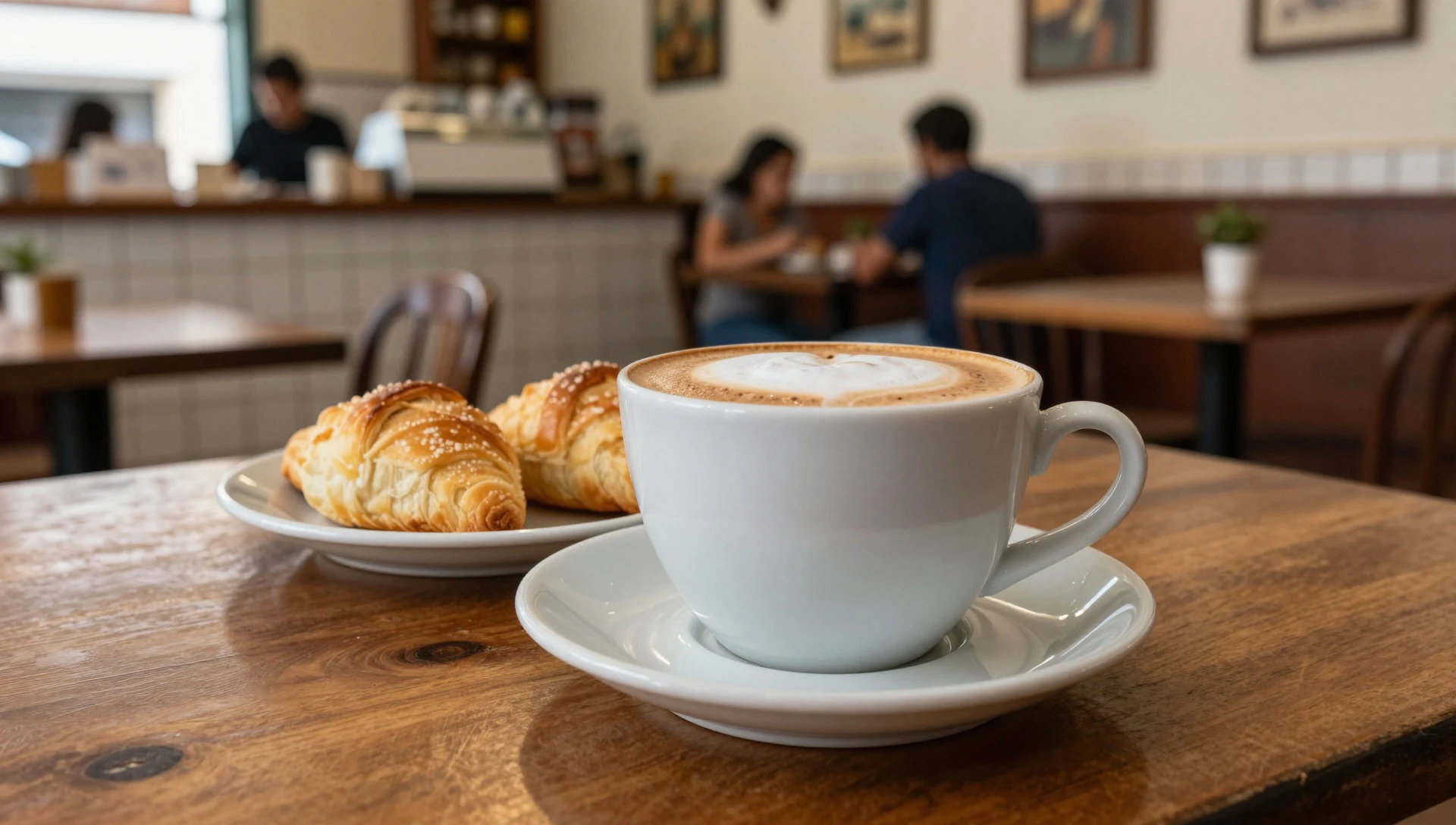
- Ropa Vieja — Family-run eateries
A slow-cooked shredded beef stew with tomatoes, peppers, and olives, typically served over rice. The beef is simmered for hours to achieve tenderness, resulting in a dish that is both hearty and flavorful. It is a classic comfort food often found in home-style restaurants and family-run eateries.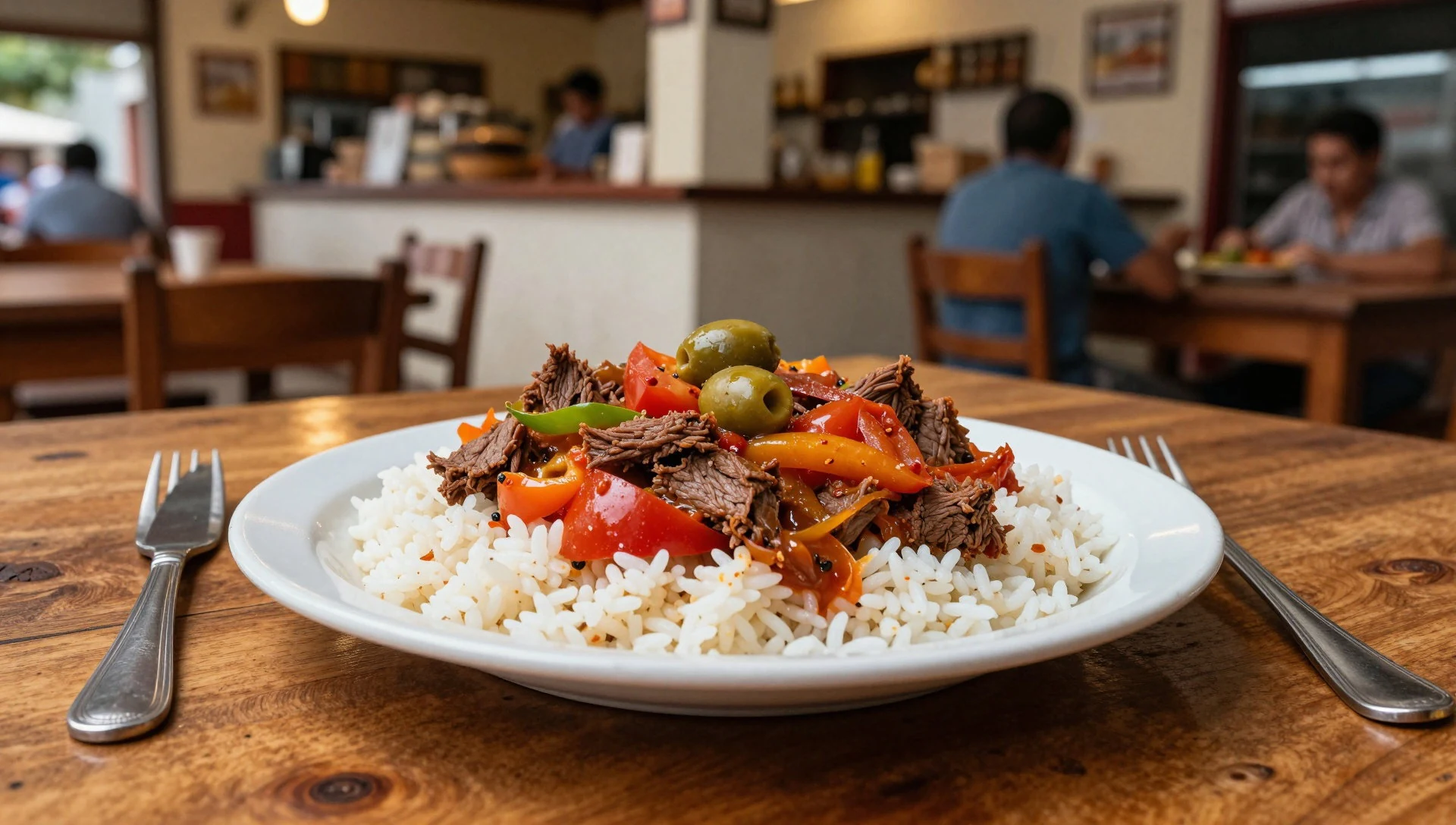
- Pastelitos — Street vendors and bakeries
Small, flaky pastries filled with seasoned ground beef, sometimes accompanied by a spicy sauce. The pastry dough is thin and crispy, providing a textural contrast to the savory filling. They are popular as a afternoon snack or appetiser in various local food spots. - Ceviche — Seafood bars and beachfront restaurants
A dish of raw fish cured in citrus juices, mixed with onions, peppers, and cilantro. The acidity of the lime or lemon 'cooks' the fish, creating a fresh and tangy flavour profile. It is often served with plantain chips or yuca, adding a starchy element to the light preparation.
Plan it
Best time. November to March offers the most comfortable weather, with lower humidity and less rainfall, making it ideal for outdoor activities and sightseeing.
How long. 3–4
Getting there. Miami International Airport is the primary entry point, with direct connections to the downtown area via train or bus. The airport serves as a major hub for domestic and international travel, offering convenient access to the city’s public transport network.
Budget. mid
Tips
- Carry a refillable water bottle to stay hydrated in the heat
- UV protection is essential due to strong sun exposure
- Avoid walking during peak afternoon heat if possible
- Use public transport to avoid traffic congestion in the city centre
Etiquette
- Keep noise levels down in residential areas
- Do not feed wildlife in parks
- Respect photographers and do not obstruct their work
Nearby
Sources
- Wikidata Q8652 (CC0)
- Wikipedia (rev 1383331216) (CC BY-SA 4.0)
- Wikivoyage (rev 5411119) (CC BY-SA 4.0)
- Photo 01 (CC BY 3.0)
- Photo 02 (CC0 1.0)
- Photo 03 (CC BY 2.5)
- Photo 04 (CC BY 3.0)
- Photo 05 (CC BY 2.5)
- Photo 08 (CC BY-SA 4.0)


